photography
Treutlen County, Hic Et Nunc



Snowy Egret

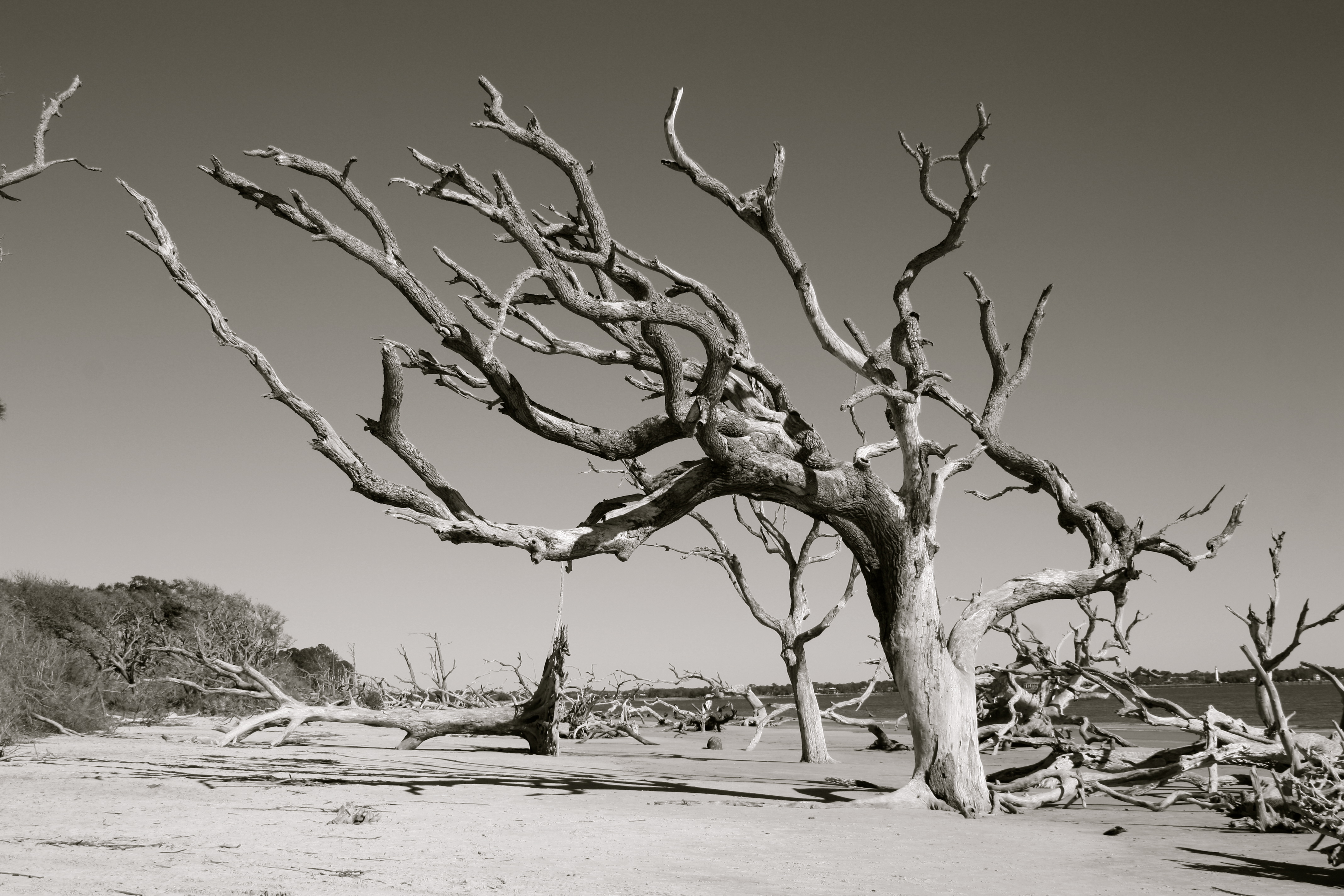
Arboreal Boneyard

Favorite Ginko
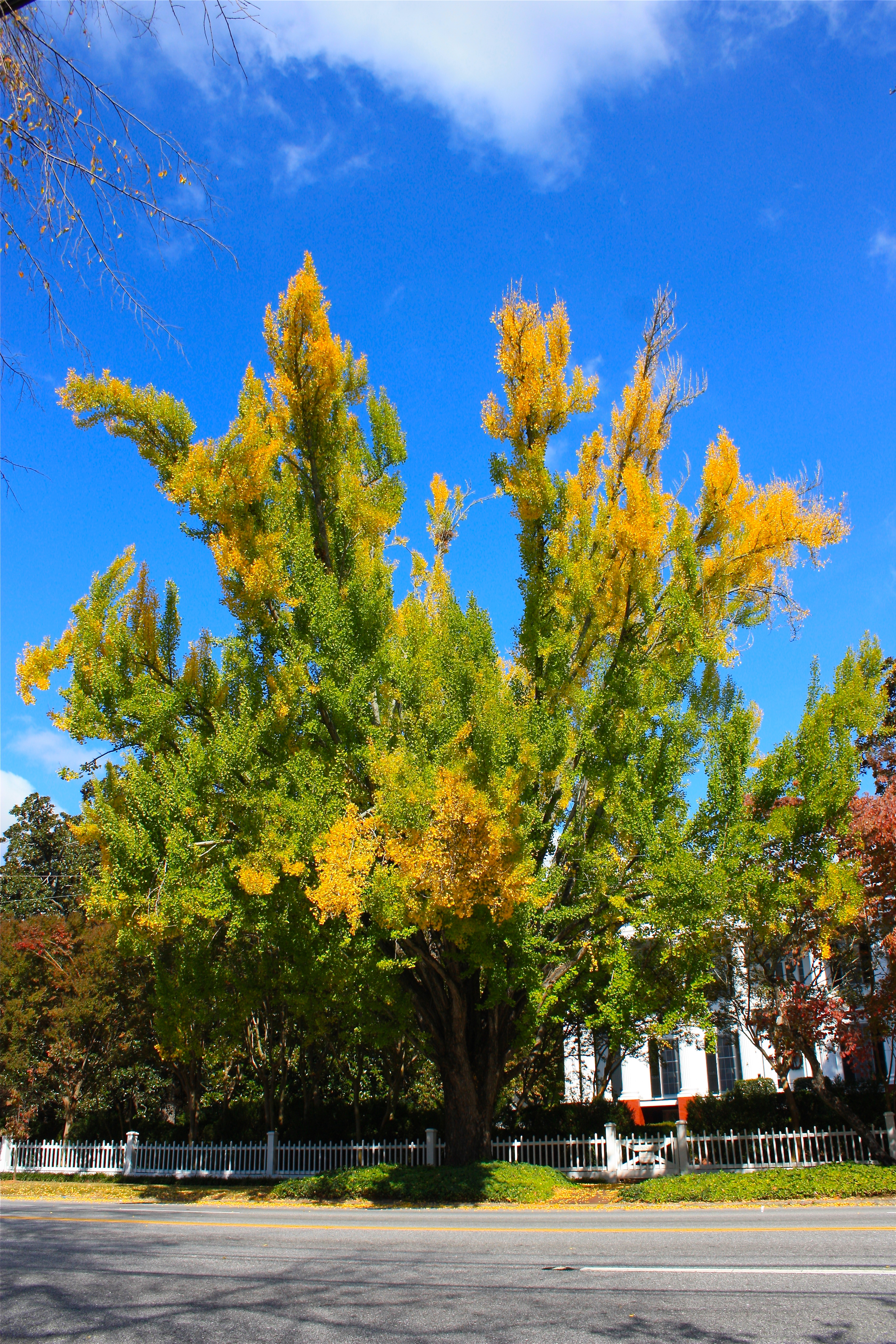
November appears with a lemony stream along this stretch of Prince Avenue.
5 Minute Harvest

A five minute stroll around veggie beds at school fills a small sack with figs, okra, peppers, and tomatoes. Fruits and vegetables planted by kids just taste better.
Exquisite Asymmetry

Concrete Ingredients



Concrete Ingredient 3

Concrete Ingredient 2


Concrete Ingredient 1

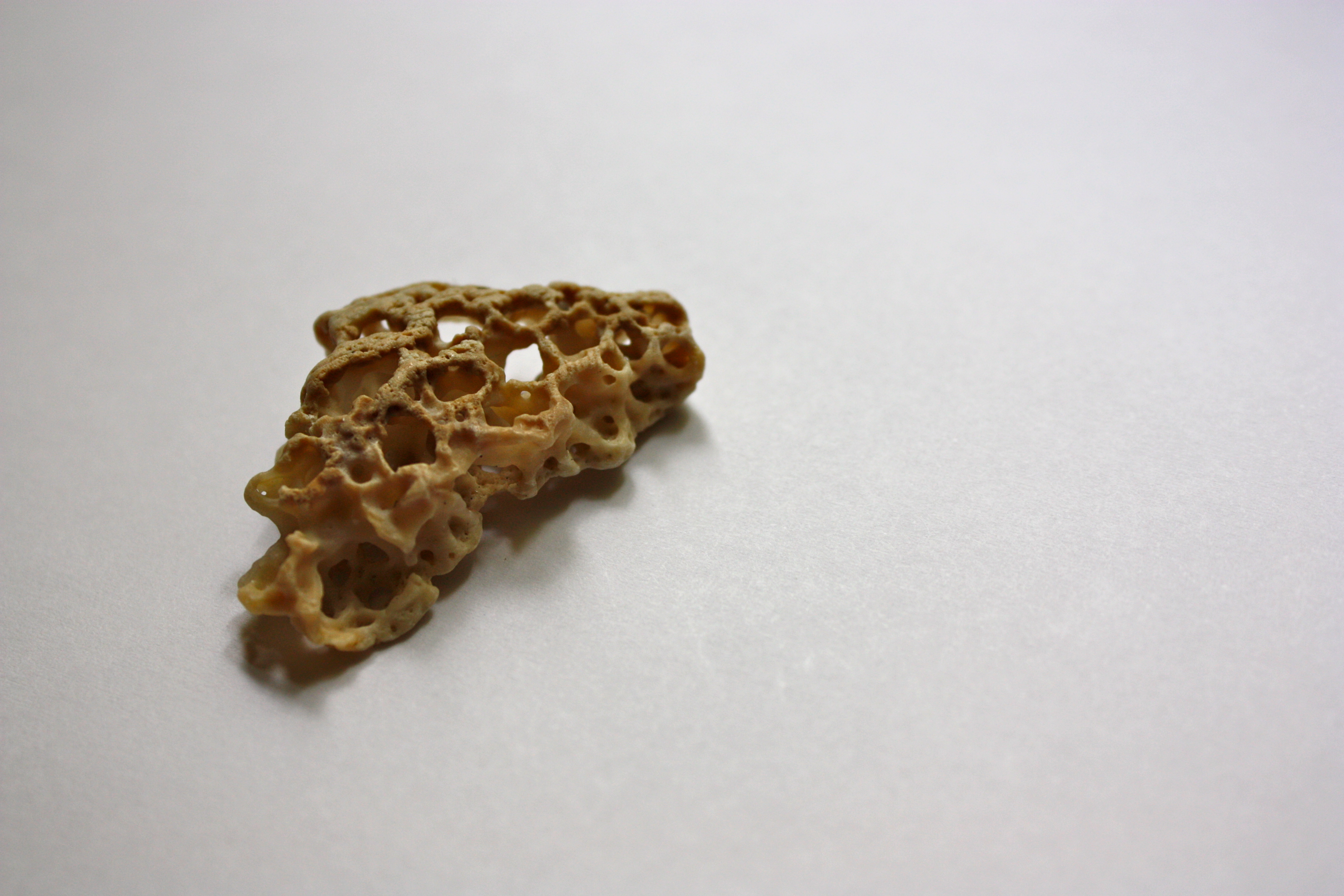
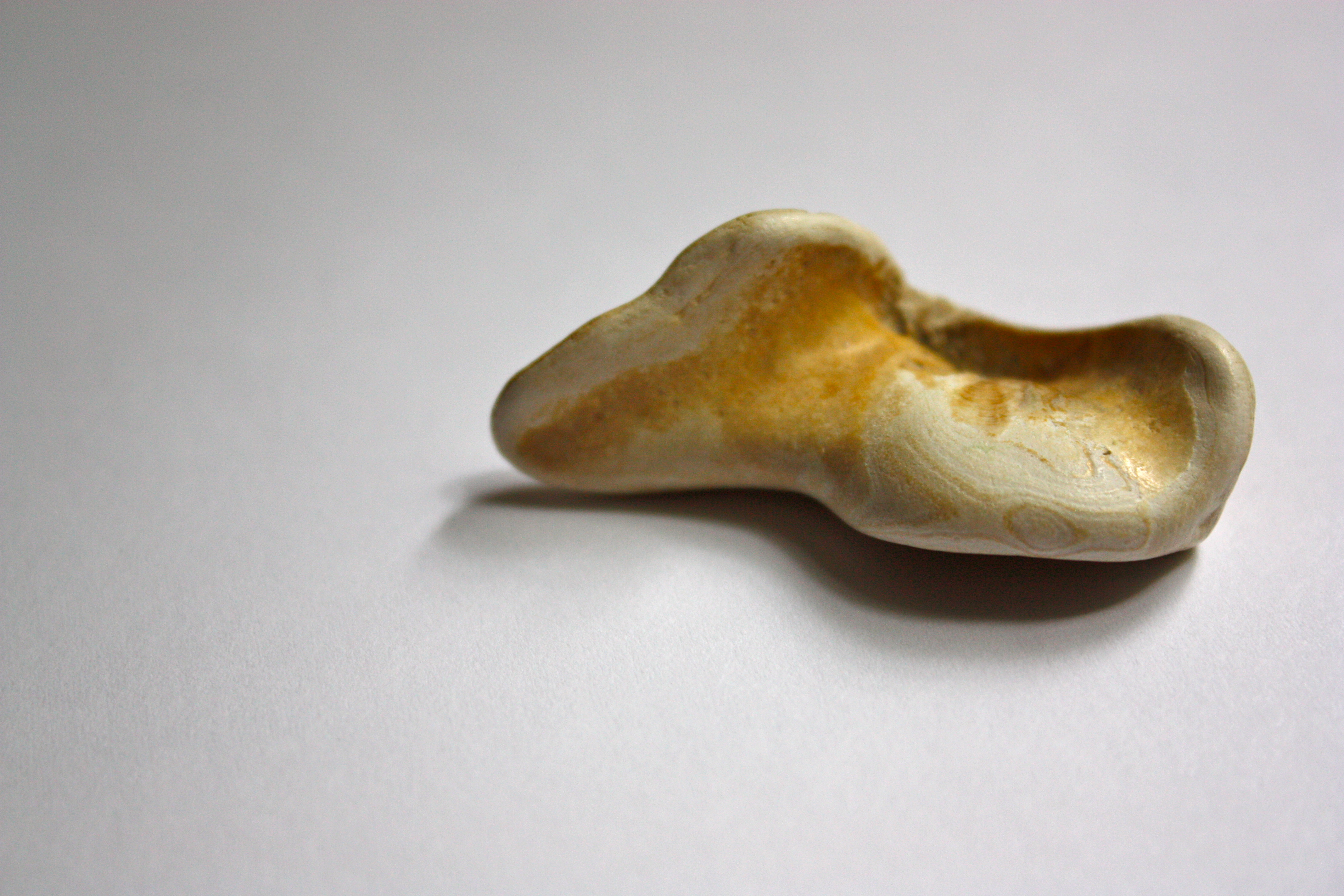
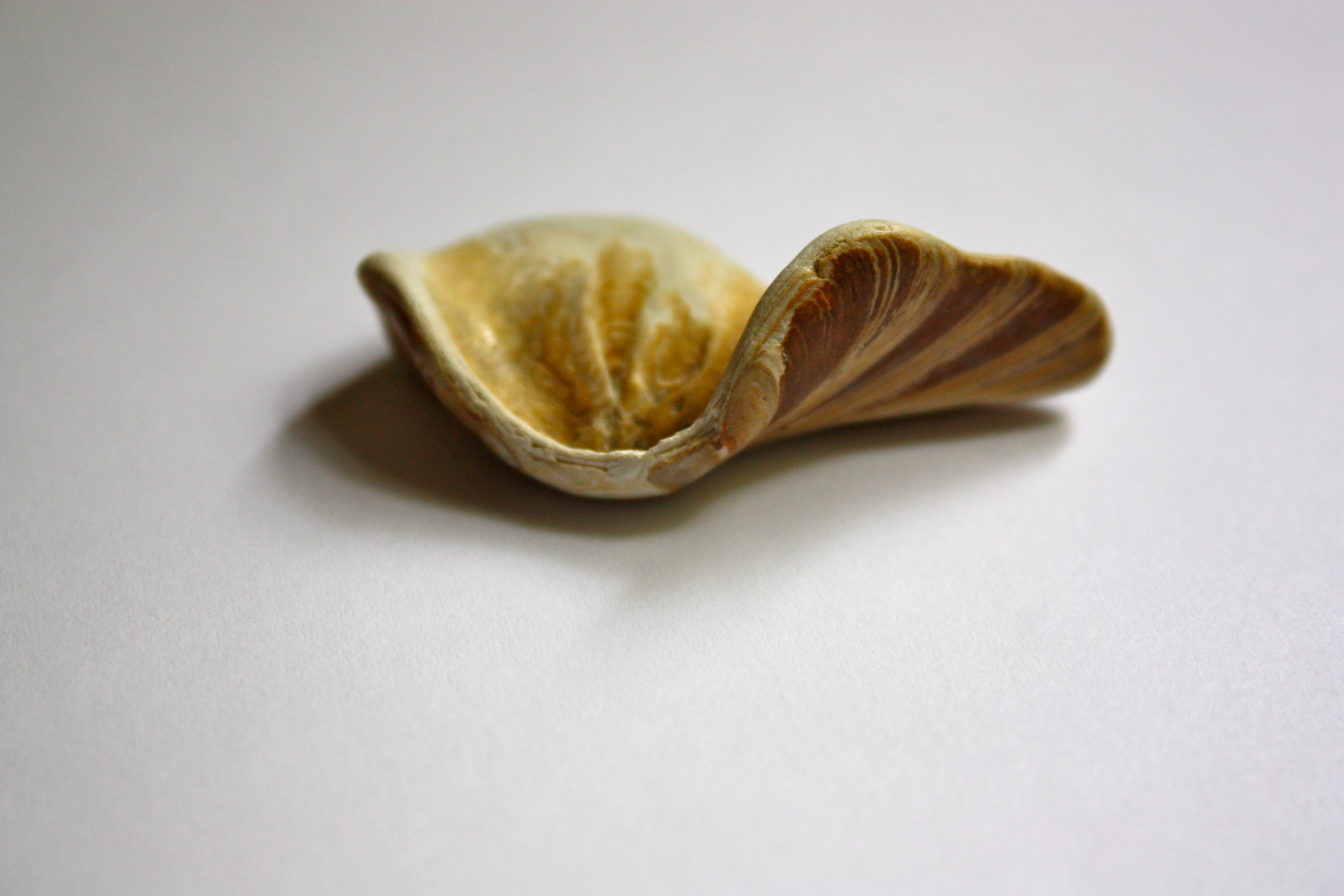
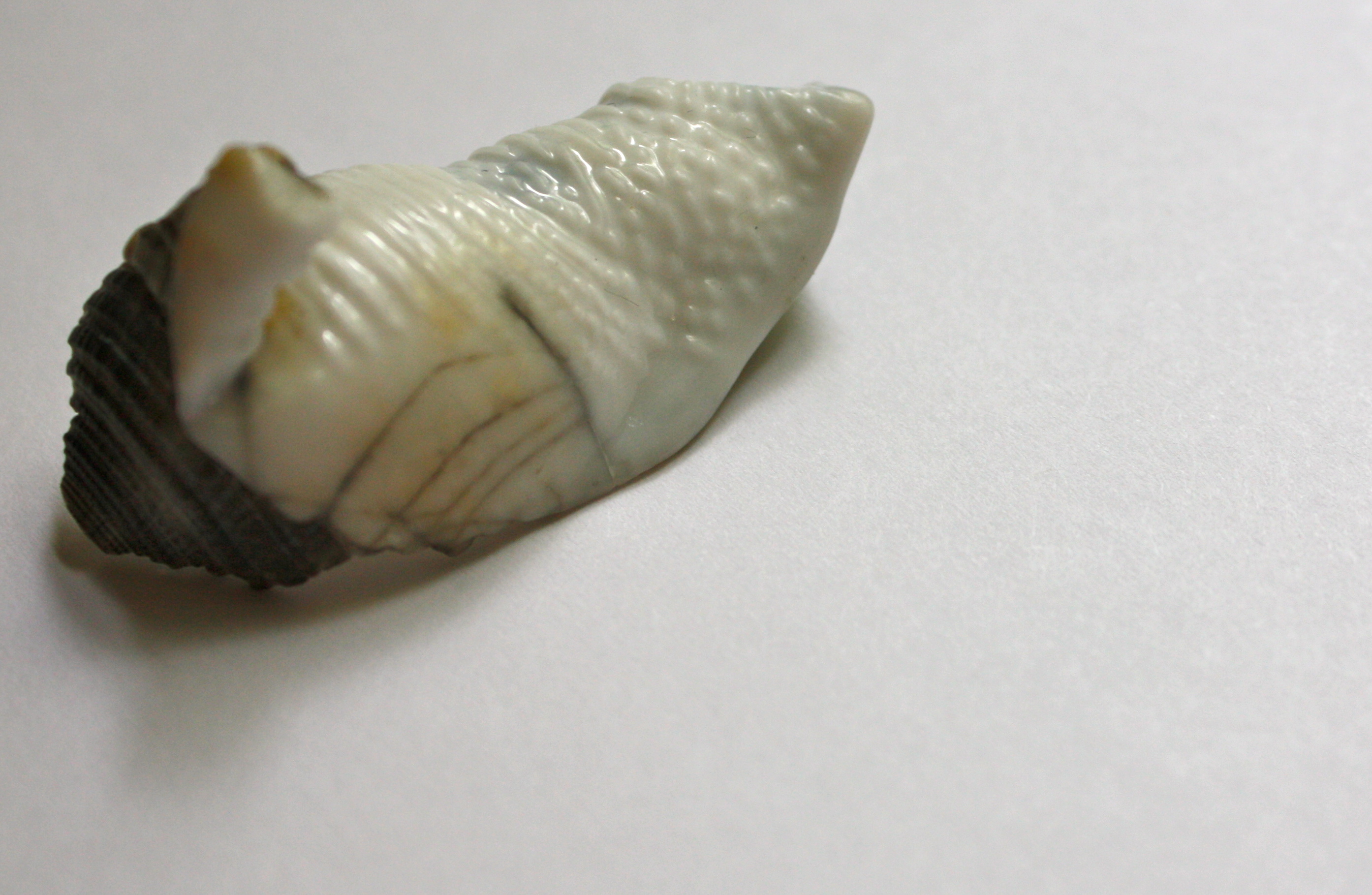
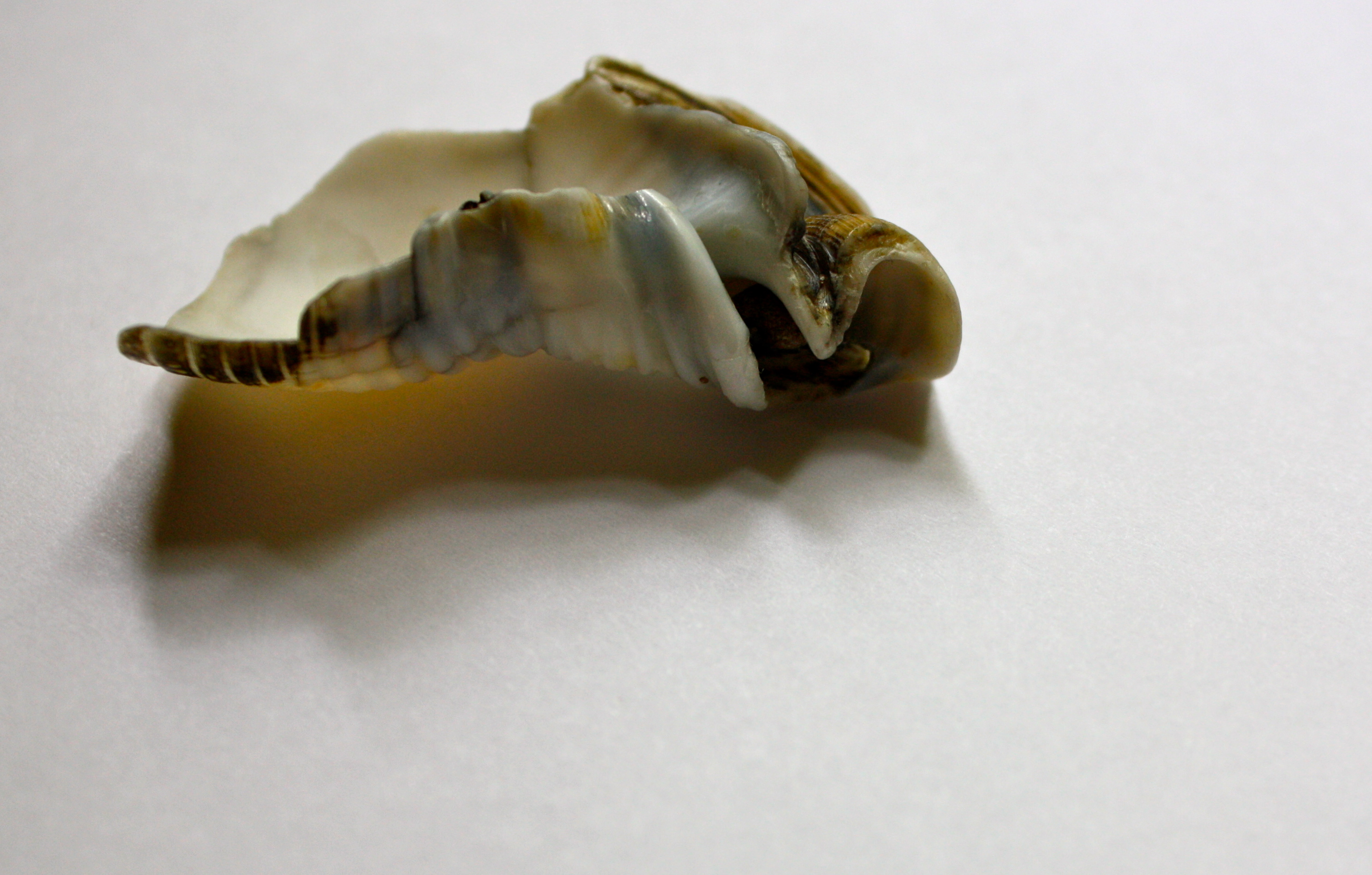
“The first three ingredients of concrete – sand, ocean creatures, and water – create the solidity of pipes and pilings and sidewalks and walls. Reinforced with rebar, pressed between bricks, the concrete hardens, but only with time, which is the fourth ingredient of concrete.”
-Kathleen Dean Moore
A Call For More “Untutored Savages”

David Sobel’s books Beyond Ecophobia: Reclaiming the Heart in Nature Education, Mapmaking With Children, and Place-Based Education: Connecting Classrooms and Communities, were three of the most influential, nonrequired readings while slogging through tired ed courses. Now once in awhile, similar literature surfaces as a healthy reminder to allow and urge spontaneous natural wonder and play.
Look, Don’t Touch, in the July/August edition of Orion Magazine, is Sobel’s comprehensive critique of environmental education pitfalls prevalent among well-intended households, classrooms, and camps. He quotes “untutored savage” naturalist superheroes John Muir and E.O. Wilson, discussing unscripted, unsupervised childhood adventures, juxtaposed with ubiquitous rules within current environmental education programs and summer camps restricting kids to designated trails, PowerPoint introductions, and policies forbidding fort building and tree climbing in the name of conservation.
Muir remembers, “One late afternoon I brought home a coachwhip snake nearly as long as I was tall and walked into the house with it wrapped around my neck.” While living in rural Ponchatoula, Louisiana, I had a similar experience at age eight. Biking home for lunch from morning adventures in pinewoods that go on forever (dressed in a black ninja outfit), mom shrieked as I appeared in the kitchen with a pair of matching lime green anoles dangling from my earlobes.
A child discovers a way to capture a huge, black snake, or that some lizards won’t let go. It’s this sort of experiential outdoor play that develops into lifelong respect for, and connection to, a world from which far too many children are estranged.
Read more…
Mindful of the Ocoee
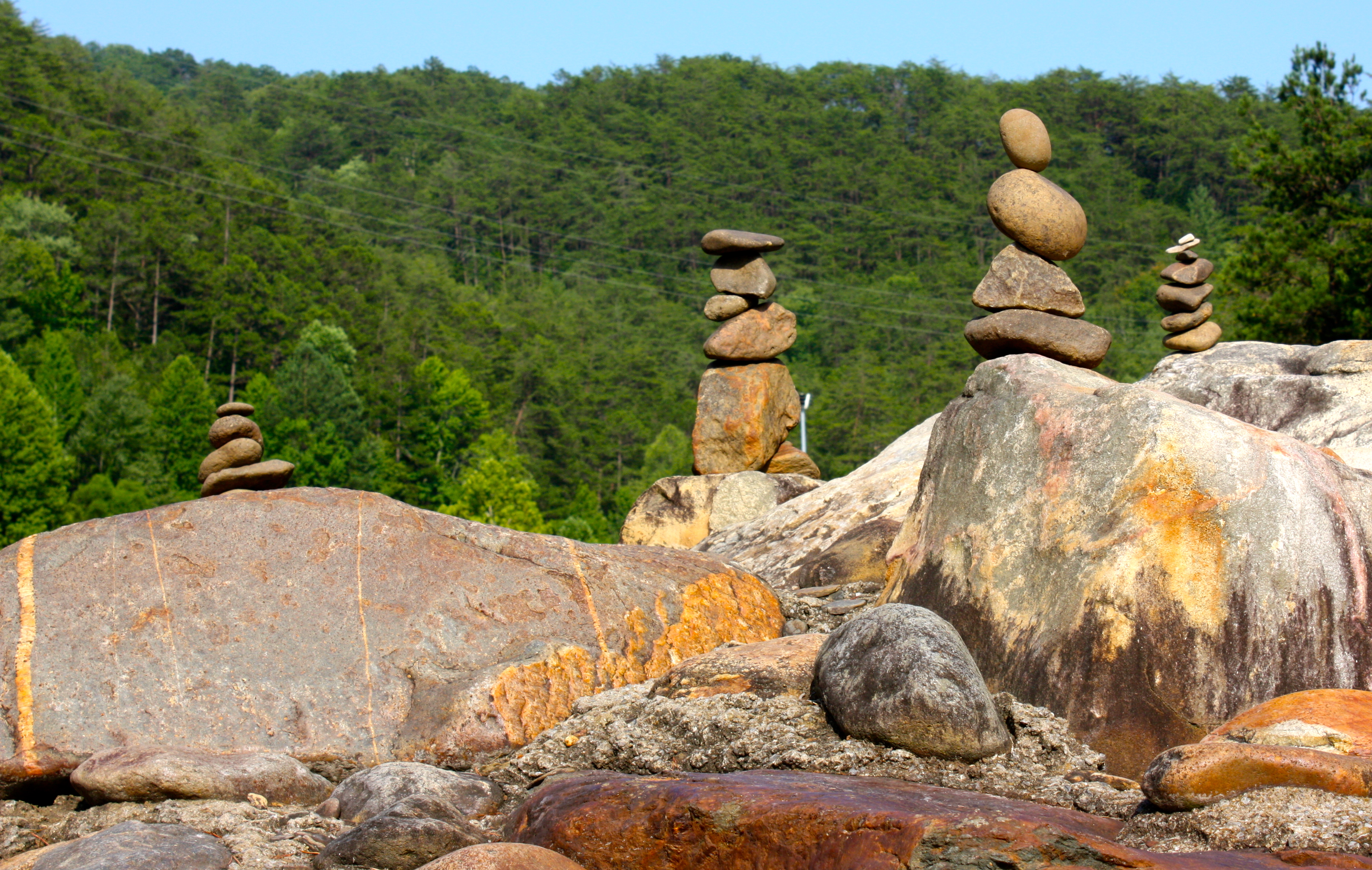
Around 3:30, the Ocoee recedes over the course of a couple hours as the Tennessee Valley Authority’s dam no. 3 diverts millions of gallons of water from a four mile stretch engineered in 1996 for “the world’s first Olympic whitewater event on a natural river” (USDA Forest Service). This isn’t what they had in mind.


Honeydew Trampolines

Last year’s melons were suspended in the air, each wrapped in pantyhose hammocks hung from the bamboo trellis. This year, they’ll stay on the ground, slightly elevated on improvised hosiery trampolines.
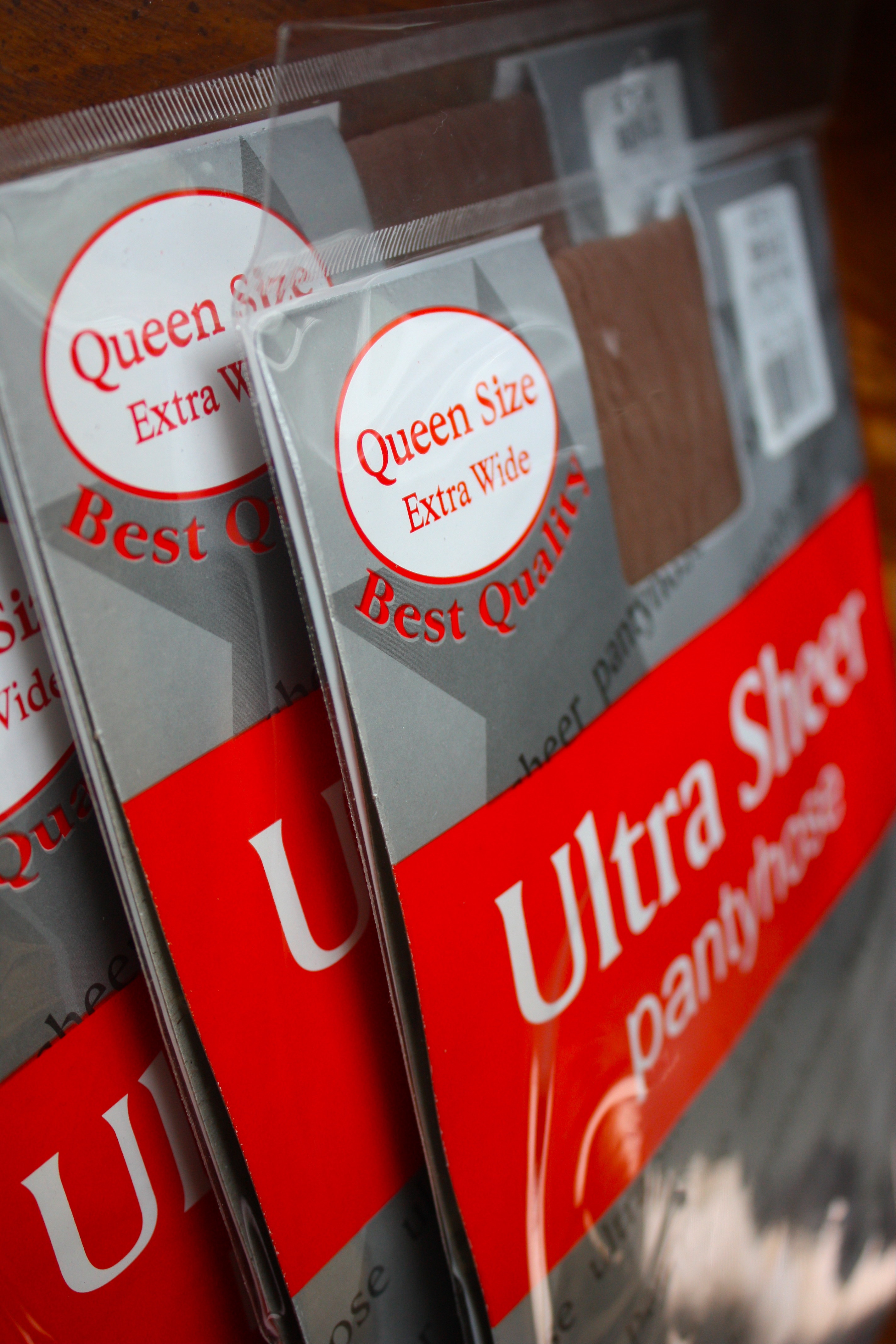
Six wicker baskets cost a dollar at the Habitat Re-Store down the street, and the queen size hose are less than two bucks. Family Dollar didn’t have large sizes, but the lady was kind enough to pull a pair out to get a better idea of how to stretch them, then she recommended the beauty supply place (Joy Joy) around the corner.

First, cut the feet.
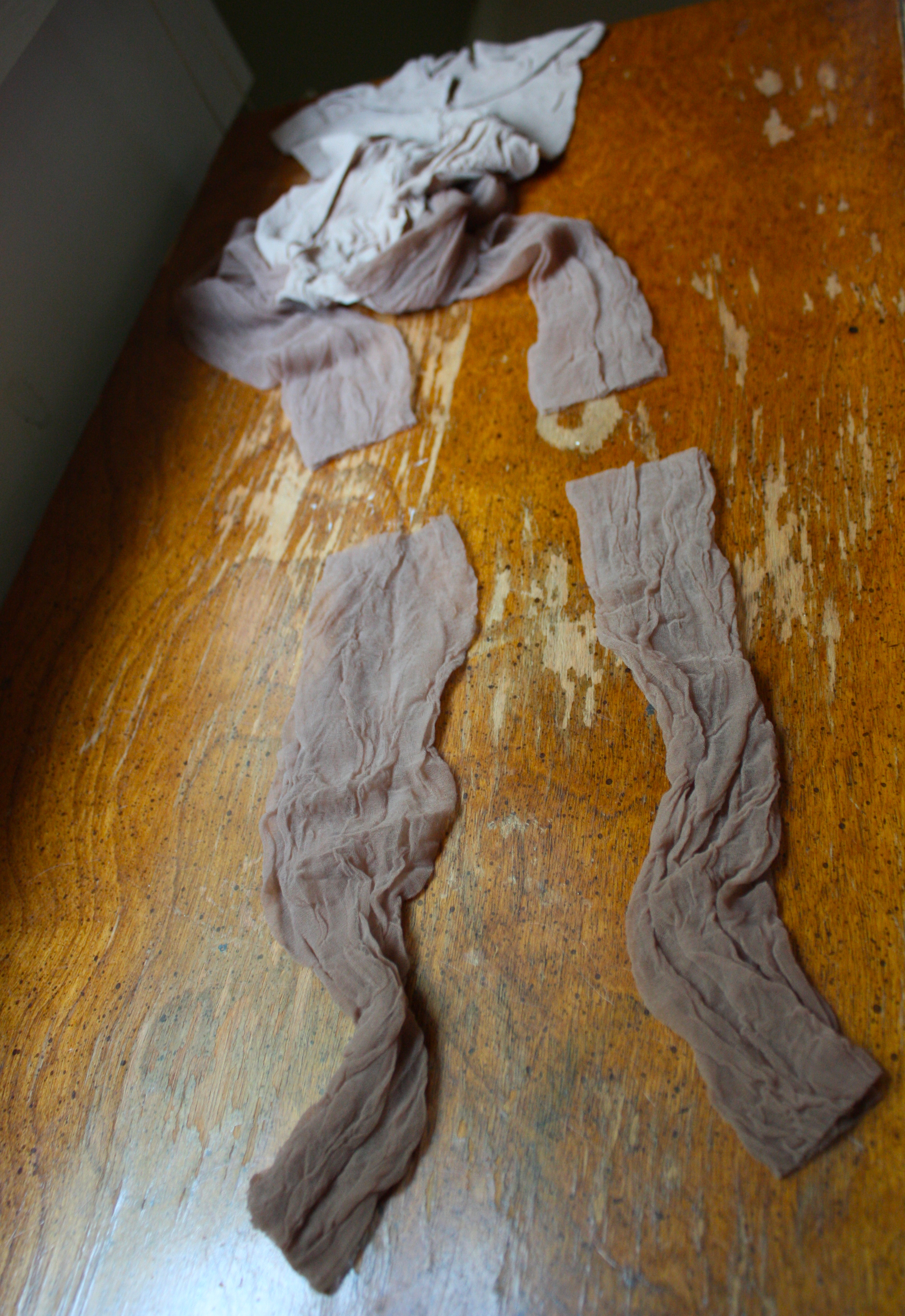
Next, cut lengths that’ll suit the basket’s diameter.
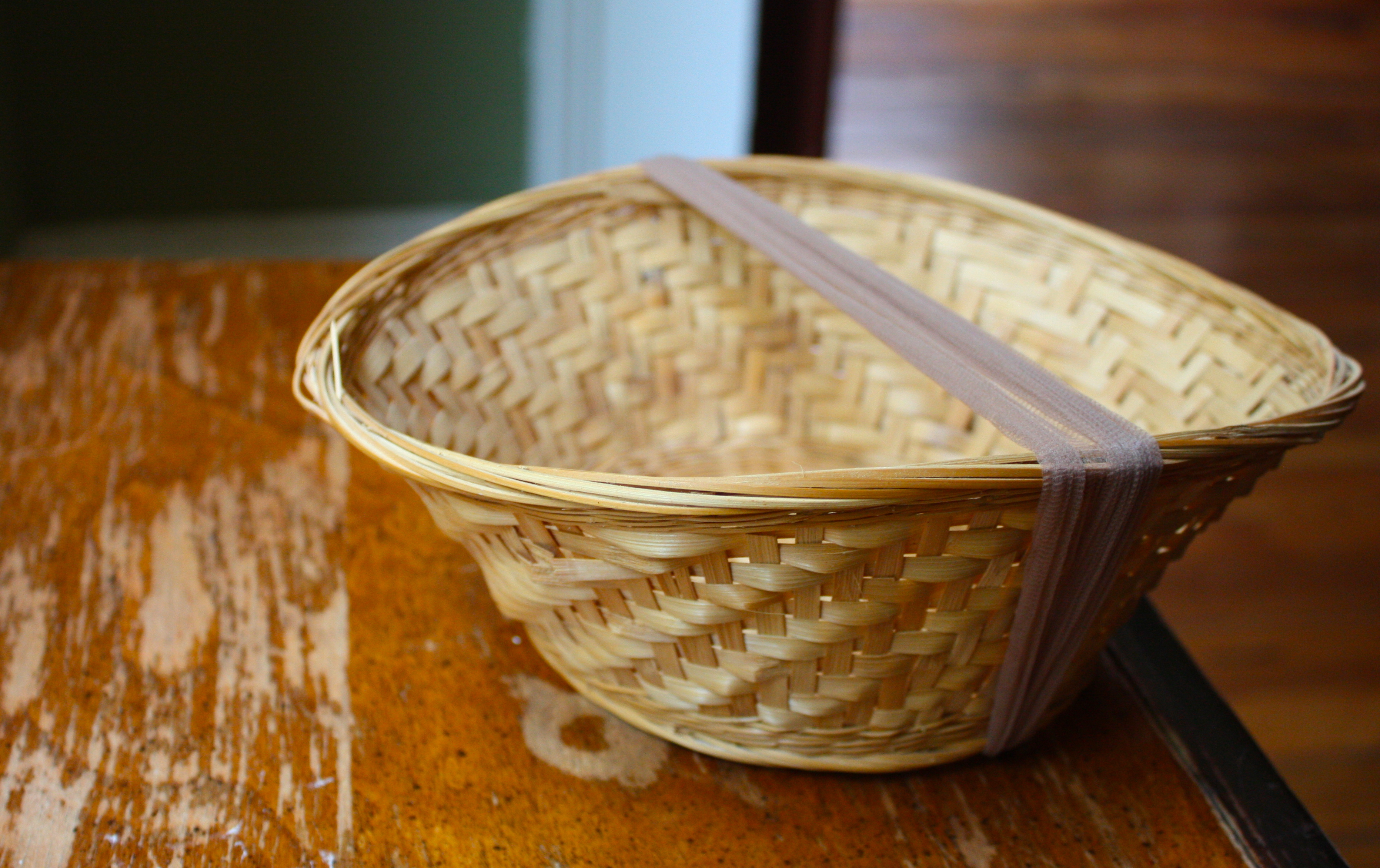
Pull the length of hosiery around as shown.
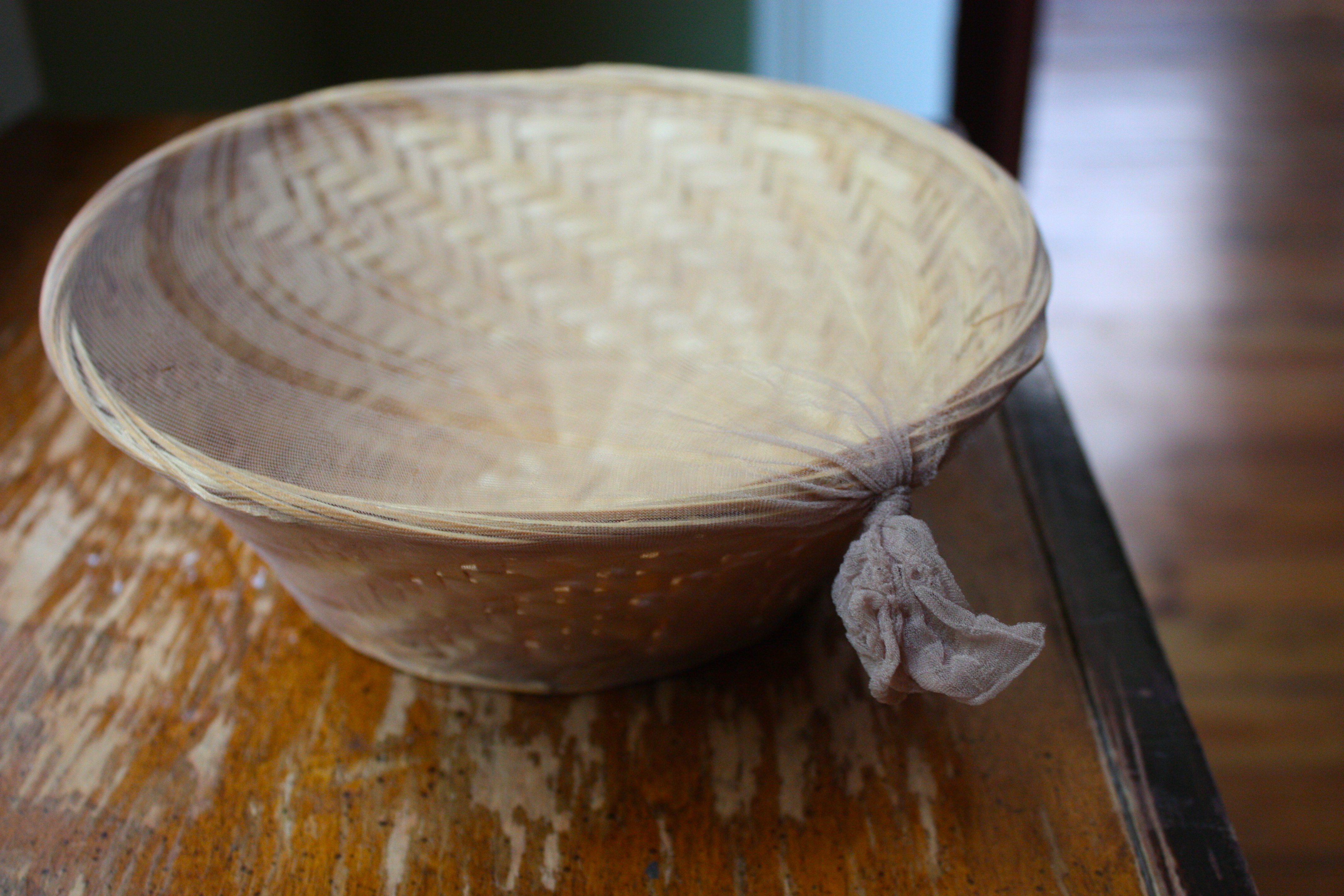
Stretch taught, then tie both ends.
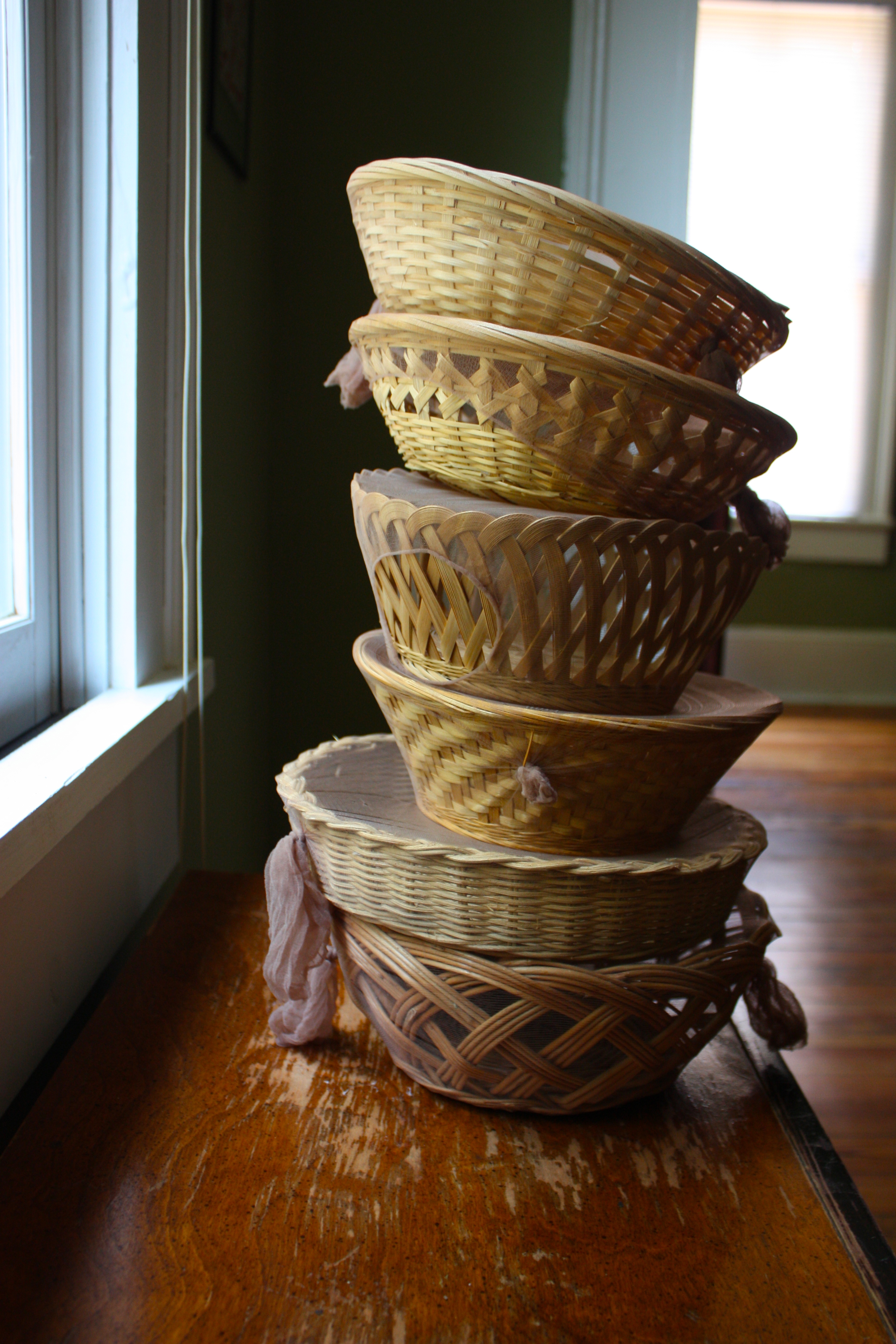
Some don’t need to be tied, yet remain tight.
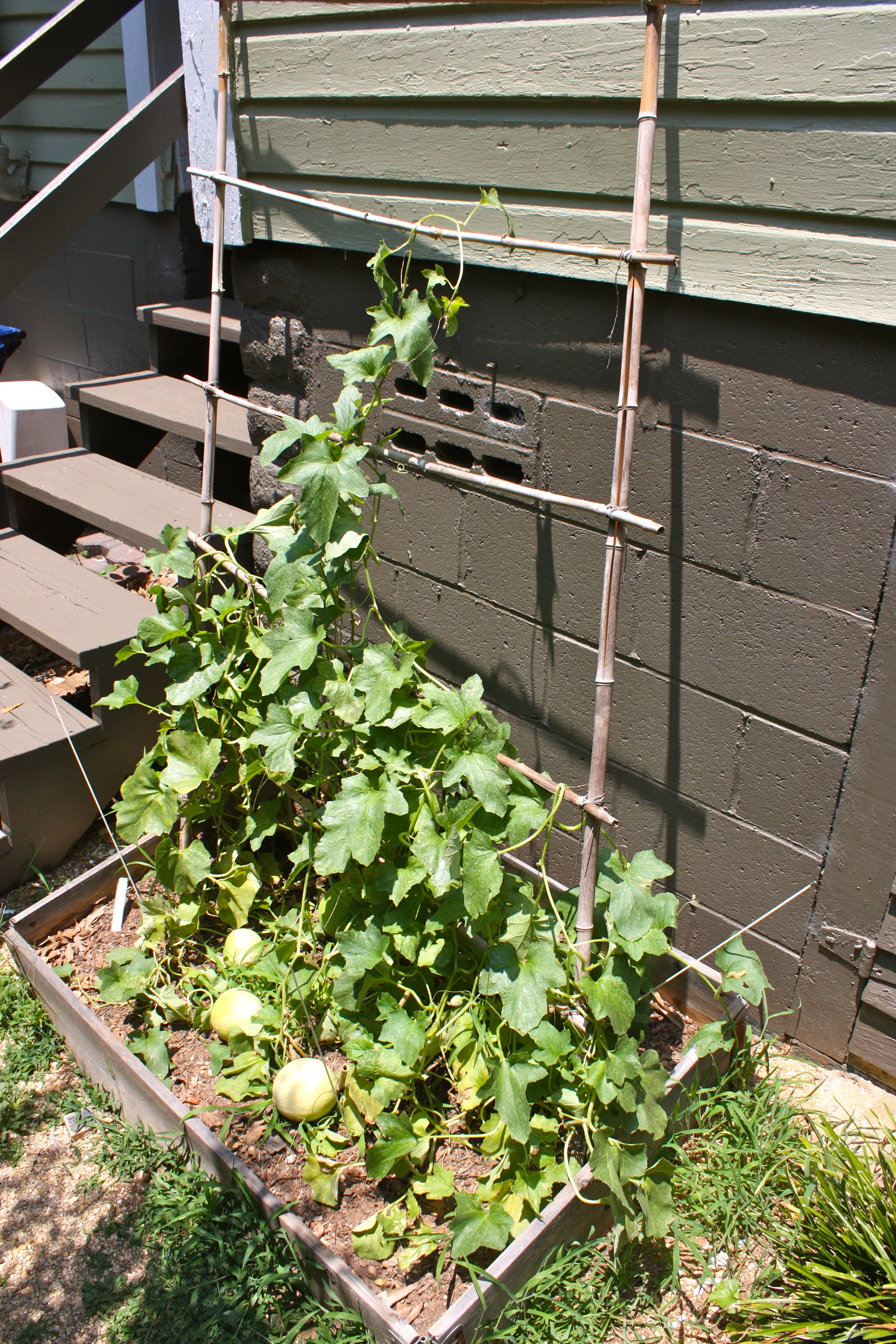
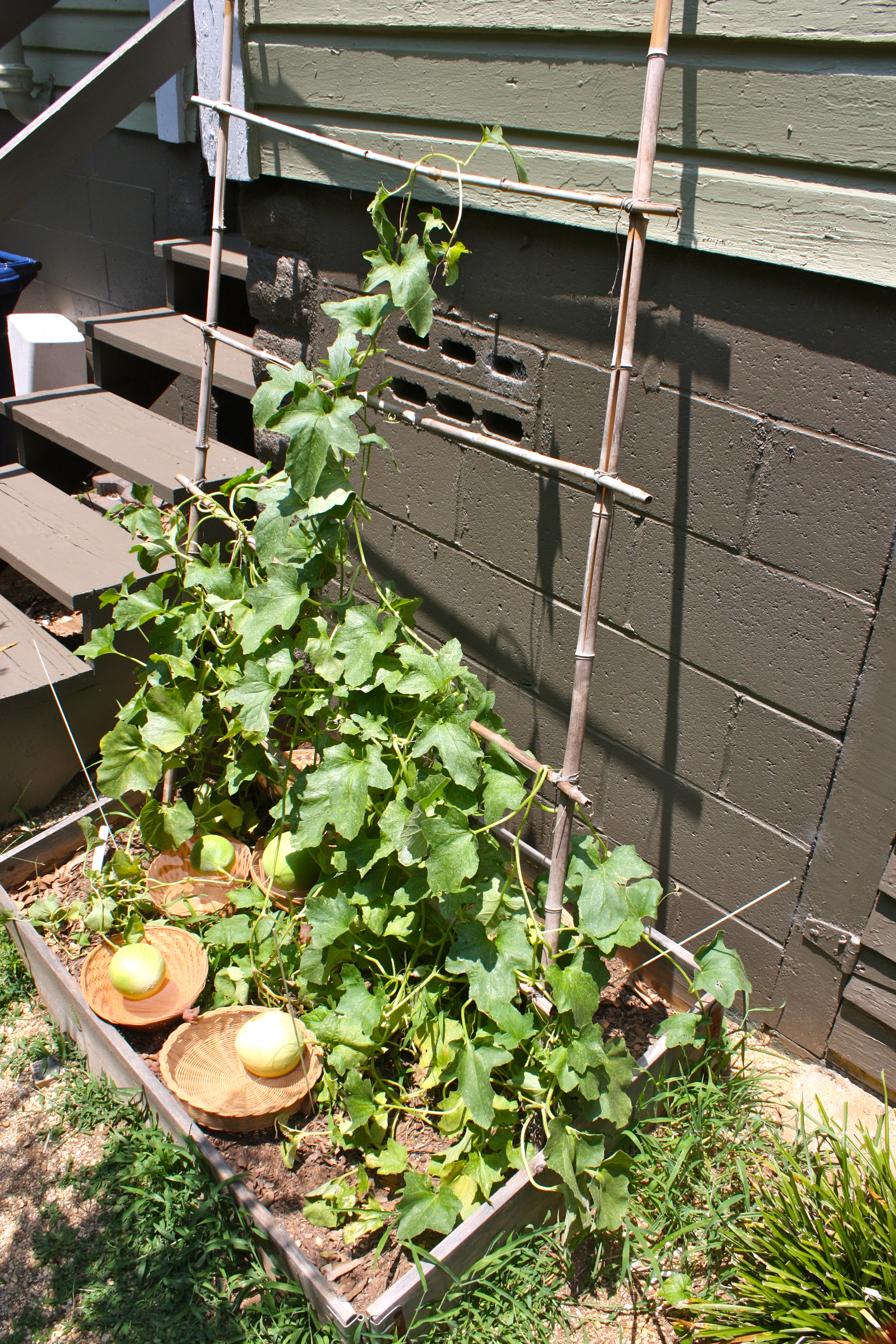

The original plan was to use ceramic bowls, but baskets let water through, preventing pooling (and mosquitoes). The heavier fruit sags pretty close to the bottom of the basket, so as they swell in size, they might need an additional layer of support to remain resting mid air.
White Dam and Eastern Bloc Blues

Remnants of incapacitated industry bring to mind contemporary interpretations of Eastern Bloc sounds. This first sample, produced by the Polish nu jazz duo Skalpel, offers hip hop beats occupied by Polish jazz samples scrubbed from the archives.
“Sculpture”

Igor Boxx, 1/2 of Skalpel, recently went solo with the debut album Breslau. Compared to the lush, polished sound of Skalpel, his tracks have a colder resonance.
“Russian Percussian”
“Fear of a Red Planet”
Aaron Funk is a Canadian electronic artist known as Venetian Snares. During a 2005 trip to Hungary, he produced the album Rossz Csillag Alatt Született.
The concept of the album came when Aaron Funk imagined himself as a pigeon on Budapest’s Királyi Palota (Royal Palace). Its third track, “Öngyilkos vasárnap” is a cover of the song “Szomorú vasárnap” (“Gloomy Sunday”) by Hungarian composer Rezső Seress, which has been referred to as the Hungarian suicide song. According to urban legend, Seress’s song has inspired the suicide of multiple persons, including his fiancée. The song was reportedly banned in Hungary. It has also been covered by many artists. Billie Holiday’s vocals are sampled in this track.
-Wikepedia
“Öngyilkos Vasárnap”

Moss Terrariums
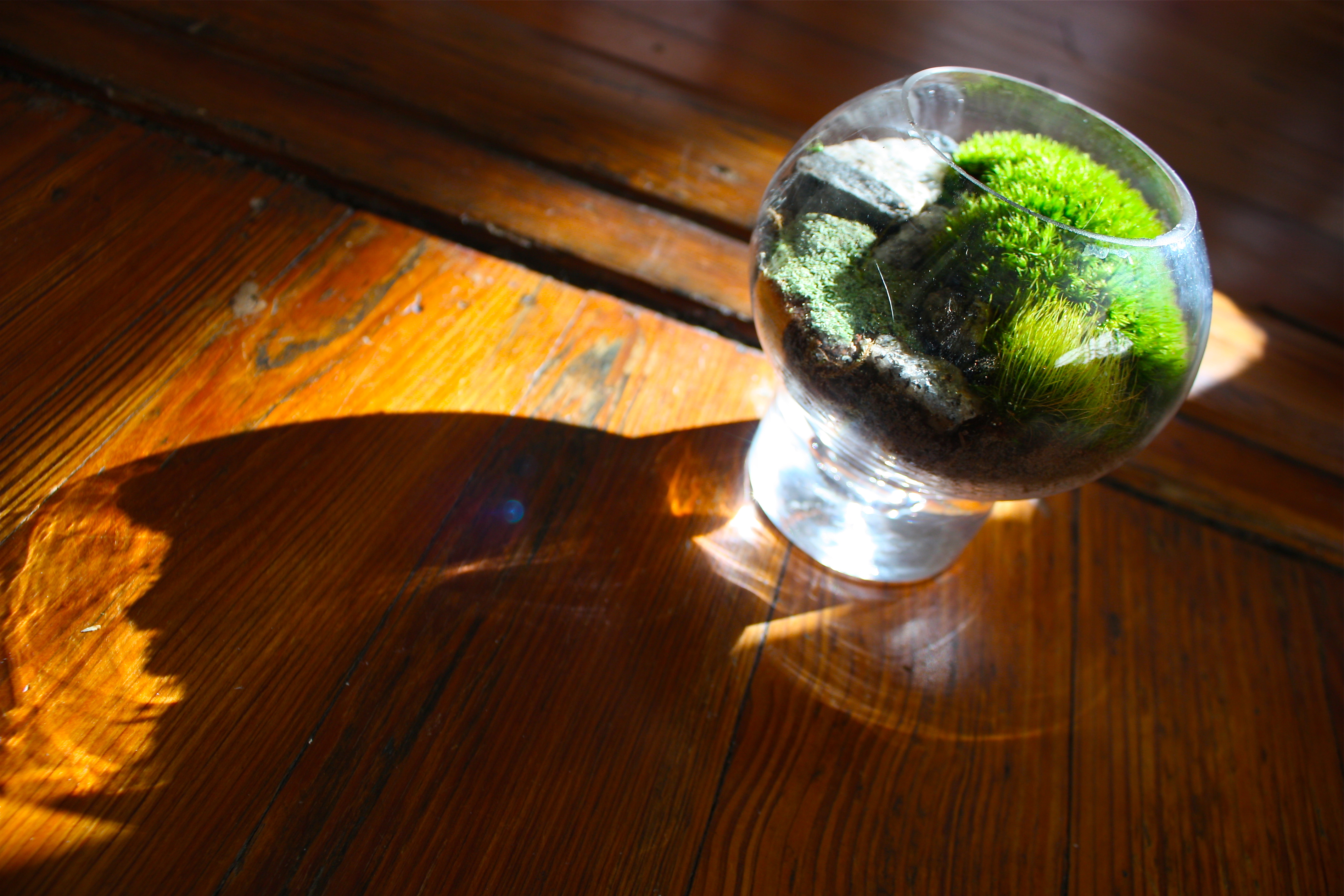
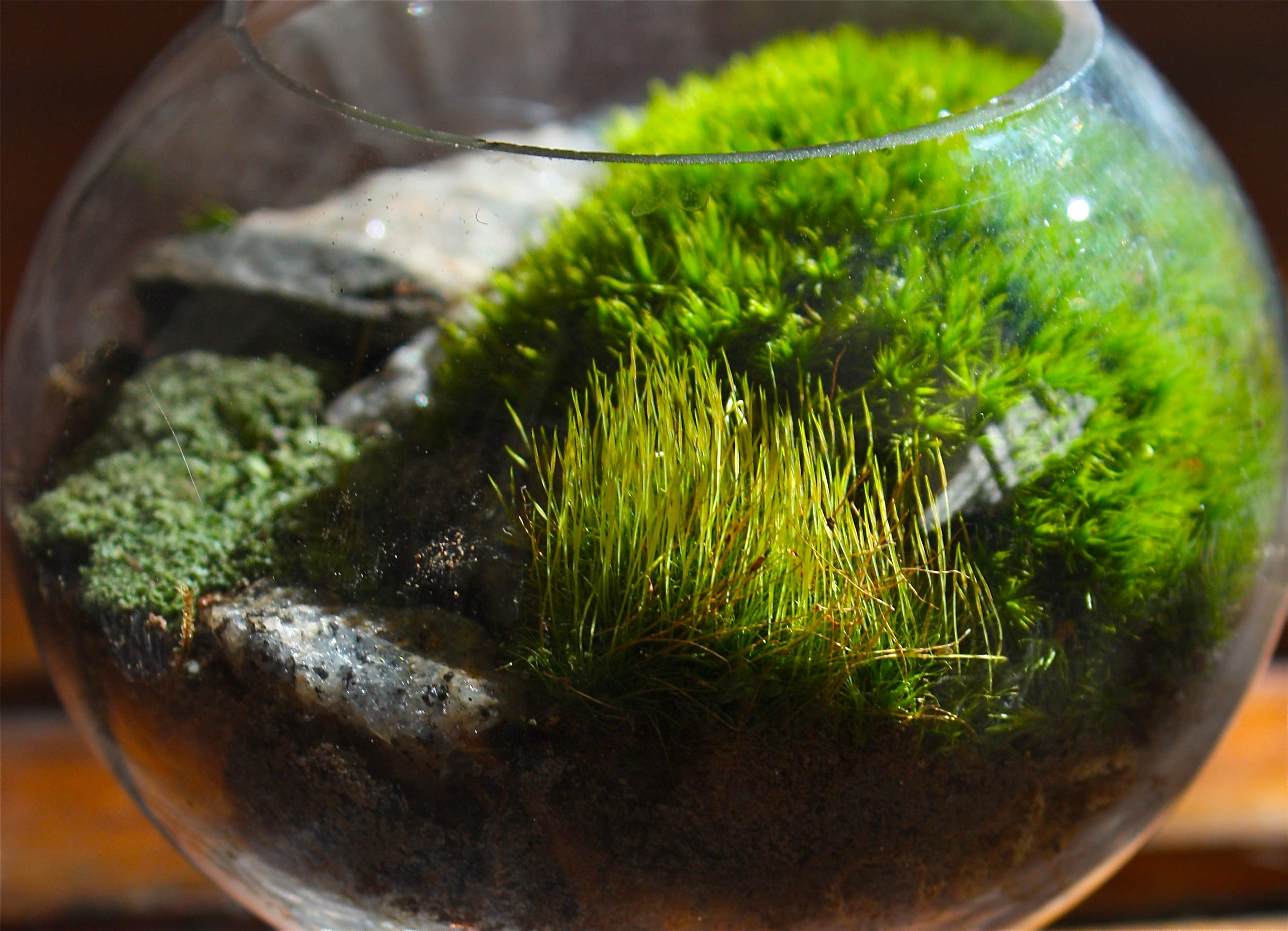
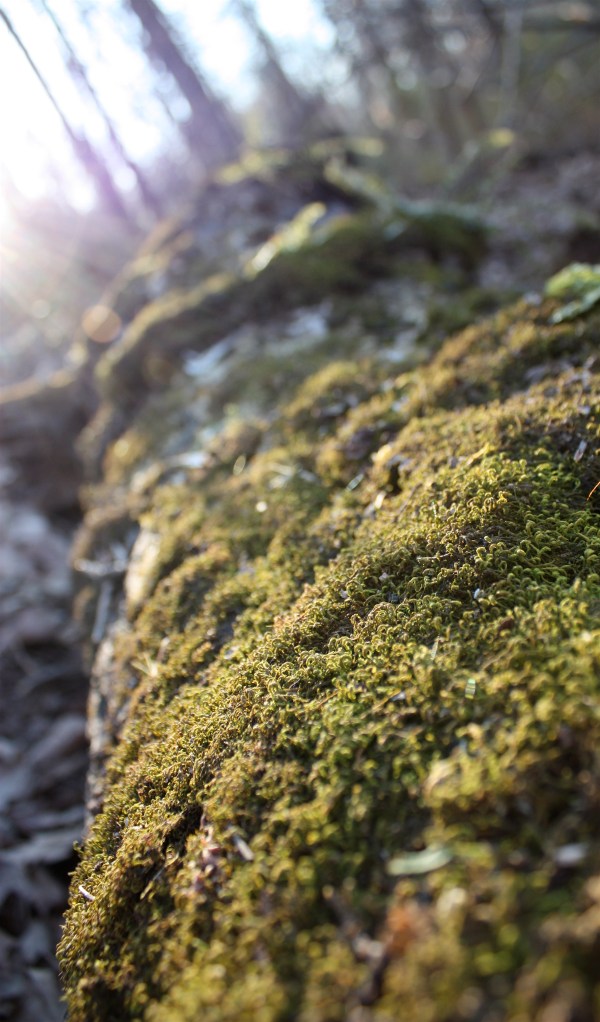
This first go at moss terrariums follows a tutorial by a Brooklyn based terrarium store. Inspired, I hiked along a stretch of railroad that runs through Whitehall Forest, harvesting verdant rugs, small chunks of pink and greyscale granite, and parched epiphytic aliens.
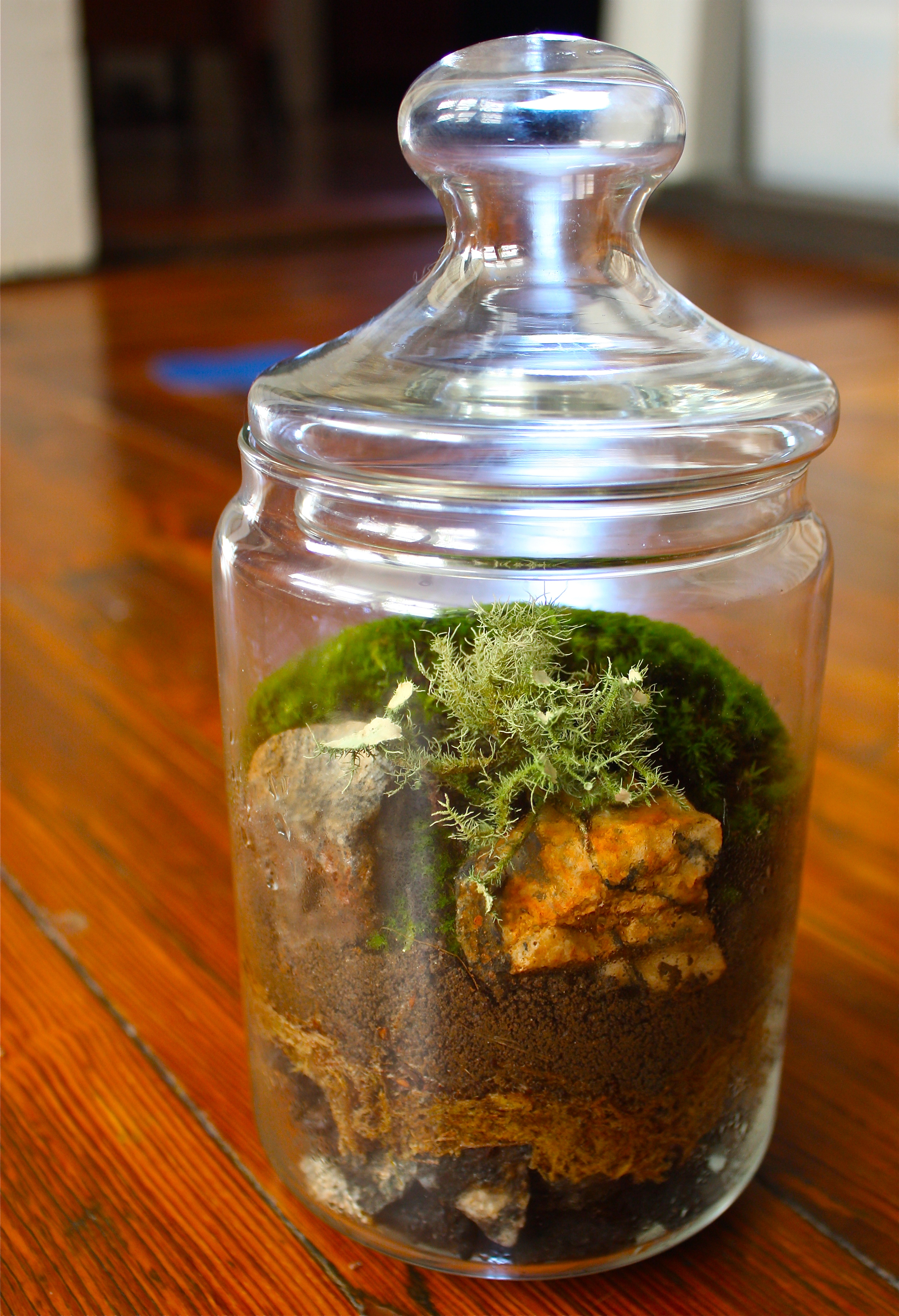
The simple tutorial fails to include instructions and tips for anyone interested in creating lasting enclosed microenvironments. After a week, the apothecary terrarium above is growing a white, moldy beard from the sphagnum layer. While troubleshooting, I discovered some comprehensive websites dedicated to the natural art beyond home decor trends. These are the best so far:

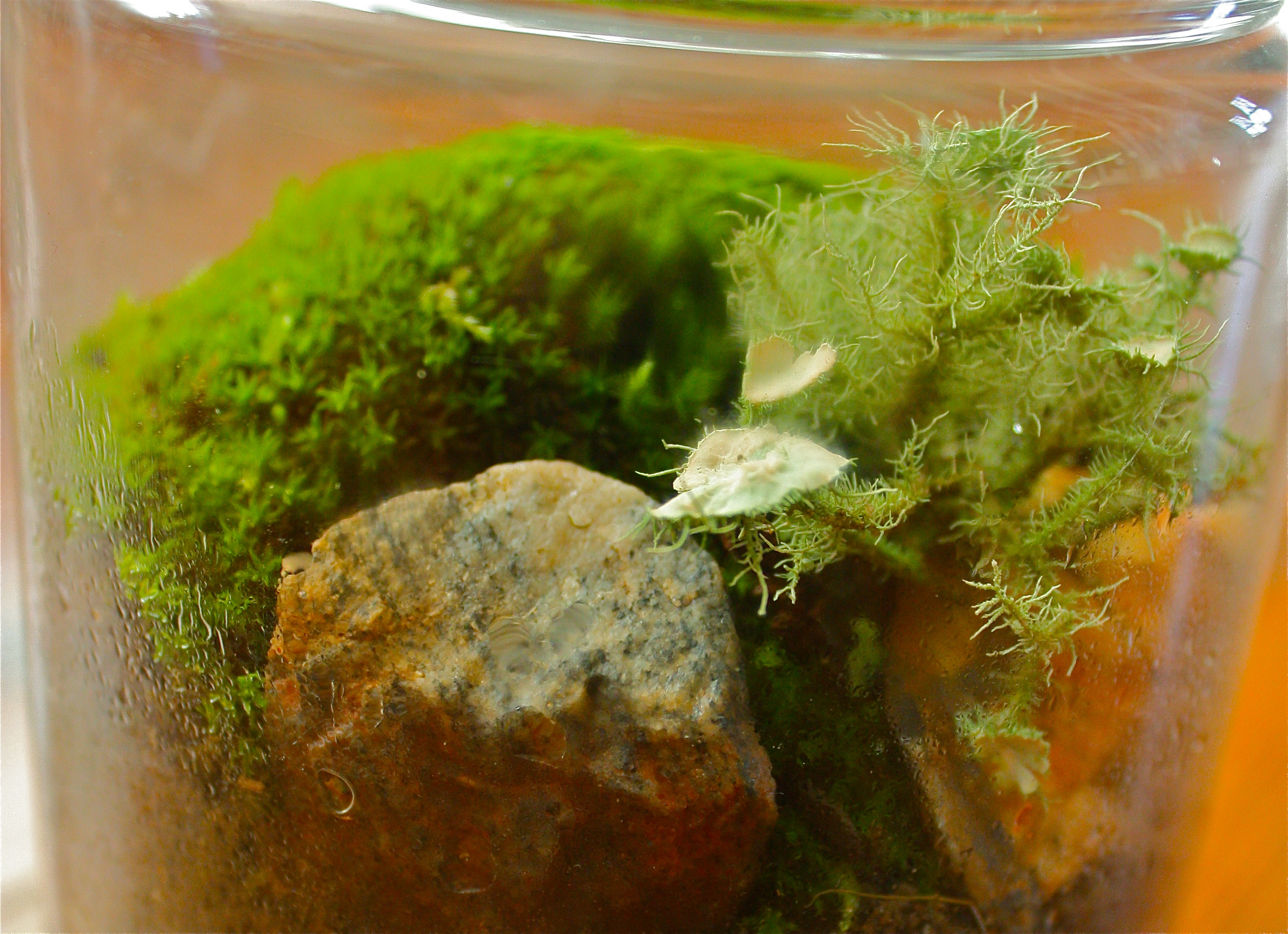
The next batch will include a layer of activated charcoal to absorb any toxins, cleanse the water as it travels up and down, and (hopefully) stem mold growth.
Moss and Remains


Abandoned Experiment Station

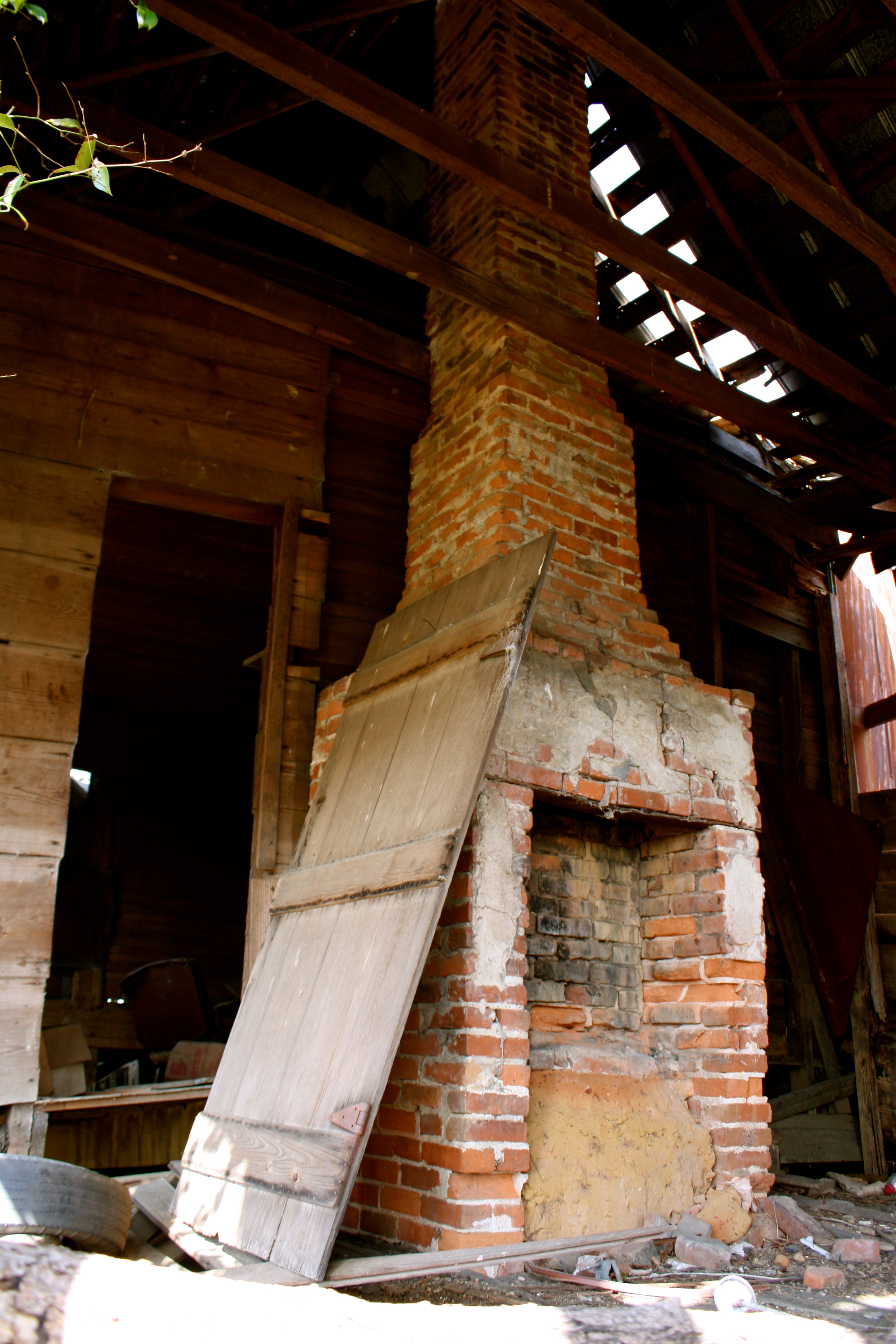
In 2008, a friend heard a rumor that students in the UGA ag school were dumping carcasses near the banks of the Middle Oconee River, somewhere within a 740 acre forest managed by the Warnell School of Forestry. We spent a day hiking through the woods searching for skeletons, but found nothing suspicious, except for a deer stand.
About a year later, on a mid-winter railroad hike through the same forest, I found a twenty yard stretch of bones strewn along the tracks, including over forty skulls. The larger ones were recognizable, with (female) antler stubs still attached to spinal columns and hanging mats of tan fur. A colleague at school identified the smaller skulls as raccoon. Each had a pencil width puncture just behind the eye, splitting the braincase.
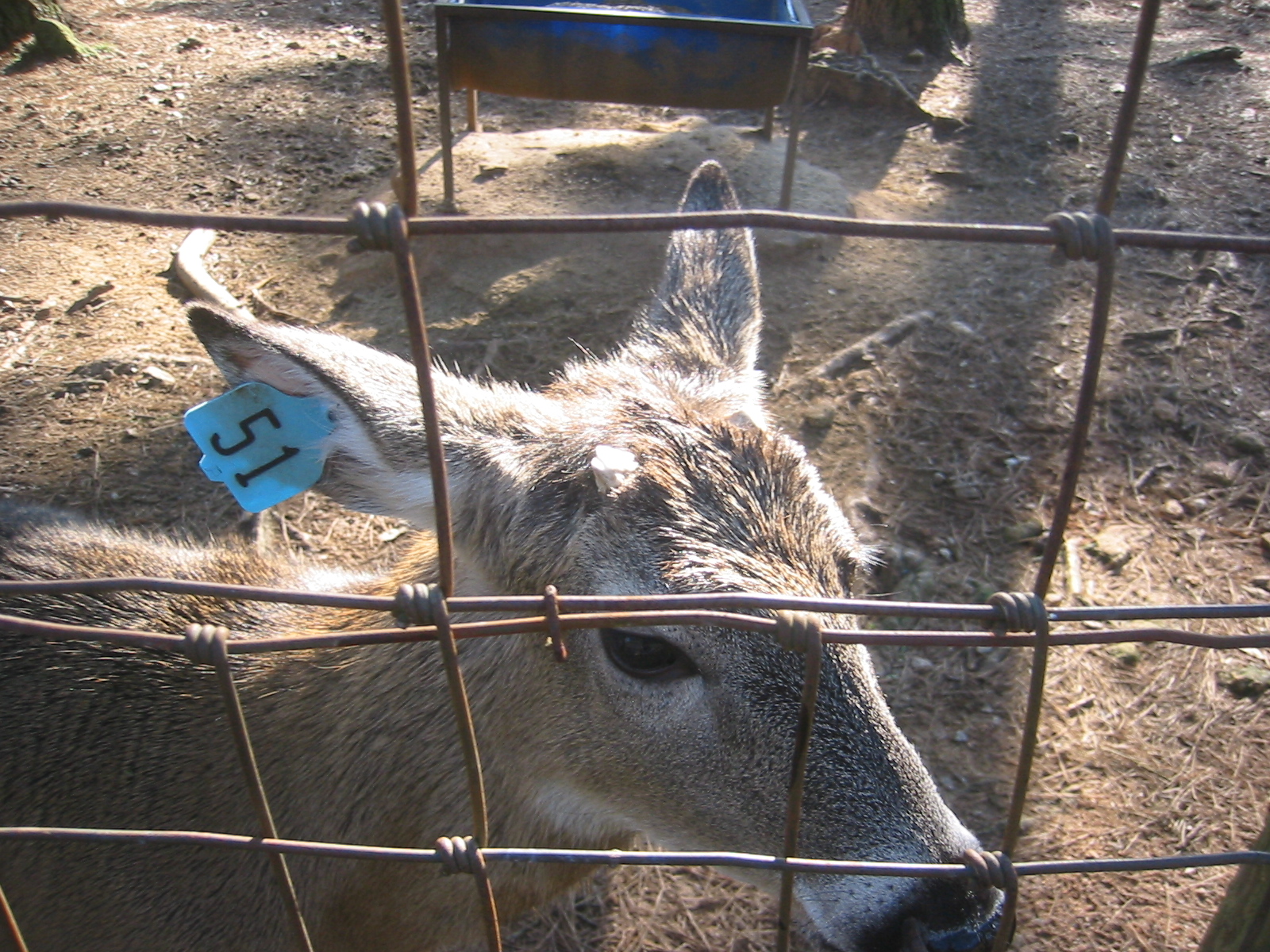
A half mile from the slaughter, around a dozen deer are tagged and caged within a tall fence.
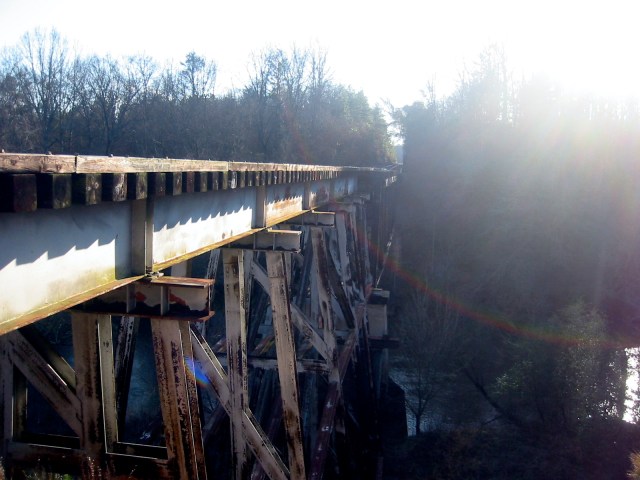
Lollipop, lollipop…
Inspired By Space Invader

Inspired by the French street artist Space Invader, these are what’s left of a series featuring a character from a children’s book I wrote in college. It’s a Taoist story of “Murky,” a raindrop afraid of the ultimate splash. The tale consists of 16 haiku poems, with simple illustrations.

Mr. Carrot (confined to a kitchen wall) never meets murky.
Okefenokee Haints (1934-1942)

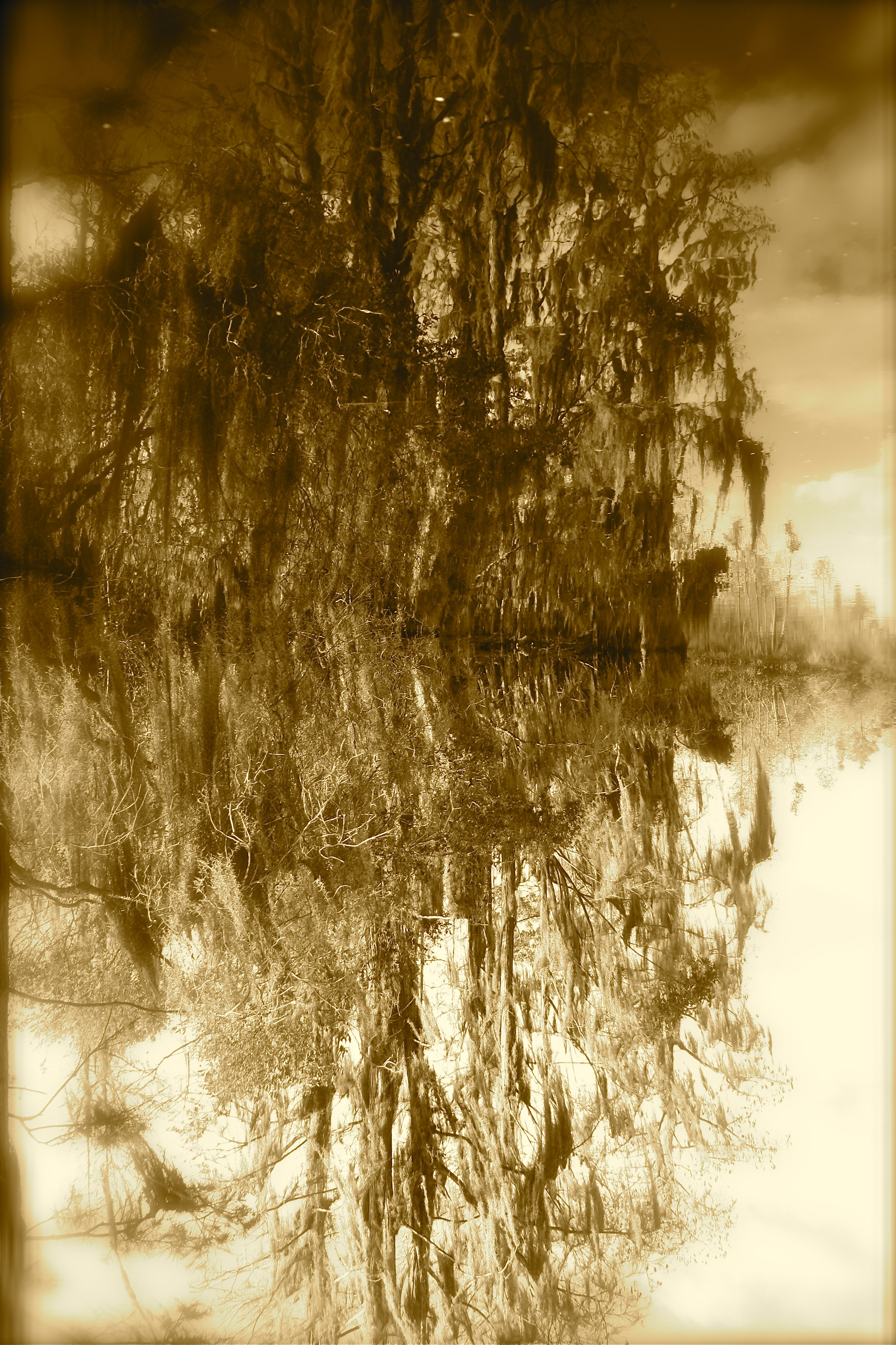
Field recordings paired with these images were recorded in rural Mississippi by John and Alan Lomax between 1934 and 1942. Click here for a comprehensive review of the collection, which is archived at the Library of Congress.
“Satisfy”
“Gwan Roun Rabbit”

“I’m Going to Leland”
“Little Rosie Lee”
“See Lye Woman (Sea Lion)”
Whittling Palo Santo

Mexican flame vines buttress Robert and Madeline’s verdant enclave from Orlando’s relentless congestion. After chocolate and coffee, we toured their small, one-room workshop where essential oils are blended, poured, packaged, and shipped. One of their latest offerings is palo santo, from South America. The “holy wood” was used by the Incas to purify and cleanse spaces of negative energy/spirits. Robert offered a bag of sticks to take home.
The winter break’s first read was Amy Greene’s Bloodroot, an apropos tale for a cabin Christmas in the Blue Ridge Mountains. Set in rural Tennessee, a doting grandfather whittles animals for his granddaughter. Inspired by his crafty gifts, and equipped with enough palo santo wood to cleanse an old apartment complex, I set out to try my hand at folk art.
Lloyd showed me how to use a range of tools for deconstructing, repairing, and building ramps and skateboards. Despite his disdain for the sport’s inherent destruction, throughout the years my grandfather passed along well-worn various and sundry tools, including a small pocket knife.
The cube above was first, then the pyramid. Pleased with fragrant basics, organic figures followed. The boy in baggy jeans was originally intended to be a sphere, but symmetry proved illusive. So the kid slowly revealed himself as a raver from ’97, and the pyramid became a hat.

 Pedagogy of the Plants