Moss and Remains

Abandoned Experiment Station

In 2008, a friend heard a rumor that students in the UGA ag school were dumping carcasses near the banks of the Middle Oconee River, somewhere within a 740 acre forest managed by the Warnell School of Forestry.  We spent a day hiking through the woods searching for skeletons, but found nothing suspicious, except for a deer stand.

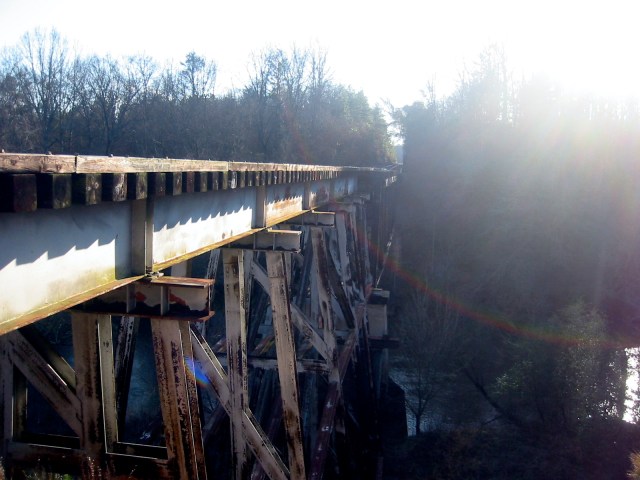
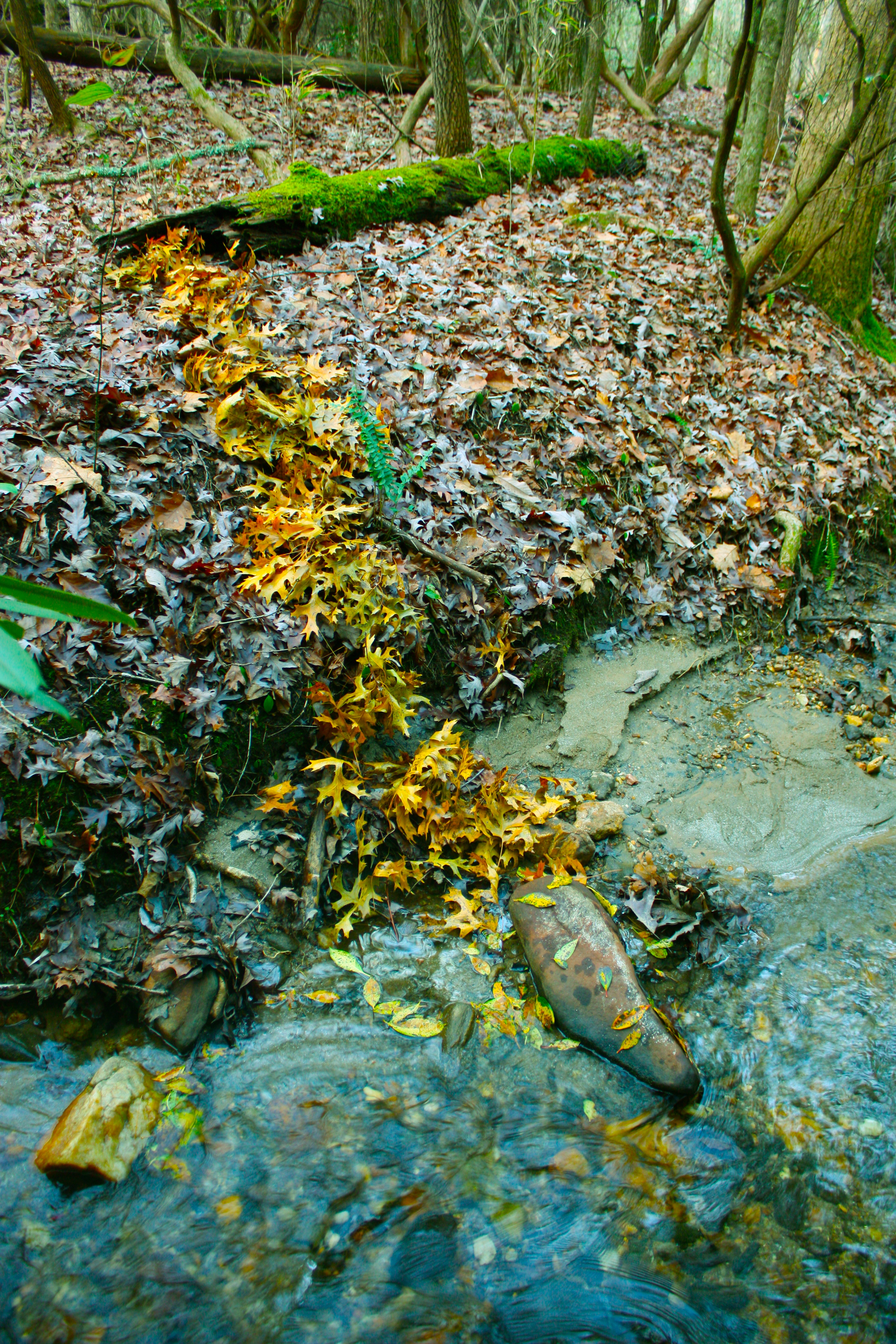
About a year later, on a mid-winter railroad hike through the same forest, I found a twenty yard stretch of bones strewn along the tracks, including over forty skulls.  The larger ones were recognizable, with (female) antler stubs still attached to spinal columns and hanging mats of tan fur.  A colleague at school identified the smaller skulls as raccoon.  Each had a pencil width puncture just behind the eye, splitting the braincase.

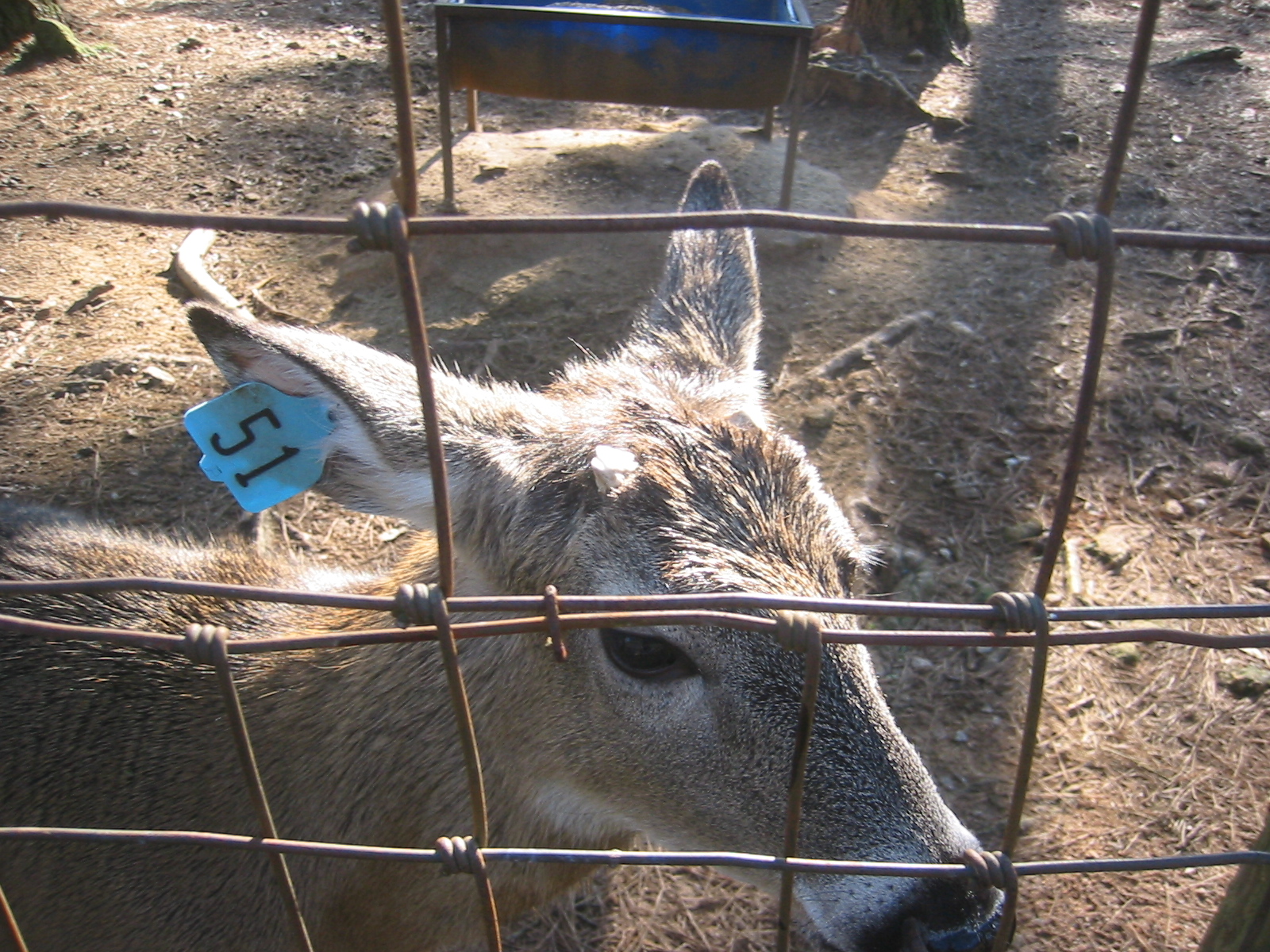
A half mile from the slaughter, around a dozen deer are tagged and caged within a tall fence.

Lollipop, lollipop…

Inspired By Space Invader

Inspired by the French street artist Space Invader, these are what’s left of a series featuring a character from a children’s book I wrote in college.  It’s a Taoist story of  “Murky,” a raindrop afraid of the ultimate splash.  The tale consists of 16 haiku poems, with simple illustrations.
Mr. Carrot (confined to a kitchen wall) never meets murky.

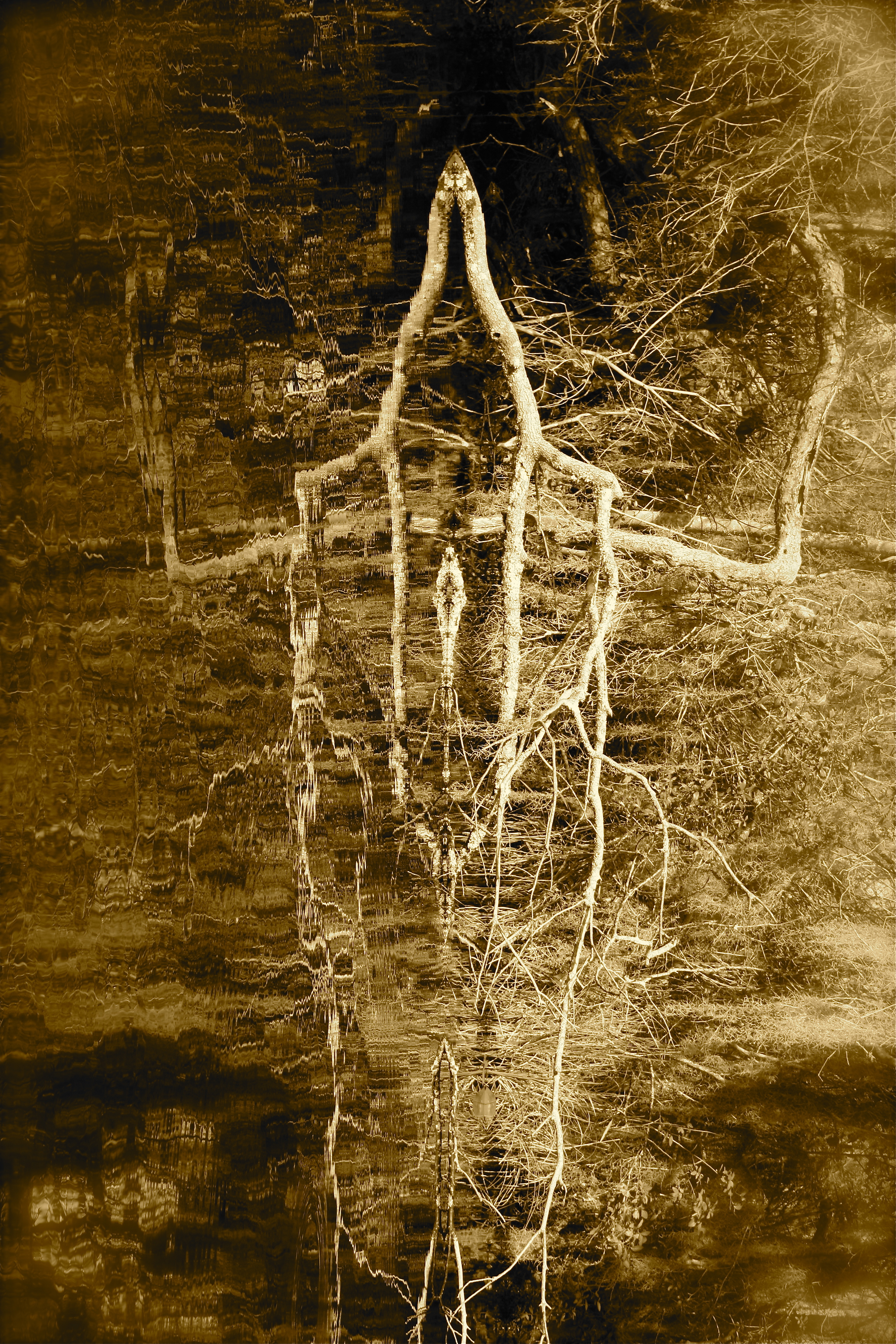
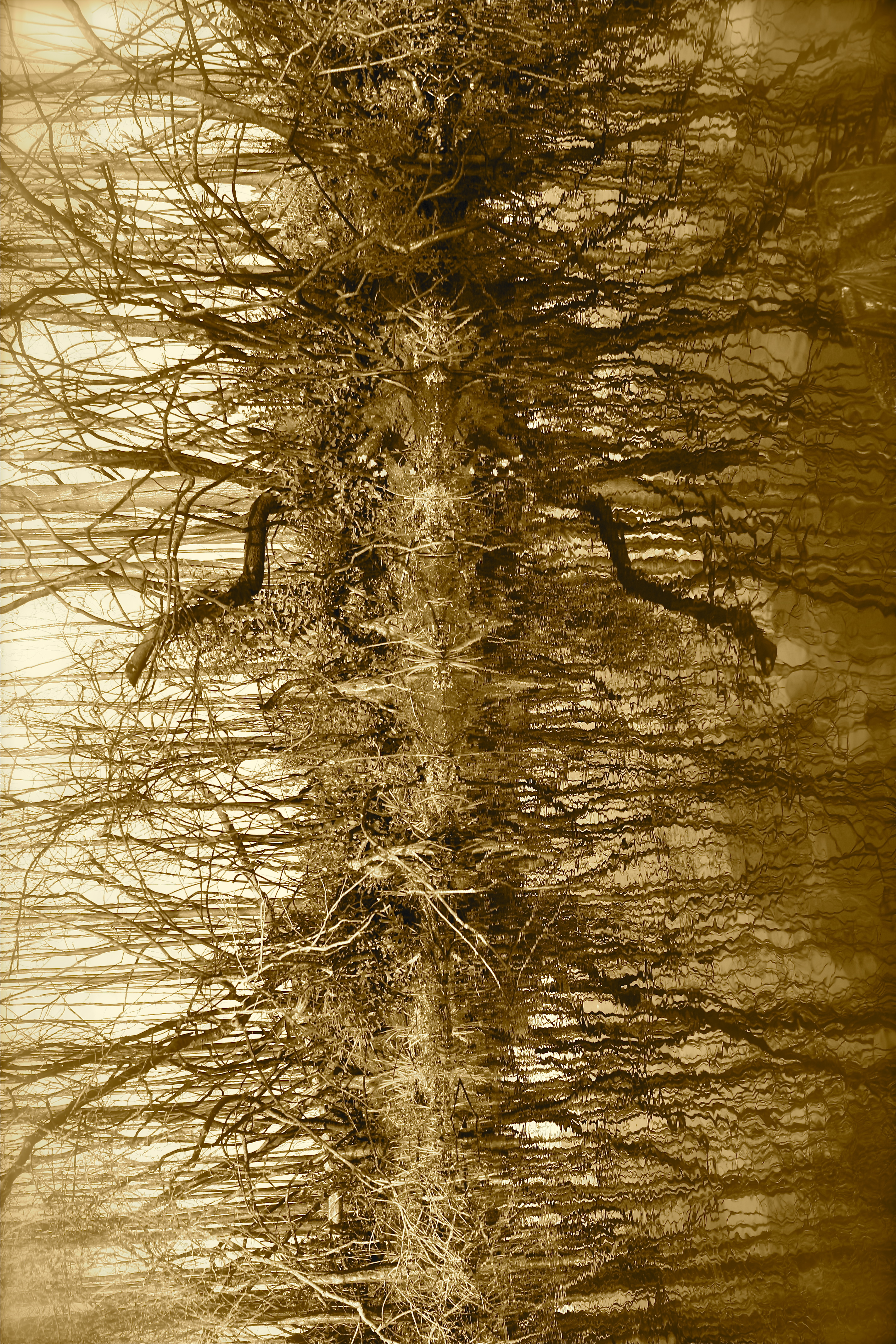
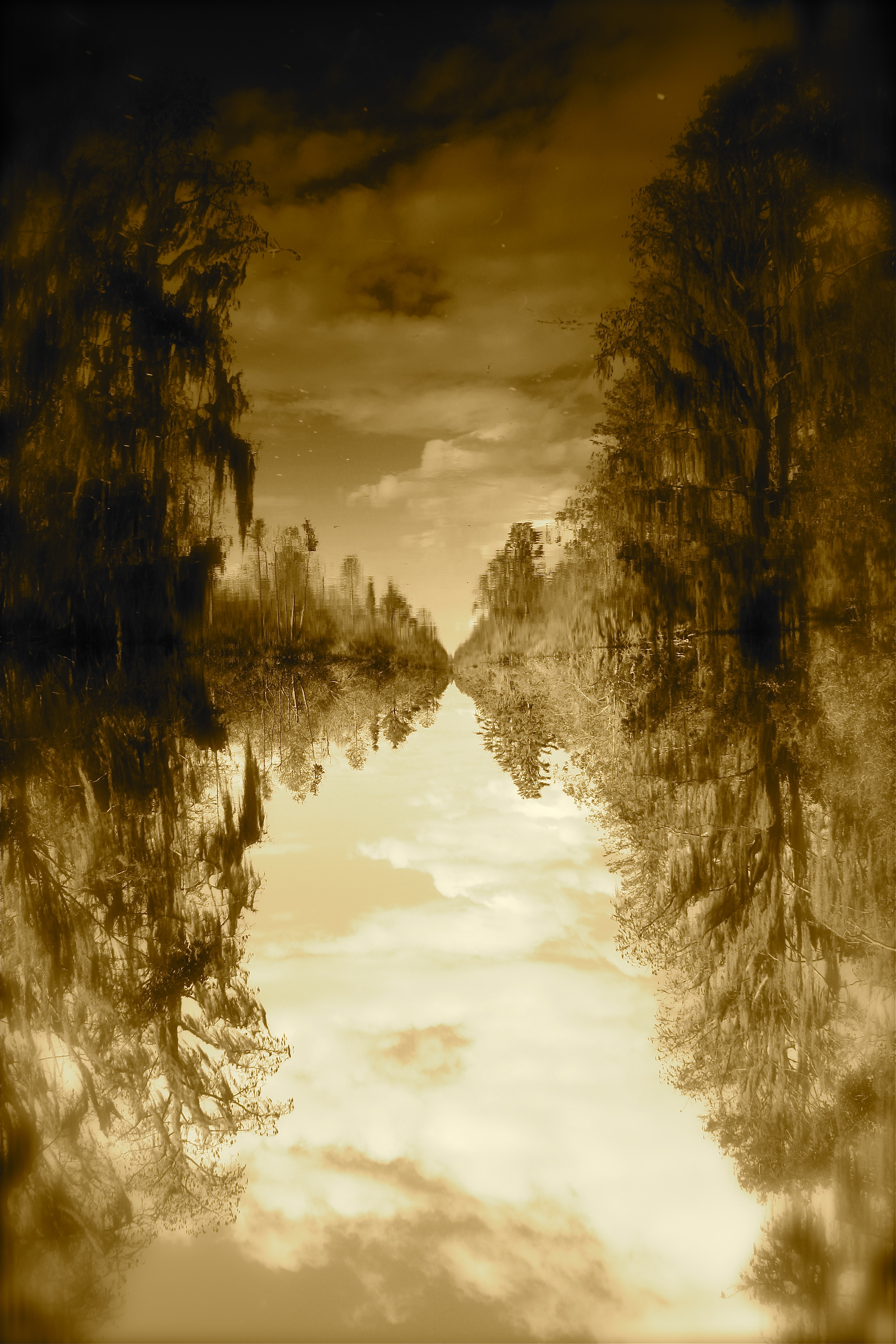
Okefenokee Haints (1934-1942)

Field recordings paired with these images were recorded in rural Mississippi by John and Alan Lomax between 1934 and 1942.  Click here for a comprehensive review of the collection, which is archived at the Library of Congress.

“Satisfy”  

“Gwan Roun Rabbit”  

“I’m Going to Leland”  

“Little Rosie Lee”  

“See Lye Woman (Sea Lion)”  

Whittling Palo Santo

Mexican flame vines buttress Robert and Madeline’s verdant enclave from Orlando’s relentless congestion. After chocolate and coffee, we toured their small, one-room workshop where essential oils are blended, poured, packaged, and shipped.  One of their latest offerings is palo santo, from South America.  The “holy wood” was used by the Incas to purify and cleanse spaces of negative energy/spirits.  Robert offered a bag of sticks to take home.

The winter break’s first read was Amy Greene’s Bloodroot, an apropos tale for a cabin Christmas in the Blue Ridge Mountains.  Set in rural Tennessee, a doting grandfather whittles animals for his granddaughter. Inspired by his crafty gifts, and equipped with enough palo santo wood to cleanse an old apartment complex, I set out to try my hand at folk art.

Lloyd showed me how to use a range of tools for deconstructing, repairing, and building ramps and skateboards.  Despite his disdain for the sport’s inherent destruction, throughout the years my grandfather passed along well-worn various and sundry tools, including a small pocket knife.

The cube above was first, then the pyramid.  Pleased with fragrant basics, organic figures followed.  The boy in baggy jeans was originally intended to be a sphere, but symmetry proved illusive.  So the kid slowly revealed himself as a raver from ’97, and the pyramid became a hat.

Gilmer County Mindfulness

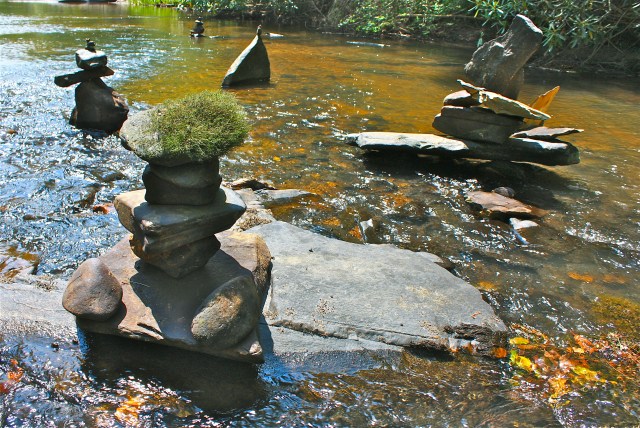
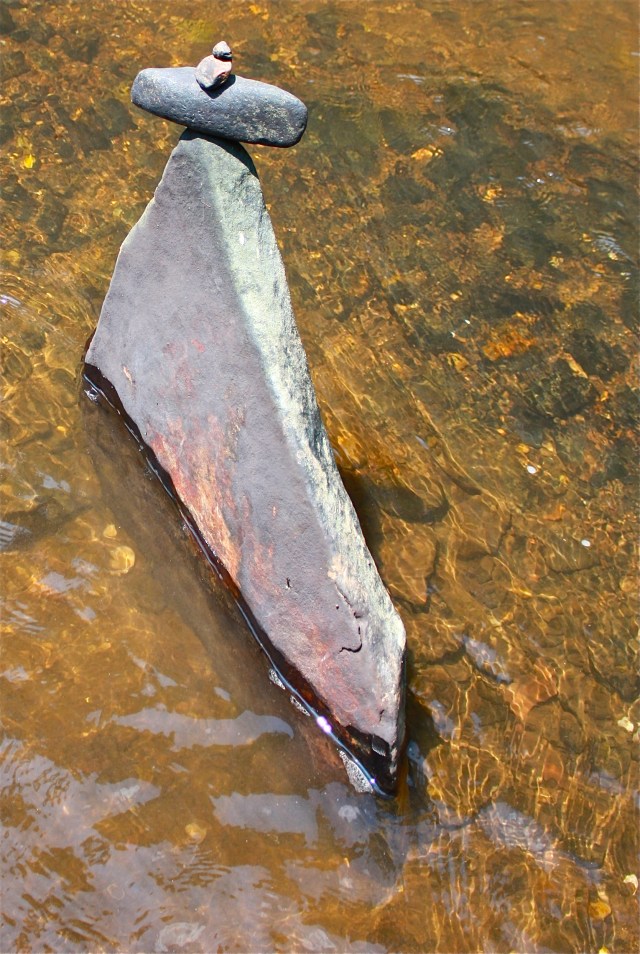
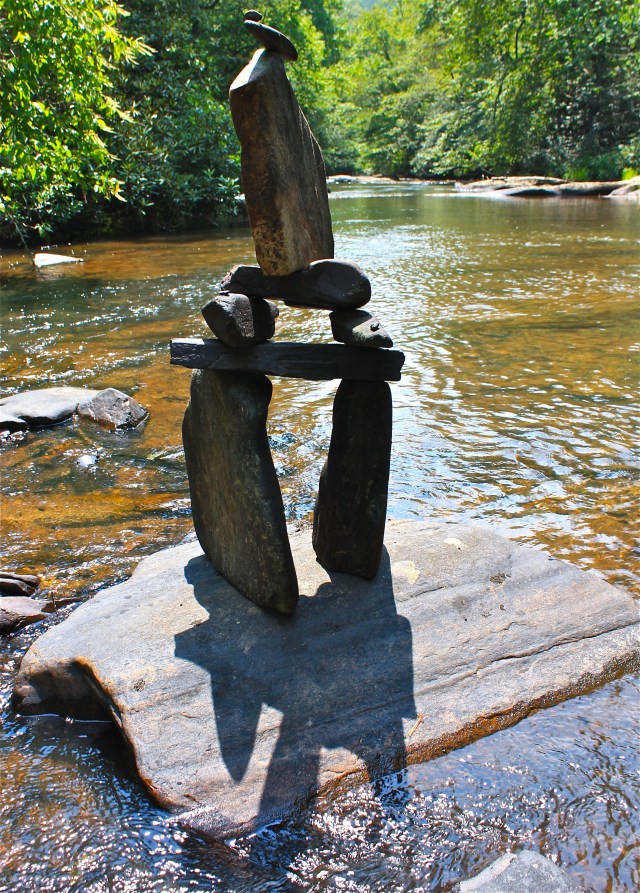
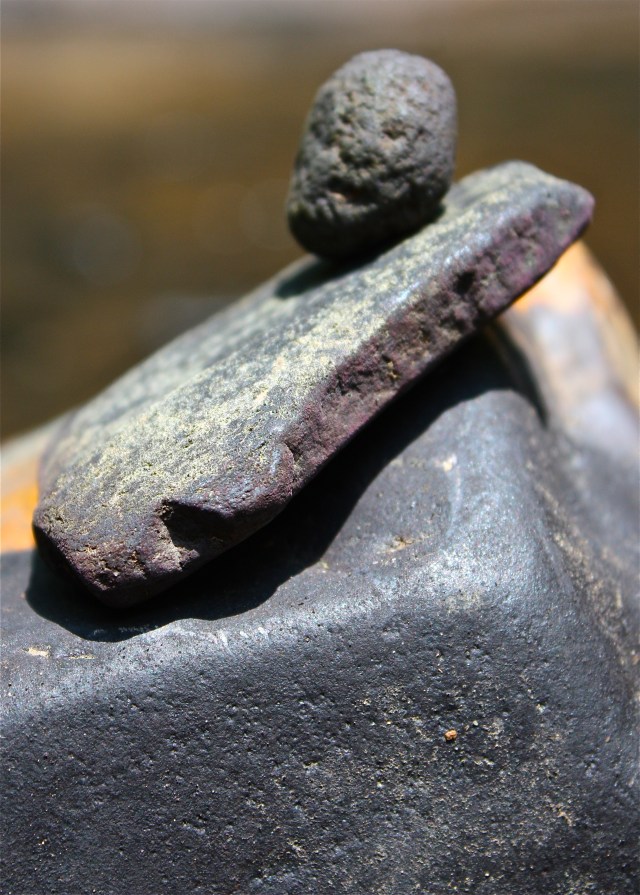
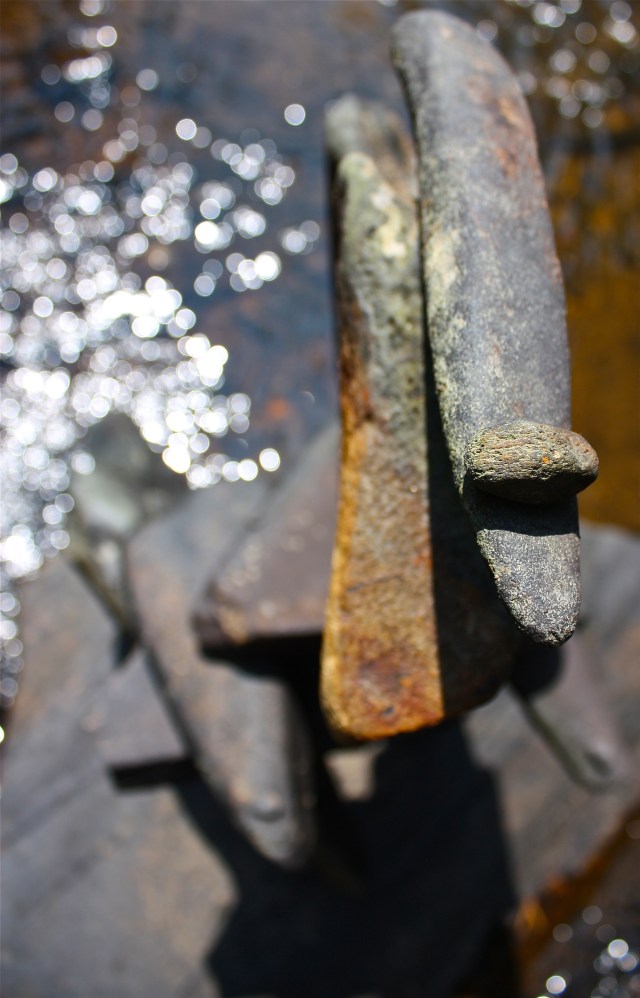
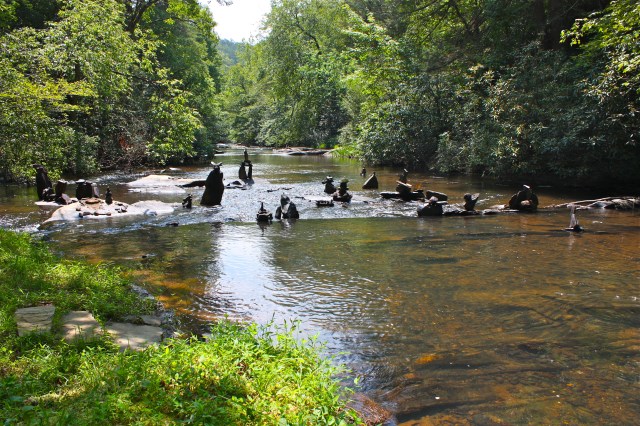
The Zen practice of stone stacking brings mindful awareness to balance, weight, texture and shape.

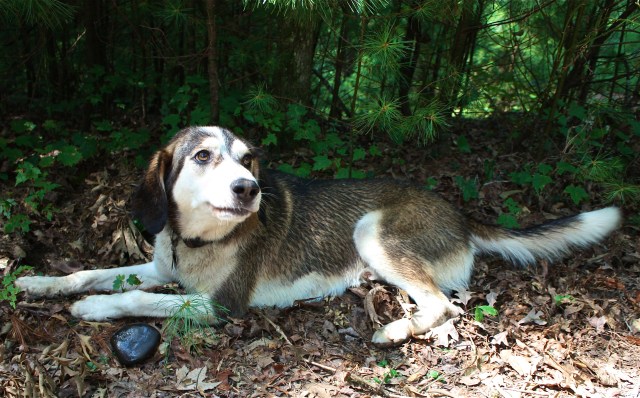
Resident trail guides Buster and Dixie collect stones from the stream, often carrying them great distances.  Buster greeted the sculptures with growls and barks as the fur on his shoulders stood straight up.

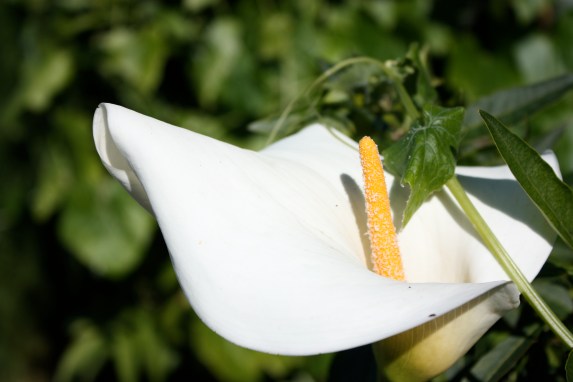
White Calla Lily, Zantedeschia aethiopica

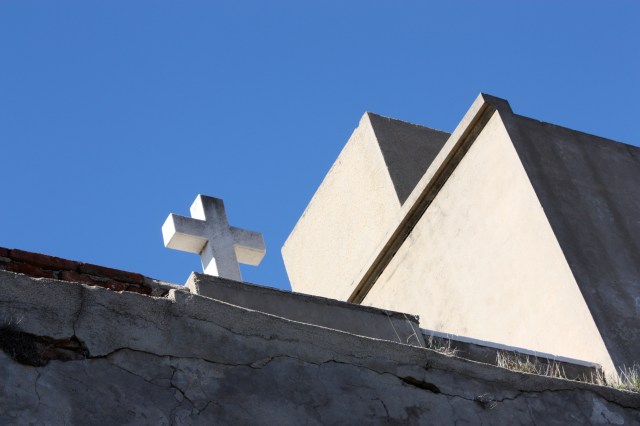
Mr. calla lily lives in the shadow of a cemetery in Valparaiso, Chile.  His name comes from an Italian botanist, Giovanni Zantedeschia.

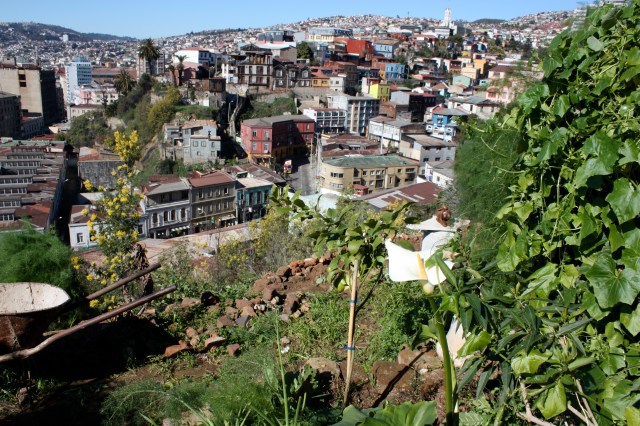
A group of artists tend this garden on the southwestern  side of the cemetery.  Beyond the lily grows an avocado, or “palta” plant.  A sculpture dries in the sun.

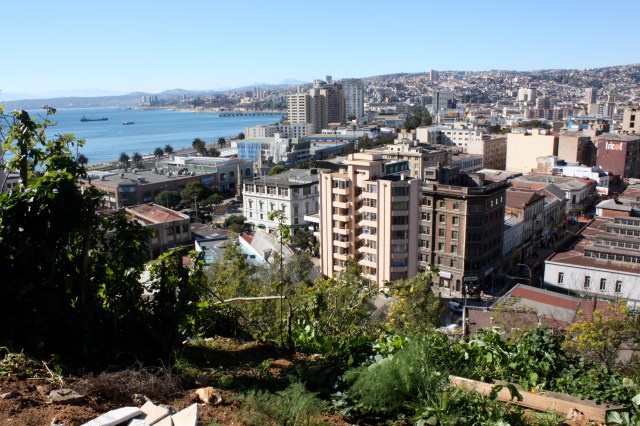
Valparaiso, Chile

Mentor and Apprentice

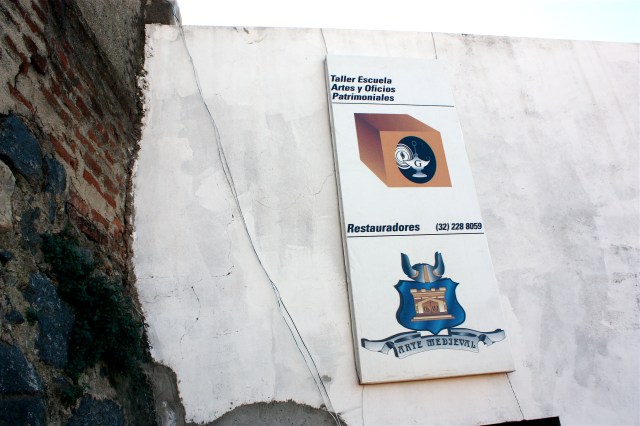
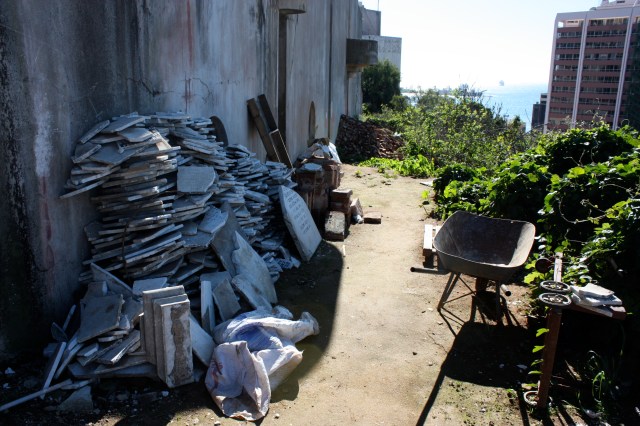
Much of the work here involves restoration of marble headstones and statues.

After exploring the graves, we discovered a stairway leading under the cemetery.

A Friendly Host

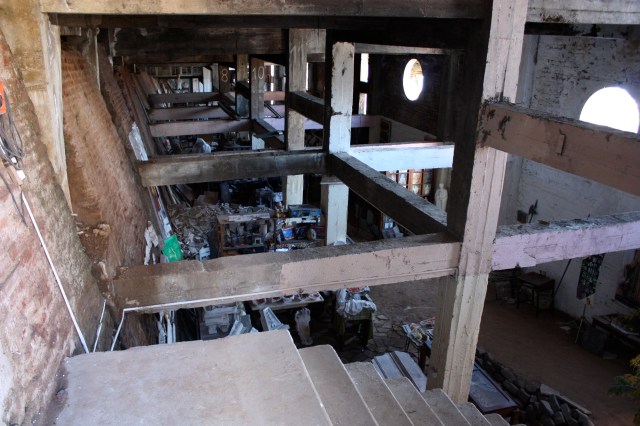
The cavernous, open-air studio consists of subsections for a variety of creative trades, from sculpture restoration, to mosaics.

Random curiosities like this mummified cat greet visitors.

Mummified Cat Biting a Dwarf

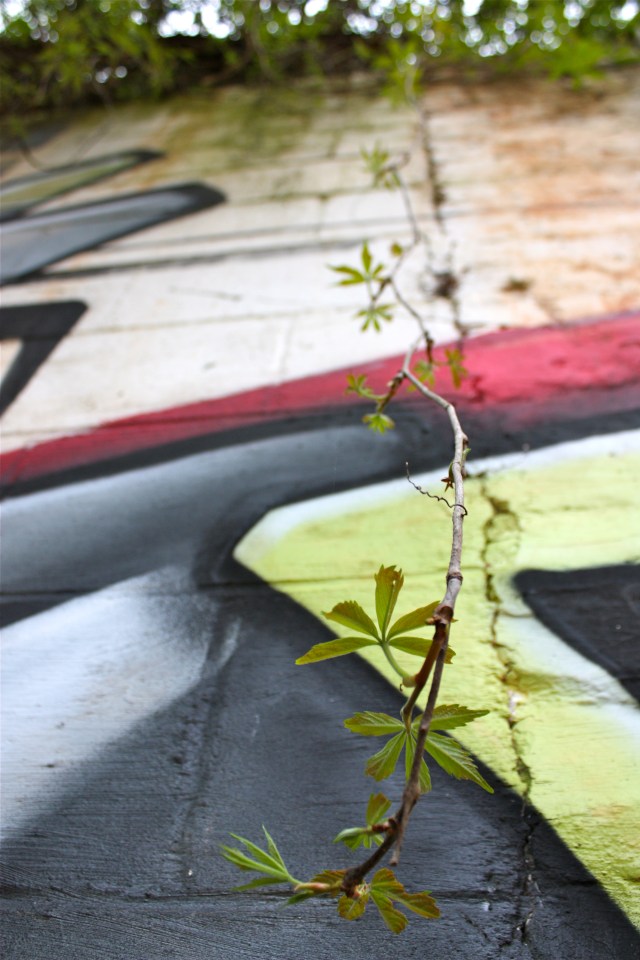
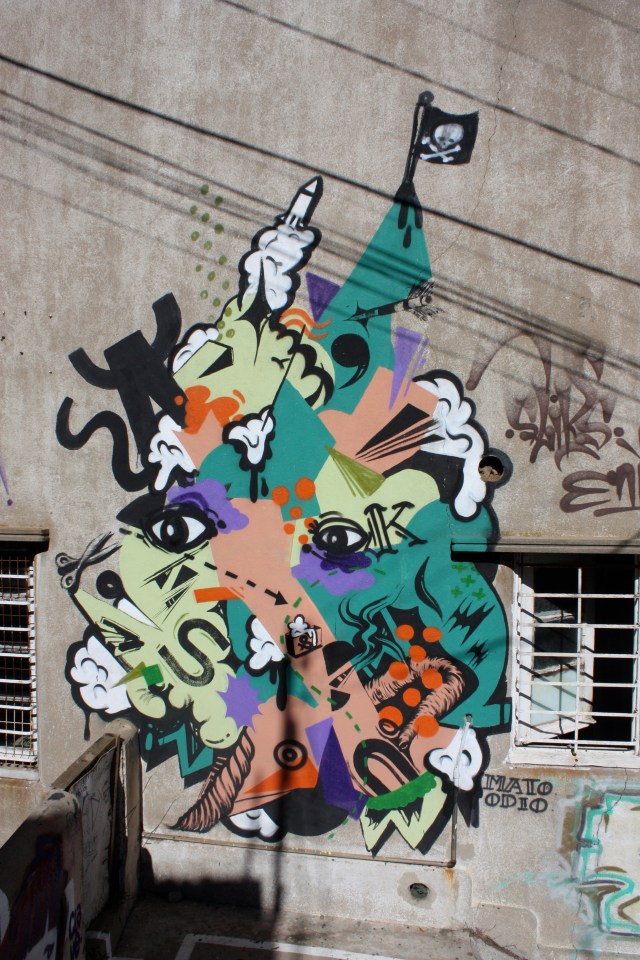
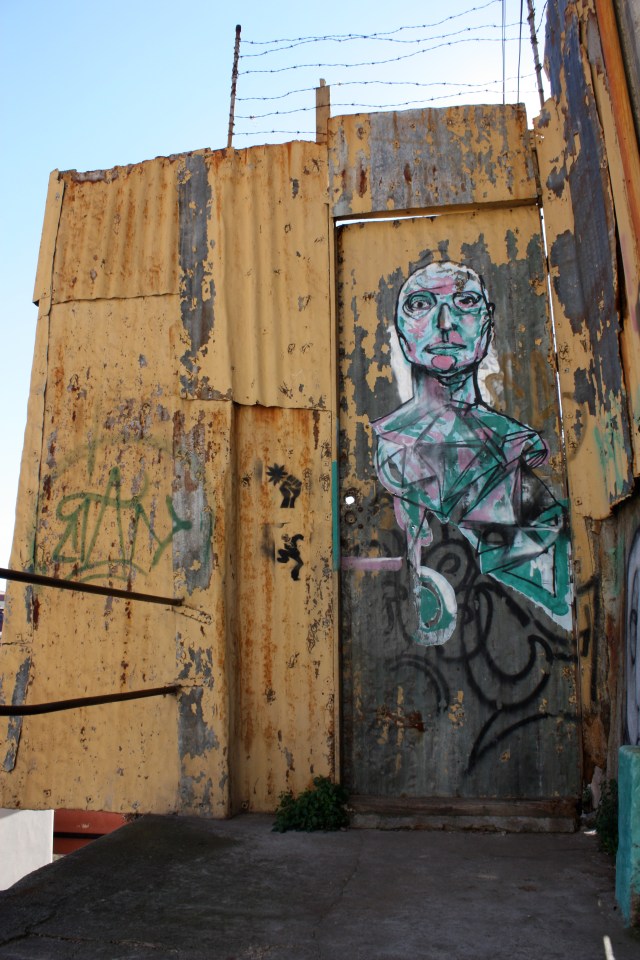
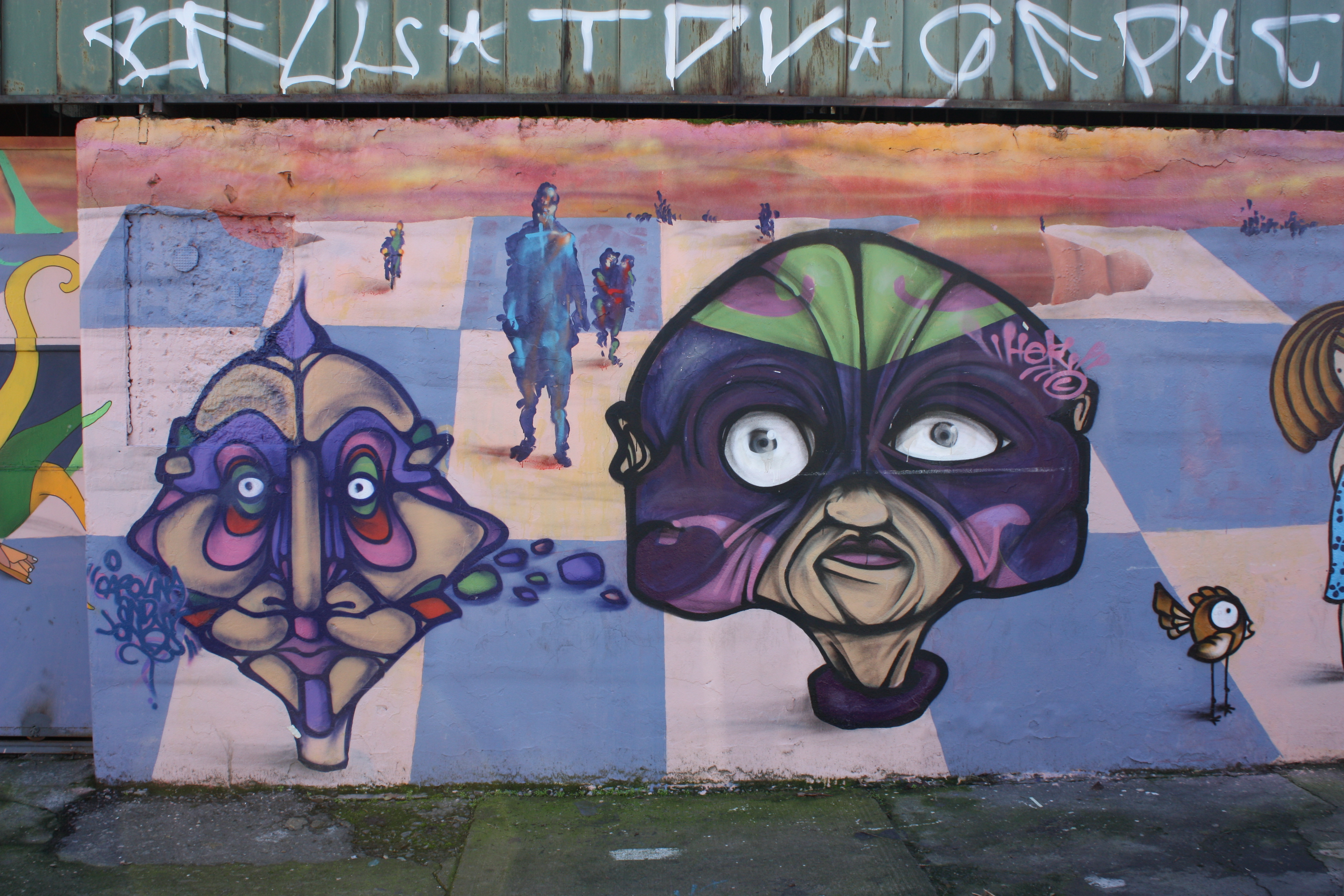
Valparaiso’s labyrinthian escaleras are an endless canvas for local artists.

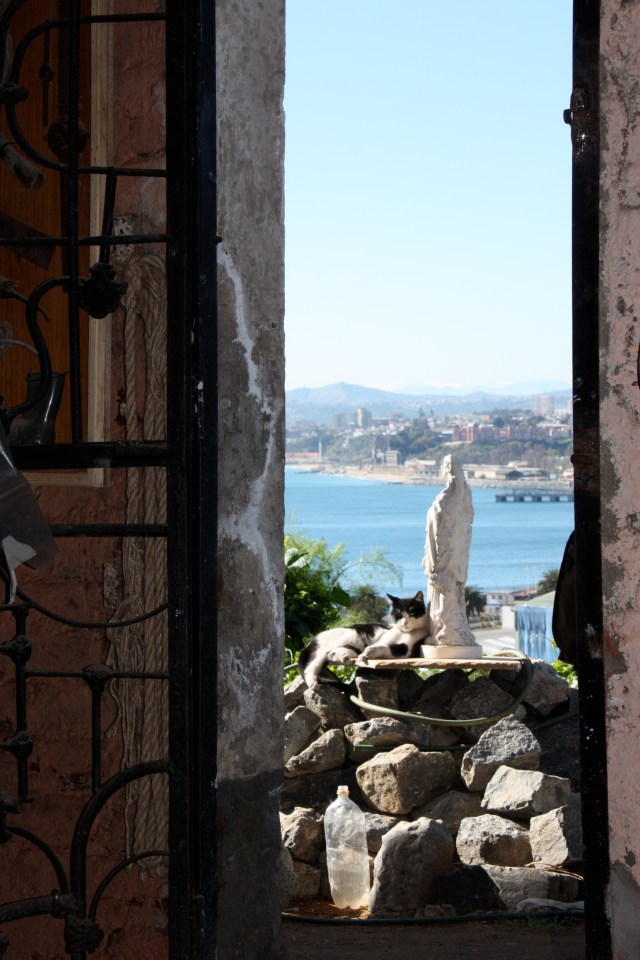
Dogs and Cat

Graffiti Porteño, Valparaiso

Rickety funiculars cut the time it takes to scale Valparaiso’s steep hills.

The old funiculars are loud and rickety, yet strangely comfortable and familiar.  Listen to audio within a Valparaiso funicular on its way down:

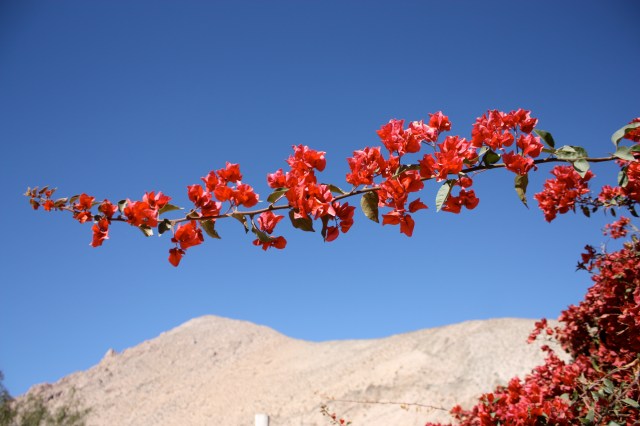
Red Bougainvillea, Bougainvillea glabra

St Marys, Georgia

Elqui Valley, Chile

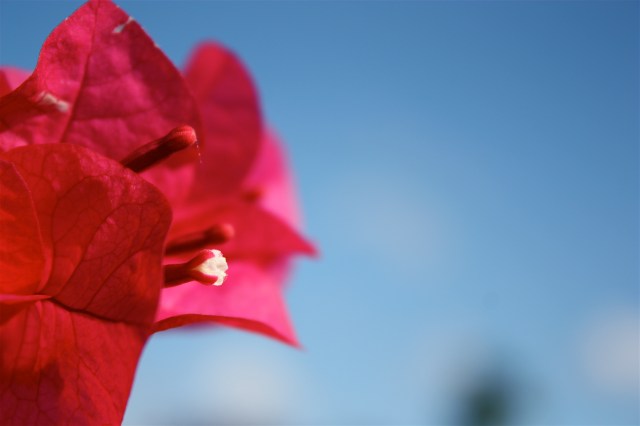
This bougainvillea adorned balcony in Santiago’s Barrio Bellavista rests around the corner from “La Chascona,” Pablo Neruda’s home named for his lover and third wife, Matilde Urrutia.  The name means “the uncombed.”

Street art surrounds the curious homes in one of Santiago’s most bohemian enclaves.


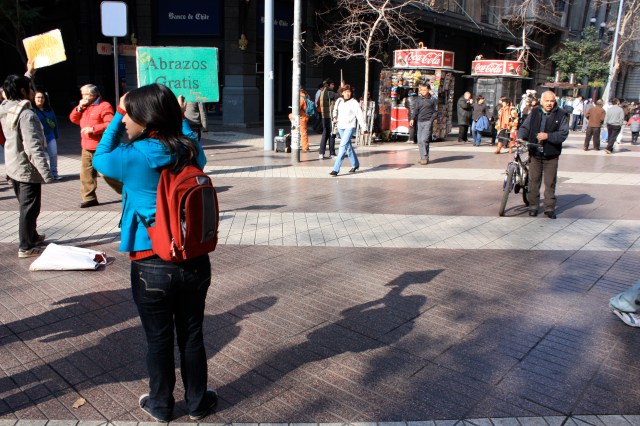
In the center of Santiago, some college kids spent an afternoon of their winter break giving away free hugs, or “abrazos gratis.”  In stark contrast to the youthful positivity, the man standing next to his bike was prosthelytizing about brimstone and hellfire, and the second coming of Jesus.

At times it was safer to pull out a handheld recorder, than a bulky camera that could easily get snatched.  Listen to a stroll through the heart of Santiago:


Later, we came across a blind couple and their young daughter singing for change.  The girl sat on the ground between her mother’s legs.  Listen below:


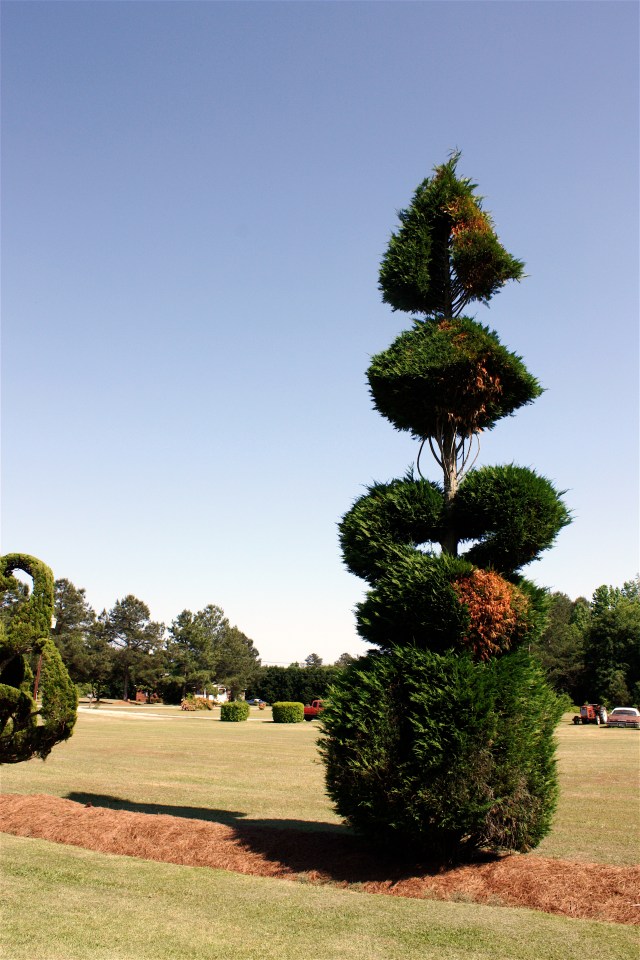
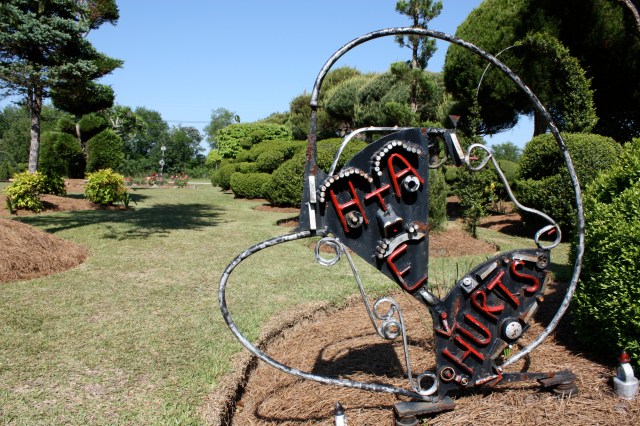
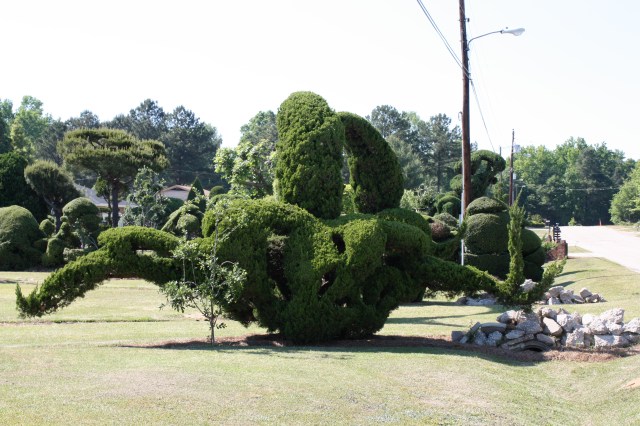
Pearl Fryar’s Topiary

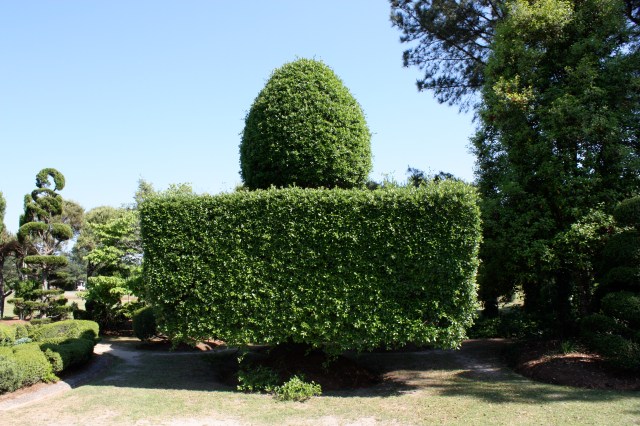
Last month I drove to Bishopville, a small rural town in Central South Carolina.  It’s home to a kind soul named Pearl Fryar.  Around three thirty, he was speaking to a group of middle-aged tourists. Unbeknownst to Pearl, his website states that the gardens close at four on Saturdays, but after the group left, our conversation lengthened with afternoon shadows.

After working more than thirty years in a can factory while sculpting trees and shrubs each night, Fryar has managed to transform pockets of the depressed town into fantastical worlds of living sculpture.  Pearl’s self-taught craft began with discarded “junk plants” from a local nursery.

“How did I impress her (Martha Stewart), cutting bushes.”

“You should be nice to everybody.”

“We have a system in this country.  The system is set up for failure.”

“If you want to enjoy life, keep it simple.”

 “If you got an idea, and can’t afford it, start it.”

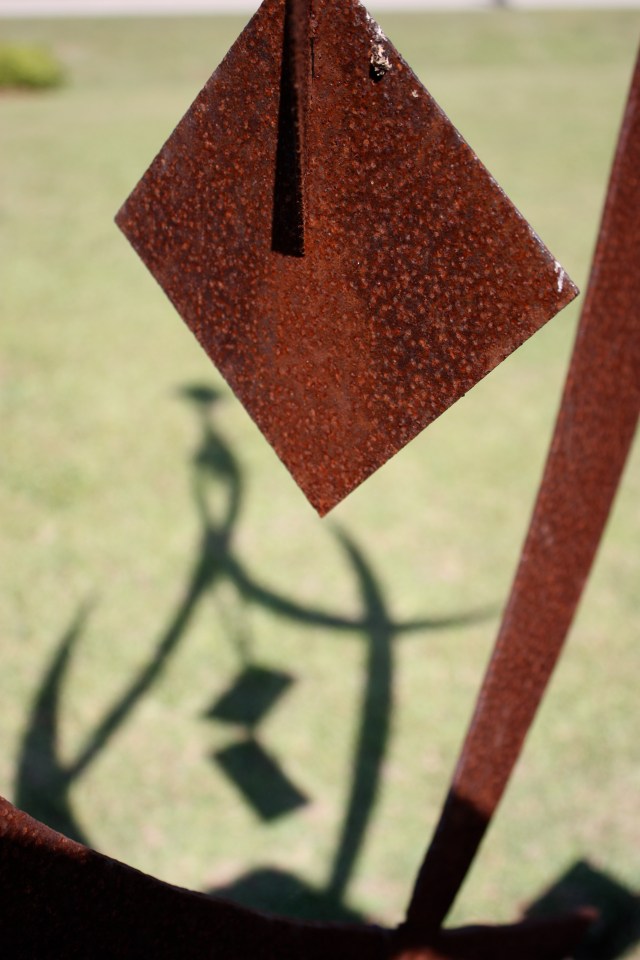
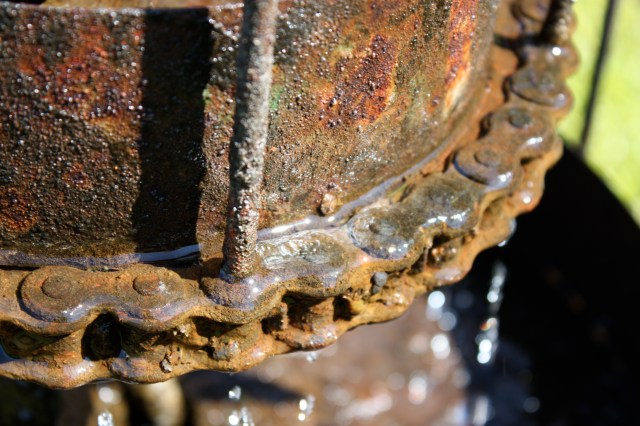
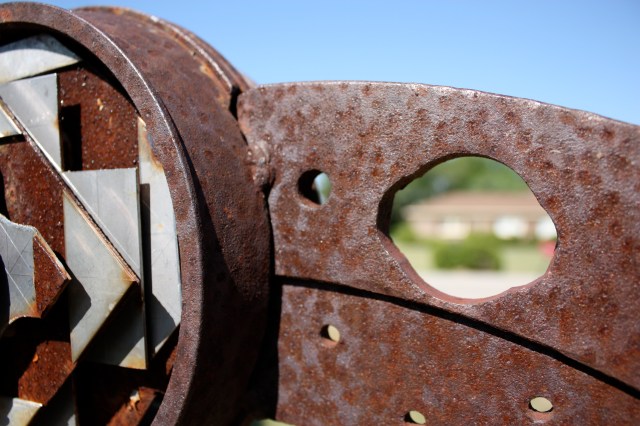
Pearl Fryar’s latest endeavor is metal sculpture, which he calls “junk art.”

Hardly junk.

Fryar Topiary Gardens
145 Broad Acres Rd
Bishopville, SC 29010-2819

http://www.fryarstopiaries.com

Click here to read more about the visit.