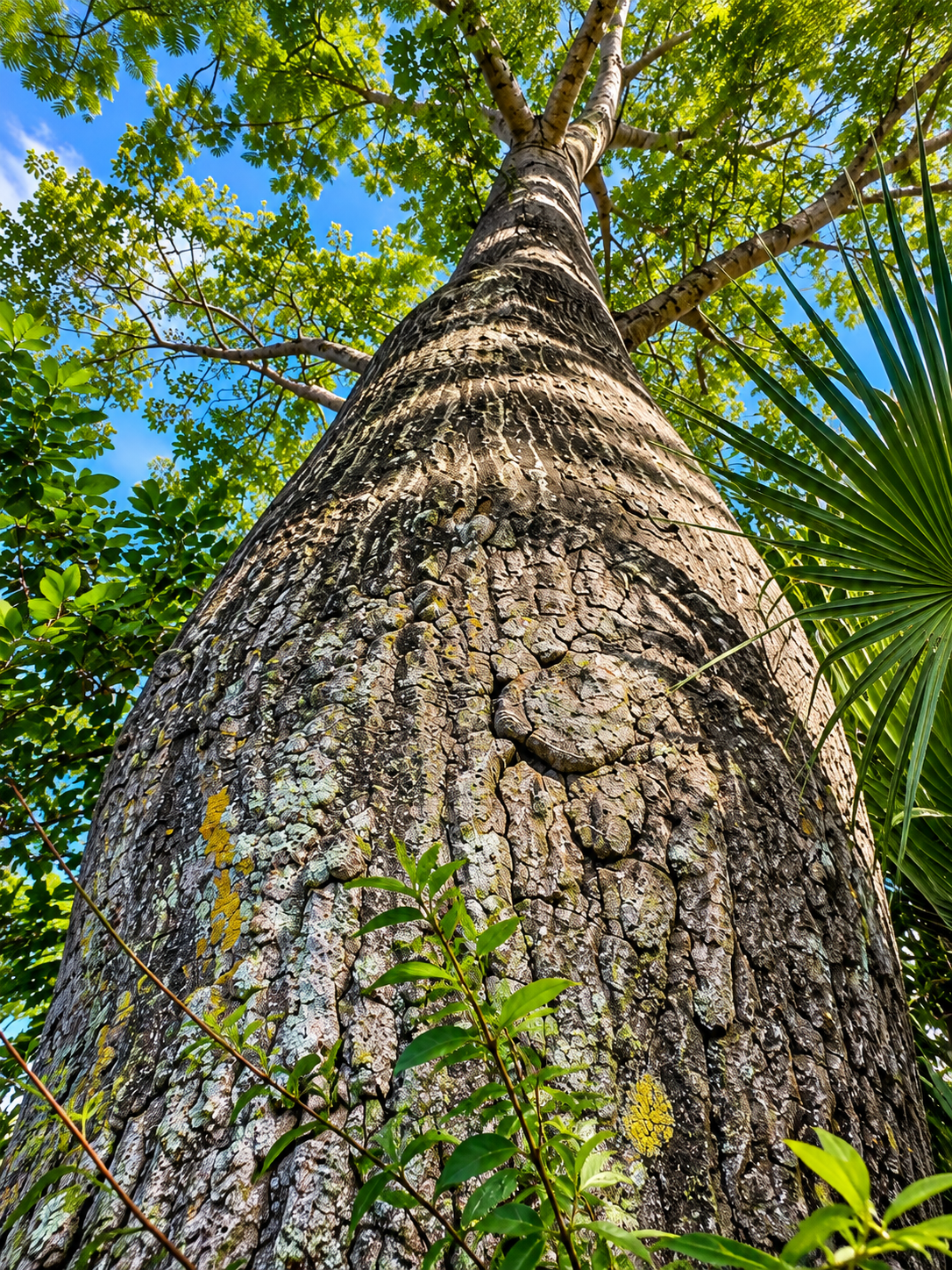
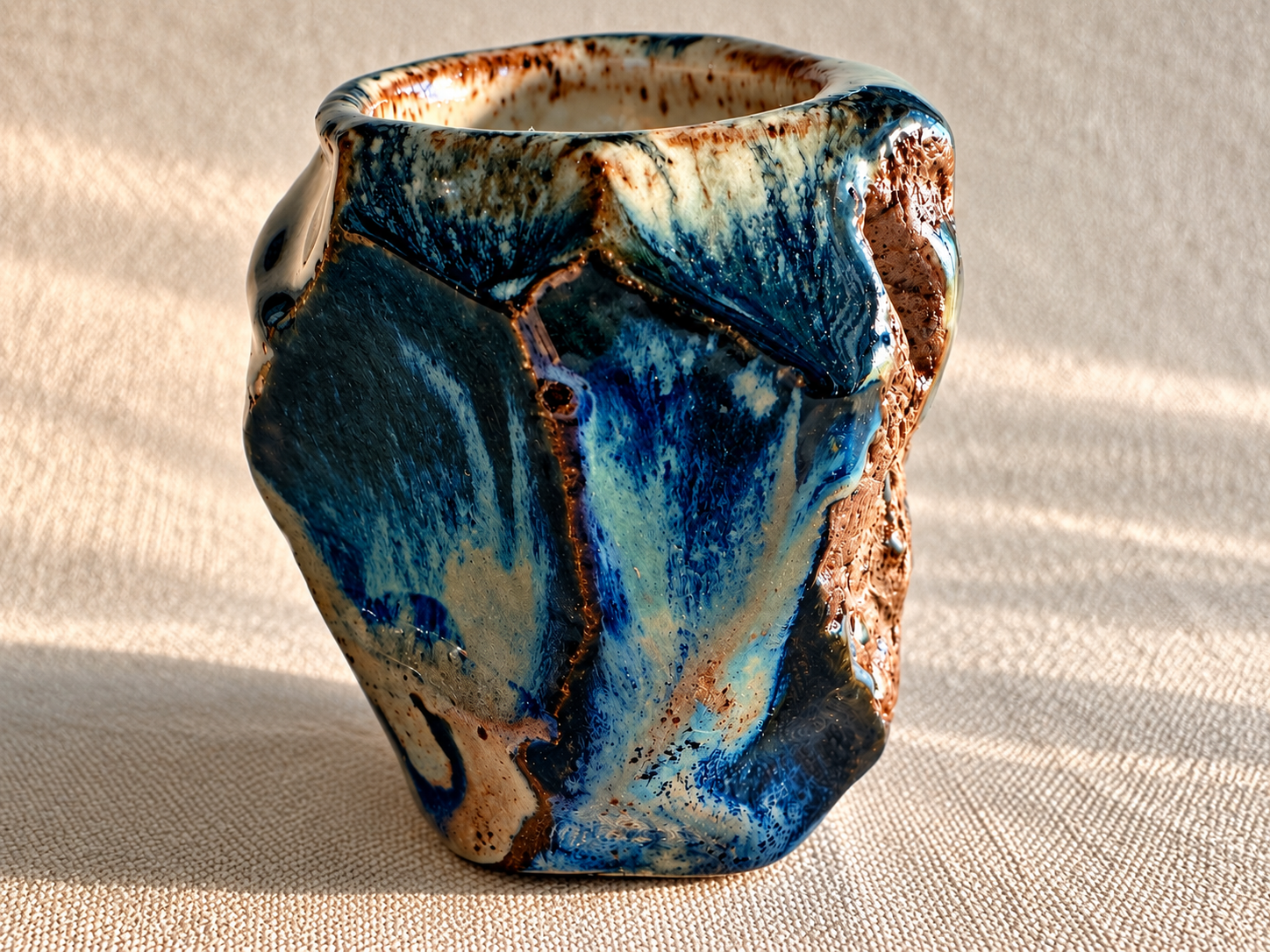
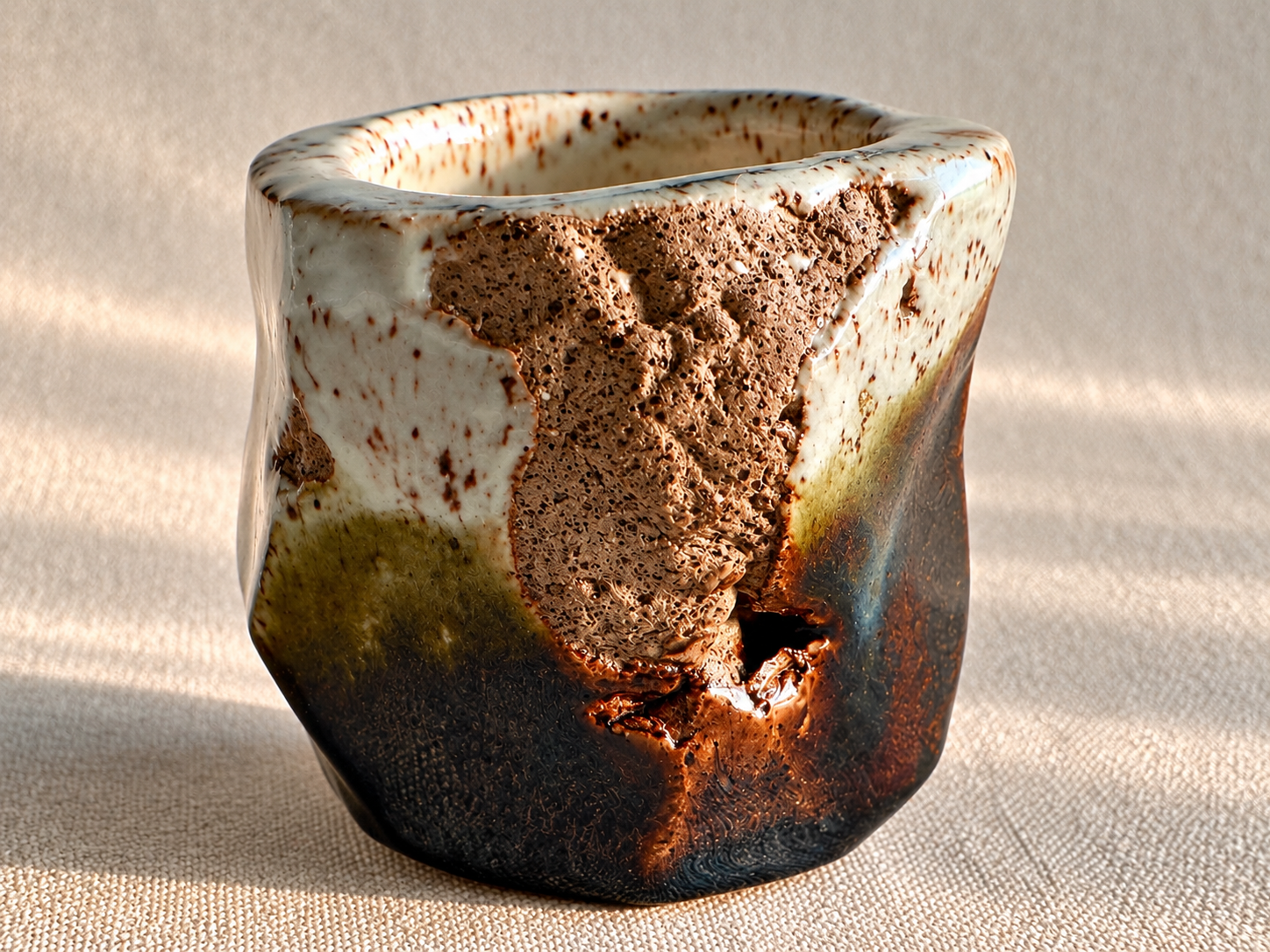
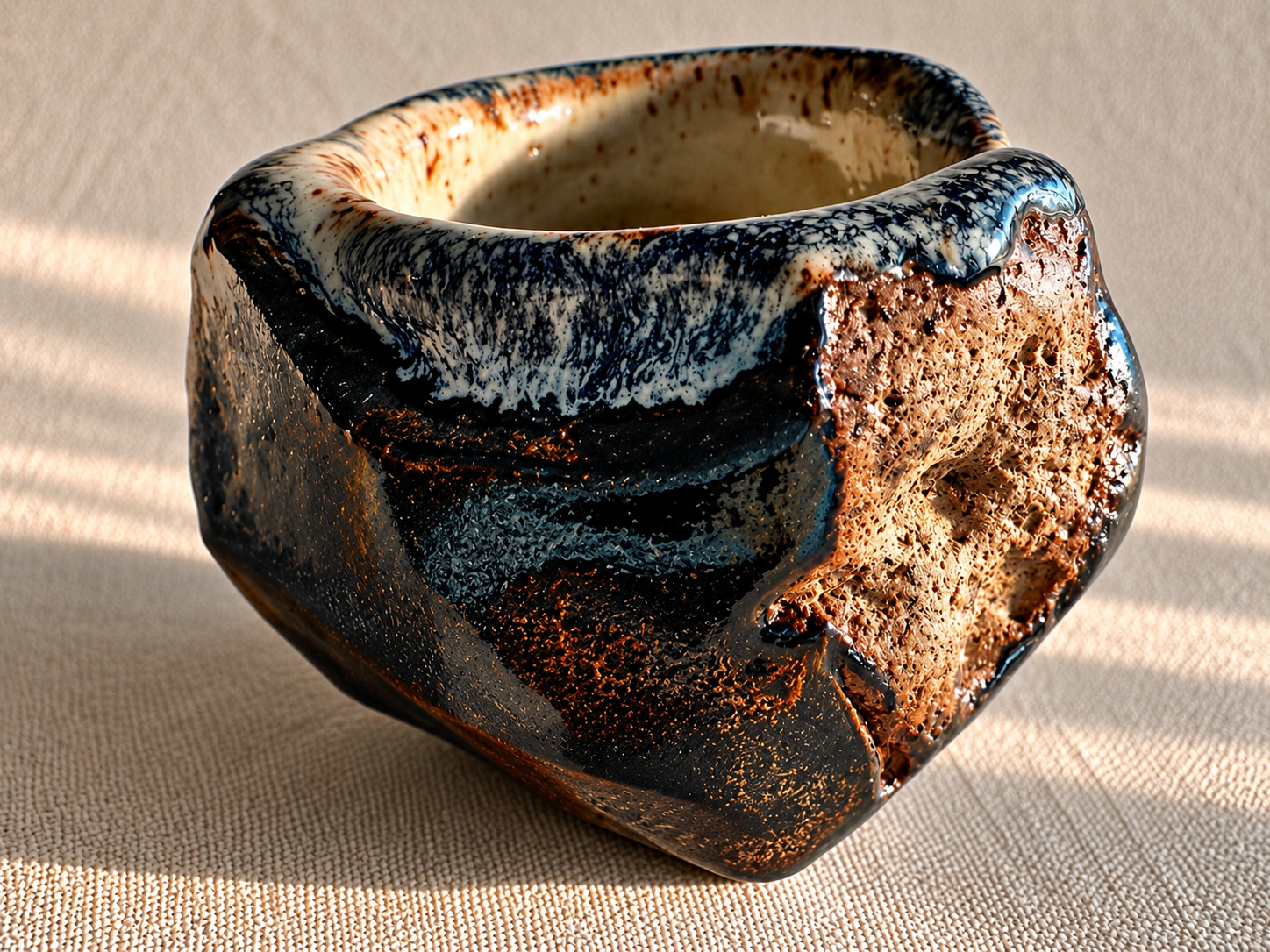
Buddha is the name of the towering silk floss tree across the street. While walking the dog day or night (Sir Didymus of Dunbar), we stop to rub the bulbous trunk for good luck. Each kurinuki piece below features textured sections of raw stoneware created when pressed against the curious bark of the South American native.
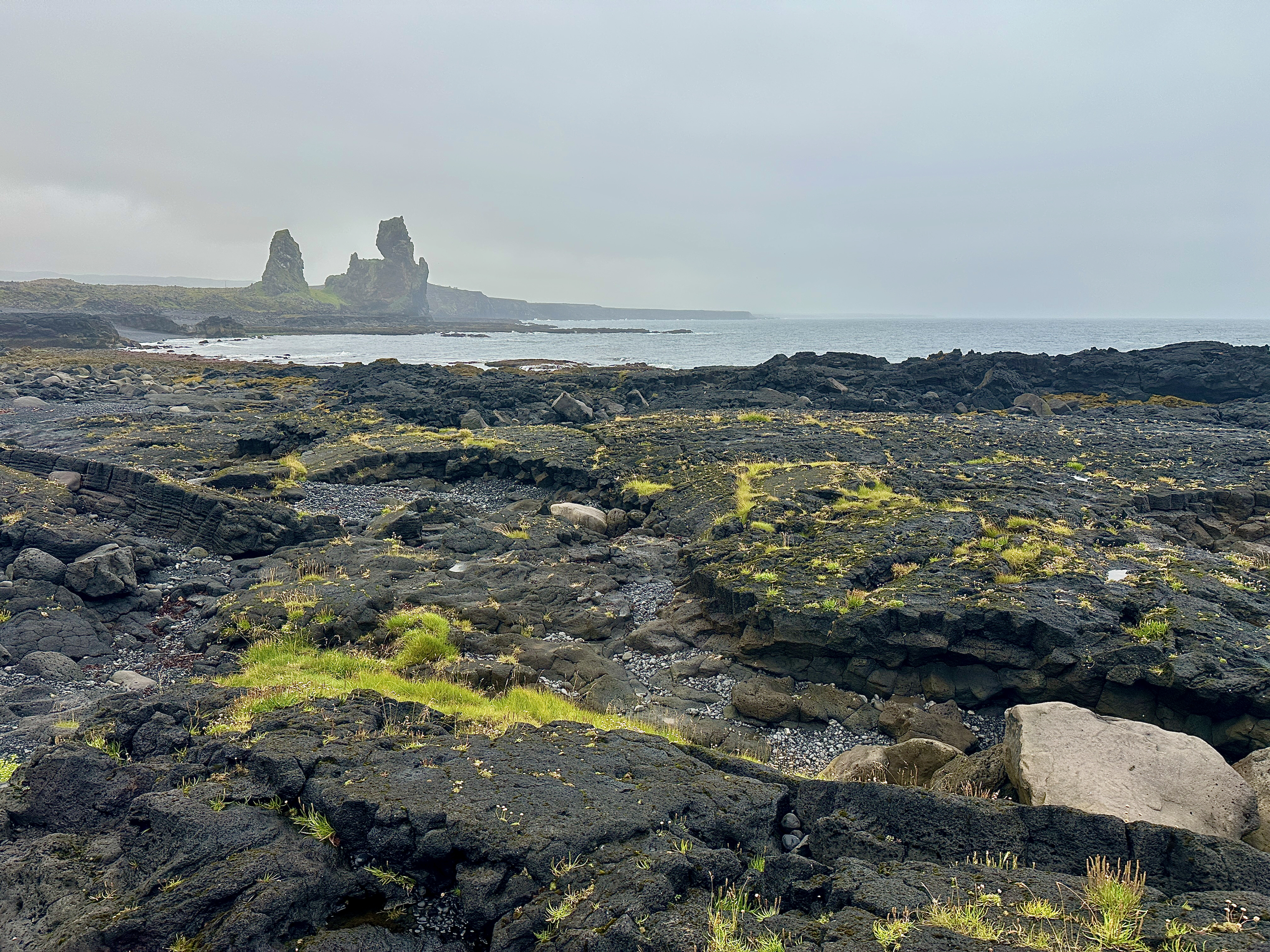
When magma solidified inside the vent of an ancient volcano, the Lóndrangar rock formation was created. Over the course of hundreds of thousands of years, the softer volcanic cone surrounding the magma eroded away, leaving the two towers standing above the coast.
Some believe Lóndrangar is the entrance of a fortress that leads to the unseen kingdom of the huldufólk (hidden people). They look like humans and live in a parallel world.
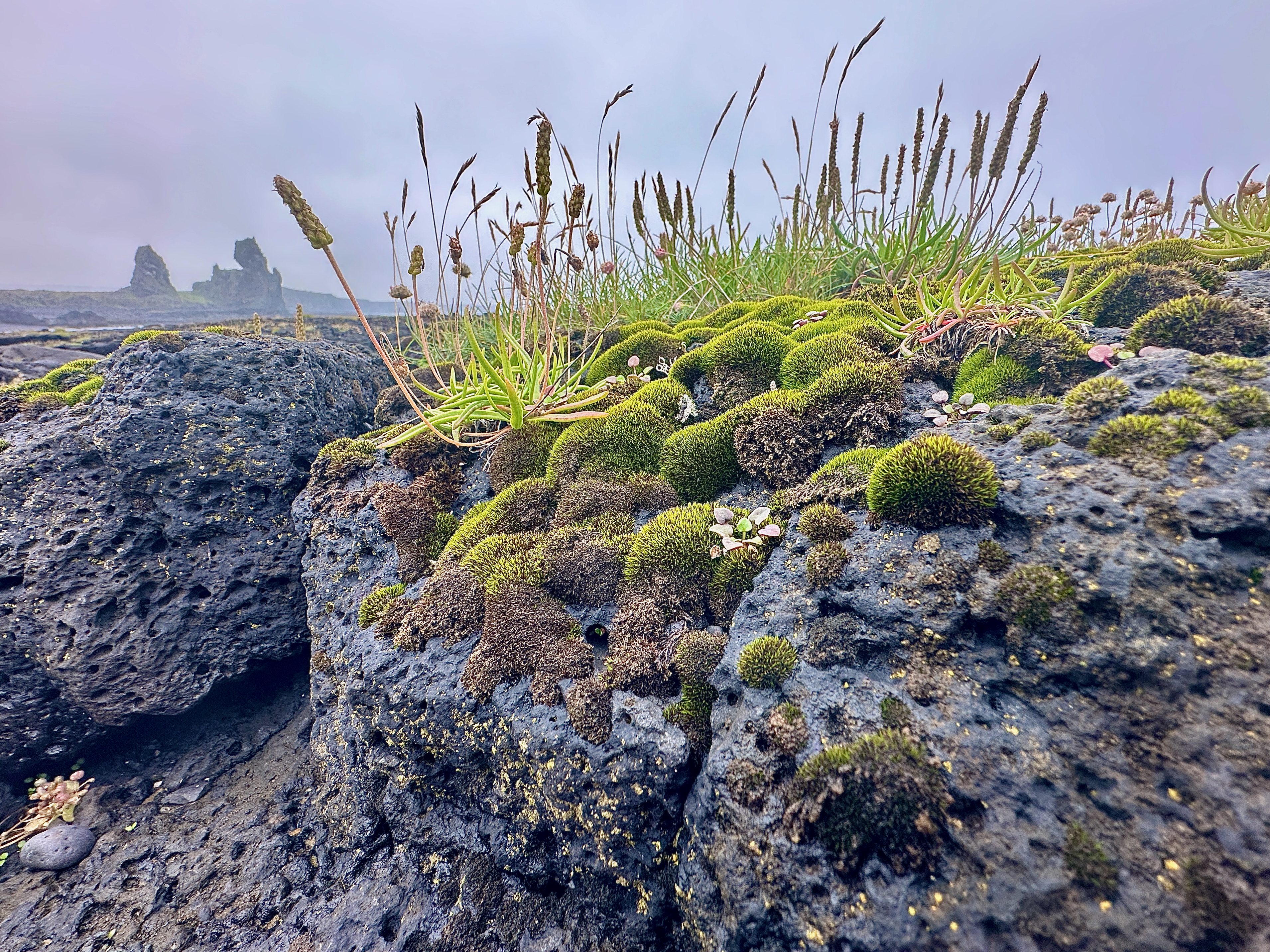
Racomitrium lanuginosum
Moss is the first plant to grow atop porous basalt. As it slowly breaks down the rock, soil forms, allowing other plants to take root. It’s protected under Icelandic law.
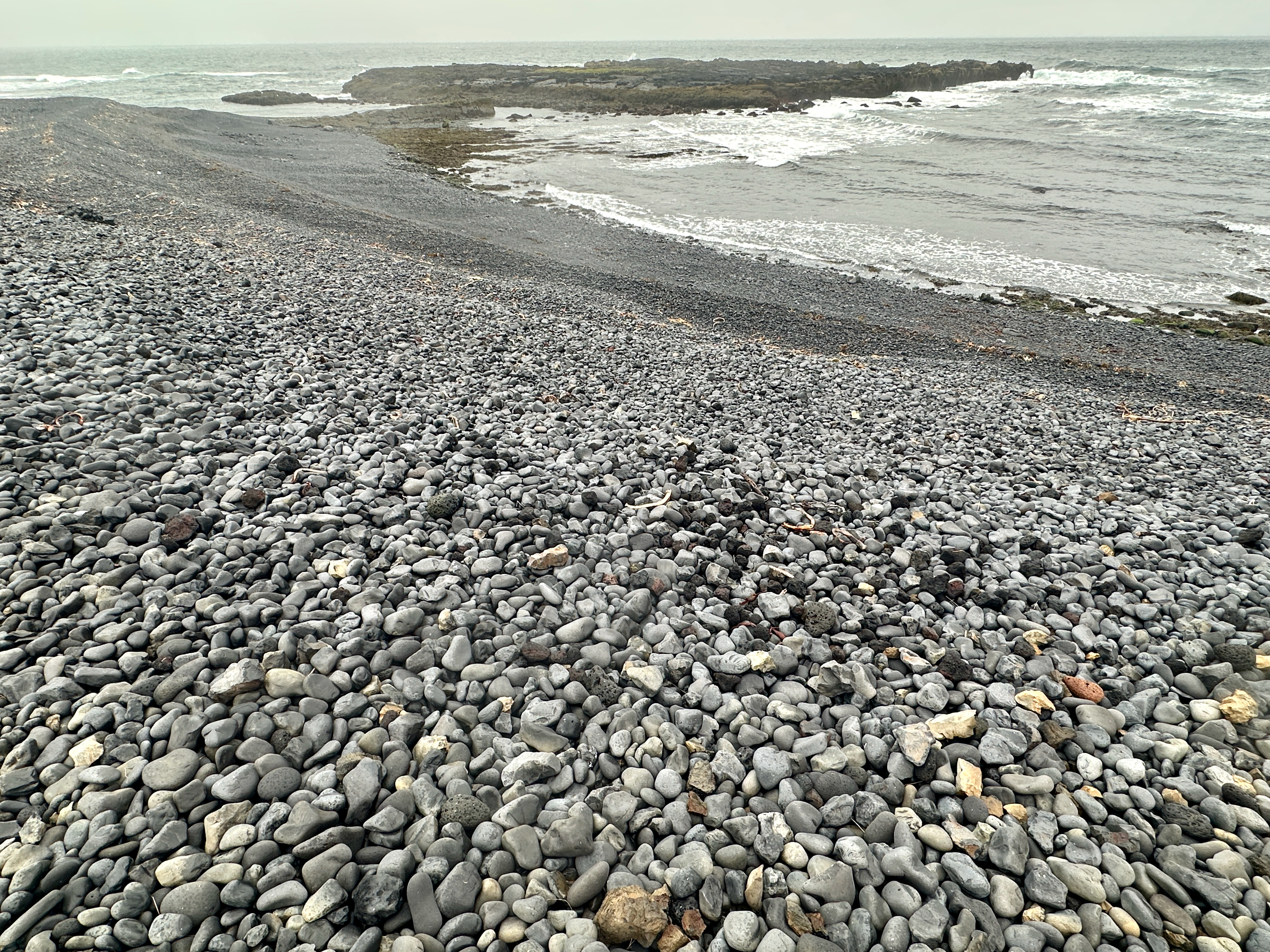
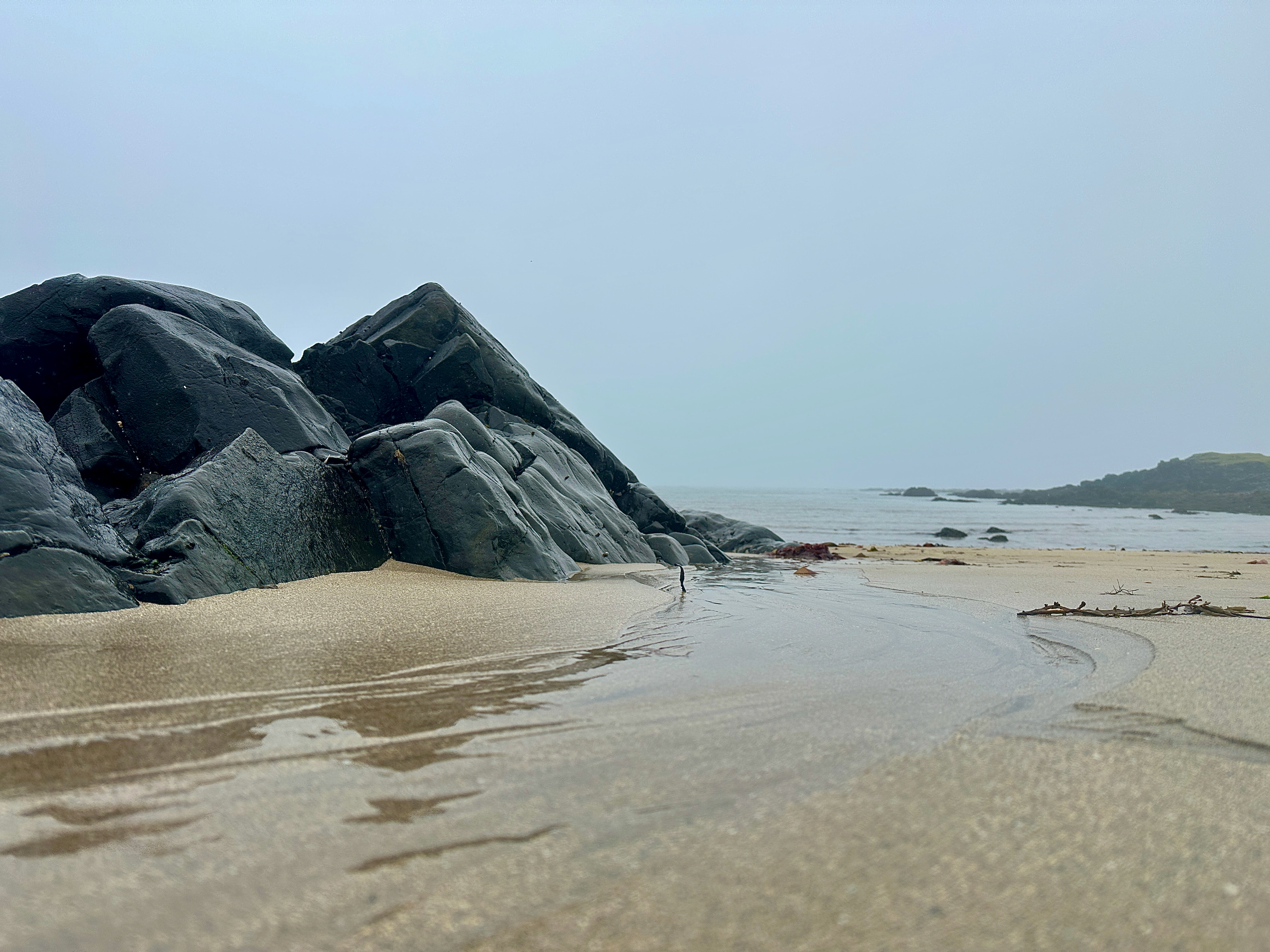
Black Sand Beach
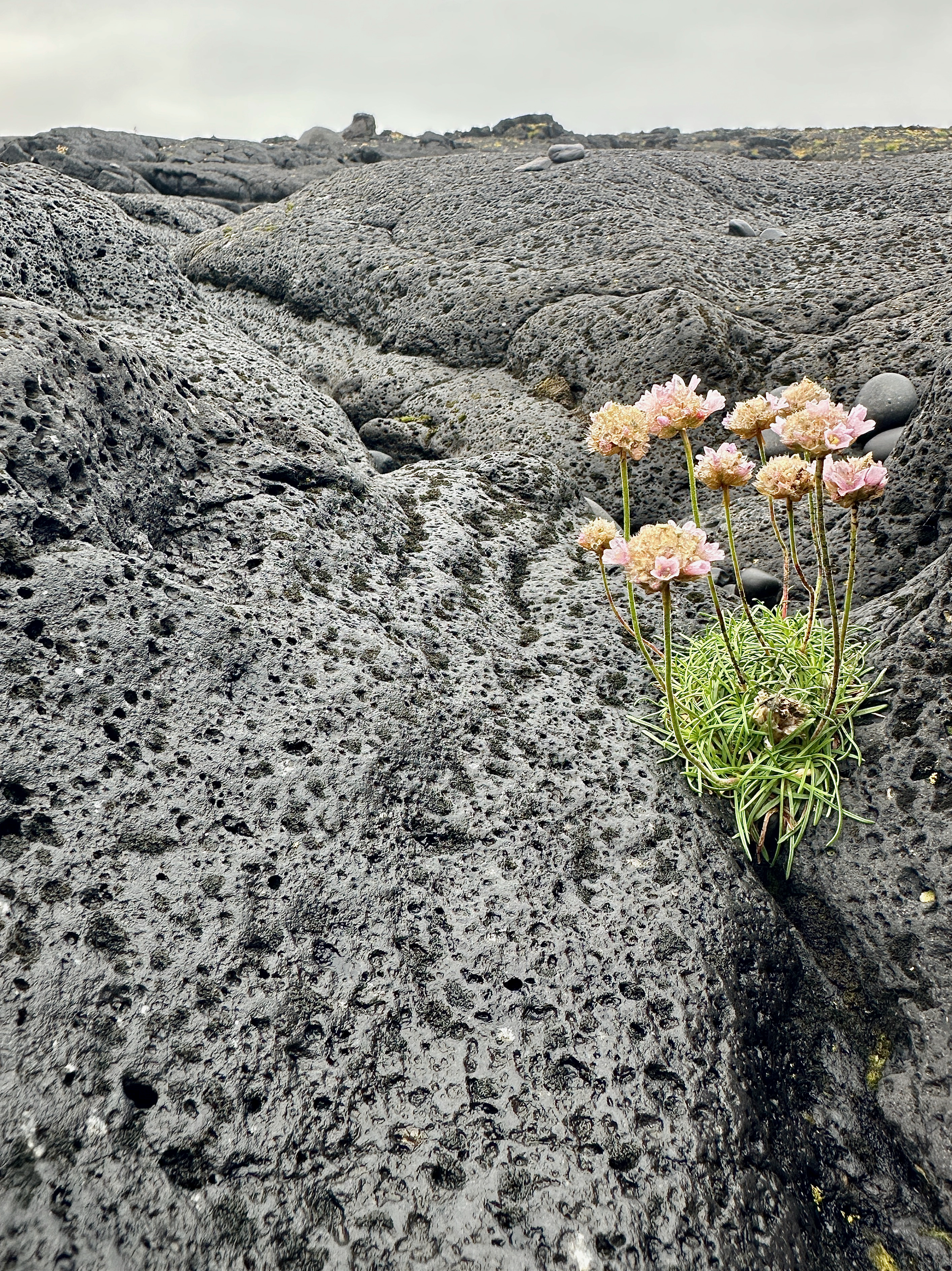
Armeria maritima
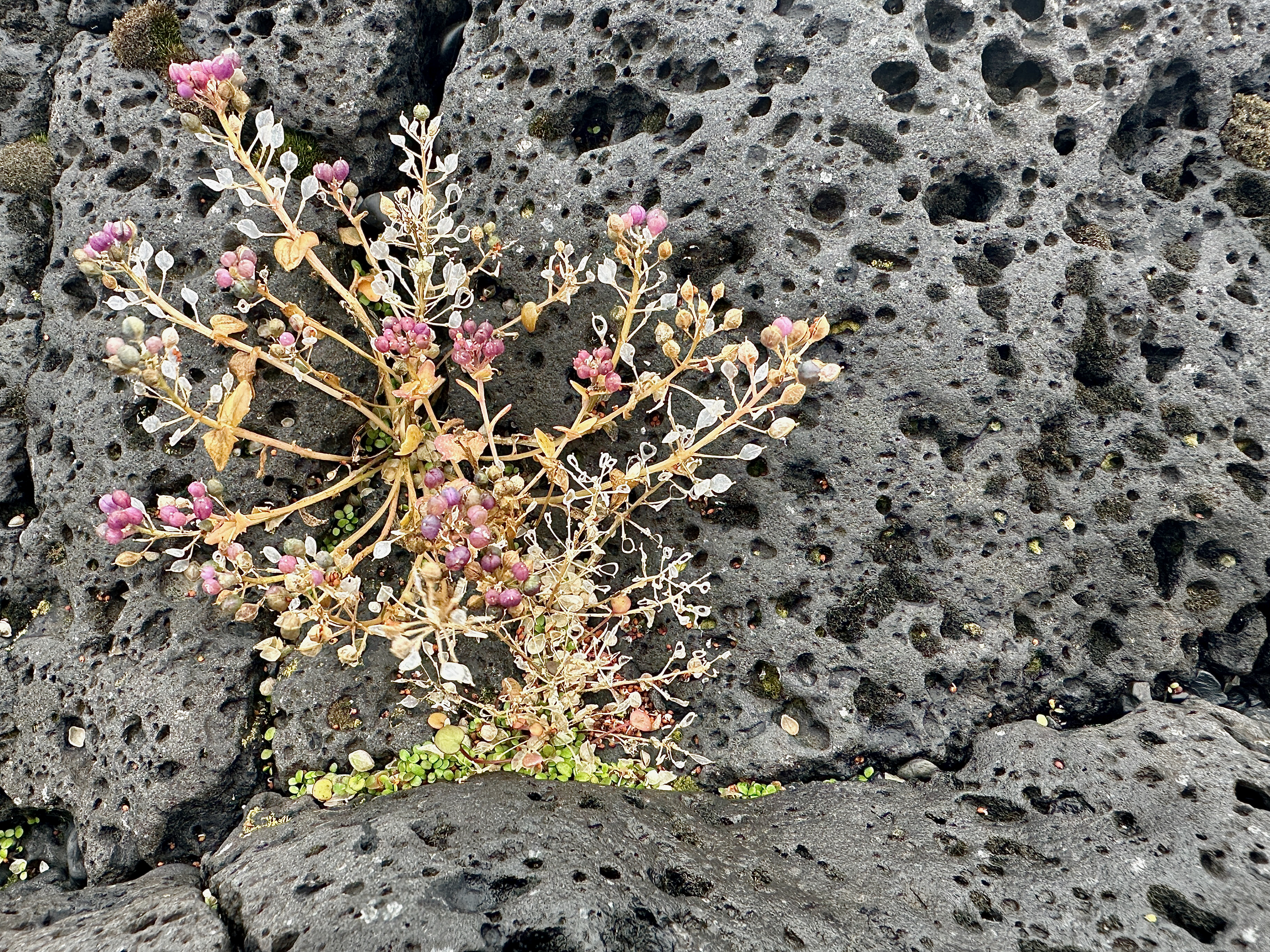
Silene uniflora
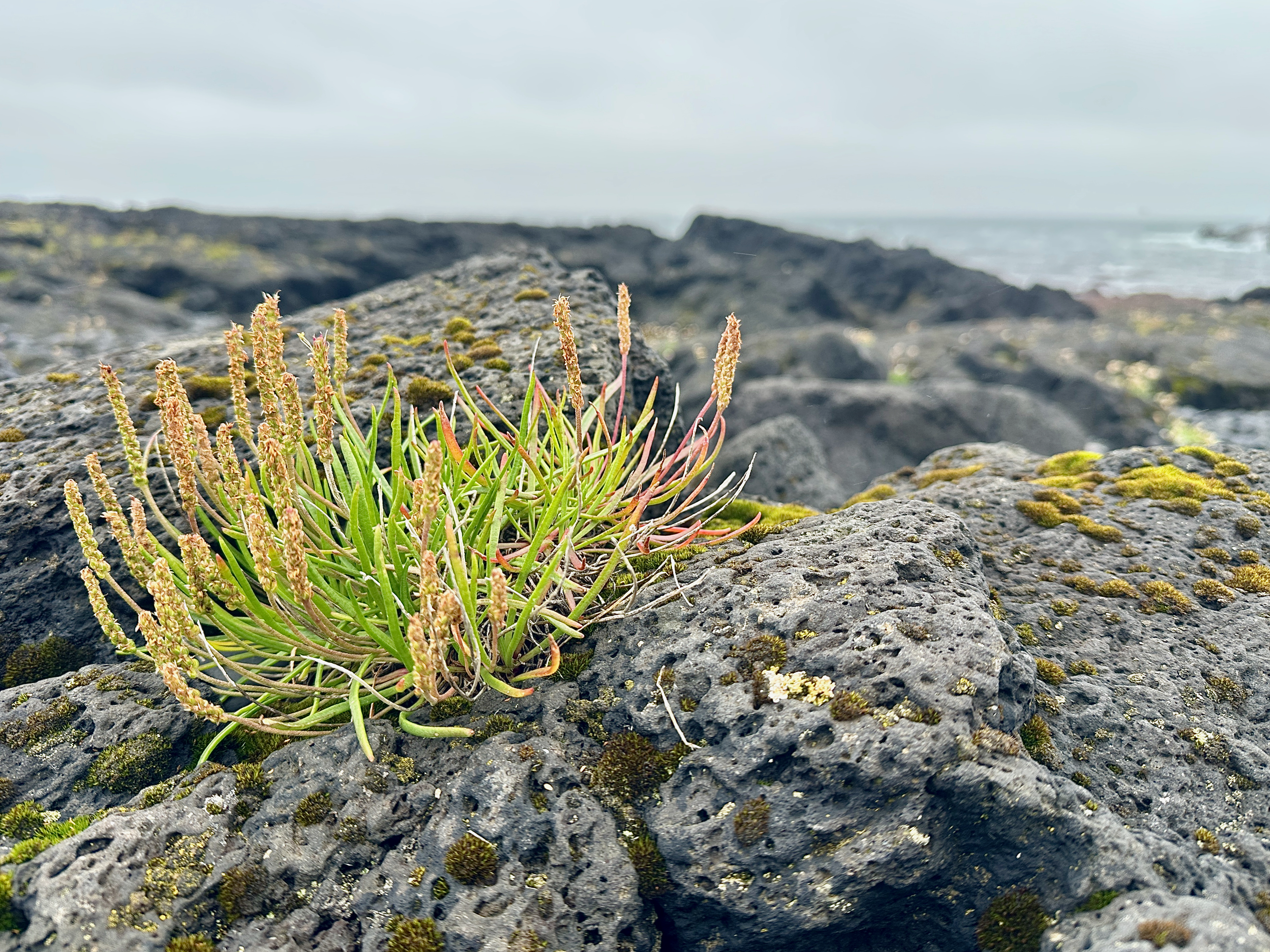
Plantago maritima
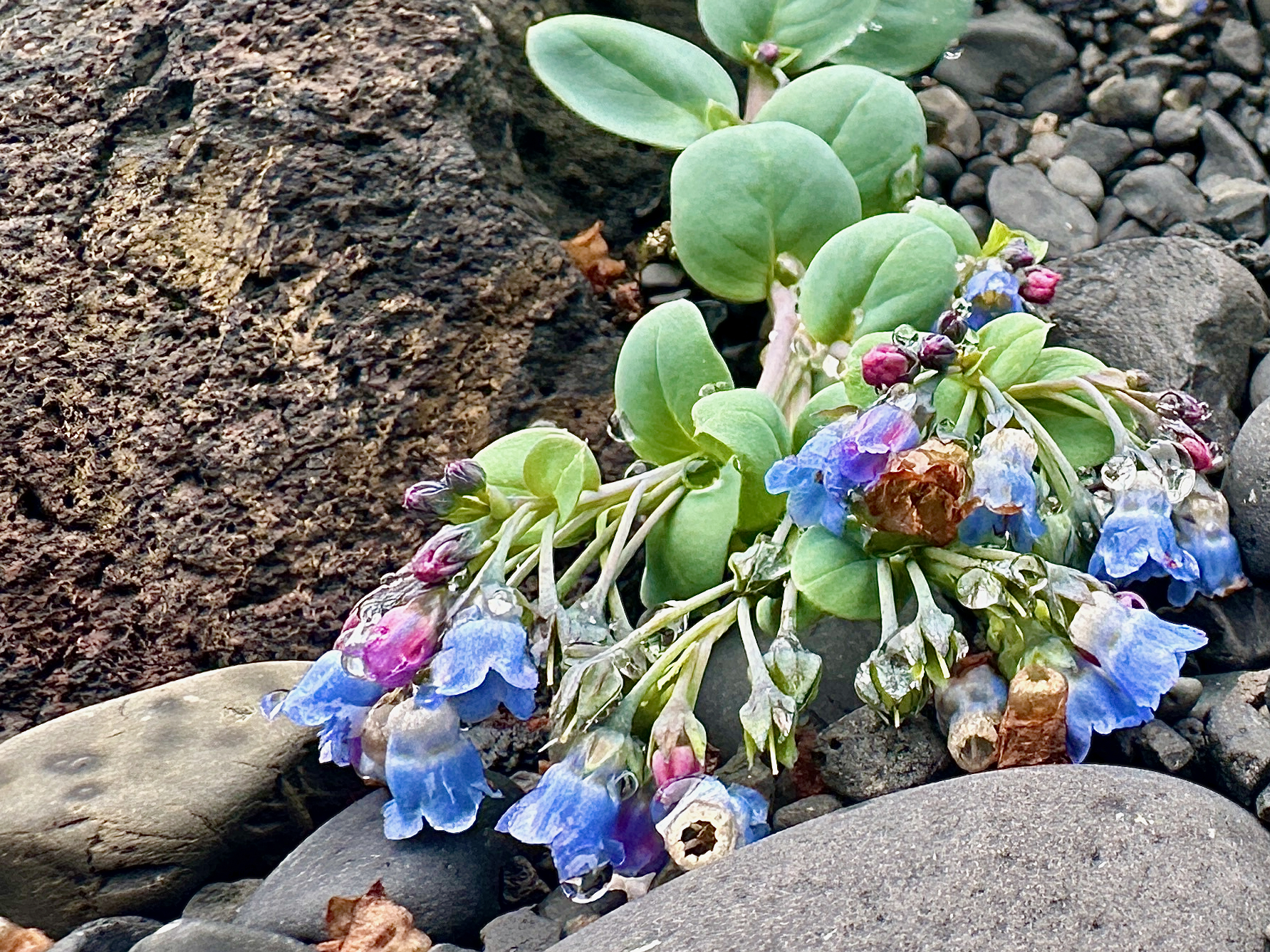
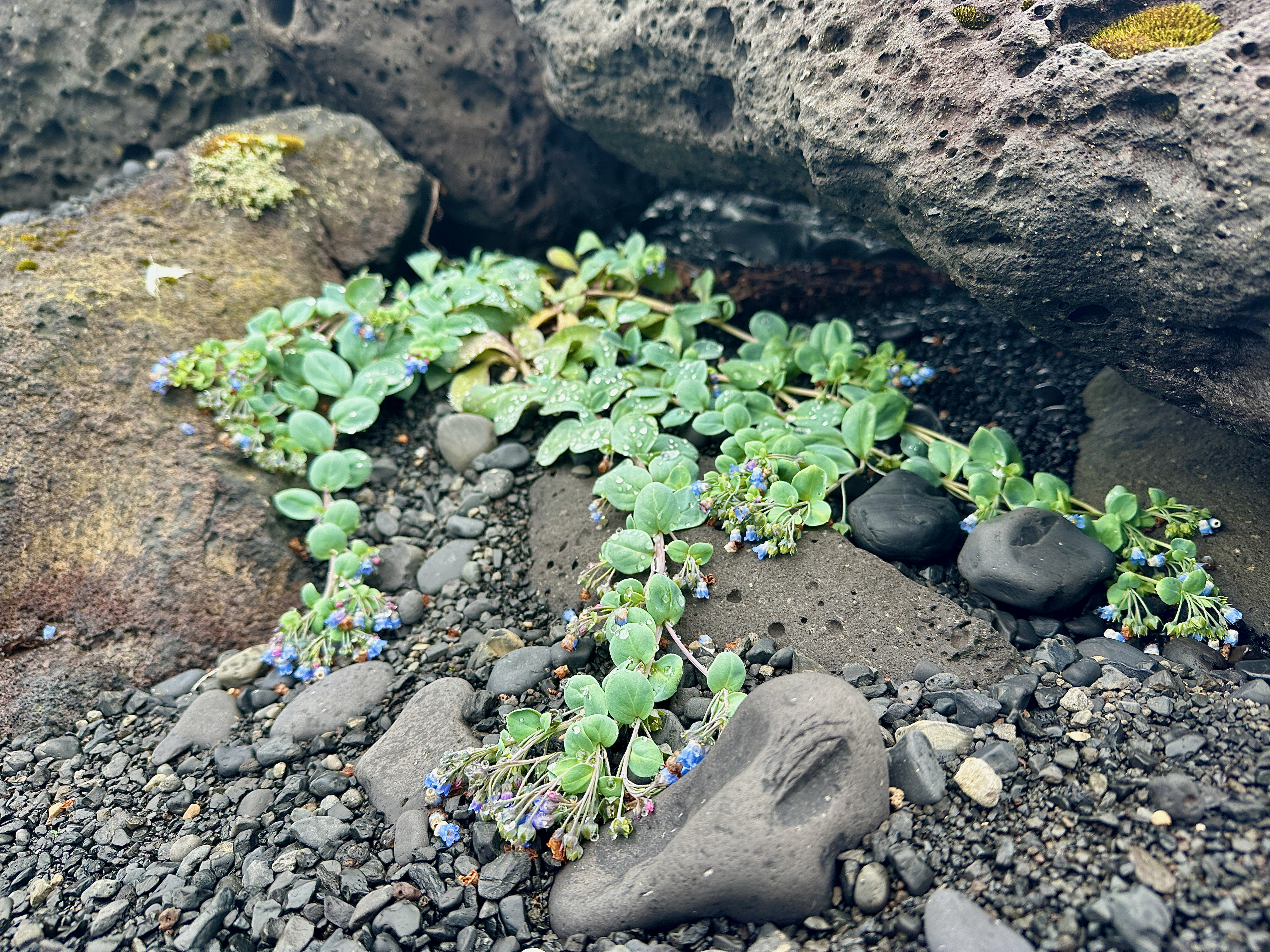
Mertensia maritima
Mertensia maritima
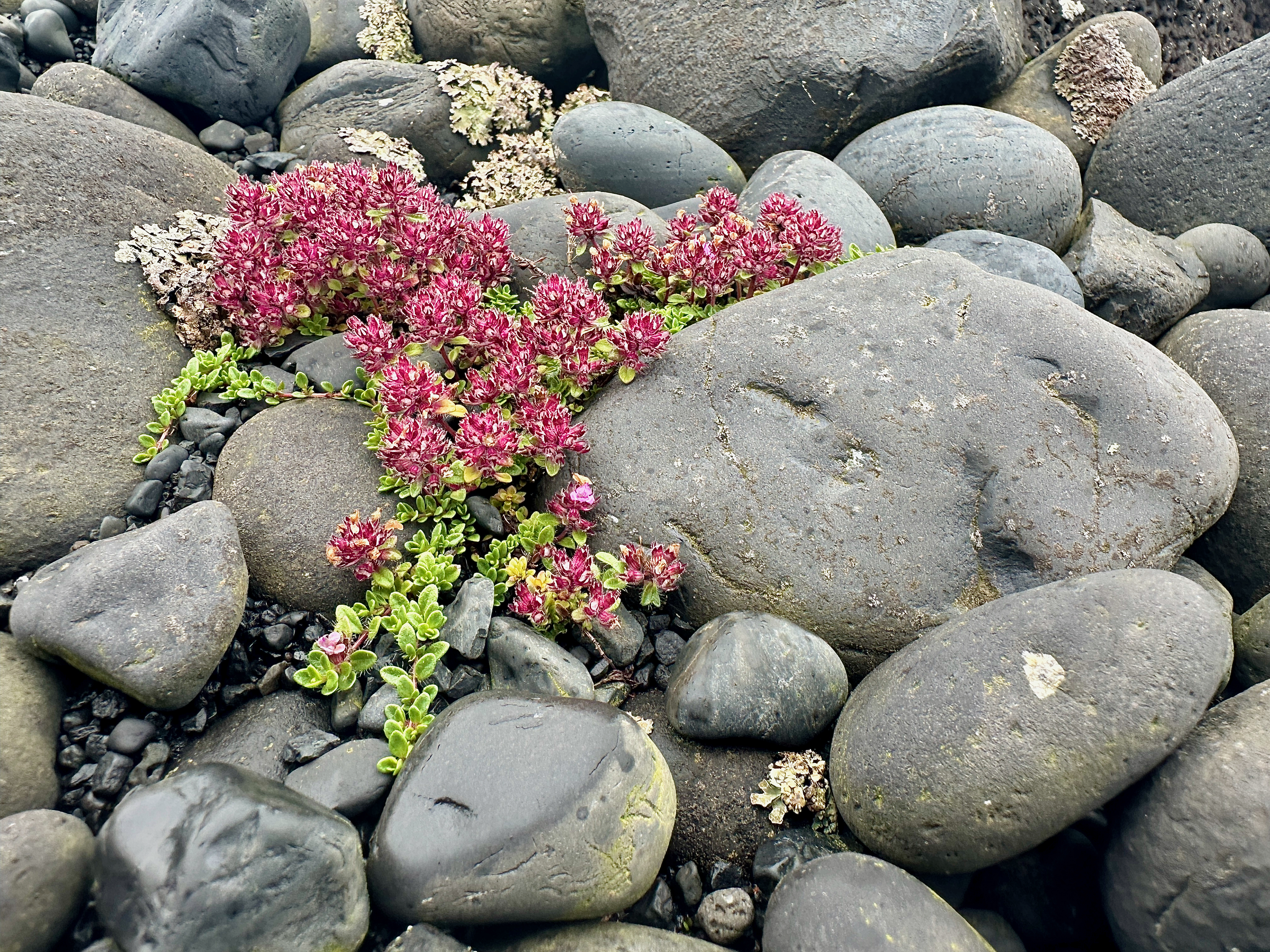
Rhodiola rosea
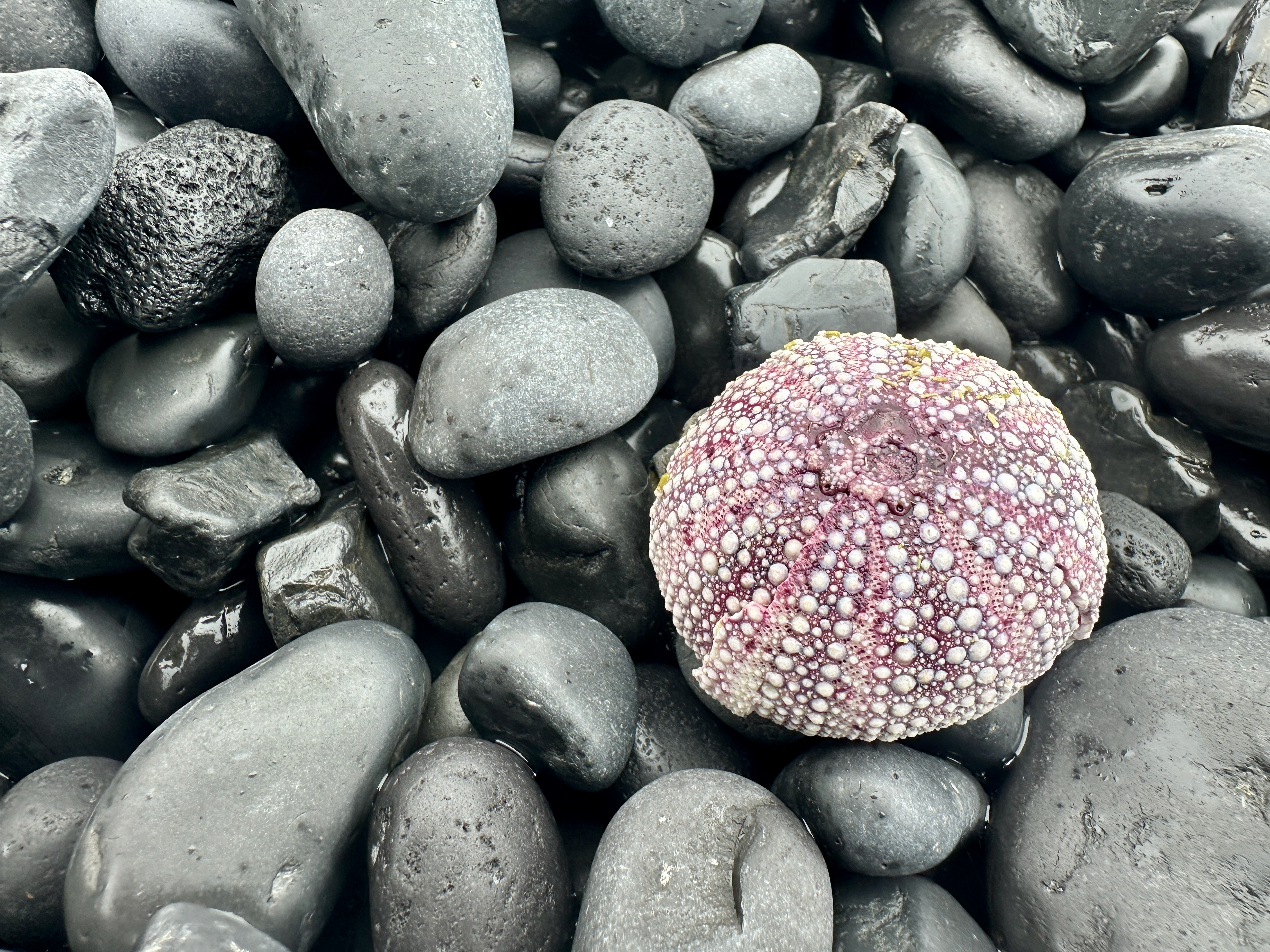
Strongylocentrotus droebachiensis
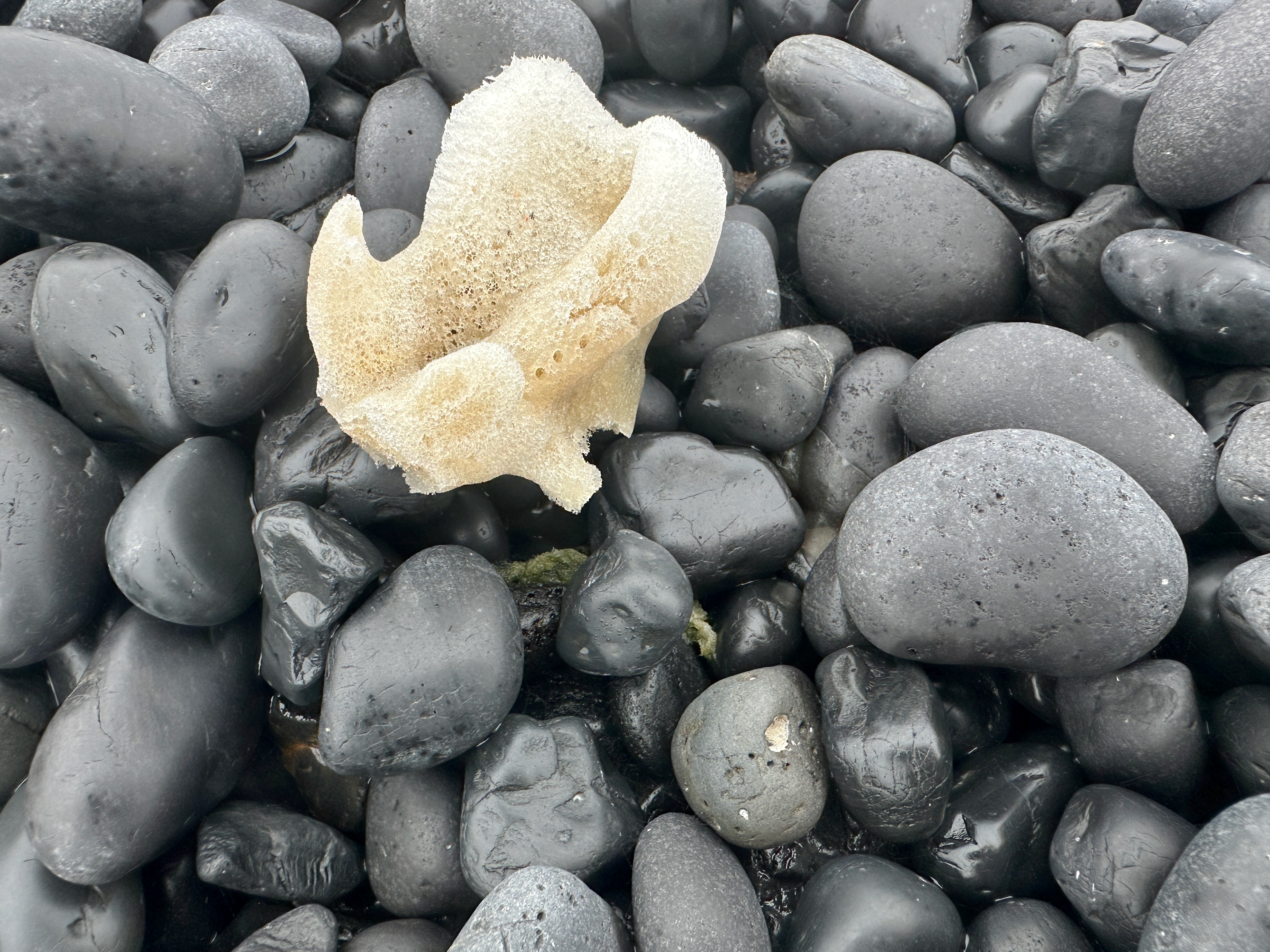
Mycale lingua
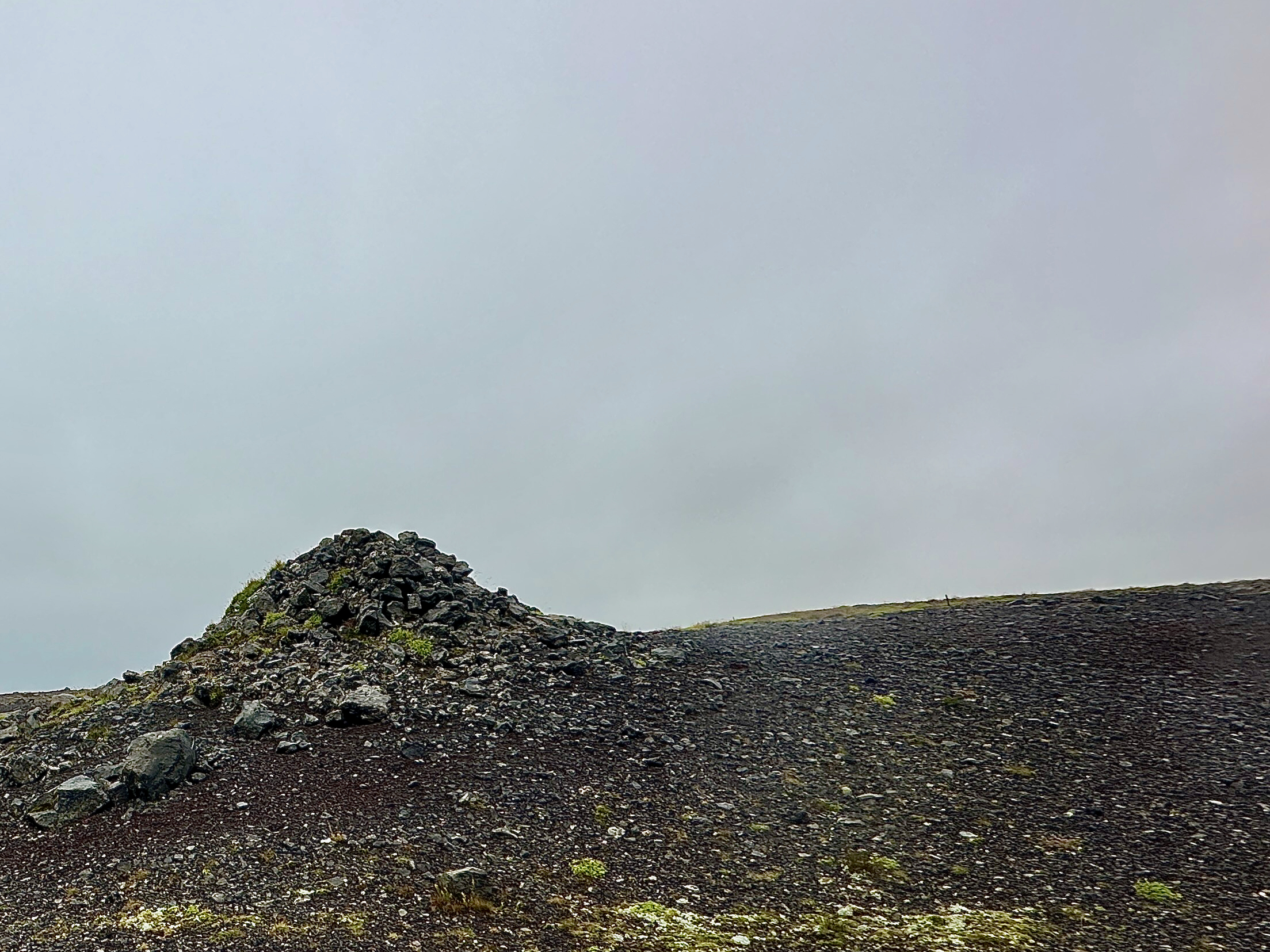
Cairn Marks the Grave of Björn Pétursson
Born in 1555, Björn Pétursson is known as Iceland’s only serial killer. He confessed to murdering and robbing nine travelers who entered his property. Once executed, his body was chopped into pieces and buried at three different locations to make sure he couldn’t come back to haunt the folks who convicted him. Near Snæfellsjökull National Park, the cairn above is the only remaining site of the three.
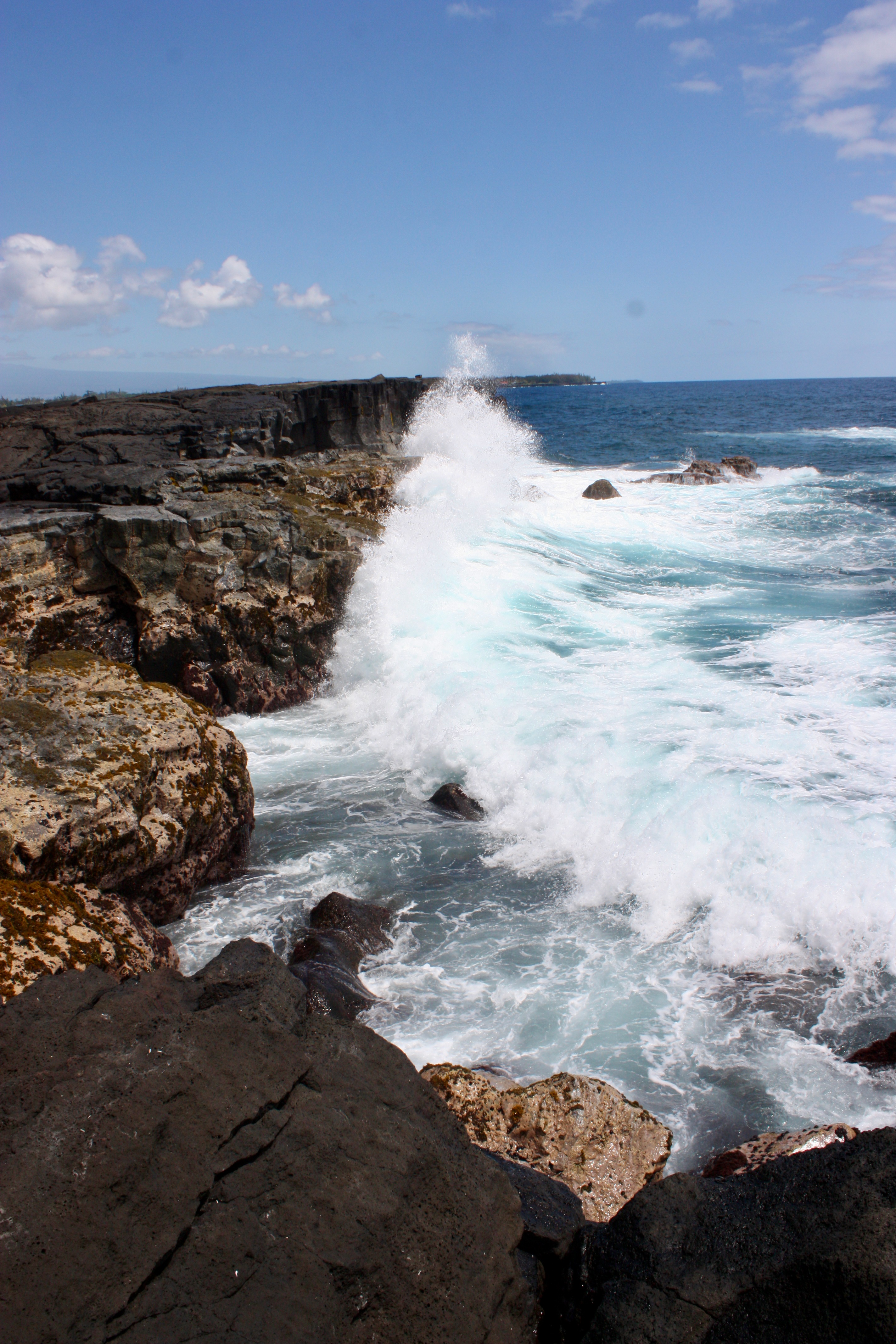
When this photo snaps, a man scales cliffs like a goat between massive sets of waves, scraping opihi and shoving them into his back pocket. Click here for info and lore.
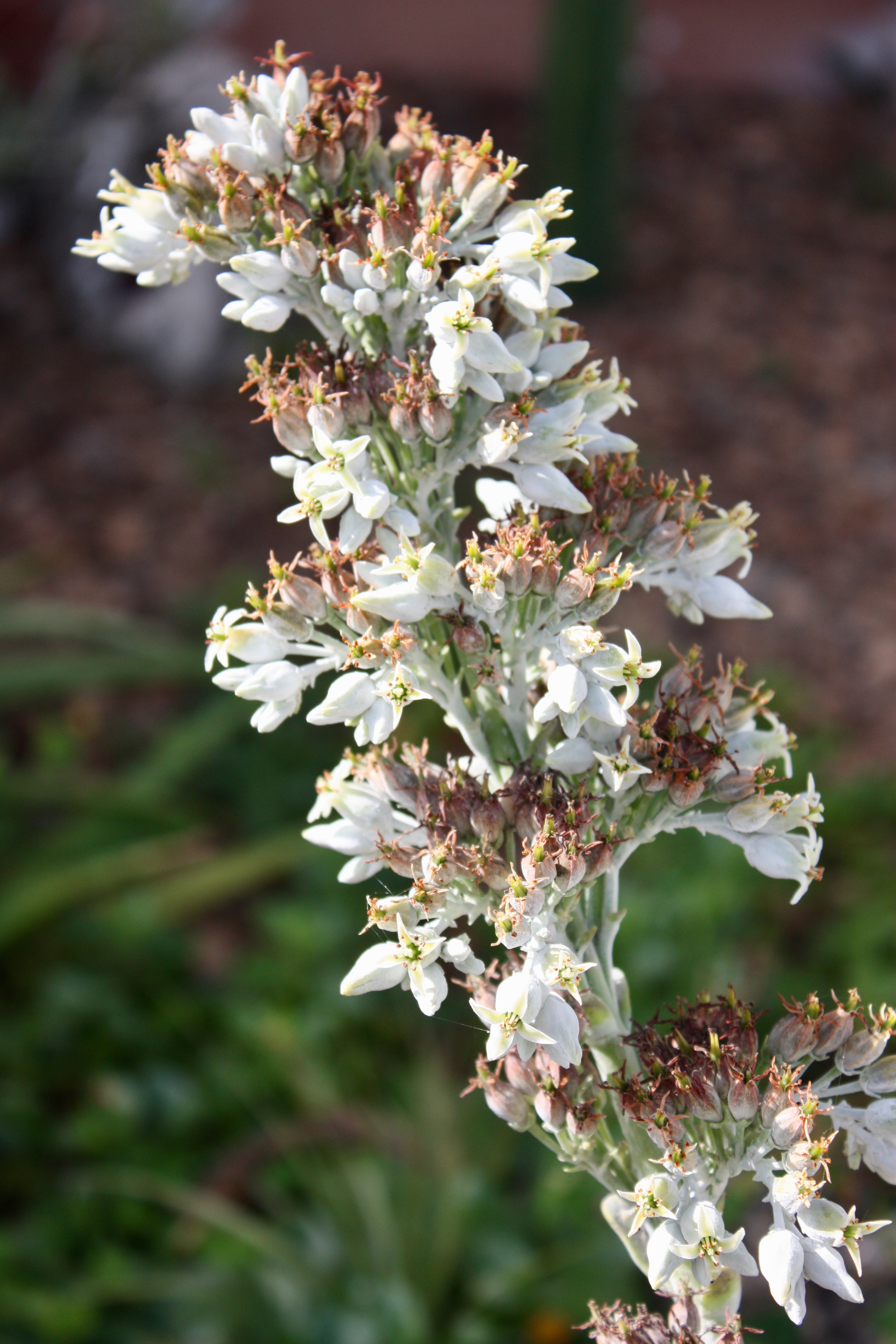
This three-foot death bloom emerged in the succulent garden months ago and continues today. Kalanchoes are monocarpic like aloe and some bromeliads, which means they grow a spectacular flower spike and then die.
Manatees like this one, seemingly comfortable surfacing while munching sea grass next to a biped on a paddle board at Manatee Park, sense the world around them with hairs called vibrissae, densely packed around their mouths and faces. They’re highly sensitive to touch and help sea cows detect changes in water currents and textures, allowing them to explore and forage. Prehensile lips grab and pull food toward their mouths like elephants, alpacas, rhinos, and horses. Click here to view more photos from an afternoon paddle at Manatee Park and along the Orange River.