Snæfellsjökull National Park

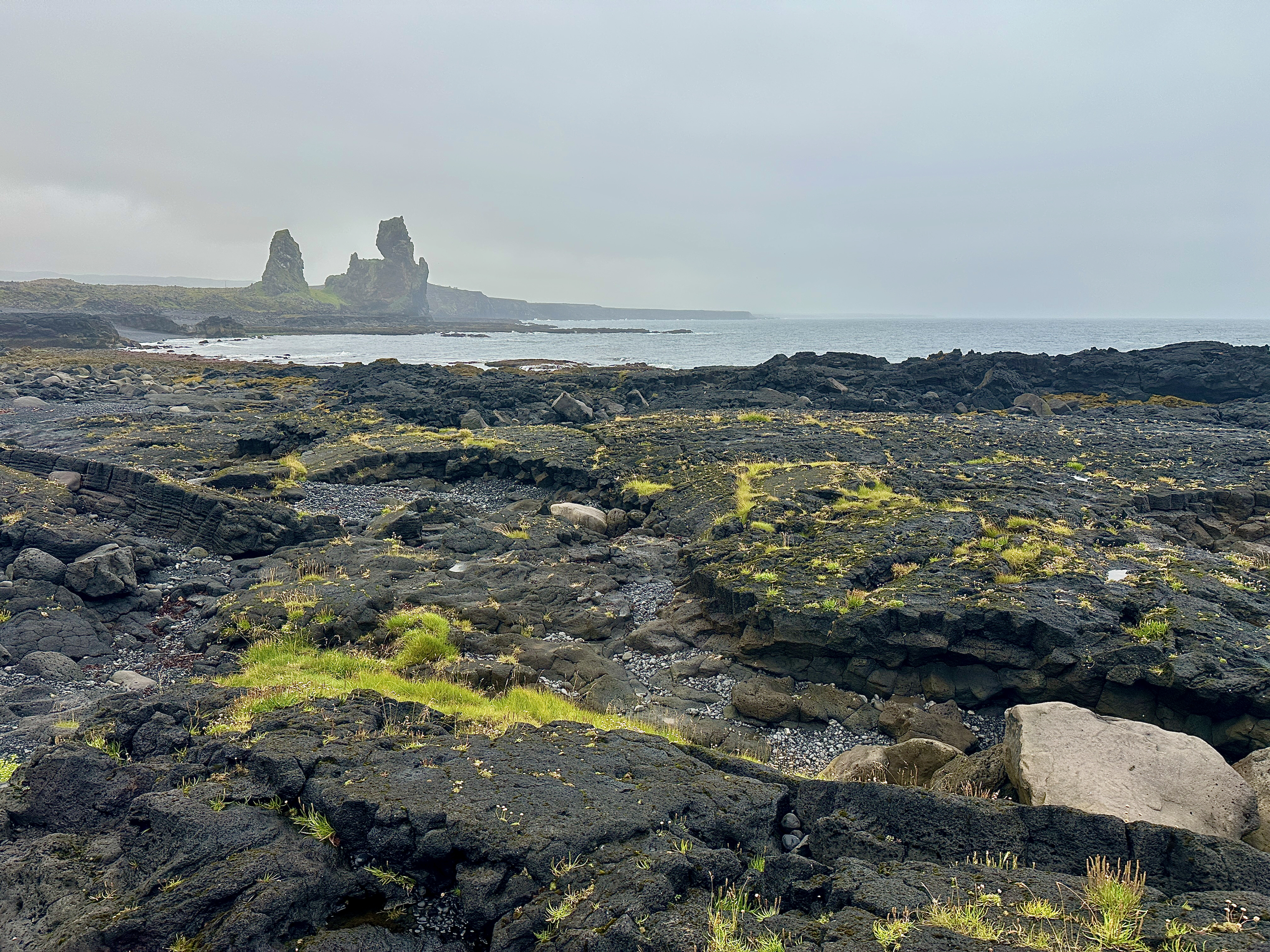
Lóndrangar

When magma solidified inside the vent of an ancient volcano, the Lóndrangar rock formation was created. Over the course of hundreds of thousands of years, the softer volcanic cone surrounding the magma eroded away, leaving the two towers standing above the coast.

Some believe Lóndrangar is the entrance of a fortress that leads to the unseen kingdom of the huldufólk (hidden people). They look like humans and live in a parallel world.
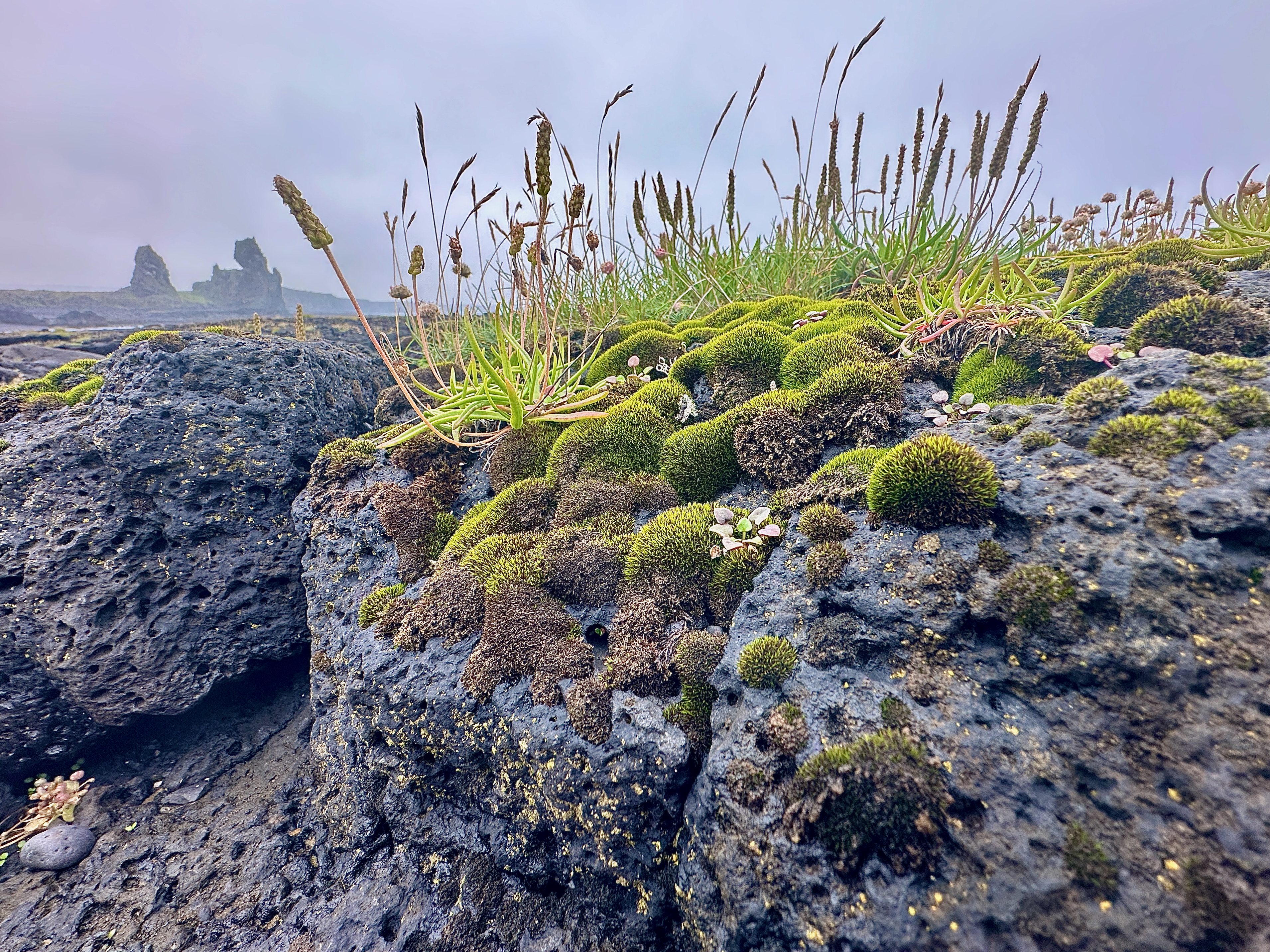
Racomitrium lanuginosum

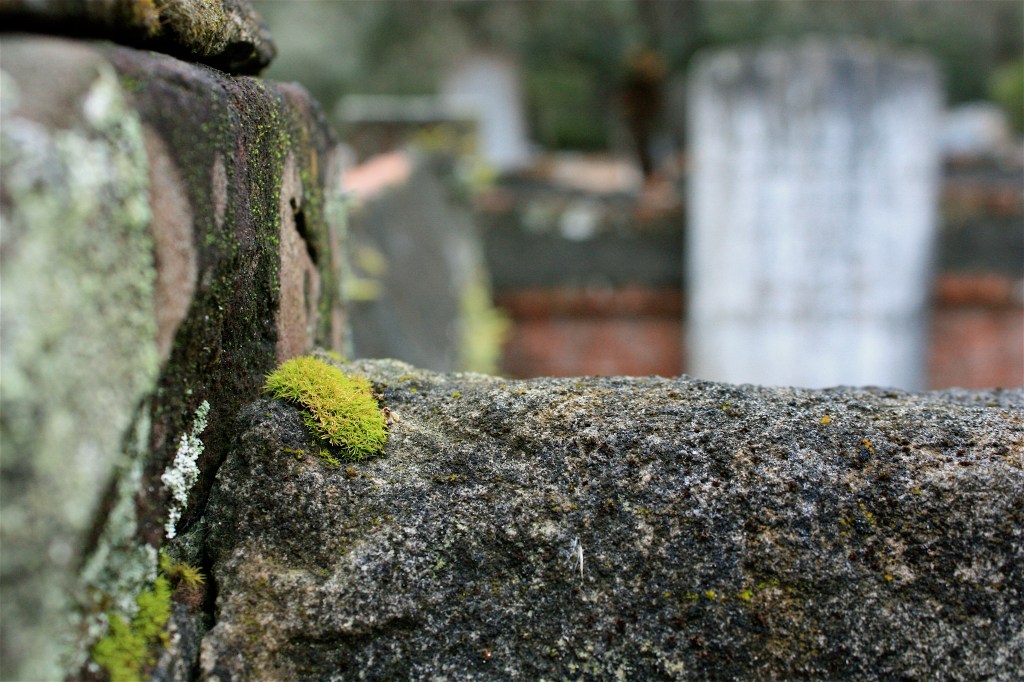
Moss is the first plant to grow atop porous basalt. As it slowly breaks down the rock, soil forms, allowing other plants to take root. It’s protected under Icelandic law.
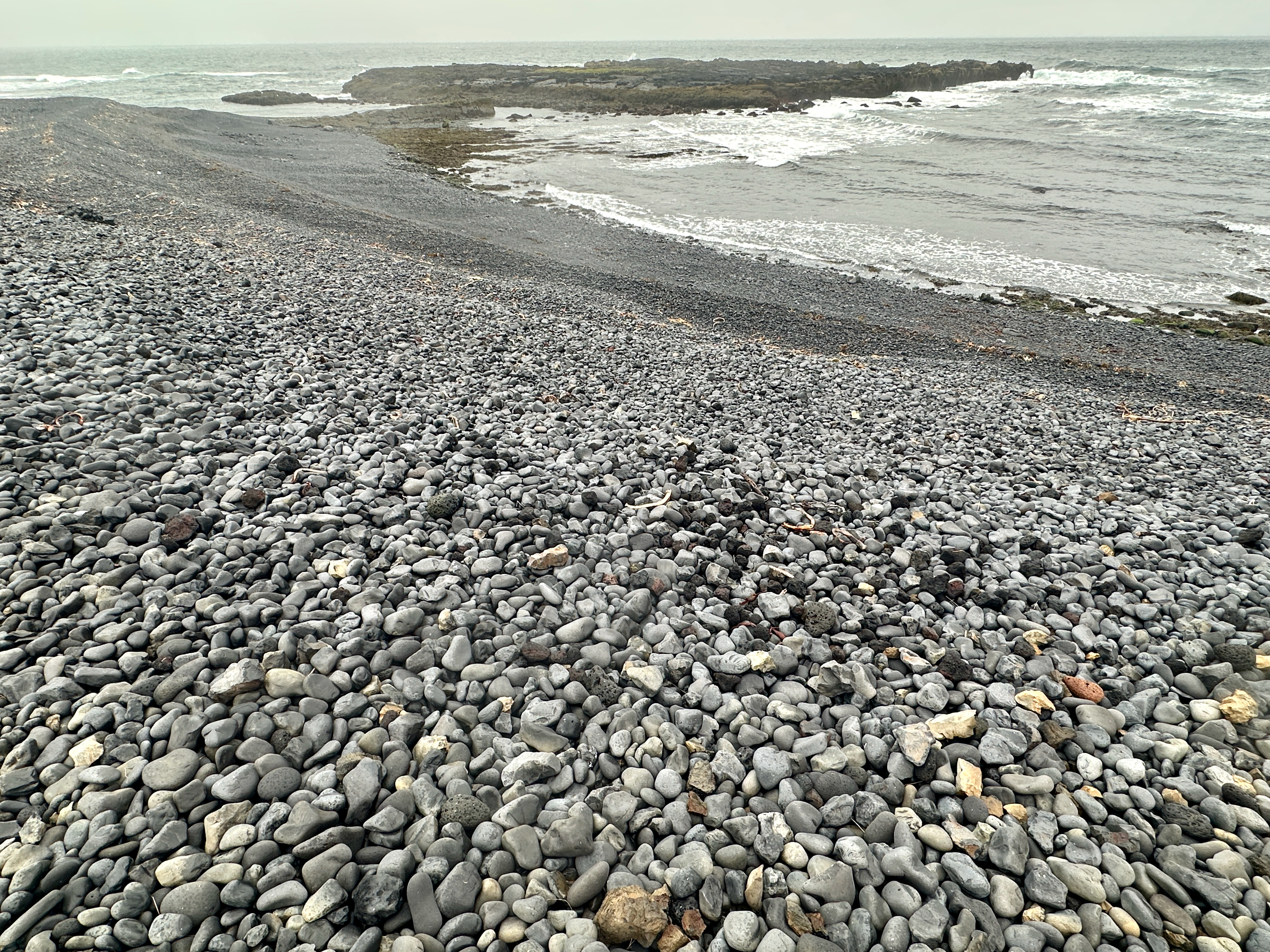
Black Sand Beach
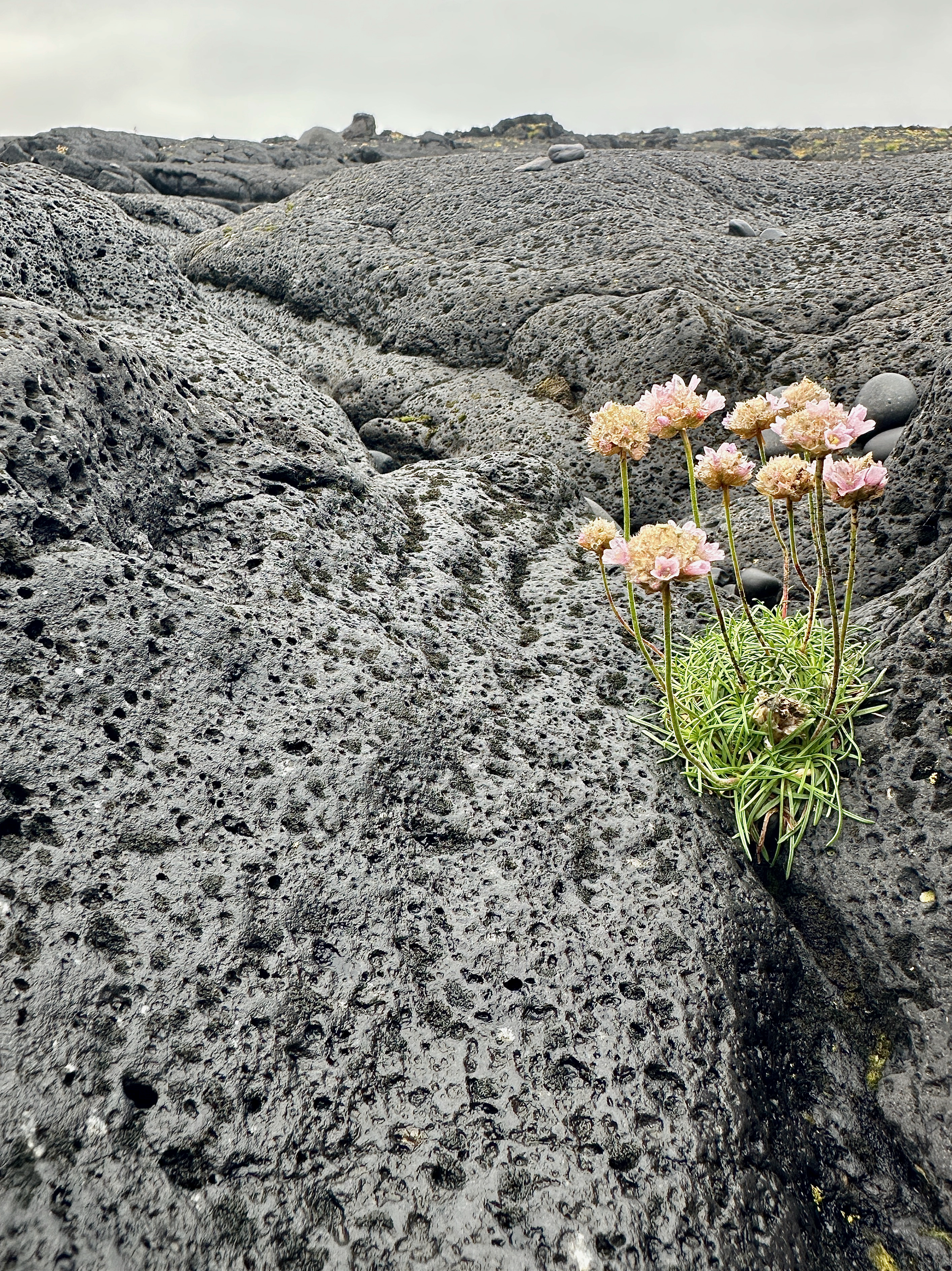
Armeria maritima
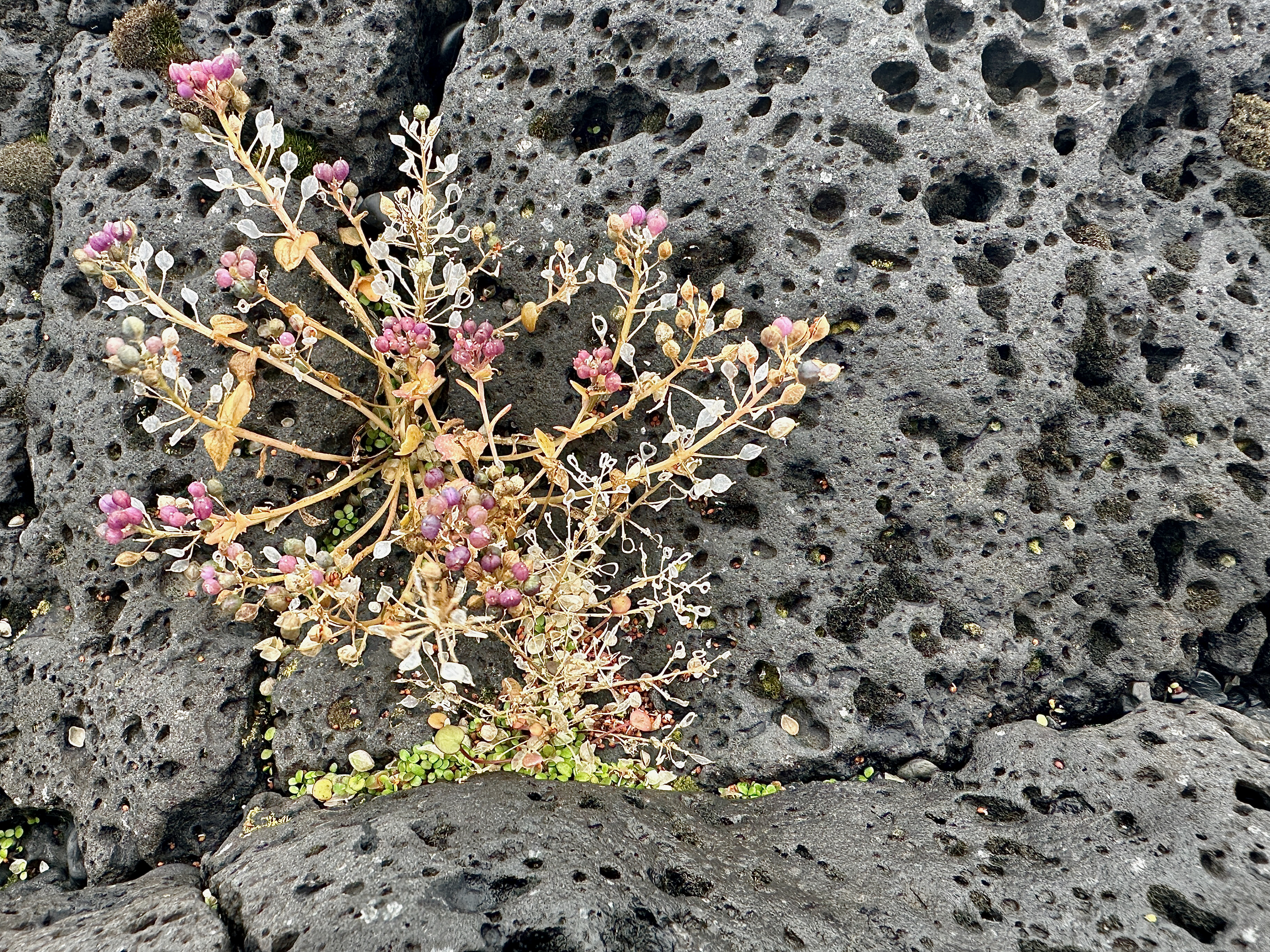
Silene uniflora
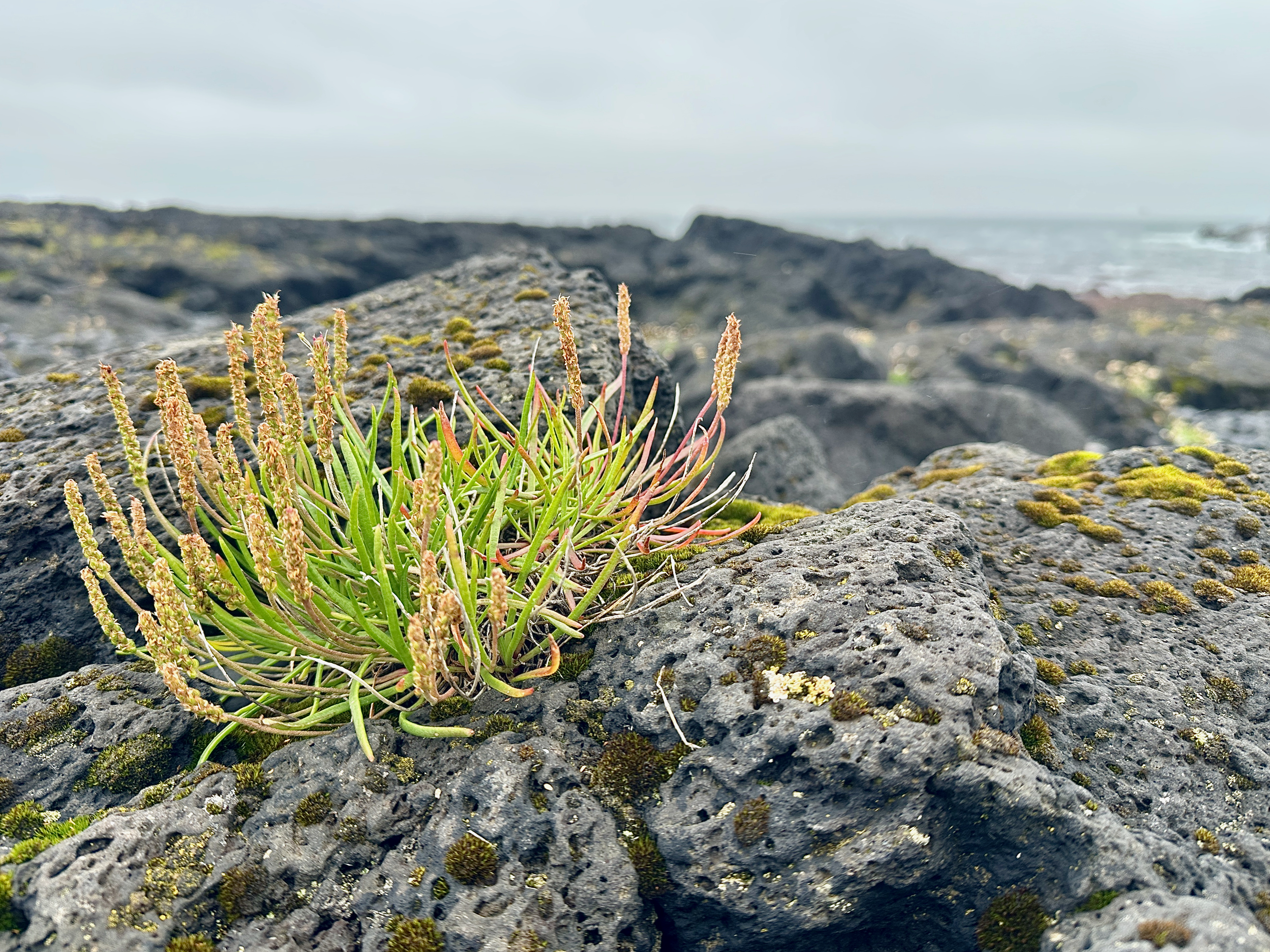
Plantago maritima
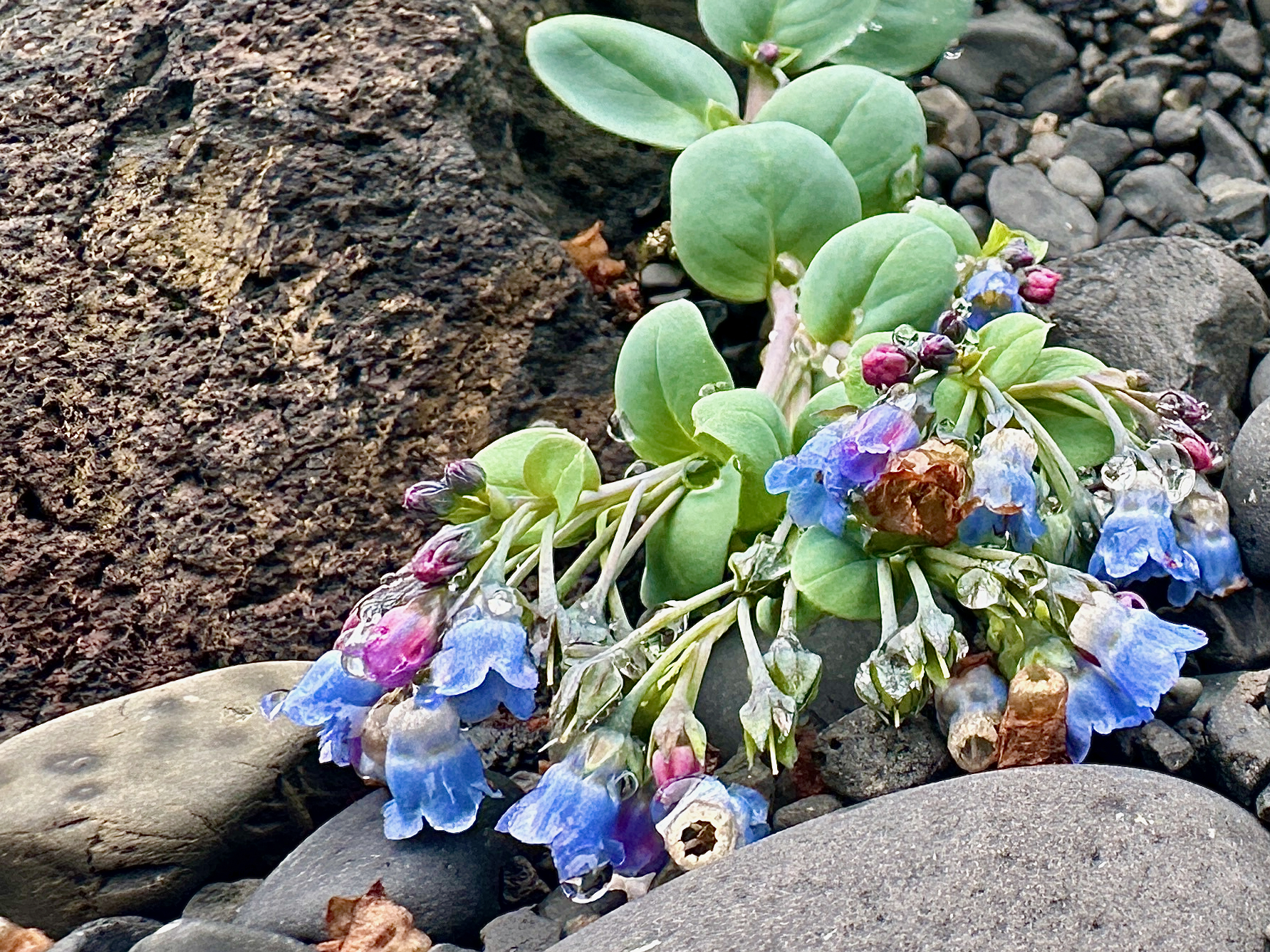
Mertensia maritima
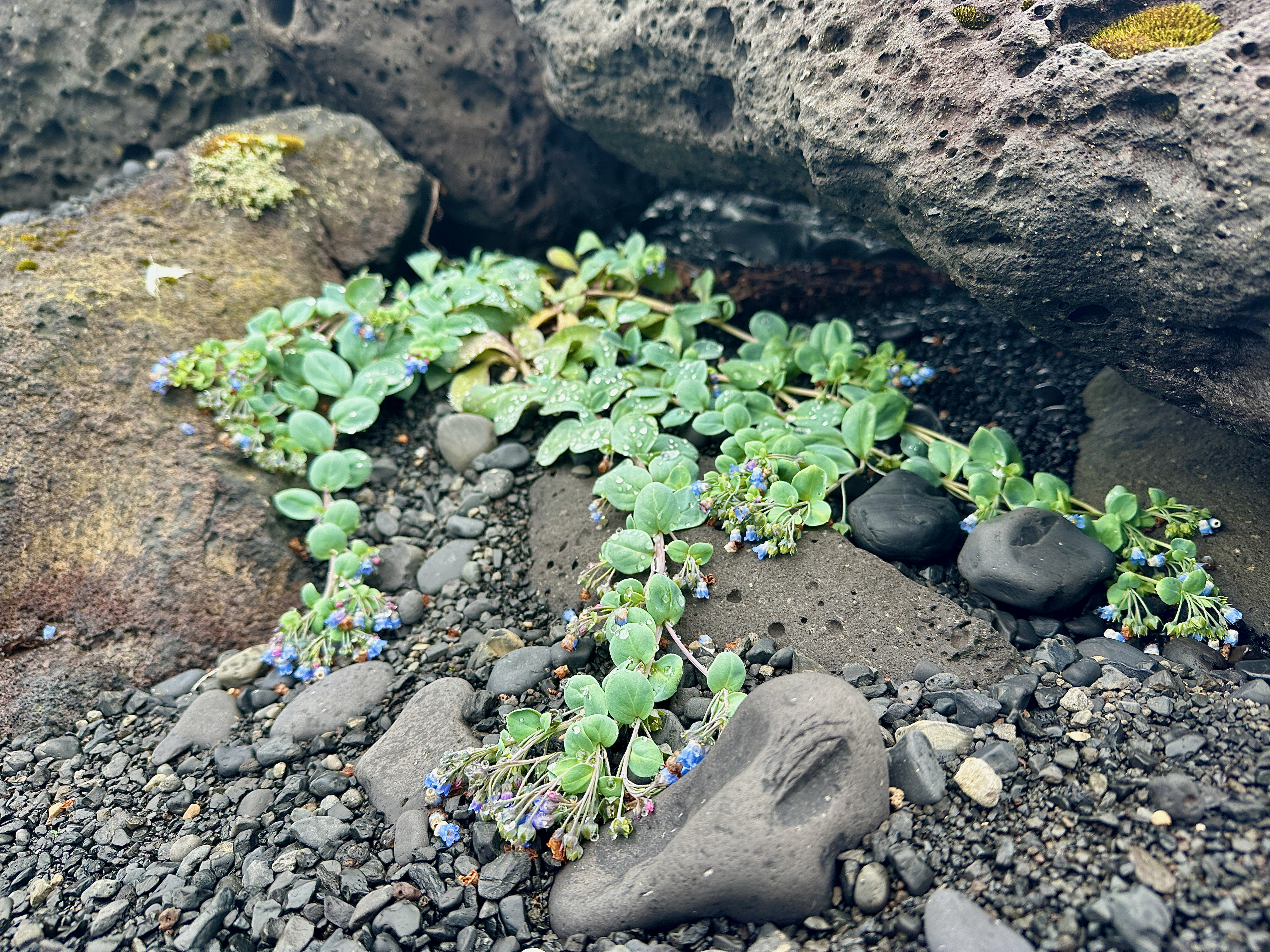
Mertensia maritima
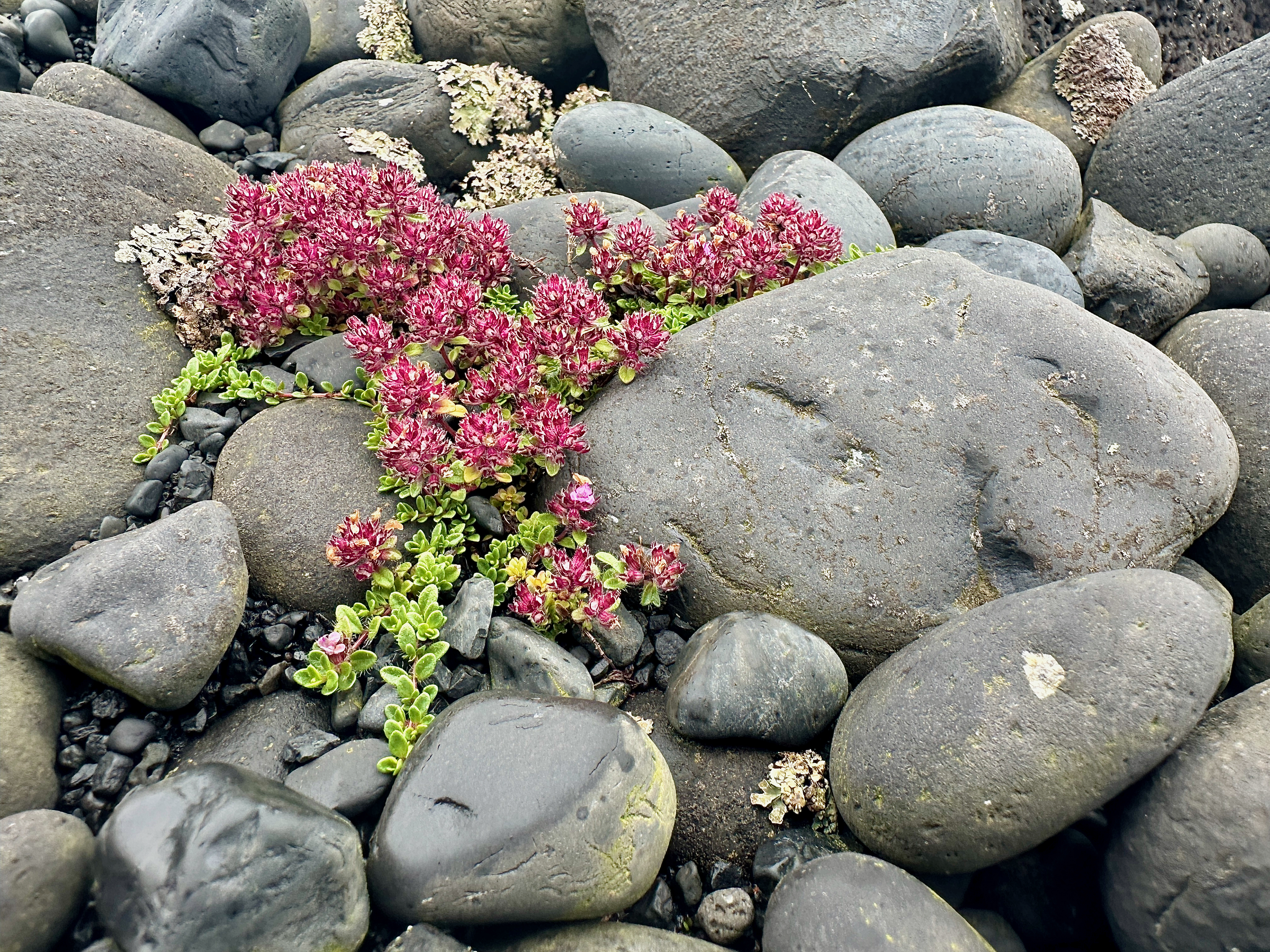
Rhodiola rosea
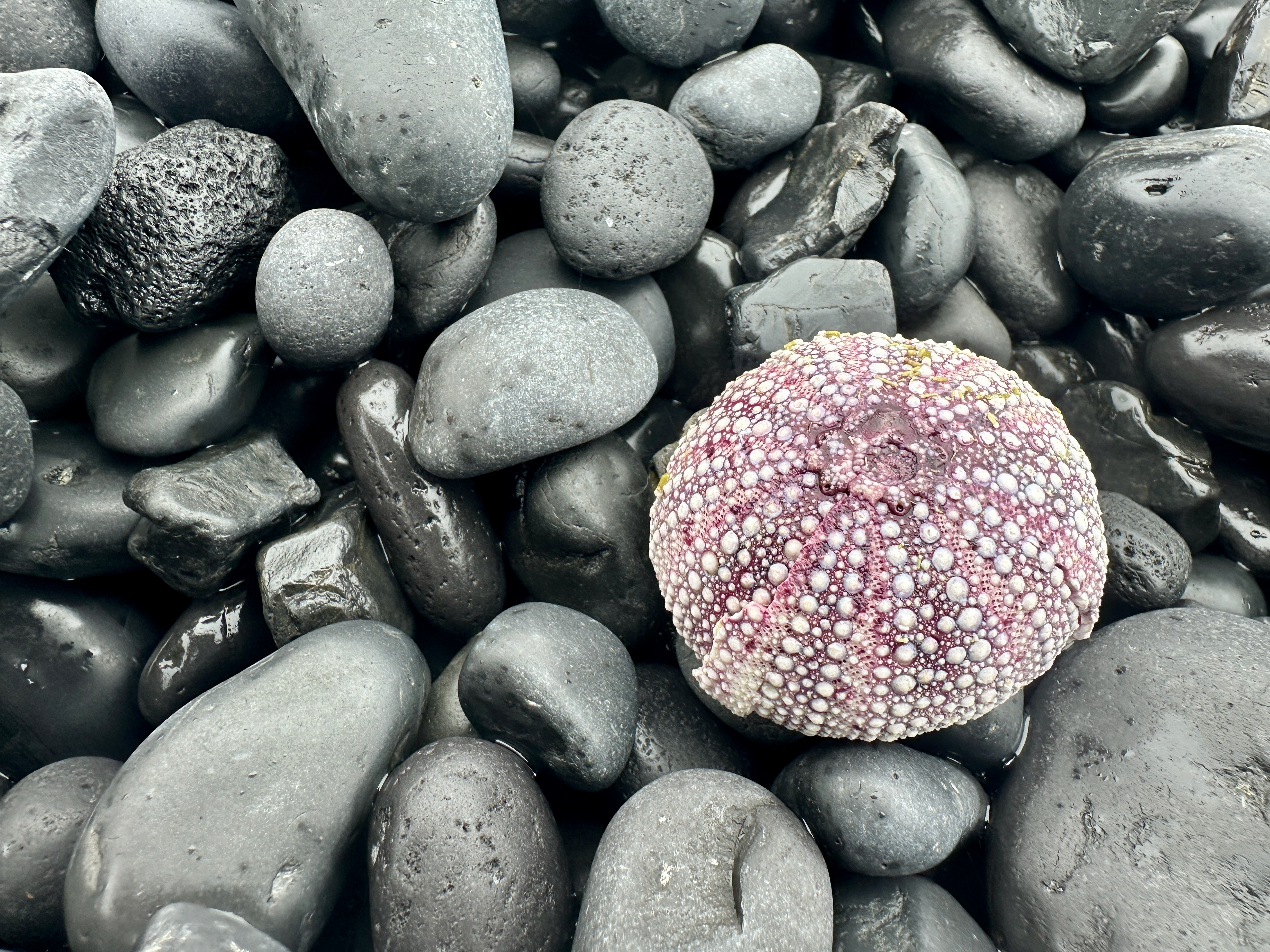
Strongylocentrotus droebachiensis
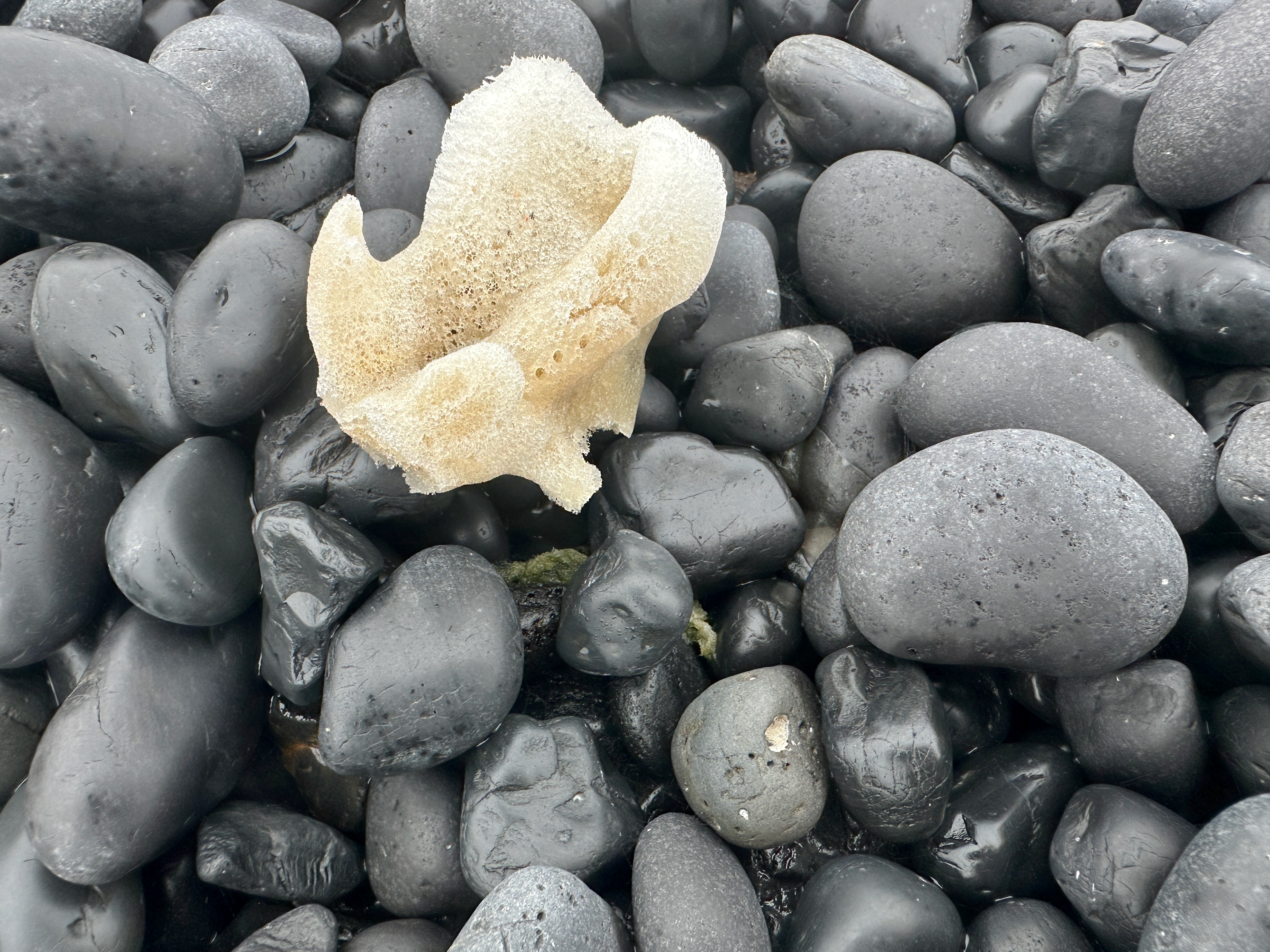
Mycale lingua
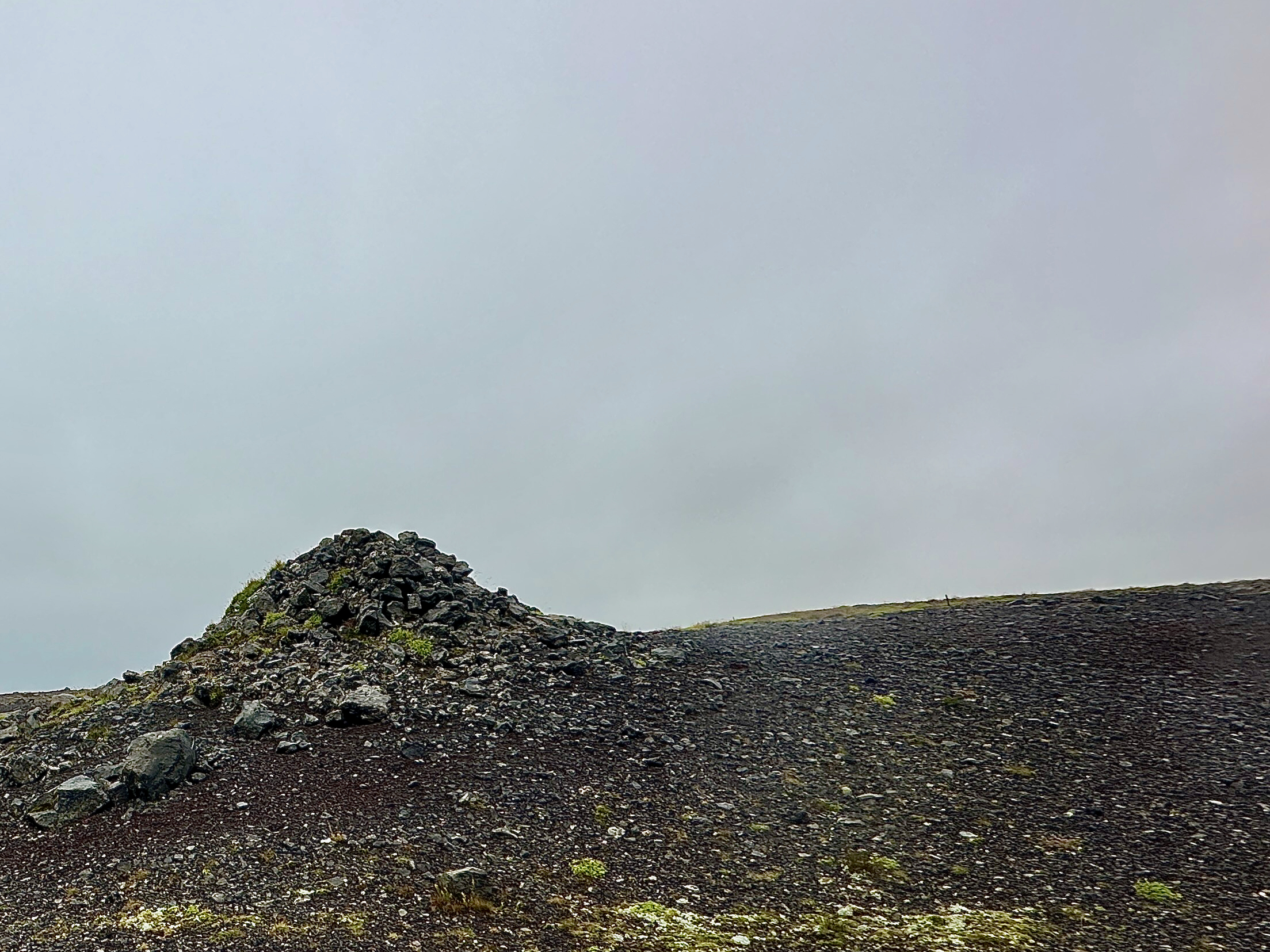
Cairn Marks the Grave of Björn Pétursson

Born in 1555, Björn Pétursson is known as Iceland’s only serial killer. He confessed to murdering and robbing nine travelers who entered his property. Once executed, his body was chopped into pieces and buried at three different locations to make sure he couldn’t come back to haunt the folks who convicted him. Near Snæfellsjökull National Park, the cairn above is the only remaining site of the three.

Moss and Homelessness

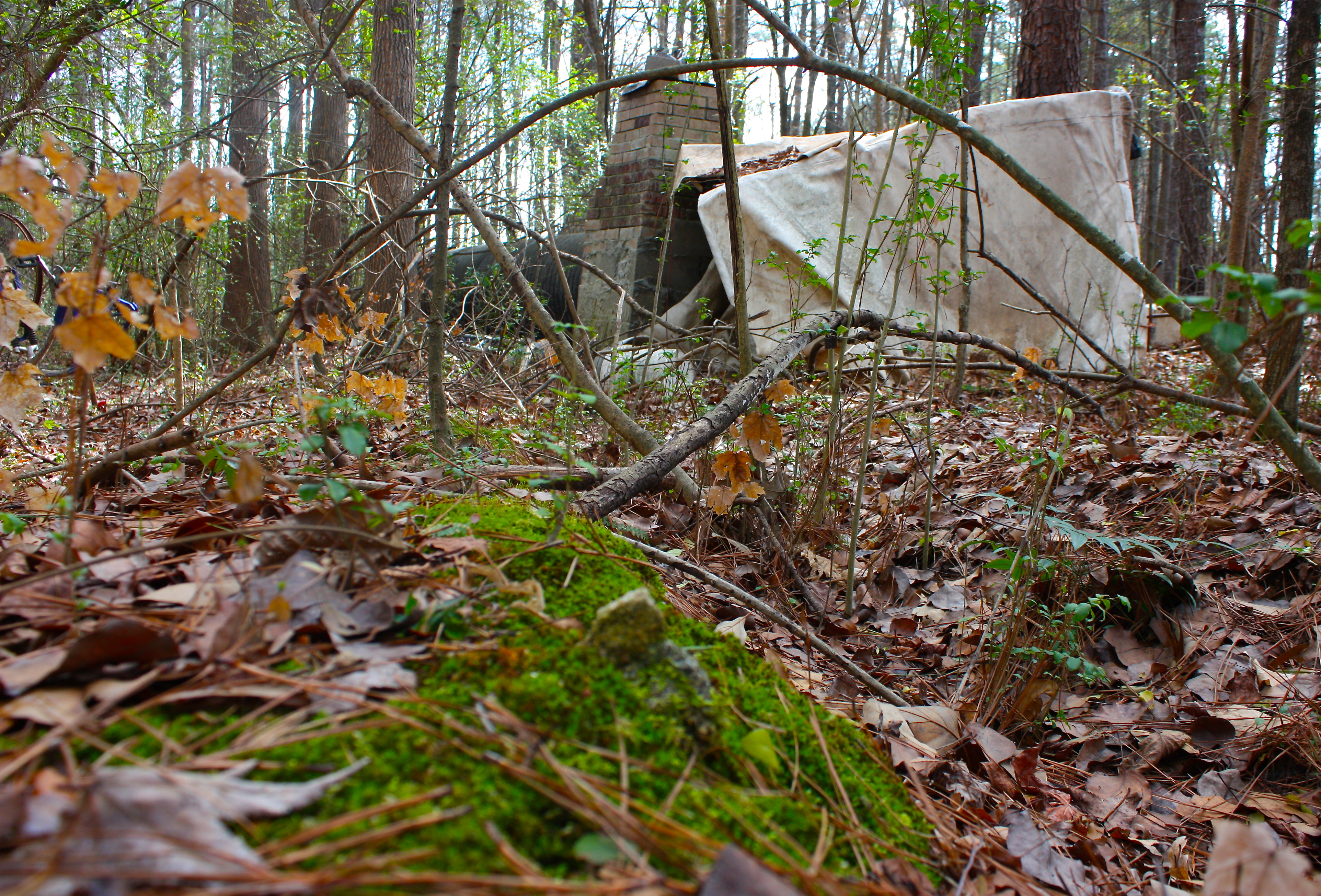
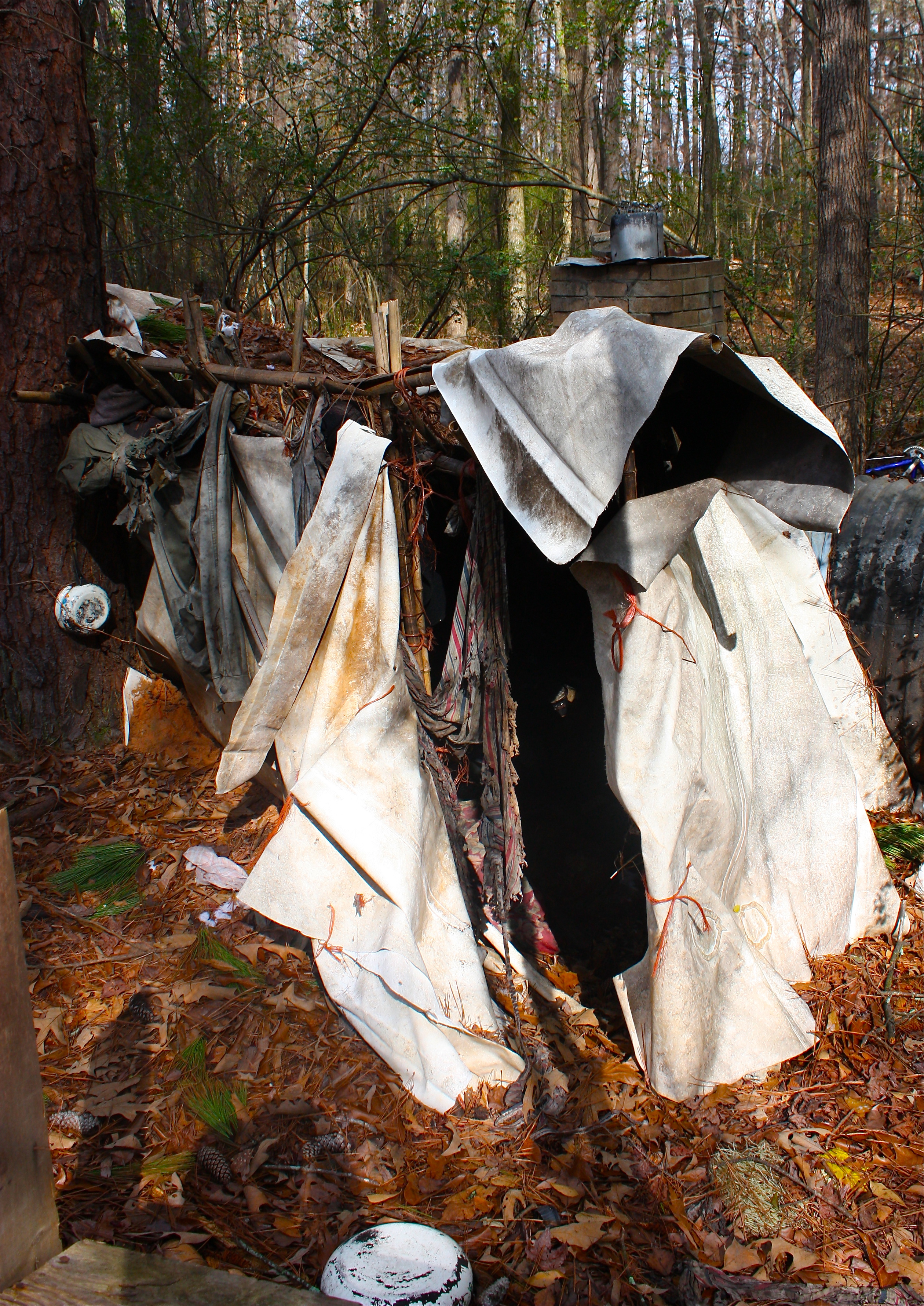
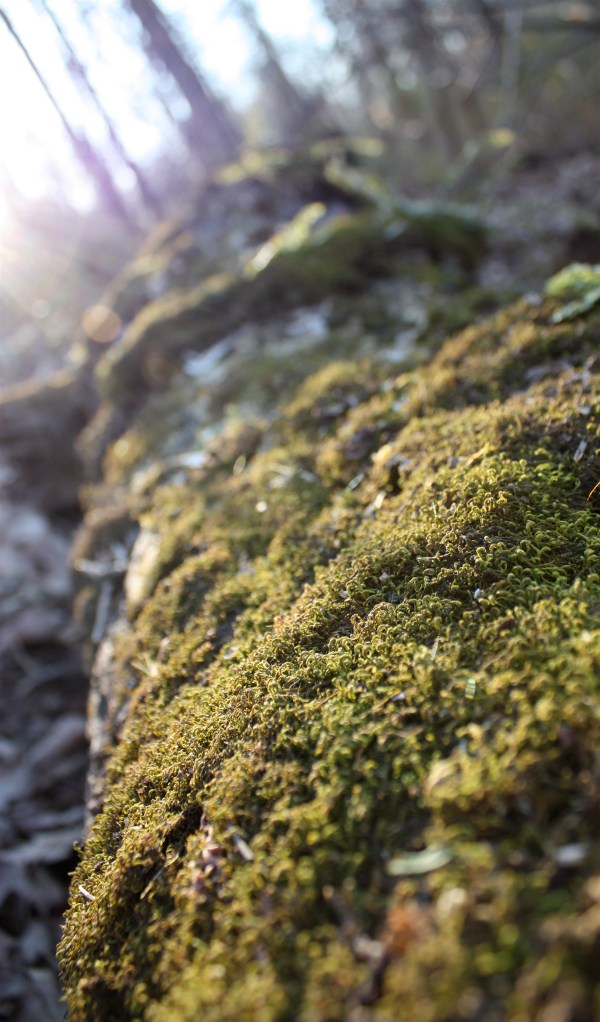
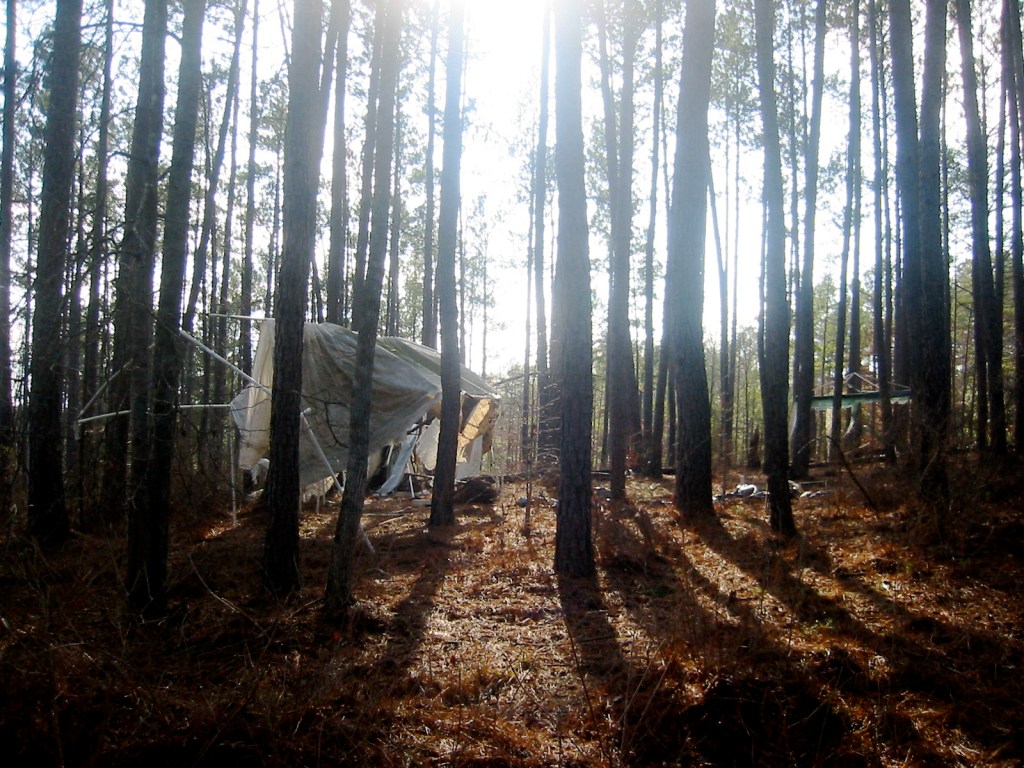
The fuzzy log above points to an abandoned homeless camp just off Old Jefferson Road.

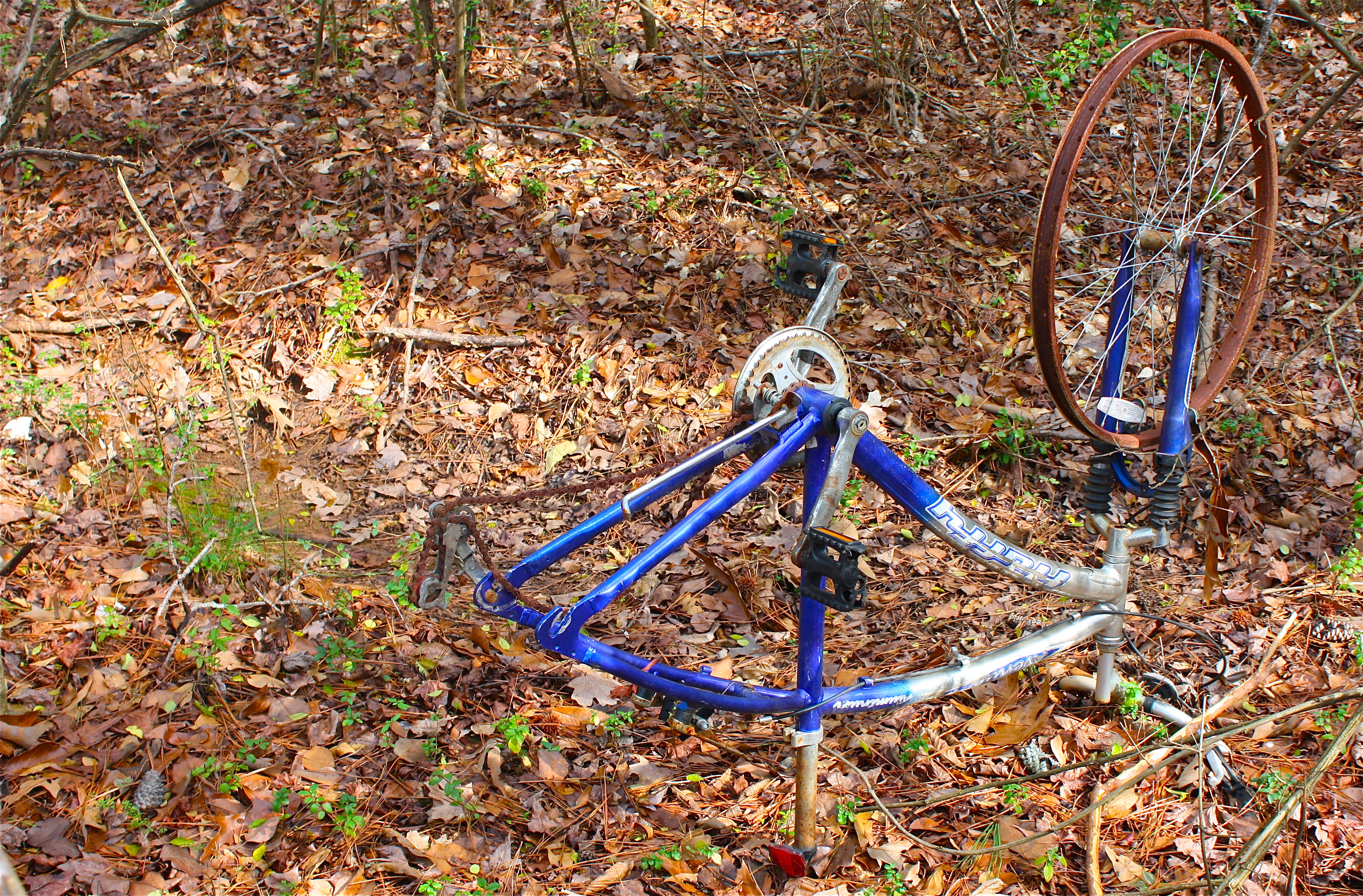
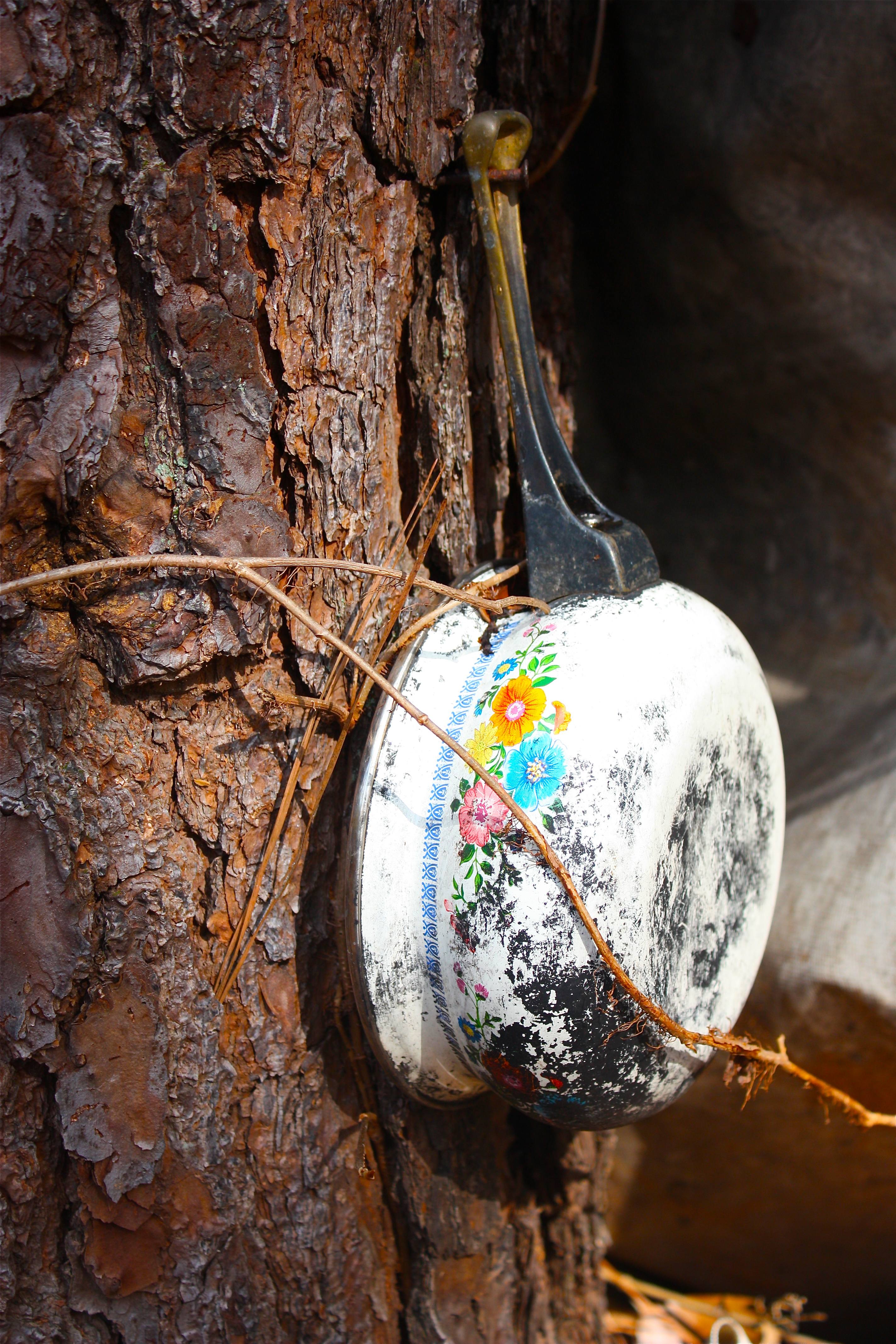
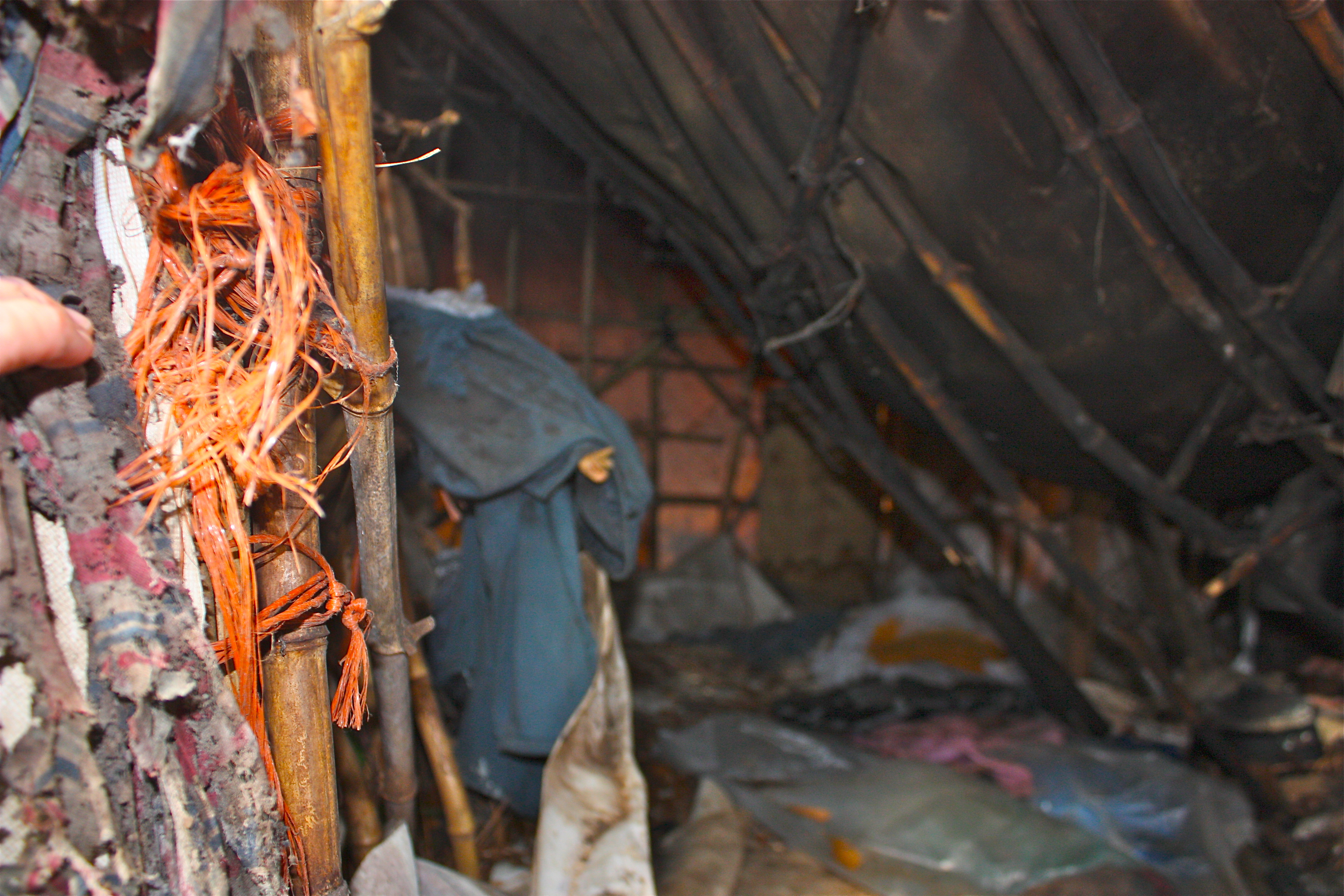
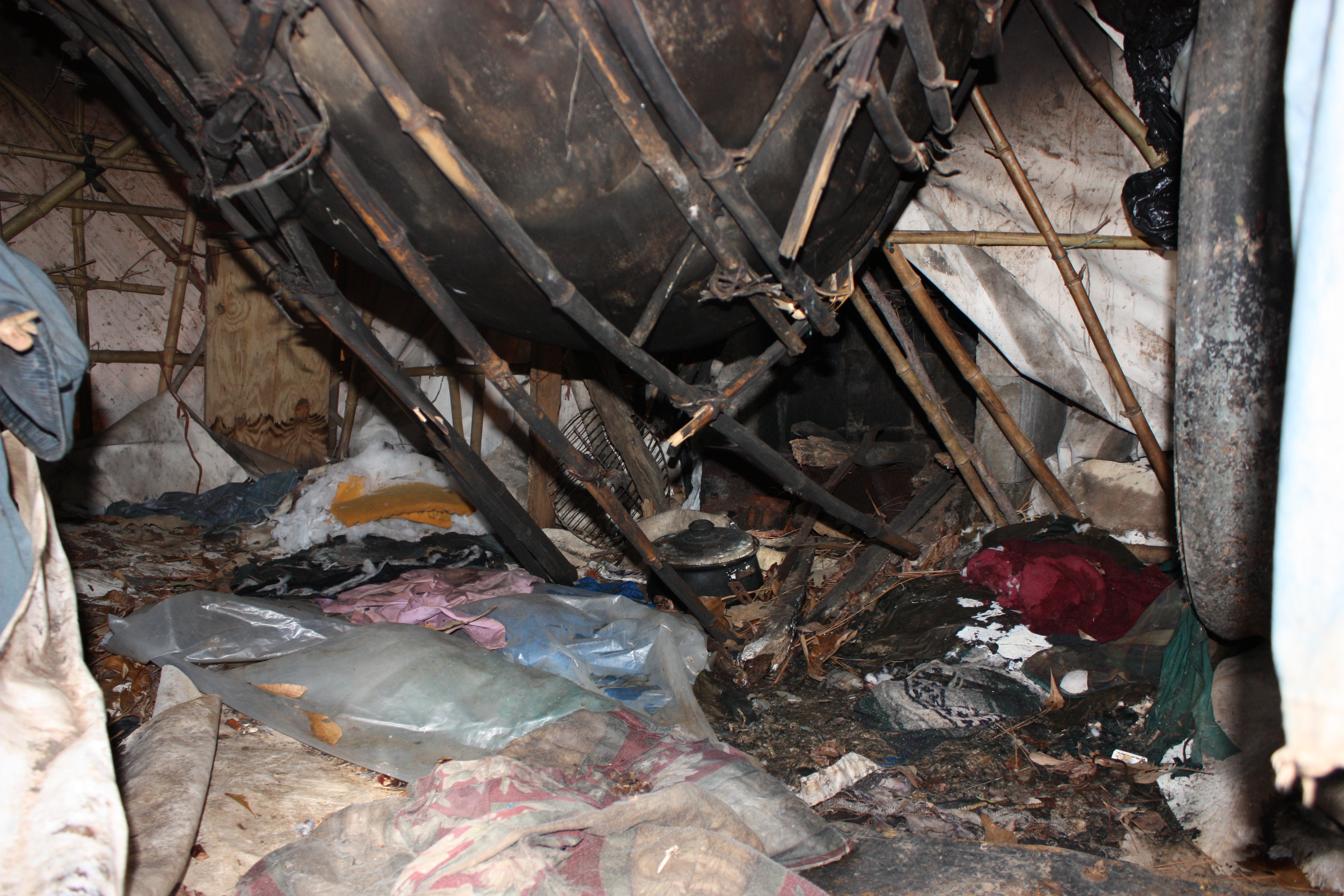
Unique construction includes a large section of drainage pipe connected to a tent-sized bamboo structure with a brick oven/fireplace.  The drainage pipe has linens and pillows inside.
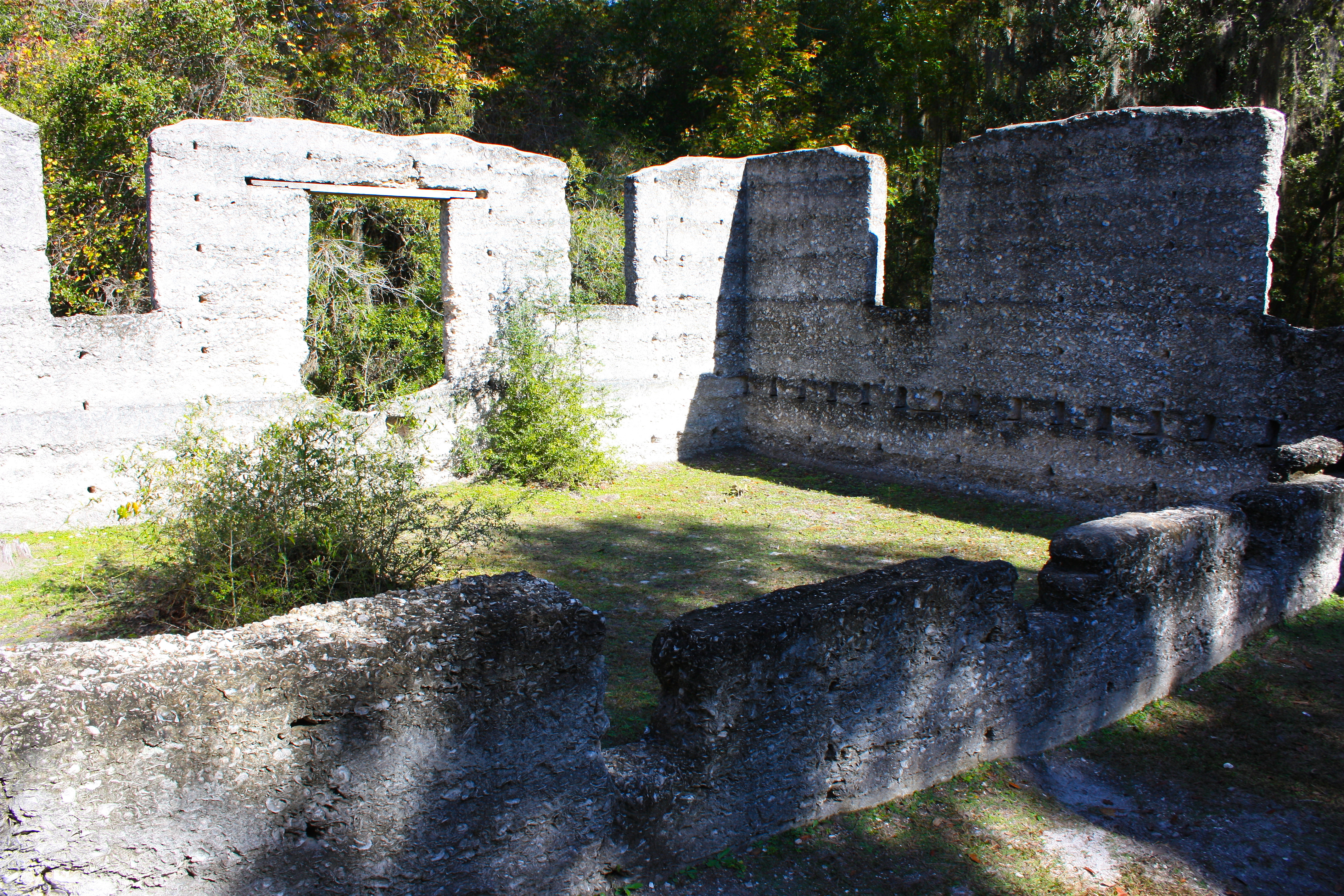
The roof is a sagging bag of rainwater and pine straw.

Out of 159 counties in Georgia, Clarke has the 8th highest poverty rate.

Ten yards away, country club members tee off.

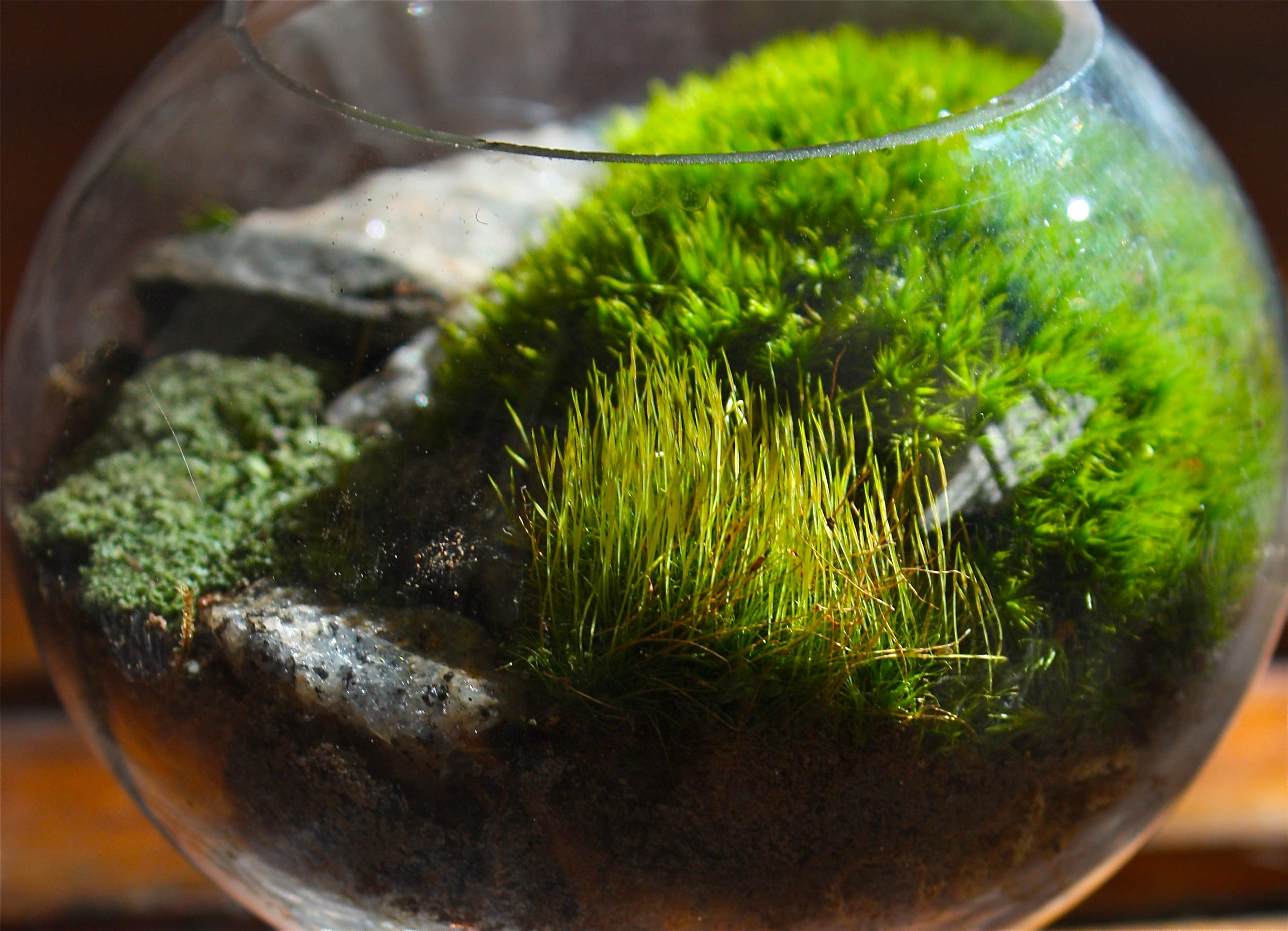
Moss Terrariums

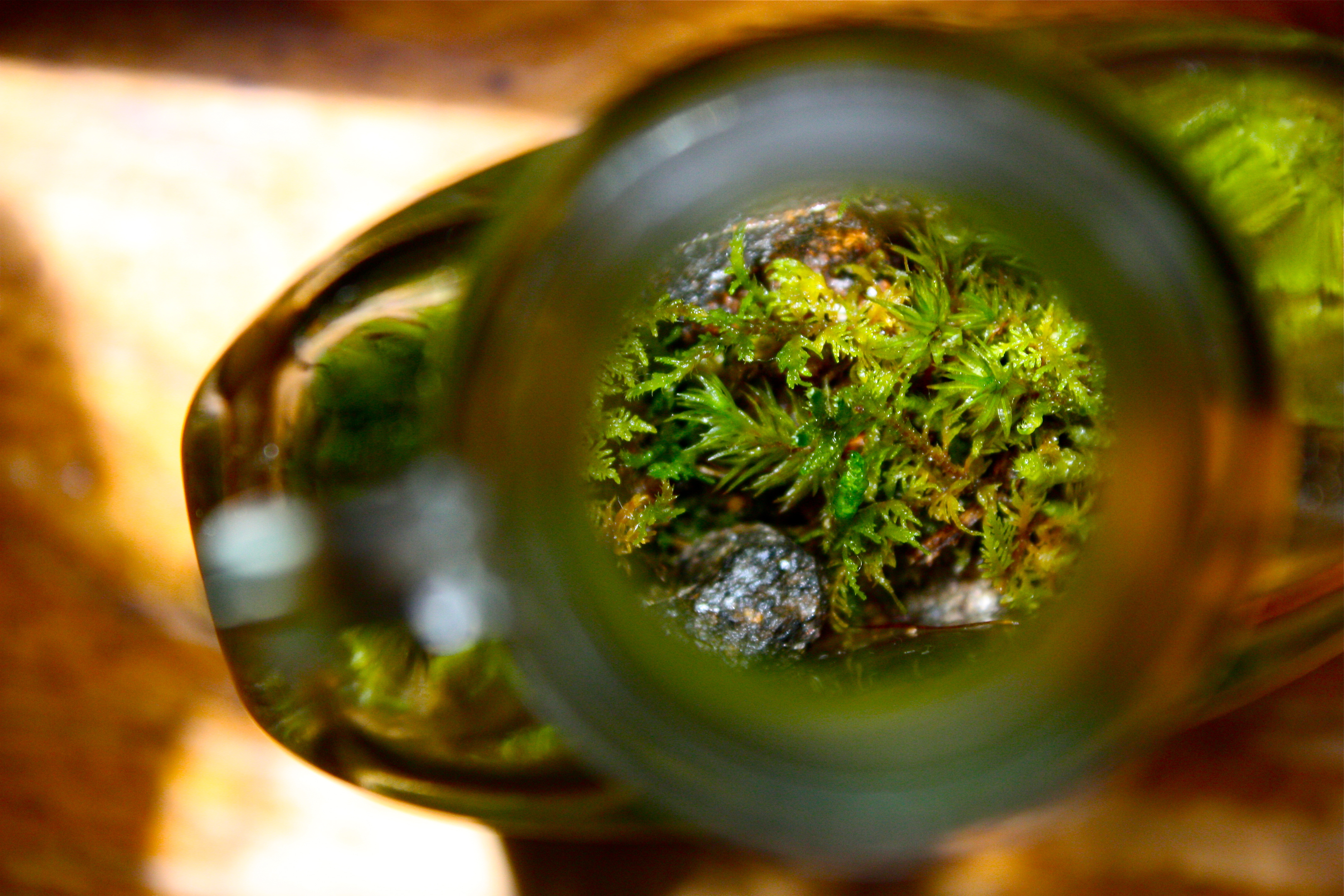
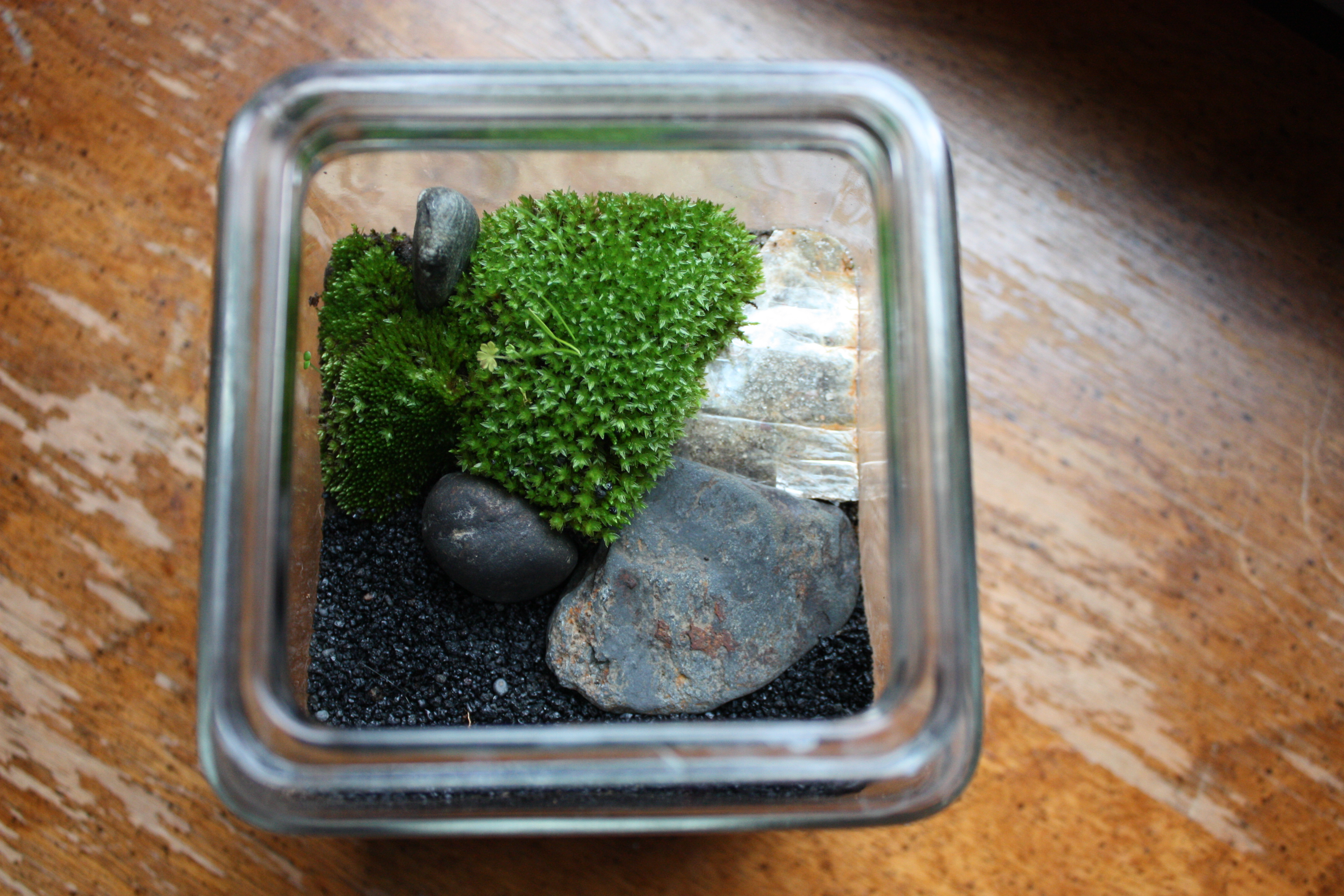
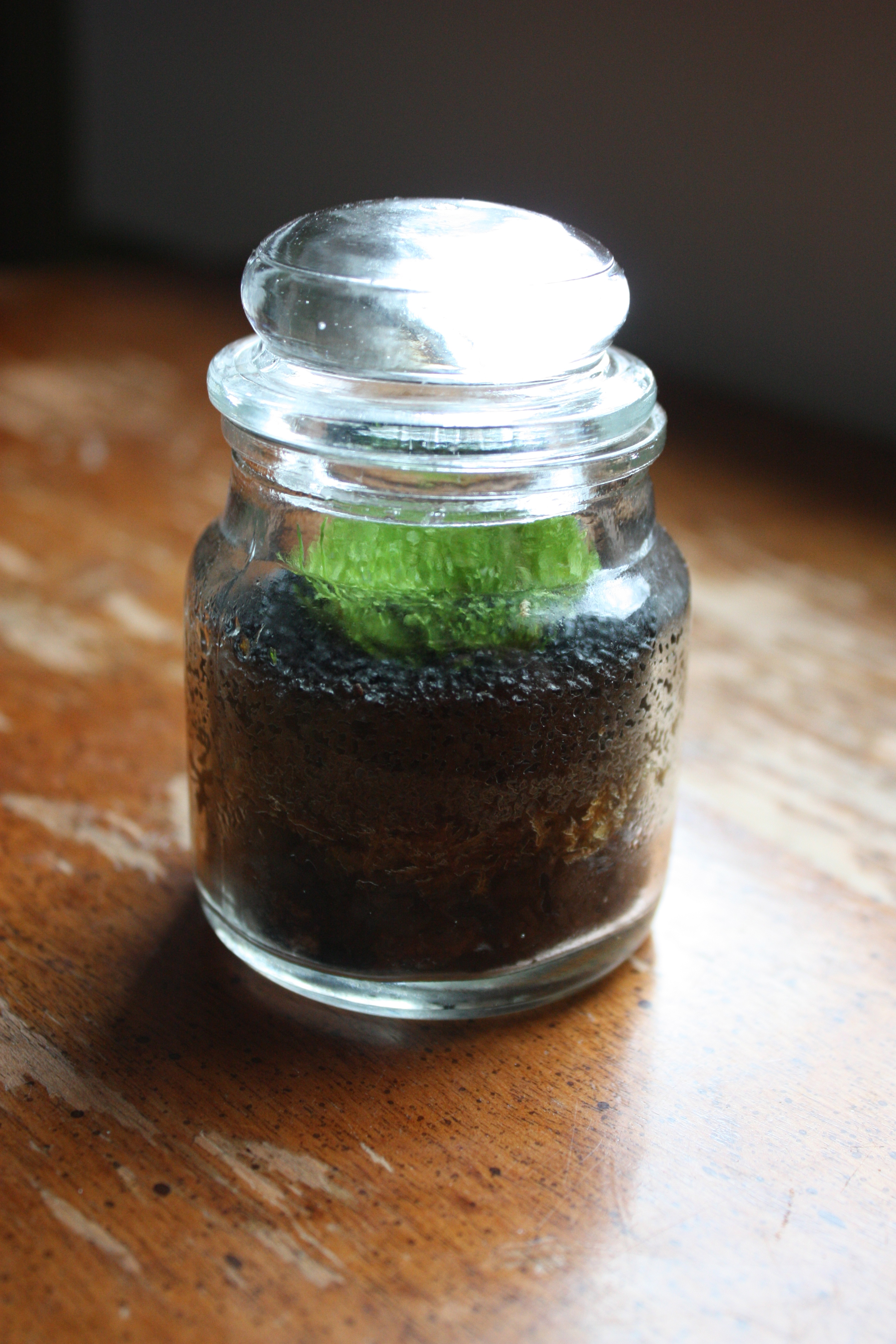
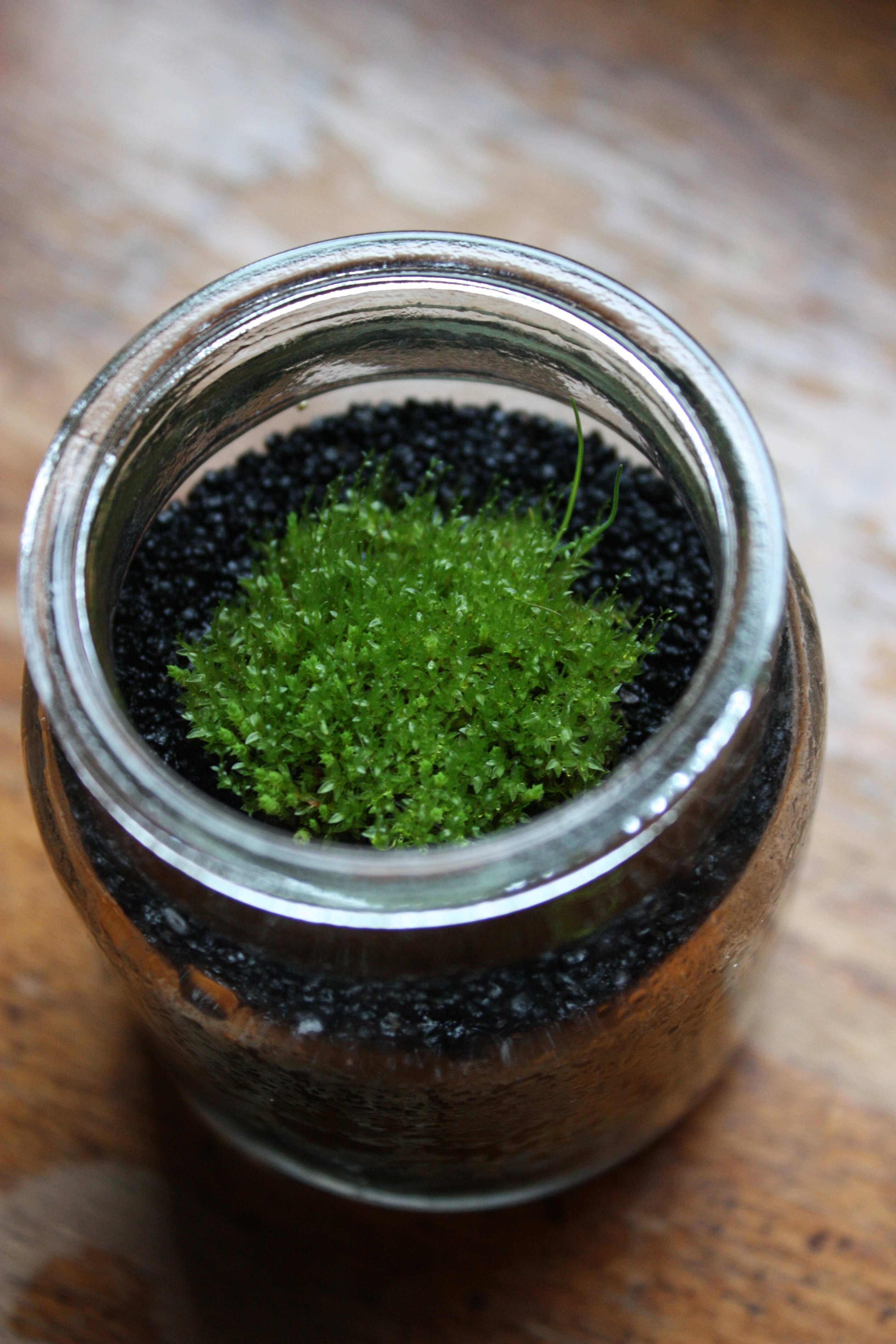
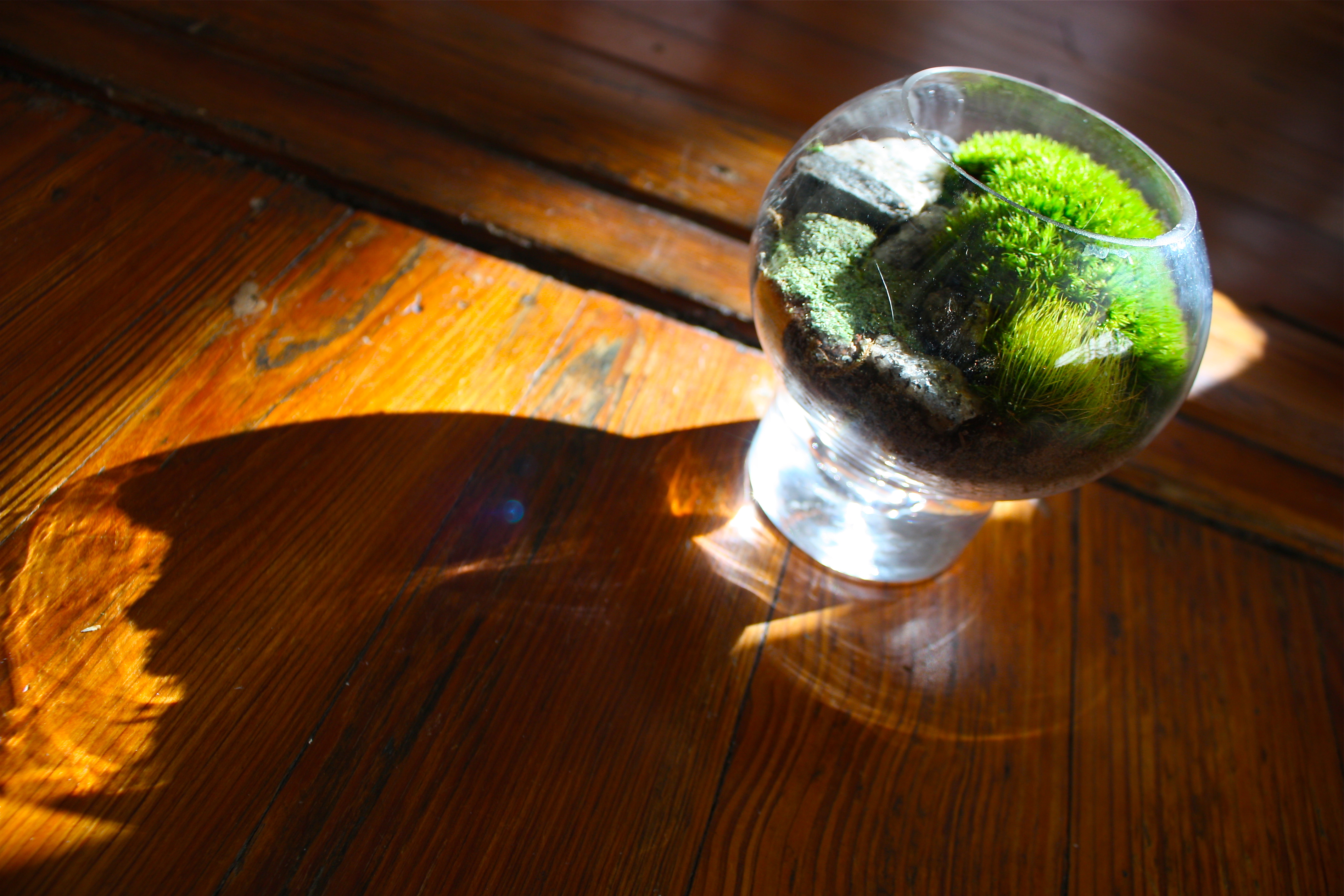
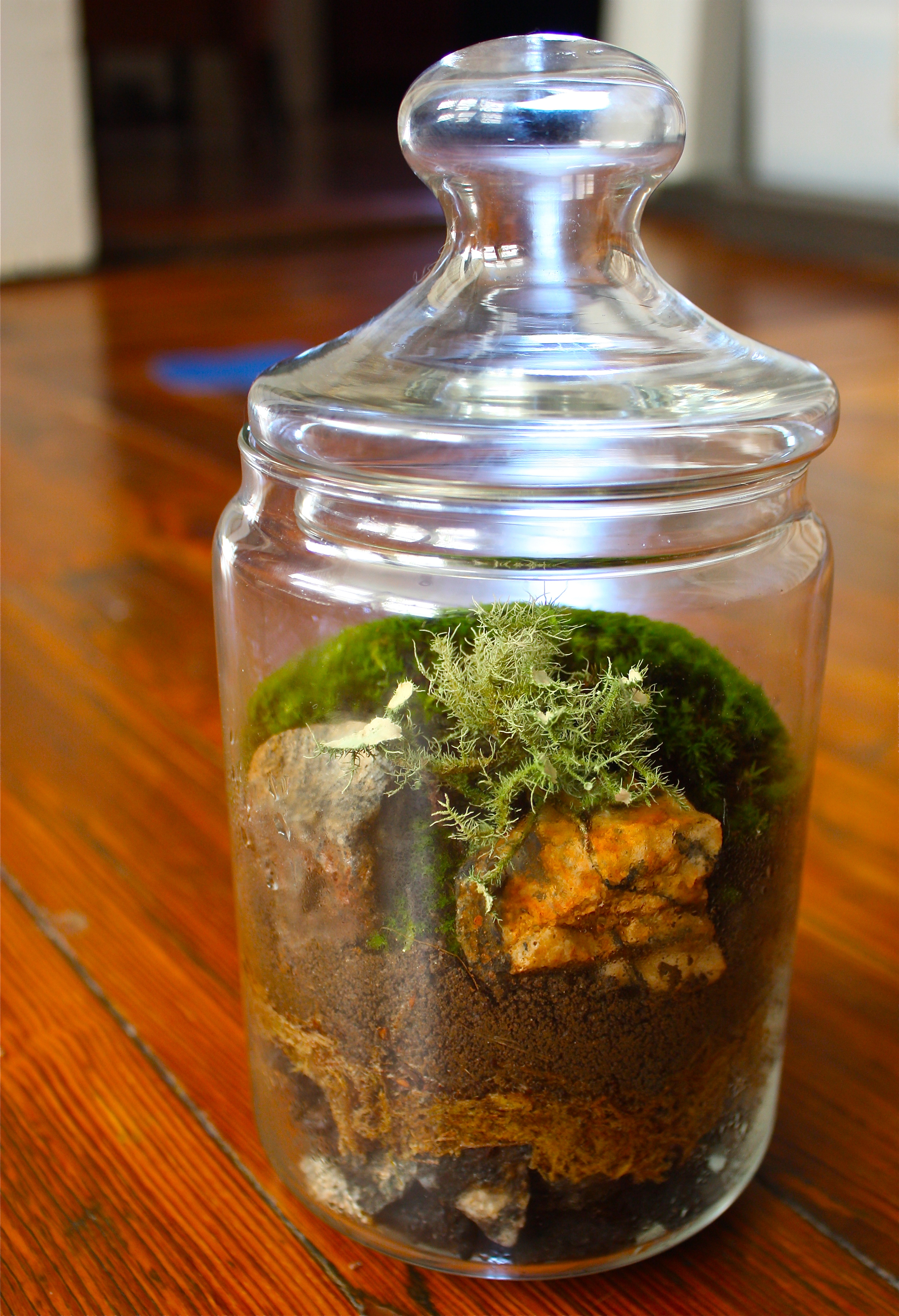
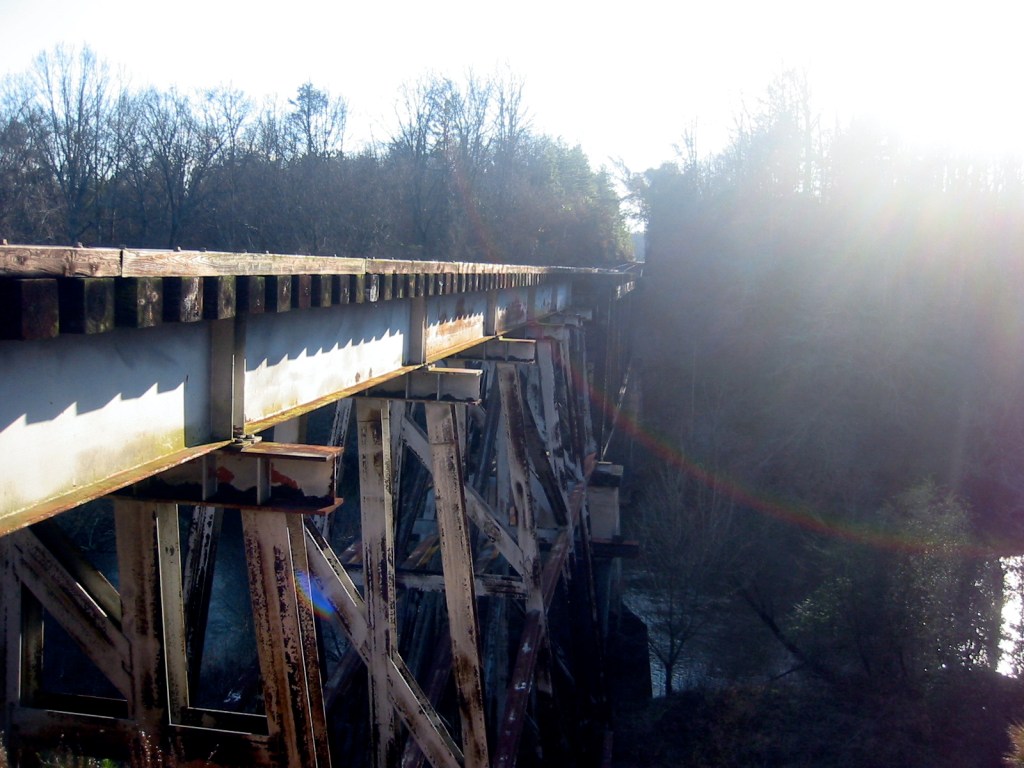
This first go at moss terrariums follows a tutorial by a Brooklyn based terrarium store.  Inspired, I hiked along a stretch of railroad that runs through Whitehall Forest, harvesting verdant rugs, small chunks of pink and greyscale granite,  and parched epiphytic aliens.

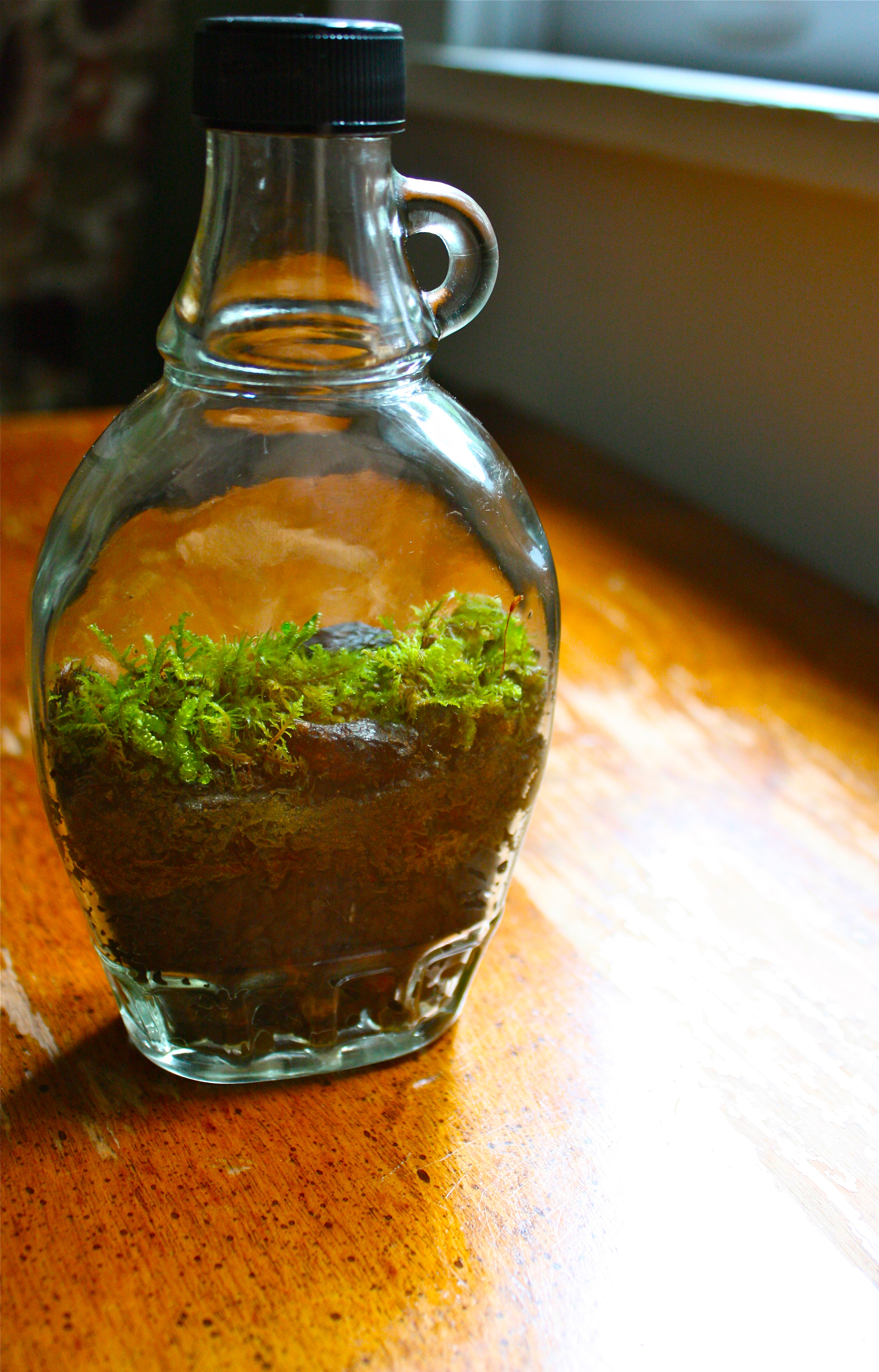
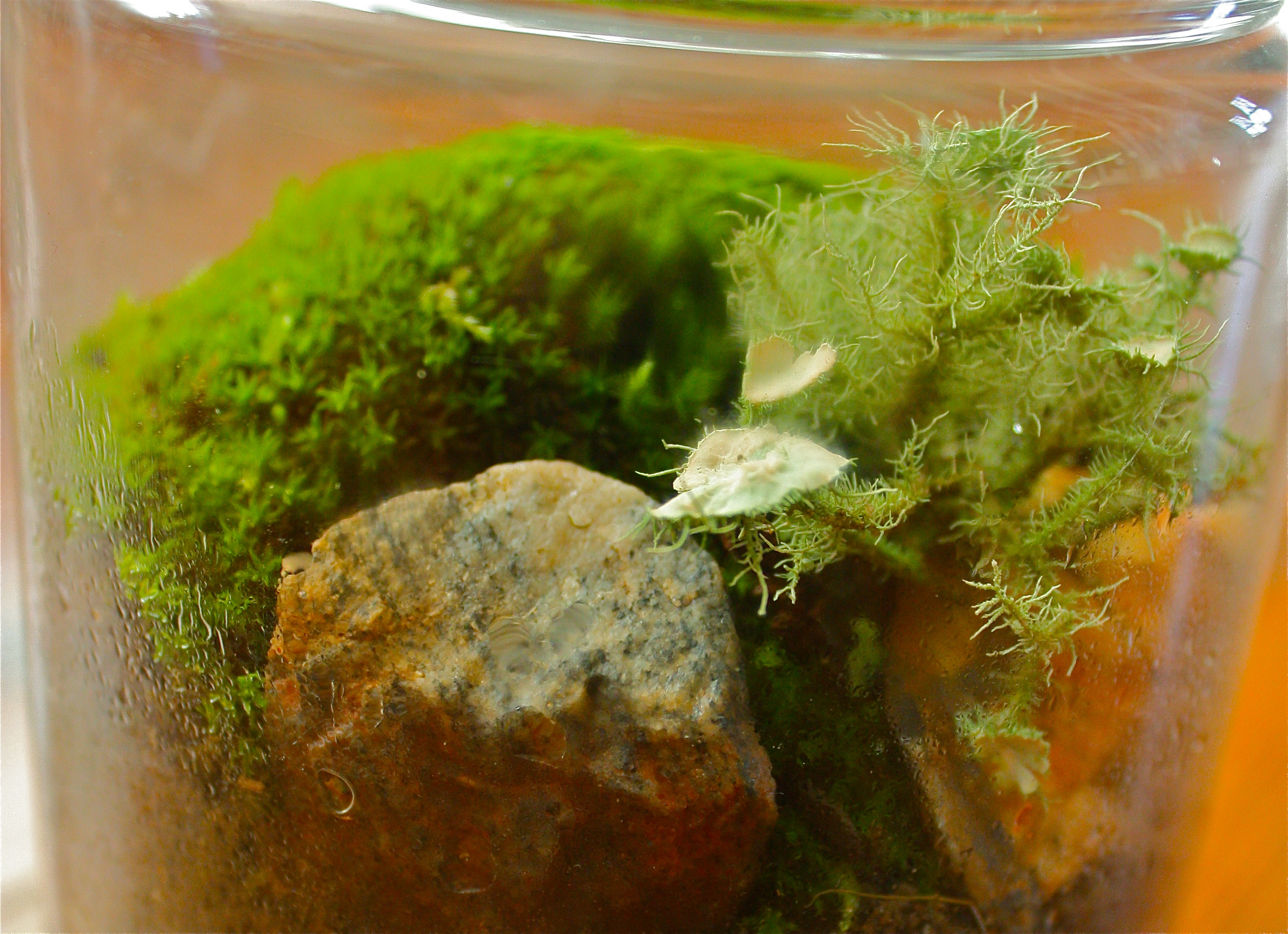
The simple tutorial fails to include instructions and tips for anyone interested in creating lasting enclosed microenvironments.  After a week, the apothecary terrarium above is growing a white, moldy beard from the sphagnum layer.  While troubleshooting, I discovered some comprehensive websites dedicated to the natural art beyond home decor trends.  These are the best so far:

The Fern and Mossery

The Terrarium Man

The next batch will include a layer of activated charcoal to absorb any toxins, cleanse the water as it travels up and down, and (hopefully) stem mold growth.

Moss and Remains

Abandoned Experiment Station

In 2008, a friend heard a rumor that students in the UGA ag school were dumping carcasses near the banks of the Middle Oconee River, somewhere within a 740 acre forest managed by the Warnell School of Forestry.  We spent a day hiking through the woods searching for skeletons, but found nothing suspicious, except for a deer stand.

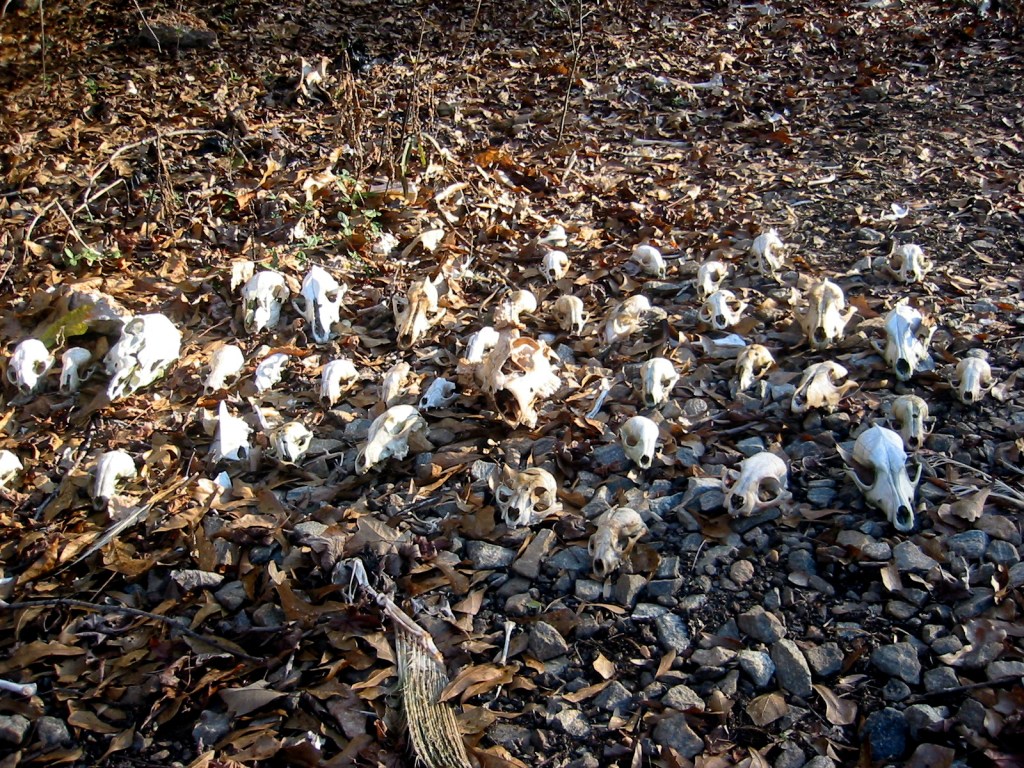
About a year later, on a mid-winter railroad hike through the same forest, I found a twenty yard stretch of bones strewn along the tracks, including over forty skulls.  The larger ones were recognizable, with (female) antler stubs still attached to spinal columns and hanging mats of tan fur.  A colleague at school identified the smaller skulls as raccoon.  Each had a pencil width puncture just behind the eye, splitting the braincase.

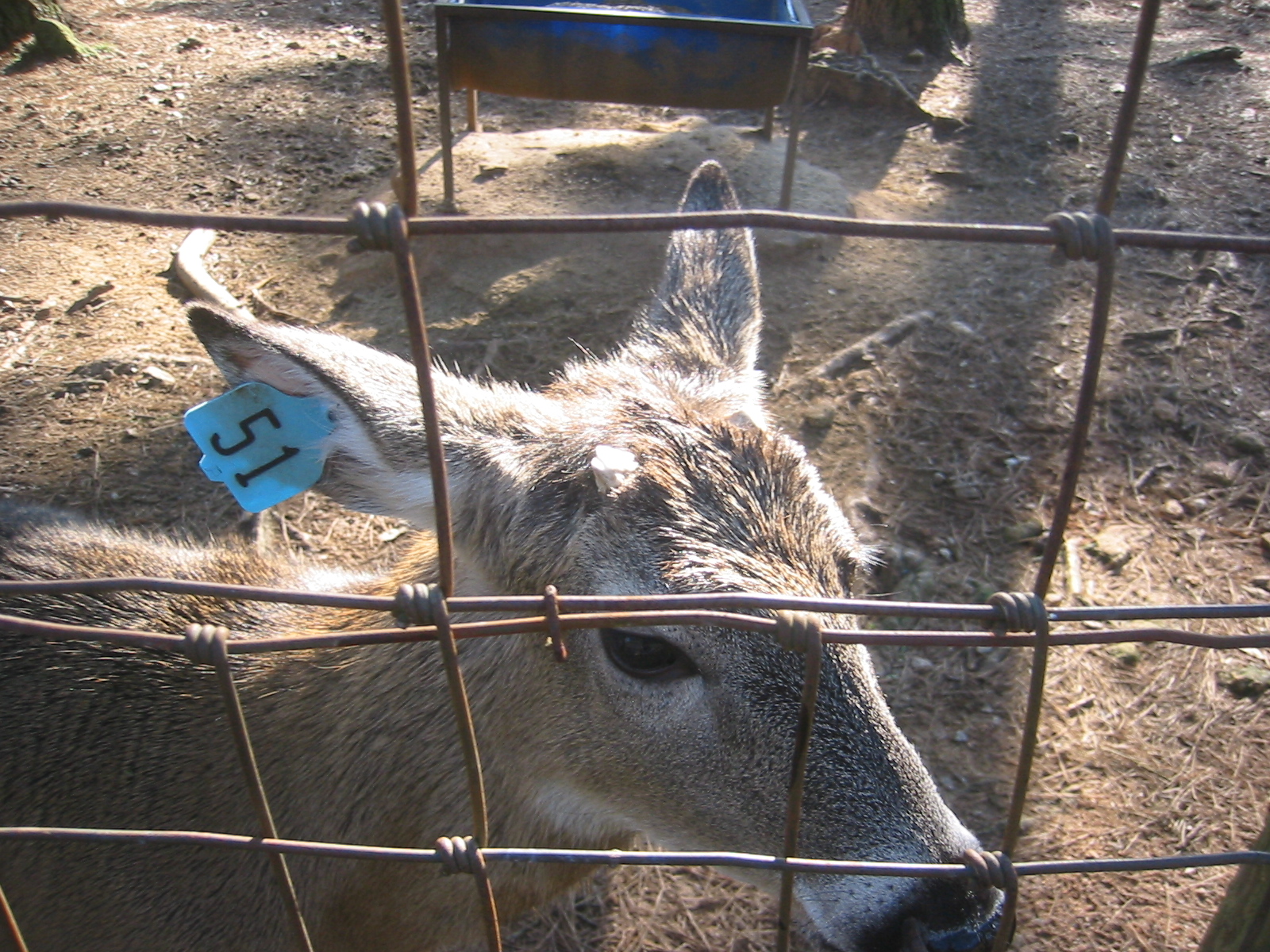
A half mile from the slaughter, around a dozen deer are tagged and caged within a tall fence.

Lollipop, lollipop…