
Paphiopedilum lowii
Paphiopedilum lowii

Carica papaya (papaya)
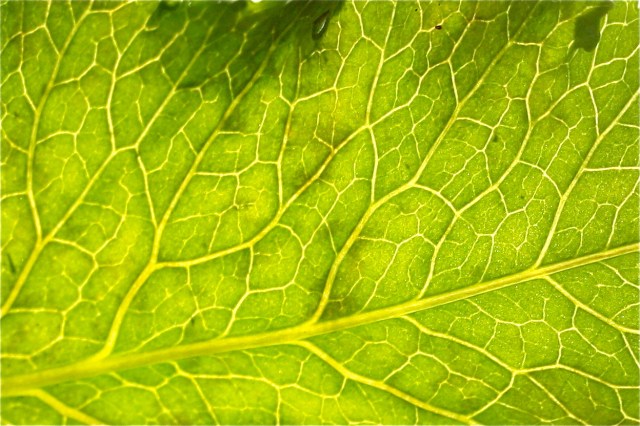
Papaver somniferum (opium poppy)

Abroma augustum (devil’s cotton)

Cocos nucifera (coconut tree)

Cinnamomum verum (Ceylon cinnamon)

Theobroma cacao (cacao)

The latest section of greenway spits cyclists out near Lexington Road. A short ride west under Loop 10 leads to the now-vacant homeless camp called Tent City, which sits on one of many recently clear cut and mulched embankments around town. Hike up to the top of the hill, past a handful of abandoned huts and peek under the overpass for an incredible view of kudzu blanketing a stretch of buried railroad.
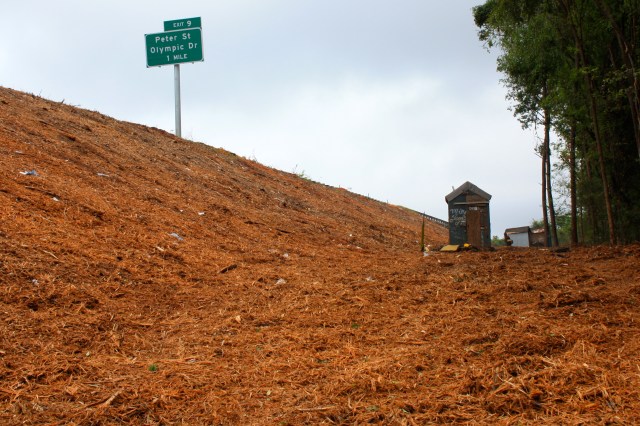
On the morning of the last day of school, one of my students pulled me aside and discreetly mentioned, “This weekend we’re moving to a place called The Salvation Army.” I explained where it’s located and talked it up as a place where they’ll be well-taken care of until they have to move again (a familiar ritual). After our conversation, I wondered how the residents of a local homeless camp were faring given recent destruction of woodland habitats, and recalled my first visit to Tent City.
I drove across town to join a small hodgepodge of volunteers from Athens and Atlanta in a Lowes parking lot on the morning of January 6th, 2008. The meeting was organized by an Atlanta-based nonprofit called The Mad Housers. We drove two miles west to Tent City on Lexington Road, a homeless camp tucked into the woods along a stretch of Loop 10.
Wielding tools and panels constructed the day before, we hiked up a shady trail dotted with tents and rudimentary lean-tos in varying states of disrepair. It was hard to discern which were occupied and which ones were abandoned. Once the path leveled a bit, a gentle war veteran named Radar greeted us with firm handshakes. He was the reason for our visit.
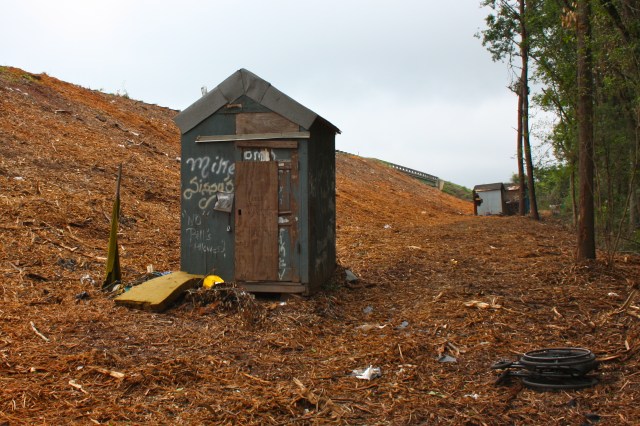
Radar and the rest of our crew spent the next few hours chatting while building his new home, the now-vacant hut pictured above.

The Mad Housers returned to Tent City and built more homes over the years. Radar passed away, then a woman named Sissy shared the hut with her ailing mother.

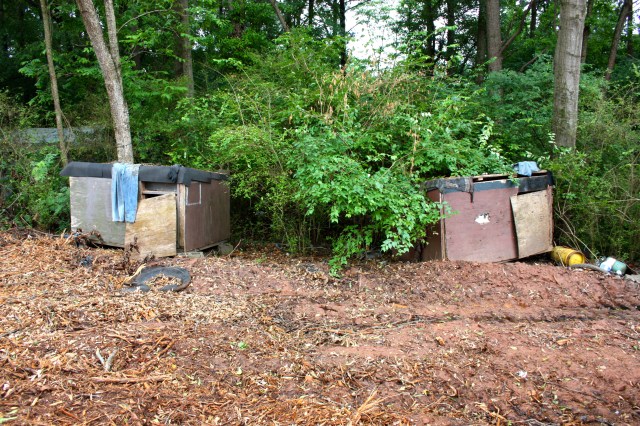
Now everyone is gone. Crews contracted by the Georgia Department of Transportation are in the process of felling trees and clearing undergrowth alongside major roadways. According to a piece on the WUGA website, the project “pushed back the tree line to reduce shadows on the road and ensure falling trees wouldn’t disrupt traffic in storms.”
Whether it’s a mom unable to pay rent and utilities, a chipmunk or garter snake seeking refuge from predators, or military veterans and the mentally ill seeking shelter, the DOT has disrupted more than a few fallen trees and shadows on the road ever could.

On days devoted to whitewater boating, 500-700 cubic feet of water flows through the Tallulah Gorge every second. A cool mist rises to meet hikers from around the world swaying in awe 80 feet above on a suspension bridge.
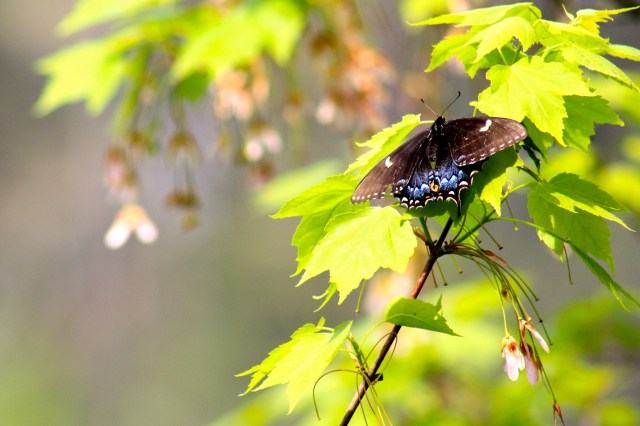
The eastern tiger swallowtail clings to a red maple limb.

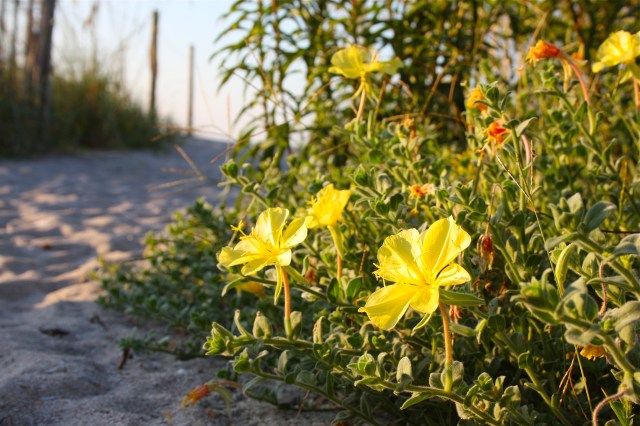
A futile dune and sea oat array in Flagler County now protect residents and wayward tourists along a stretch of A1A from the Atlantic Ocean.



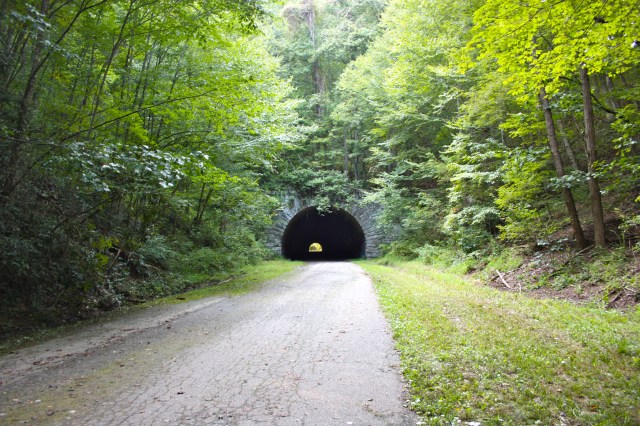
Click here to read about the controversial botched construction of Lakeview Drive in the Great Smoky Mountains National Park.


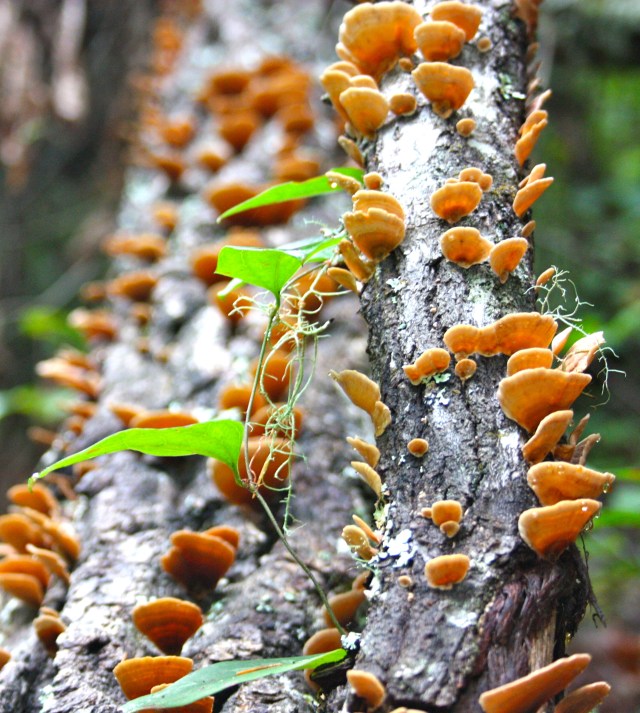
While hiking the Deep Creek Trail into the Great Smoky Mountains National Park, coral, turkey tail and other curious fungi sprout from the humus below.



A blanket of afternoon cloud cover darkens Edisto Island.

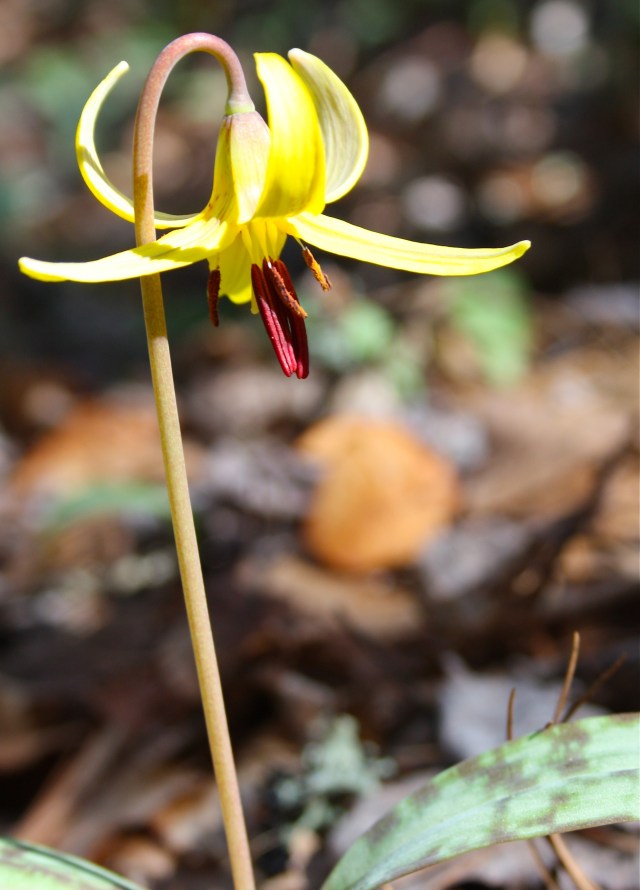
Hikers flock to Raven Cliff Falls Trail for the rush of falling water, but a trip in early April offers subtler beauty along the way.
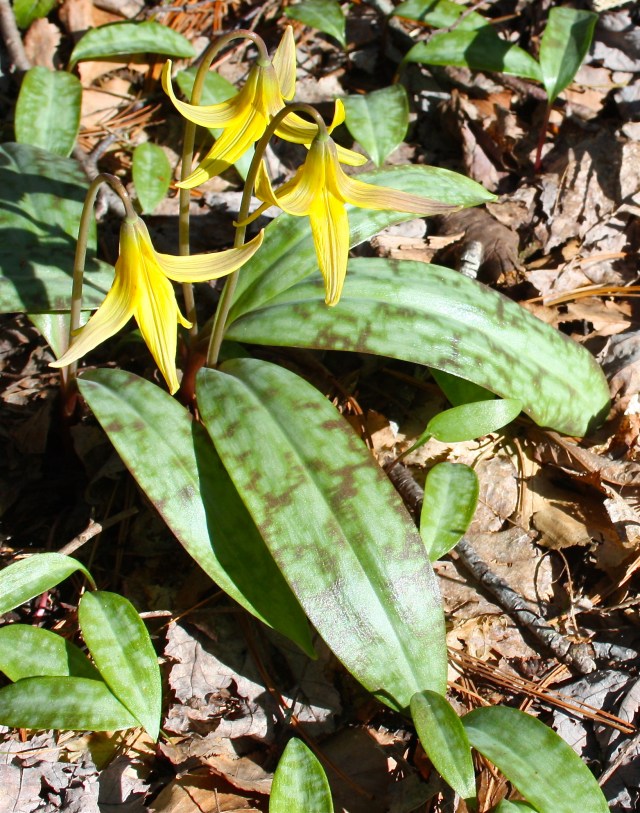
Since ninety-nine percent of trout lily plants are non-flowering, the illusive perennials pictured above are one-percenters thriving in the mountains of White County.
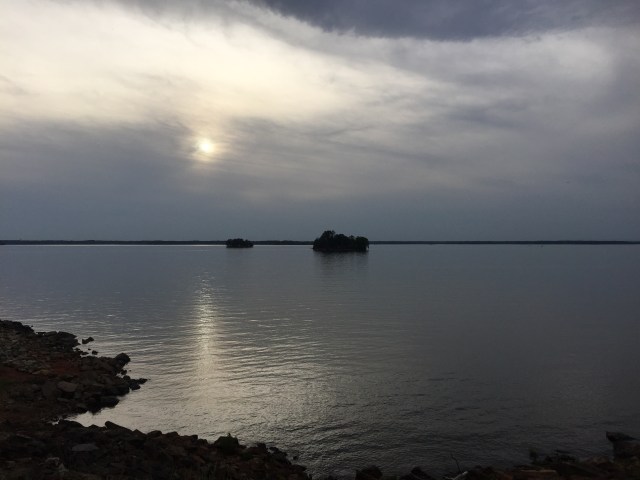


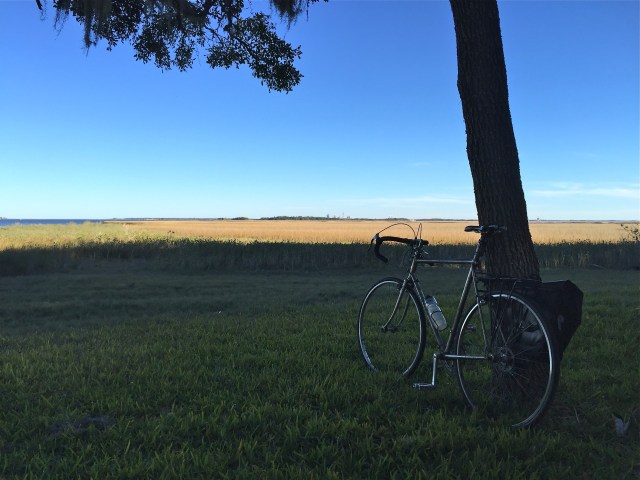
How many photos of a place are too many?


Jay Griffiths remembers time “by the sea” at her grandparents’ place as a child:
“We learned about tides and chance, storms and sun, the vicissitudes of what is lost and found, flotsam and jetsam, castaway luck, islands, sea-songs, rings, riddles and pledges. We learned the sense of a clear slate in the renewal of the tide-smoothed sand.”
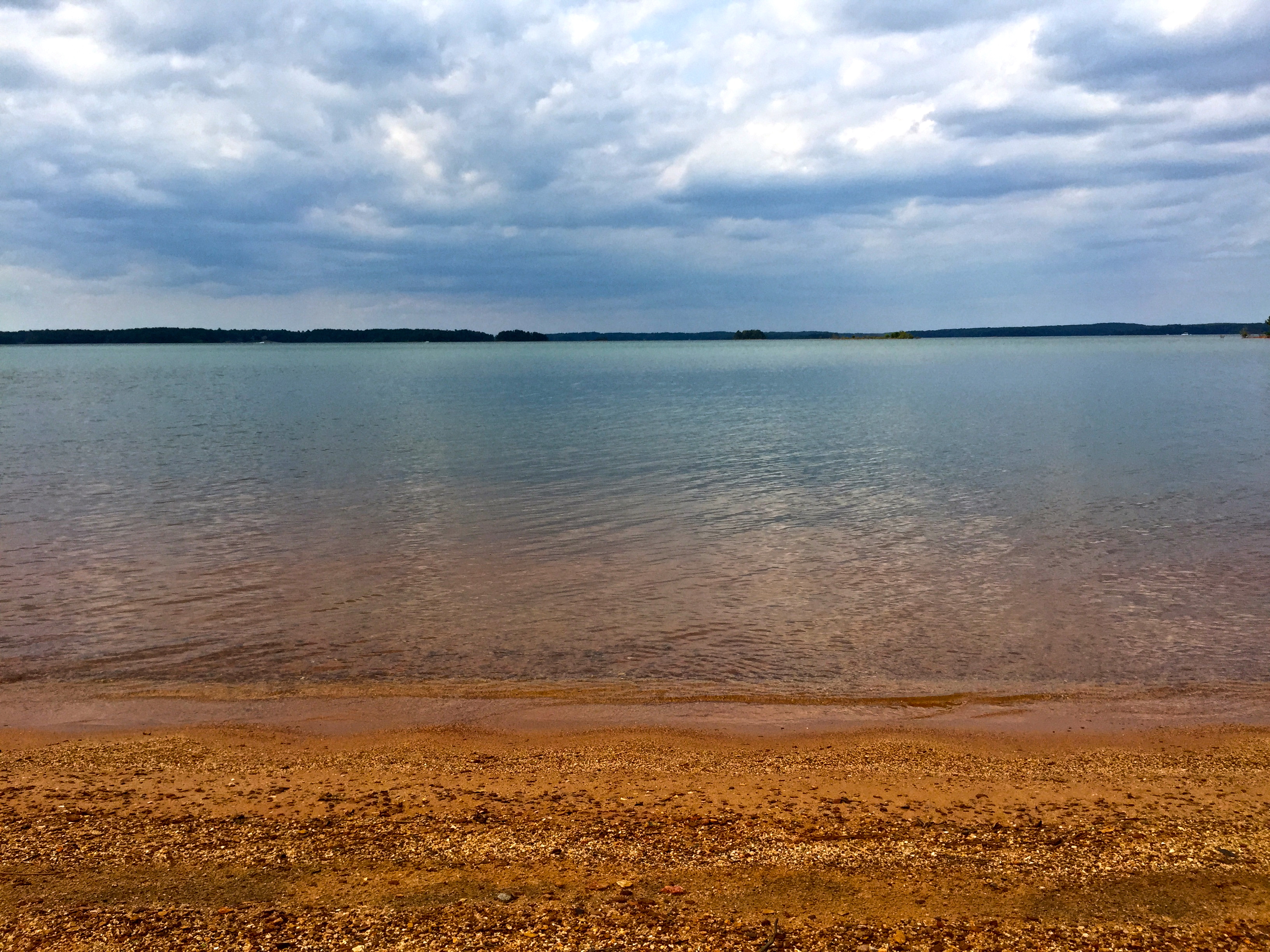
“There are moments when I find myself so seduced by the life of a place, carrying on in the way it must, that all I want is to abide there for a while.”
-Trebbe Johnson

 Pedagogy of the Plants