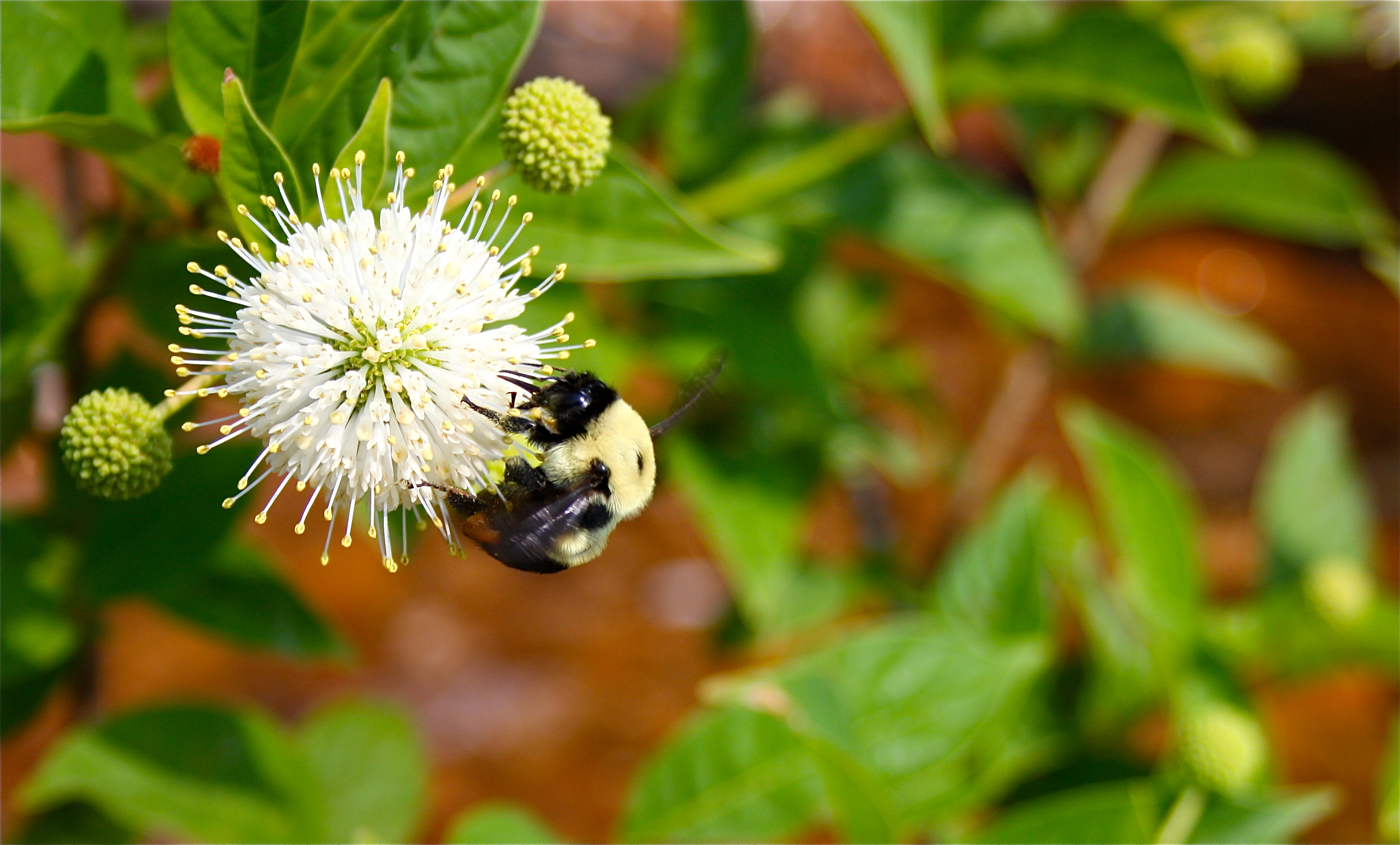
A year ago this month I discovered a white, spherical flower growing beside a narrow creek. Seven months later I bought a used kayak, and now I meet buttonbush all the time along lakes and rivers.
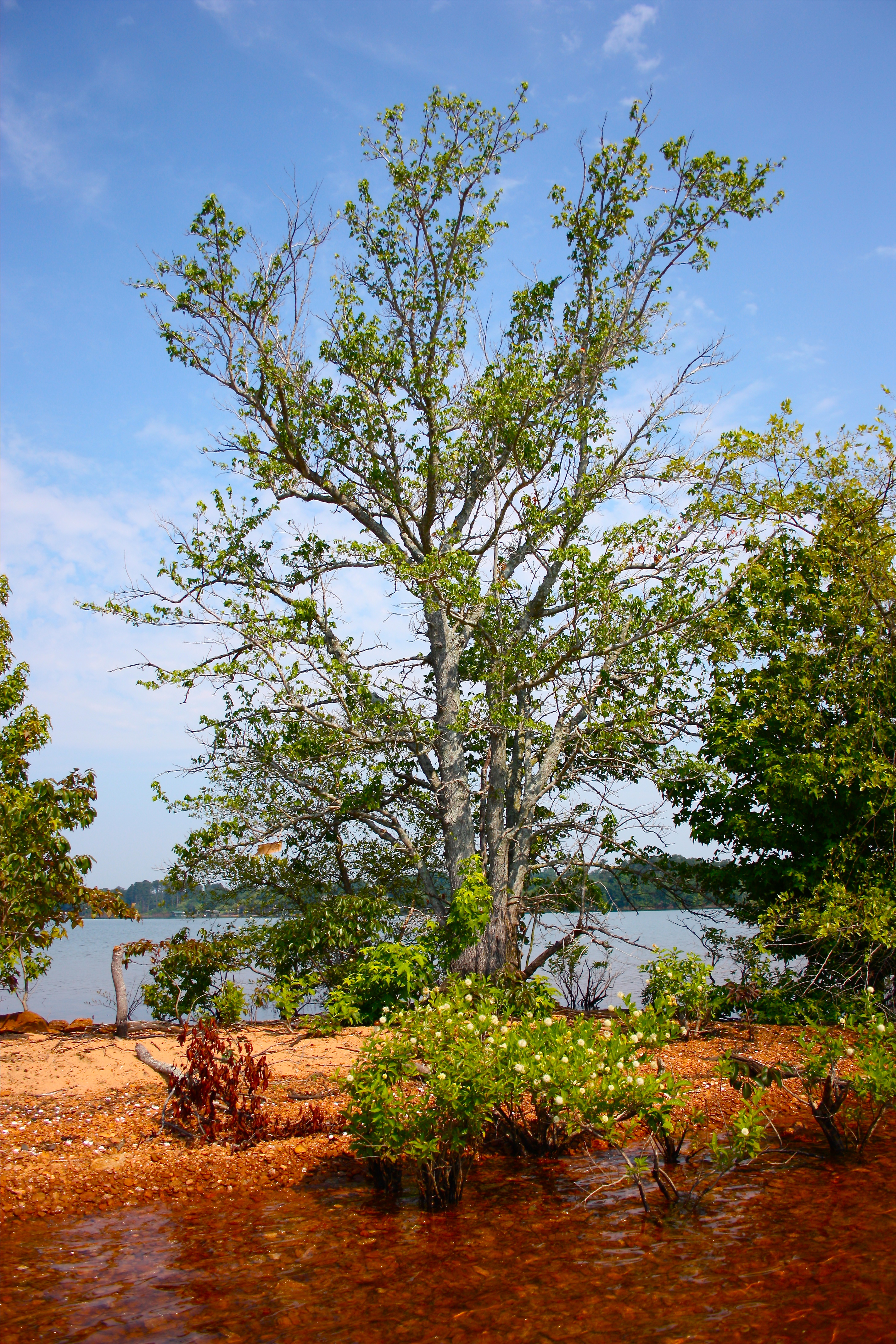
A year ago this month I discovered a white, spherical flower growing beside a narrow creek. Seven months later I bought a used kayak, and now I meet buttonbush all the time along lakes and rivers.
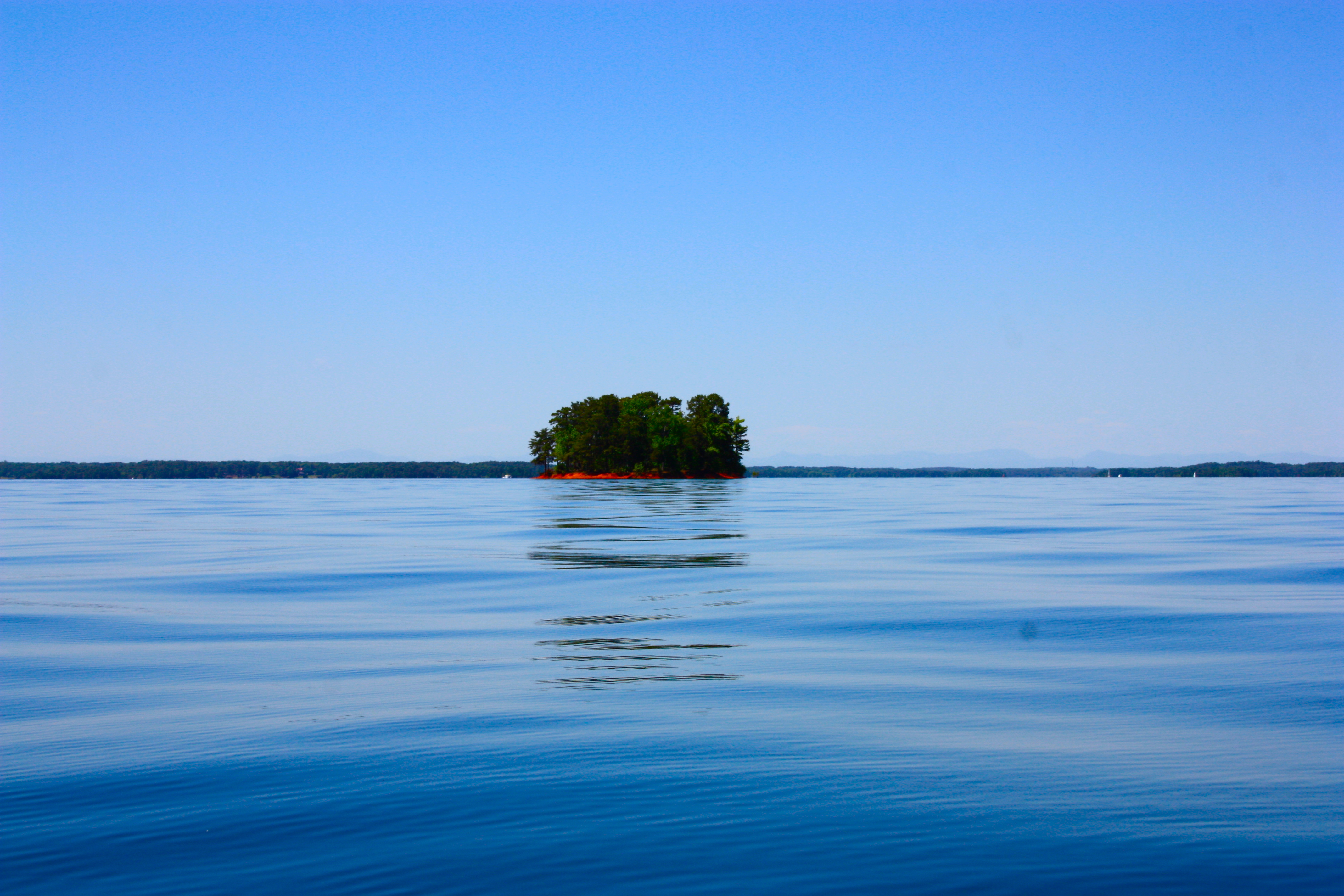
The island above wasn’t the first destination. But during that first trip to Lake Hartwell back in early May, it was the most curious.

Before throwing the kayak on the car and driving to the Georgia/South Carolina border, this satellite image (later doctored somewhat) offered an aerial glimpse of endless nooks to navigate. The image was captured during the 2012 drought, which is why every verdant land mass sports a tan outline.
Most public access areas around Lake Hartwell were designed and constructed by the Army Corps of Engineers, including the upper and lower incisors of the Pac-Man shape to the west gobbling-up islands dotting South Carolina’s shore to the east. The plan was to paddle from Long Point Recreational Area (Pac-Man’s maxillary central incisors), to Elrod Ferry (mandibular central incisors).
After an hour’s drive through pastoral Madison County, I spoke to a man sitting on a log at the water’s edge between two arched fishing poles. Pointing across azure chop, I asked, “Is that Elrod Ferry?”
“Yeah, just across there.”
“And the South Carolina border?”
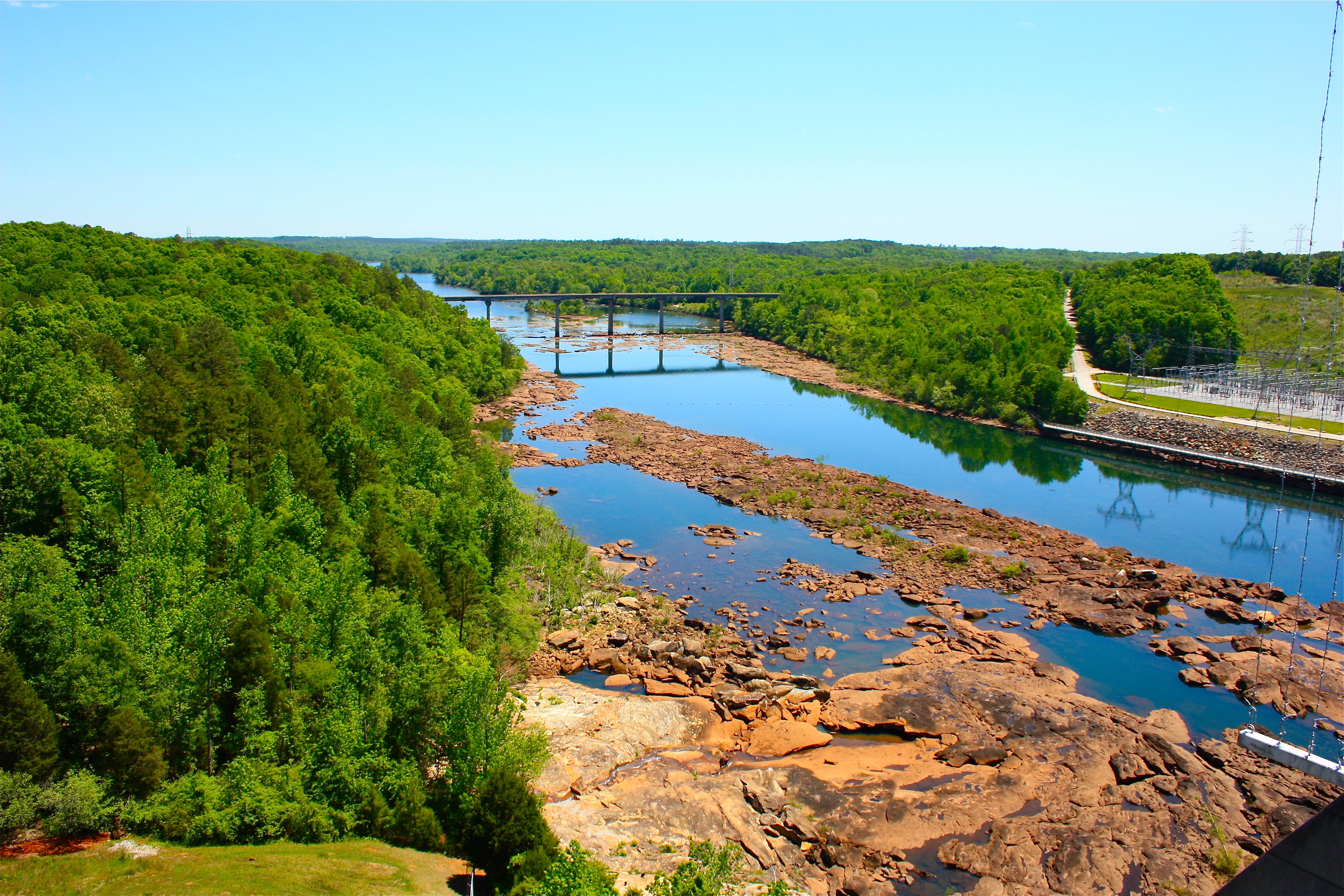
“See the dam? South Carolina’s on the left. Georgia’s on the right.”
It took around forty minutes to reach Elrod Ferry. Once across, I looked back at the man on the far shore and thought, “Why not paddle across state lines for the first time on water?”

To the naked eye (and novice paddler), the distance between Elrod Ferry and South Carolina was a bit misleading, but clear water and tangerine shore made the trip well worth the energy.
Buttonbush sentinels (sans buttons in early May) took root around the slippery bank. I hiked inland through a stand of pine, then up toward the dam.

Couples and extended families with panting dogs walked along the dam under blue sky. A bearded man encased in a black leather vest like a sausage below a matching wide brimmed hat prosthelytized to a group of bikers seated on granite boulders repenting and sweating in the sun. Three red tailed hawks spiraled above the strangled Savannah River below. I walked back to shore.

After stacking, the nearest island was next.
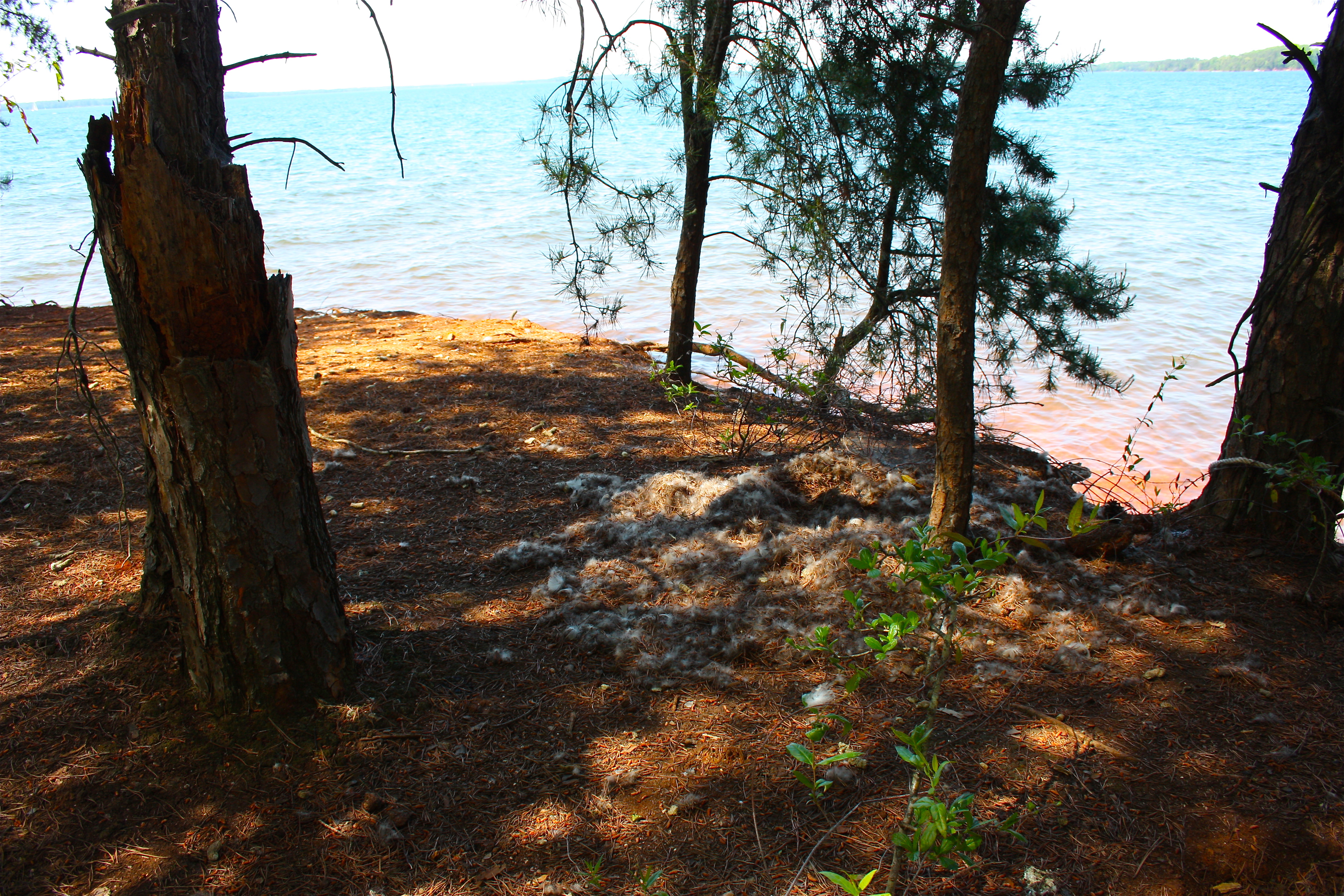
Former downy residents’ homes proved spring renewal.

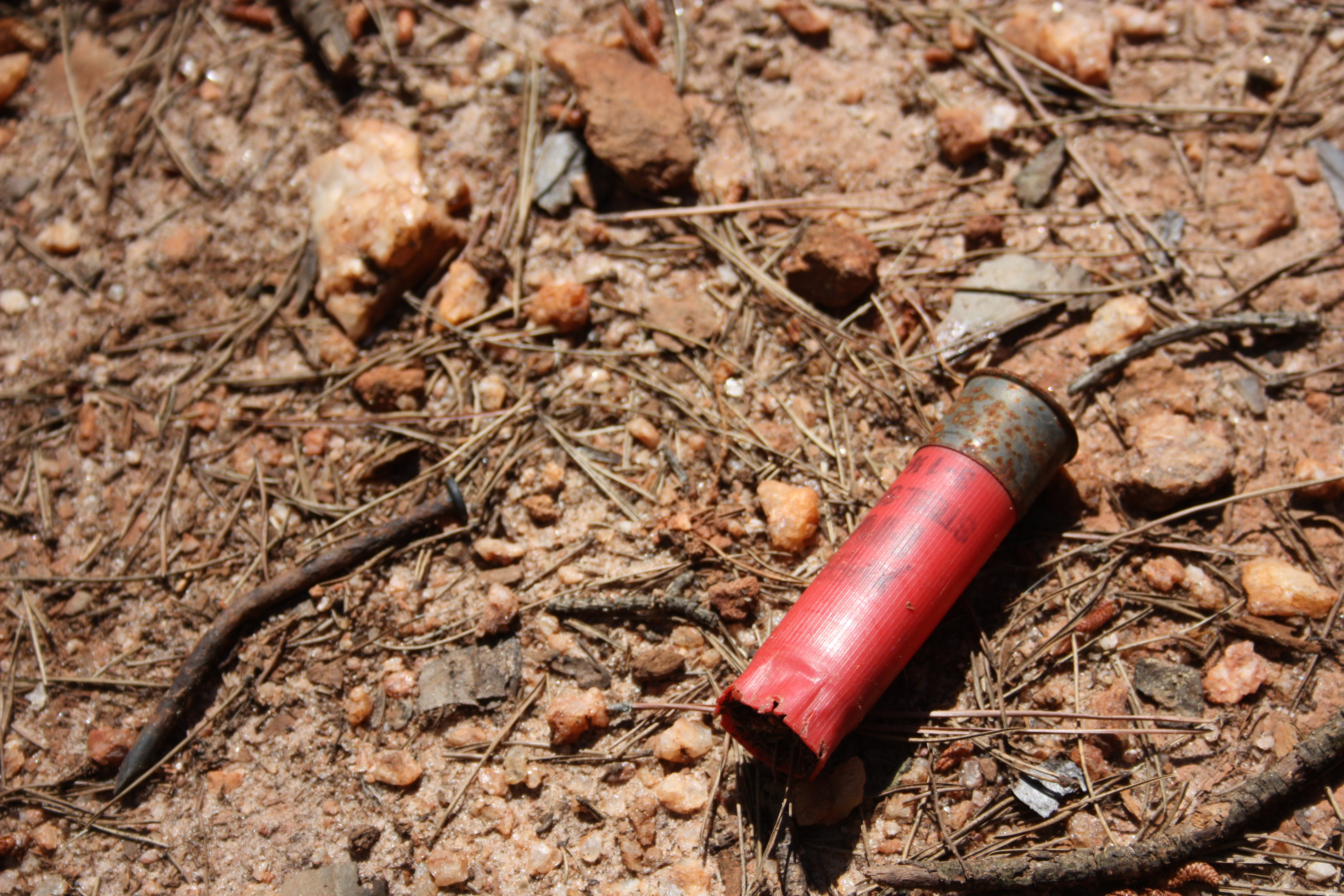
Violent fauna left manufactured remnants.
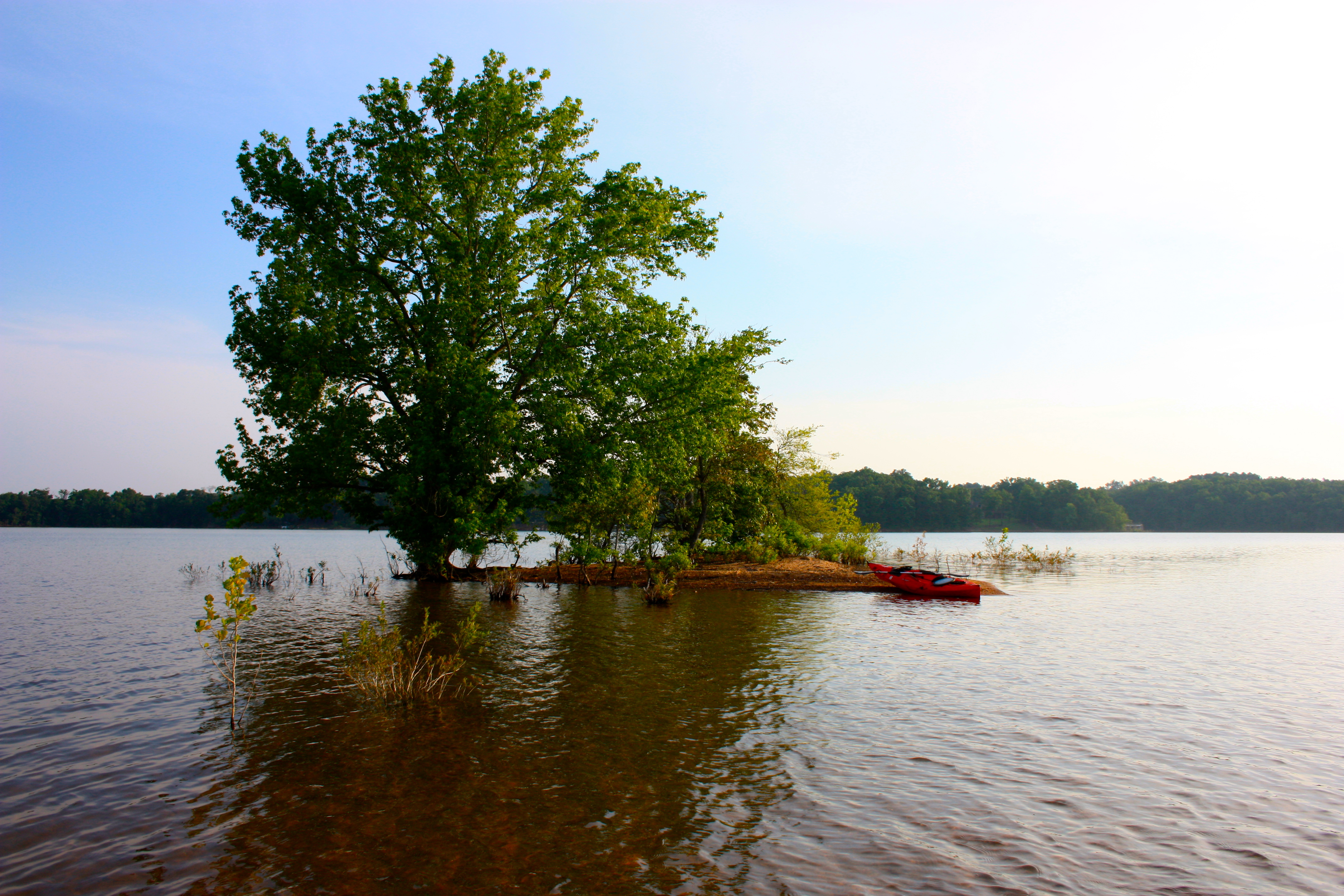
Three weeks after the paddle to South Carolina, I returned to the lake and put in at Hart State Park Outdoor Recreational Area (not the most creative name, given that the county, lake, town, dam and outdoor recreational area are all named after Nancy Hart, who assasinated seven men during the American Revolution – why not “Gallows Park,” or “Whig Dump Woodlands Boat Ramp?”).
A tiny chunk of land occupied by mica, sweet gum, buttonbush and five abandoned goose eggs rests a few hundred yards from the boat ramp.

Geese, hawks, great blue herons, striped bass, crappie and bream share Lake Hartwell with drunks on jet skis, pontoon and bass boats during spring and summer months.
Let’s hope the Canadian avian couple who produced these perfect orbs seek more privacy for their babies next year.

L’espoir…
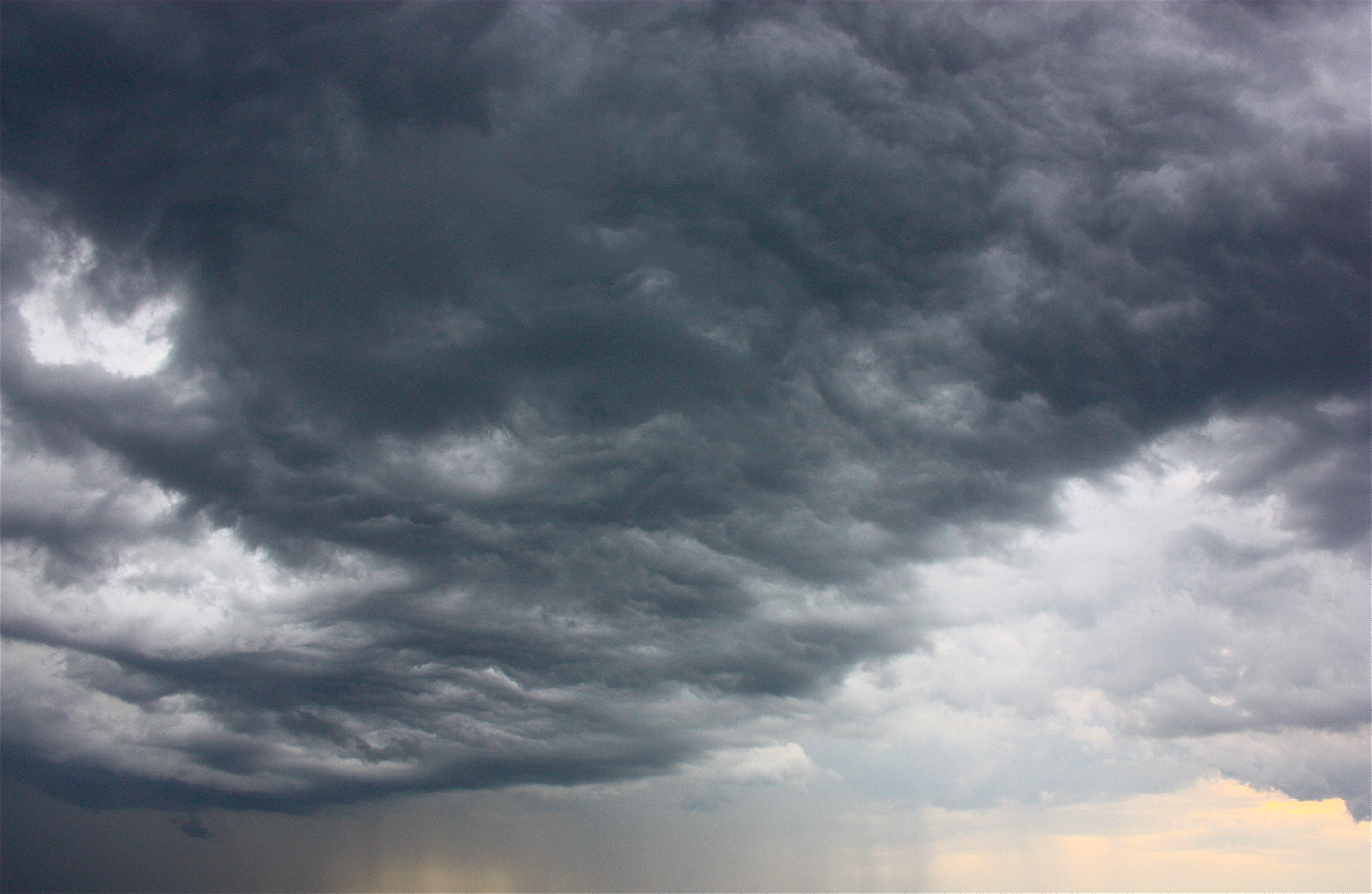

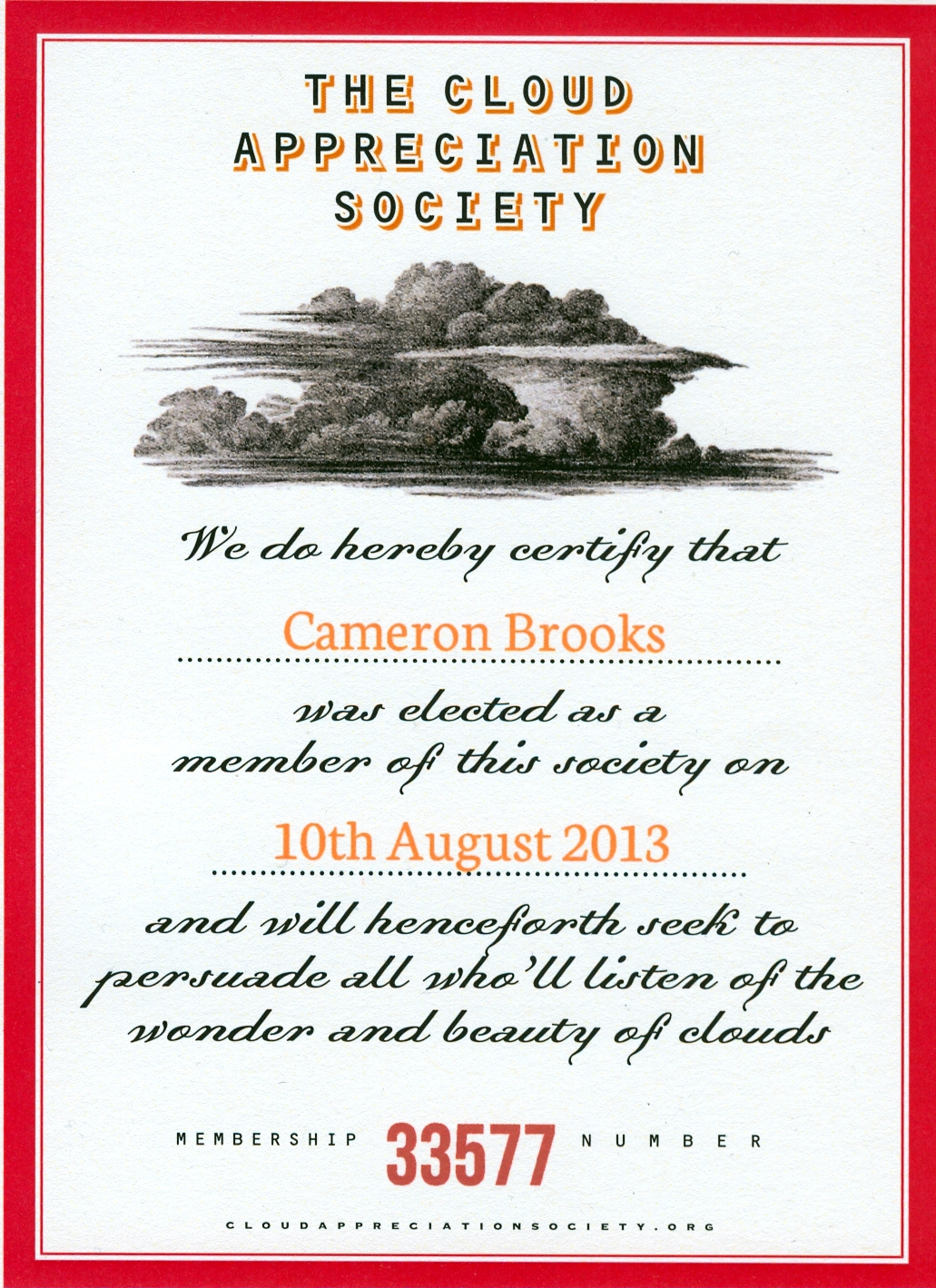
Click here to watch a TED talk by Gavin Pretor-Pinney, The Cloud Appreciation Society’s founder. Keep looking skyward…
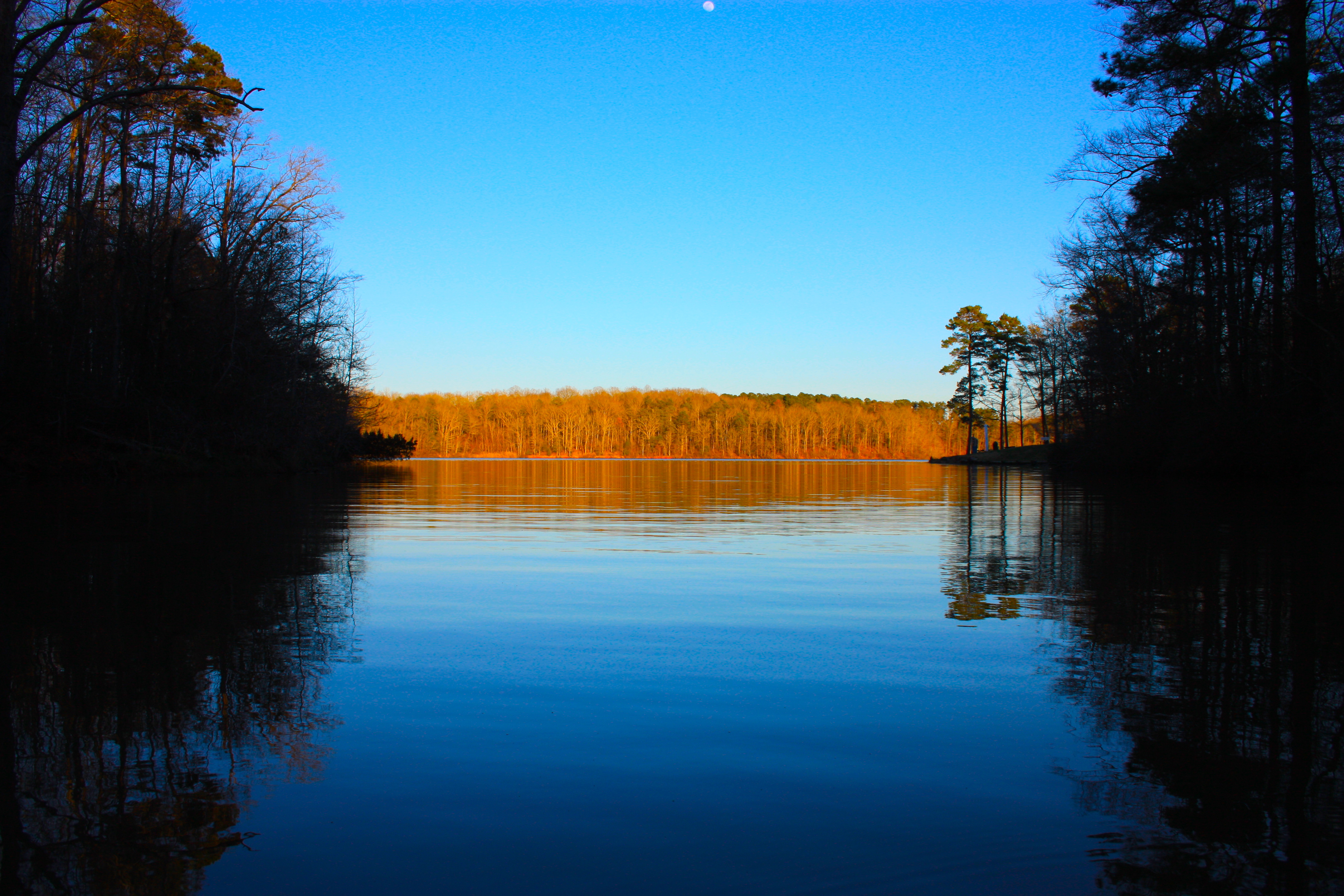
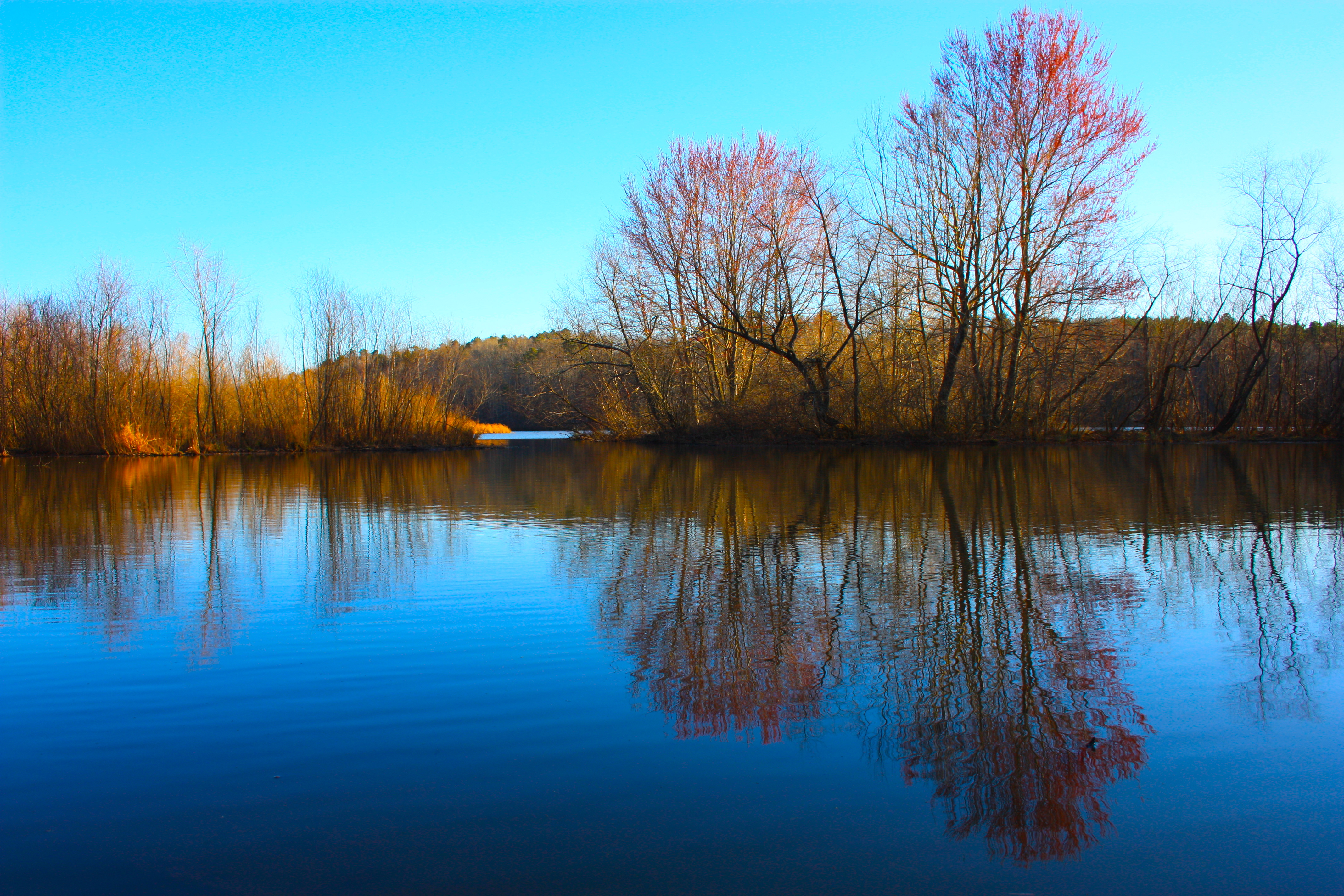
Listen to a quartet of freezing rain, tintinnabulation, cardinal chips, and the space in between:


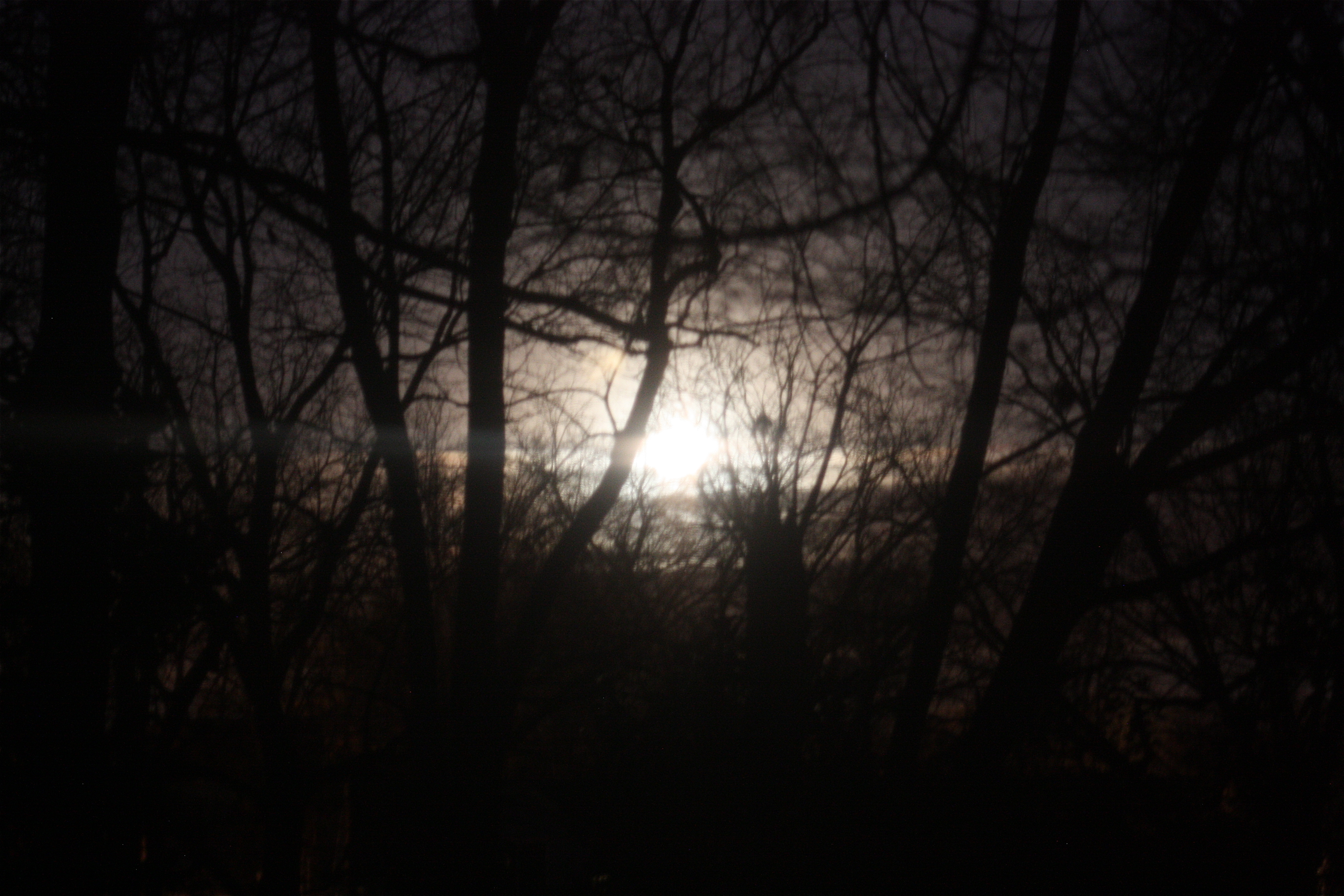
A resident Barred Owl announced the full moonrise last Thursday (ten minutes before the alarm went off). Listen to haunting hooting the Cornell Lab of Ornithology describes as “Who cooks for you? Who cooks for you-all?”

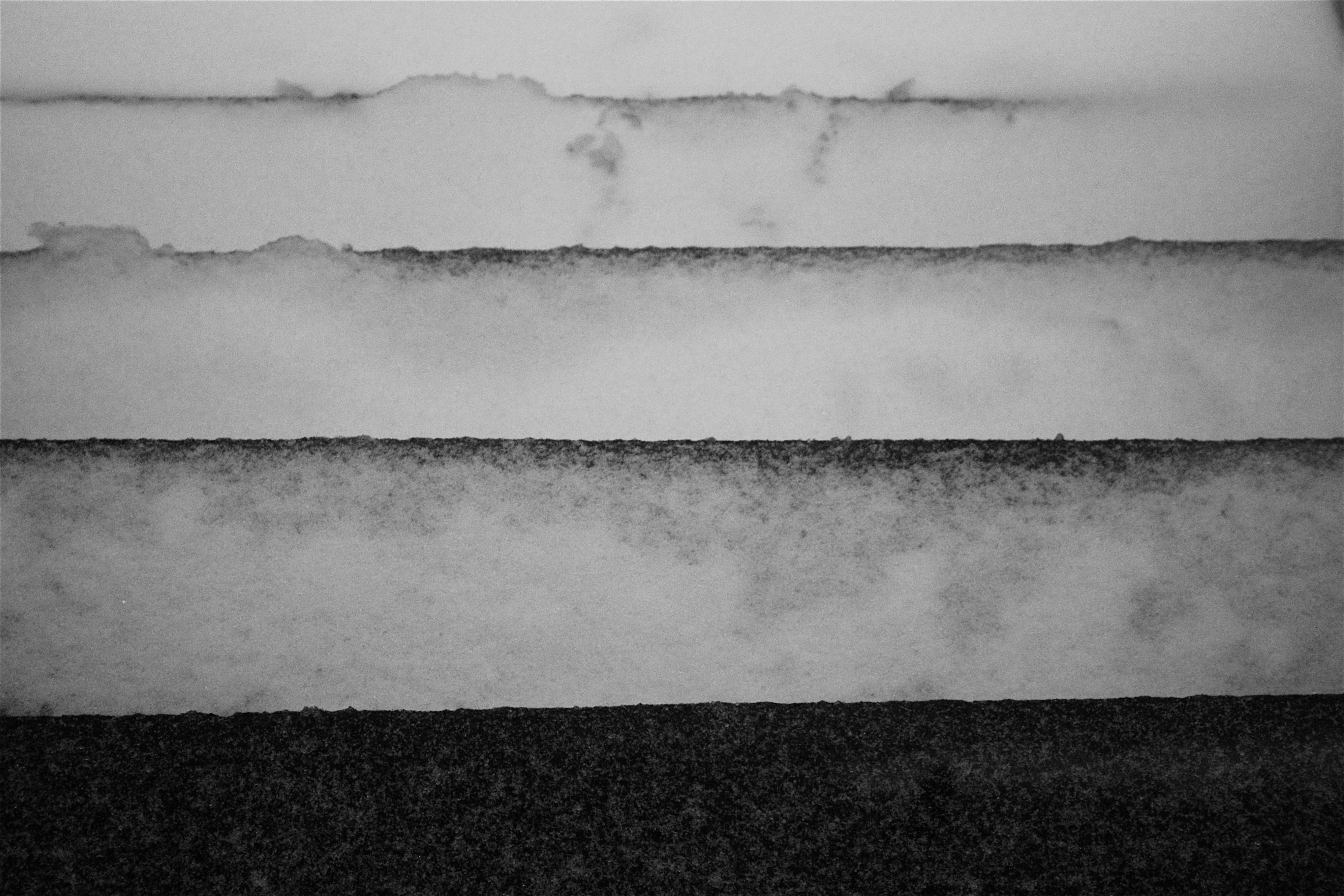
The South Fork Broad River raged after Friday’s deluge. At dusk, a thick fog settled on the water and submerged rock outcrops (usually dotted with families and hikers) below Watson Mill’s covered bridge. The moss above grew on a slick granite slab along the bank. Click here for more from the historic area.
The glass container was a gift from a student, so the first terrarium of 2014 (inspected by Mogwai) will enjoy a spot in the window of our classroom. More moss terrariums are here.
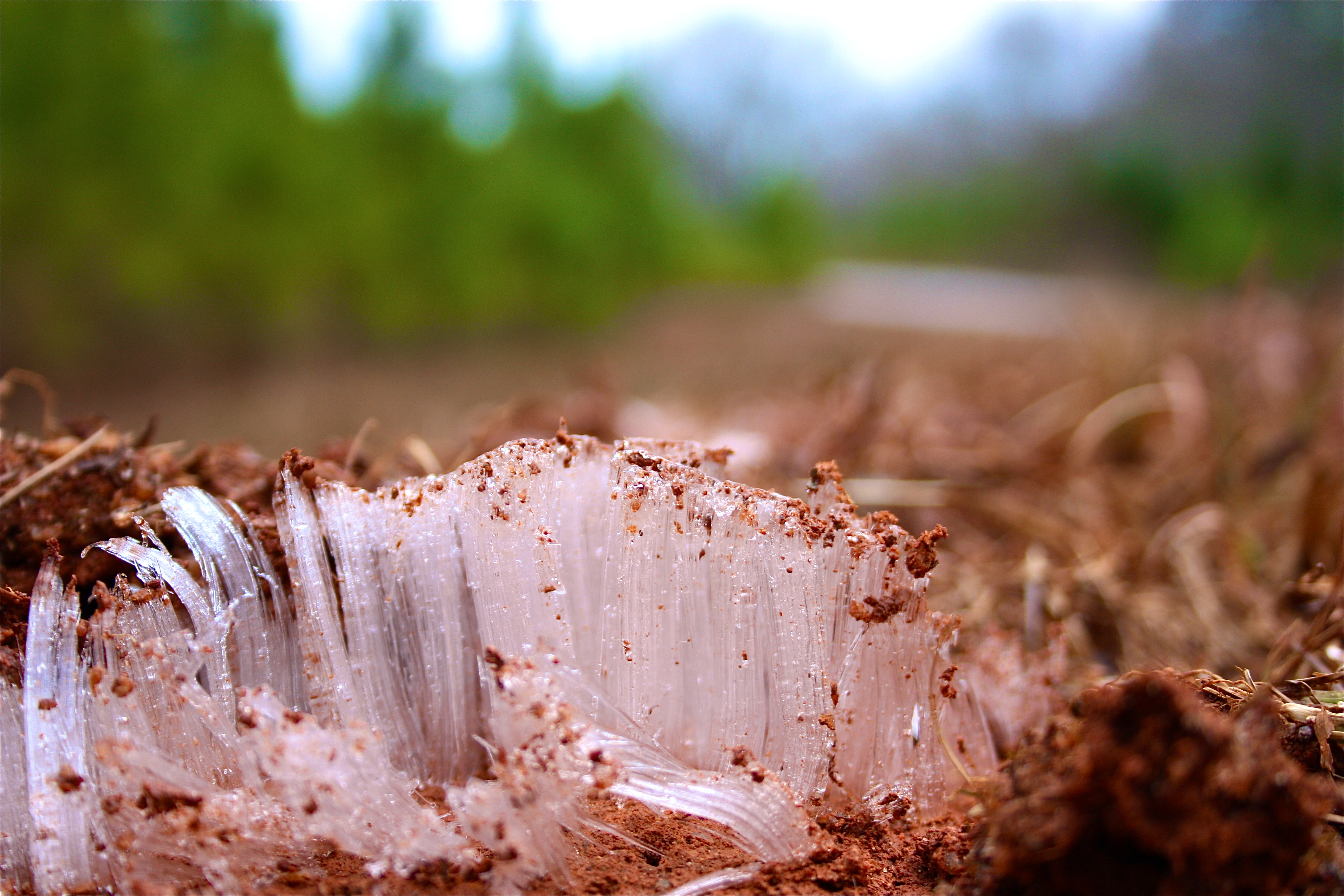
Needle ice occurs when the air temperature is below freezing, and the soil is above freezing. Water flows upward via capillary motion as heat moves toward colder air above.

Chunks of soil, grass, and moss are lifted into the air.
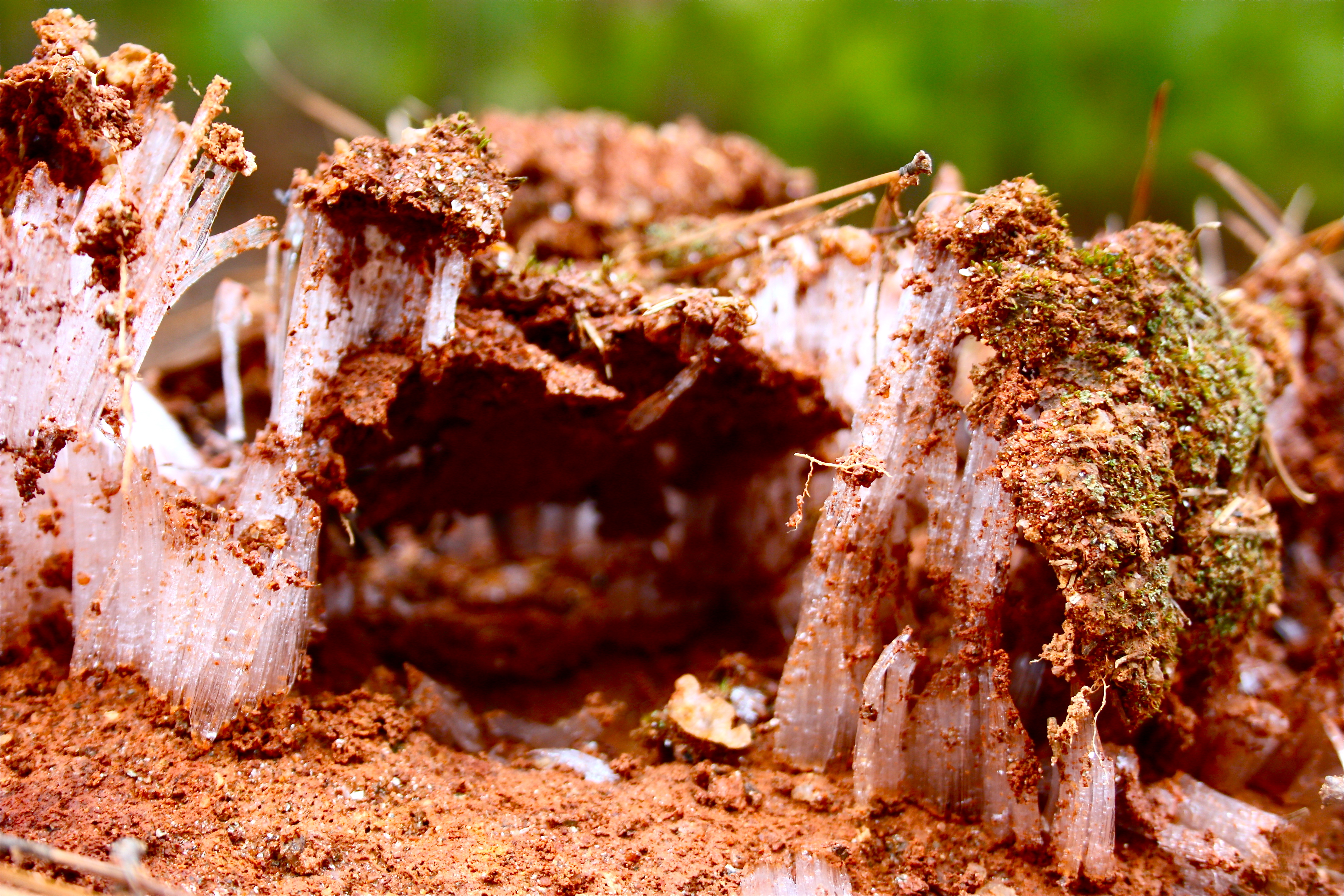
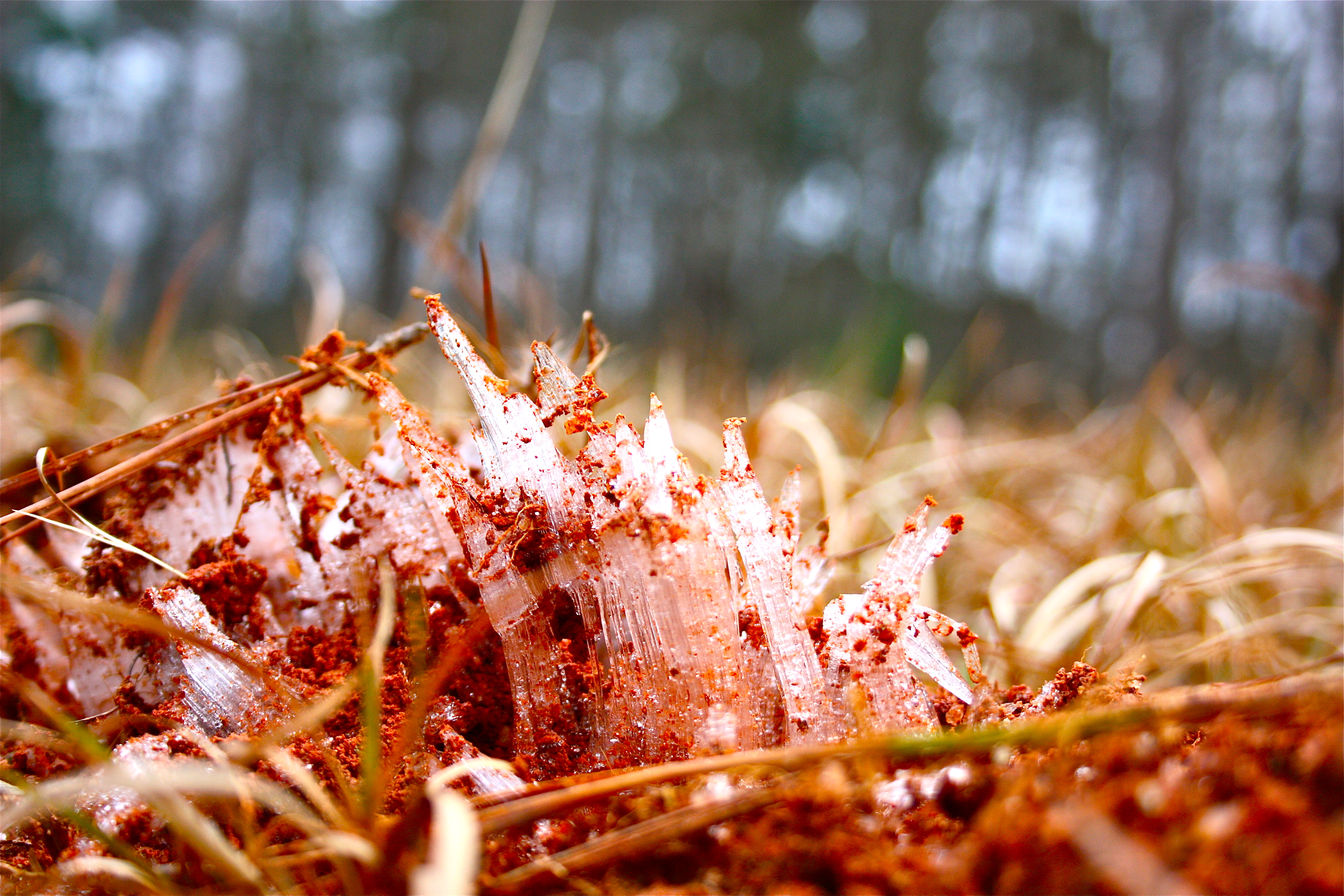
These crystals were discovered in Winterville (naturally) during a run through an overgrown subdivision that never made it through The Great Recession. Click here for more photos of the area, and enjoy Ray Charles’ persuasion…


“There’s the story, then there’s the real story, then there’s the story of how the story came to be told. Then there’s what you leave out of the story. Which is part of the story too.”
-Margaret Atwood
Read one story about smallpox, Georgia’s first paper mill, and a medical dynasty here.







“Too late and too hot to plant strawberries,” says the man at the nursery. Back home though, last year’s plants are making a comeback, despite an invading army of weeds.

While using a small trowel to dig up the roots, a wolf spider appears with a perfectly round, marble-sized egg sac.
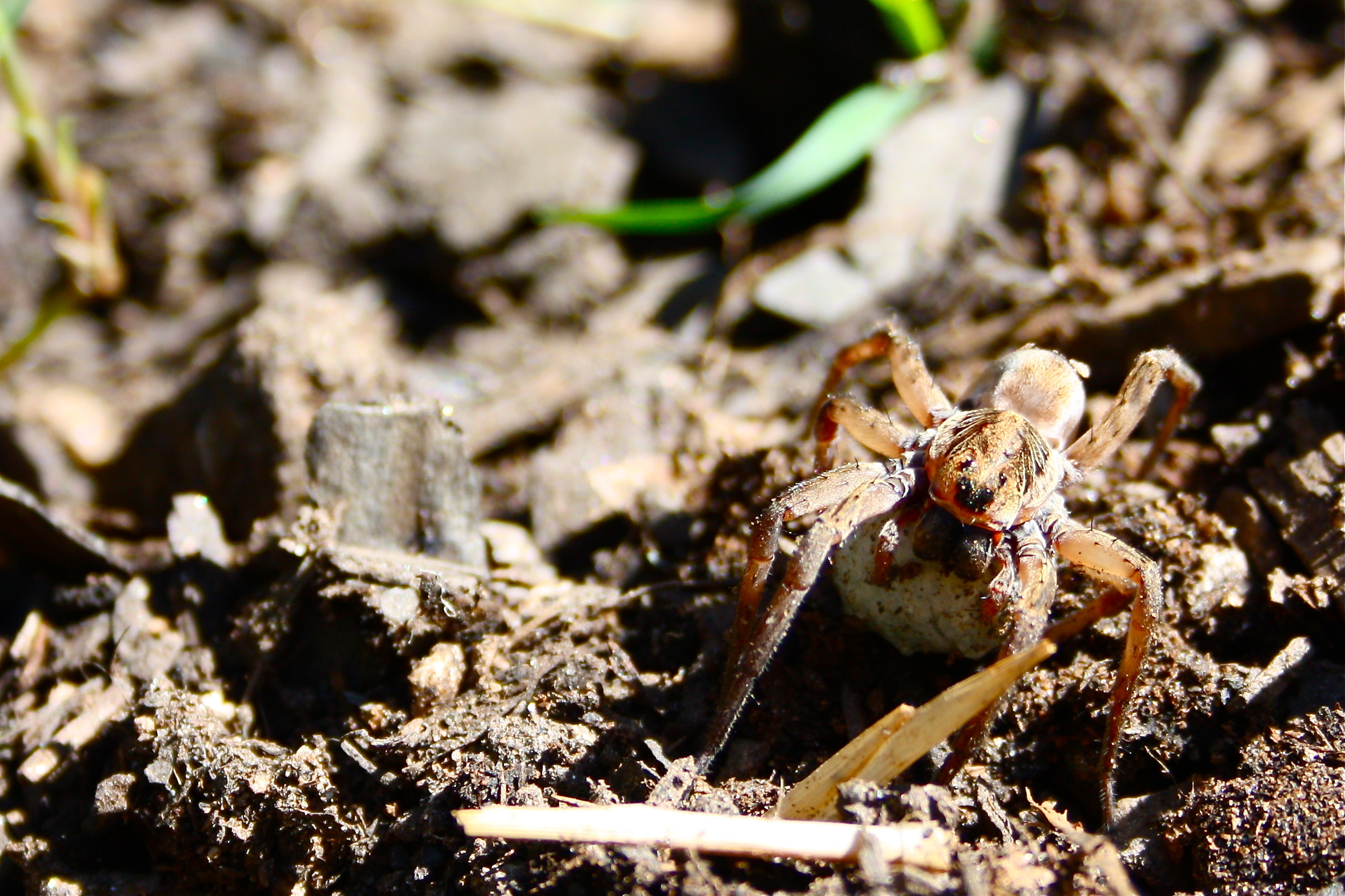
Shielding the sac from whatever a lanky biped might do, she gently climbs on top, waiting for the novice gardener’s next move.
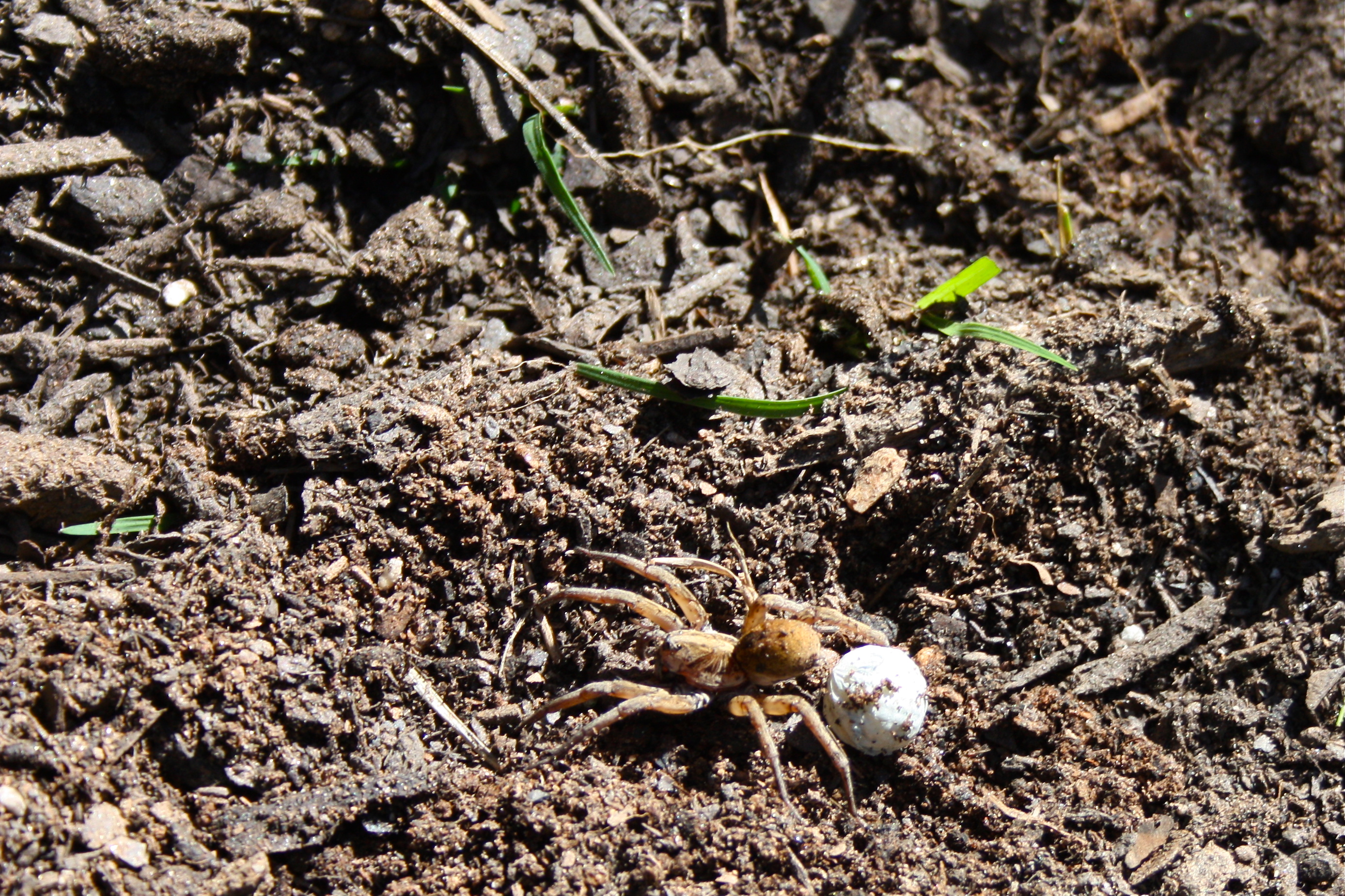
The human steps out of sight (not easy with eight eyes watching), so mama crawls over the sphere and attaches it to her spinneret. Next, she drags it to the side of the bed, then begins digging face-first into the soil.
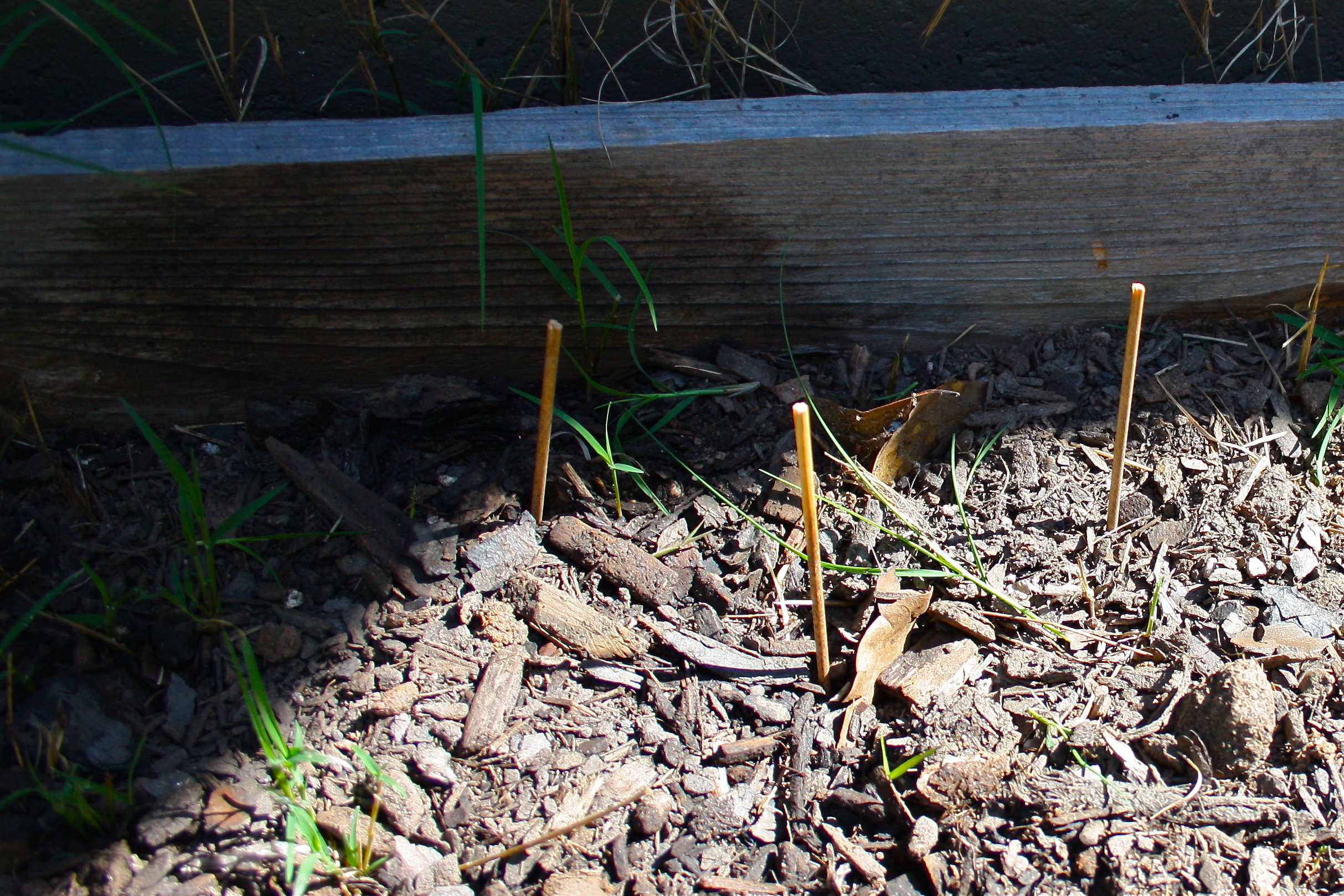
Unbeknownst to the submerged, the human returns with small reeds, marking the area like an endangered piping plover or loggerhead nest on the beach.
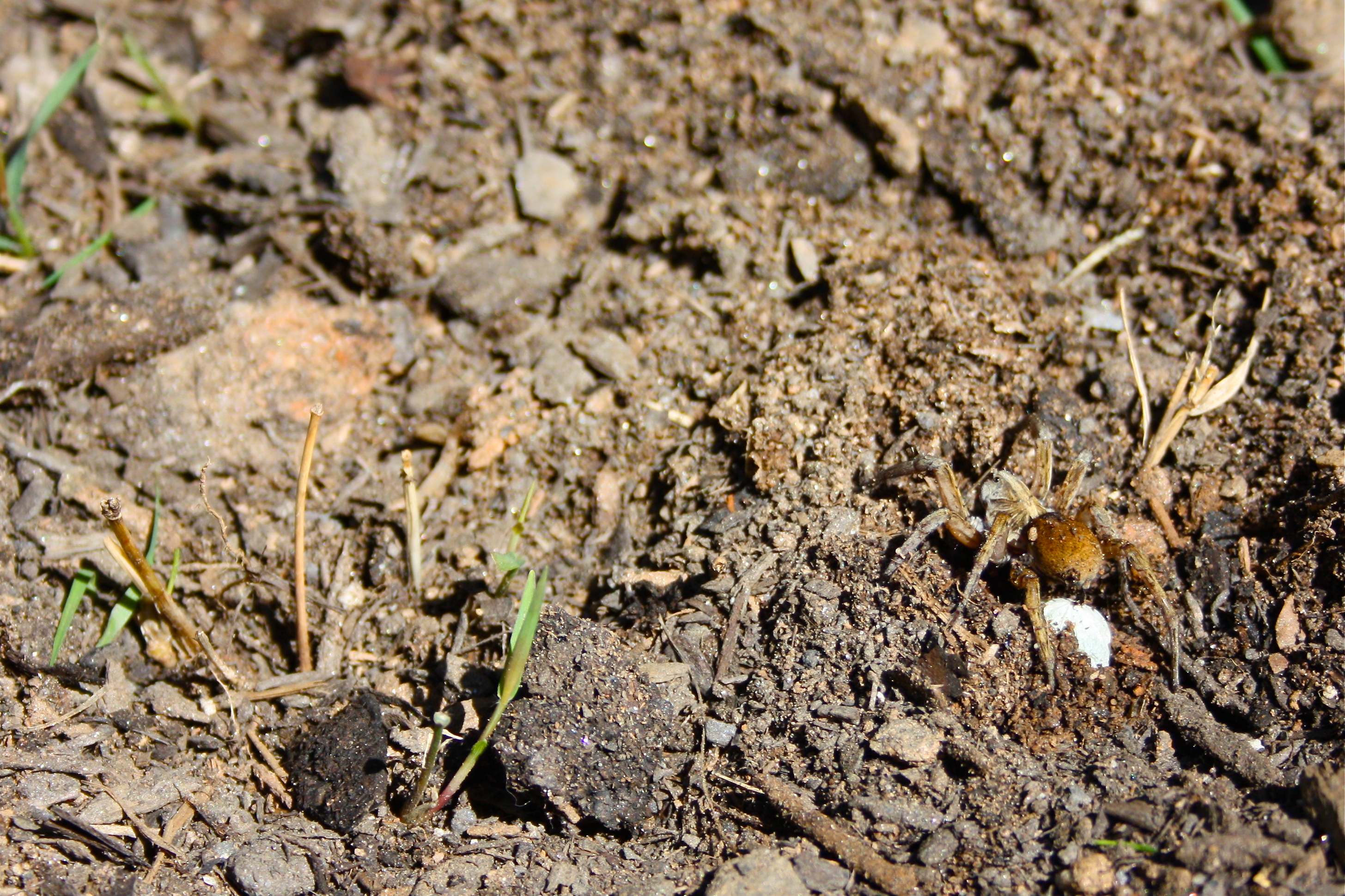
Another wolf spider (family?) stealthily emerges from the underground towing respective luggage,

then skitters across the topsoil looking for an undisclosed locale,
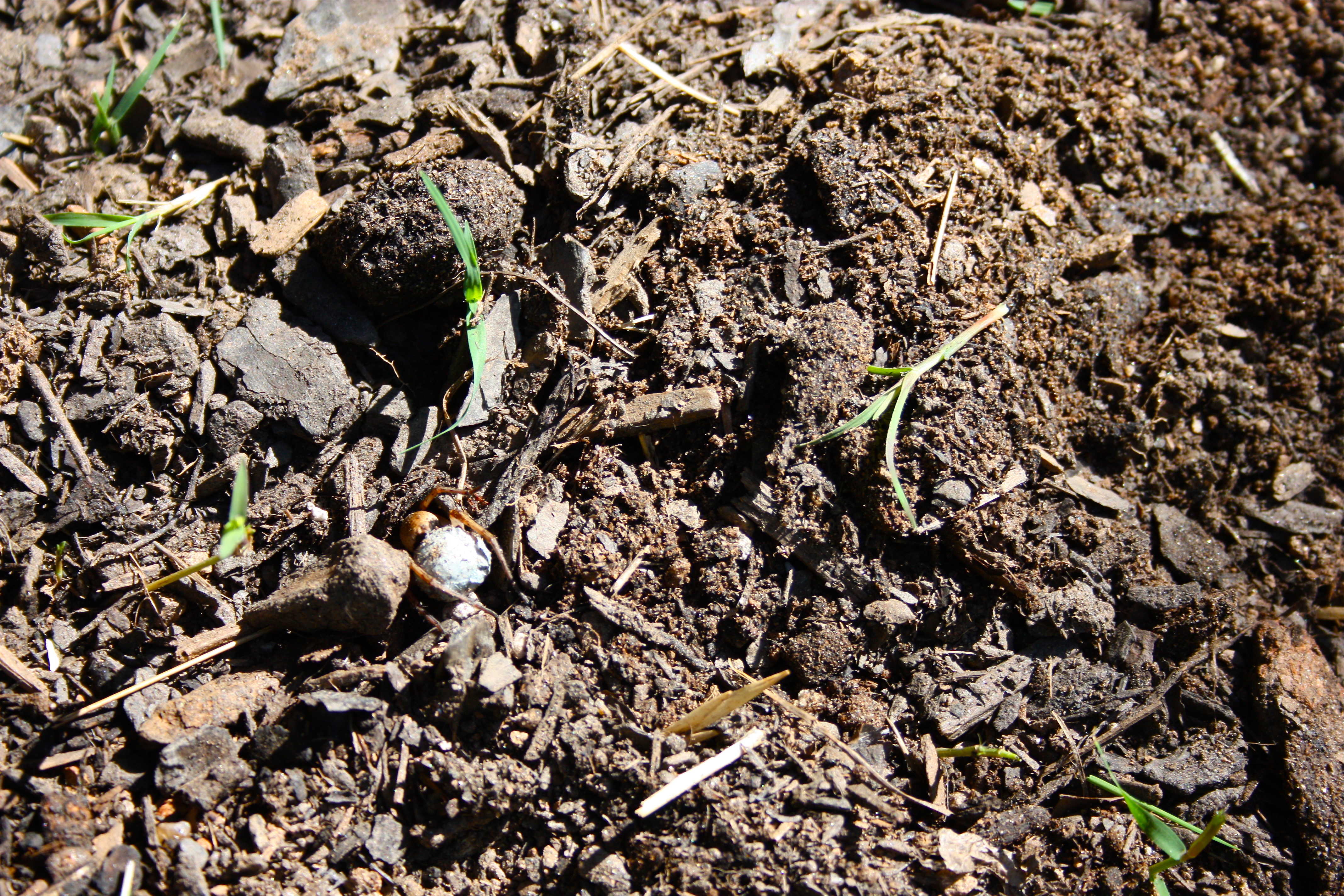
and finally gets to digging.
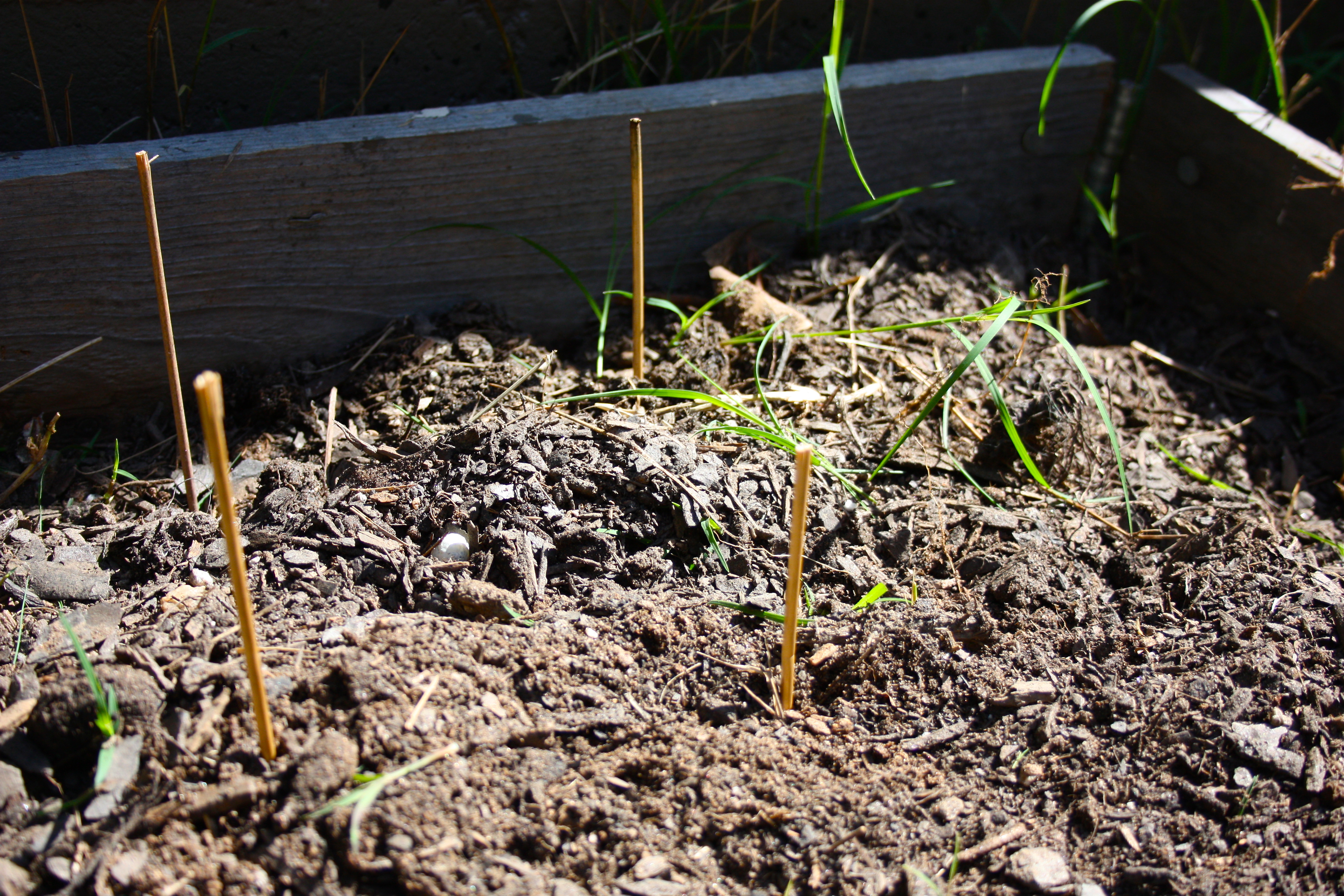
With her precious orb safely buried, she emerges to find four curious sticks poking out of the dirt.

Buying and refrigerating tubs of live ladybugs seems sadistic, especially when they arrive on their own.

This one waits patiently for breakfast aphids on a Thai pepper plant.
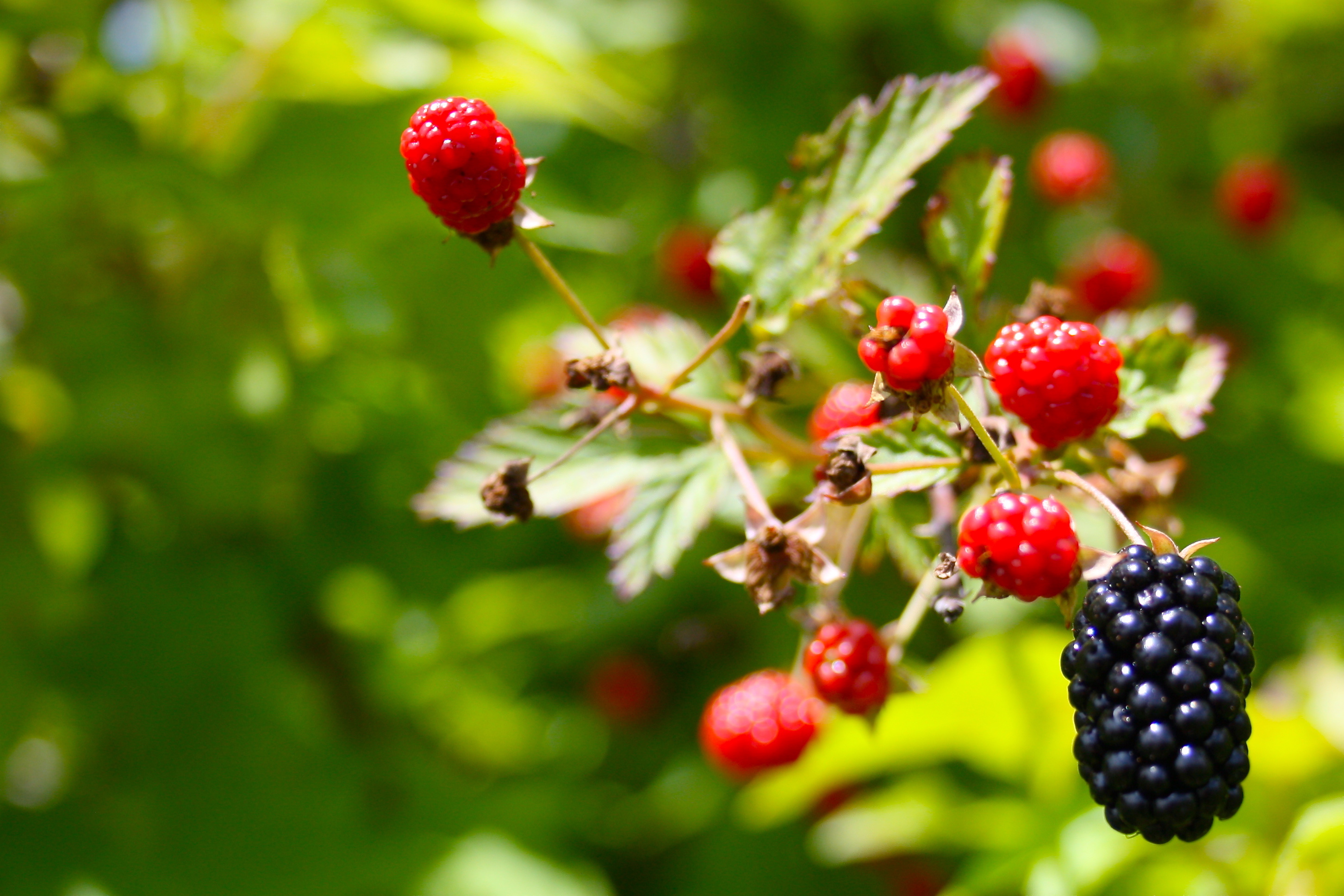
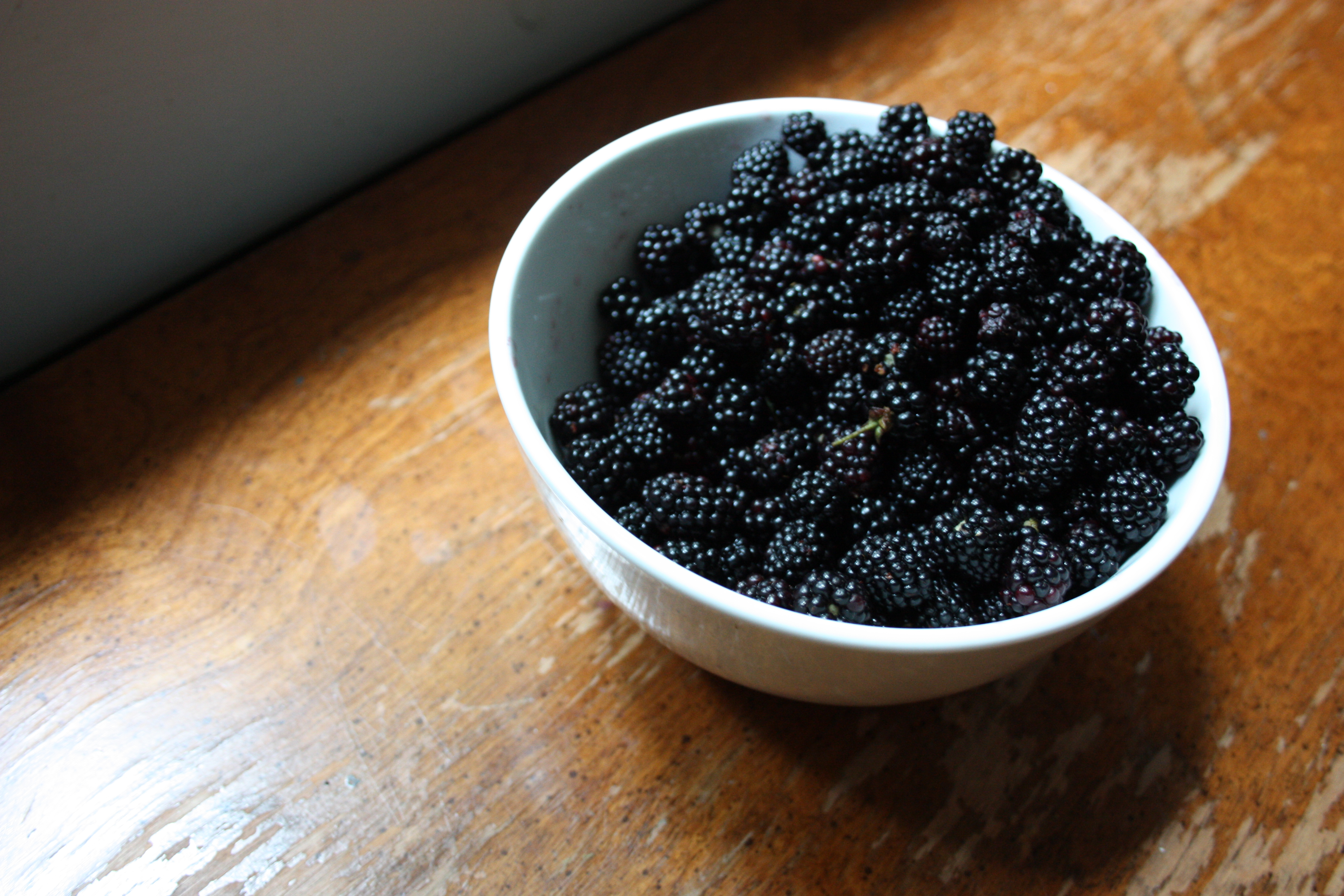
Late Tuesday afternoon, two young rabbits and a mouse joined me along a stretch of dirt road to pick these juicy bites.
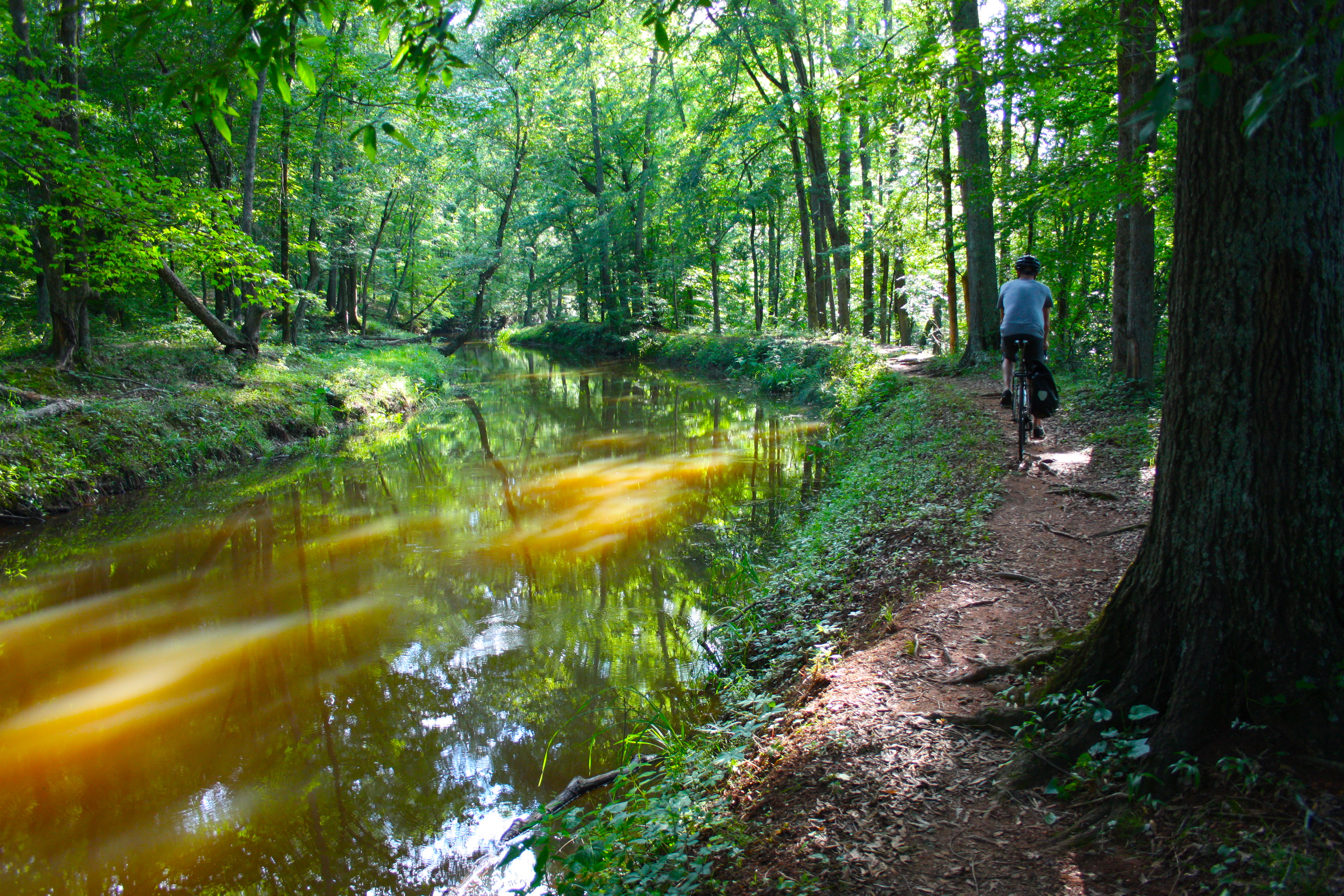
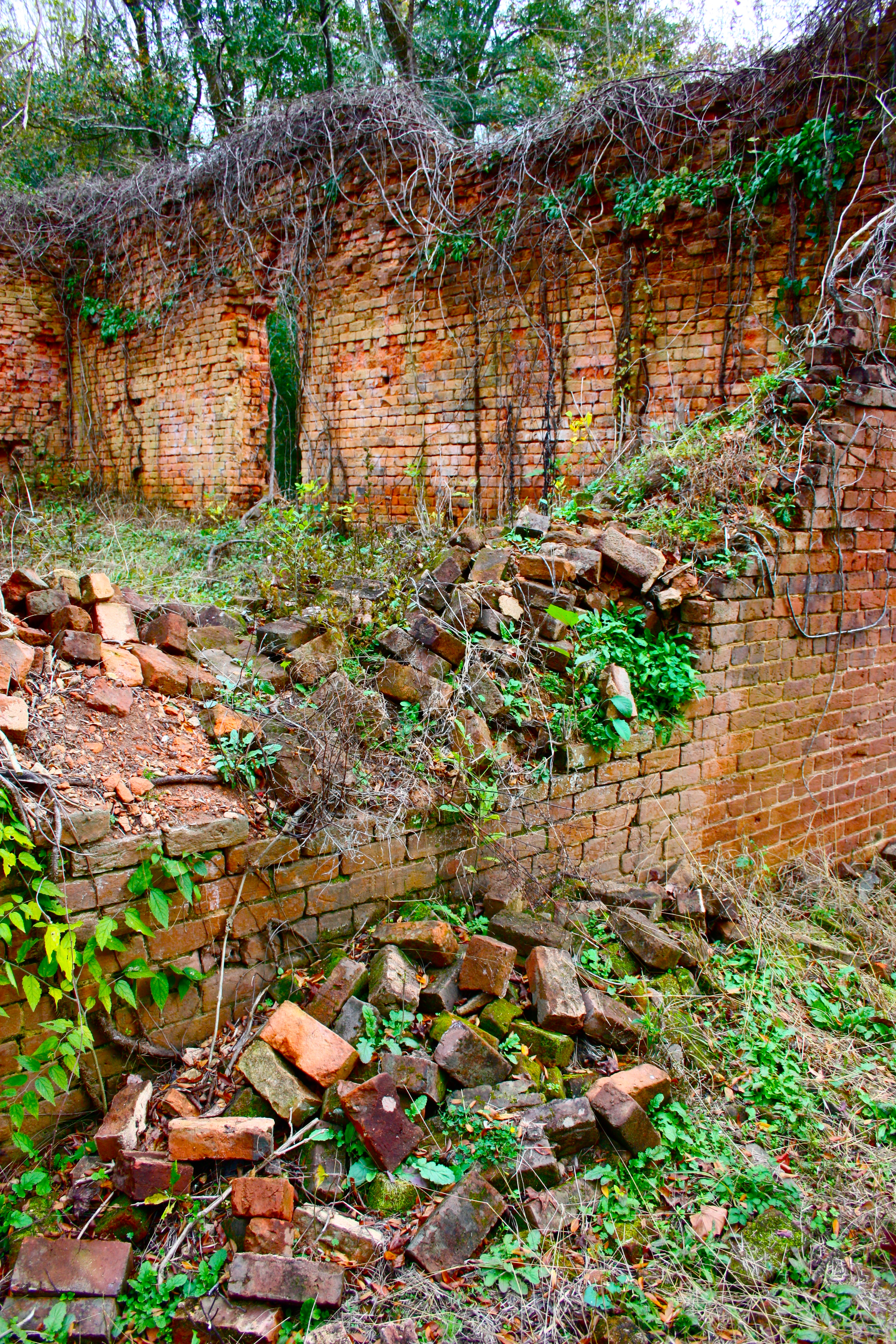
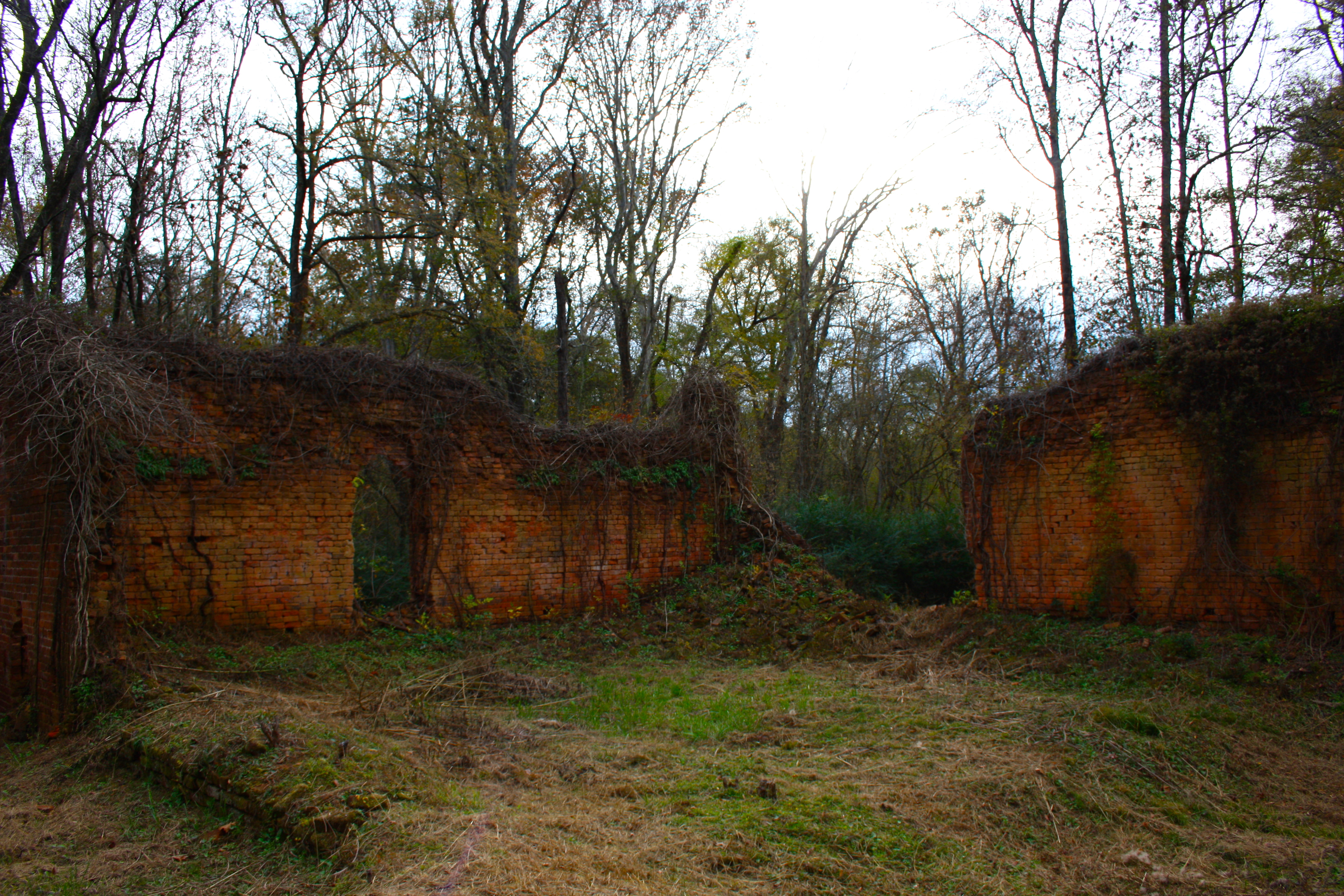
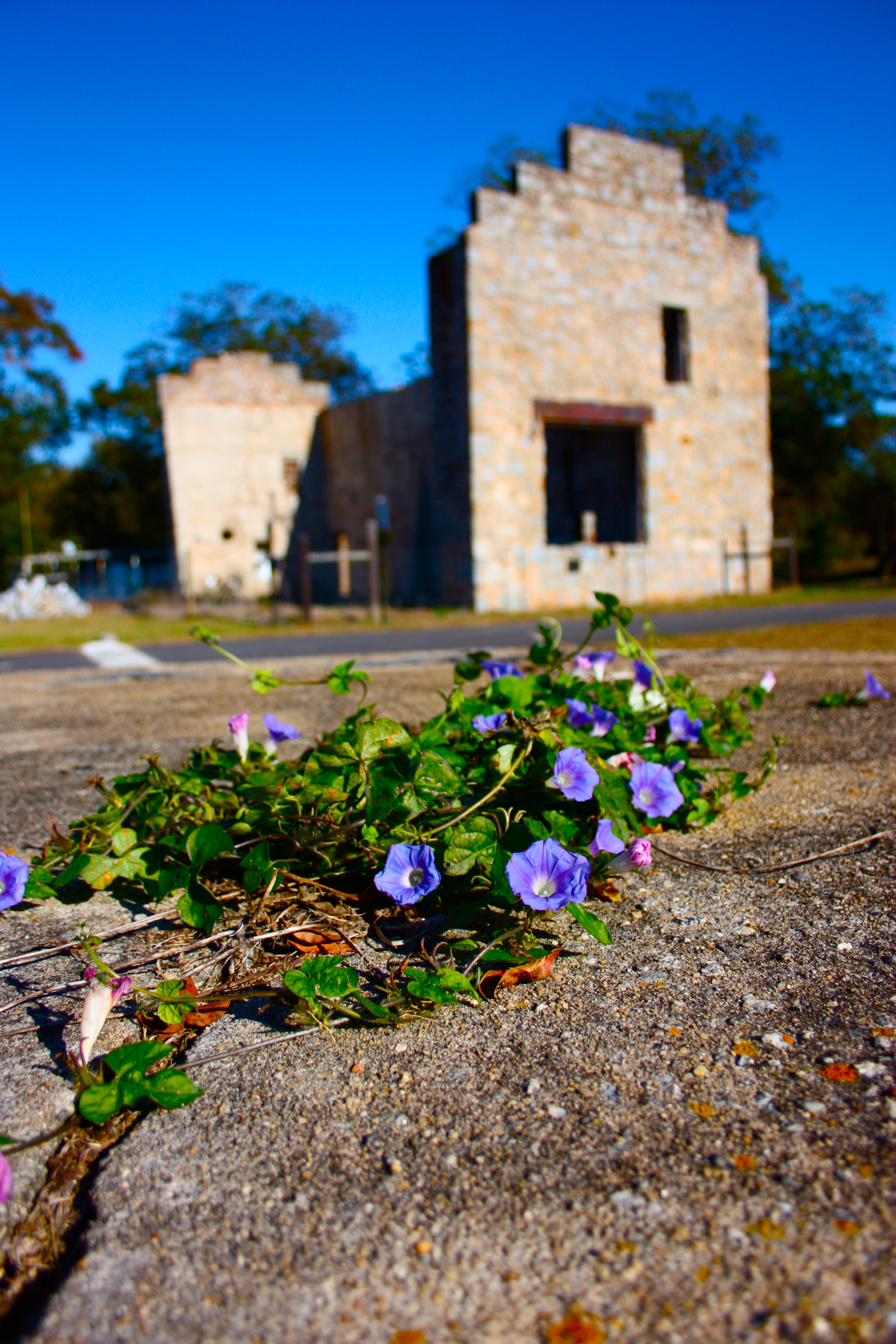
Weekend psychogeography leads to Watson Mill State Park’s Holly Tree Trail, and the ruins of a hydroelectric dam and power house built in 1907.
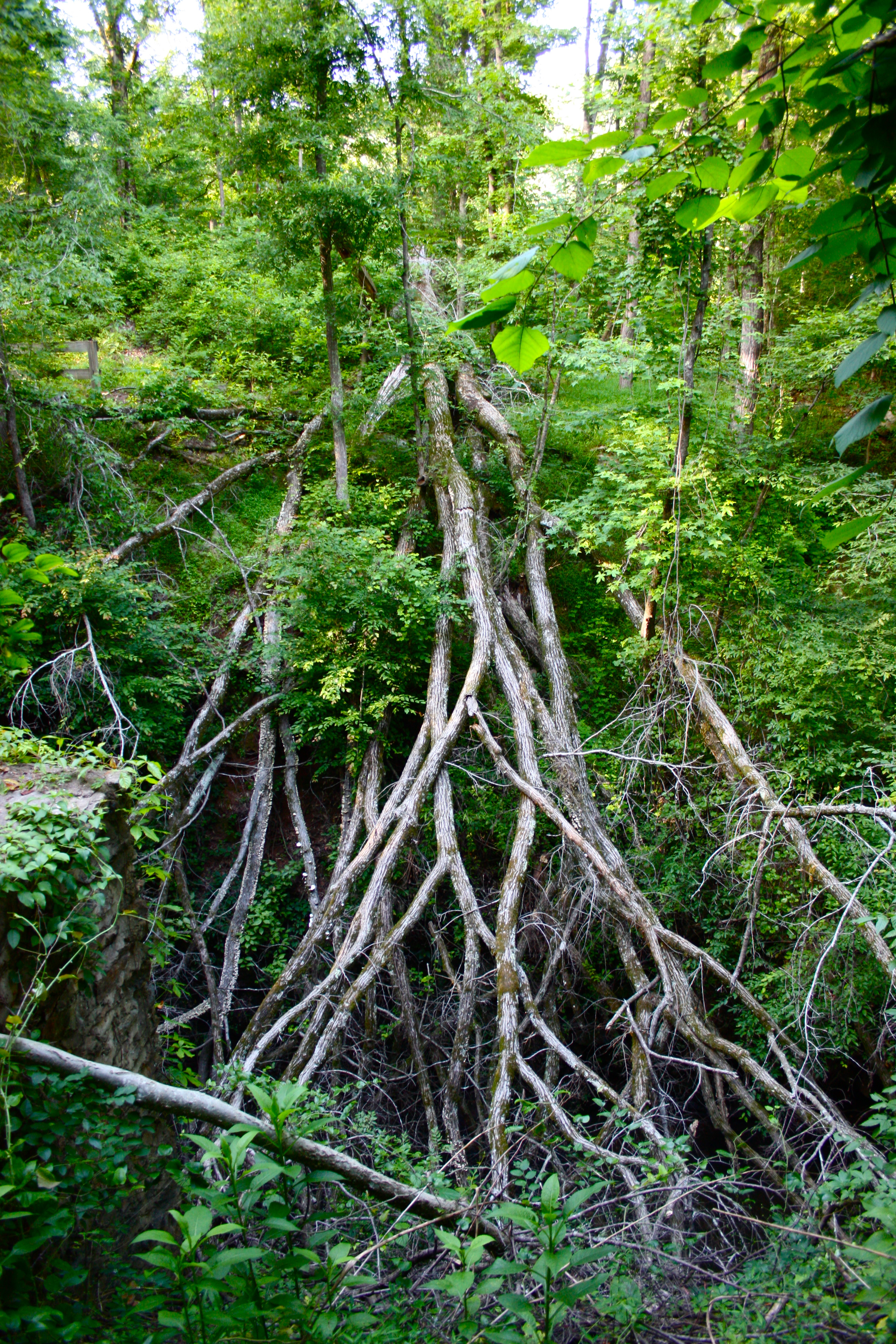
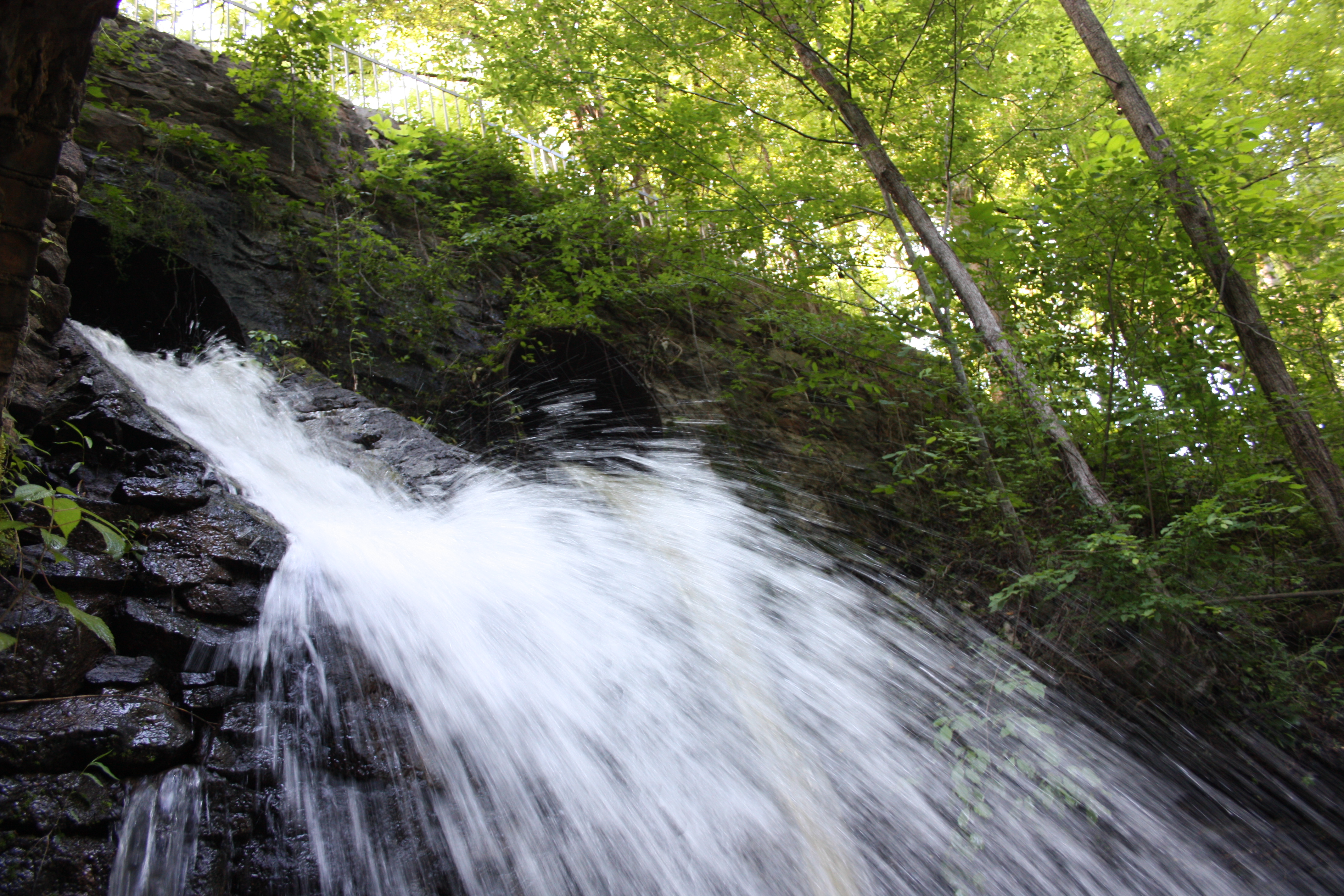


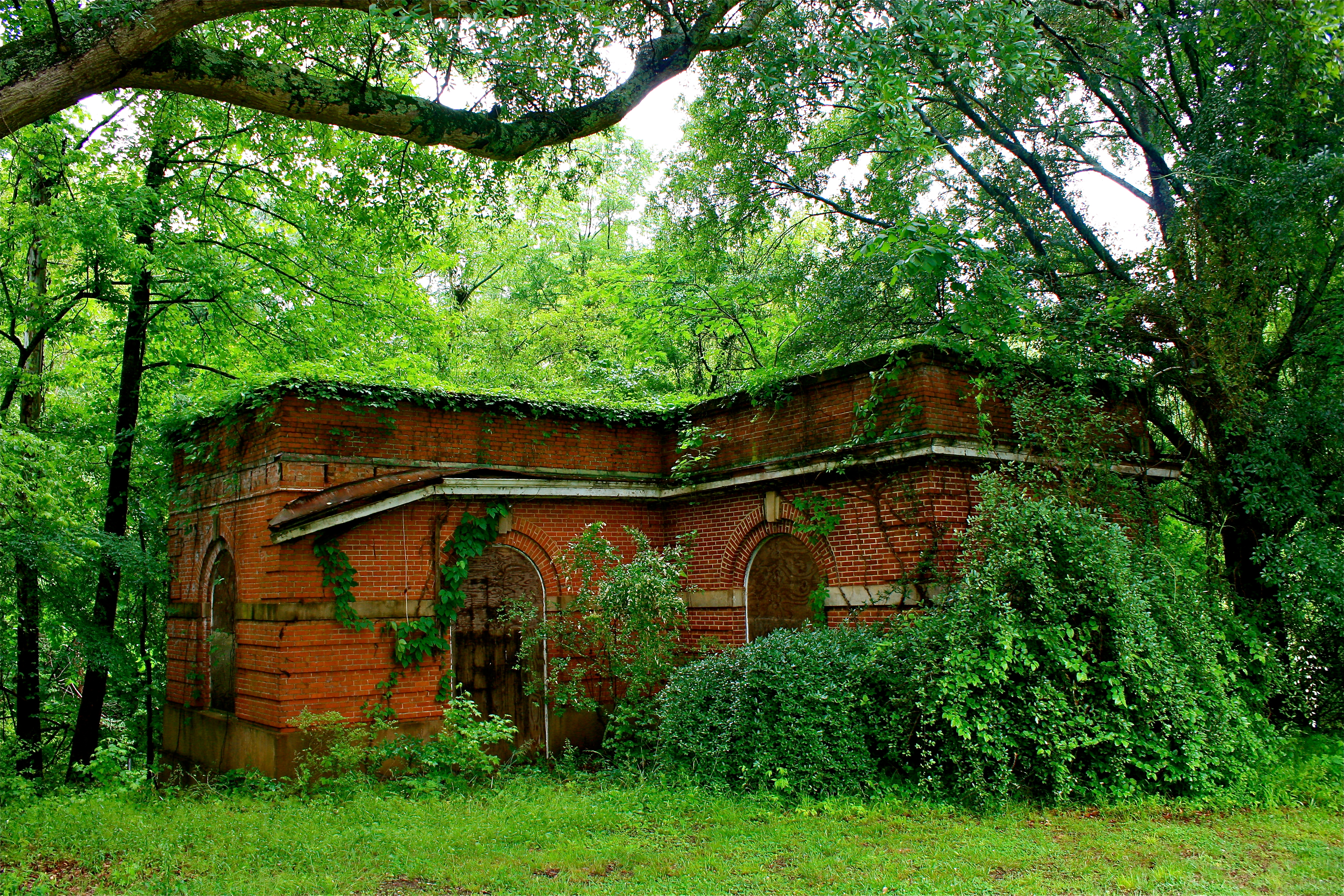


Under glazed hazel, fibrous tissue tugs, fixing eyes to matching four inch screens. Father and son synchronize strides along the cement path. Colorless injection molded earbuds drown cardinal song, eddies whispering rivulet secrets, and eighteen wheelers thumping down the concrete and steel bypass twenty feet above. Stopping, the boy slaps dad on the shoulder, points, then shouts, “Listen!” The irony of exclamation from self-induced deafness is lost when curiosity focuses on two syllables yanking son and father from oblivion for a few minutes.
Listen…
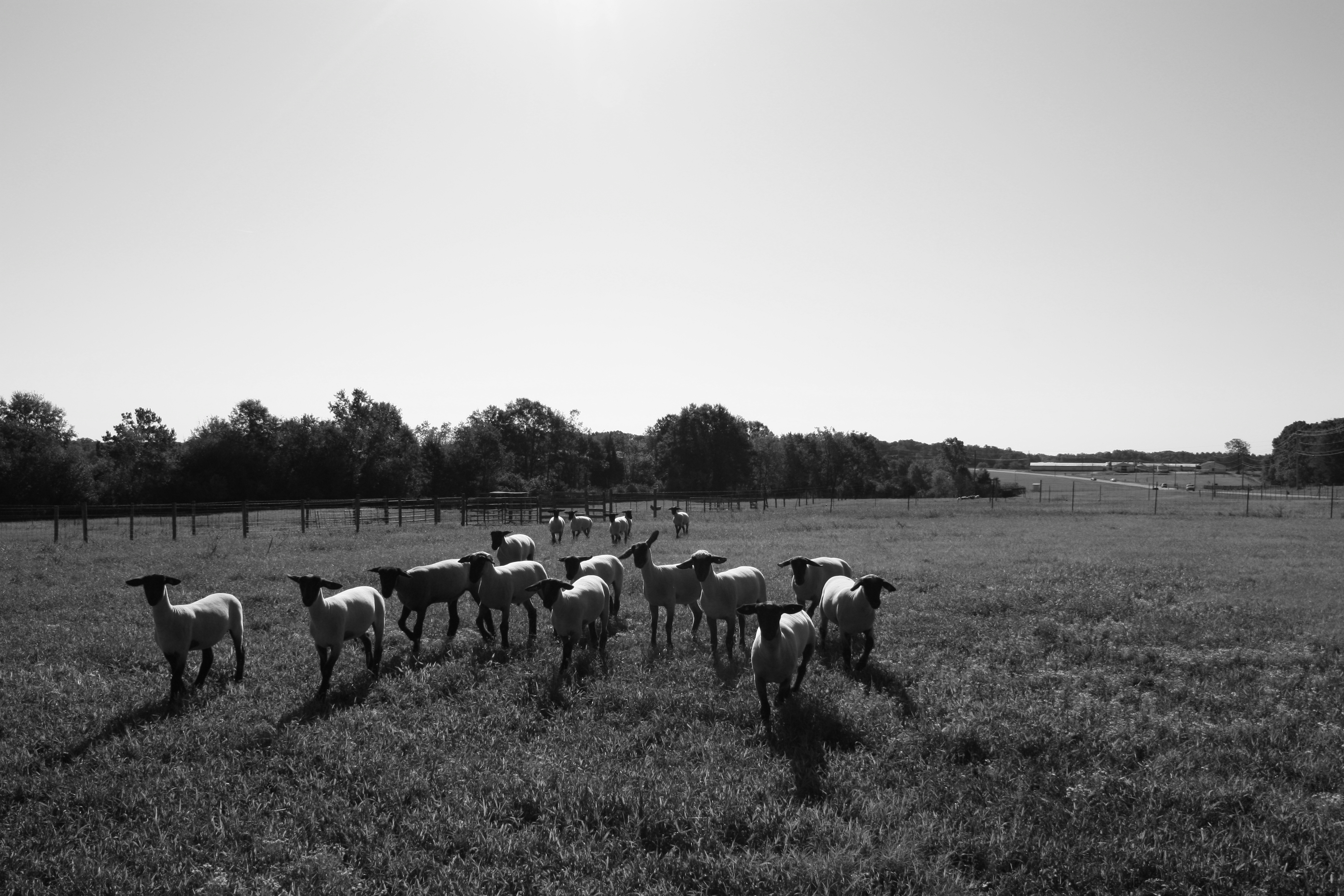
Sheep Haiku, by Martin Espada
A lone sheep cries out:
There are more of us than them!
The flock keeps grazing.
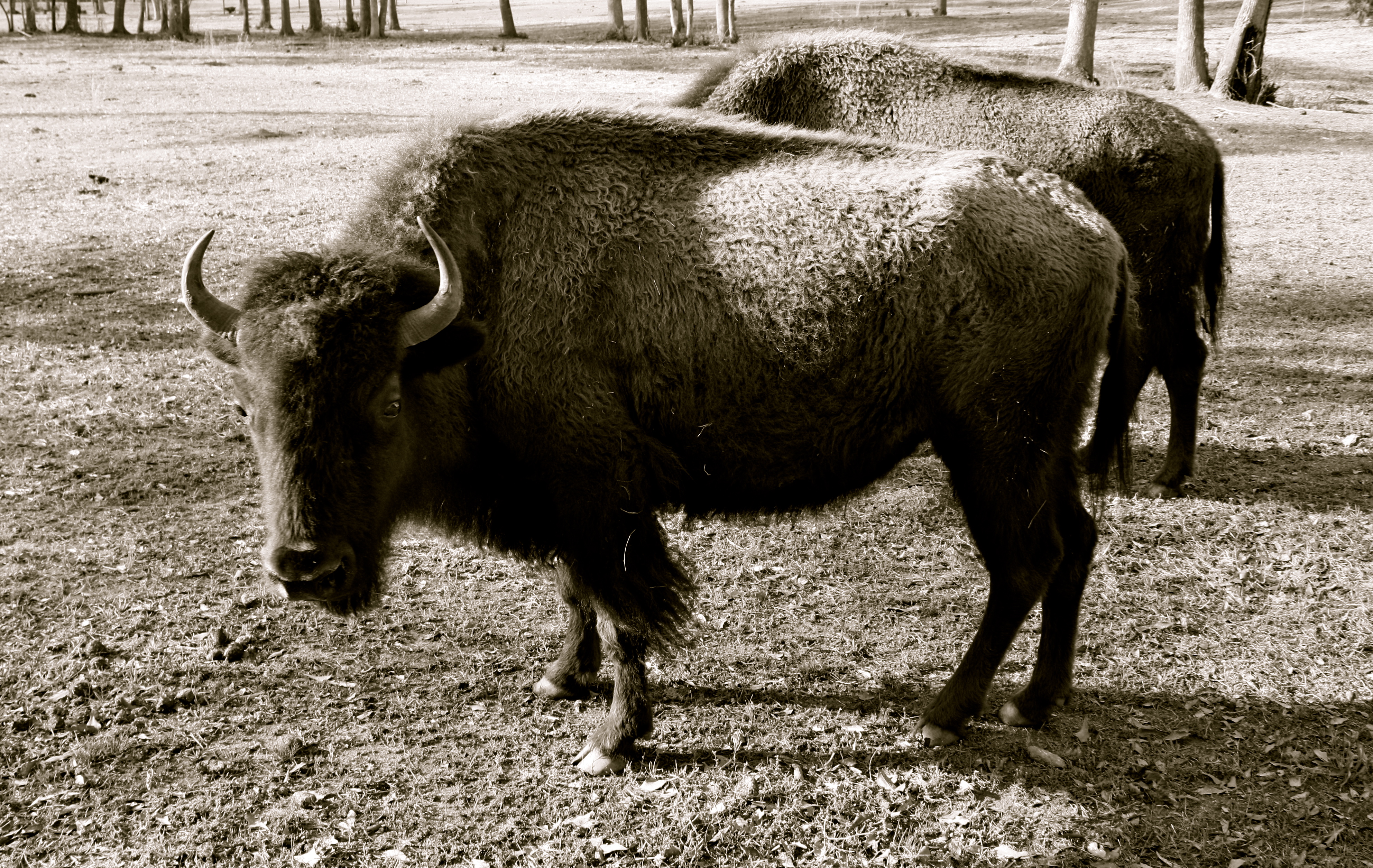
Random horned bovinae and a derelict timber mill are but two curiosities greeting the (intentionally) lost along Madison County’s rural backroads.

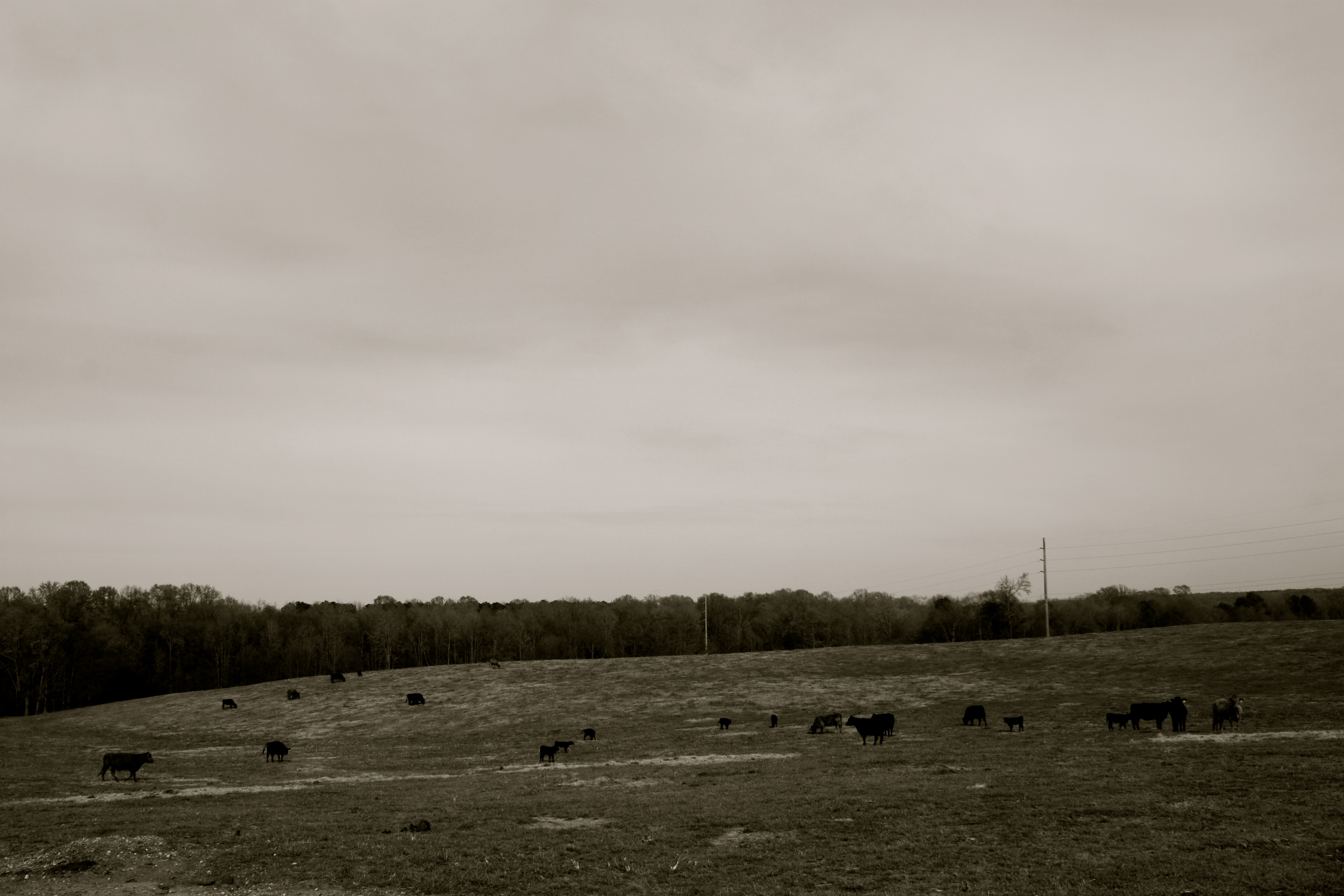
Listen to four minutes, thirty-three seconds:
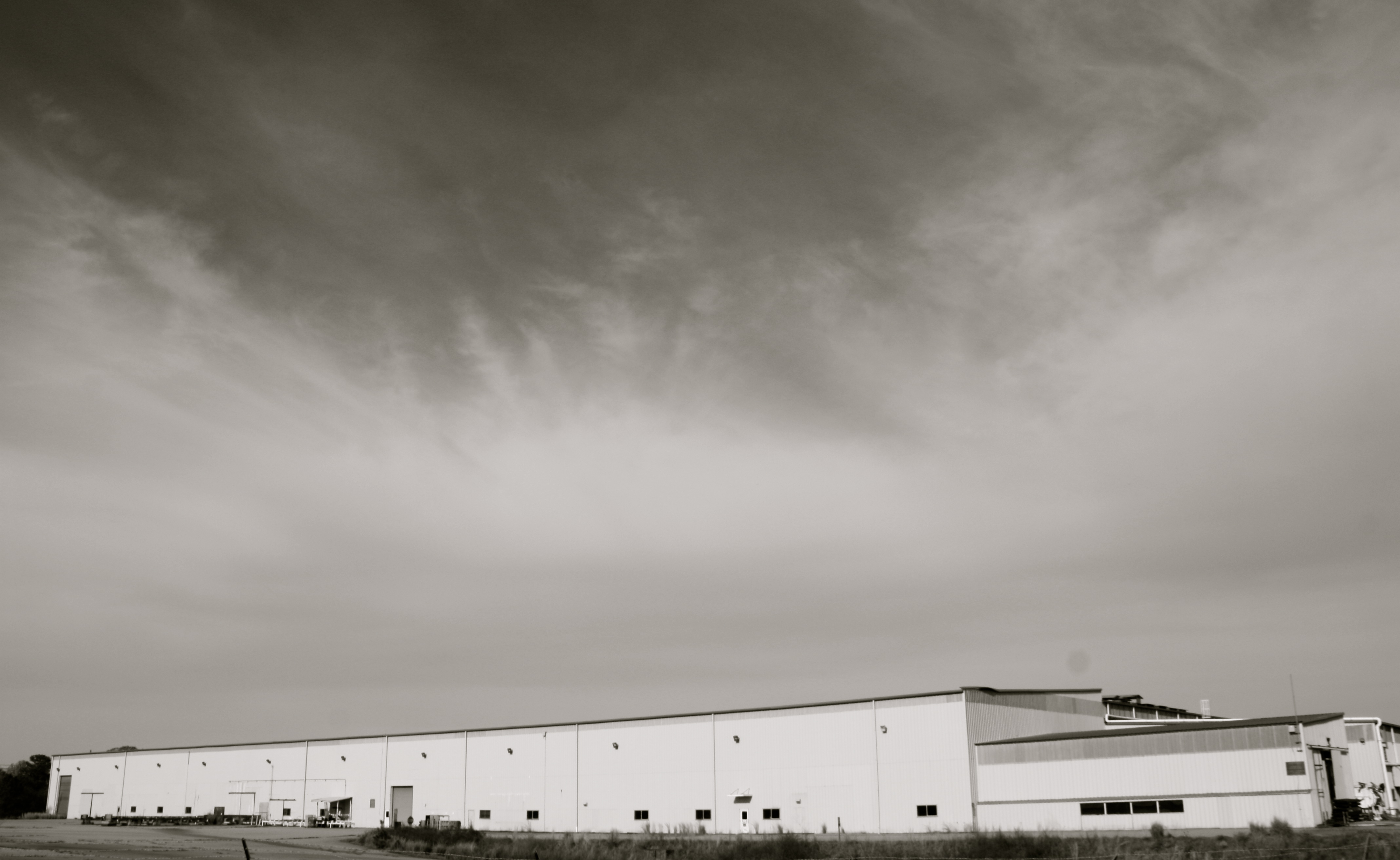
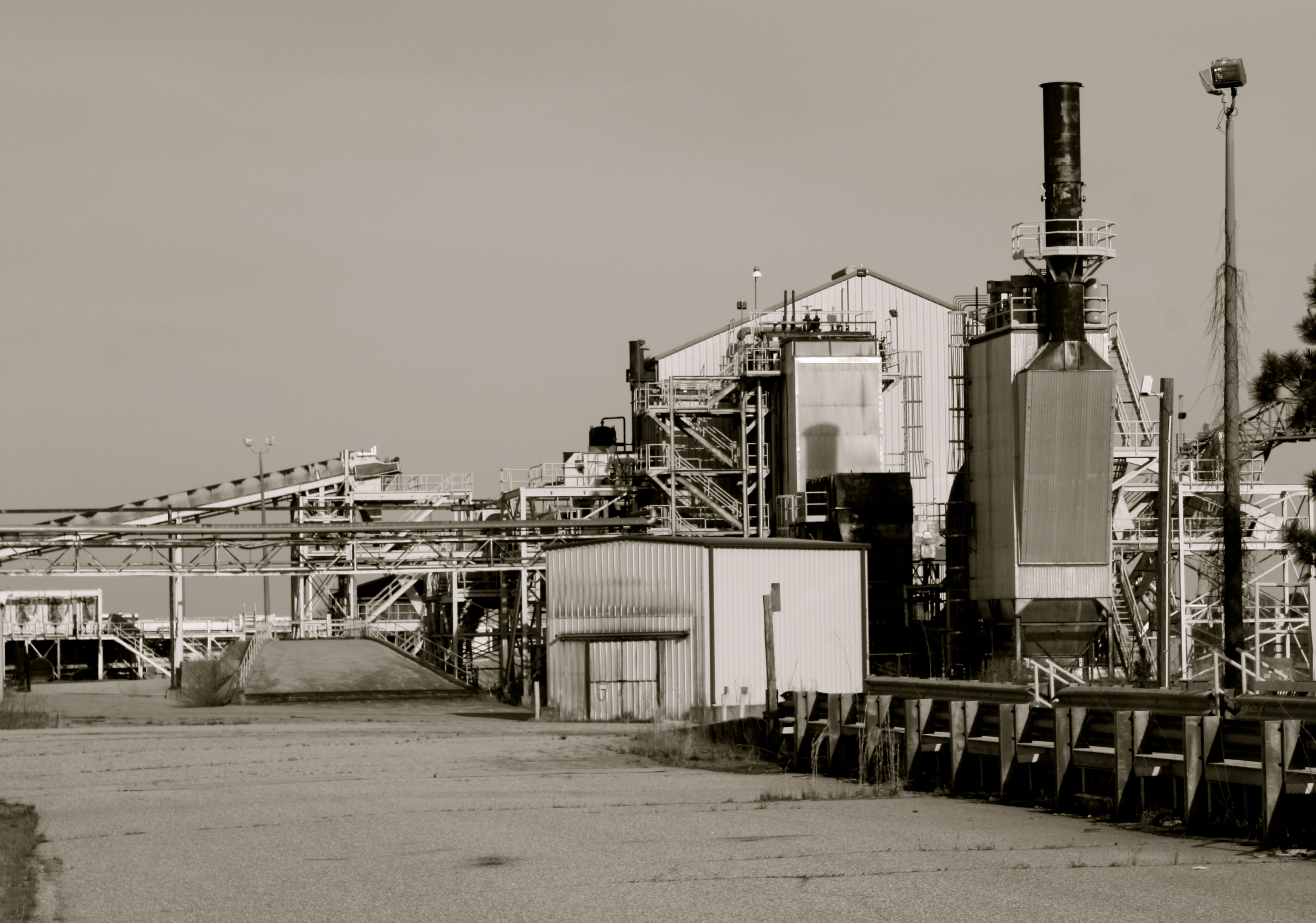
After the crash, Weyerhaeuser closed its Colbert facility. From the 2008 press release:
“Demand for engineered wood products continues to decline due to a slowdown in the housing market. As a result of these challenging market conditions, the Colbert facility will close for an indefinite period of time while we continue to balance supply with demand.”

Let’s hear it for the trees!
 Pedagogy of the Plants