
Click here for a map of the scenic route.

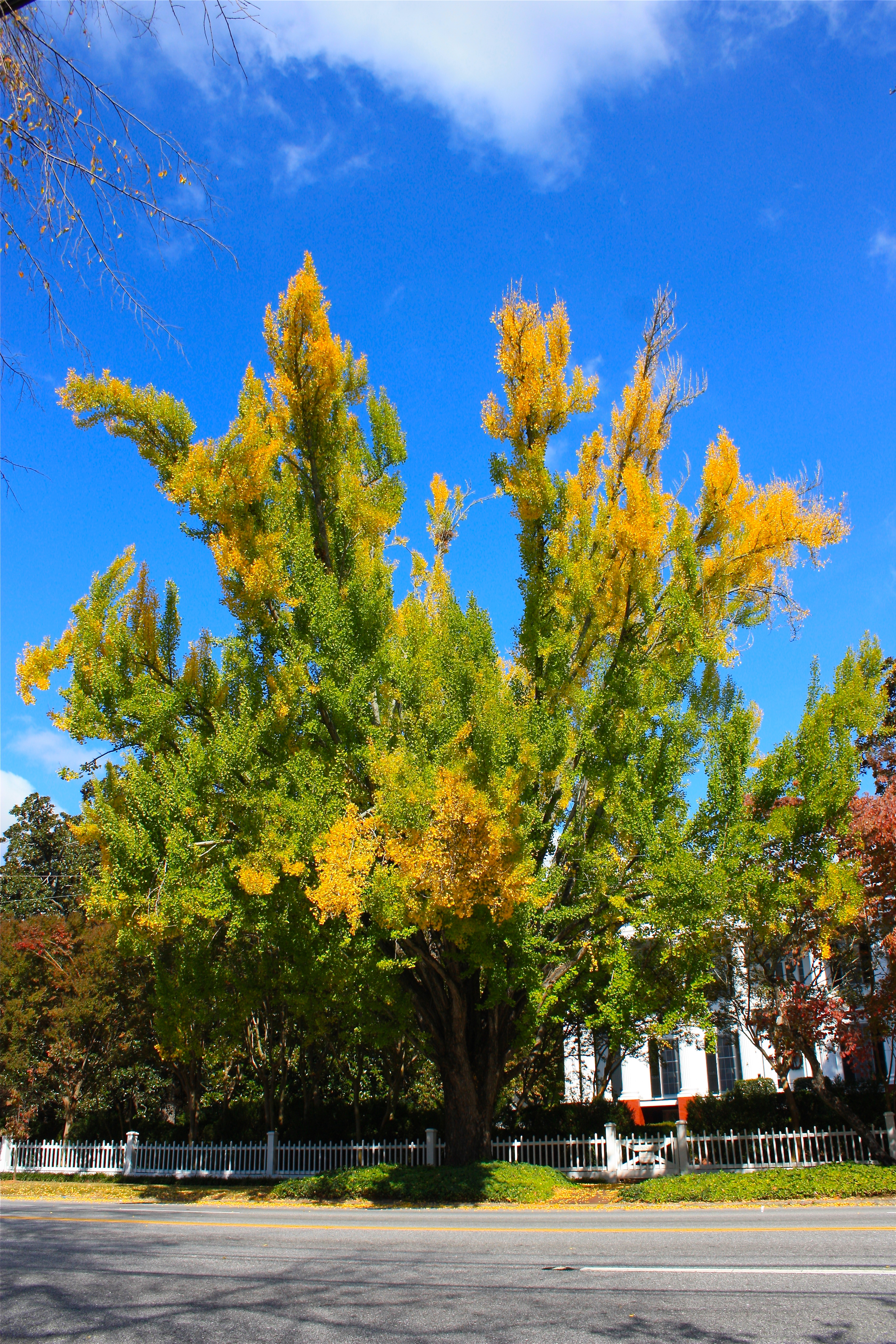
November appears with a lemony stream along this stretch of Prince Avenue.

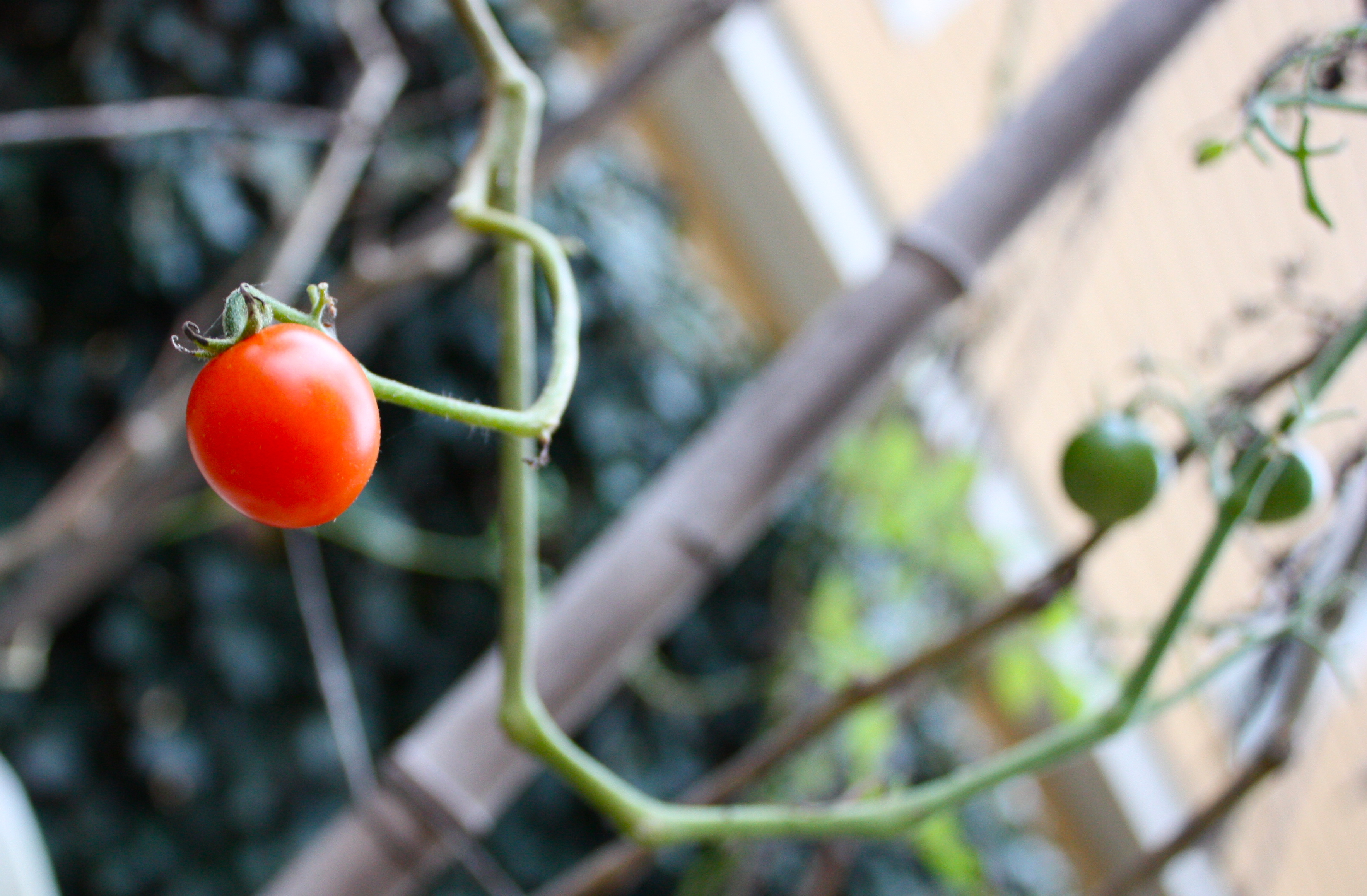
A five minute stroll around veggie beds at school fills a small sack with figs, okra, peppers, and tomatoes. Fruits and vegetables planted by kids just taste better.


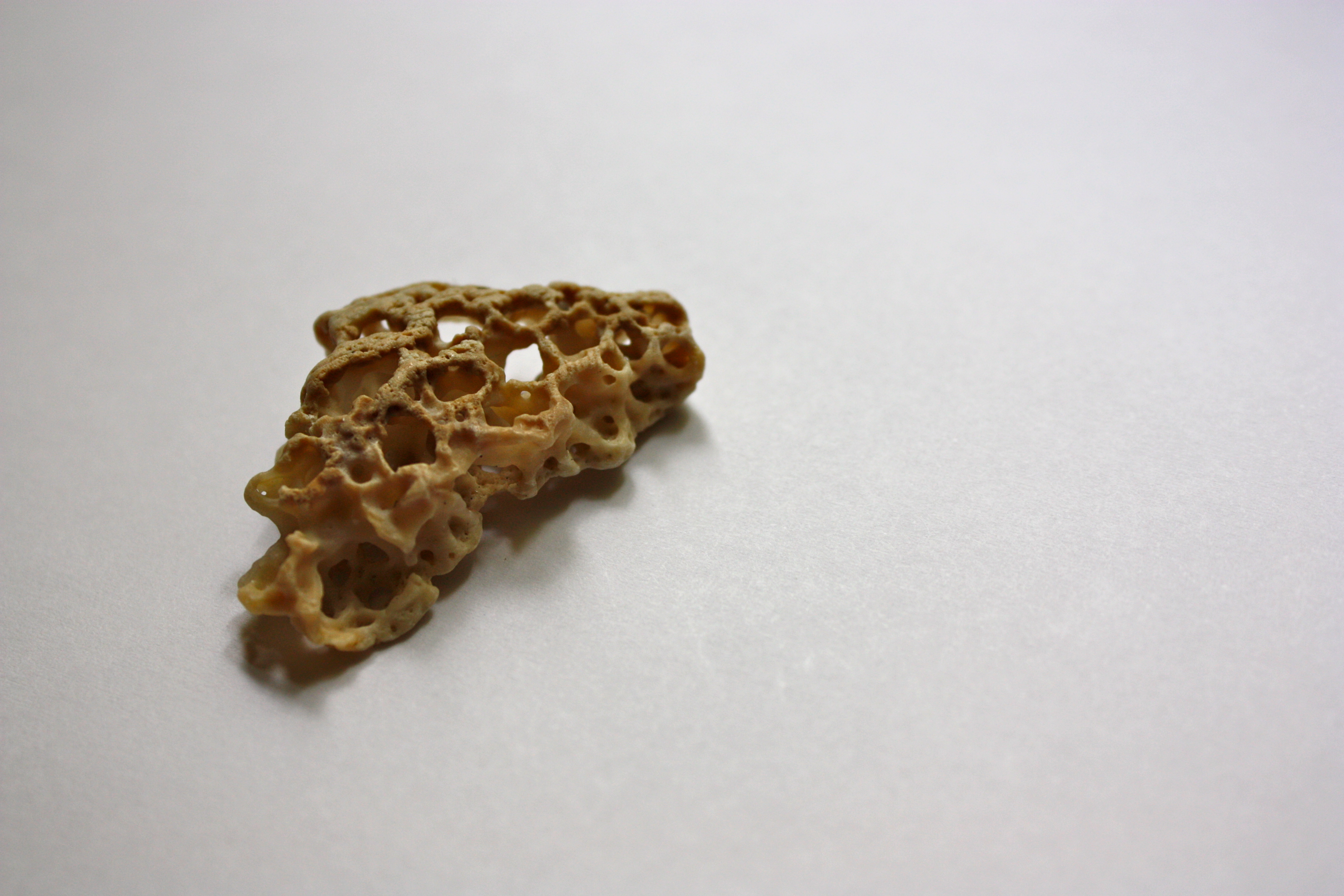


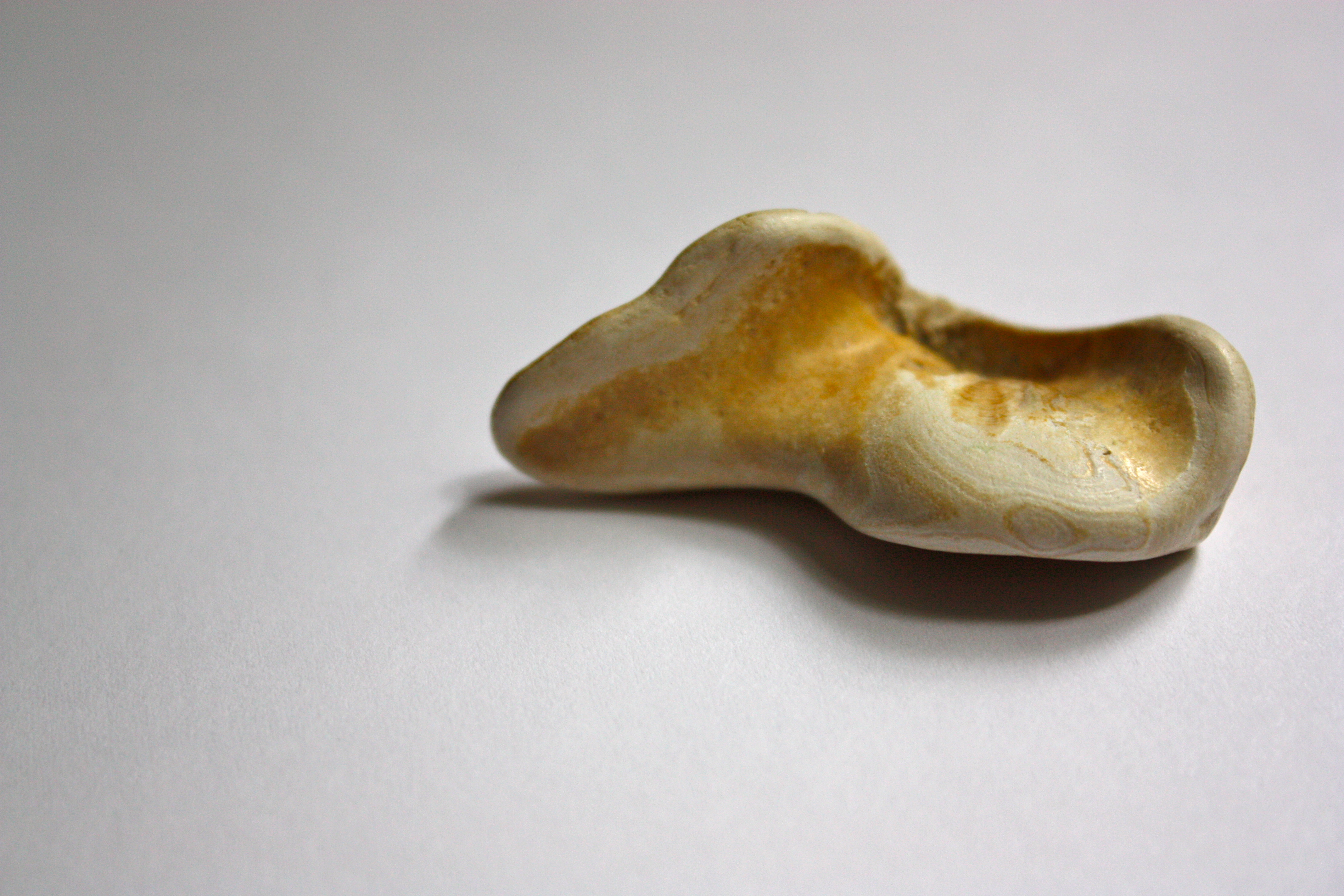
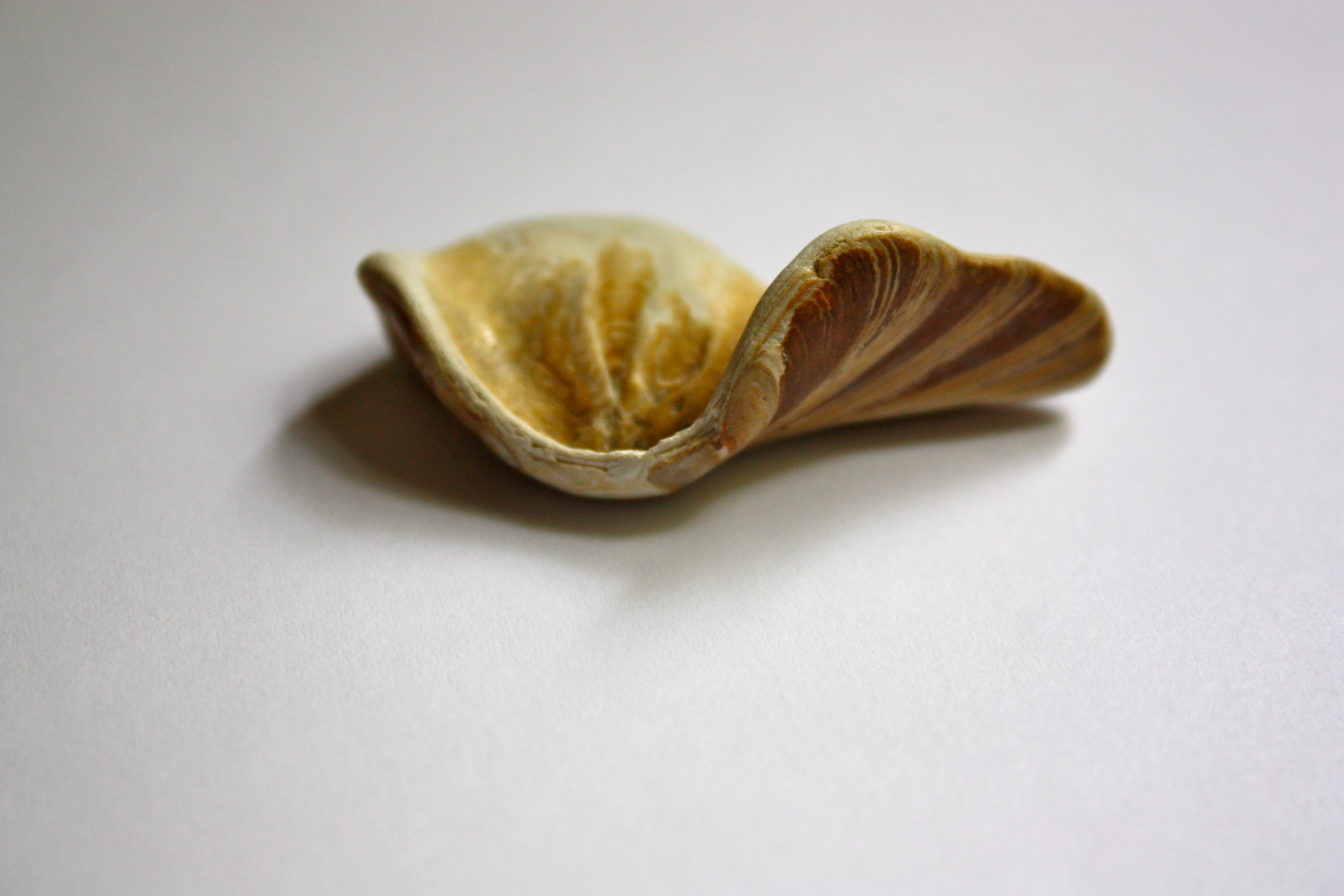
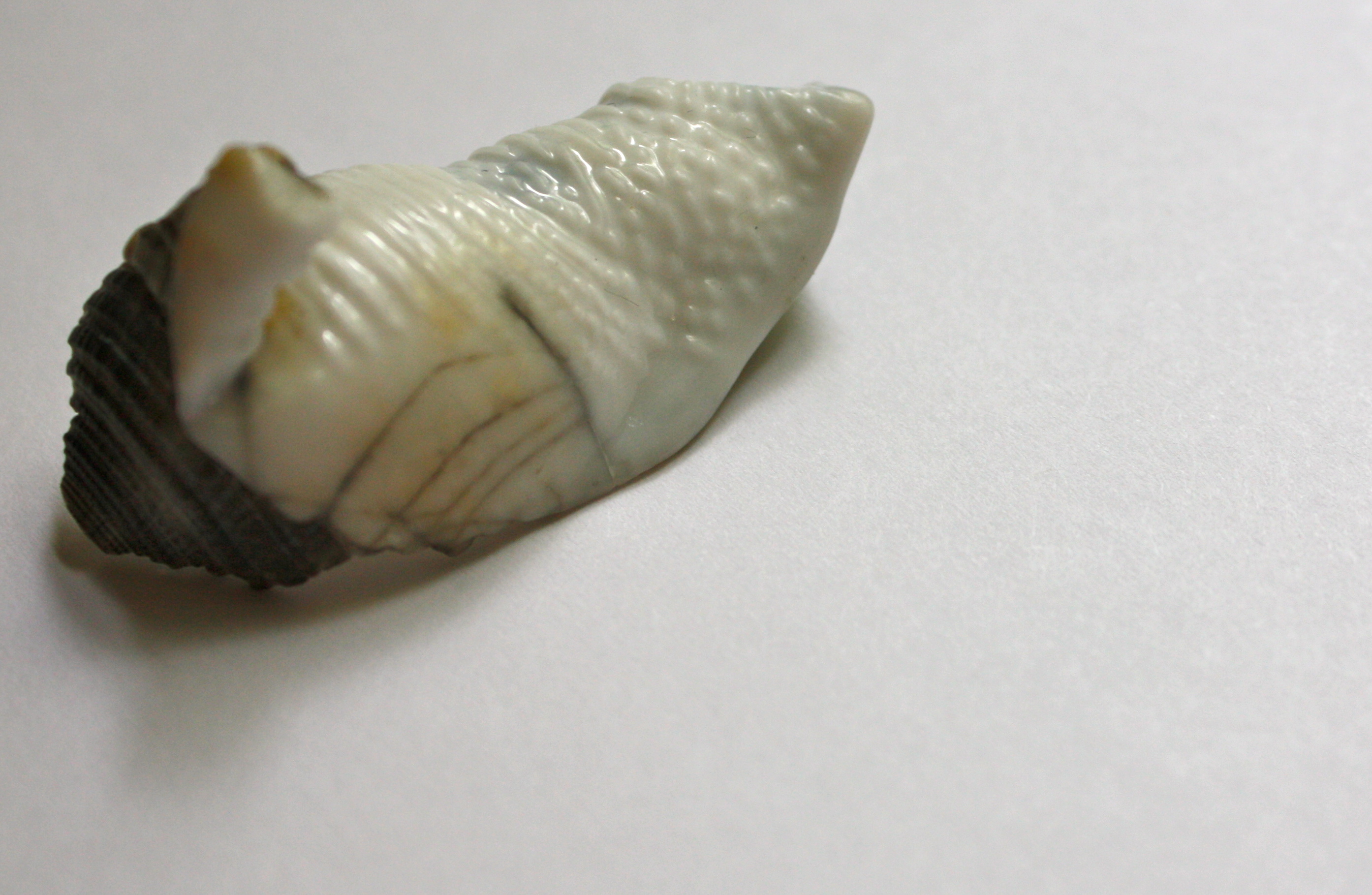


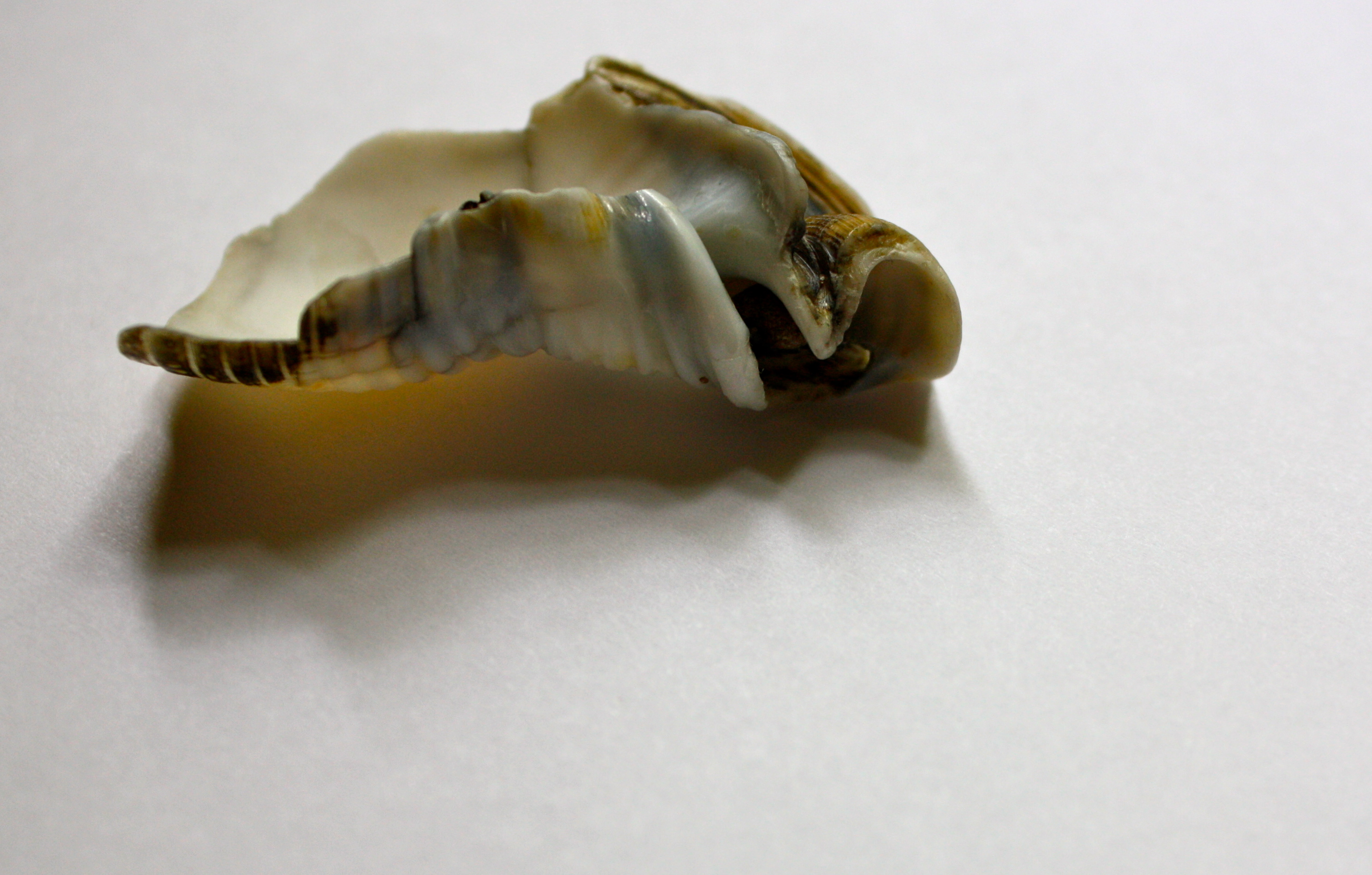
“The first three ingredients of concrete – sand, ocean creatures, and water – create the solidity of pipes and pilings and sidewalks and walls. Reinforced with rebar, pressed between bricks, the concrete hardens, but only with time, which is the fourth ingredient of concrete.”
-Kathleen Dean Moore

David Sobel’s books Beyond Ecophobia: Reclaiming the Heart in Nature Education, Mapmaking With Children, and Place-Based Education: Connecting Classrooms and Communities, were three of the most influential, nonrequired readings while slogging through tired ed courses. Now once in awhile, similar literature surfaces as a healthy reminder to allow and urge spontaneous natural wonder and play.
Look, Don’t Touch, in the July/August edition of Orion Magazine, is Sobel’s comprehensive critique of environmental education pitfalls prevalent among well-intended households, classrooms, and camps. He quotes “untutored savage” naturalist superheroes John Muir and E.O. Wilson, discussing unscripted, unsupervised childhood adventures, juxtaposed with ubiquitous rules within current environmental education programs and summer camps restricting kids to designated trails, PowerPoint introductions, and policies forbidding fort building and tree climbing in the name of conservation.
Muir remembers, “One late afternoon I brought home a coachwhip snake nearly as long as I was tall and walked into the house with it wrapped around my neck.” While living in rural Ponchatoula, Louisiana, I had a similar experience at age eight. Biking home for lunch from morning adventures in pinewoods that go on forever (dressed in a black ninja outfit), mom shrieked as I appeared in the kitchen with a pair of matching lime green anoles dangling from my earlobes.
A child discovers a way to capture a huge, black snake, or that some lizards won’t let go. It’s this sort of experiential outdoor play that develops into lifelong respect for, and connection to, a world from which far too many children are estranged.
Read more…
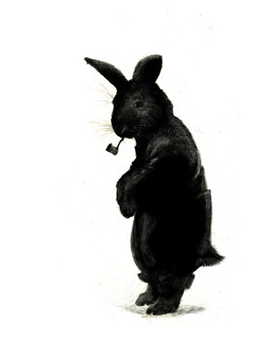
General Orders No. 9 is a title as peculiar as the smoking rabbit staring back from the top shelf of new releases at Vision Video. The lone copy has neither synopsis, nor cast list. One of three young clerks says he’s seen it, and recommends watching under the influence of cough syrup. Below the kid’s ironic Dali ‘stache comes a vague description, “…really, really, really long shots of a river, and some kind of an environmental message.” He doesn’t have to say another word.
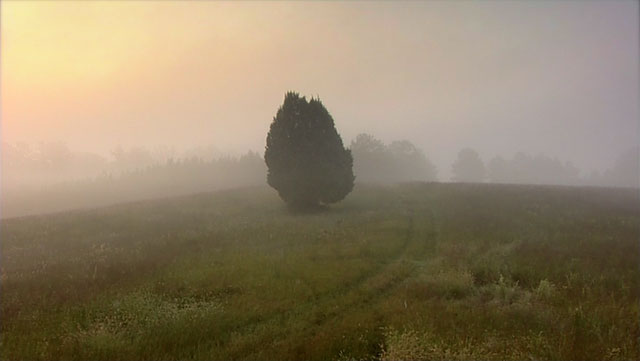
In a 2011 interview with Filmmaker Magazine, Robert Pearsons succinctly describes the award-winning General Orders No. 9 as “a balance of visuals, voice and music.” The Middle Georgia native never went to film school, and his haunting debut was 11 years in the making.

According to the film’s website, it’s “an experimental documentary that contemplates the signs of loss and change in the American South as potent metaphors of personal and collective destiny.”

Metaphysical cartography inspired by mappae mundi mixes with juxtaposed shots of urban blight and bucolic rural landscapes, inciting difficult questions, while roads and highways sweep over land like a cancer.

Pearson’s influences include, among others, the writings of William Bartram, and storied film directors Herzog, Tarkovsky, and David Lynch. William Davidson’s soft-spoken narration in a deep drawl morphs from historical accounts of early colonization over animated county maps, to trance-like ruminations on human dominion over the natural world. View the official trailer here.
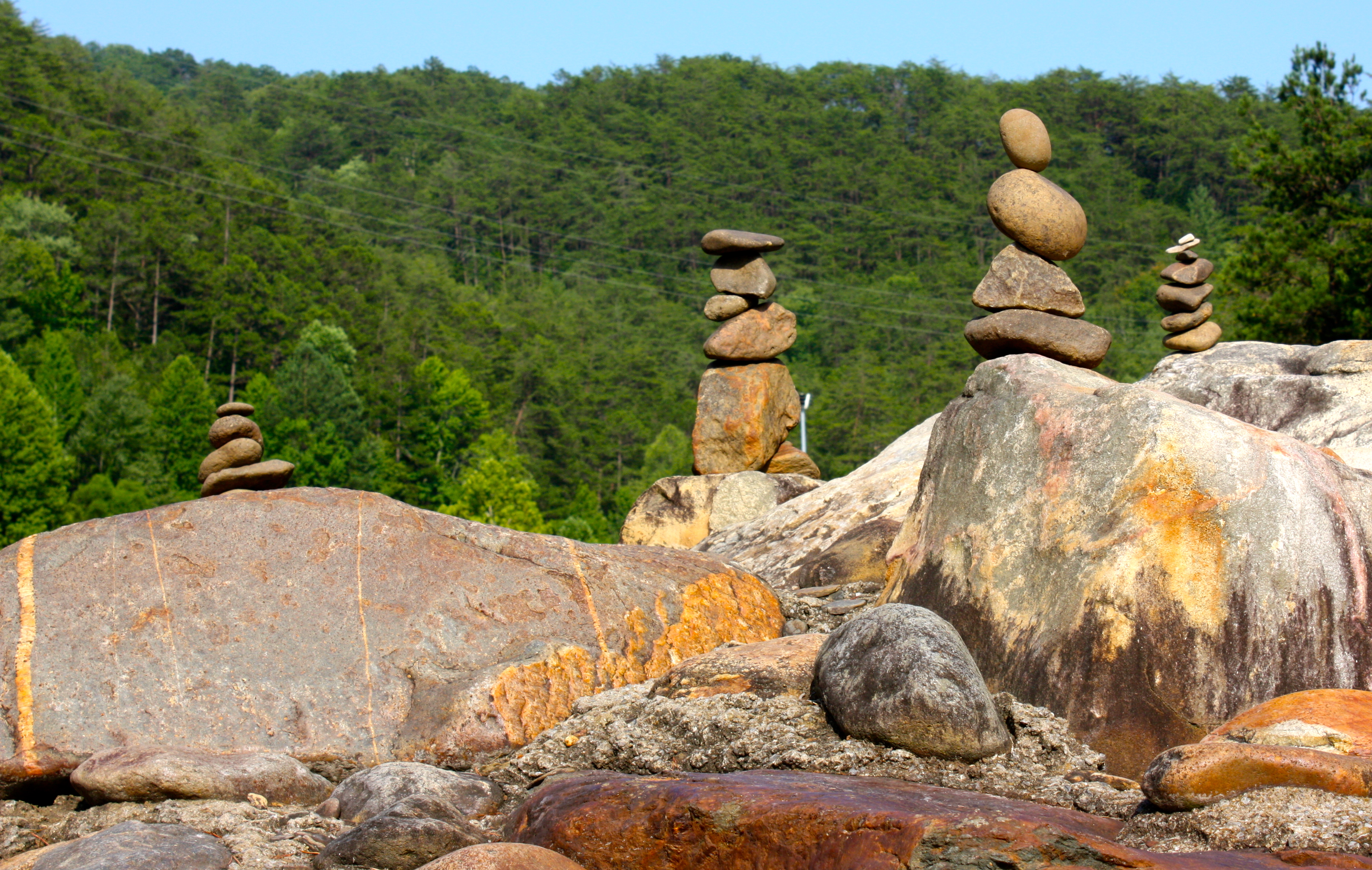
Around 3:30, the Ocoee recedes over the course of a couple hours as the Tennessee Valley Authority’s dam no. 3 diverts millions of gallons of water from a four mile stretch engineered in 1996 for “the world’s first Olympic whitewater event on a natural river” (USDA Forest Service). This isn’t what they had in mind.


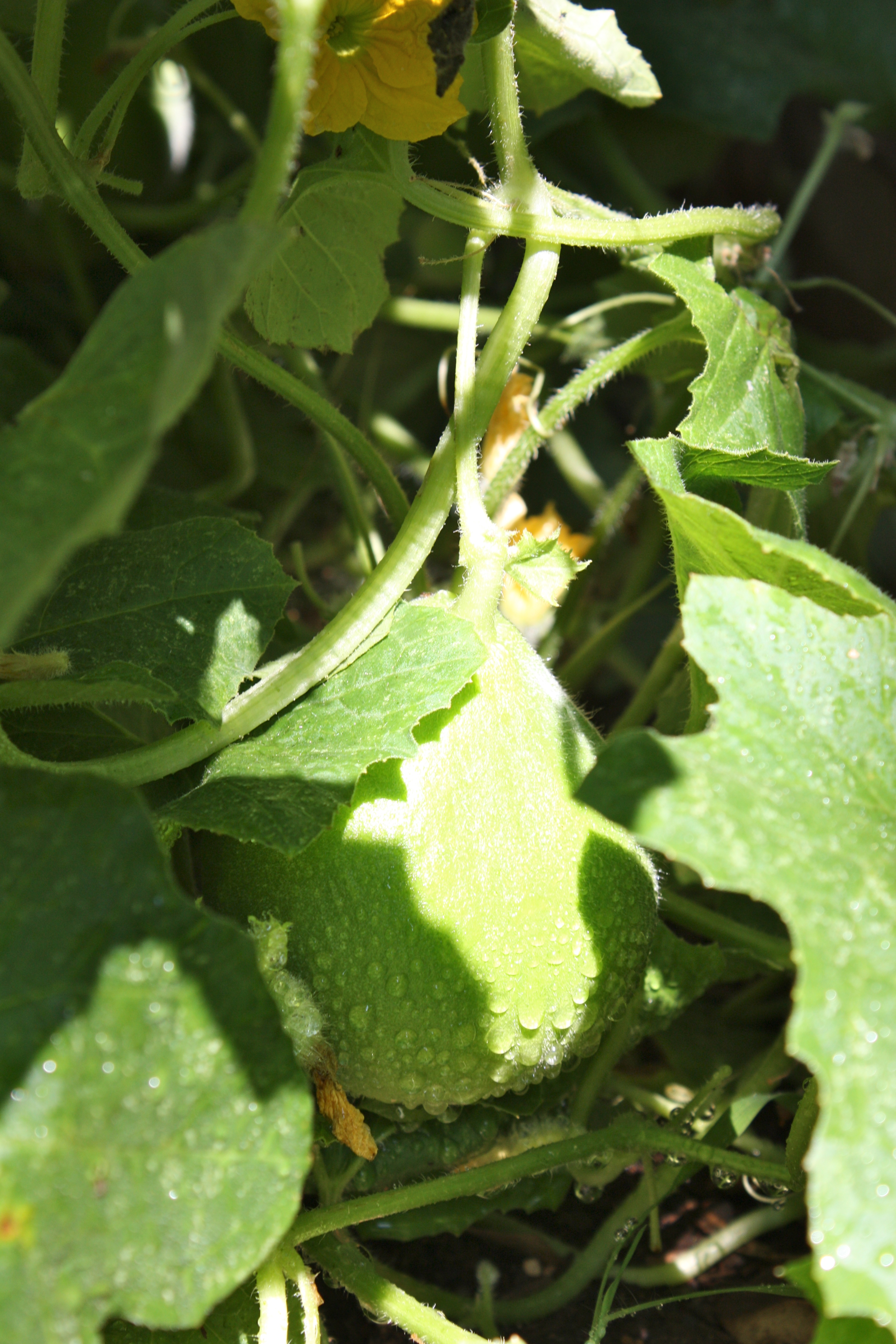
Last year’s melons were suspended in the air, each wrapped in pantyhose hammocks hung from the bamboo trellis. This year, they’ll stay on the ground, slightly elevated on improvised hosiery trampolines.

Six wicker baskets cost a dollar at the Habitat Re-Store down the street, and the queen size hose are less than two bucks. Family Dollar didn’t have large sizes, but the lady was kind enough to pull a pair out to get a better idea of how to stretch them, then she recommended the beauty supply place (Joy Joy) around the corner.

First, cut the feet.
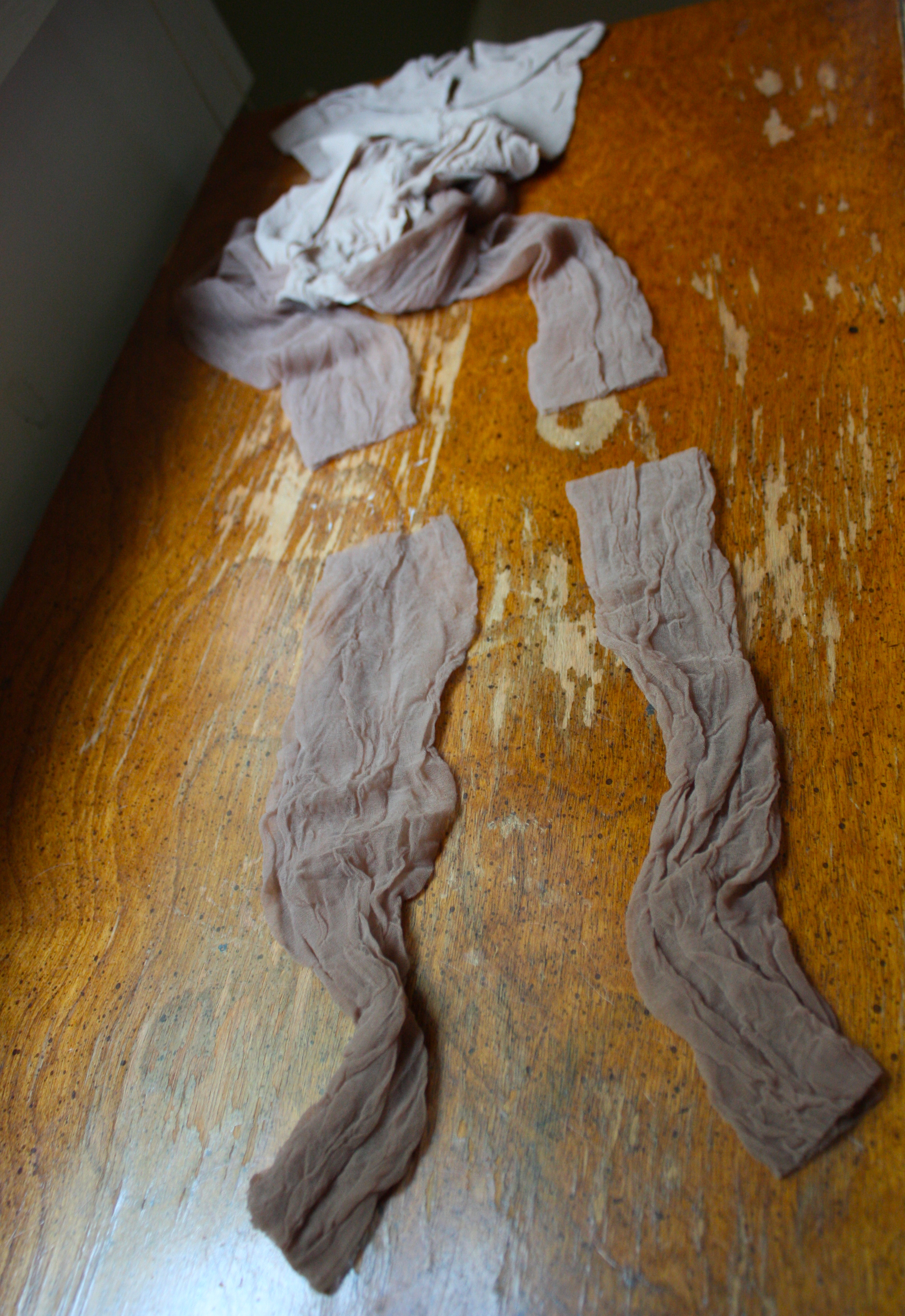
Next, cut lengths that’ll suit the basket’s diameter.
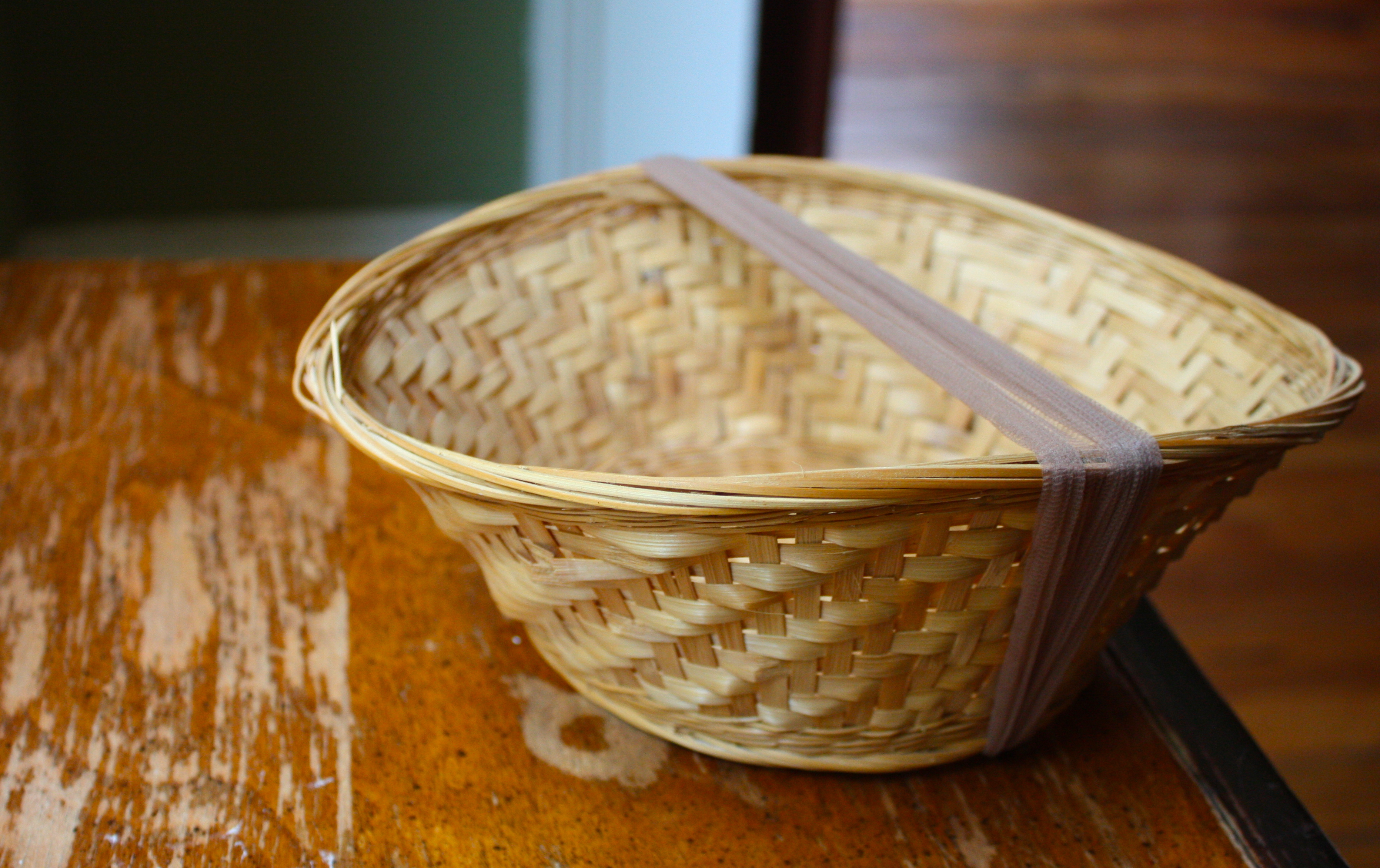
Pull the length of hosiery around as shown.
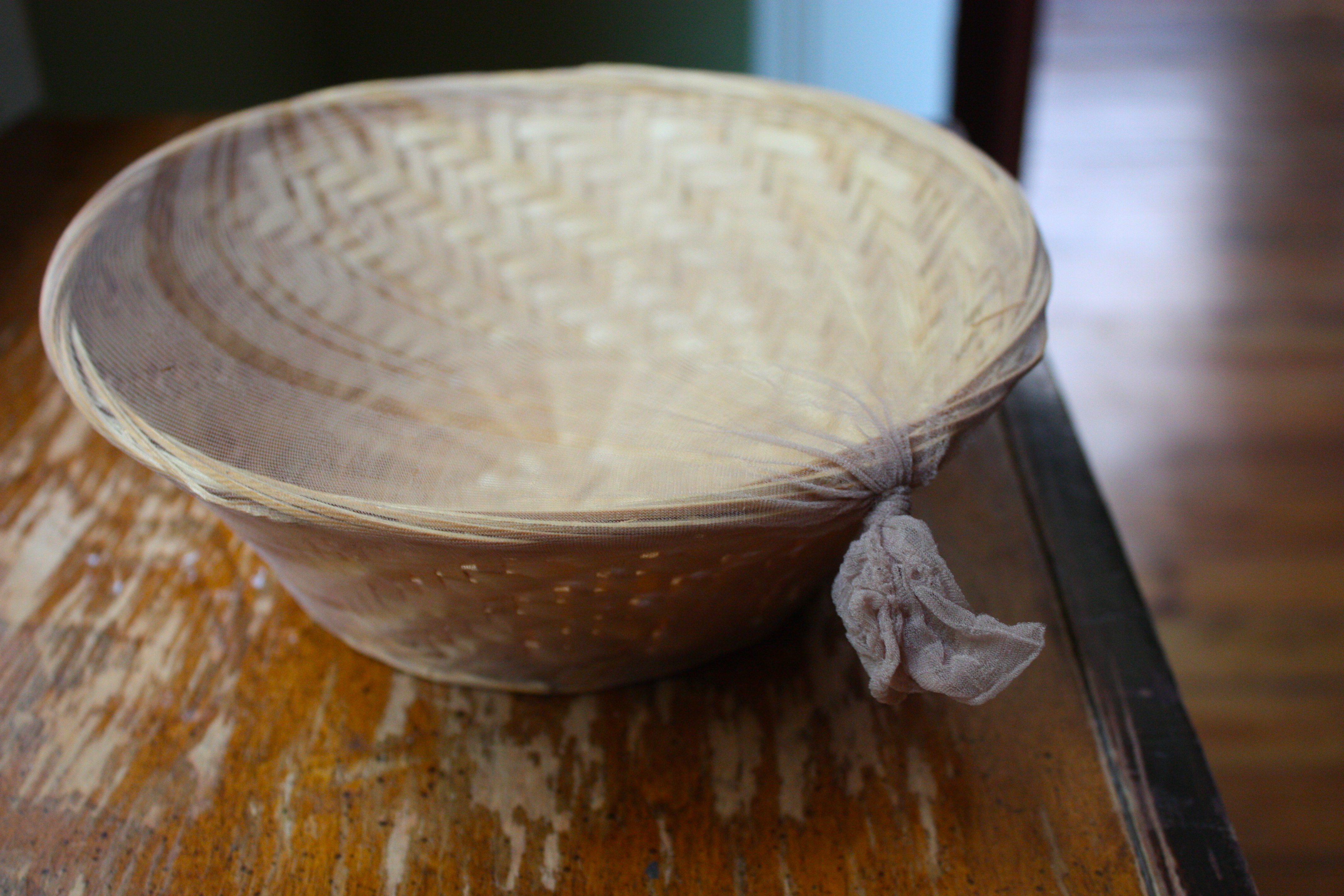
Stretch taught, then tie both ends.

Some don’t need to be tied, yet remain tight.
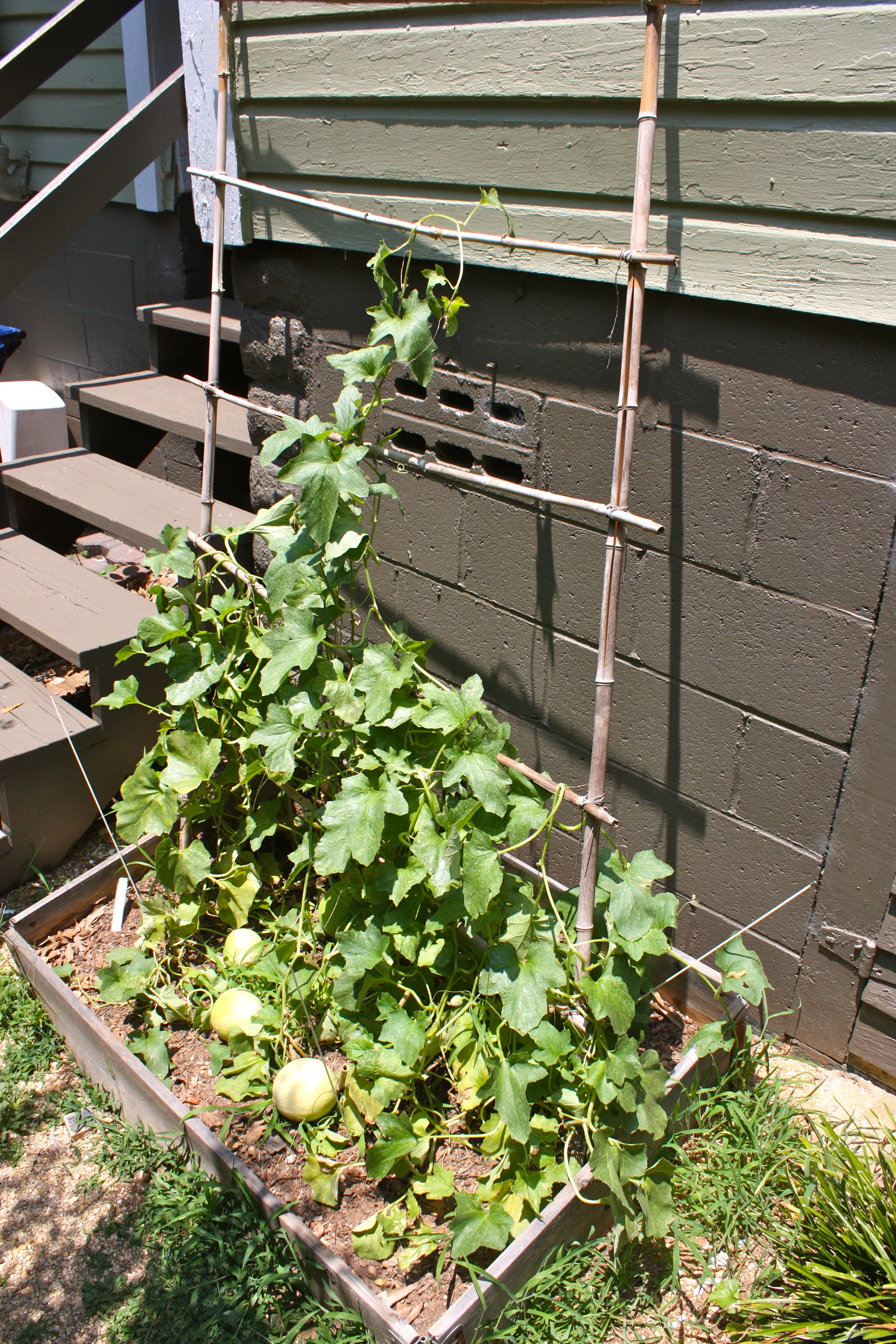
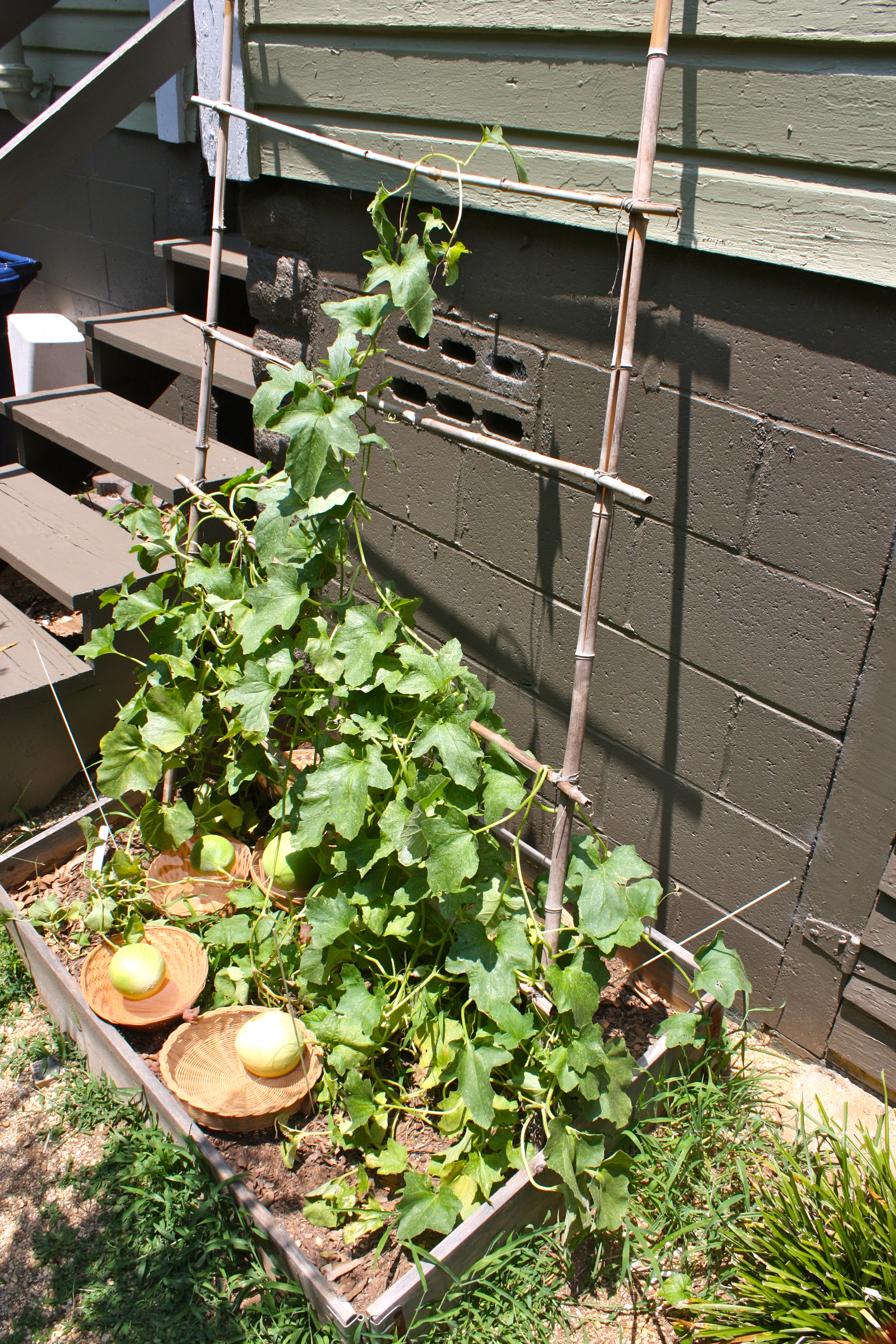

The original plan was to use ceramic bowls, but baskets let water through, preventing pooling (and mosquitoes). The heavier fruit sags pretty close to the bottom of the basket, so as they swell in size, they might need an additional layer of support to remain resting mid air.

Rusted rooftops like this one on Highway 15 evoke William Basinski’s melancholic tribute to September 11th. Listeners experience emotive decay as looping classical snippets on vintage magnetic tape deteriorate while ferrite disintegrates like oxidizing tin in the Georgia sun.
Dlp 2.2:

Dlp 3:

It rained for 3 days straight as Tropical Storm Debby strolled across the Georgia/Florida border early last week, dropping two feet of rain in some places. The canal that snakes through the old neighborhood swelled while moccasins made home visits.


Photo Courtesy of Surfjaxpier.com
Thursday morning, when it cleared up and Debby moved out into the Atlantic, the waves were waist to chest high, and throwing barrels!
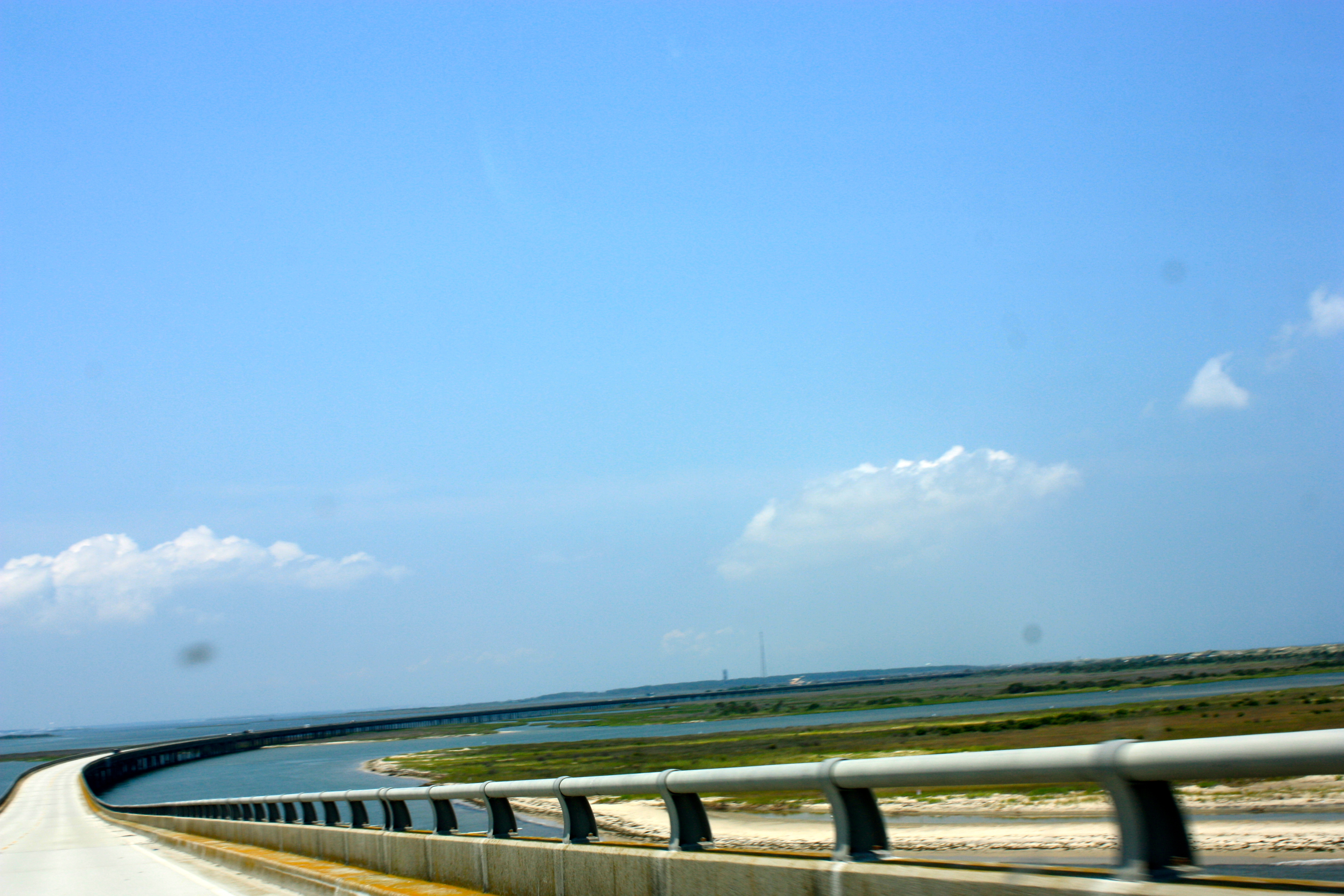
North Carolina’s Alligator River National Wildlife Refuge spits drivers out onto a series of bridges along the final stretch of Highway 64.
Belle Orchestre’s complex and explosive cover of “Bucephalus Bouncing Ball” is the perfect accompaniment to highway driving in the sun…
If curious, here’s the frantic yet graceful original by Richard James:
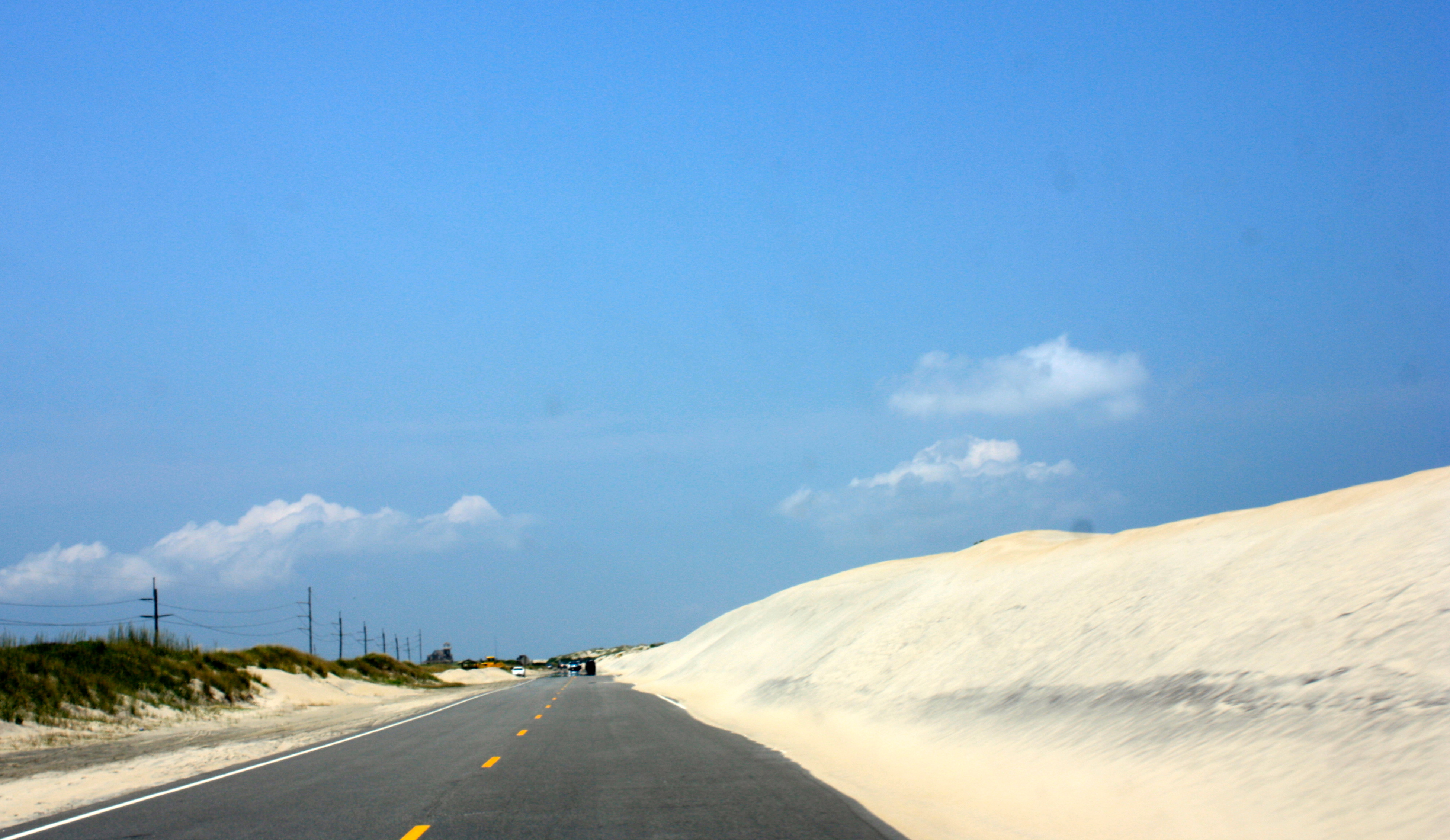
After making a right on Highway 12 in Nags Head, encroaching dunes battle pernicious bulldozers along a series of awe-inspiring islands known collectively as the Outer Banks. The photo above was taken in the Pea Island National Wildlife Refuge.
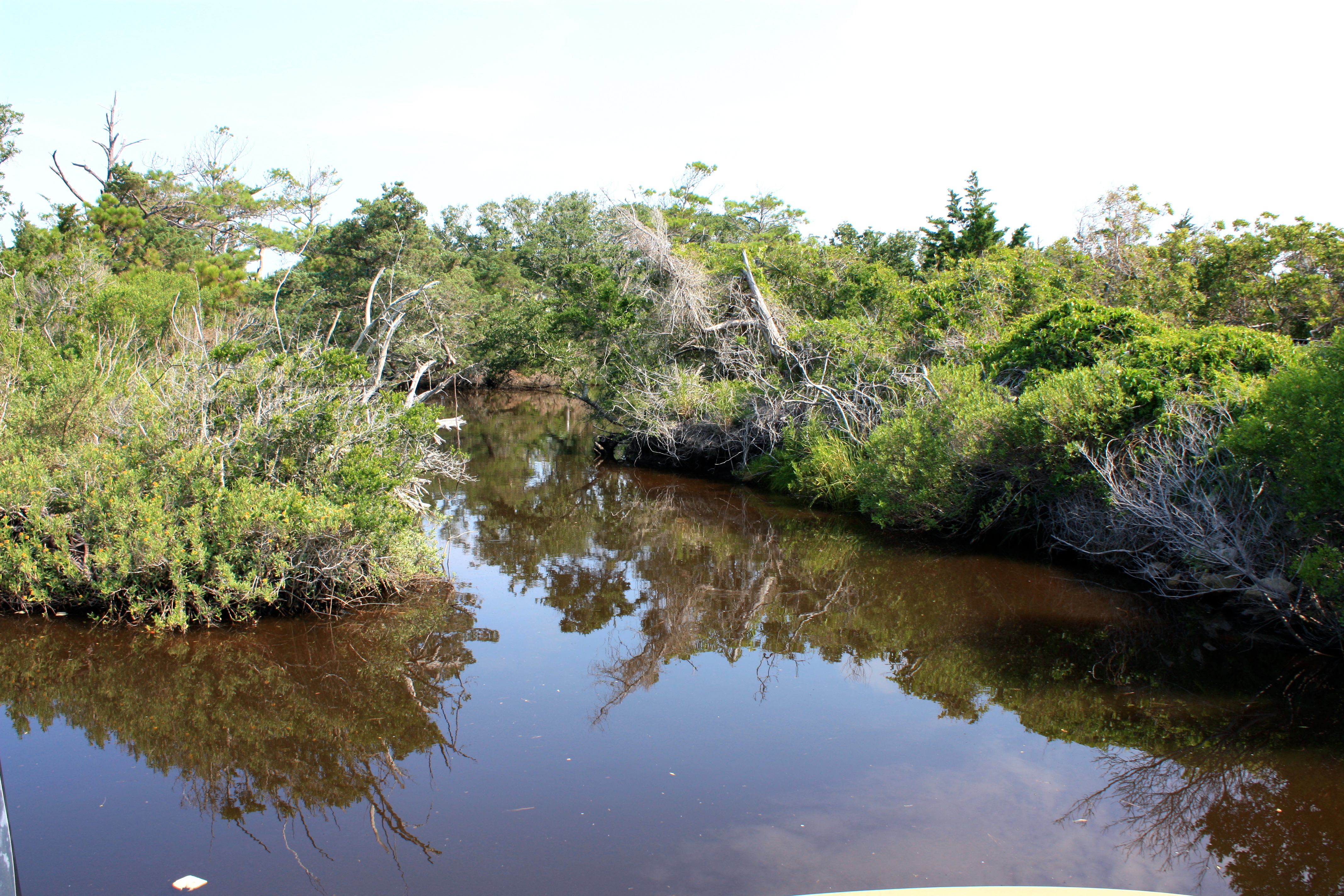
A kayaker’s dream, each island’s western edge hosts a tannic labyrinth of canals teeming with waterfowl and reptiles.
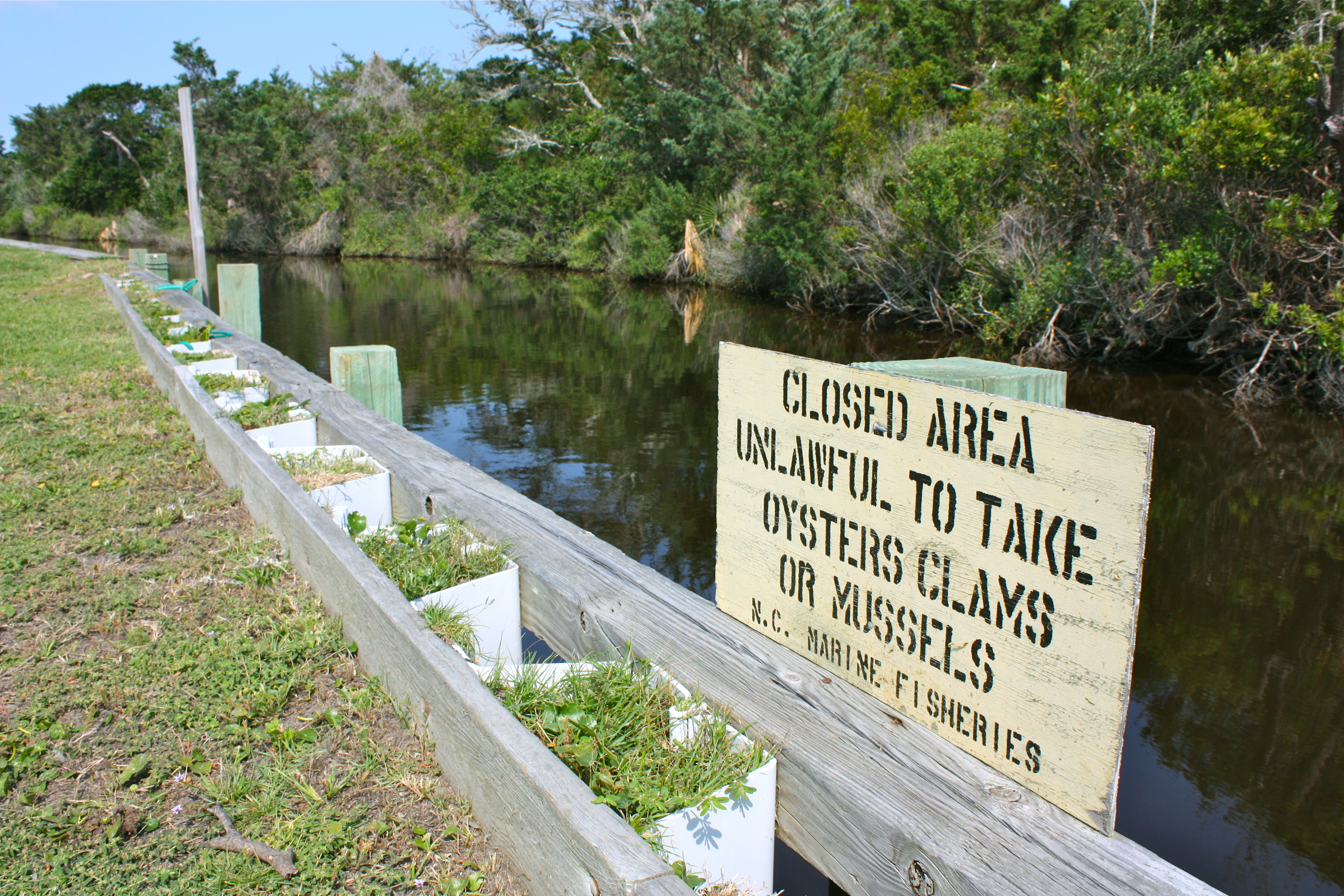

Tourists from around the world (and beyond) descend on the Outer Banks each summer.
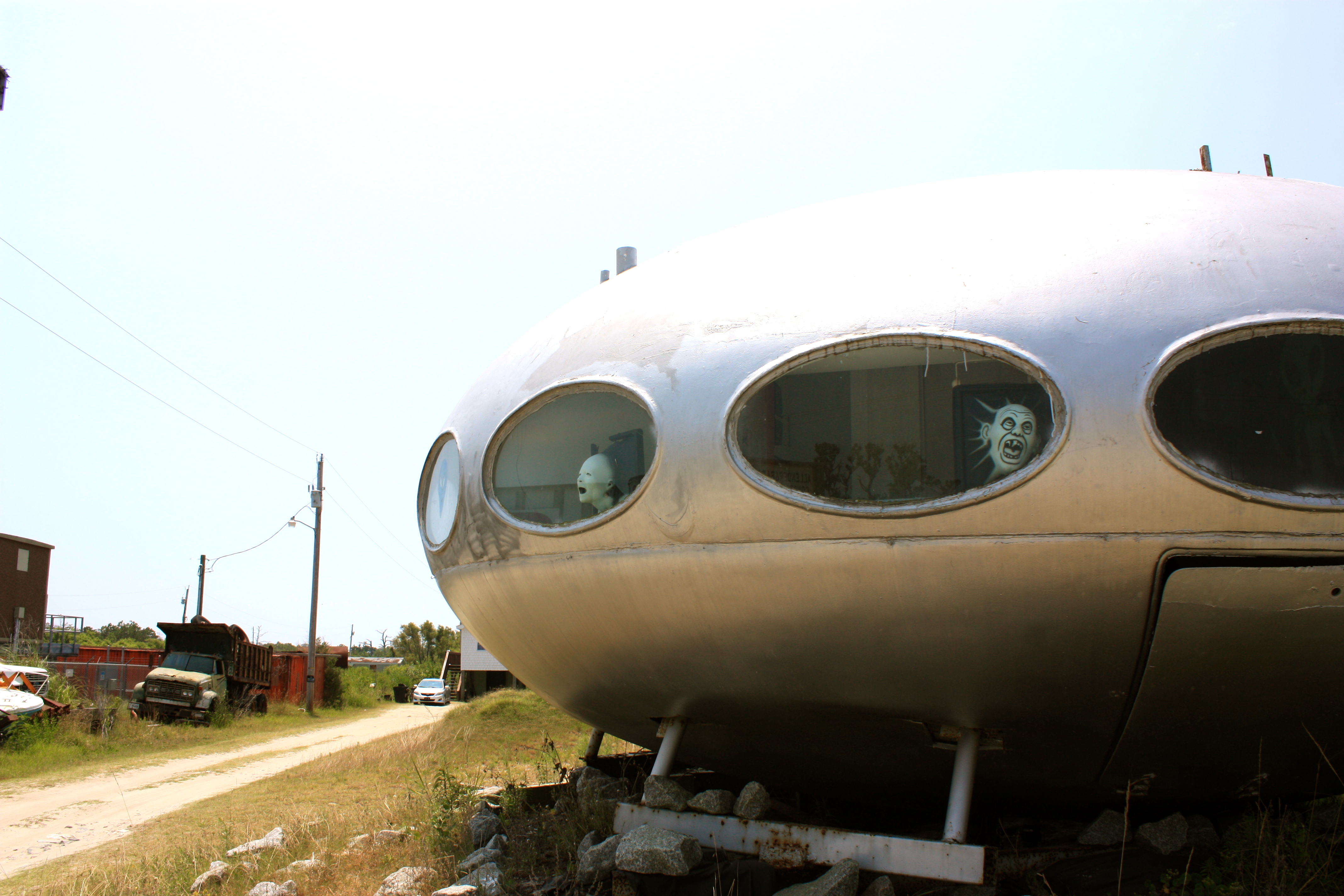
Prometheus, are you getting this?

Frisco Campground rests among sand dunes and shrub thickets in the Cape Hatteras National Seashore.

In one of Janissse Ray’s memoirs (maybe Ecology of a Cracker Childhood?), she describes a friend who, within a given year, measures his quality of life by the number of nights outside, dreaming under the stars. This character resonated in a way that wouldn’t take effect for seven years.
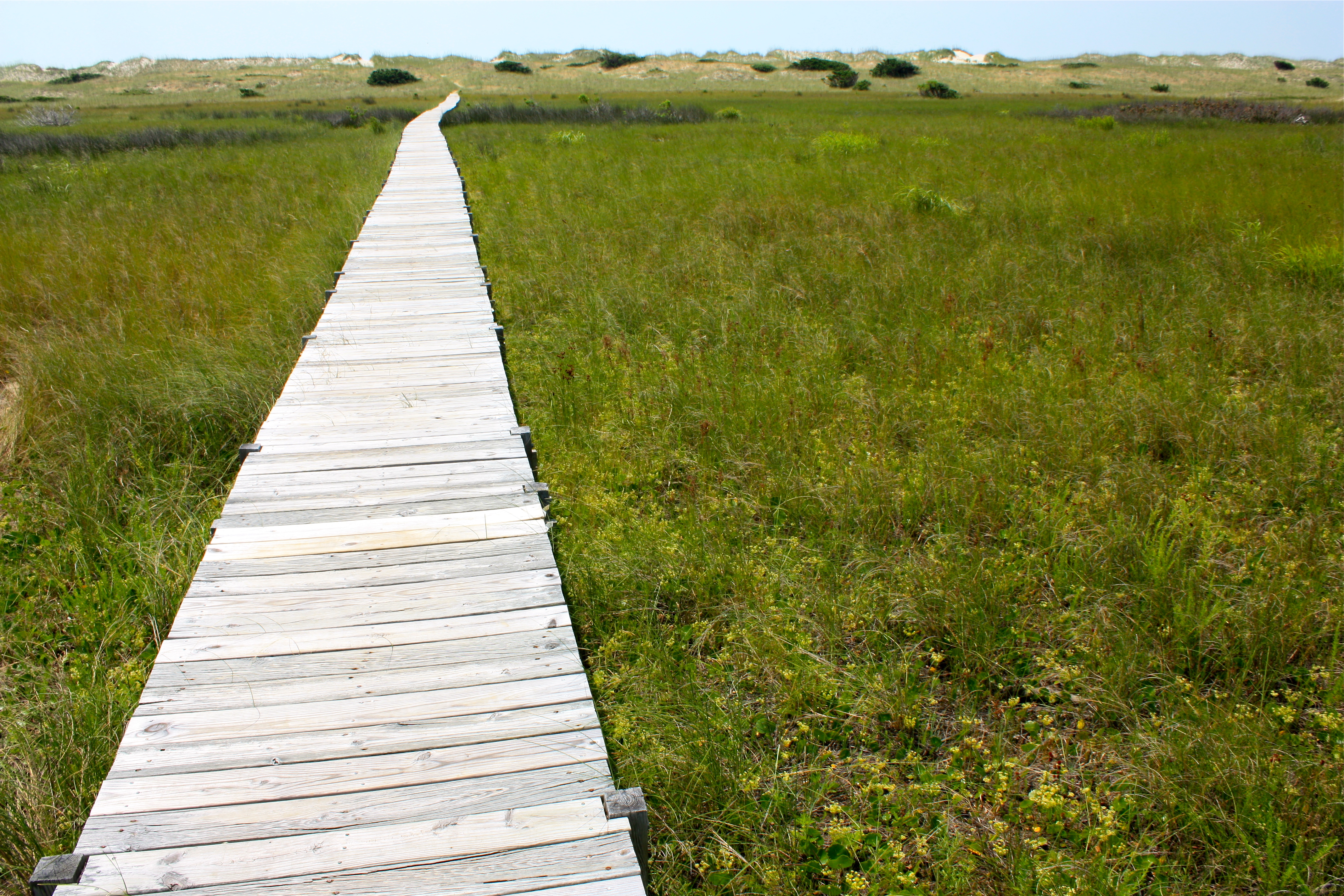
So this is a summer of firsts. On a tiny ribbon of sand and scrub over 600 miles from home, I camped alone for the first time, and surfed waves above shifting sandbars closer to the edge of the continental shelf than any shore on the eastern seaboard.
What’s next?

Twice as many melons swell on the vine this summer, and they need support before the all-you-can-eat buffet opens for insects on the ground. Click here to see last year’s crop, and stay tuned for a new and improved hosiery hammock/trampoline design…




 Pedagogy of the Plants