


nature
Dora Canal Boathouse

American Coot, Fulica americana

Low Tide Sounds
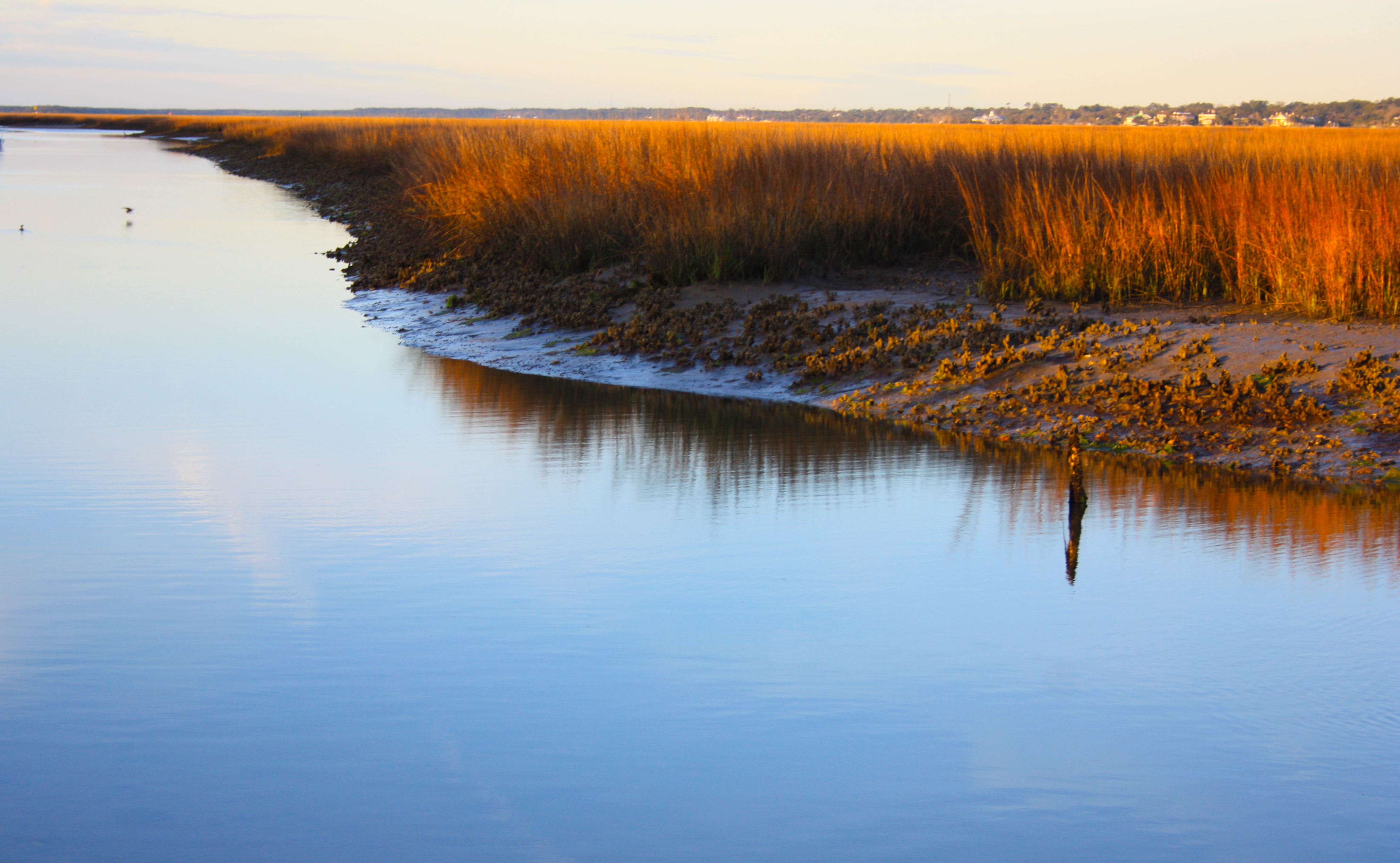
Listen…
4’33” Under the Pier

Rooftop Oddments

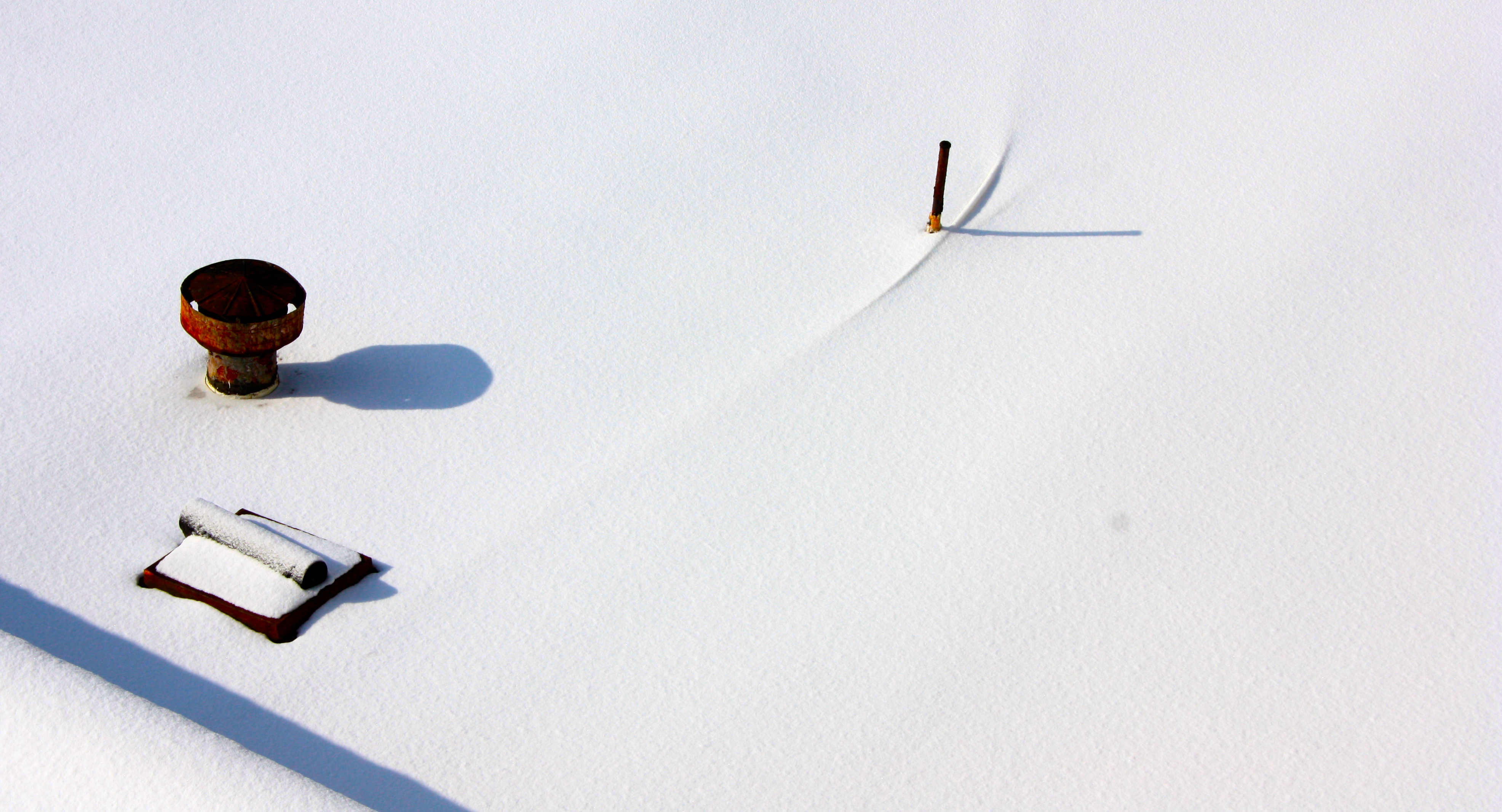

4’33” From the Porch
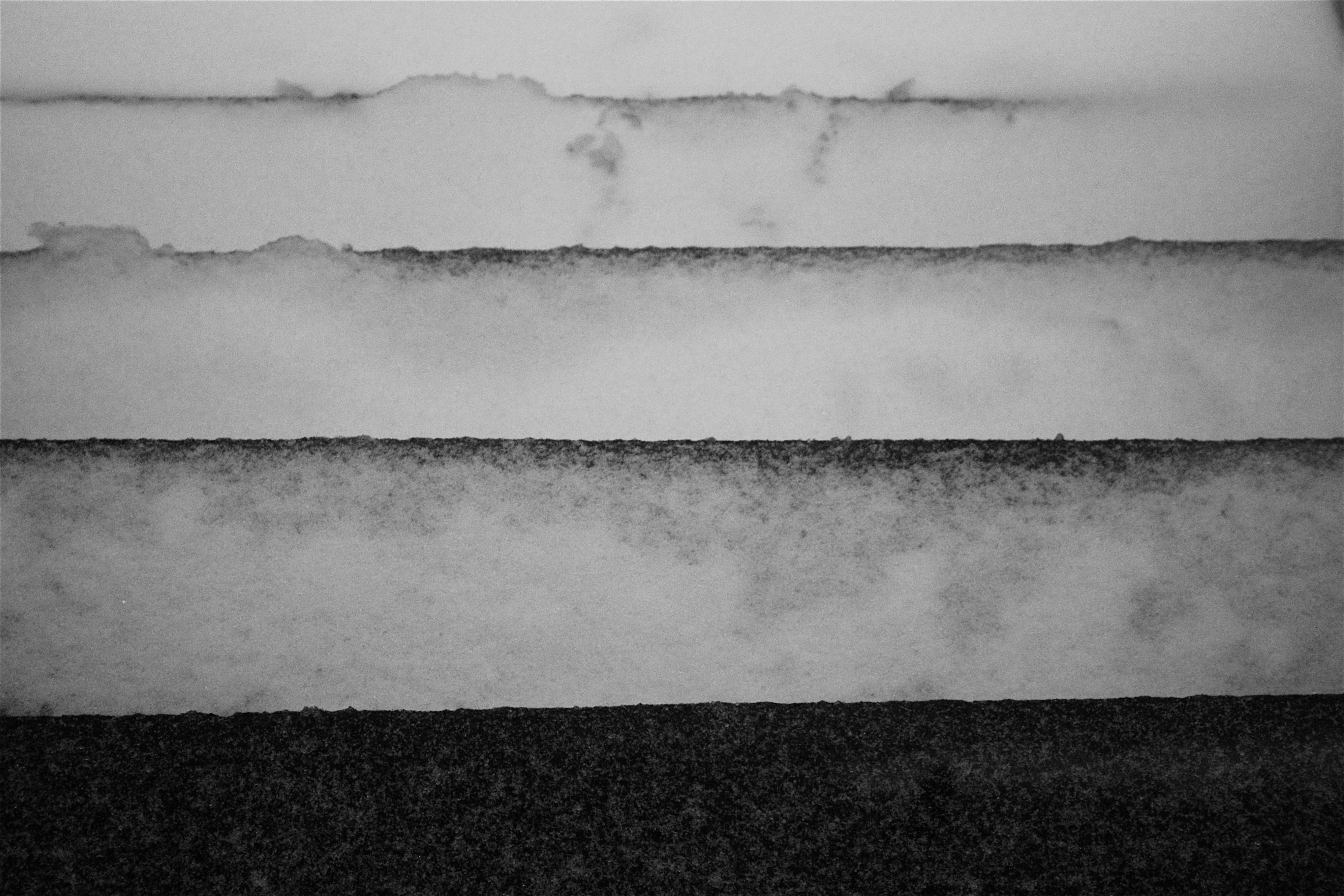
Listen to a quartet of freezing rain, tintinnabulation, cardinal chips, and the space in between:
Snow Dipped Gumballs


Full Moonrise and Strix varia
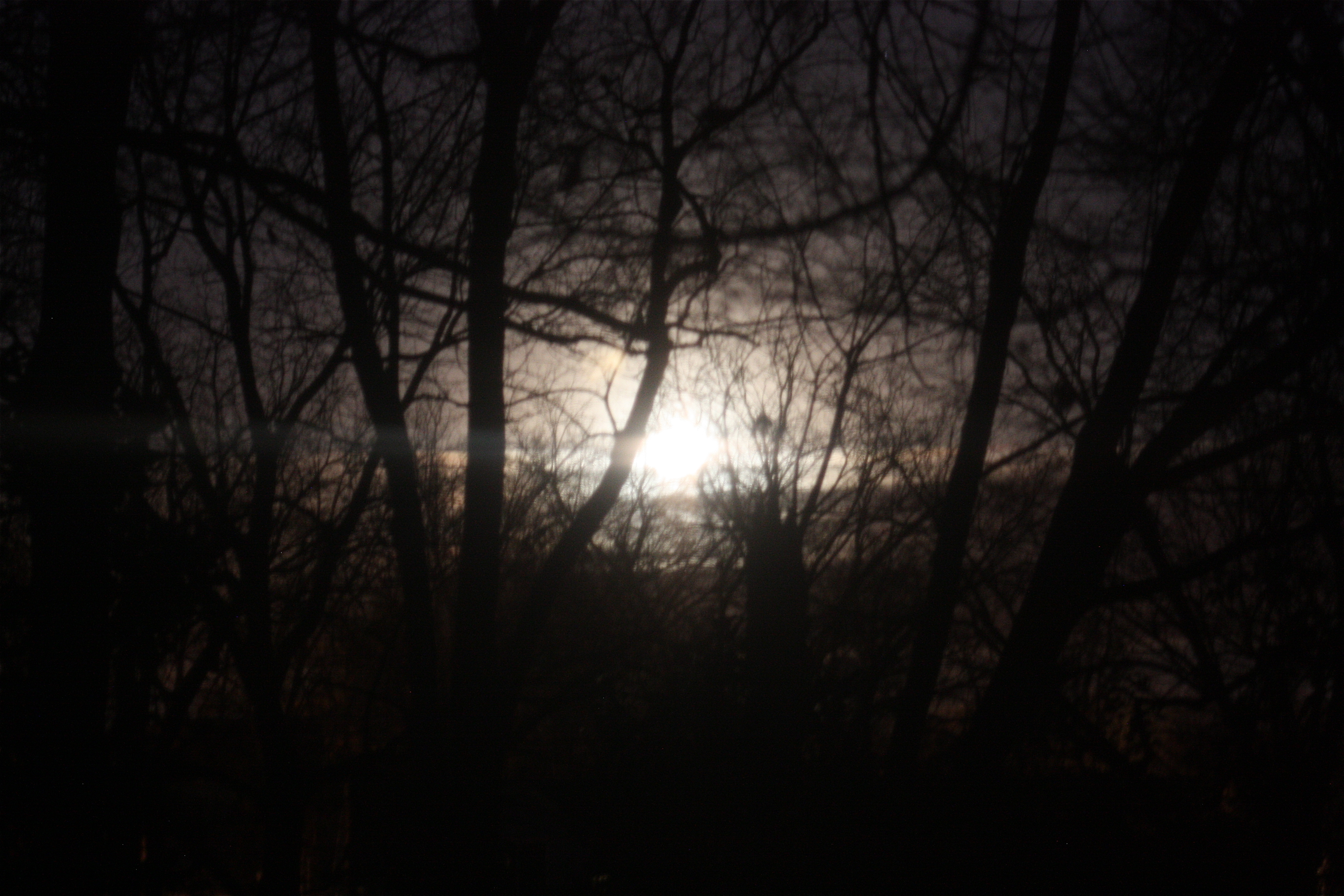
A resident Barred Owl announced the full moonrise last Thursday (ten minutes before the alarm went off). Listen to haunting hooting the Cornell Lab of Ornithology describes as “Who cooks for you? Who cooks for you-all?”
2014 Terrarium

The South Fork Broad River raged after Friday’s deluge. At dusk, a thick fog settled on the water and submerged rock outcrops (usually dotted with families and hikers) below Watson Mill’s covered bridge. The moss above grew on a slick granite slab along the bank. Click here for more from the historic area.
The glass container was a gift from a student, so the first terrarium of 2014 (inspected by Mogwai) will enjoy a spot in the window of our classroom. More moss terrariums are here.
Baby, It’s Cold Outside
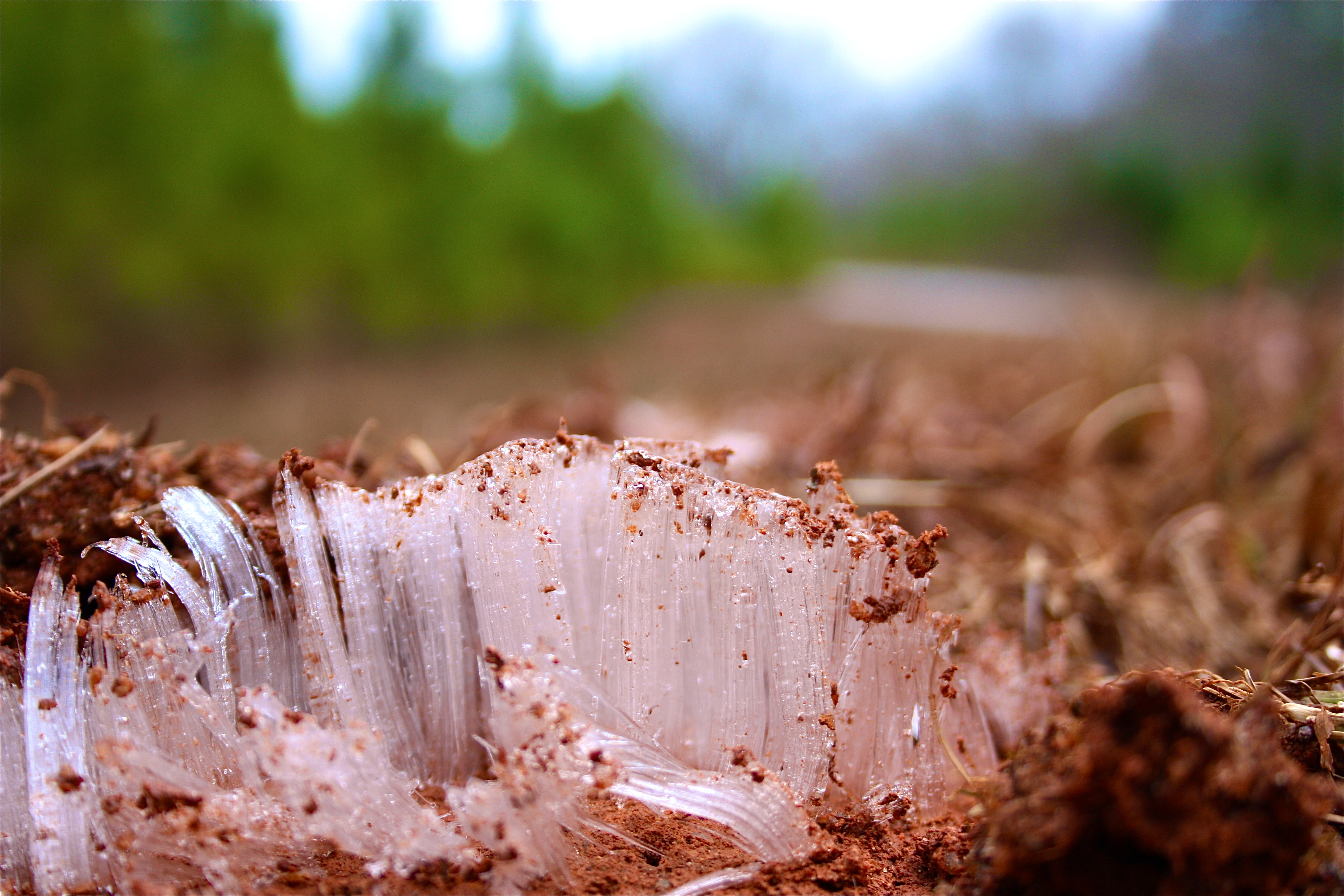
Needle ice occurs when the air temperature is below freezing, and the soil is above freezing. Water flows upward via capillary motion as heat moves toward colder air above.

Chunks of soil, grass, and moss are lifted into the air.
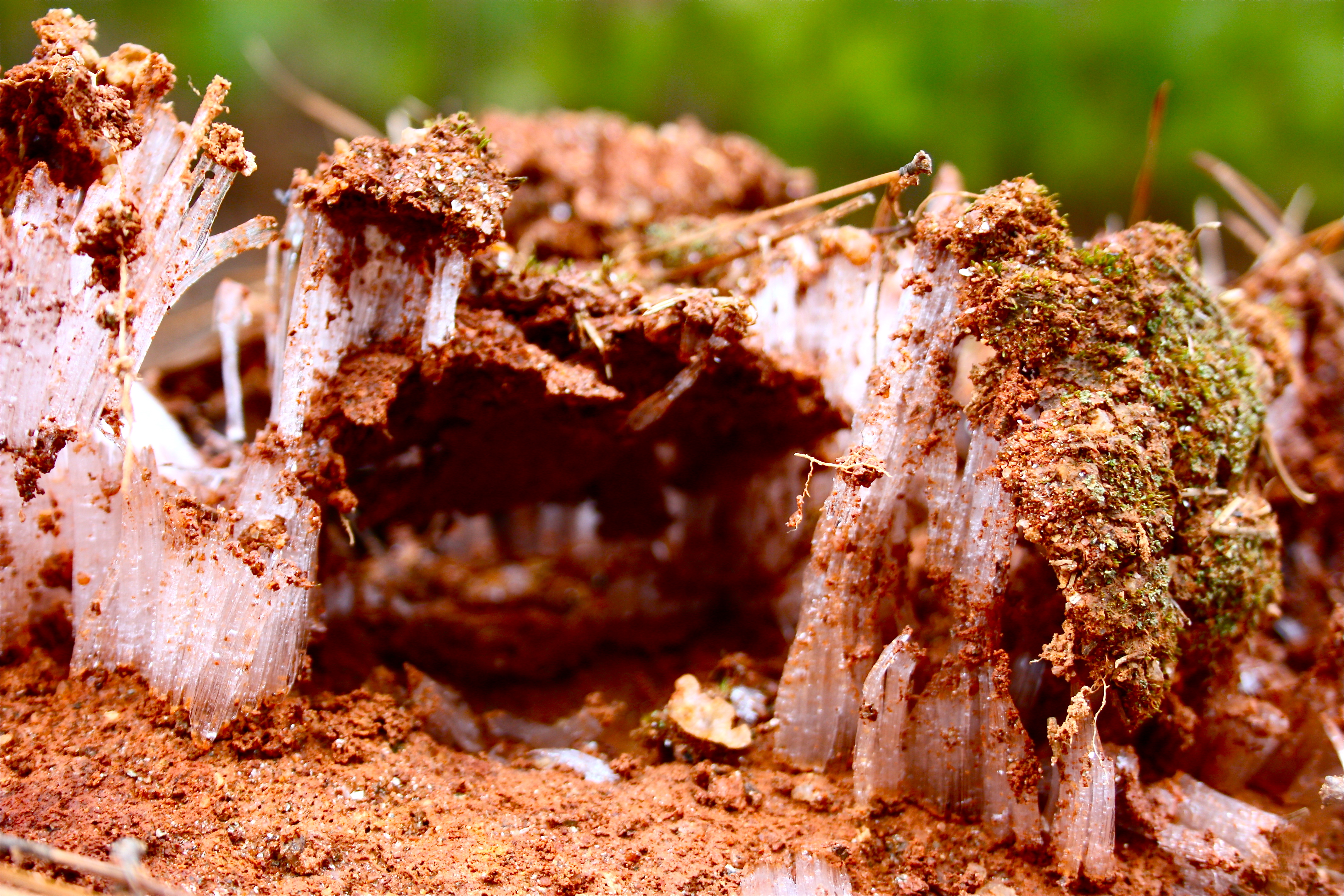
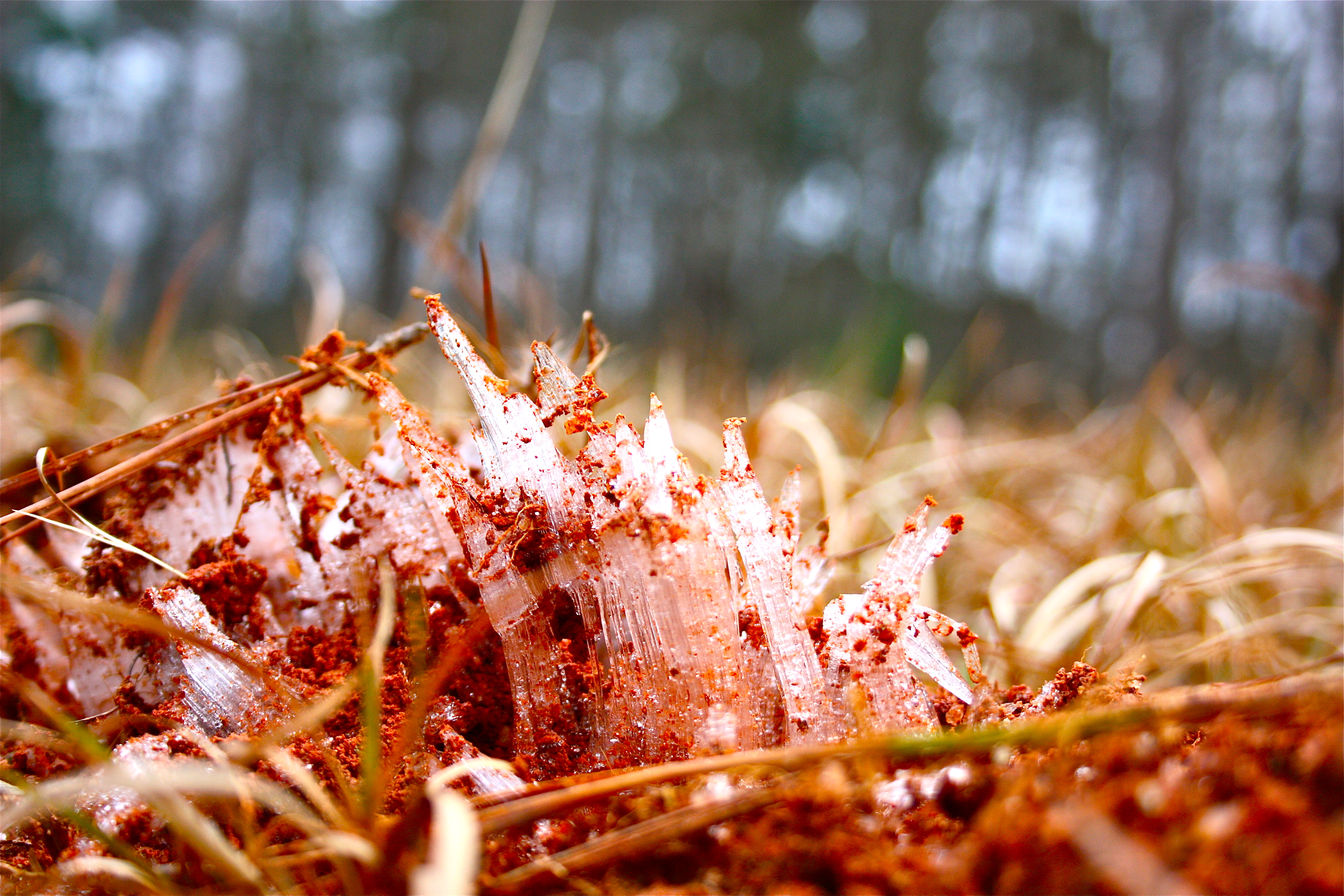
These crystals were discovered in Winterville (naturally) during a run through an overgrown subdivision that never made it through The Great Recession. Click here for more photos of the area, and enjoy Ray Charles’ persuasion…
Frigid Fort Clinch



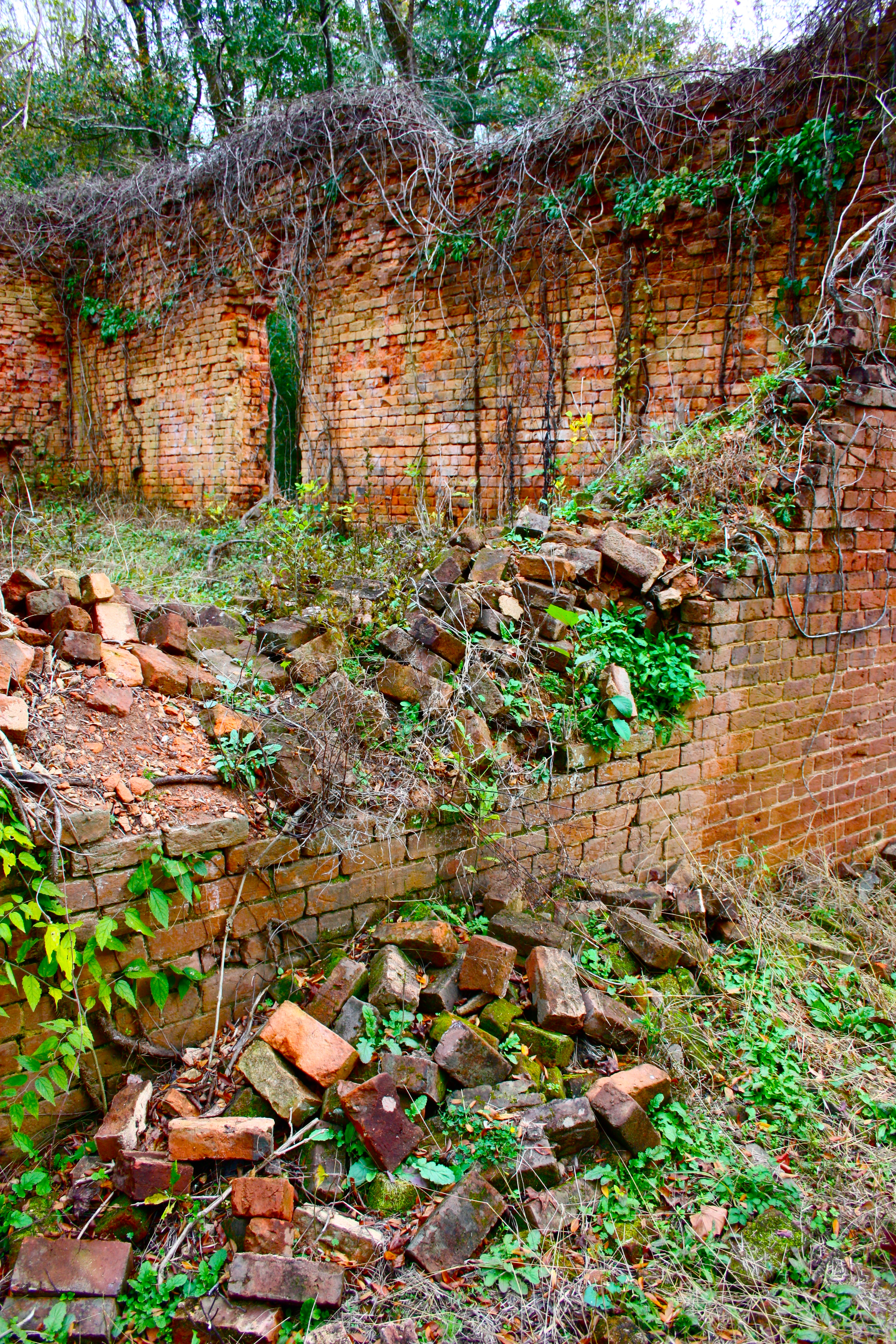
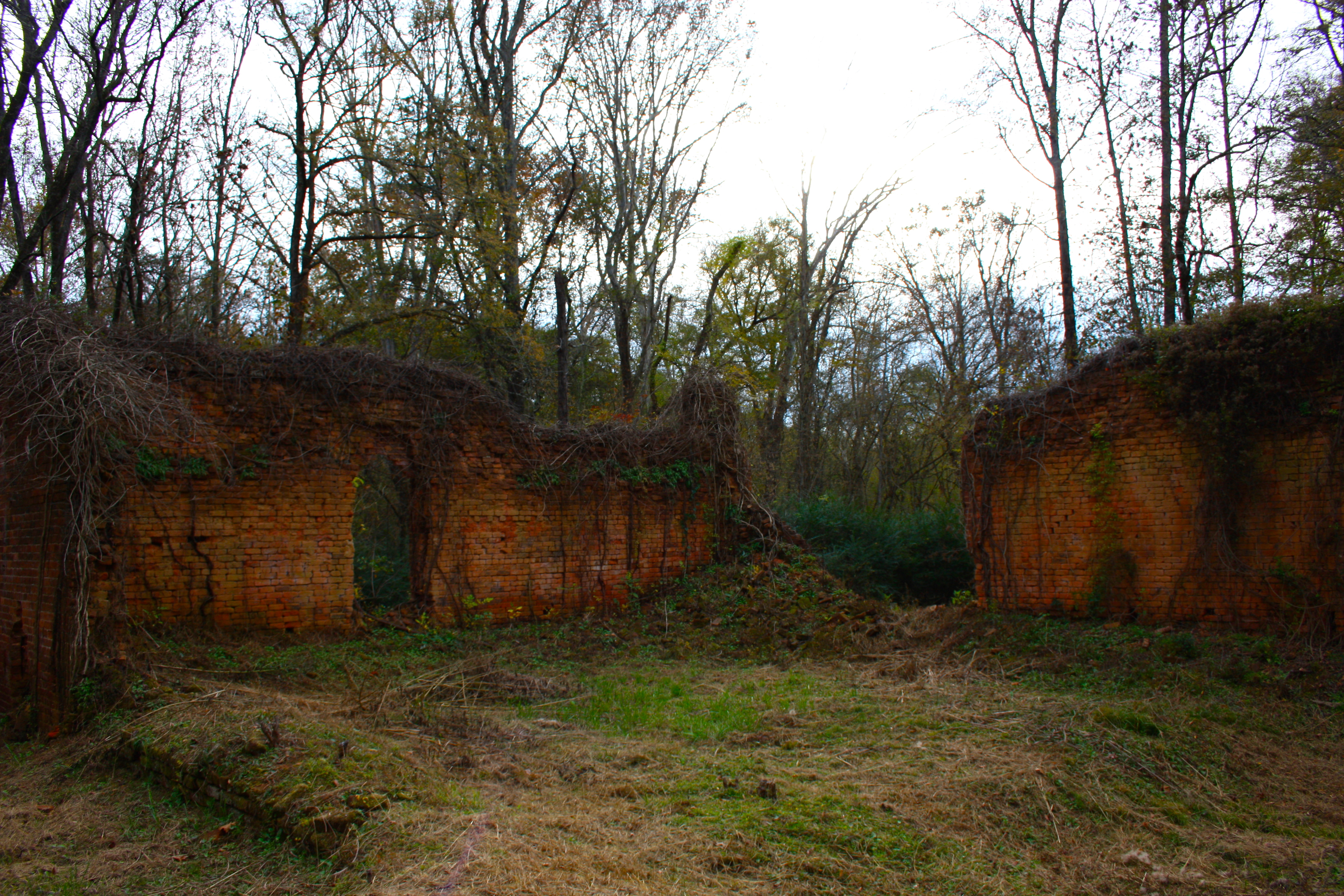
Scull Shoals’ Mirrors

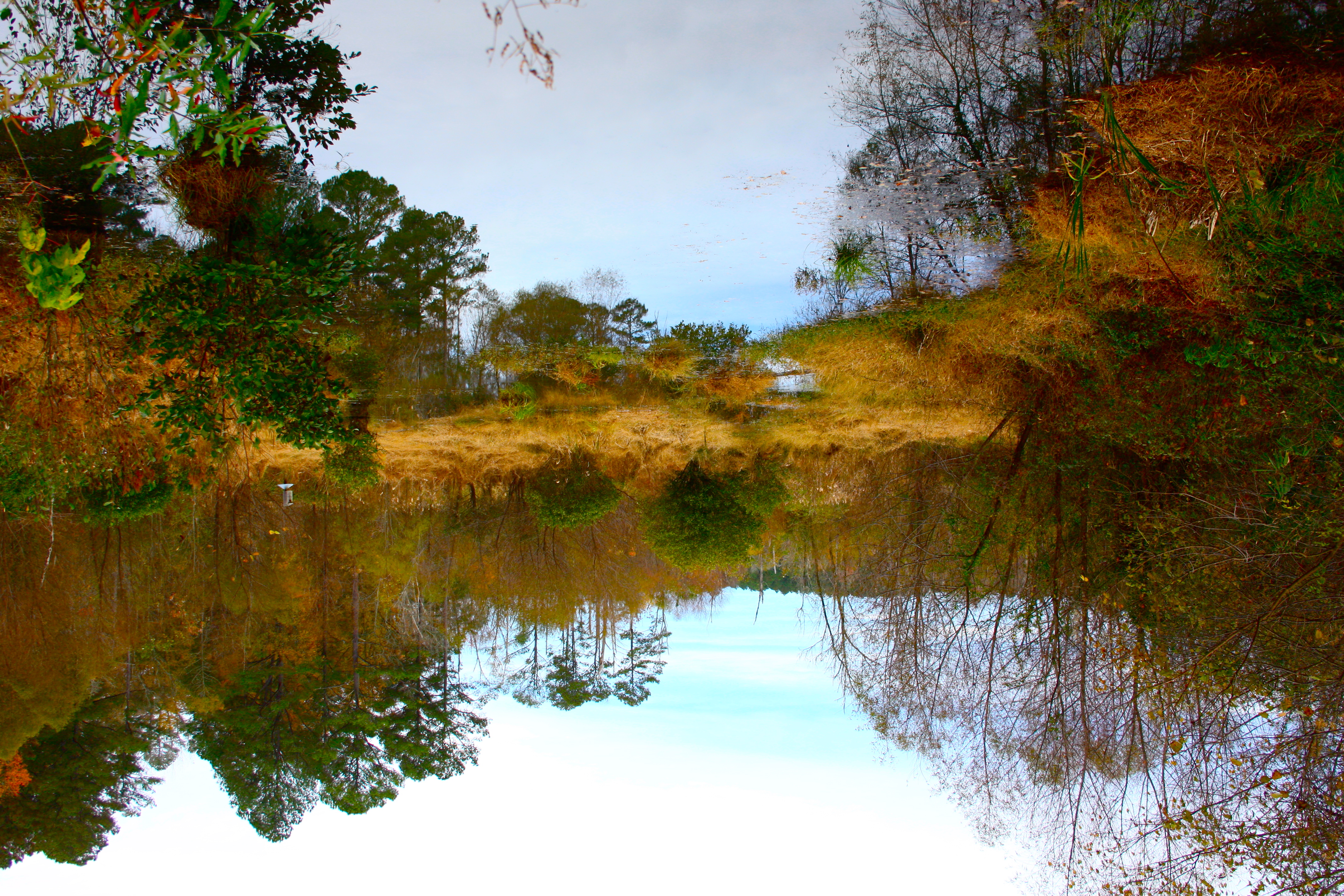
Scull Shoals

“There’s the story, then there’s the real story, then there’s the story of how the story came to be told. Then there’s what you leave out of the story. Which is part of the story too.”
-Margaret Atwood
Read one story about smallpox, Georgia’s first paper mill, and a medical dynasty here.



Morning Light

Black Rock Mountain Pine

This young conifer lives around 3,640 feet above sea level, atop the oldest mountain range in North America.
Blue Ridge Overlook Vistas


Black Rock Mountain Moss

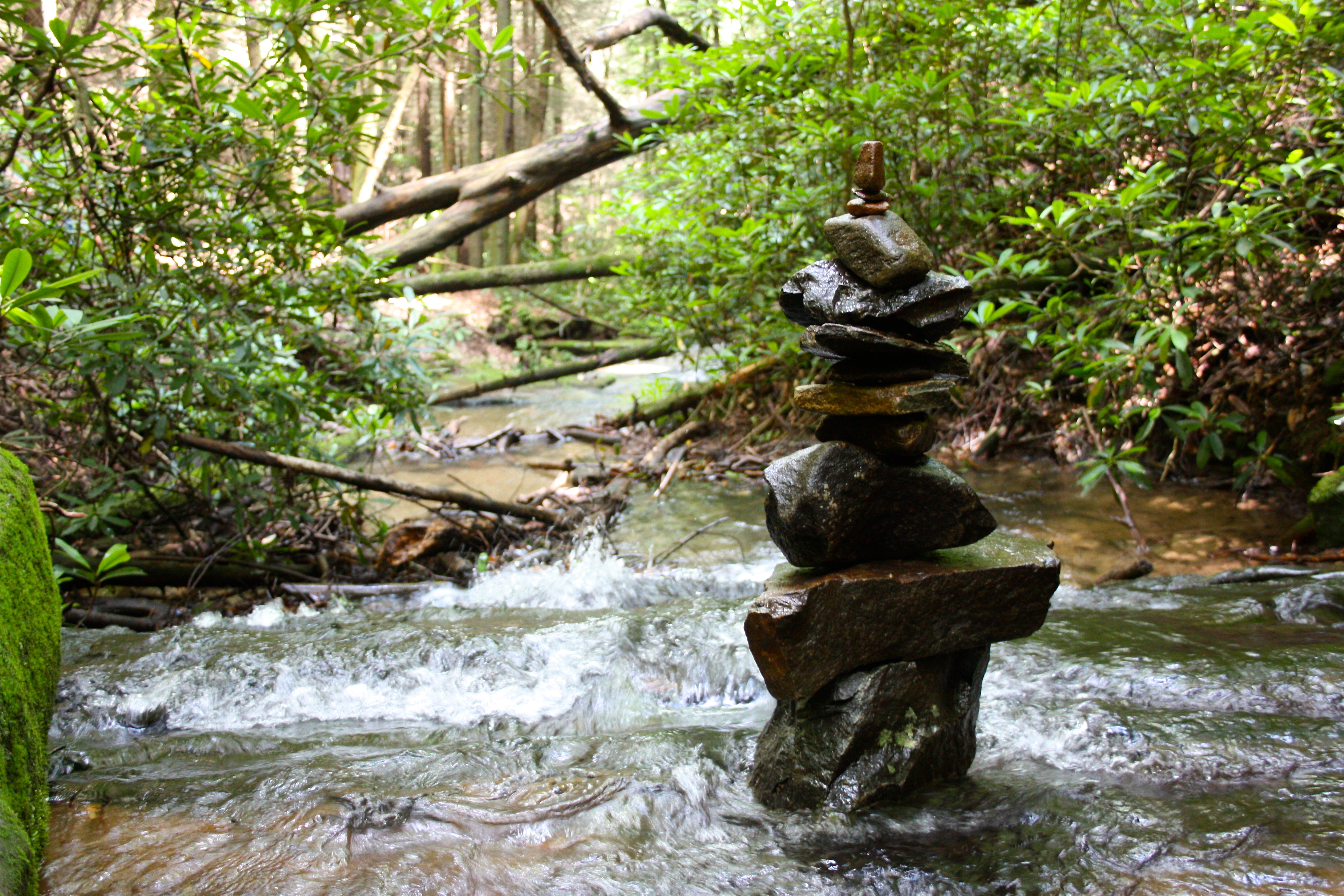
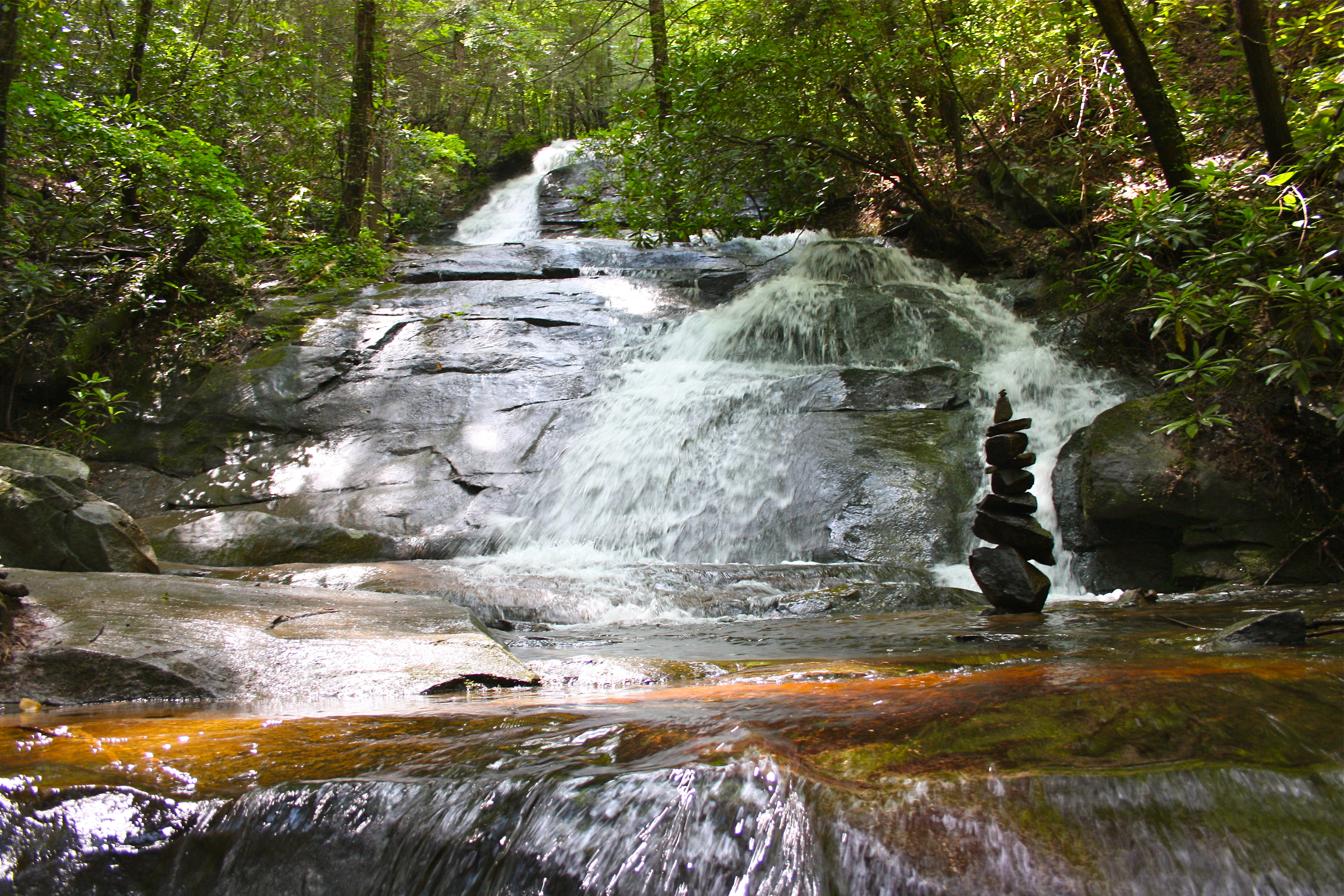
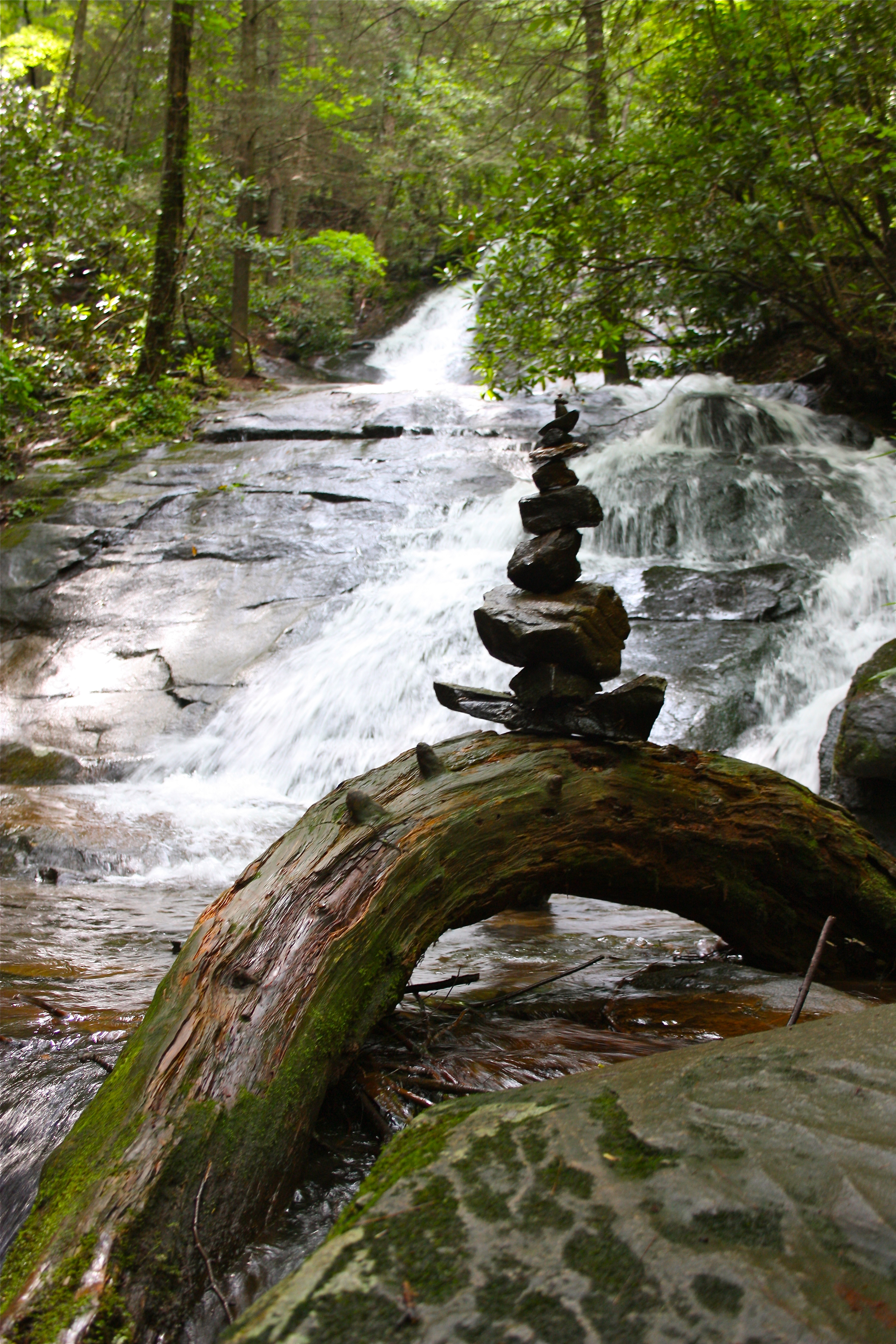
Mindful of the Falls
Ducktown School

Built in 1932, Ducktown School’s original name was Kimsey Junior College, after Dr. L.E. Kimsey (who allegedly visited patients on horseback). The gothic style structure sat vacant for a few years, then became a local high school for Polk County. Enraged citizens believed construction funds should have been spent on upkeep and expansion of existing schools. Many graduates took vocational classes, then worked in nearby copper mines. Around 1970, until 2007, the historic building served as an elementary school.
The site is listed on the U.S. National Register of Historic Places, and more information is here.


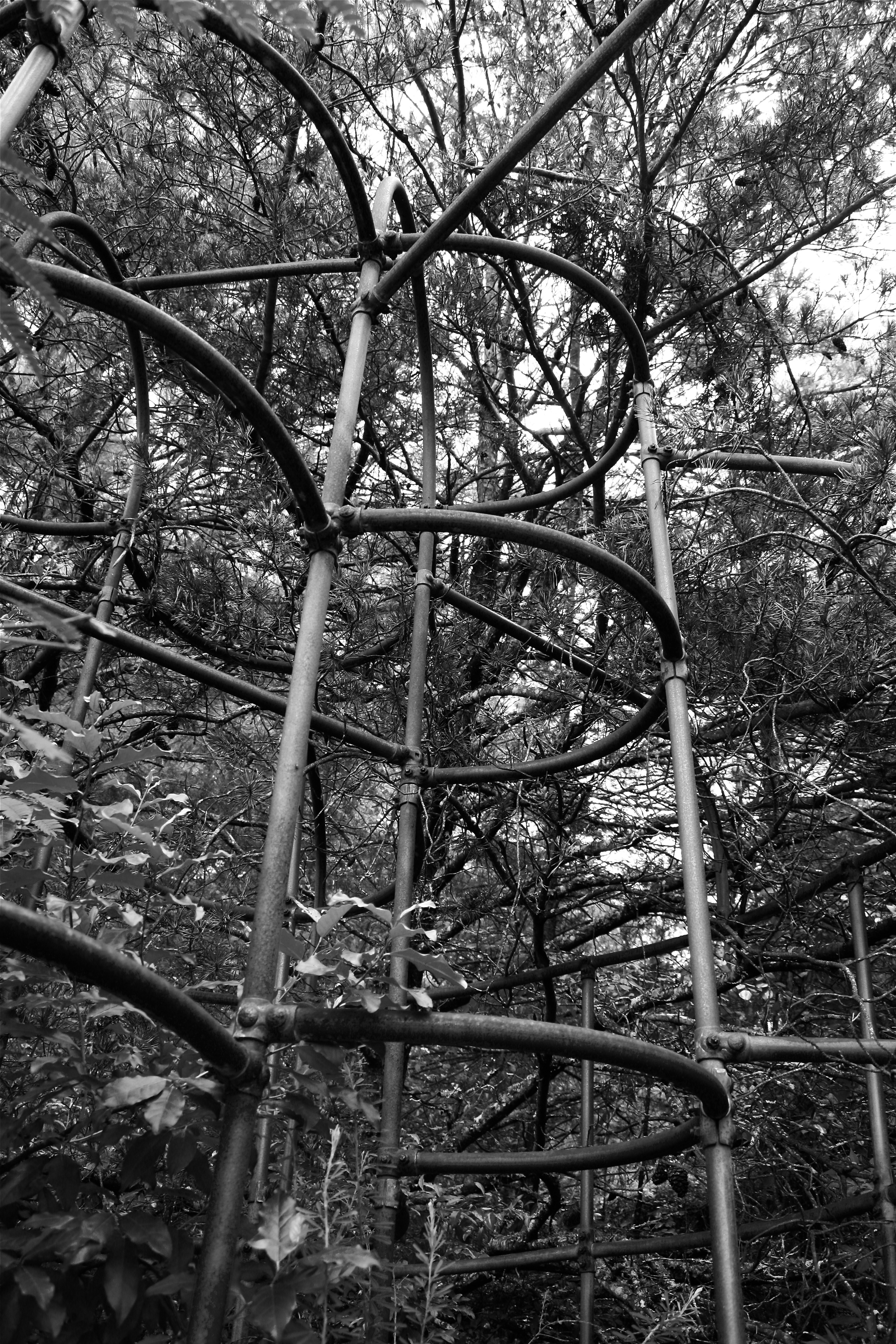




 Pedagogy of the Plants