

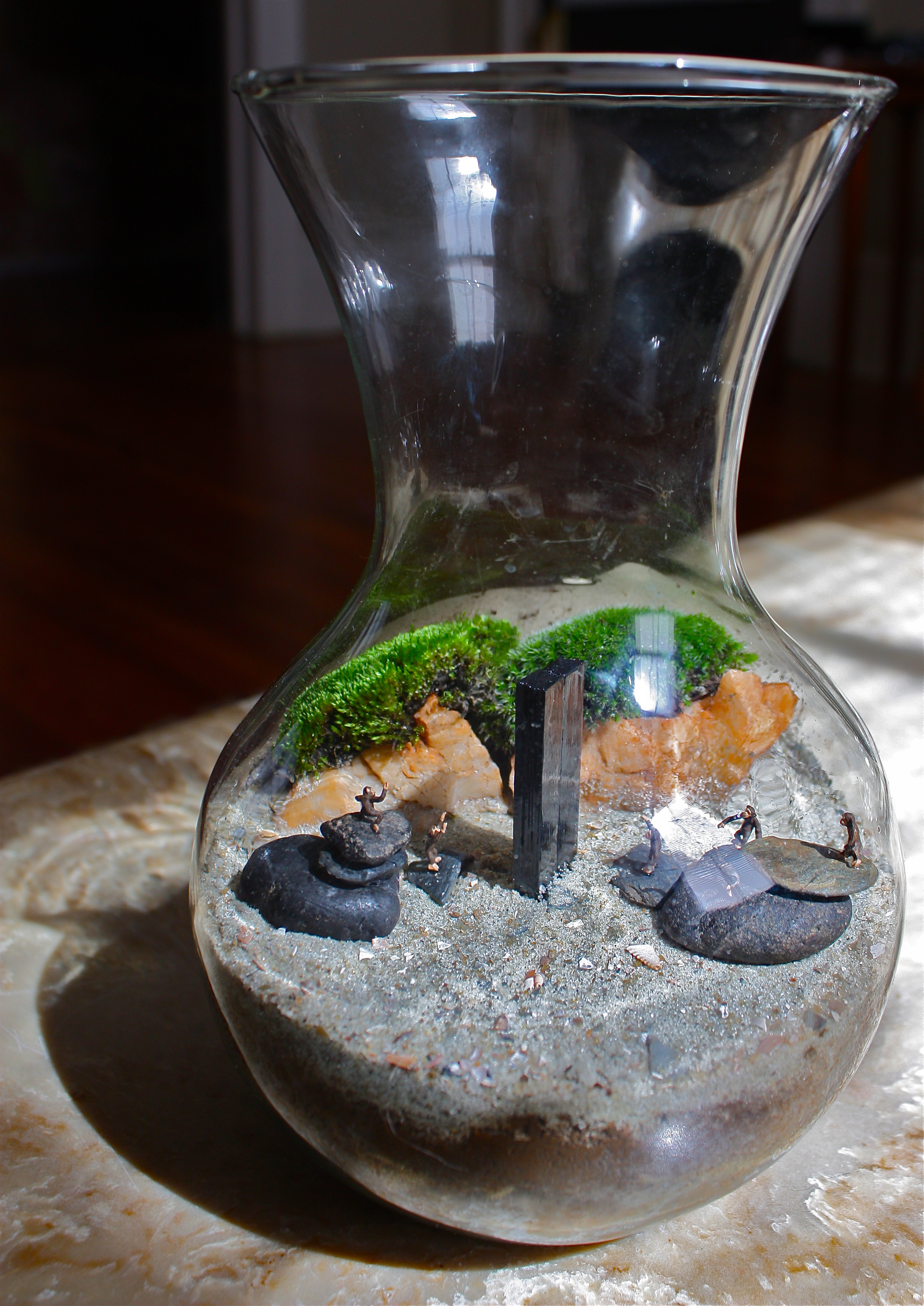
Slinkachu meets Arthur C. Clarke in this (belated) DIY Valentines Day gift.
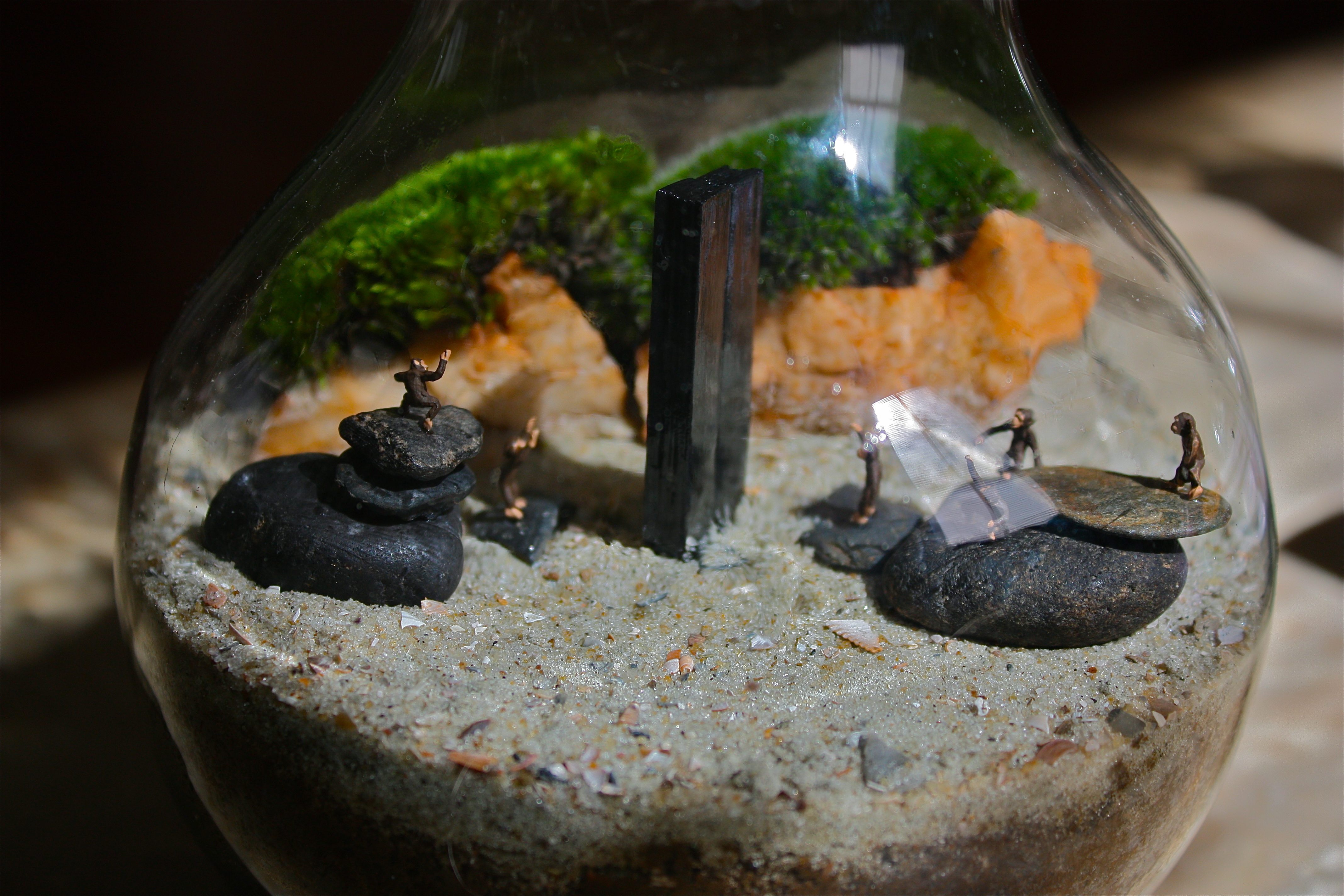
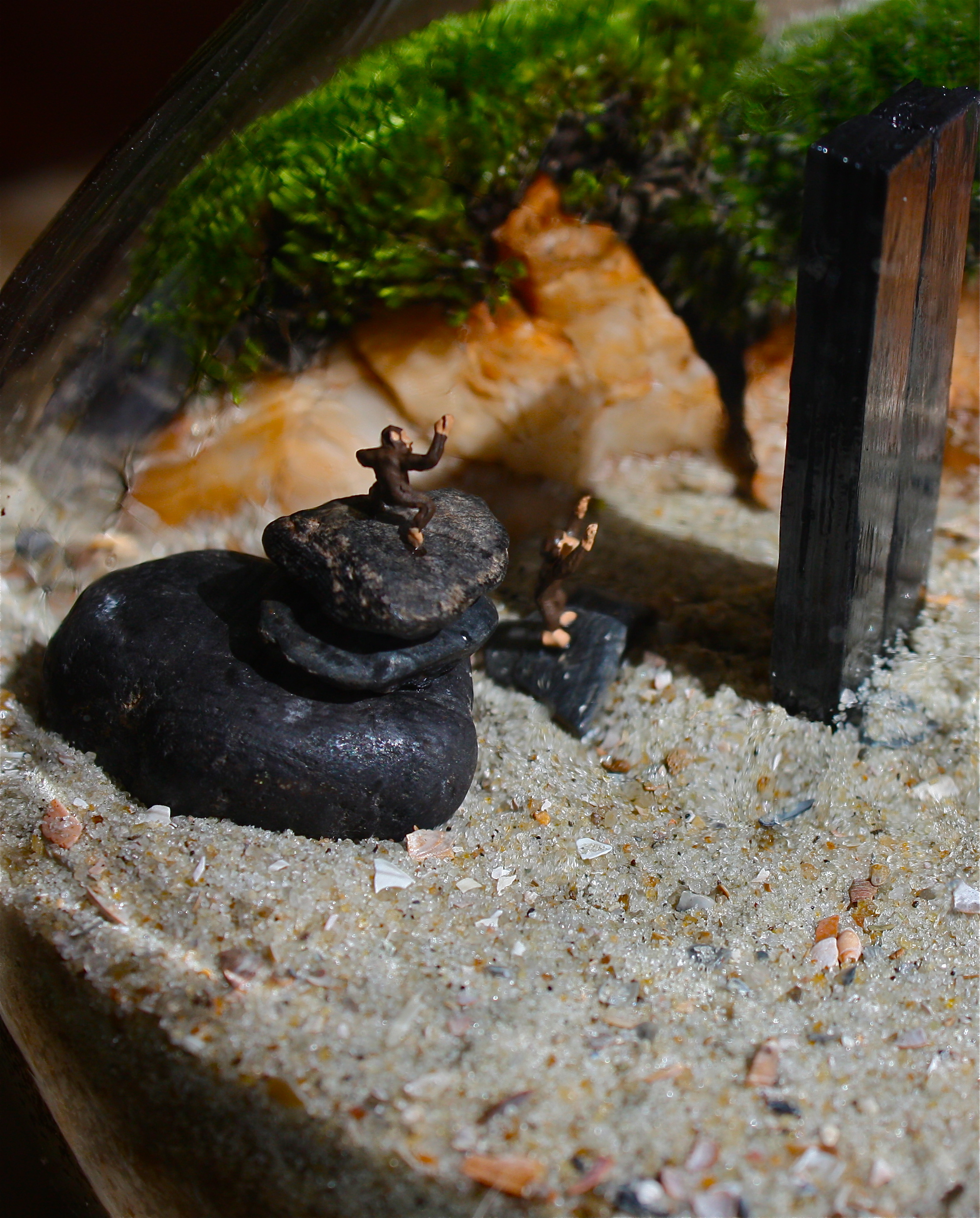
“Monoliths are fictional advanced machines built by an unseen extraterrestrial species that appear in Arthur C. Clarke’s Space Odyssey series of novels and films. During the series, three monoliths are discovered in the solar system by humans and it is revealed that thousands if not more were created throughout the solar system, although none are seen. The subsequent response of the characters to their discovery drives the plot of the series. It also influences the fictional history of the series, particularly by encouraging humankind to progress with technological development and space travel.
The first monolith appears in the beginning of the story, set in prehistoric times. It is discovered by a group of hominids, and somehow triggers a considerable shift in evolution, starting with the ability to use tools.” (read more on Wikipedia)


The reflective mica suggests a pool of water.
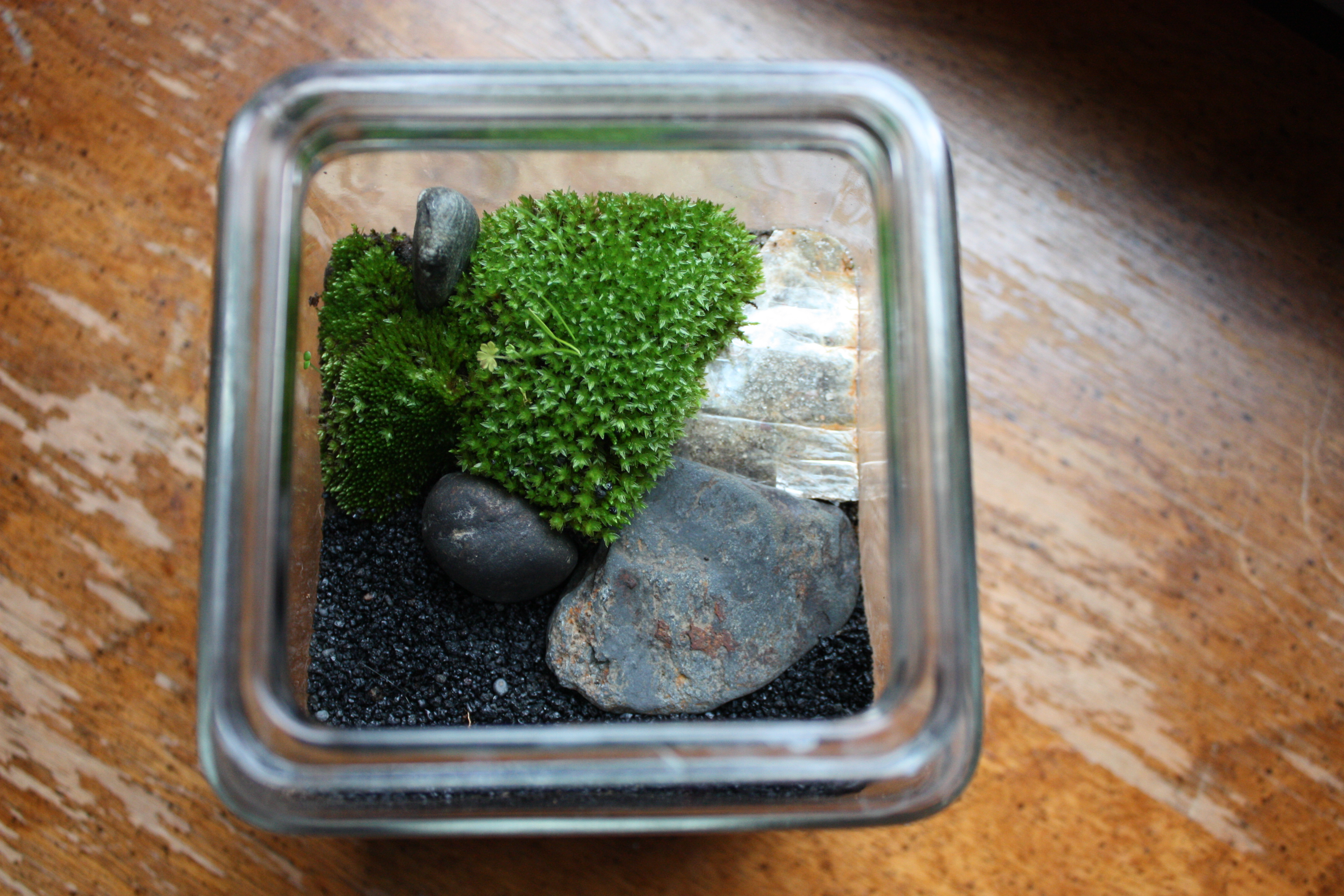
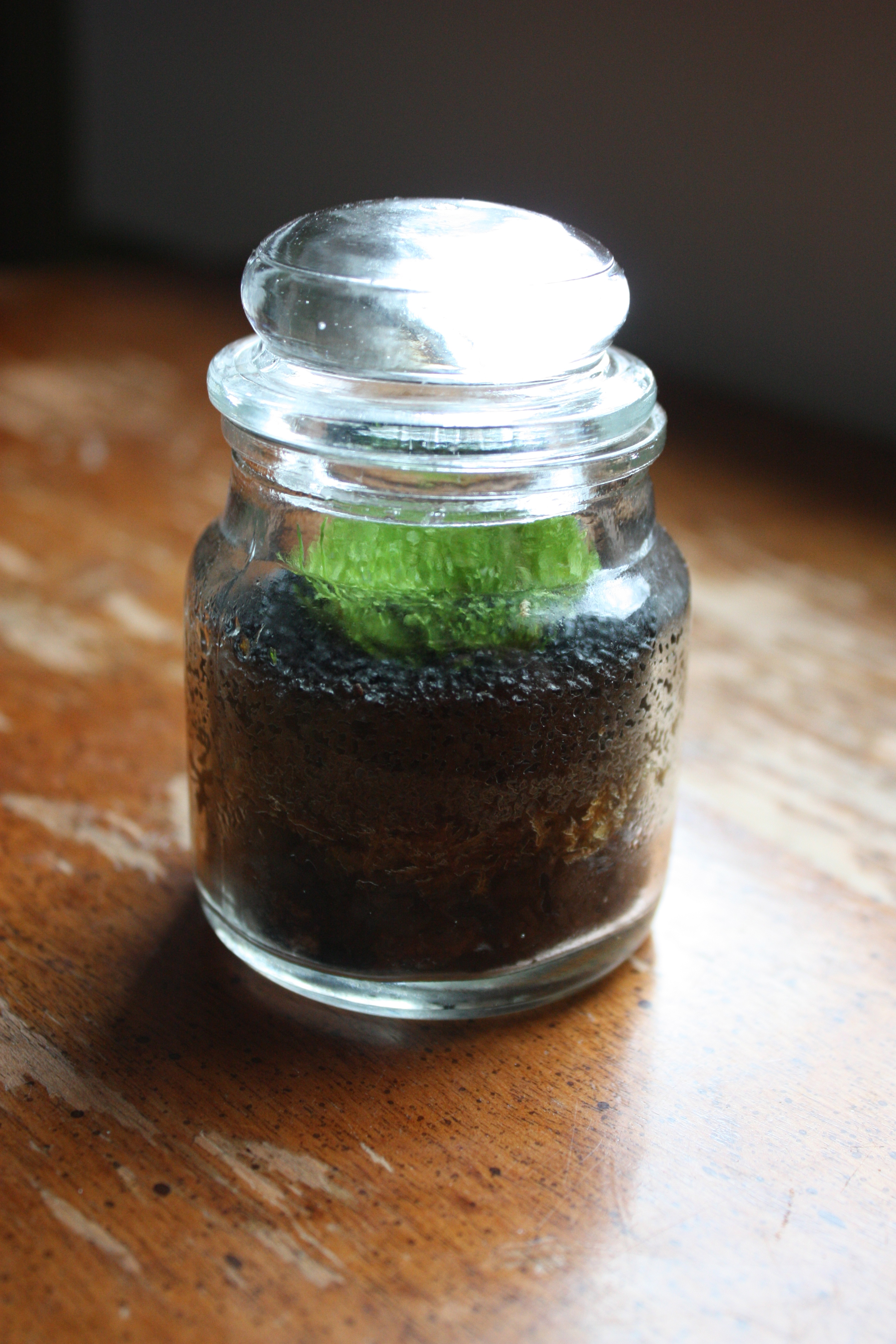
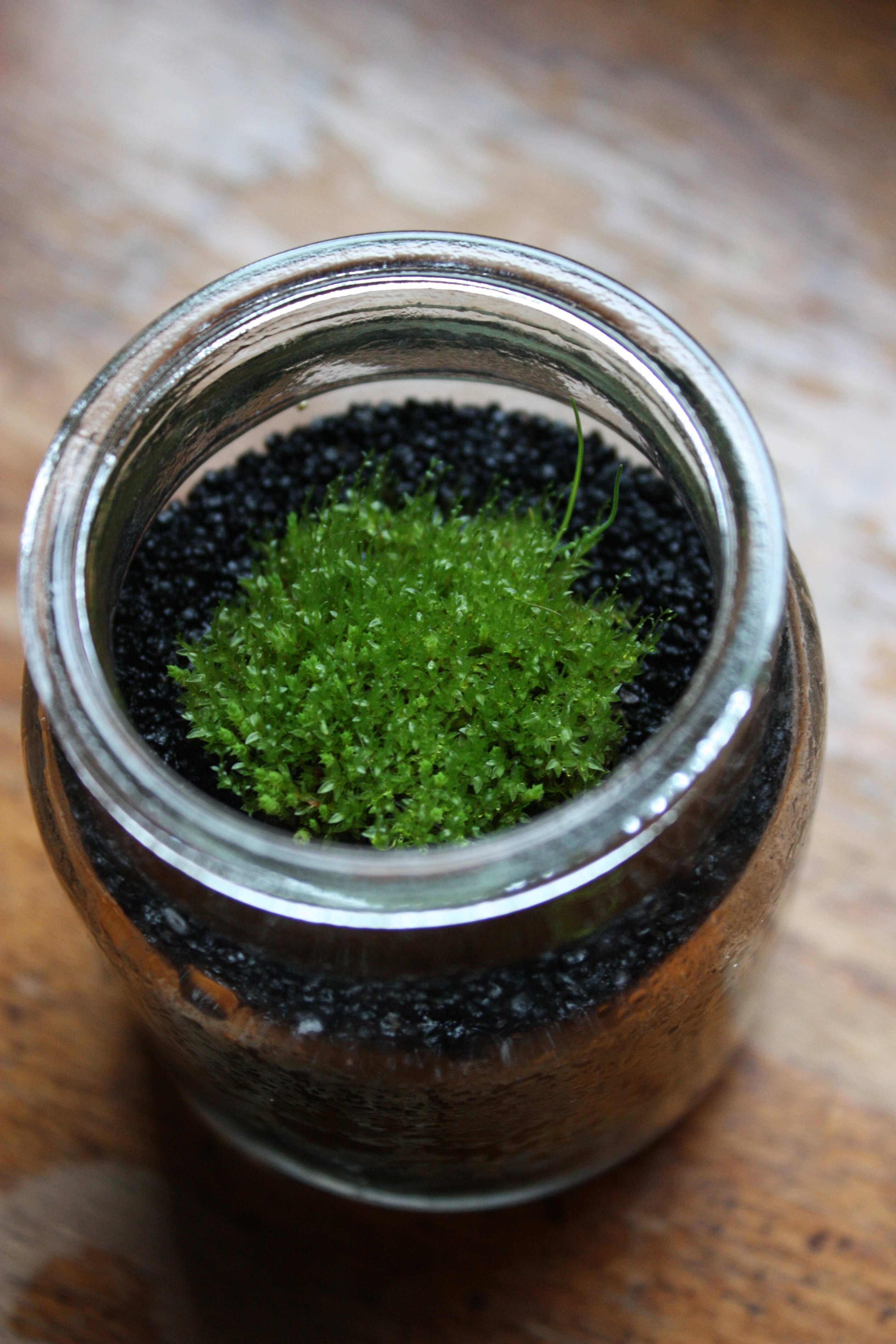


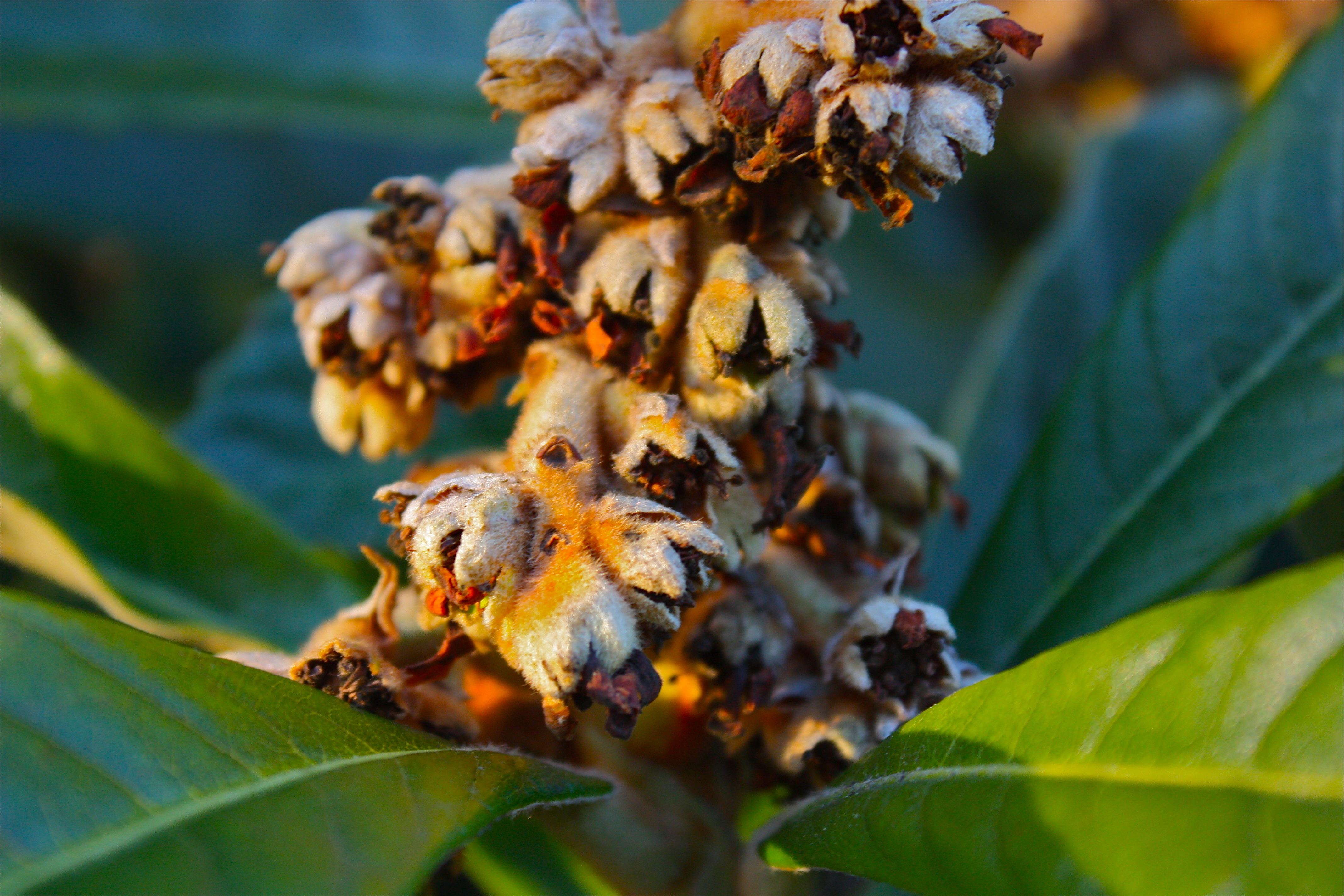


Surrounded by pungent anise leaves, this is either the best or worst bench at the botanical gardens.
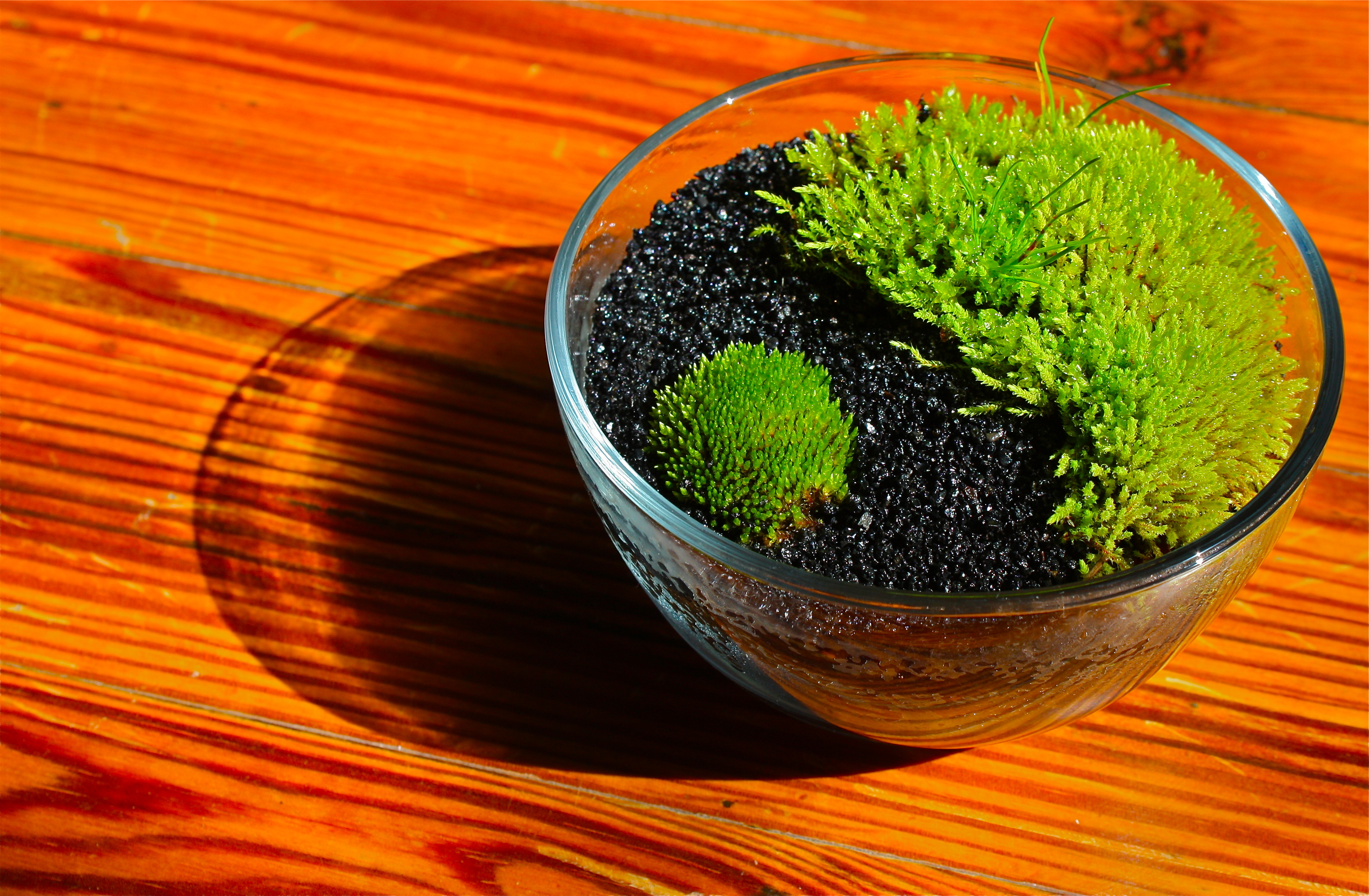
The second batch of terrariums is small but curious. Bottom-up, the layers include stones from the South Fork River near Watson Mill State Park, activated charcoal (to absorb toxins, filter air and water, and stem the growth of mold/mildew), Pacific Northwest sphagnum moss, soil from the backyard, and Hawaiian black sand. The moss was harvested from rock outcrops near Watson Mill.

According to gastateparks.org, “Watson Mill State Park contains the longest covered bridge in the state, spanning 229 feet across the South Fork River. Built in 1885 by Washington (W.W.) King, son of freed slave and famous covered-bridge builder Horace King, the bridge is supported by a town lattice truss system held firmly together with wooden pins. At one time, Georgia had more than 200 covered bridges; today, less than 20 remain.”
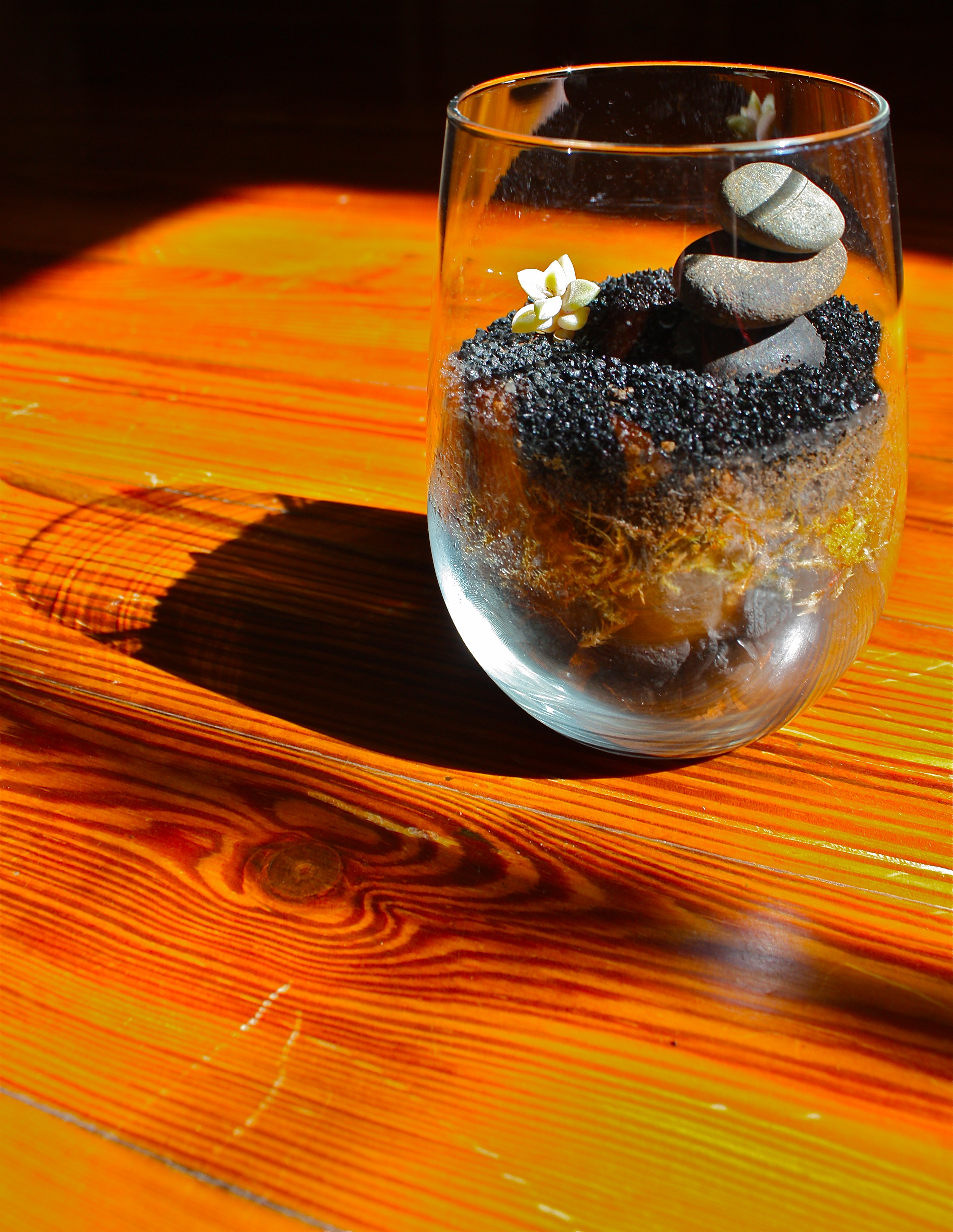
Students love touching the resident succulents in the window, so there’s never a shortage of ghost and jade bits sprouting desperate stolons seeking water.
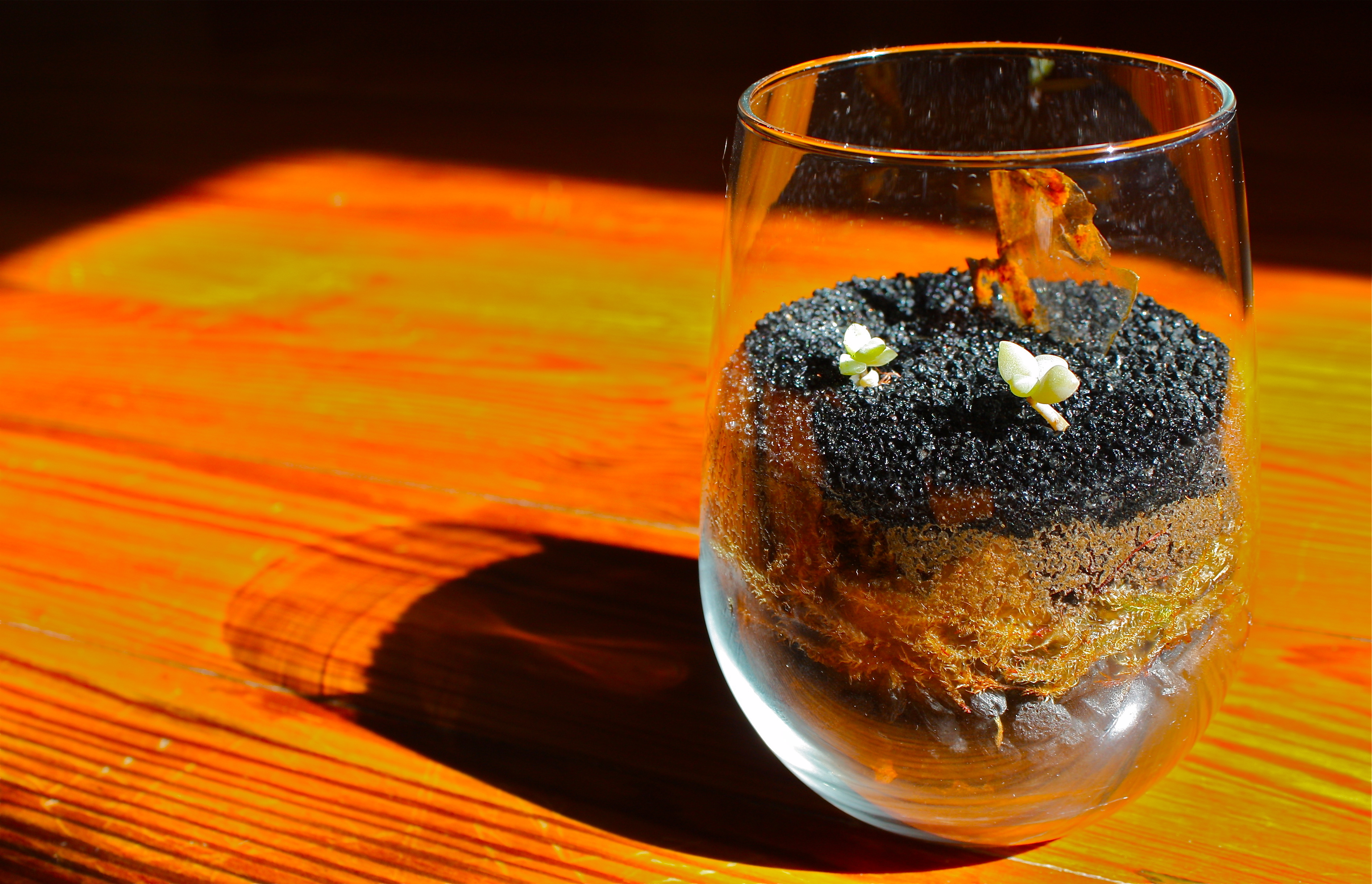
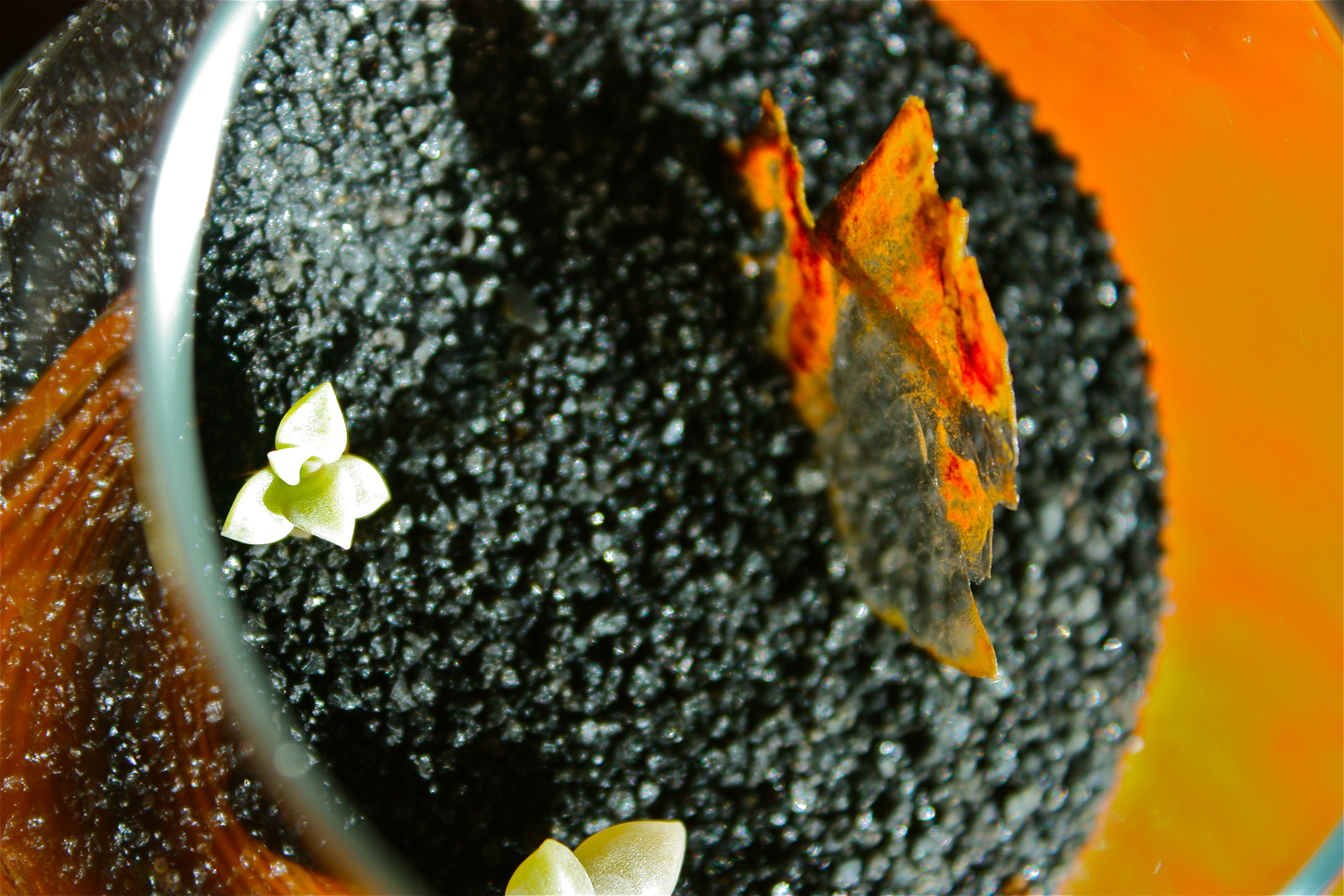
The shard of mica was pulled from a red clay hillside in Winterville.

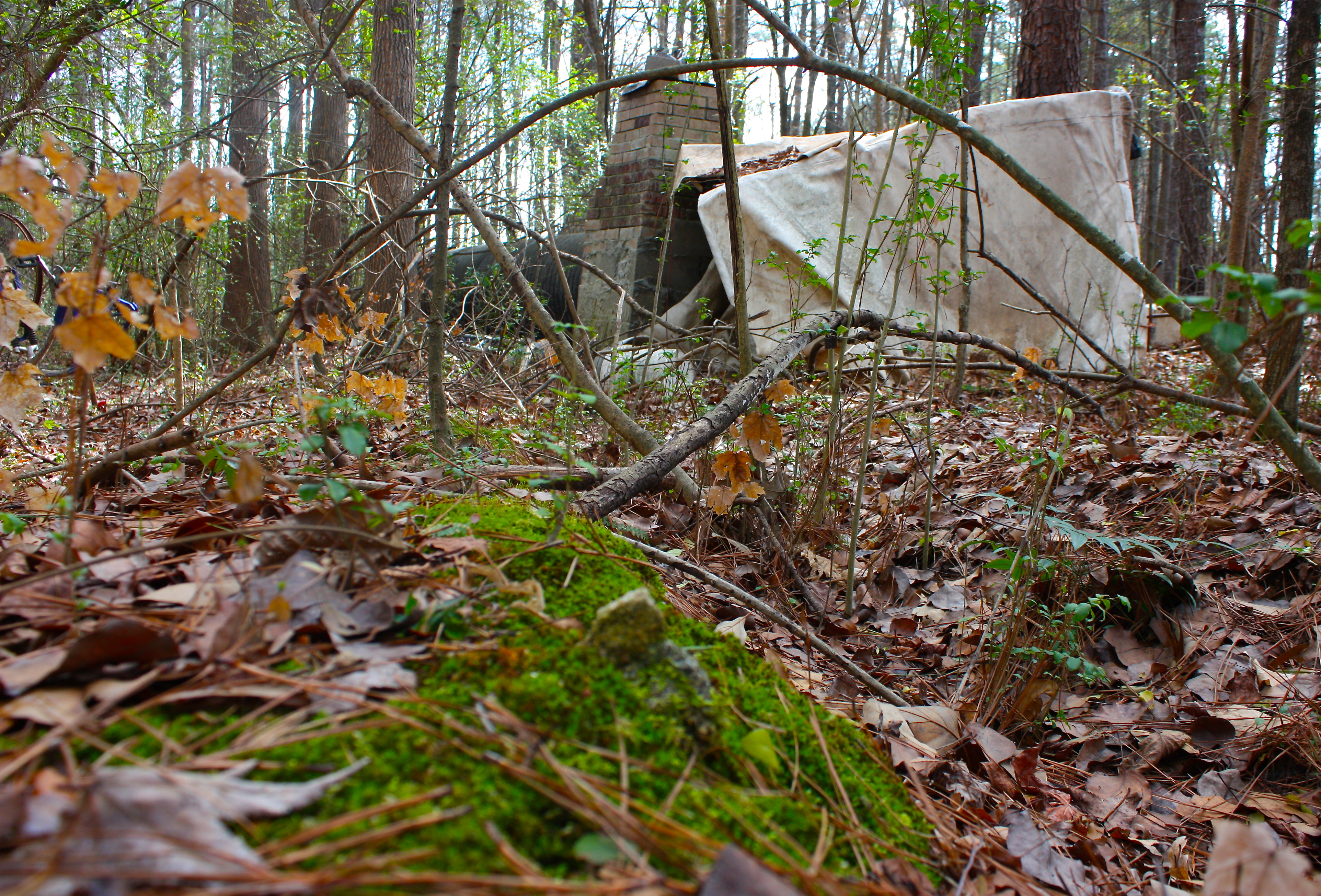
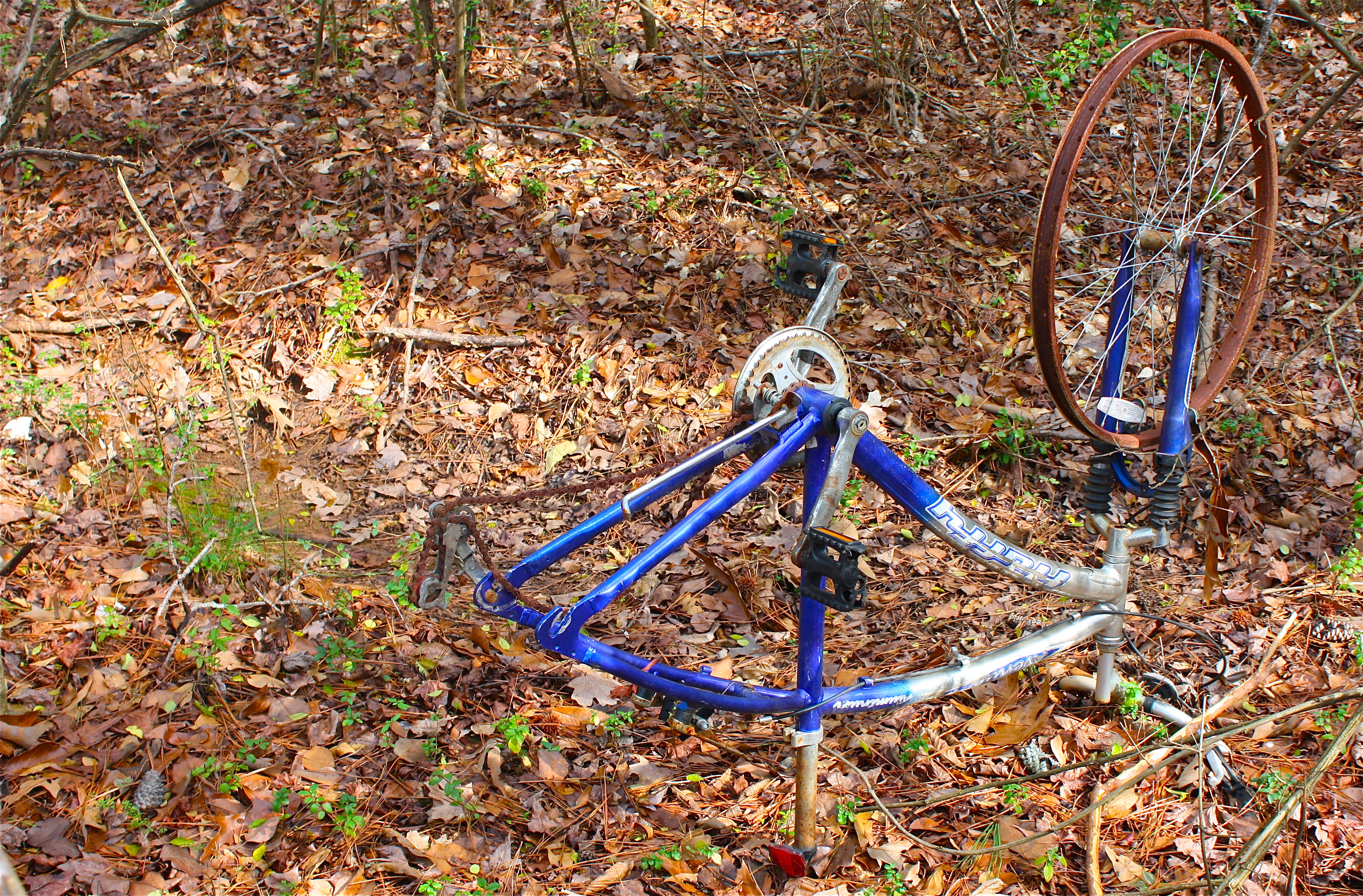
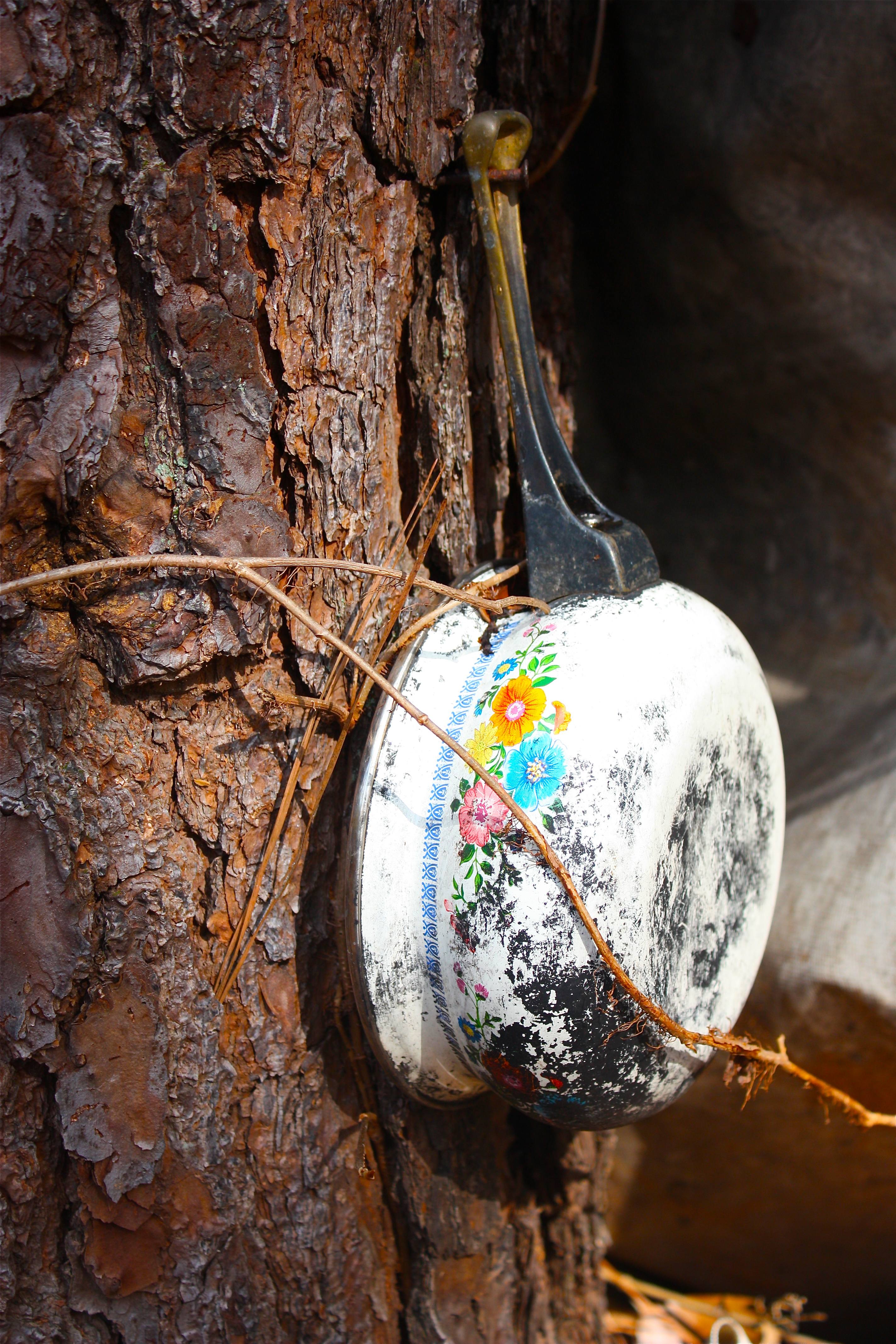
The fuzzy log above points to an abandoned homeless camp just off Old Jefferson Road.

Unique construction includes a large section of drainage pipe connected to a tent-sized bamboo structure with a brick oven/fireplace. The drainage pipe has linens and pillows inside.


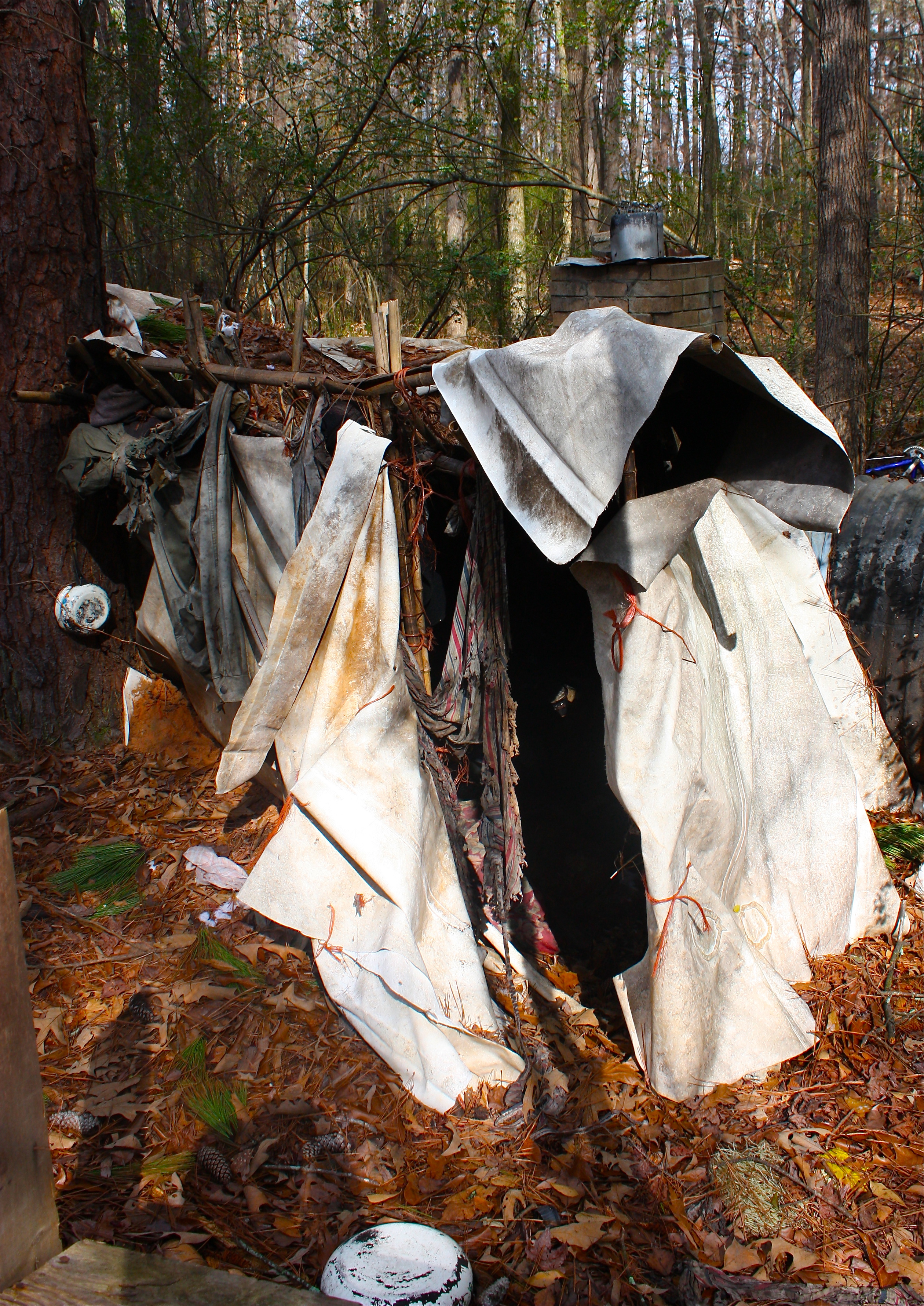
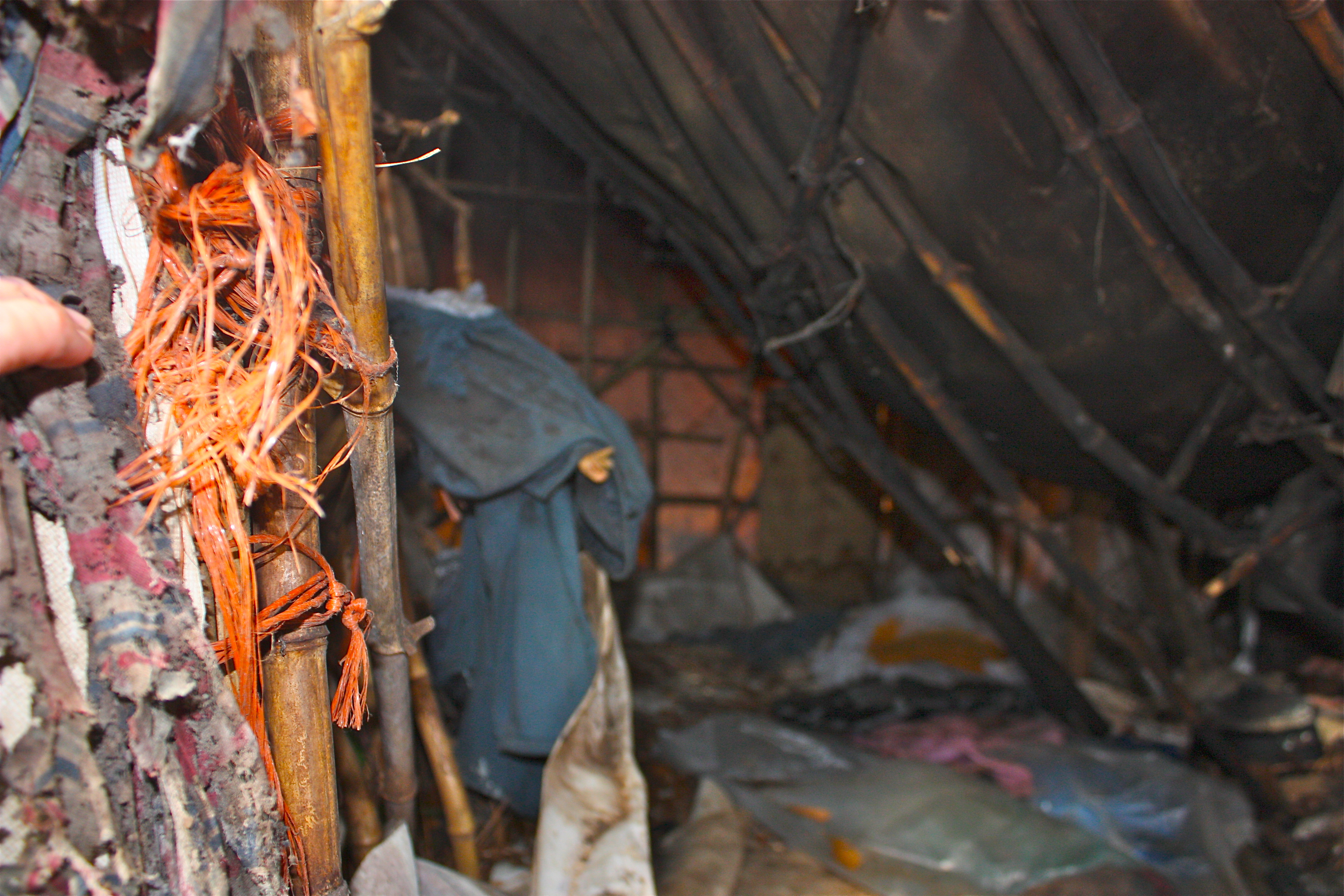
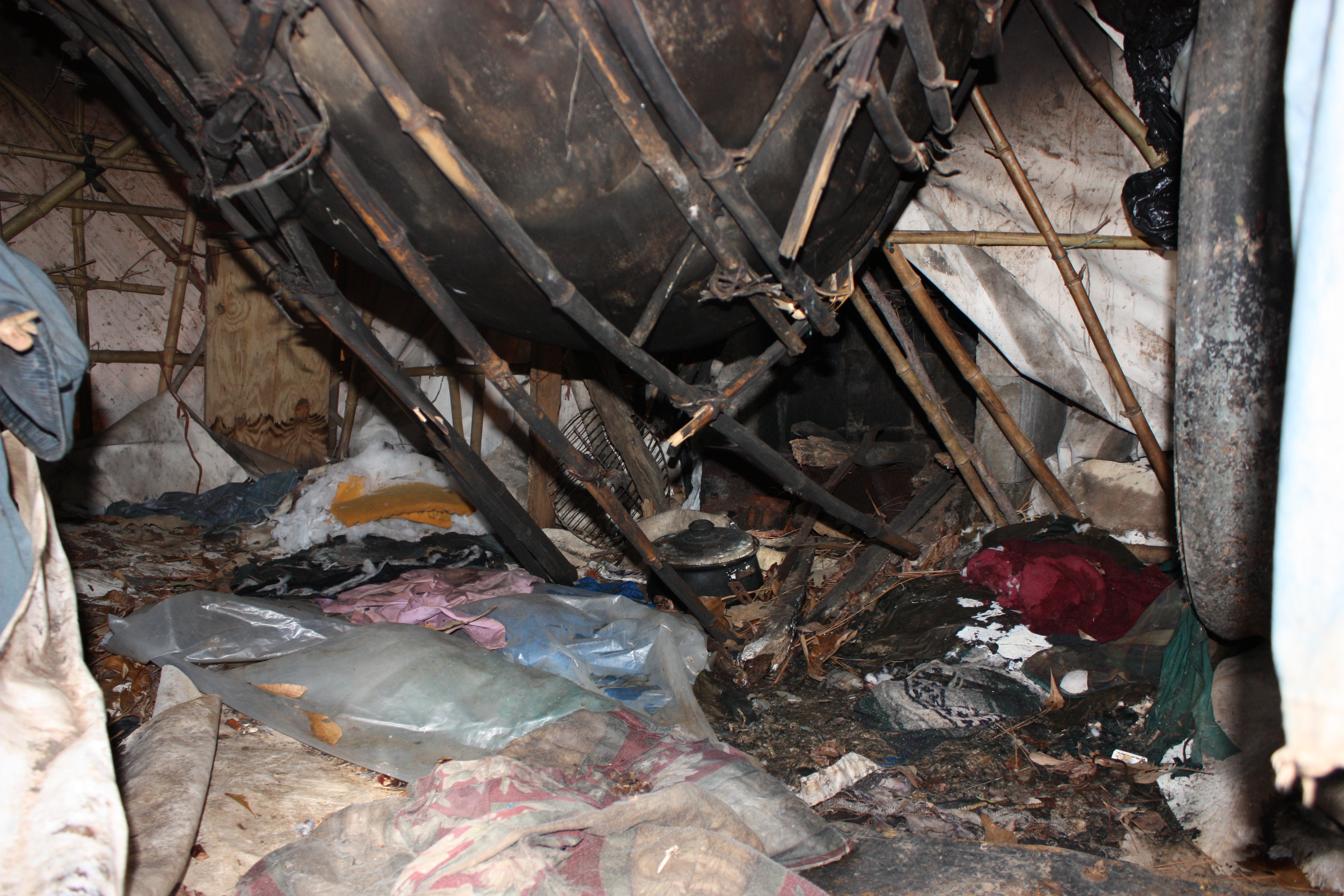
The roof is a sagging bag of rainwater and pine straw.

Out of 159 counties in Georgia, Clarke has the 8th highest poverty rate.

Ten yards away, country club members tee off.
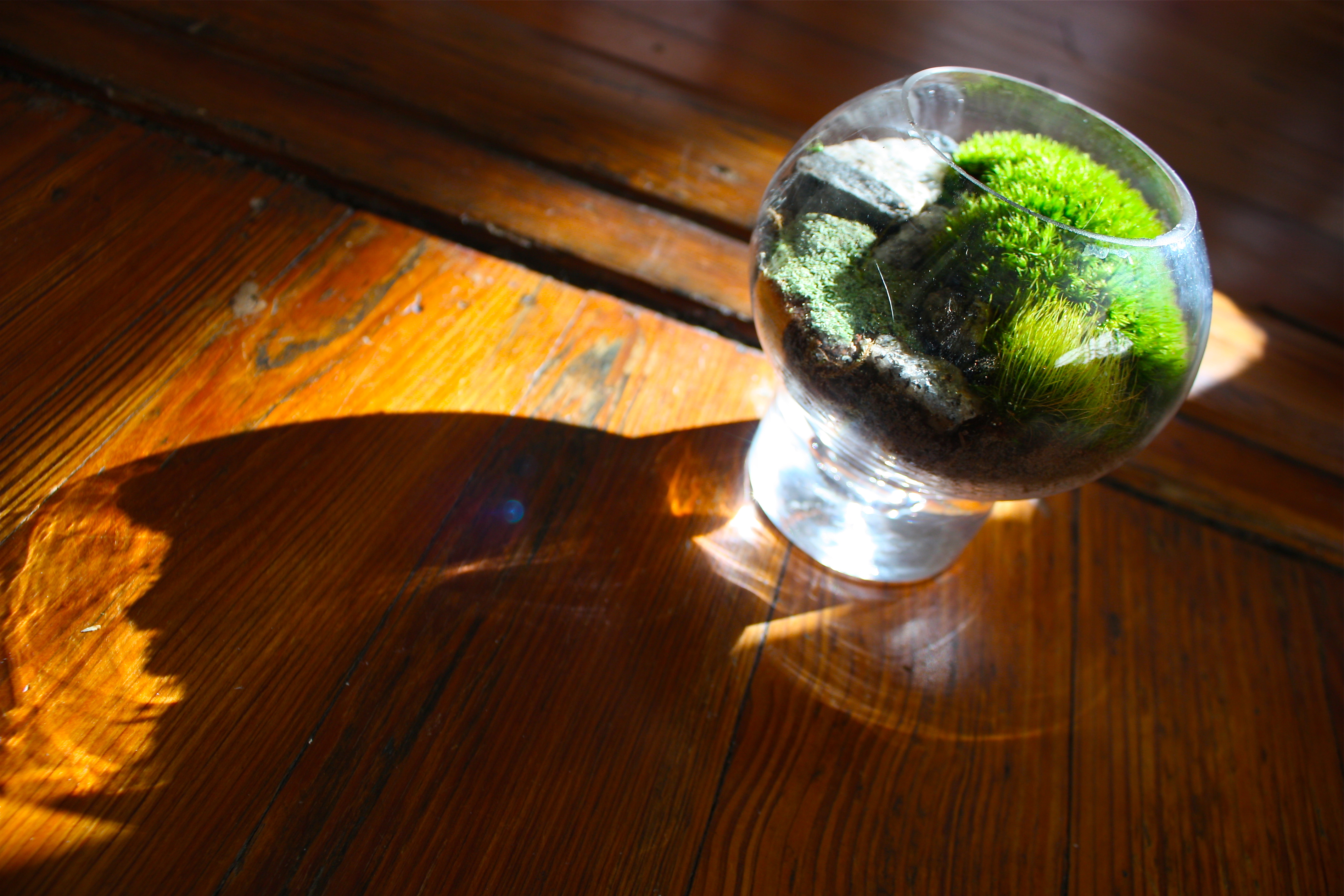
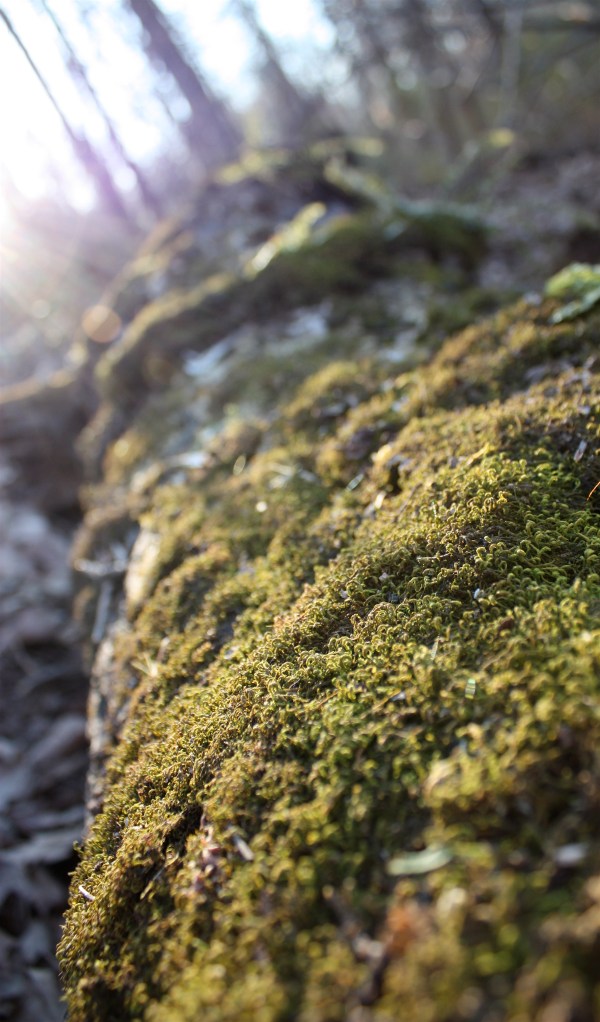
This first go at moss terrariums follows a tutorial by a Brooklyn based terrarium store. Inspired, I hiked along a stretch of railroad that runs through Whitehall Forest, harvesting verdant rugs, small chunks of pink and greyscale granite, and parched epiphytic aliens.
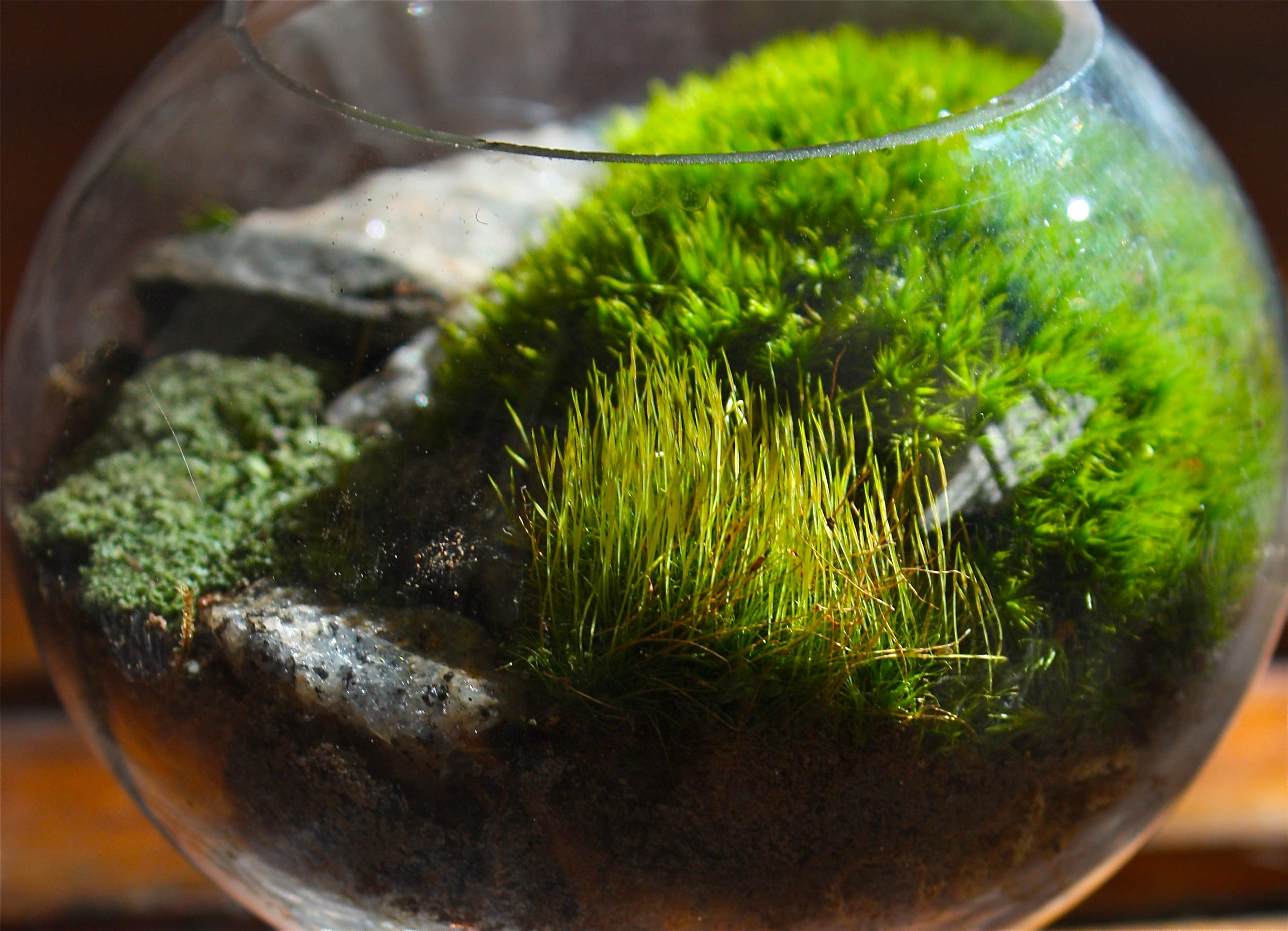
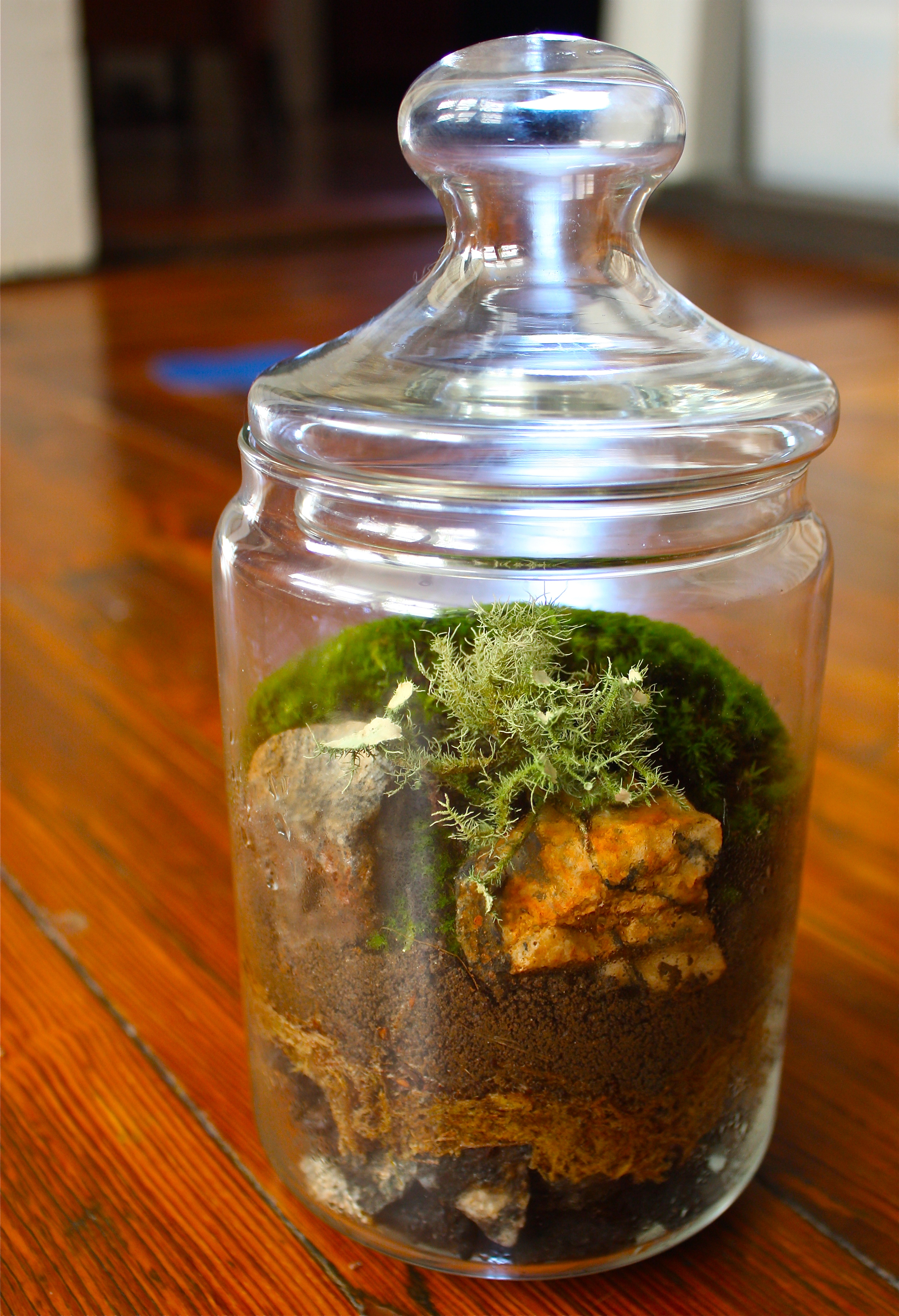
The simple tutorial fails to include instructions and tips for anyone interested in creating lasting enclosed microenvironments. After a week, the apothecary terrarium above is growing a white, moldy beard from the sphagnum layer. While troubleshooting, I discovered some comprehensive websites dedicated to the natural art beyond home decor trends. These are the best so far:

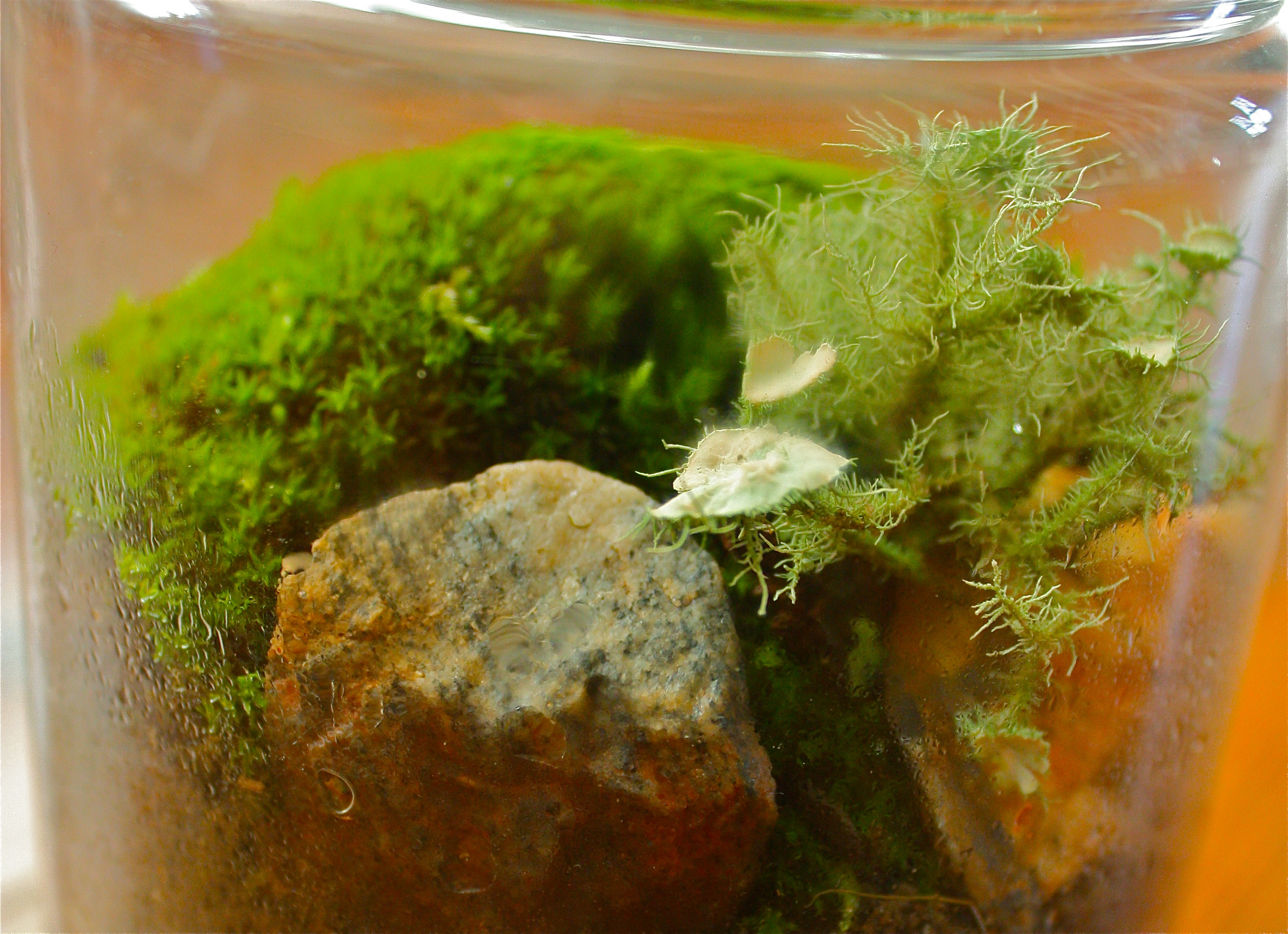
The next batch will include a layer of activated charcoal to absorb any toxins, cleanse the water as it travels up and down, and (hopefully) stem mold growth.


Abandoned Experiment Station

In 2008, a friend heard a rumor that students in the UGA ag school were dumping carcasses near the banks of the Middle Oconee River, somewhere within a 740 acre forest managed by the Warnell School of Forestry. We spent a day hiking through the woods searching for skeletons, but found nothing suspicious, except for a deer stand.
About a year later, on a mid-winter railroad hike through the same forest, I found a twenty yard stretch of bones strewn along the tracks, including over forty skulls. The larger ones were recognizable, with (female) antler stubs still attached to spinal columns and hanging mats of tan fur. A colleague at school identified the smaller skulls as raccoon. Each had a pencil width puncture just behind the eye, splitting the braincase.
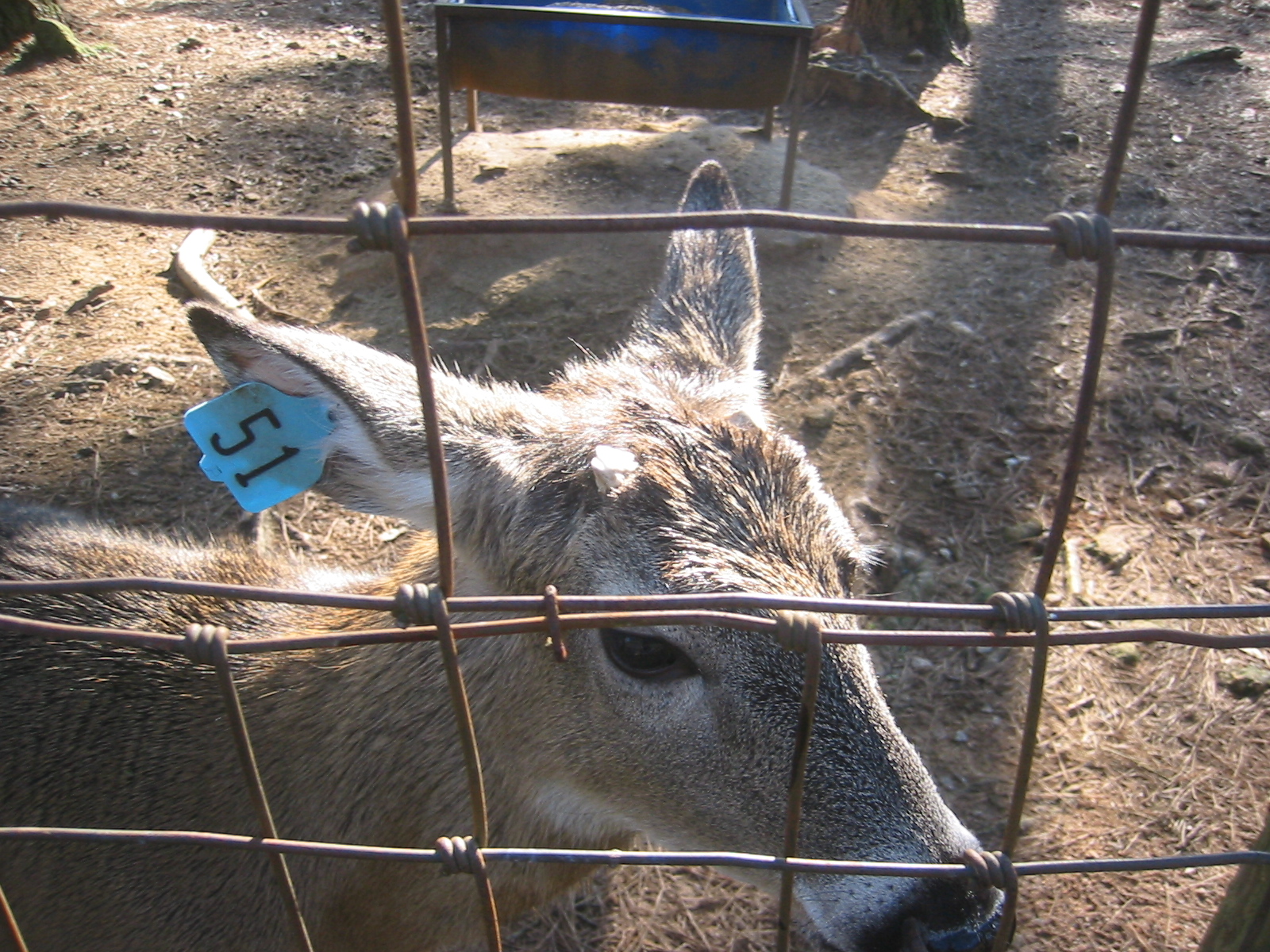
A half mile from the slaughter, around a dozen deer are tagged and caged within a tall fence.
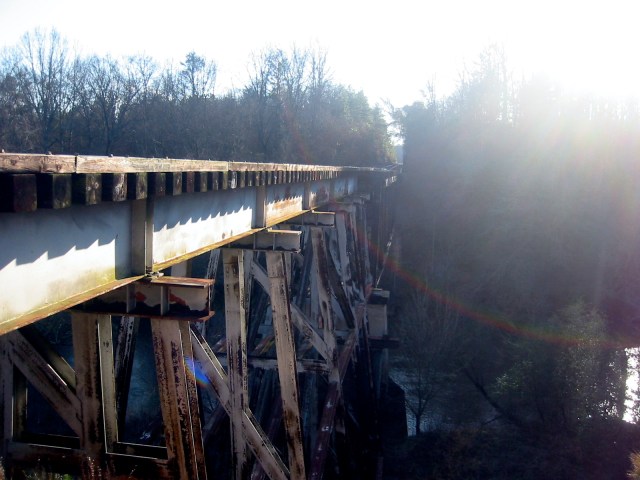
Lollipop, lollipop…

Field recordings paired with these images were recorded in rural Mississippi by John and Alan Lomax between 1934 and 1942. Click here for a comprehensive review of the collection, which is archived at the Library of Congress.
“Satisfy”
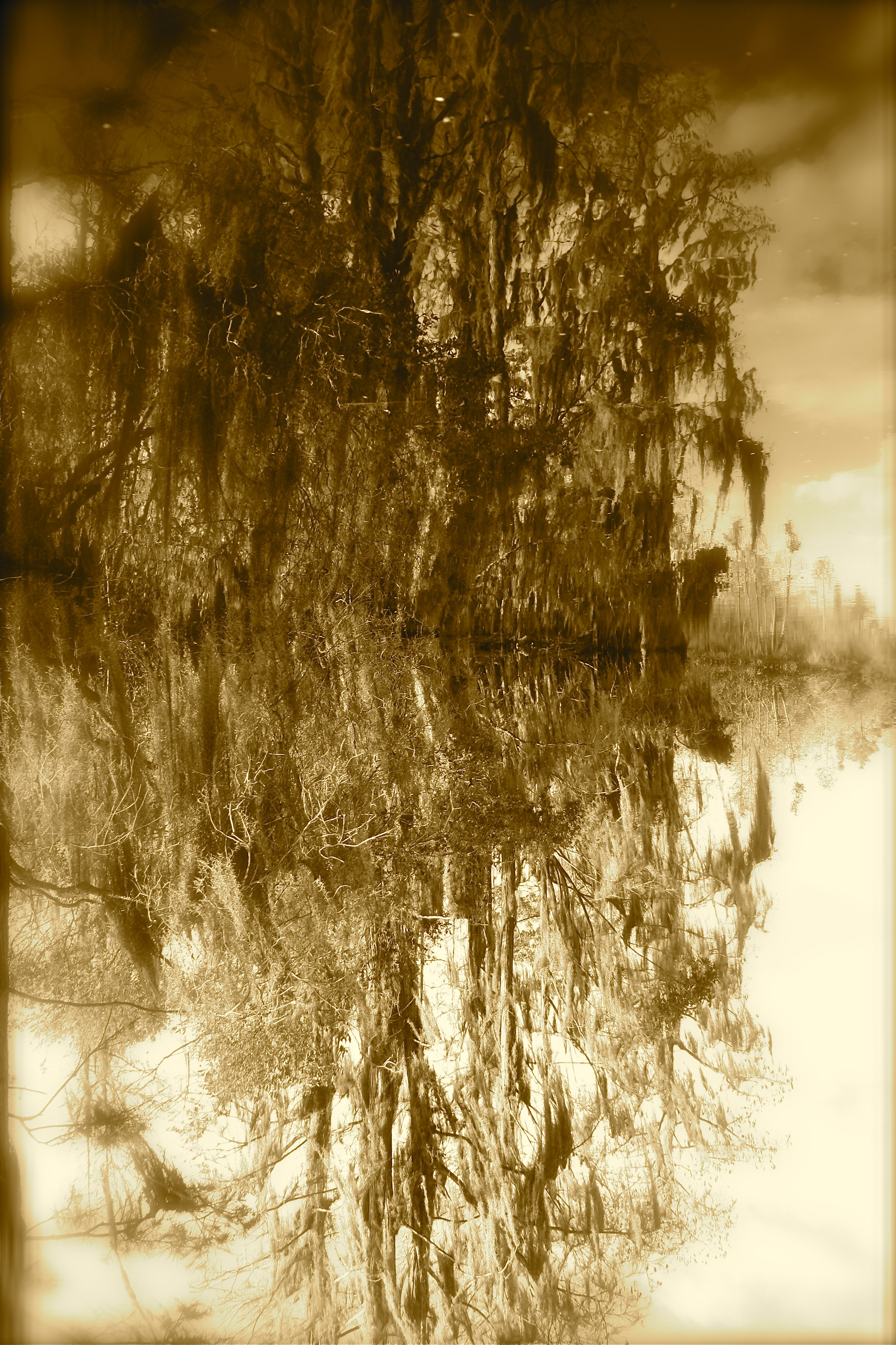
“Gwan Roun Rabbit”

“I’m Going to Leland”
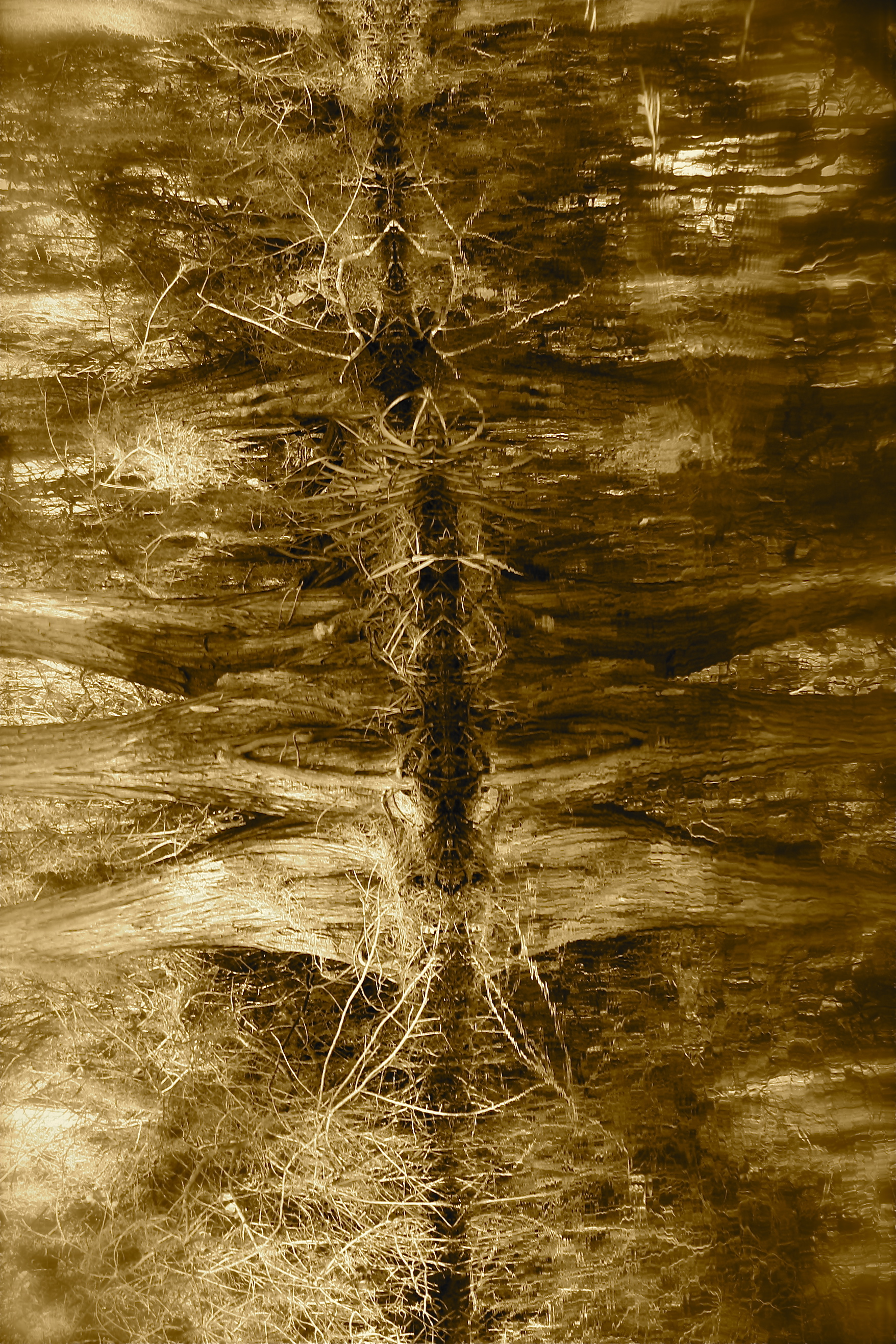
“Little Rosie Lee”
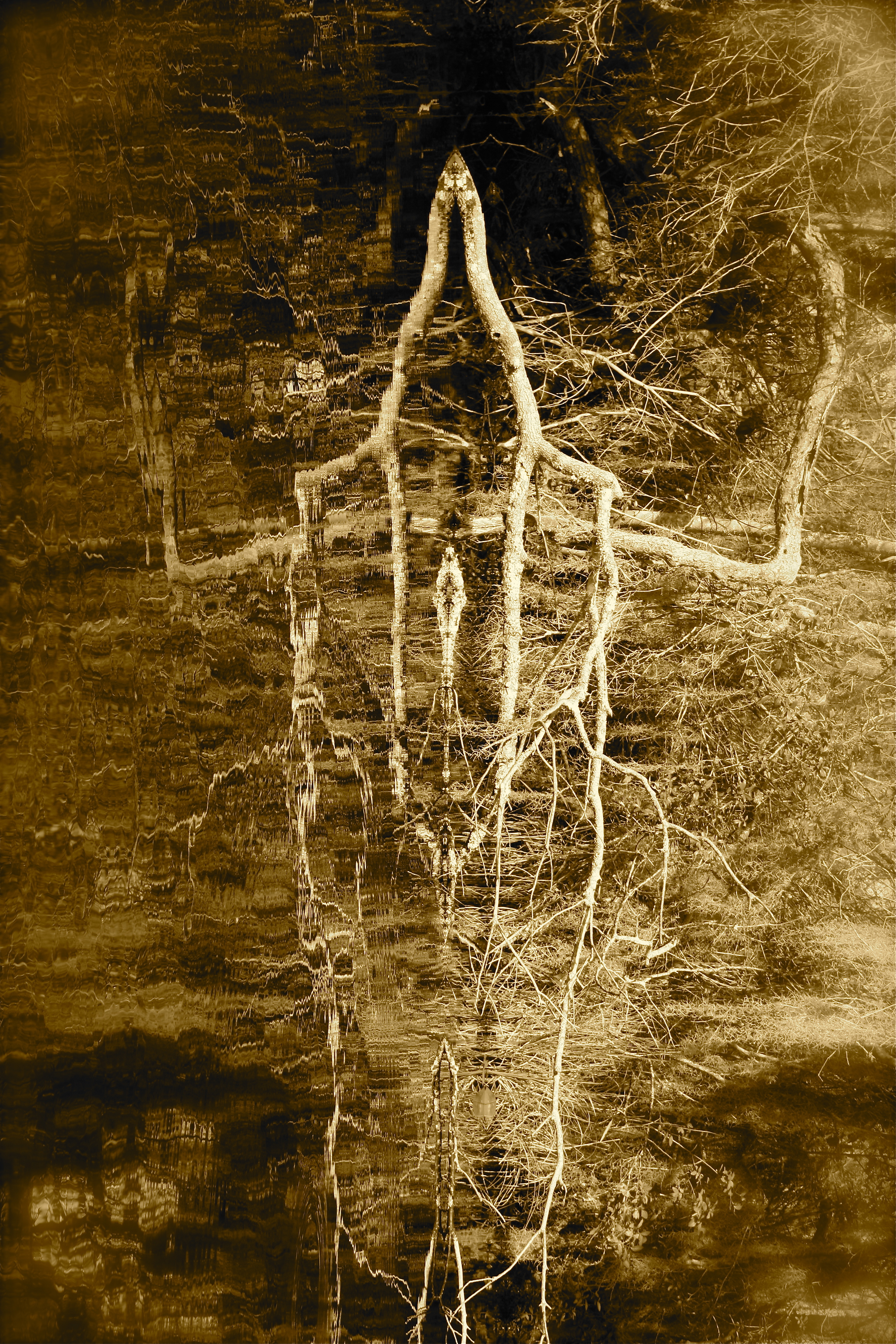
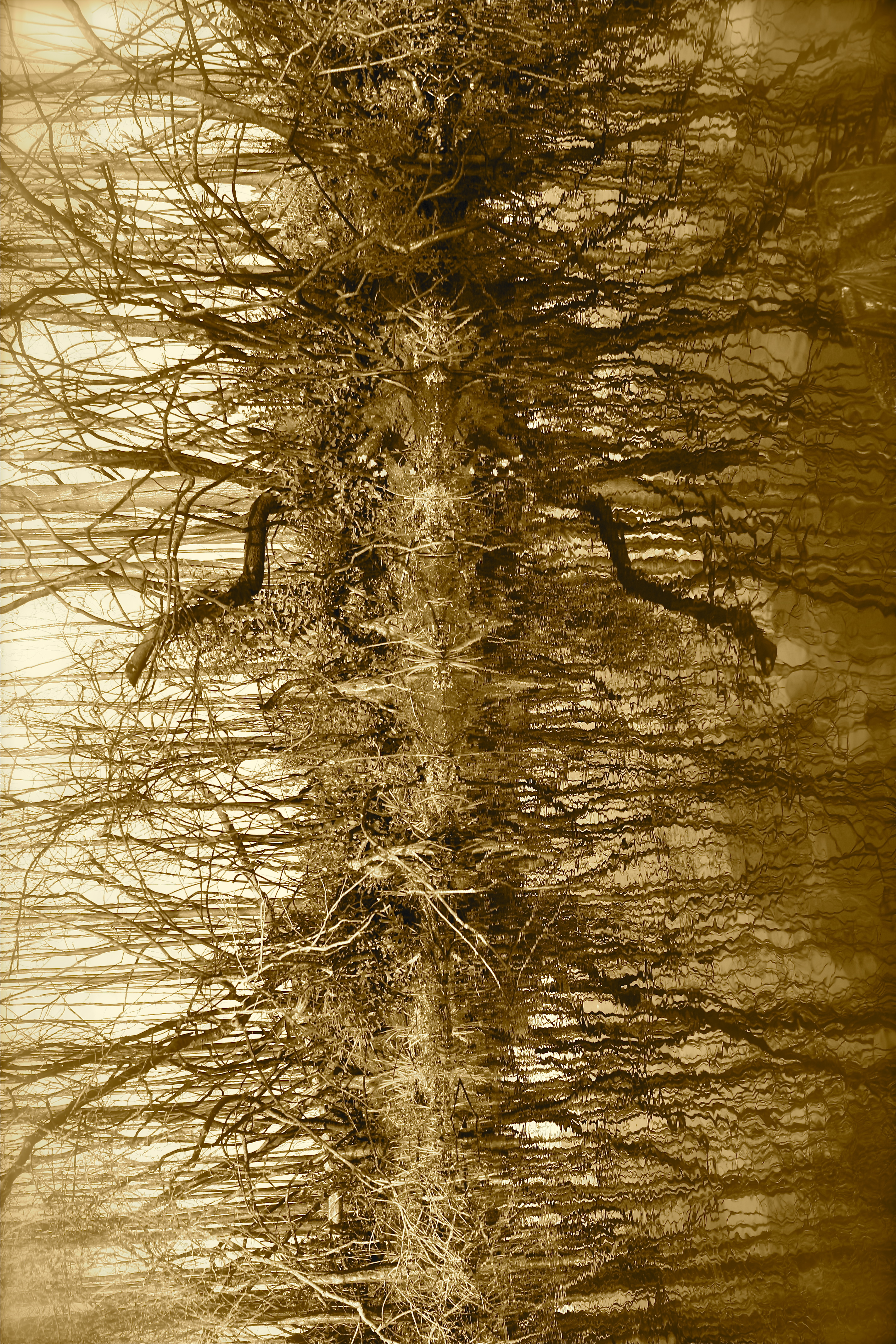
“See Lye Woman (Sea Lion)”
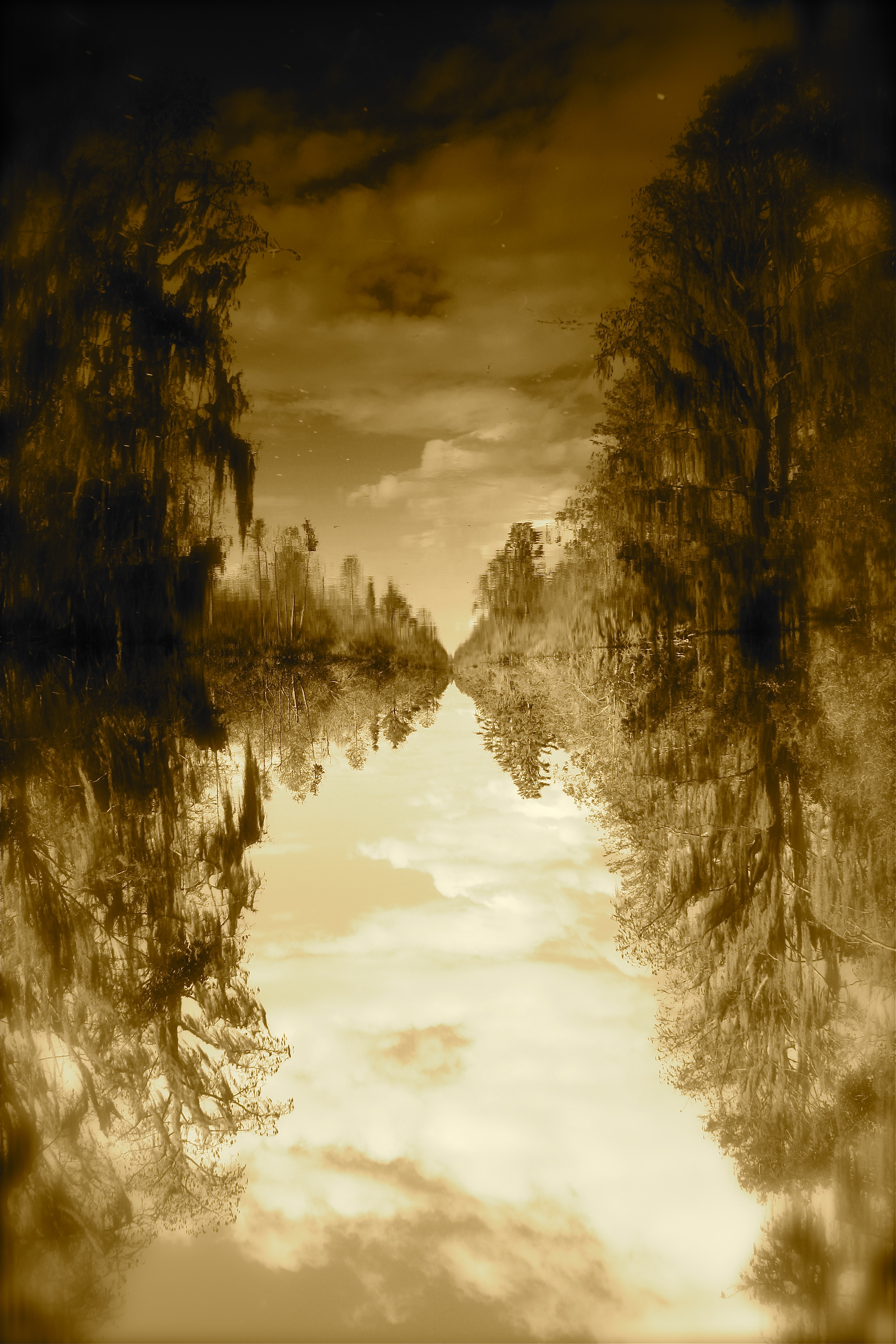

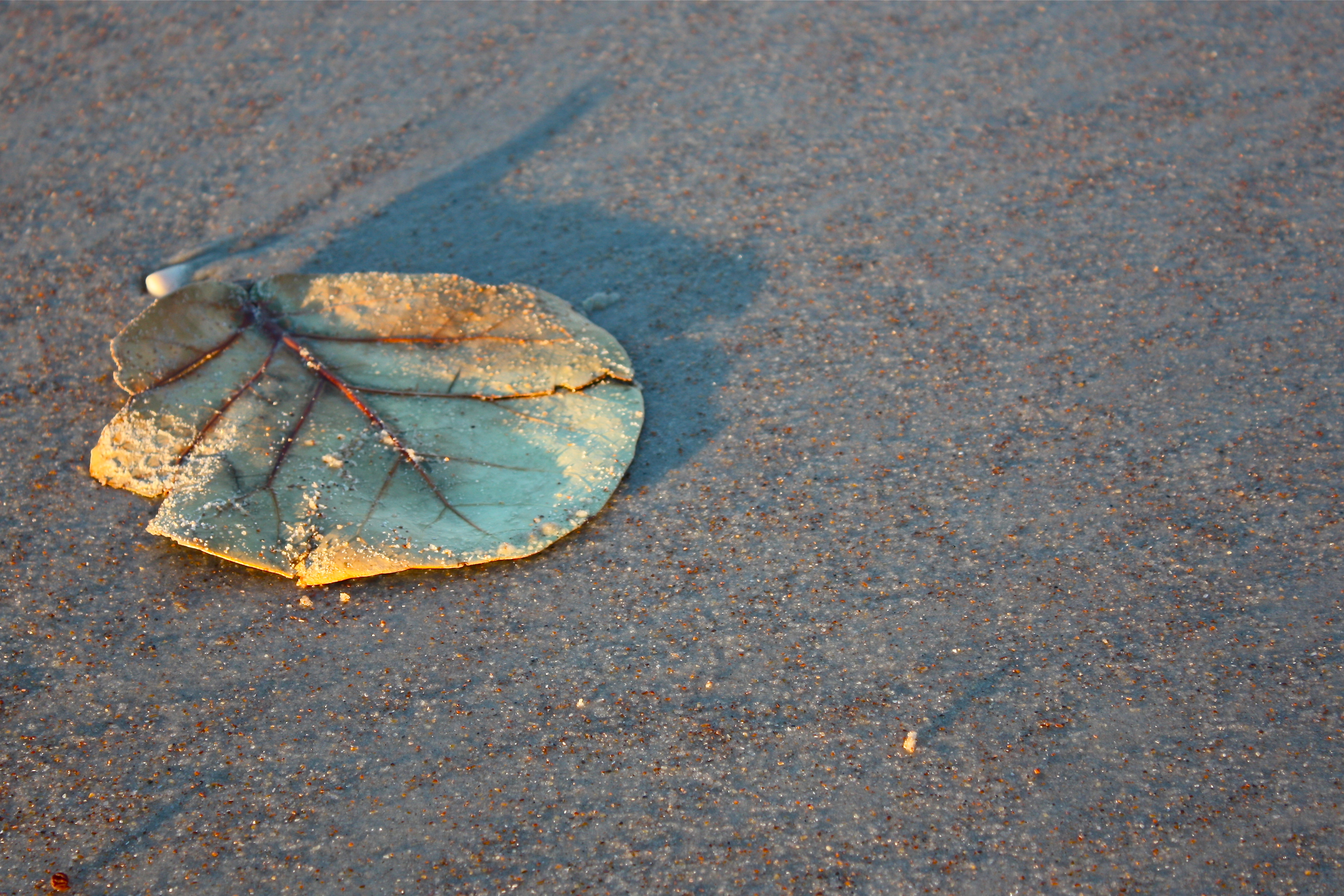
 Pedagogy of the Plants