
During warmer months, alligators share Lake Dora’s shore with these mysterious gastropods.
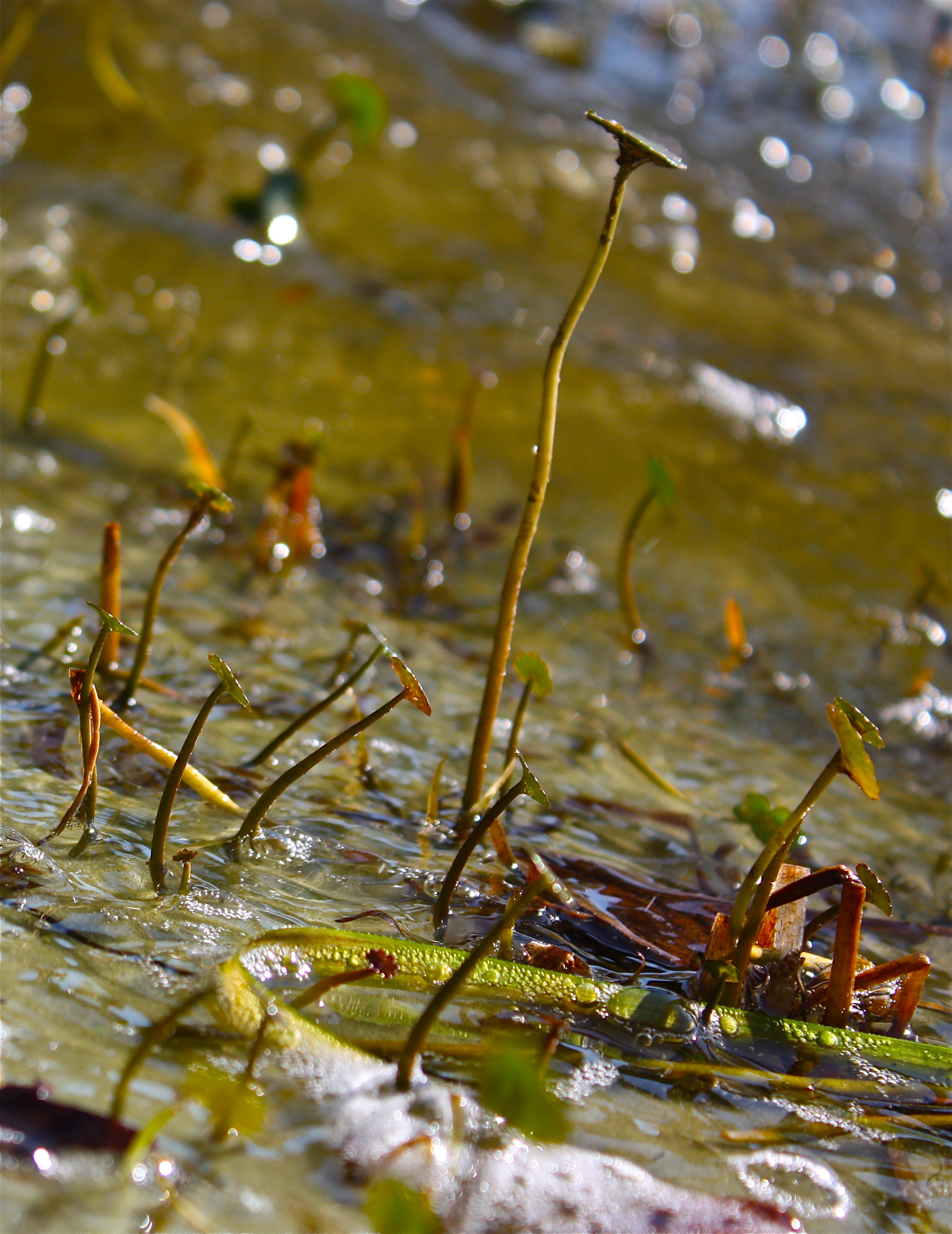


During warmer months, alligators share Lake Dora’s shore with these mysterious gastropods.

Mexican flame vines buttress Robert and Madeline’s verdant enclave from Orlando’s relentless congestion. After chocolate and coffee, we toured their small, one-room workshop where essential oils are blended, poured, packaged, and shipped. One of their latest offerings is palo santo, from South America. The “holy wood” was used by the Incas to purify and cleanse spaces of negative energy/spirits. Robert offered a bag of sticks to take home.
The winter break’s first read was Amy Greene’s Bloodroot, an apropos tale for a cabin Christmas in the Blue Ridge Mountains. Set in rural Tennessee, a doting grandfather whittles animals for his granddaughter. Inspired by his crafty gifts, and equipped with enough palo santo wood to cleanse an old apartment complex, I set out to try my hand at folk art.
Lloyd showed me how to use a range of tools for deconstructing, repairing, and building ramps and skateboards. Despite his disdain for the sport’s inherent destruction, throughout the years my grandfather passed along well-worn various and sundry tools, including a small pocket knife.
The cube above was first, then the pyramid. Pleased with fragrant basics, organic figures followed. The boy in baggy jeans was originally intended to be a sphere, but symmetry proved illusive. So the kid slowly revealed himself as a raver from ’97, and the pyramid became a hat.

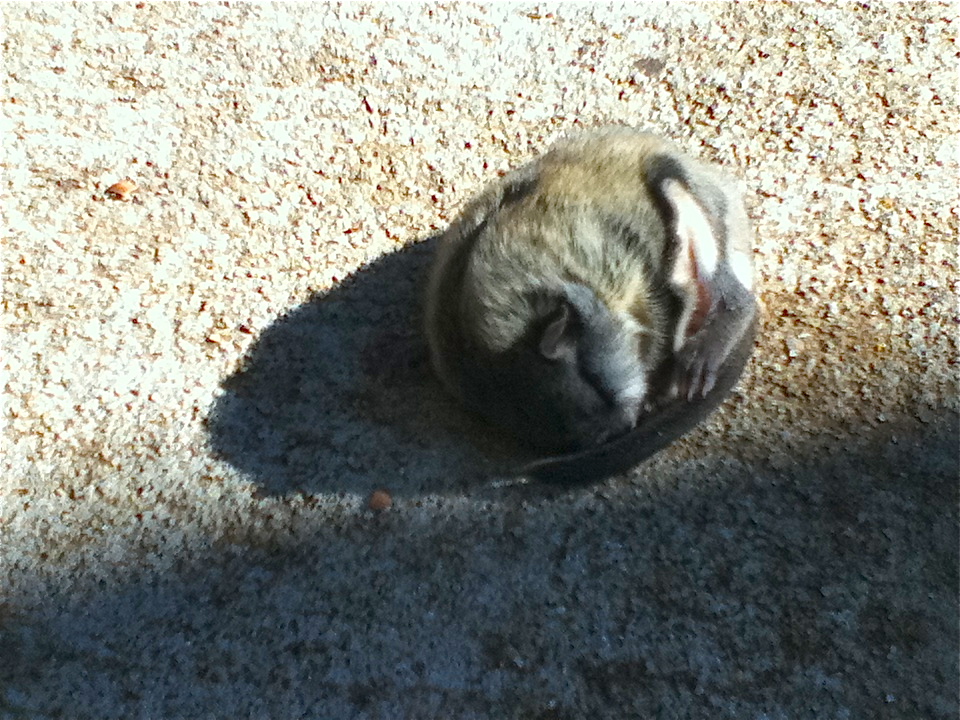
The weekend morning routine includes a handful of skate spots around Normaltown. On the way back from a chilly session at the former Navy school, a dead mole lies in the fetal position between a misplaced frat house and a bank much younger than the magnolias surrounding it.
The mole turns out to be a baby squirrel blindly inching itself into the sun, and out of a phone pole’s splintered shadow. Despite direct sunlight, shivers match rapid, shallow breaths. I sit down next to him in the middle of the sidewalk diverting a jogging hipster and a familiar homeless man briefly sharing a route while avoiding eye contact.
In this moment, Tolstoyan questions aren’t easily answered. After I stroke downy gray hoping to share a warm touch, will its mother – watching from a branch above – now reject her tainted son like a fledgling thrasher thrown into someone’s yard during a storm? Earlier a pair of hawks not far from this spot were startled by the sound of urethane wheels on cement. Could I deny them, or a feline neighbor, a hot lunch?
Three fast food franchises are within throwing distance, so I run across the street into one without a single customer that offers smaller burgers and hot dogs. The cashier listens to a middle aged man with a skateboard explain that he needs a container of some sort to rescue a baby squirrel across the street. She asks the manager, who responds, “Don’t you need some gloves?” The free, hot dog sized container becomes a Sciuridae gurney (and hopefully not a polystyrene coffin).
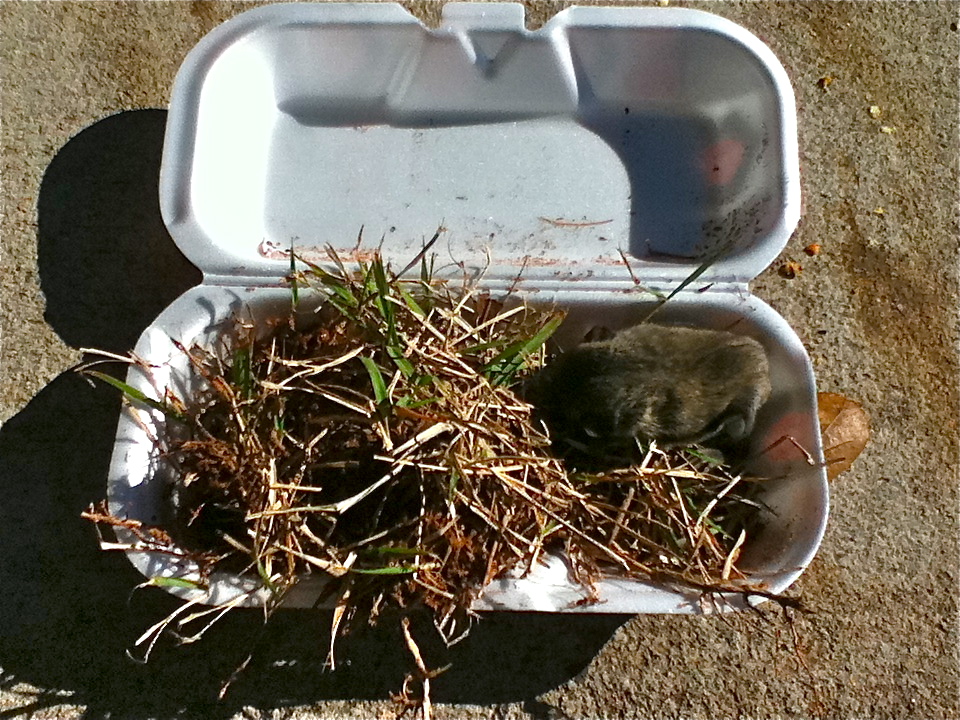
Once back across the street, his condition’s the same, so I try to make him comfortable. Repeatedly stabbing a branch into manicured grass under outstretched magnolia limbs like elephant trunks, a small patch of earthen bedding is carved. This morning I won’t heed a grandfather’s lost advice to “always replace your divots.”
Walking rather than skating to avoid a bumpy trip home, I run into one of my students swinging wildly from a dogwood branch. His mom mentions a chicken now roaming the neighborhood, and a baby squirrel they rescued last year and took to the UGA Community Practice Clinic. After adopting a puppy recently, the family of kindred spirits now includes two dogs, a cat, and a fish.
Now home with cats quarantined in the bedroom, I call the clinic. The woman puts me on hold briefly after I describe the fuzzy guy, then asks if it’s visibly injured. Luckily, my student’s mom warned me about the stipulation: They only treat injured wild animals. “I think it fell from a tree, and maybe broke something because it’s not moving.” I say. She says to bring it in.
An anxious man with a thick southern accent is milling around outside the clinic door holding a dachsund with rear leg paralysis. I buzz the front desk, and a technician lets us in. Doctor Gentry arrives and says, “Oh, Glaucomys volans… a flying squirrel!” He mentions that they’re nocturnal and rarely seen, while pointing-out the stripes of black along its sides lining extra folds of skin used for gliding. I complete the paperwork, grab some literature to share with the class, then head home.
Twenty minutes later, Dr. Gentry calls with an update. “I gave him some puppy formula, and he perked-up immediately. He doesn’t appear to be injured in any way, just cold and hungry. A local squirrel rehabber is coming this afternoon to pick him up.”
A life is saved.

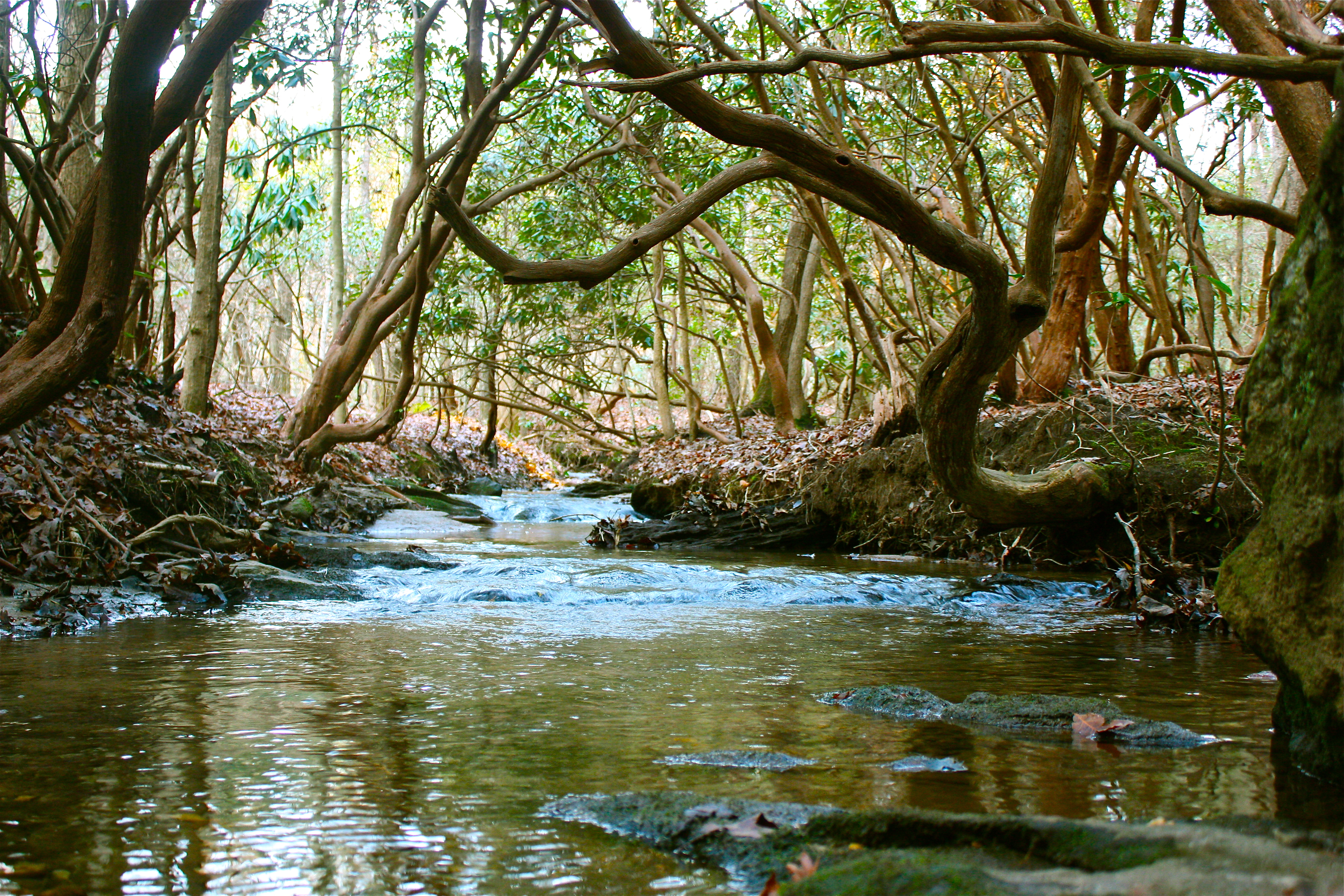


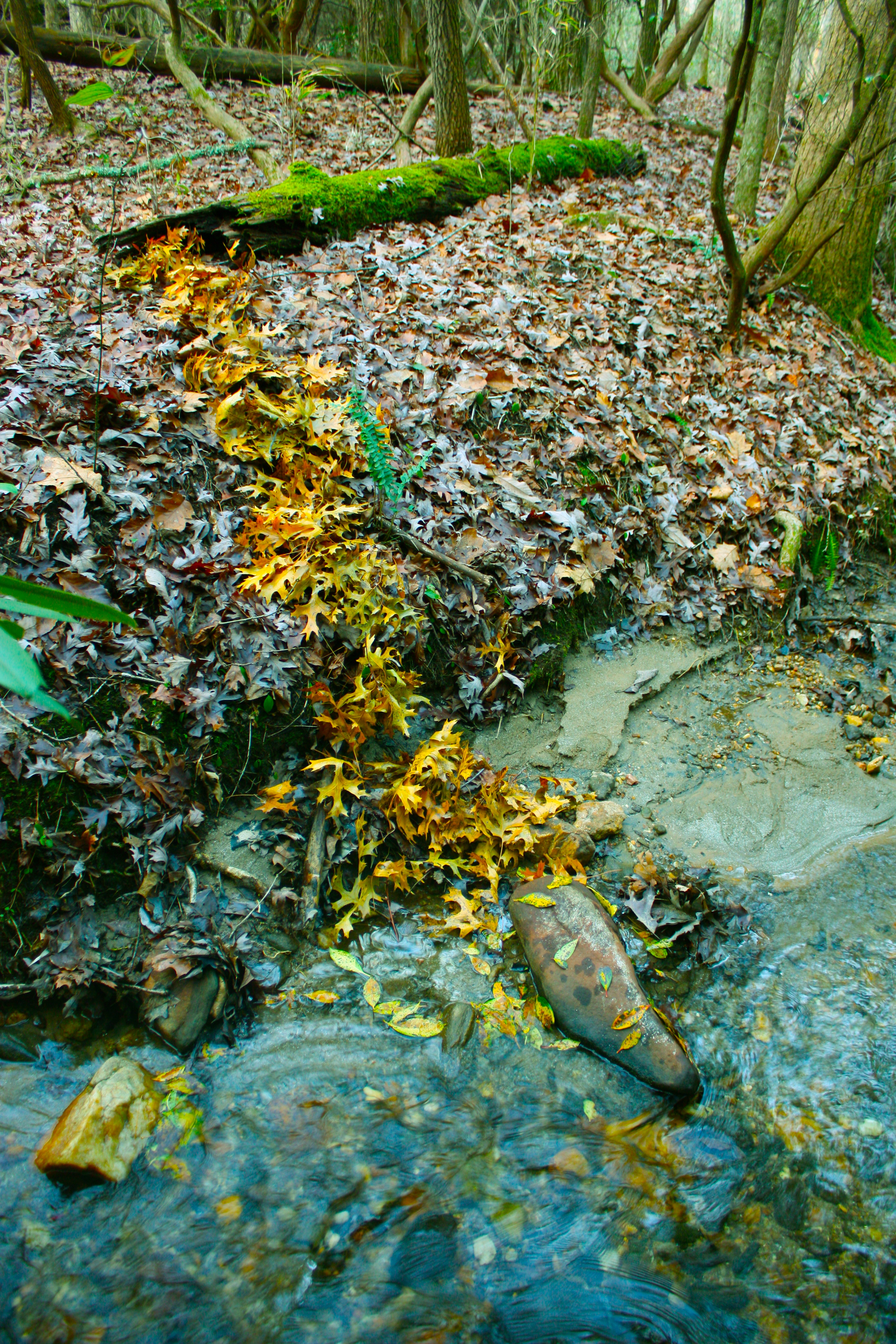
Mustard colored oak leaves offer an Andy Goldsworthy moment.
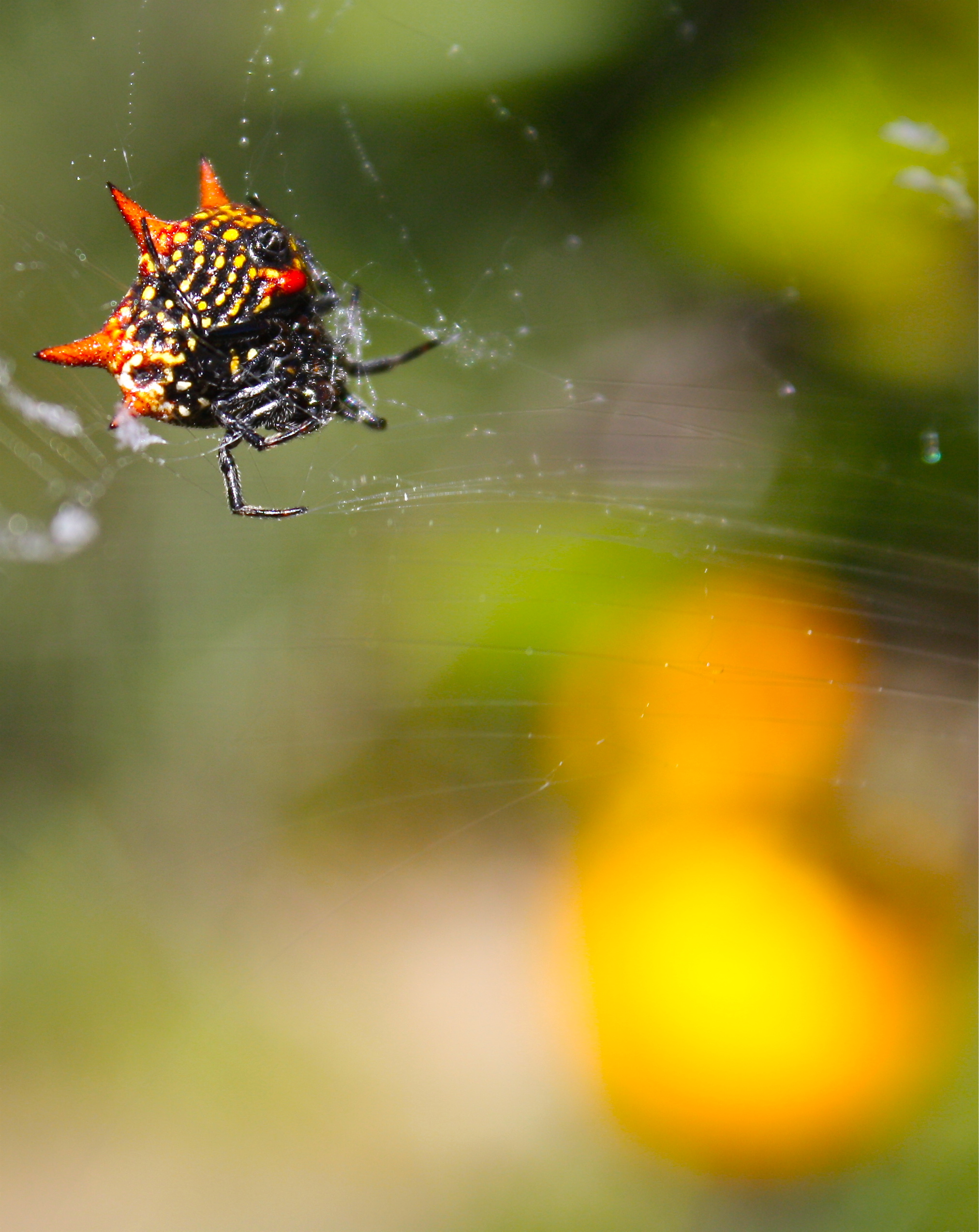
The colorful spinybacked orbweaver only lives a few months. The photogenic Lake County resident above found a sunny spot in an orange grove.
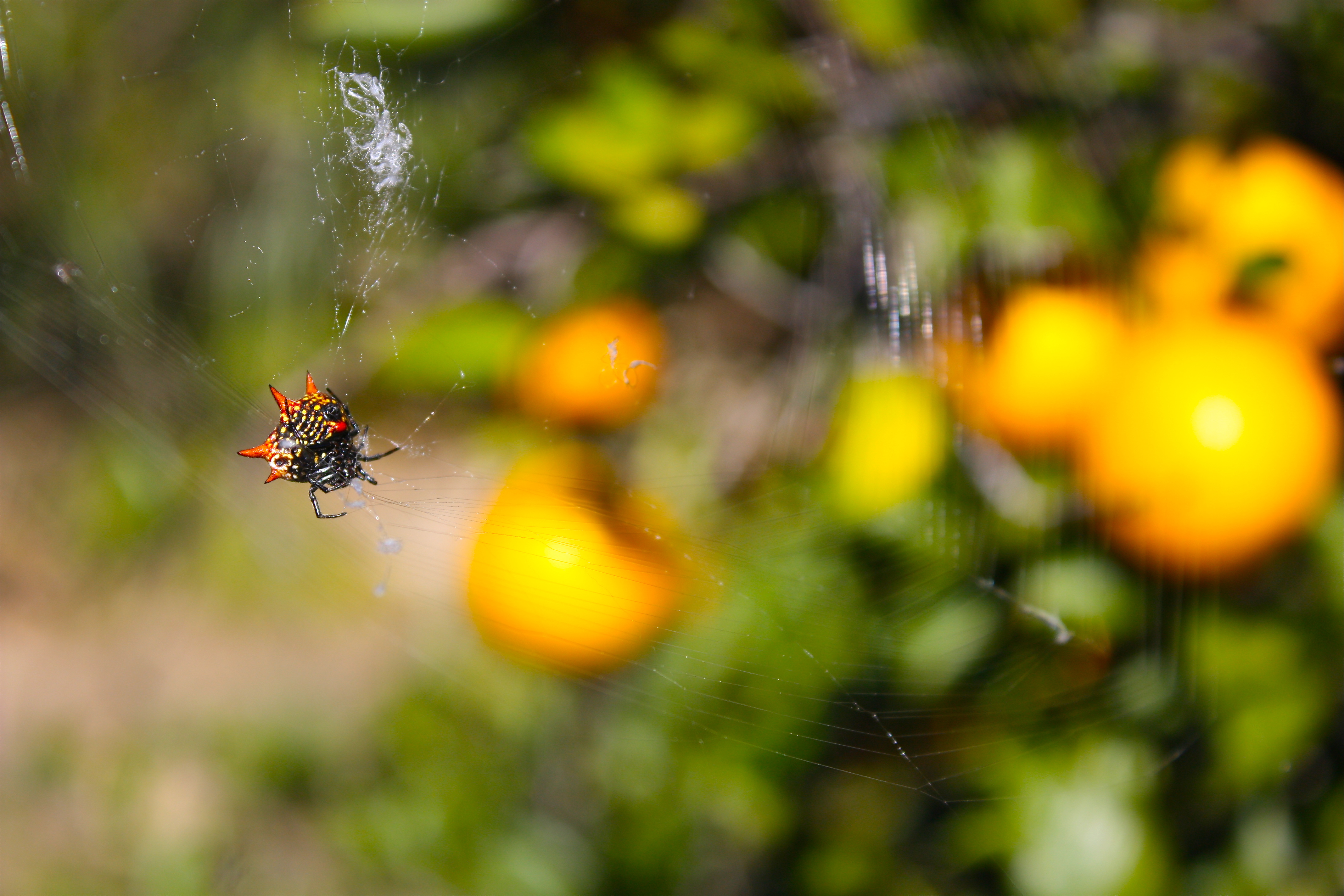


The Florida Citrus Growers Association Responds to a Proposed Law Requiring Handwashing Facilities in the Fields
by Martin Espada
An orange,
squeezed on the hands,
is an adequate substitute
for soap and water.
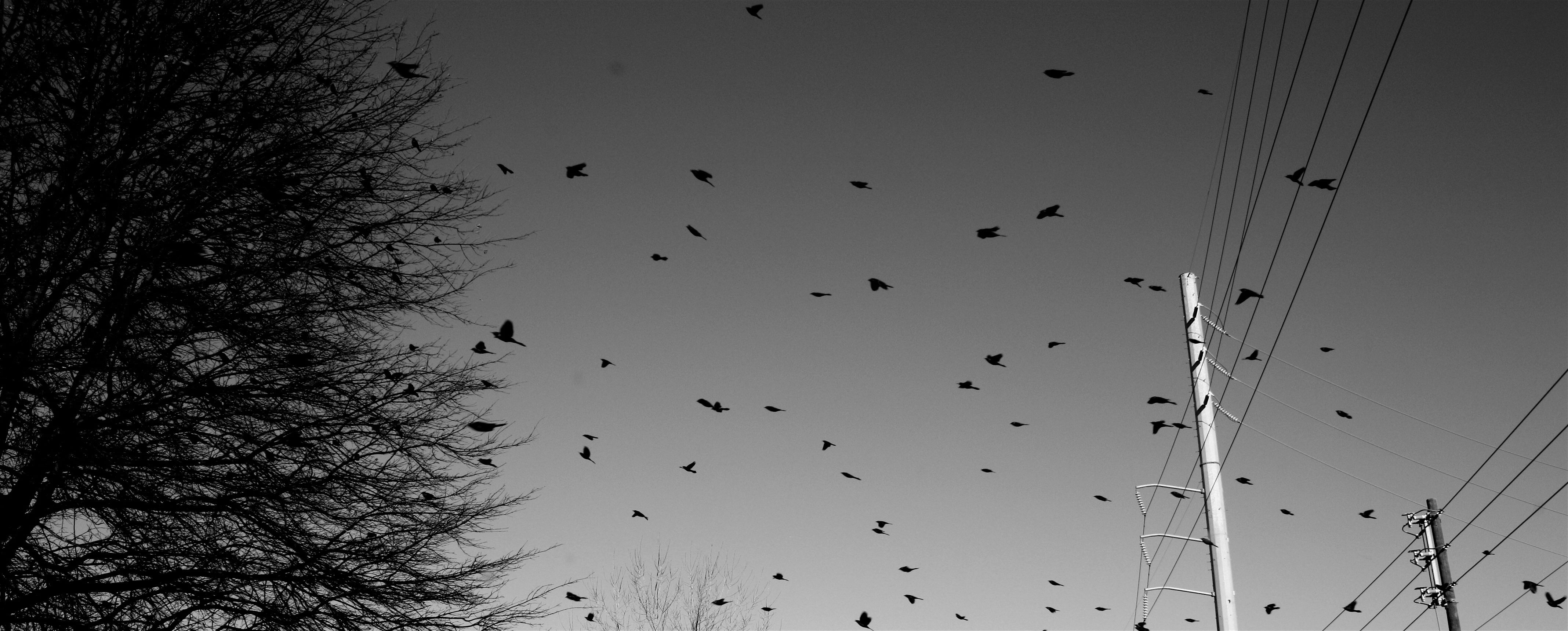
In 1827, Eckermann told Goethe about a robin mother who welcomed a pair of wren fledglings into the nest and fed them alongside her own chicks. Goethe responded, “If it be true that this feeding of a stranger goes through all Nature as something having the character of a general law – then many an enigma would be solved.”

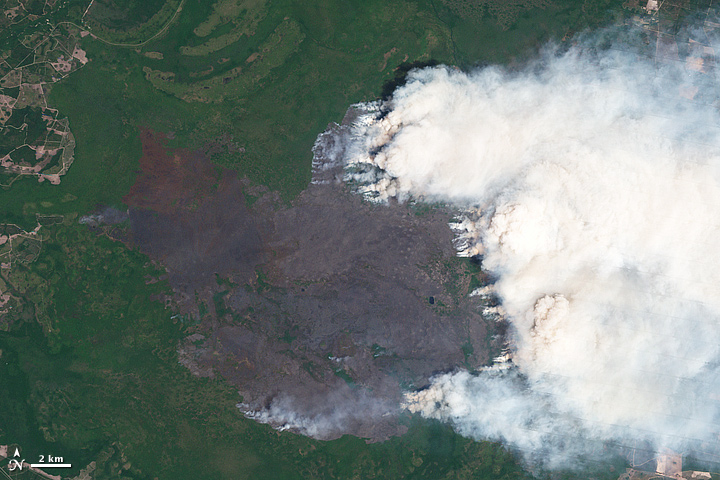
The NASA Observatory released these images last summer while the Honey Prairie Fire scorched the Okefenokee Swamp for four months.
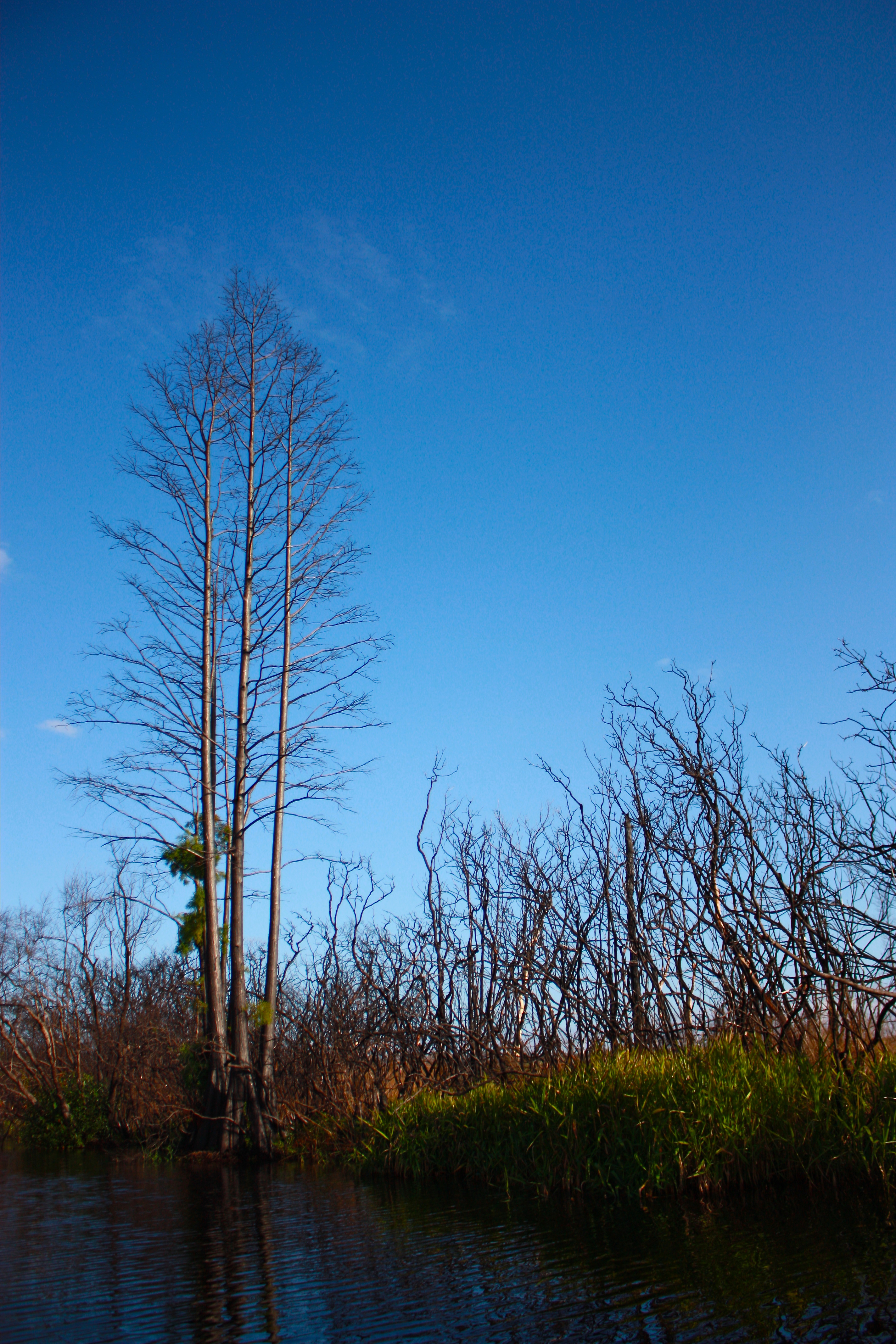
Once draped in spanish moss, naked red cypress now stand silver against the sky. New growth begins in bunches along the trunk.

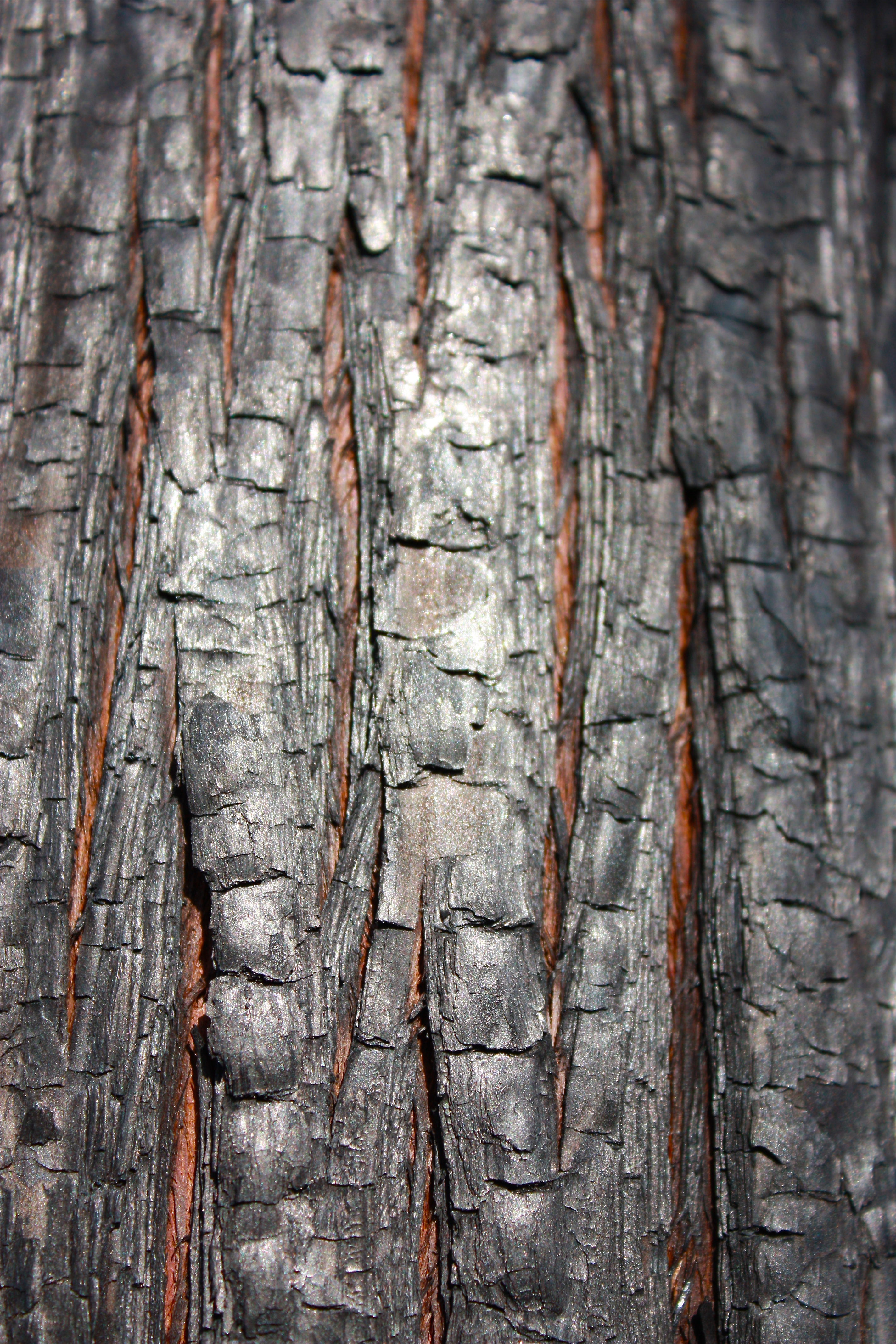
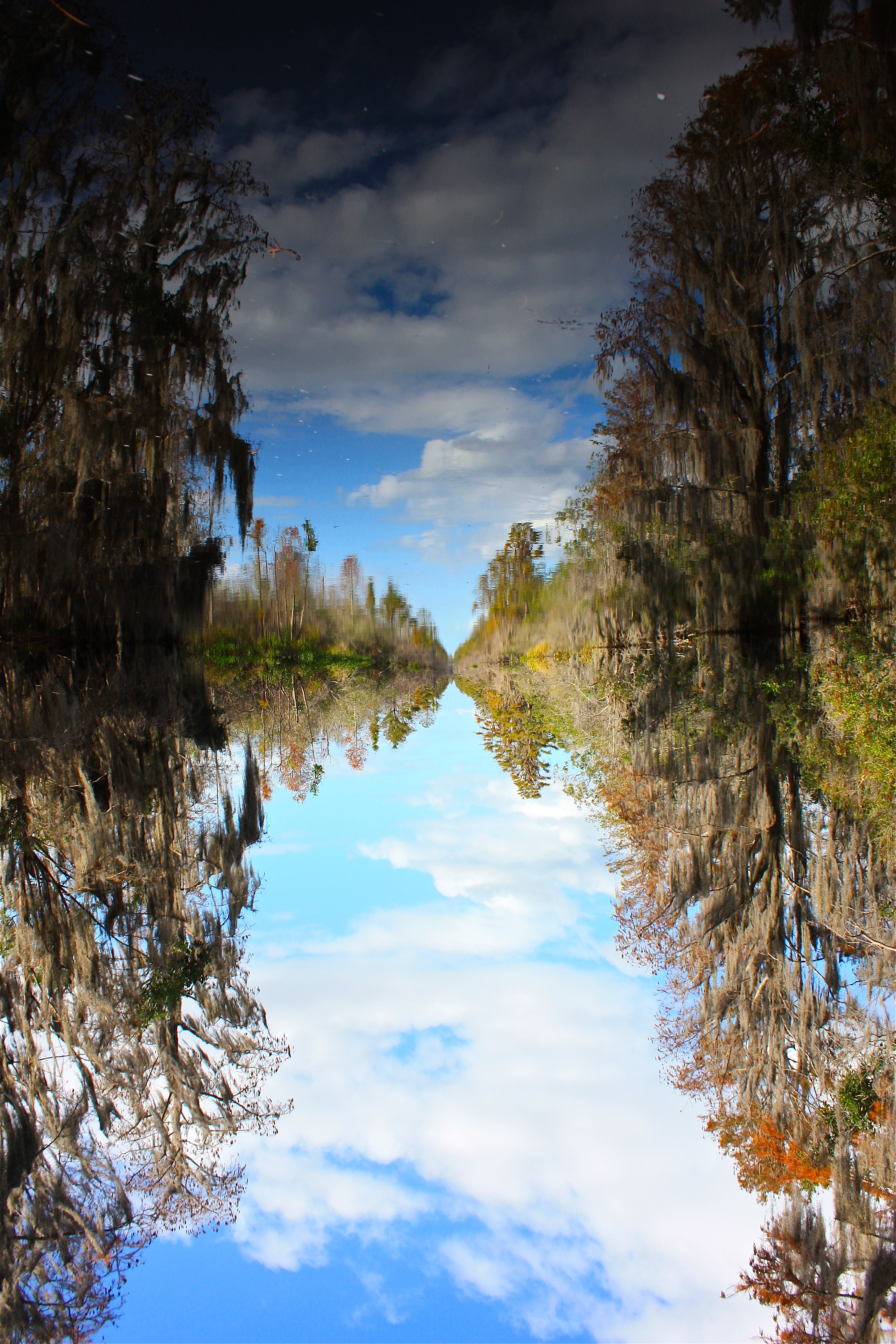


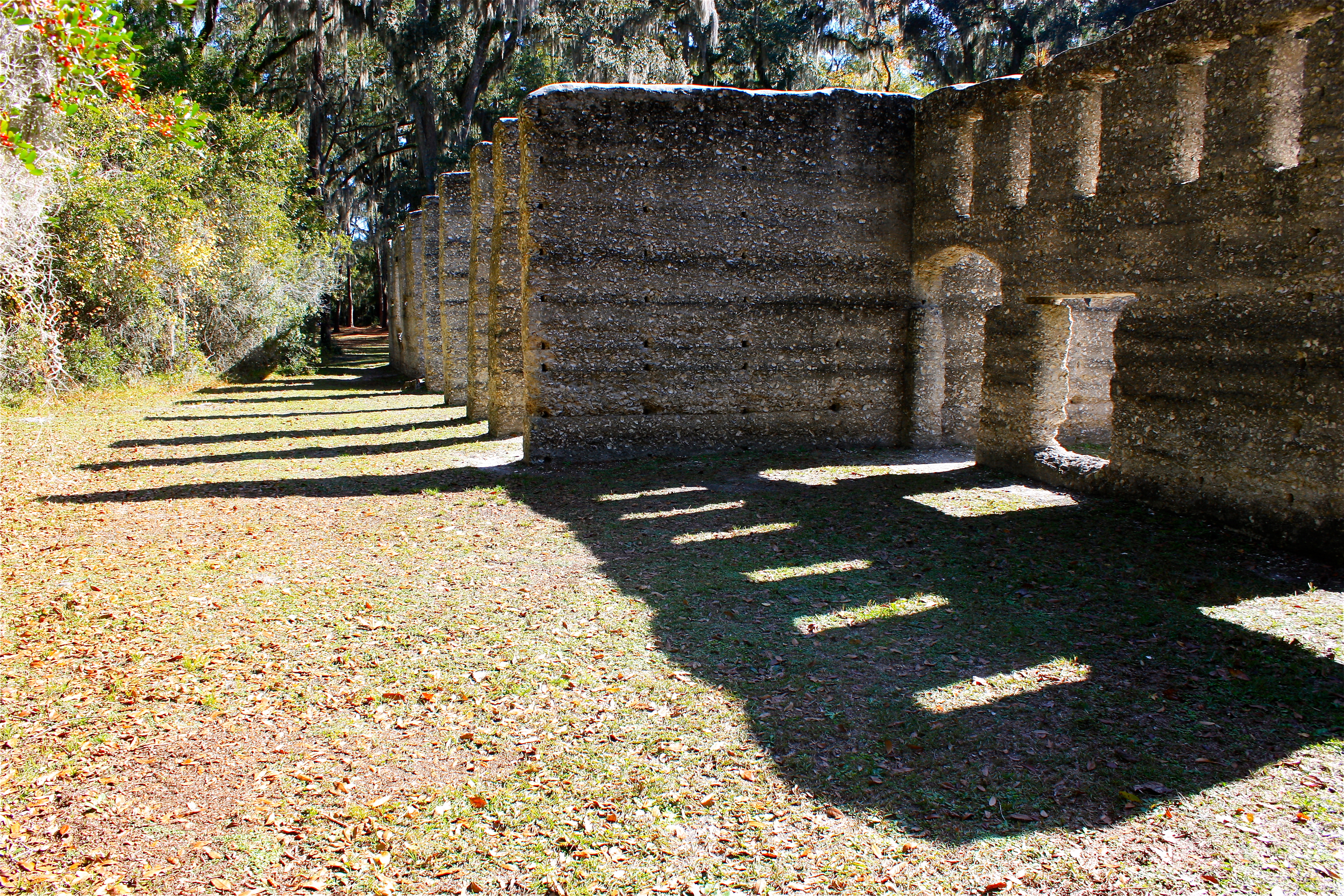
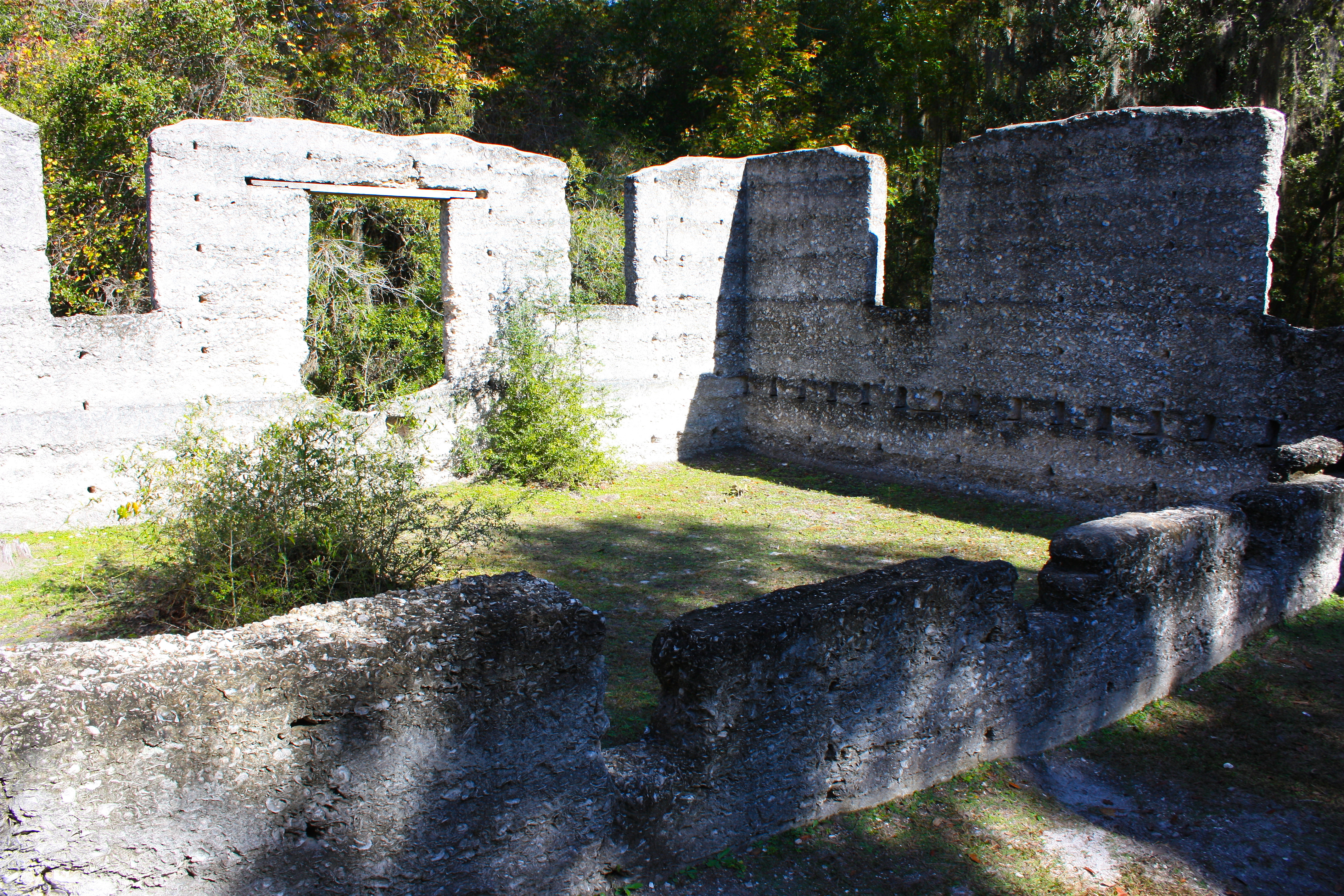

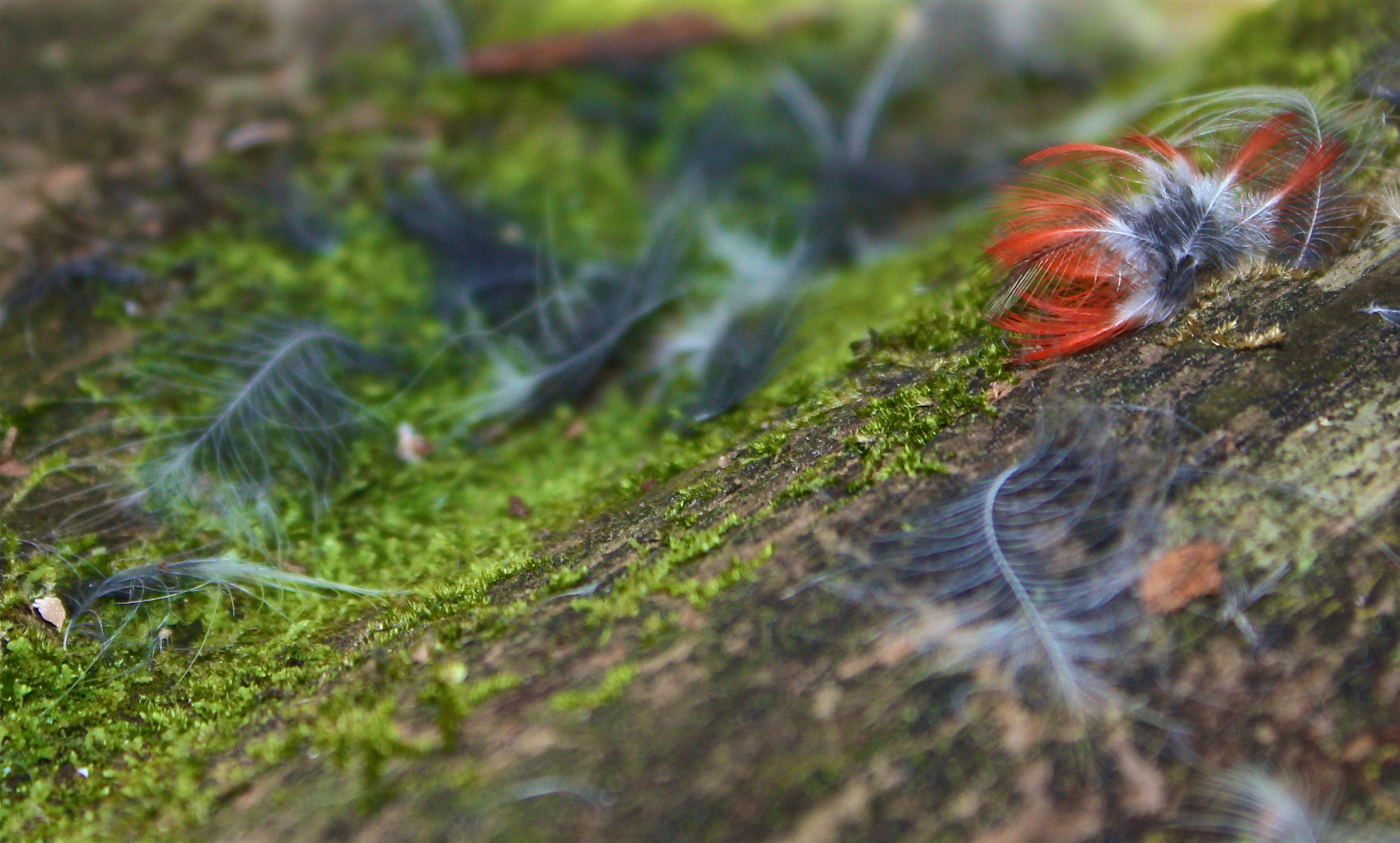
The downy evidence suggests a struggle near the historical McIntosh Sugar Mill.

Sunday morning languid tourists inch past lycra-clad cyclists along the Riverwalk. Watching a great blue heron scan the mirror for the ten thousandth time, a man on a nearby bench announces, “Usually there’s a hawk fishing here right about now.” Willy introduces himself, and explains the Eagle and Phenix Dam’s fate. “They’re going to dynamite it.” According to a 2009 Army Corps of Engineers ecosystem restoration design proposal, “The recommended alternative for this project included the breaching of both dams and the construction of a series of environmental, recreation, safety, and aesthetic features. The overall goal of the project is to restore riverine and shoal habitat on the fall line reach of the Chattahoochee River from directly below North Highlands Dam (a Georgia Power Company operated hydroelectric facility) downstream to backwater sections of Walter F. George Lake.” Read the entire proposal here.

Willy says a comprehensive whitewater rafting facility will draw enthusiasts from around the world, then asks if I go to church. The innocuous question segues the conversation into a current of tragic events. The Army veteran sleeps on the Riverwalk men’s restroom floor at night: a cold, brick building behind the green bench where he spends most mornings. Valley Rescue Mission, the local shelter, requires a $20 background check obtained from the department of public safety. “If I had twenty dollars, I’d get something to eat!”
His mother died 14 years ago the day after Thanksgiving, and his father died a few months later. A mild seizure grips the left side of Willy’s body as he stands and steps closer. The conversation intensifies. Shortly after a stroke, his wife left. Restless tears well-up when he says how thankful he is to be alive, having experienced so many things.

The human right to housing is denied to an Army veteran sleeping on a bathroom floor a few miles from the gates of Fort Benning, while the city spends $23 million on the Chattahoochee Whitewater Project.

Beneath an enchanted canopy of live oak limbs and Spanish moss, groggy commuters swerve to avoid cyclists on a road built for cars much smaller than the Fordasaurus that almost ended the day. Old St. Augustine Road is one of the first in Florida, and for 23 kids, a left turn onto Grassroots Way leads to freedom, direct democracy and self discovery.
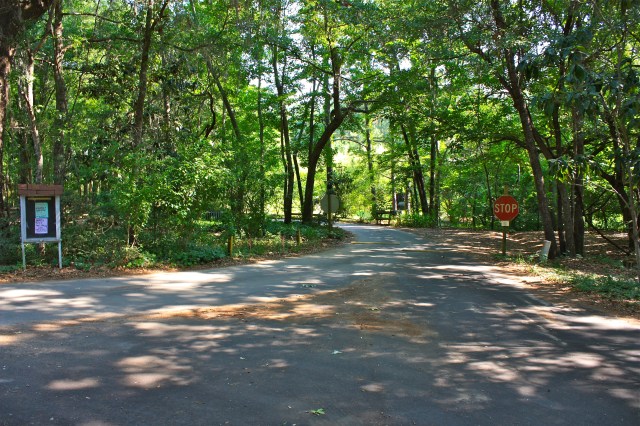
Educational buzzwords include “collaborative problem solving,” and “academic choice.” For freeschoolers around the world, said concepts have been honored for decades. Last spring, Helen Hughes kindly invited me for a visit to the Windsor House in Vancouver. During our correspondence, a parent of one of my students (homeschooled until third grade) mentioned a free school in Tallahassee. The Grassroots School is roughly 2,500 miles closer than Windsor House, so I headed south to the lush Florida panhandle.
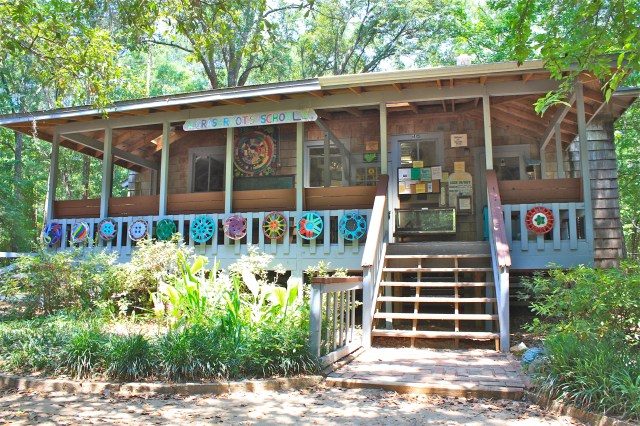
An excerpt from their website… Grassroots School, modeled on the Summerhill School in Great Britain, opened in Tallahassee, Florida in 1972. It was founded on the idea that all children are born with an innate sense of wonder and a desire to learn about the world around them. Grassroots School continues to follow these basic beliefs, and fosters in its participants not only a love of learning, but also individuality, critical thinking, creativity, and a sense of responsibility to community and individuals. The students at Grassroots School are taught responsibility and accountability through shared school jobs, direct participation in a working democracy, and through the self-direction of their own educations. Students are treated as valued members of the community, equal to adults, however with less life experience and more limited emotional development. Both children and adults enjoy an exceptionally low student to teacher ratio which allows the students’ unique interests and talents to blossom and flourish. The school is set on a beautiful, four acre, wooded campus, where children are free to be themselves as they are enveloped by nature and the love of a community to guide them in their life’s journeys. 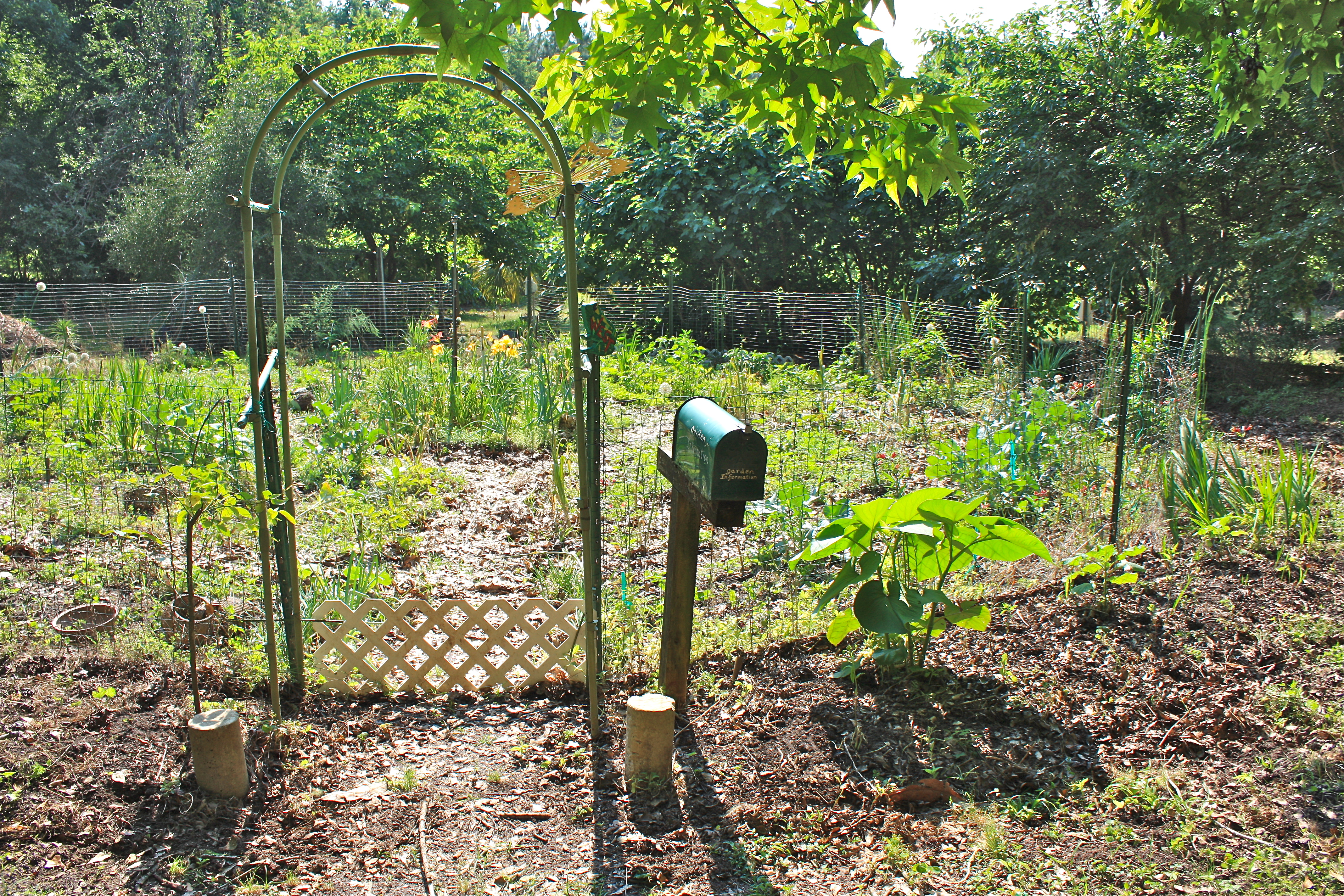 Before visiting, a Grassroots resident and teacher urged me to read A.S. Neill’s book, Summerhill. Founded by Neill in 1921, the British boarding school offers children a natural approach to learning without coercion. In Neil’s words, “By compelling our students’ attention to subjects which hold no interest for them, we, in effect, condition them for jobs they will not enjoy.”
Luis greets me on the porch with a handshake and a smile. In addition to administrative tasks, he offers lessons in bicycle maintenance, building projects, Brain Gym exercises, food preparation, nutrition and Spanish. His son, a former Grassroots student, now attends 9th grade at a local public school. After introductions, Luis immediately initiates a tour of the 4 acre wooded campus. Ten minutes in, a child yells from the porch, “Luis! Jan called and said a teacher named Cameron will come to visit this morning!” As an educator in a standards-based, Title I public school, I wonder if I represent the establishment, and hope curiosity and further discussion of pedagogy can alleviate any suspicion (and calm my nerves).
The grounds include a circular garden, playground equipment, a bike path and loads of shade. The two main buildings were moved to their current location by residents of the Grassroots Community when they established the land co-op in the early 1970s. One was an old house which now has a library/reading room, art room, office/computer lab, and a classroom.
Pat Seery is Grassroots’ first teacher and resident free school guru. He imported the philosophy following a visit to Sumerhill. The first thing Pat says is, “We take democracy very seriously.” I can’t help but consider the Georgia 3rd grade standard that requires children to differentiate between direct and representative democracy, a concept taught through ersatz decision making on issues irrelevant to trained clockwatchers. Imagine a place where a five year-old’s sense of responsibility and self-worth begins with a weekly vote that holds the same weight as the oldest staff member’s.
The school day begins at 9:30, but some students are dropped off prior to that for “early care.” During the two day visit, I noticed that everyone arrives at different times between 7:30 and noon. Attendance is non compulsory, as are classes. There is no curriculum or testing.
Everyone eats lunch when they’re hungry. Luis explains how students who first arrive at Grassroots from traditional schools quickly learn to listen to their bodies. After eating lunch too early, a growling afternoon stomach suggests waiting next time, or maybe having a snack. The students bring their own lunches, and a community watermelon fund makes the most of the peak Florida fruit season. We devour one purchased from a Gainesville farmer with a stand on the corner.
Children are admitted from ages five to eleven. After that, students from traditional schools often have trouble adjusting to the freedom Grassroots offers. Years of dictatorial adults suppressing individual interest, curiosity and naturally nuanced behavior causes some to become disruptive once unrestricted.
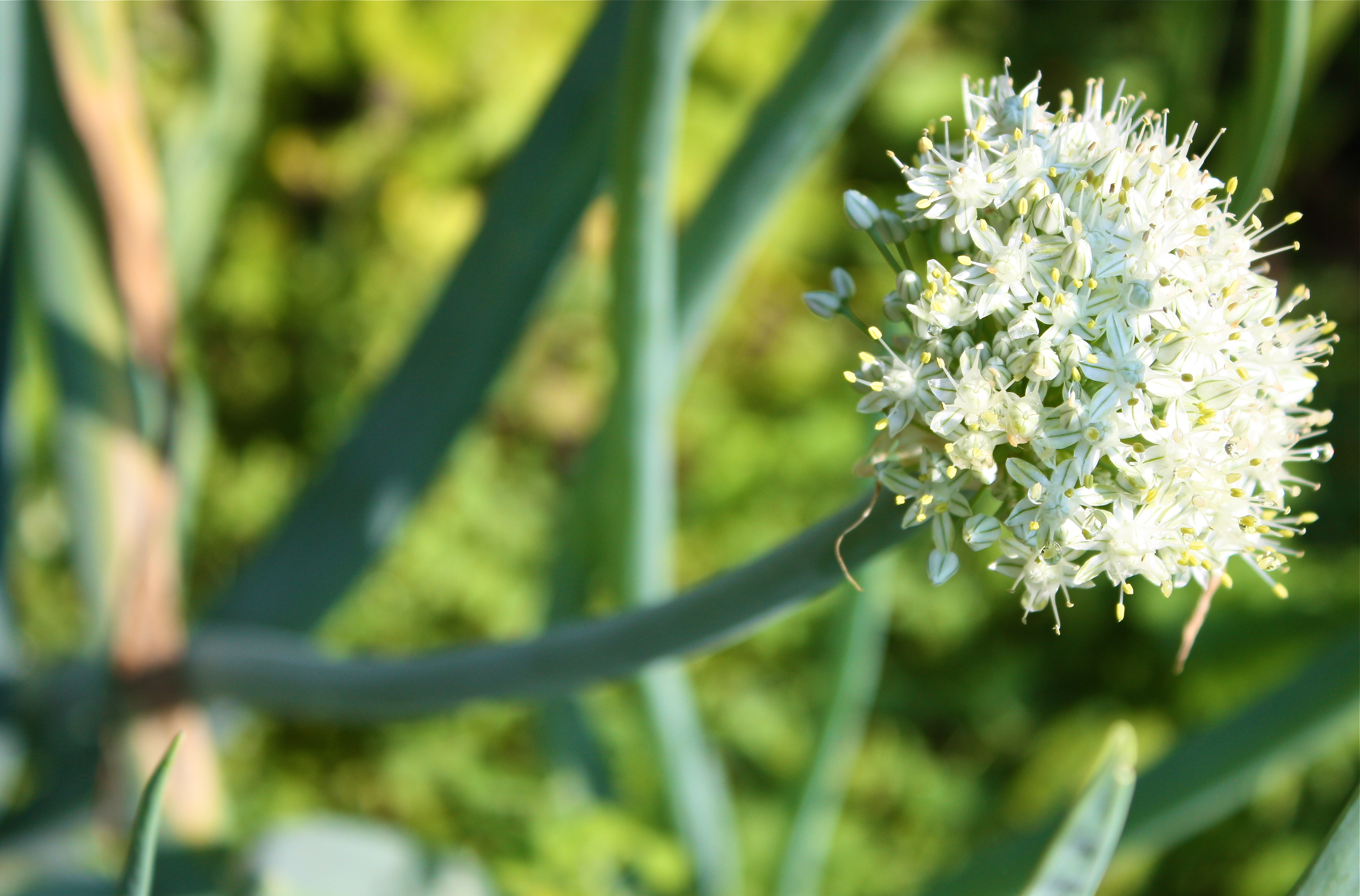
Wielding a shovel on the second day, Luis and I talk while digging holes in the garden for blueberry bushes. We share some parallels. Like my mother, Luis’ father and uncle attended the Sorbonne. When mentioning a trip to Chile last summer, and my appreciation for Neruda’s poetry, Luis offers a family tale of cold war politics:
While at the Sorbonne, his uncle was roommates with Salvador Allende, the future president of Chile, who many contend was assassinated with the help of the C.I.A. His uncle later wrote for a newspaper in Caracas, and composed a piece in 1976 denouncing the C.I.A. and Henry Kissinger to be published upon the Secretary of State’s arrival for a meeting with president Perez, and Foreign Minister Escovar Salom. Luis said the “lifts” in the office building weren’t working, so his uncle had to climb multiple flights of stairs to deliver the piece to an editor on the top floor. On the way back down, he fell and fractured his hip. So the ongoing joke in the family, which Luis remembers hearing as a child at the dinner table, was that Kissinger killed both Allende, and his uncle. Our families also share a sick sense of humor.

When I first contacted Grassroots about a potential visit, Jan responded enthusiastically to my inquiry. The kind matriarch lives next door to the school, and often welcomes students and parents for meals, games, meditation, or to harvest shitaki mushrooms. Following Luis’ tour, she took me on another that included gardens, fruit trees and a comfortably simple home.

According to the former Grassroots website, Jan teaches “high school prep math, gardening for fun and profit, big map geography games, card games and art projects.” A rustic old church serves as a theater and meeting place during inclement weather, and over the years, Jan’s studies of visual arts in college grew into a passion for theater. With the aid of Jan’s experience and costume design skills, the students research and write a play about the history of Old St. Augustine Road, dating back to the beginning of time. “The Old St. Augustine Road Show” starts with a range of beginnings, from The Big Bang and Creationism, to Native American animist beliefs. To prepare for the play, the students interview local historians, study topographical changes, and research the arrival and influence of the Spanish. Laughing, Jan explains that invariably, the girls’ favorite scene is from the plantation era because “they get to wear poofy dresses.” The play offers children an opportunity to engage in creative expression, while nurturing a sense of place within the context of historical influence on the local community. And they choose to do so.

Sierra is a former student who now volunteers. Her rapport with the children is wonderful. In the photo above, she orchestrates a bird’s eye group photo. In addition to teaching sign language, she helps with creative yearbook logistics as the year comes to a close. On the porch, Sierra offers thoughtful and compassionate advice to a young student considering what to do about an uncomfortably close insect. “You don’t need to step on bugs because they don’t want to hurt you.”
New to the area, Sierra fills me in on local vegan fare, and a restaurant called Soul Vegetarian turns out to be amazing. After collards and a gyro, a scoop of creamy chocolate ice cream is perfect on a sweltering day. Sierra’s kind hospitality fits well within the Grassroots collective.
In terms of getting an idea of the free school movement’s core philosophy, the weekly Pow Wow is the most illuminating event. Each Wednesday at noon, parents, staff, volunteers and students gather on the porch. Attendance is optional, and noon is opportune because parents participate during their lunch breaks. When asked who conducts the meetings, Luis says he usually does, but “it’s open to anyone.” He turns to a boy walking by and asks if he would like to conduct Pow Wow the next day. The brave eleven year old says, “Yeah!” It’s his first time.
The next day at 12:00, the boy rings a cow bell (also used to signal clean-up each afternoon), and the majority of students converge on the porch. On a chalk board, with some spelling help from Luis, he writes the agenda: “Introductions/Announcements/Questions/Issues/Personals.”
The meeting commences with introductions. “Does anyone want to introduce themselves to the group?” Everyone’s eyes turn my way. I raise my hand and say, “My name’s Cameron.” I spell it as he writes it on the board. “Will you allow people to ask you questions?” Anxiety peaks but I respond, “Sure.” The day before, Pat mentioned that Pow Wow can last anywhere from fifteen minutes, to five hours. When all the hands shoot into the air with questions for this curious visitor from Georgia, I understand how lengthy the meeting can become. Of the twenty people present, all but the most timid have at least one question, and many are quite thoughtful. In addition to standard favorite food/animal/color questions, I am asked why I chose to visit, and who would I like to be if I could be anyone else.
“A student here at Grassroots.”
Announcements, questions, and issues follow. While thumbing through old Pow Wow minutes from 2003, I discover the following rule:
“The basic agreement at the Grassroots Free School is that anyone may do anything as long as it doesn’t hurt or bother anyone else. Sometimes others annoy us or hurt us without meaning to and so we have to tell them.”
Rules are created, amended, and abolished in a vote where everyone’s voice counts “one for one.” This includes anyone present at the time of the vote, and there are three possible outcomes: those in favor, those who disagree, and those who choose not to vote. Everyone makes a decision, and even if they don’t want to vote, they openly choose to do so.
The young moderator reads the first name on the list of people with issues to address. A boy with a broken shoulder wants to keep his ticket to Wild Adventures Theme Park, a much anticipated annual field trip funded by Pow Wow donations and fundraisers. Luis suggests returning the money to the Pow Wow fund. A younger student raises his hand and says, “I think he deserves to keep his ticket.” The injured boy’s mother backs him up and points out the fact that he got up early on Saturday to set up and work at the yard sale, which raised half of the money used to purchase tickets to the theme park. Luis resists. “I think it sets a bad precedent. Much of the money was raised by former students who won’t be going.” The issue of individual versus community comes to a head with 12 votes in favor, 6 choose not to vote, and no votes against. Luis’ knack for fostering discourse no doubt stems from many opportunities to play devil’s advocate.
A few announcements follow, including an upcoming potluck, watermelon fund, and the boy with a sling says he has a Sharpie so everyone can sign his cast. Next on the agenda are the personals. Pairs of names on the board are read aloud as respective issues and consequences are discussed and voted upon. The first involves a pair of sisters. The oldest turned off the lights and closed the door on her little sister while using the restroom. Smiling, she admits to it. The younger sister suggests a punishment of fifteen minutes in the corner, which the group votes in favor of. When asked if the consequence seems reasonable, the accused agrees and says, “It was worth it.” Once the consequence is voted and agreed upon by the accused, the accuser decides whether or not to carry-out the punishment. The forgiving girl opts not to punish her big sister, instead simply bringing awareness to her discontent in an effort to thwart future pranks.
After lengthy discussion, most issues result in little or no punishment. For the grassroots community, conflict resolution is more about discourse, understanding, forgiveness and empathy, than justice and retribution. In contrast, how can public school teachers under the gun of performance pay and high stakes testing step out of their quantitatively scrutinized comfort zone to nurture social emotional development? The effects of overemphasizing testing include, among others, a lack of self-efficacy, motivation, and self-worth. If authenticity promotes genuine interest in learning, what level of imagination and ingenuity can we expect from a citizenry accustomed to homogeneity and coercion? Divergent, critical thinking, and creative problem solving benefit all learners, yet curriculum that fosters these skills is often exclusionary and resigned to gifted programs. Within the education-industrial complex, counteracting the systemic diluting of novel thought falls on the backs of individual teachers. The only piece of advice offered during my visit to The Grassroots School by founder Pat Seery is one of the most critical, yet challenging things an adult can do for a child. “Just step back.”


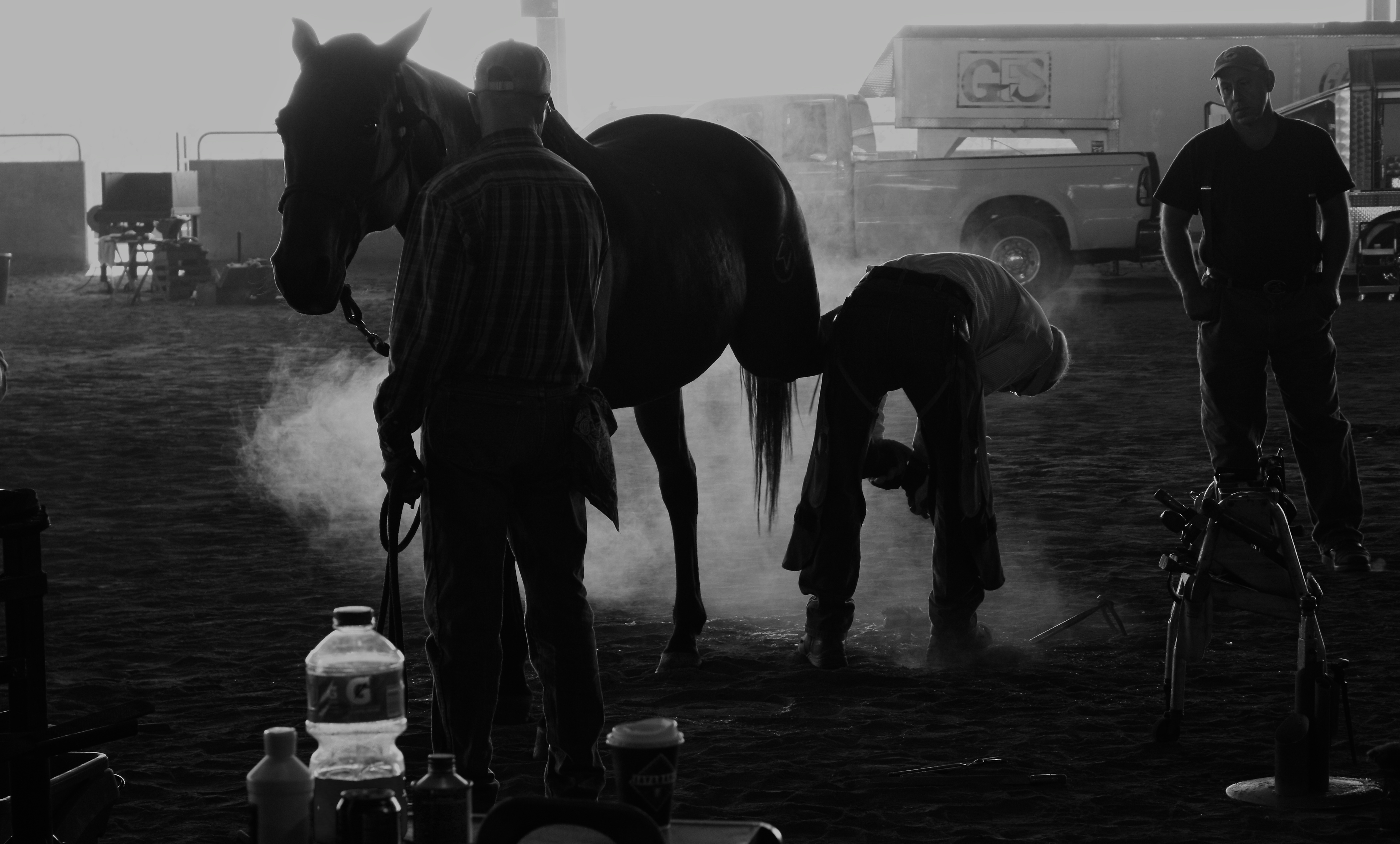

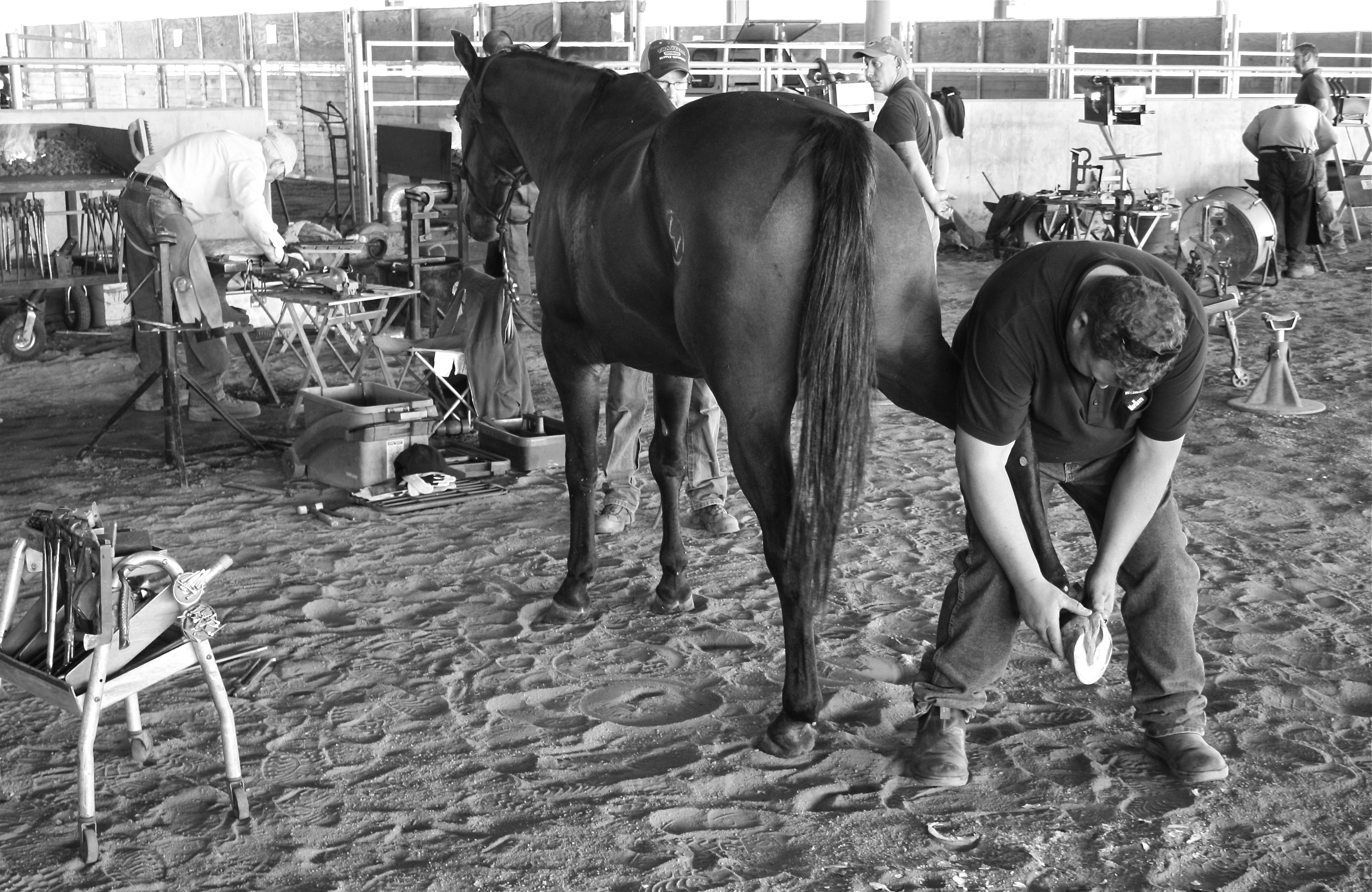
The usual trek down Milledge includes a loop around the UGA Livestock Arena. The first ride in two days (flat front tire) included a chance encounter with a dying craft. Duallies tethered to small, anvil-adorned trailers filled the parking lot.




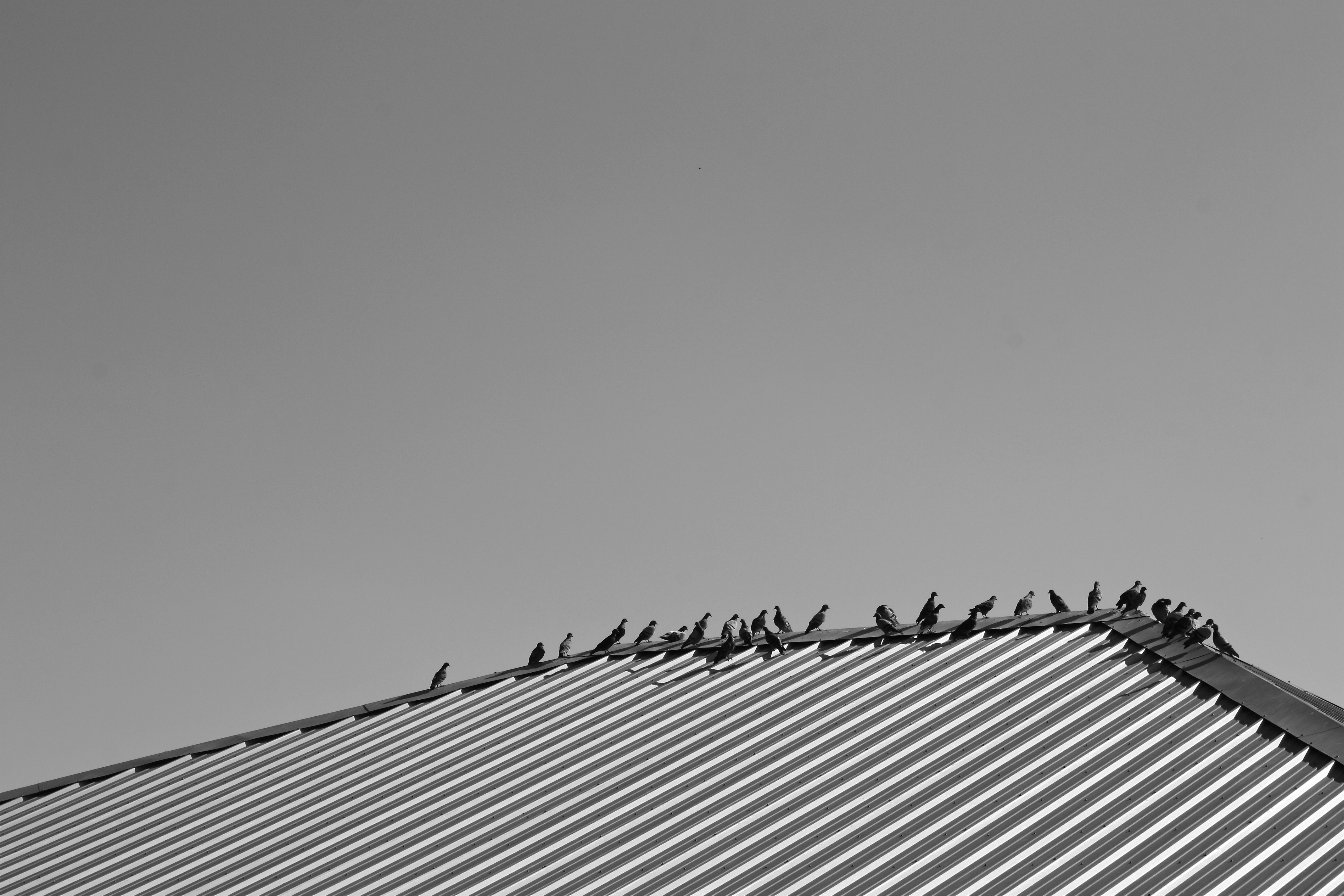

Who couldn’t resist turning down this road?
 Shaking Rock Park, in Lexington, Georgia, was once a Cherokee and Creek camping ground. The enormous granite boulder below once moved with a hand’s push. Now settled and still, it rests among amazing wooded granite formations tucked away next to a beaver pond.

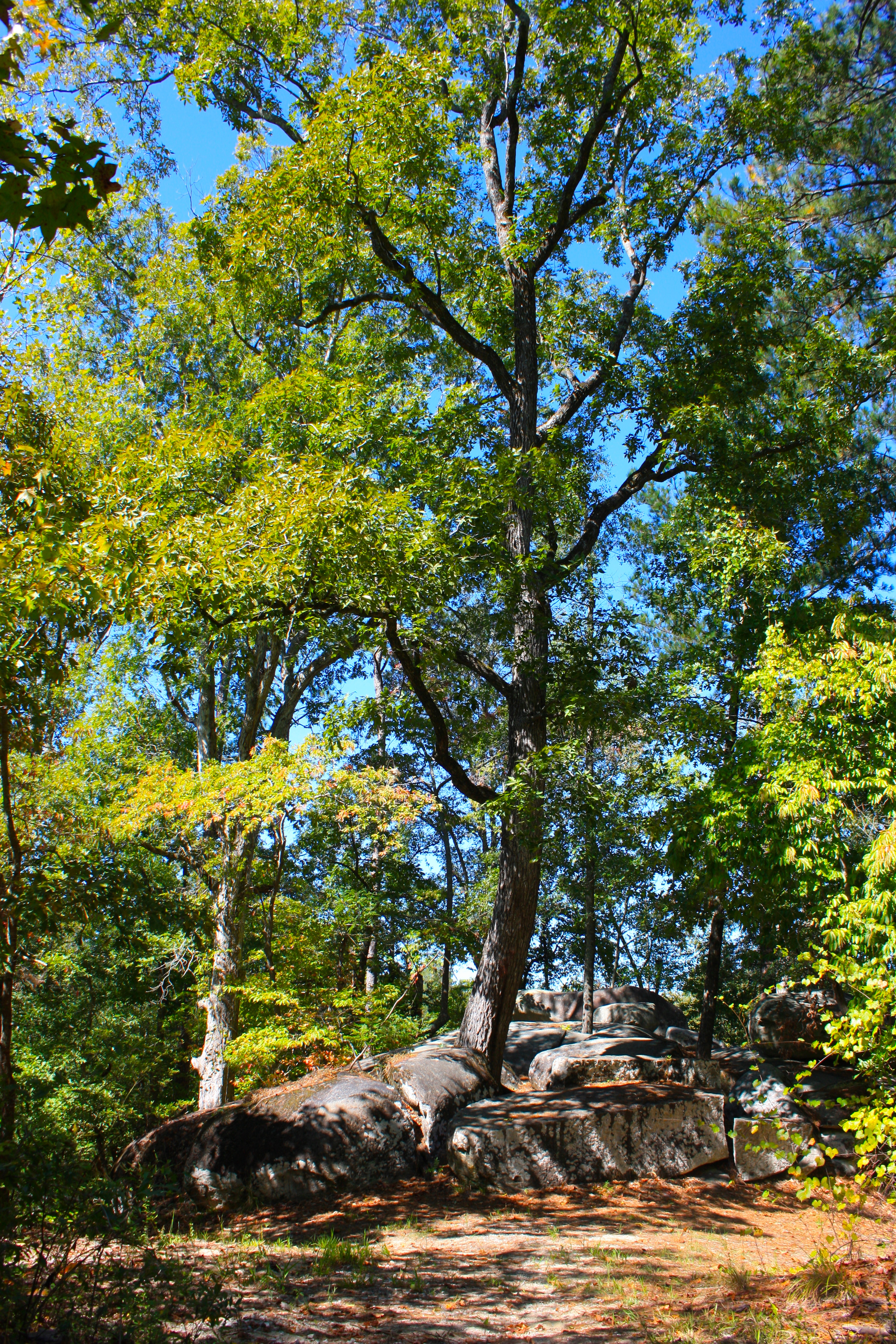

Chance encounters like this highlight the experiential nature of indeterminate wandering.

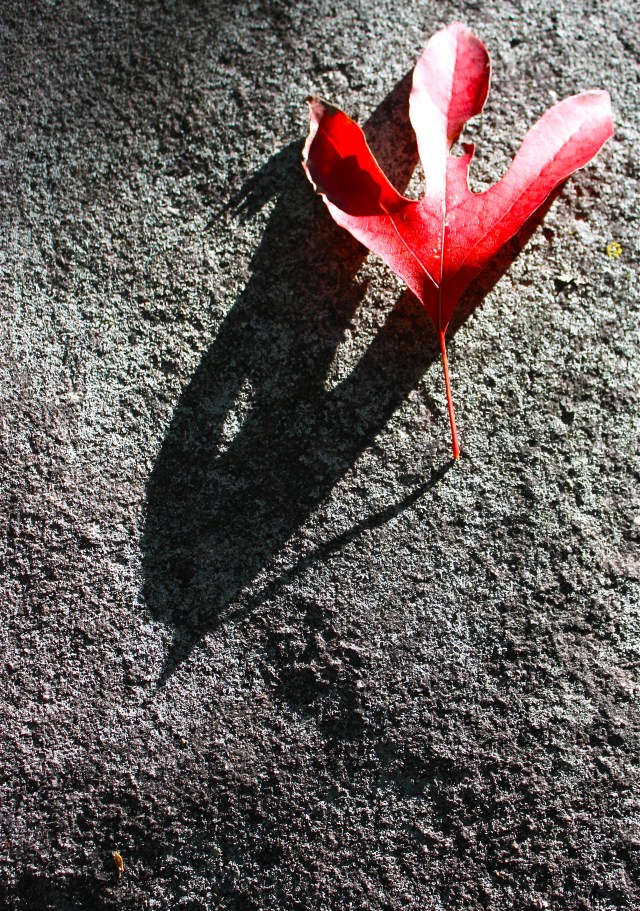
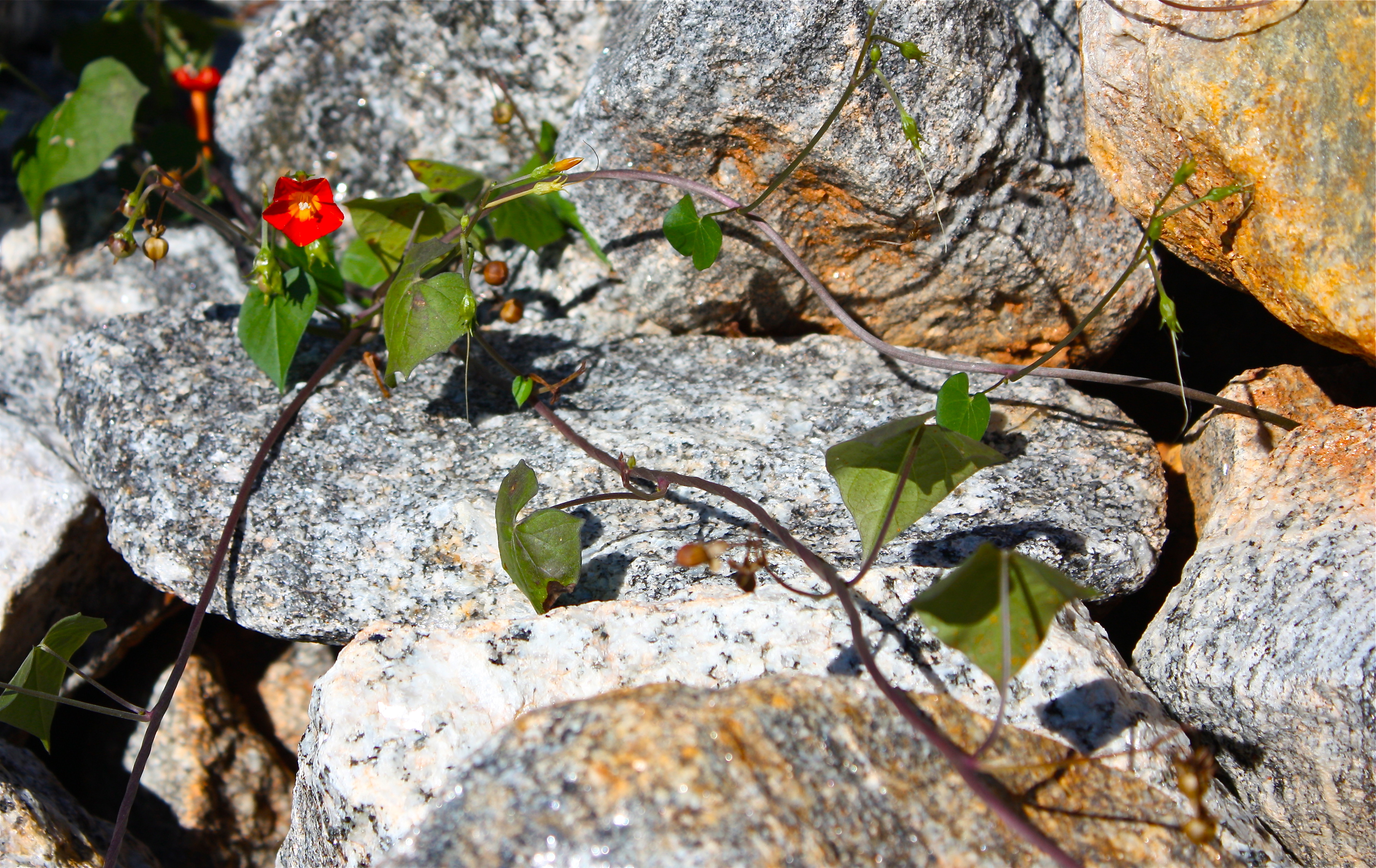
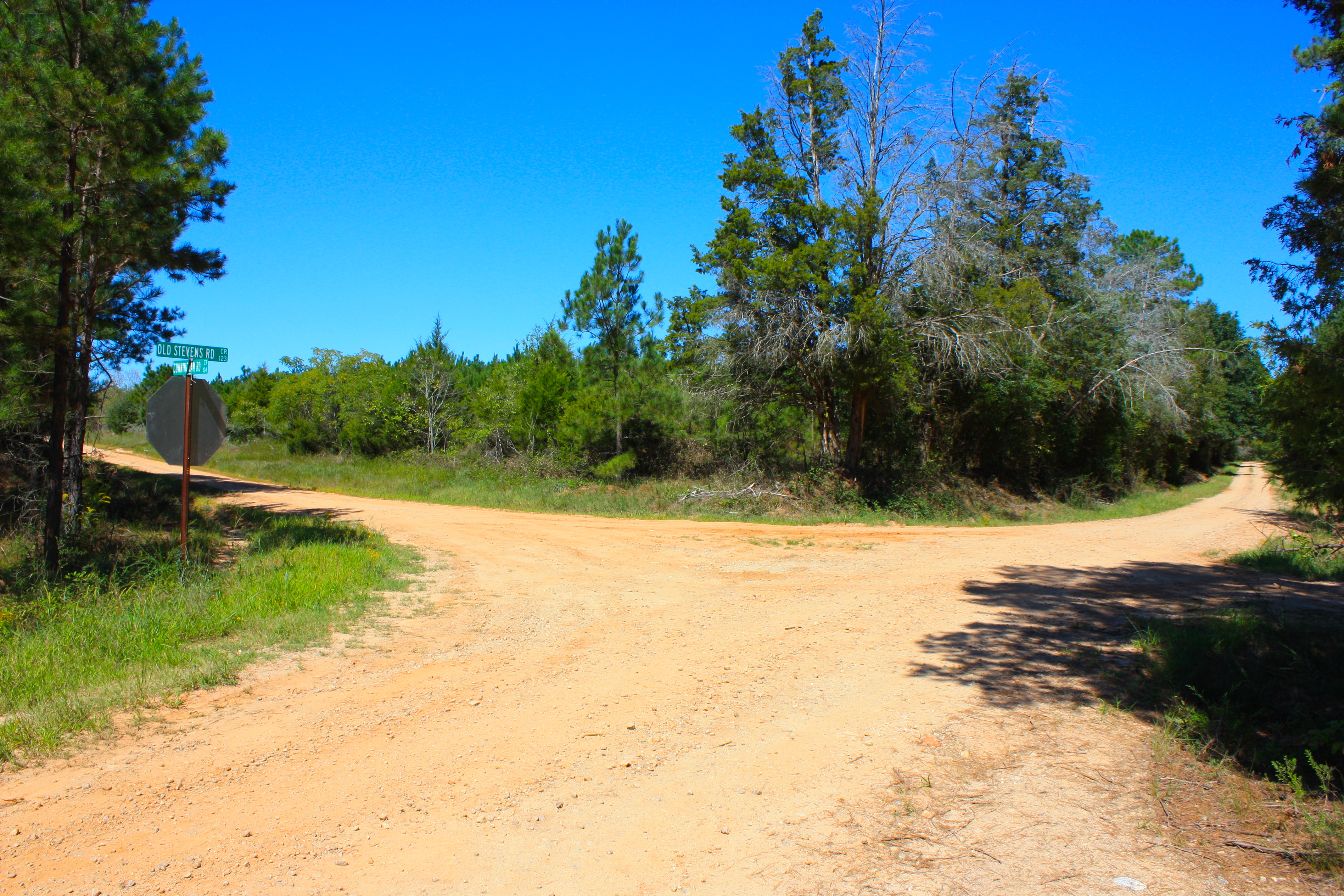
A rural cycle hike around Lexington, Georgia in Oglethorpe County led to some interesting encounters. During last weekend’s algorithmic rambling, I met a man on a camouflaged golf cart named Chuck Brooks. Obviously out of place on a touring bike, I asked if the dusty, orange road was private. After he said it was his driveway, I started to turn around, when he burst out laughing. “Naw, this is a county road!” He welcomed me to Lexington, and said, “We’re beer drinkin’, cigar smokin’ folk.”

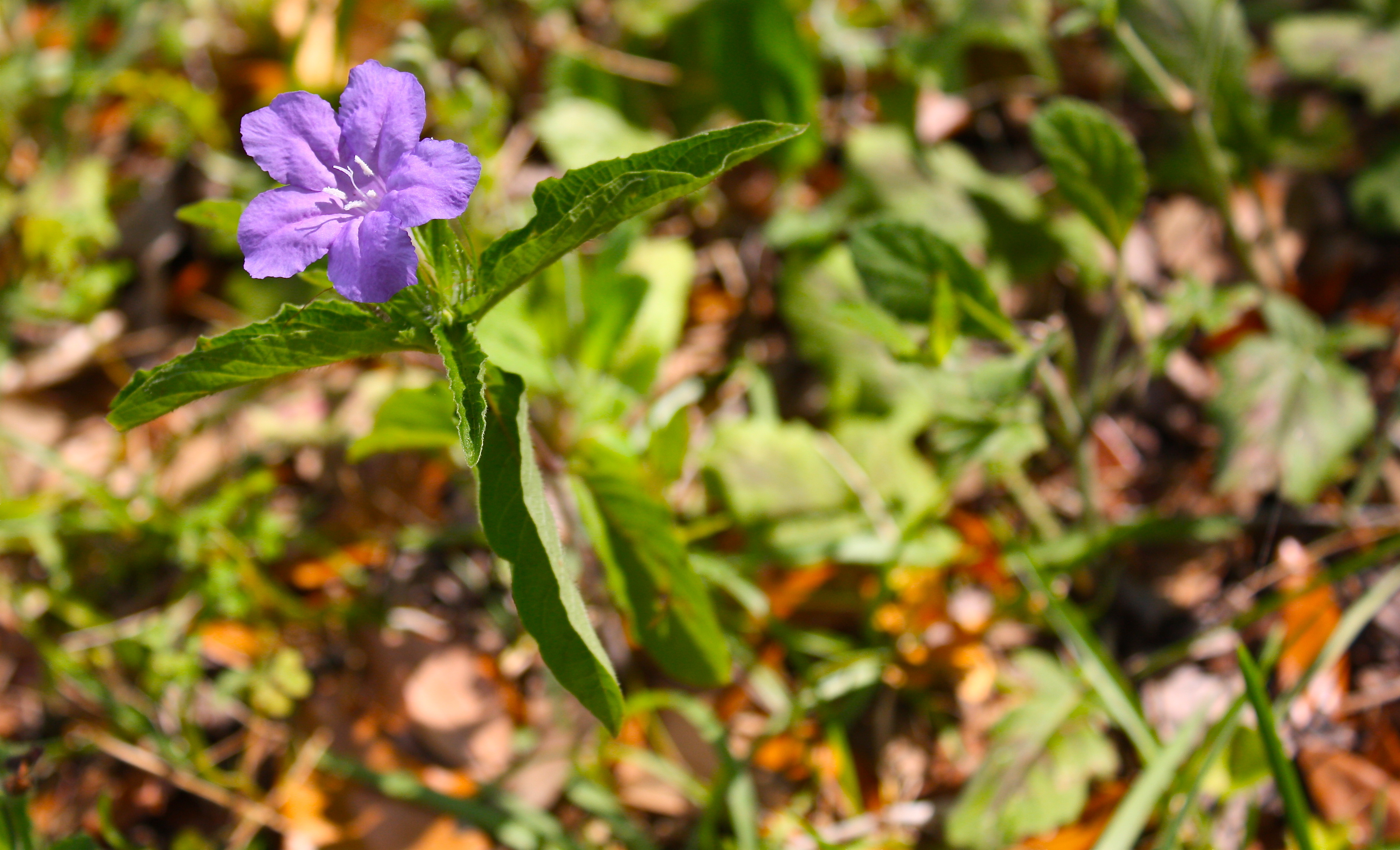
Old Stephens Road winds around a small, private pond and a stretch of floodplain with tall grass and a variety of tiny wildflowers making the most of the area after one of the driest summers in recent history.

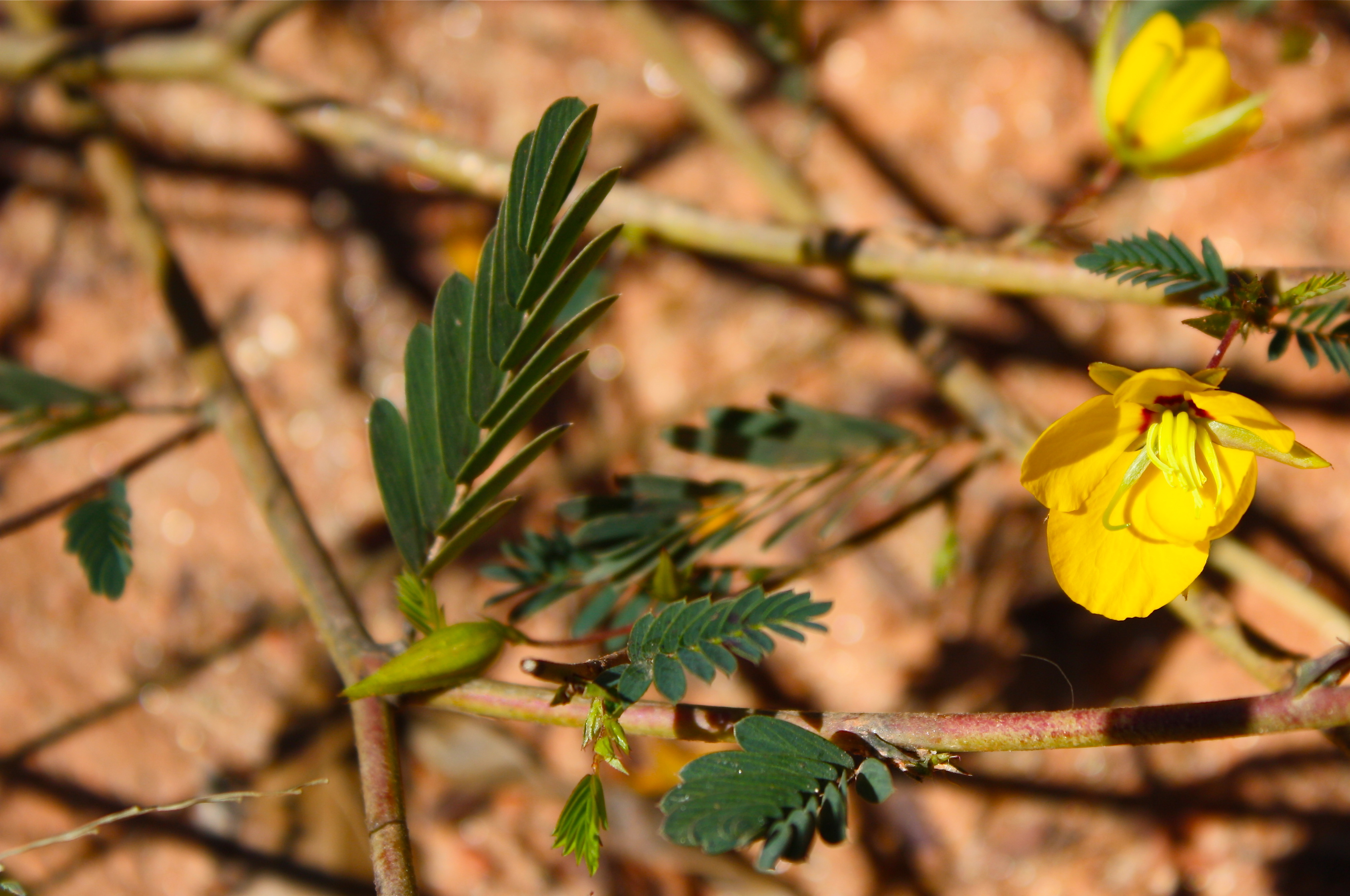



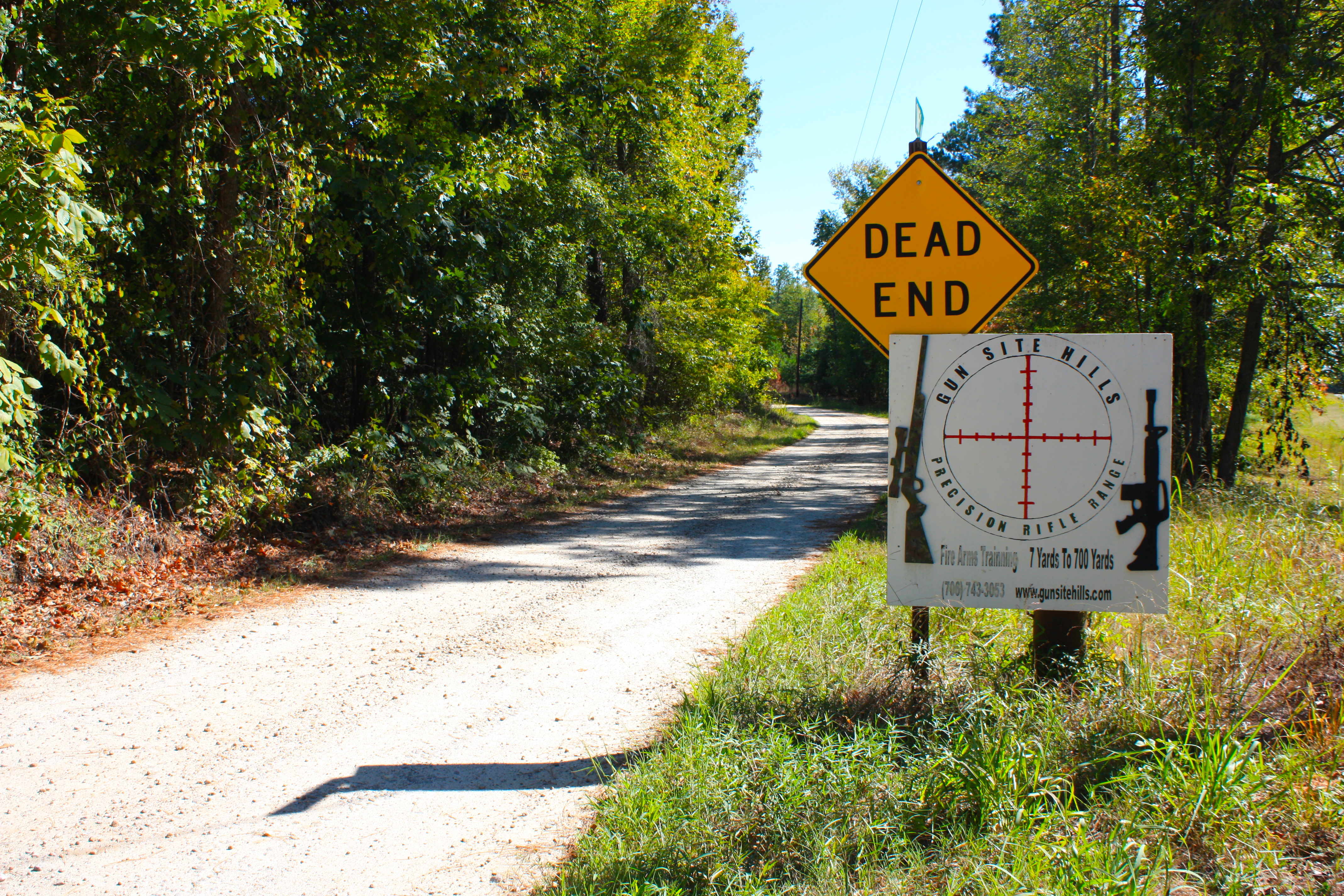
Gun Site Hills is a 700 yard rifle range off 78. With requisite eagles, stars, stripes, odd punctuation, and a famous gift from France, their website states that One of the things that make this match so exciting is, let’s say you just squeezed off a round at the 650 yard steel, but before the gun stops recoiling a popup comes up at 250 yards. Remember its only up for 20 seconds, You’ve got to bolt another round into your gun,decide how far out the target is, dial the dope, find that same mug and shoot it in the head before it goes down.)
Most cars on the road that day were trucks pulling trailers and all terrain vehicles coming and going from deer hunts. Luckily, I didn’t see any successful hunters.


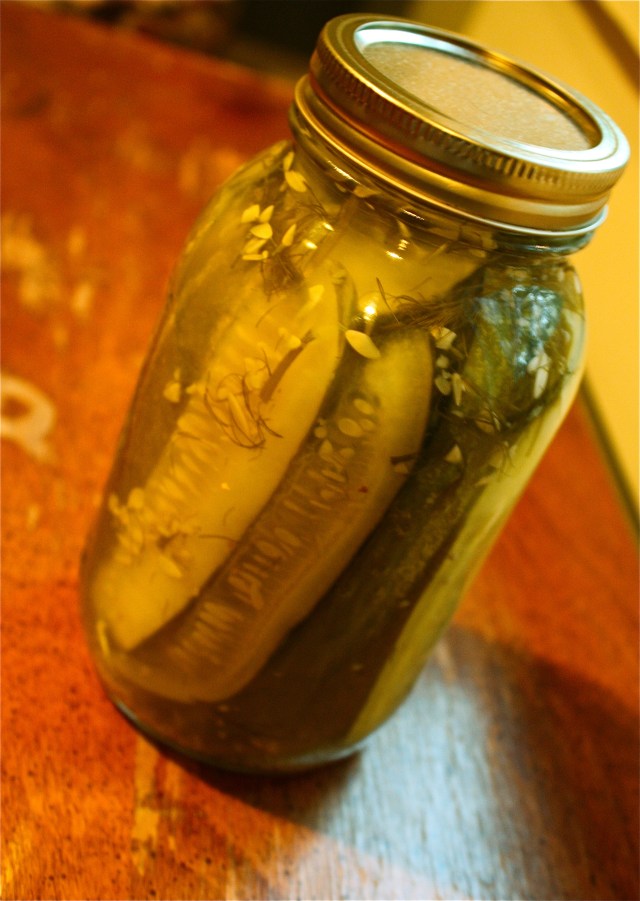 Sandra gave me a jar of pickles from her North Georgia garden back in July, and said they’d be ready to eat September first. It was tough holding off while they sat steeped in dill on the counter, and now they’re almost gone after four days of September. Click here for more from the mountains.
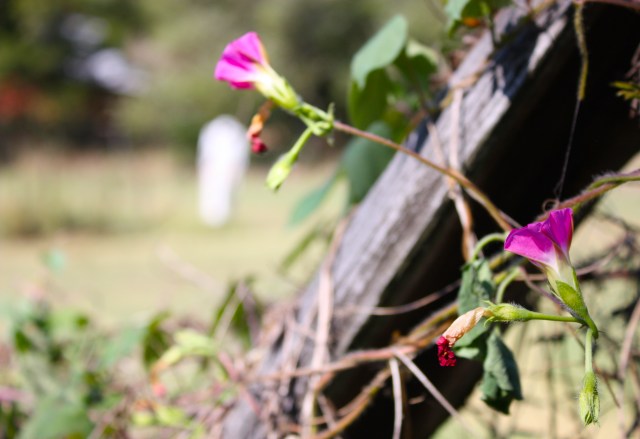
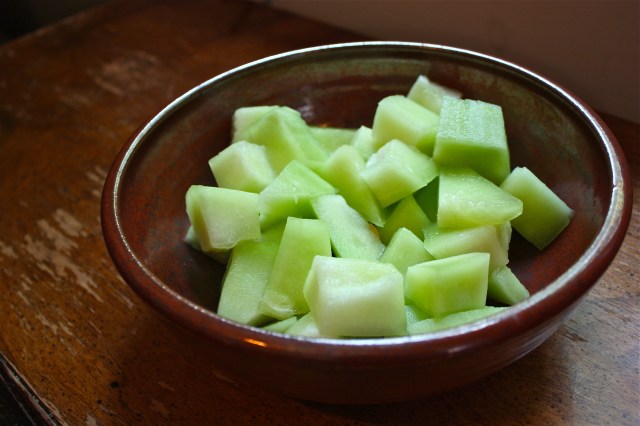 From short, anxious runners wrangled from the edges of a 3×5 ft raised bed back in May, to scores of tenacious tendrils gripping a homemade bamboo trellis, one flower that took to paintbrush IVF turned out delicious. Continue reading
 Estival adventures came to a close last Sunday in a crescendo of violent afternoon thunderstorms. Rinsed and shaken, the collective olfactory symphony was deafening, so I snapped on a pannier and biked to school. As a steam ring rose around the bus loop, the quart jar filled with sweet cherry tomatoes.
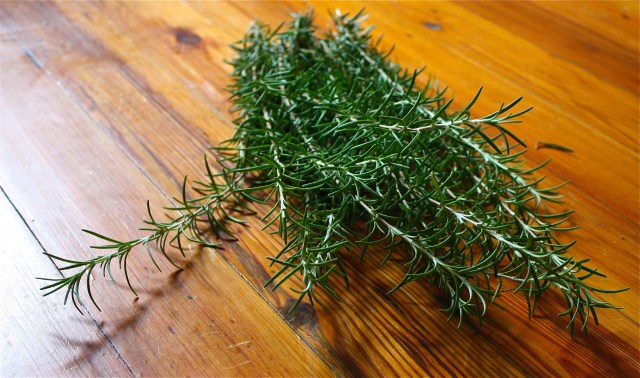 In a former life, the boring, vacant duplexes at the end of Boulevard were filled with children. Once a neighborhood Headstart center covered with hand-painted kids, it sat derelict for years while rosemary enjoyed the absence of groundskeepers. Before contractors arrived, I dreamed of turning the building into a small neighborhood school of the arts while picking sprigs for new red potatoes. Continue reading
 Pedagogy of the Plants