
Cubic Moss Terrarium

The reflective mica suggests a pool of water.
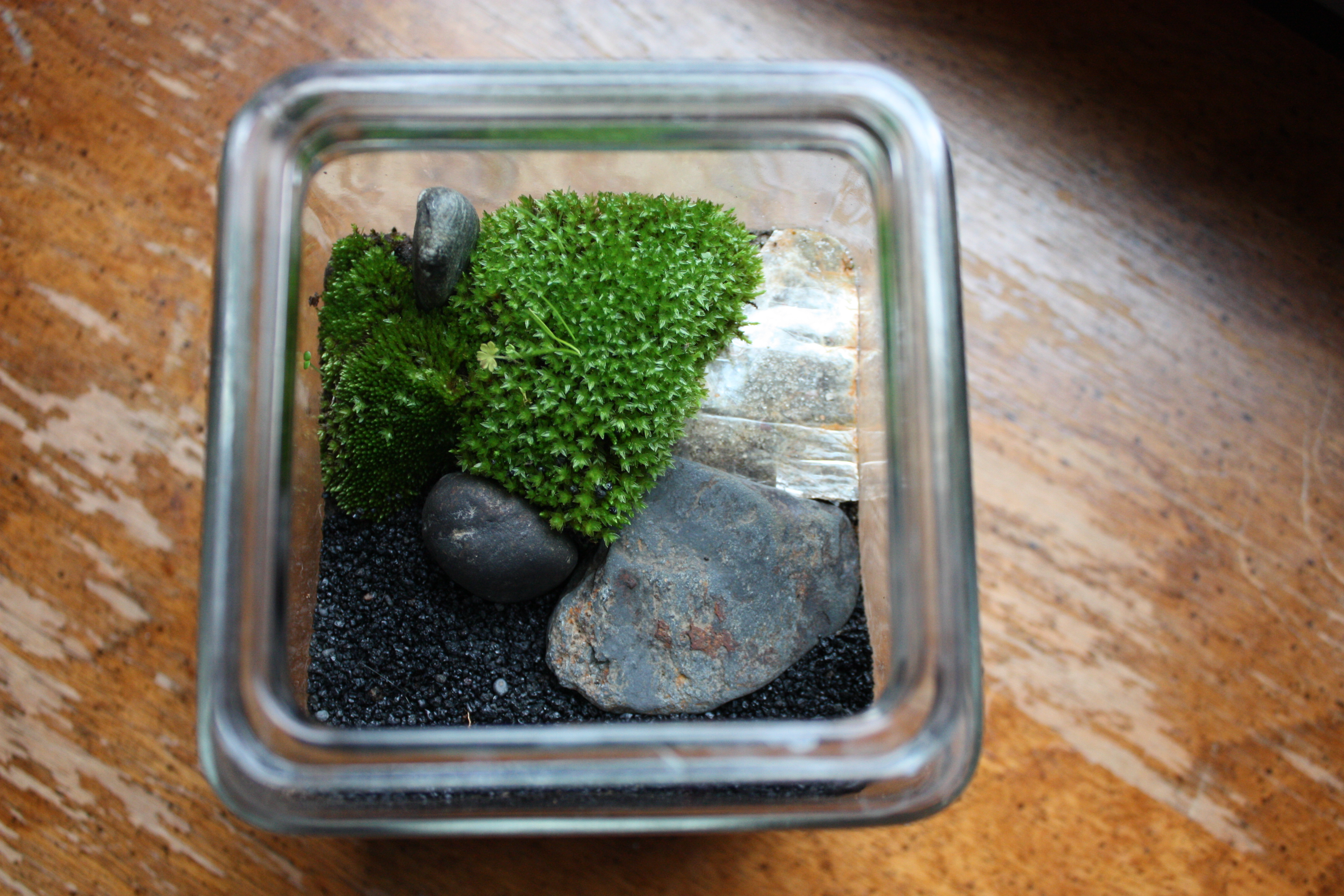
Mini Moss Terrarium
Purple and Greens


Epiphytic Lichen

Chinese Witch Hazel, Hamamelis mollis

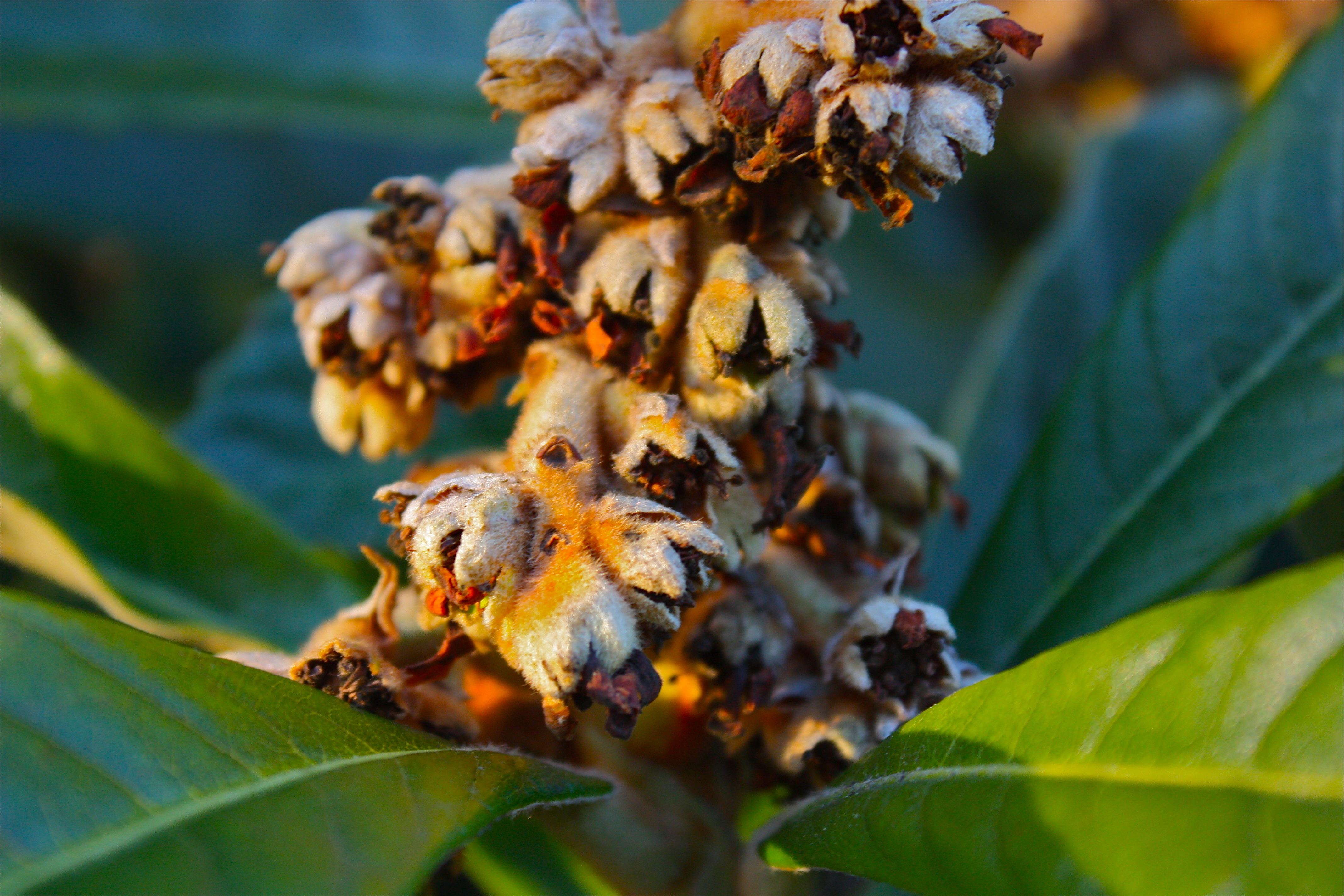
Downy Loquat Buds
Raindrops on Collards

February Pollination

Anise Bench

Surrounded by pungent anise leaves, this is either the best or worst bench at the botanical gardens.
Mica, Moss, Tiny Ghosts, and Ground Lava
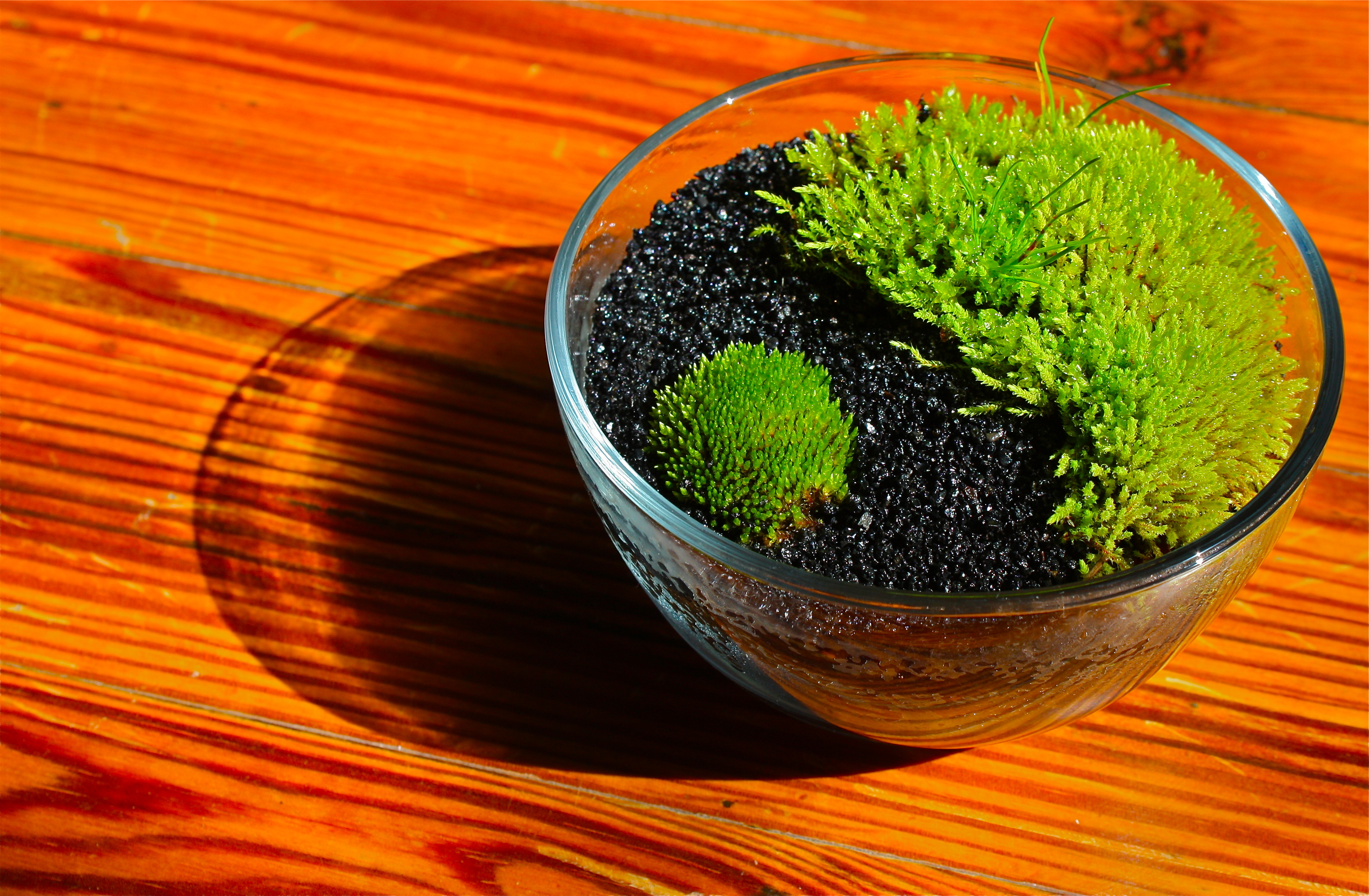
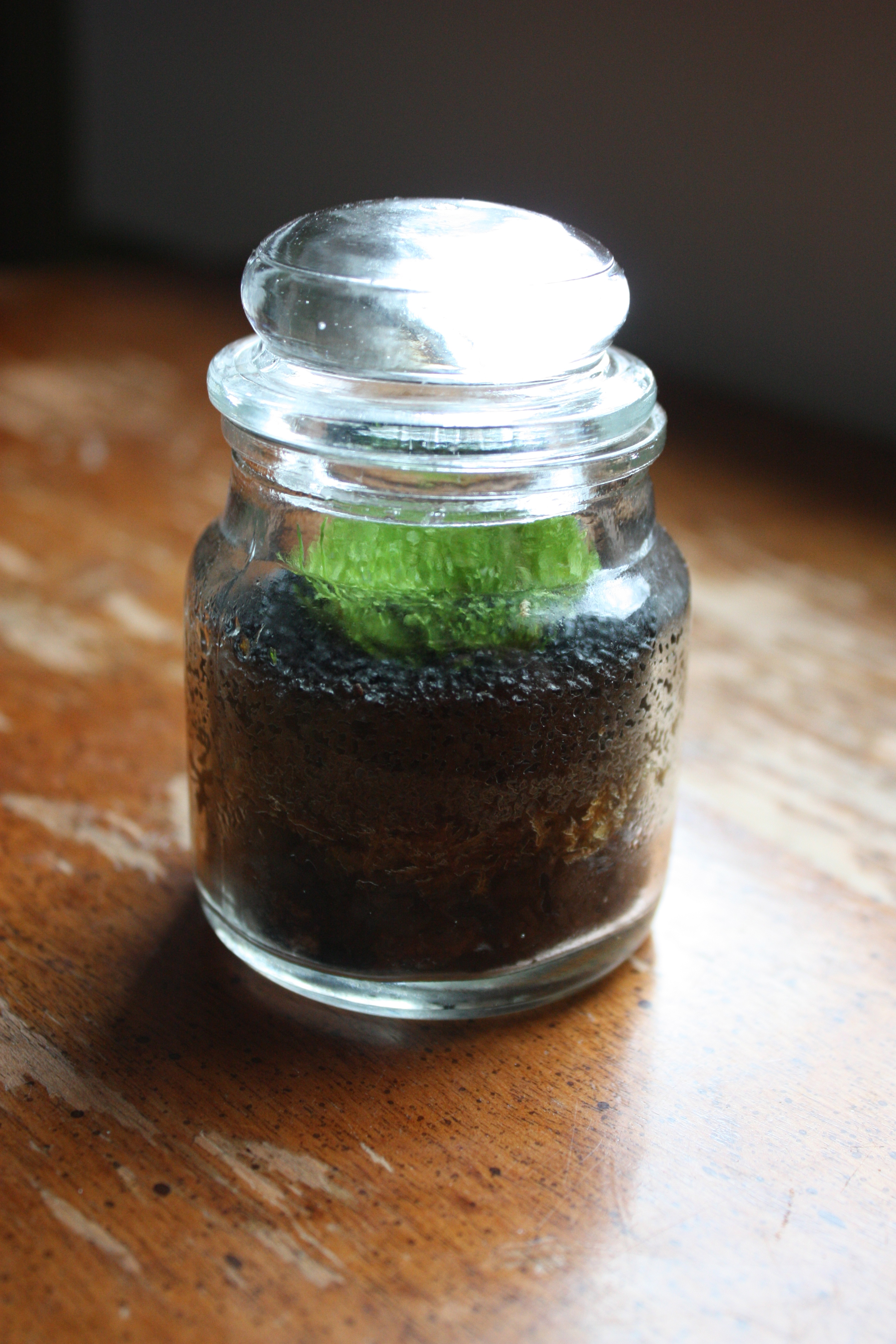
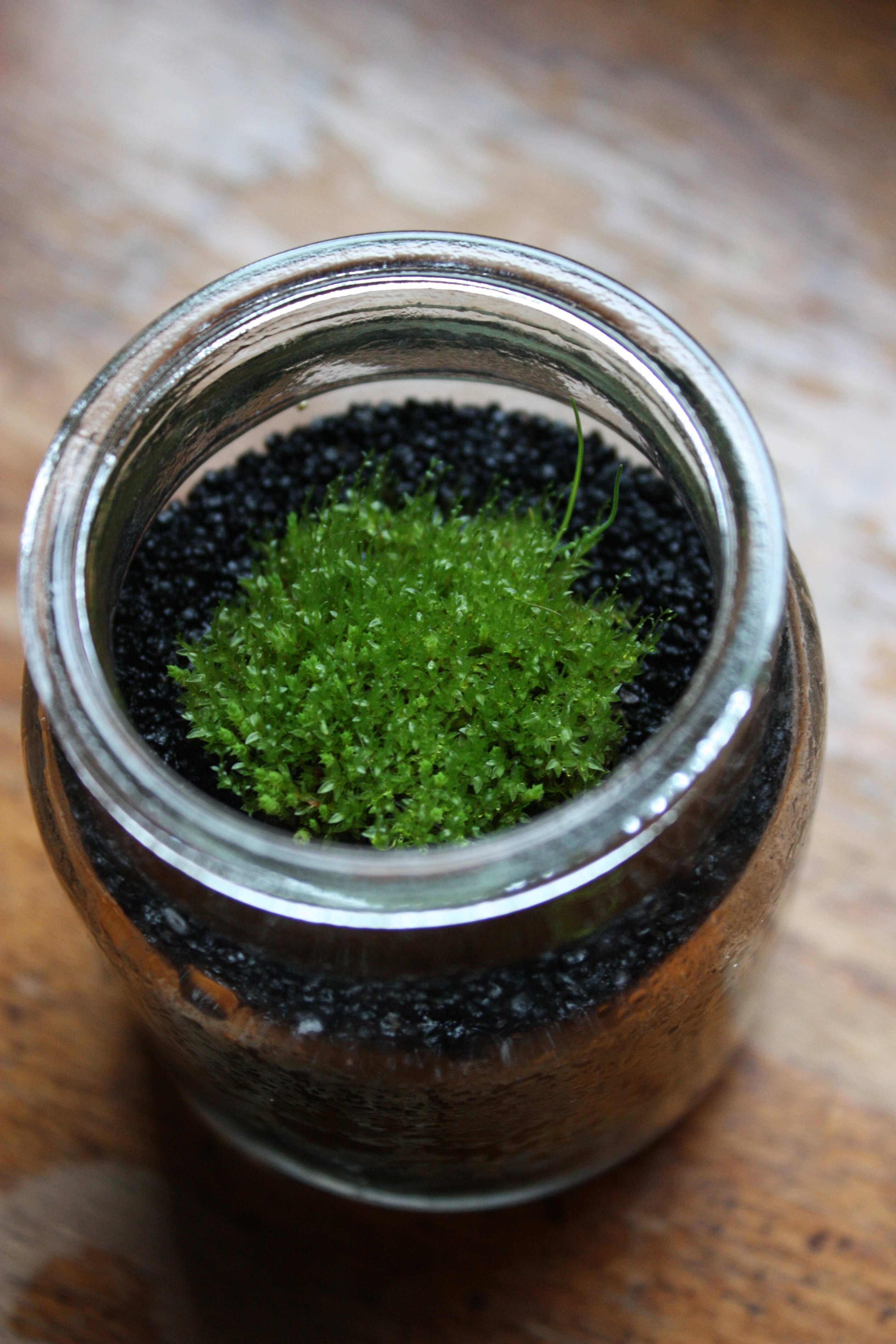
The second batch of terrariums is small but curious. Bottom-up, the layers include stones from the South Fork River near Watson Mill State Park, activated charcoal (to absorb toxins, filter air and water, and stem the growth of mold/mildew), Pacific Northwest sphagnum moss, soil from the backyard, and Hawaiian black sand. The moss was harvested from rock outcrops near Watson Mill.

According to gastateparks.org, “Watson Mill State Park contains the longest covered bridge in the state, spanning 229 feet across the South Fork River. Built in 1885 by Washington (W.W.) King, son of freed slave and famous covered-bridge builder Horace King, the bridge is supported by a town lattice truss system held firmly together with wooden pins. At one time, Georgia had more than 200 covered bridges; today, less than 20 remain.”
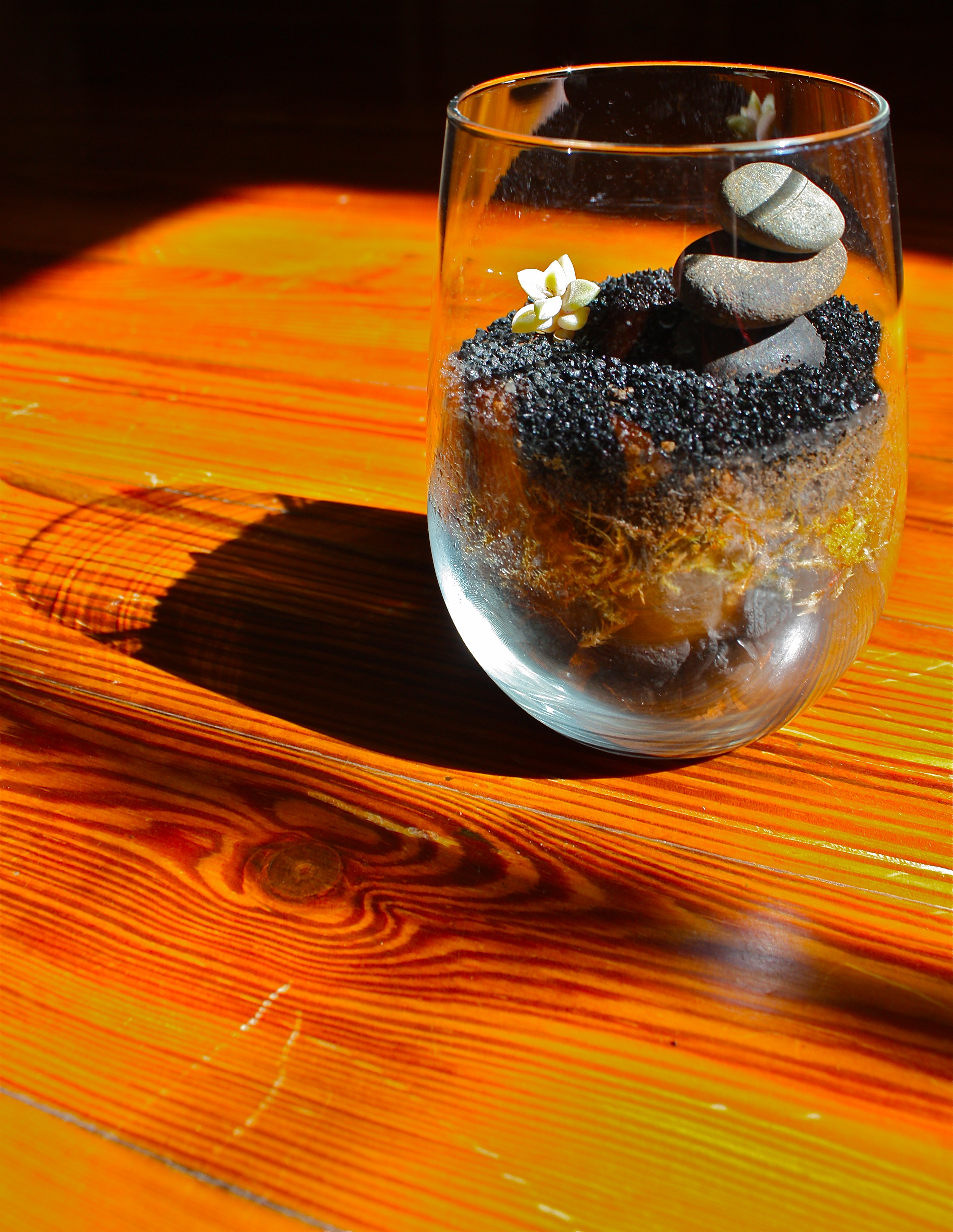
Students love touching the resident succulents in the window, so there’s never a shortage of ghost and jade bits sprouting desperate stolons seeking water.
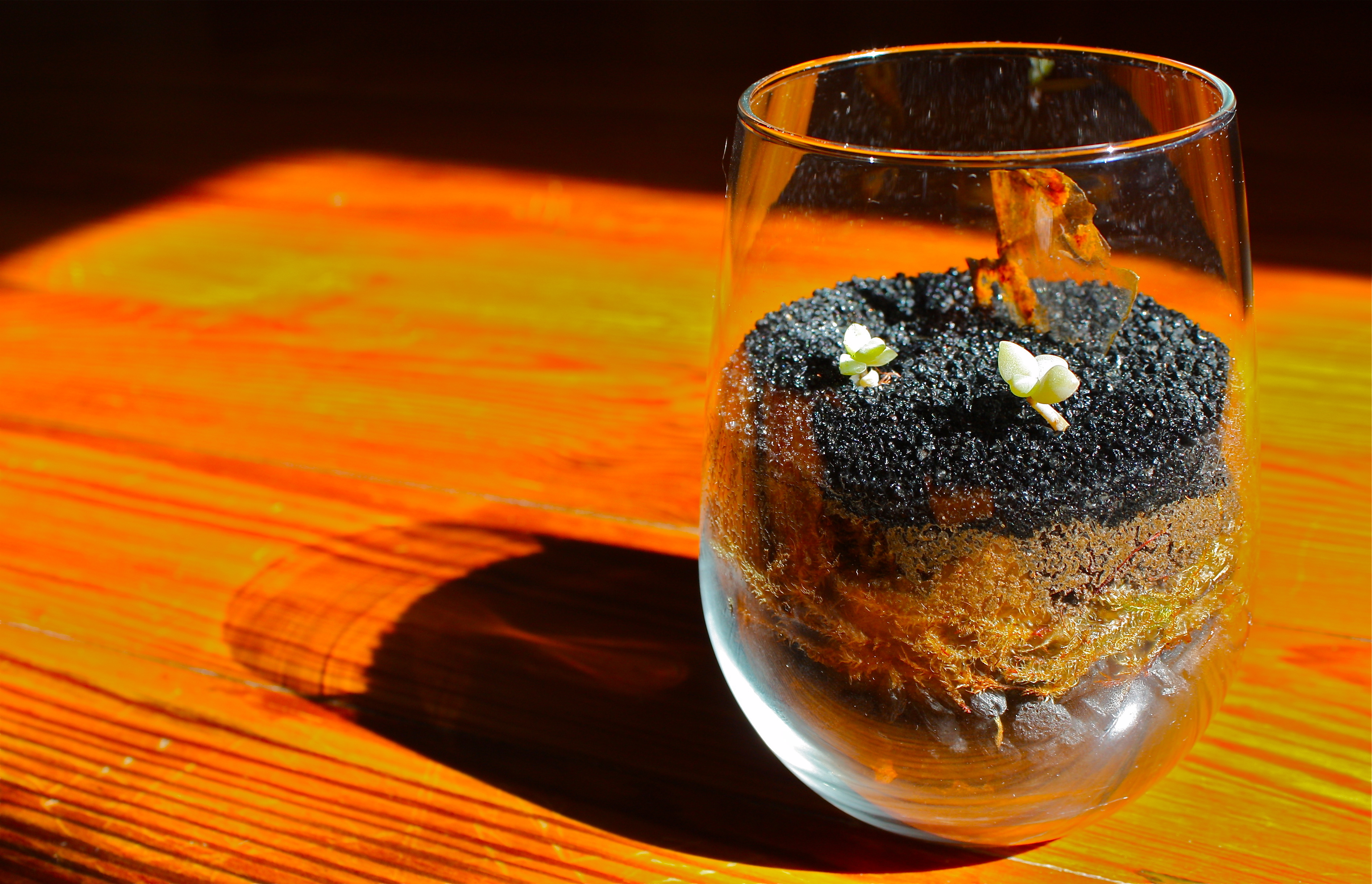
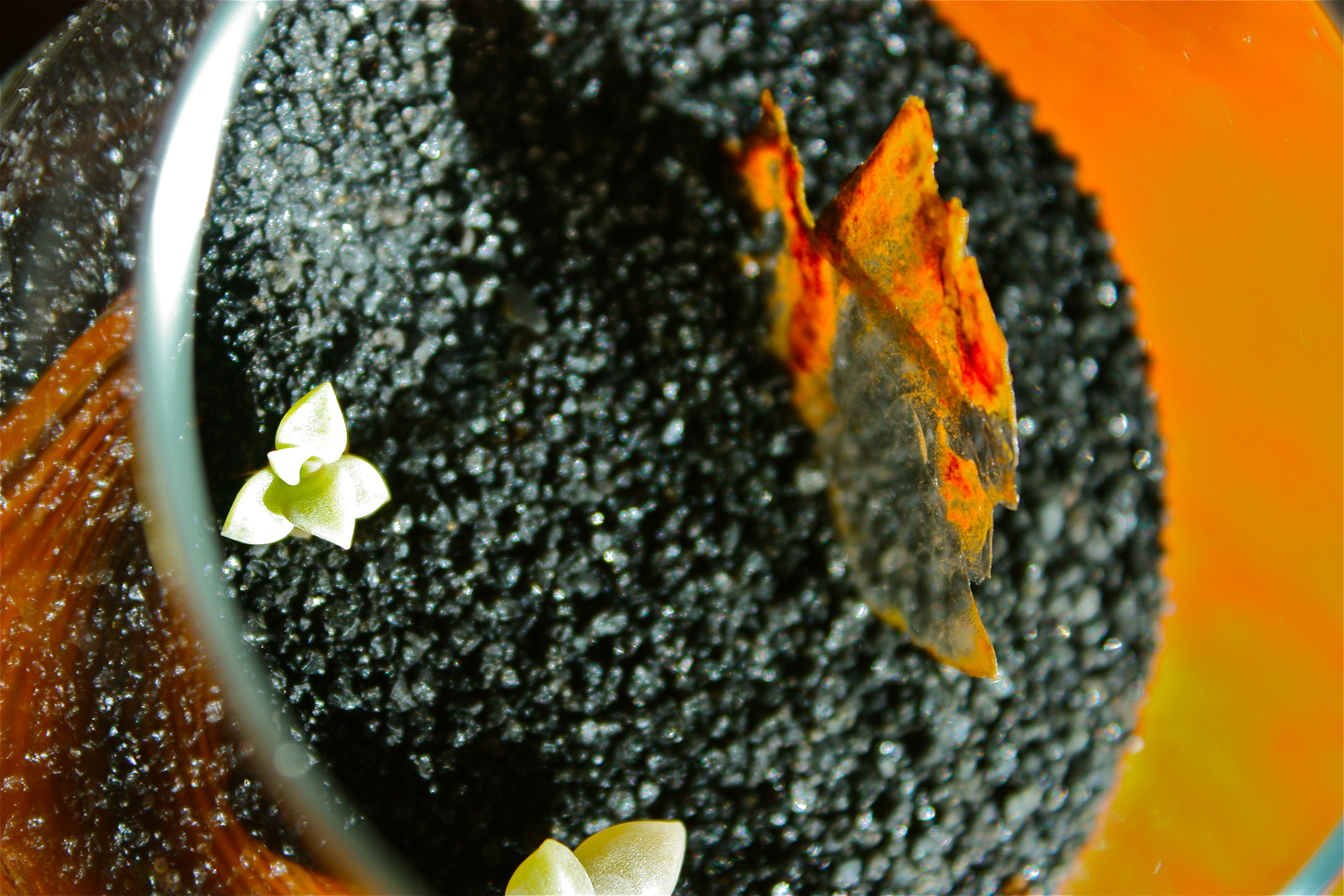
The shard of mica was pulled from a red clay hillside in Winterville.

Moss and Homelessness
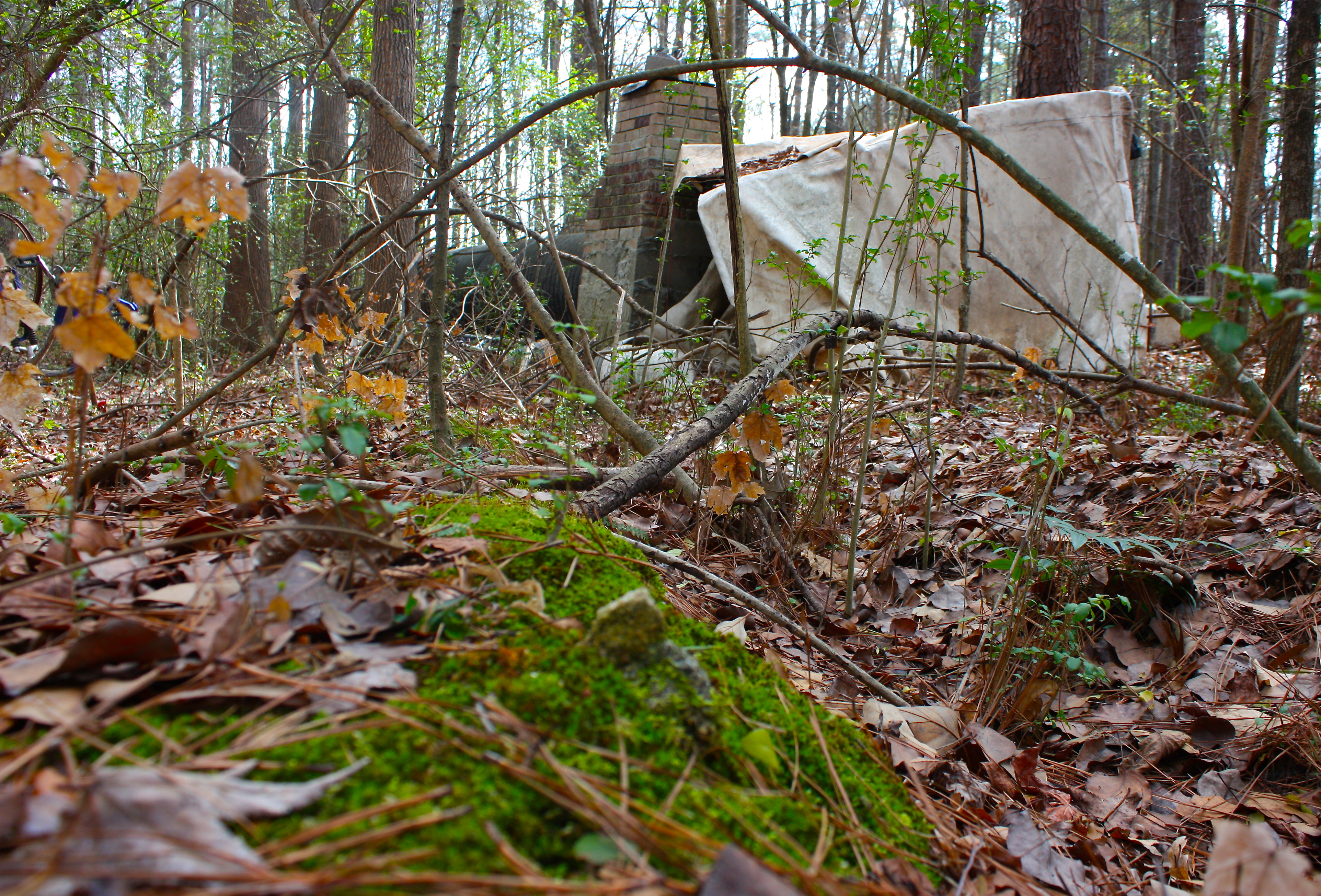
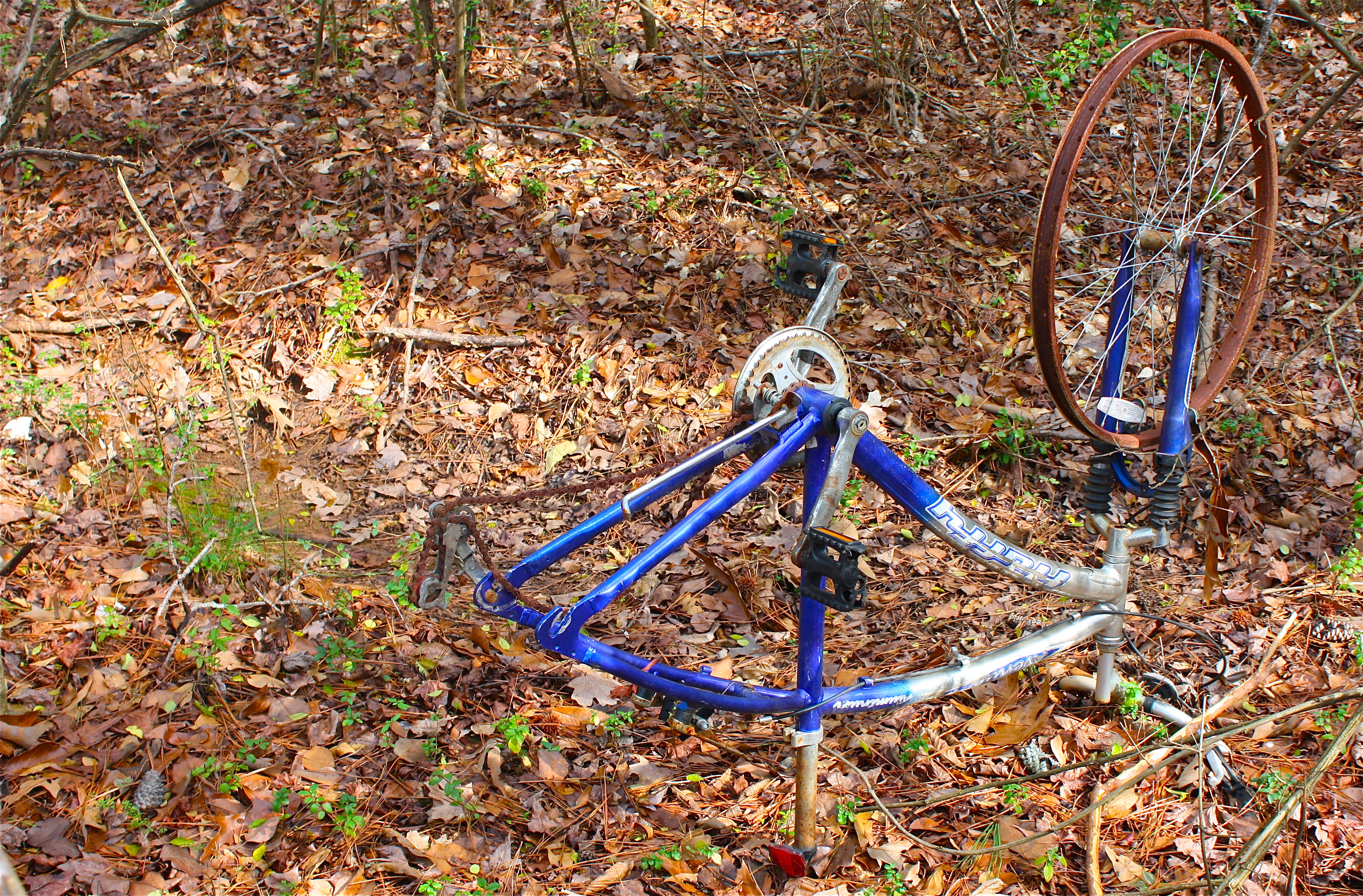
The fuzzy log above points to an abandoned homeless camp just off Old Jefferson Road.

Unique construction includes a large section of drainage pipe connected to a tent-sized bamboo structure with a brick oven/fireplace. The drainage pipe has linens and pillows inside.


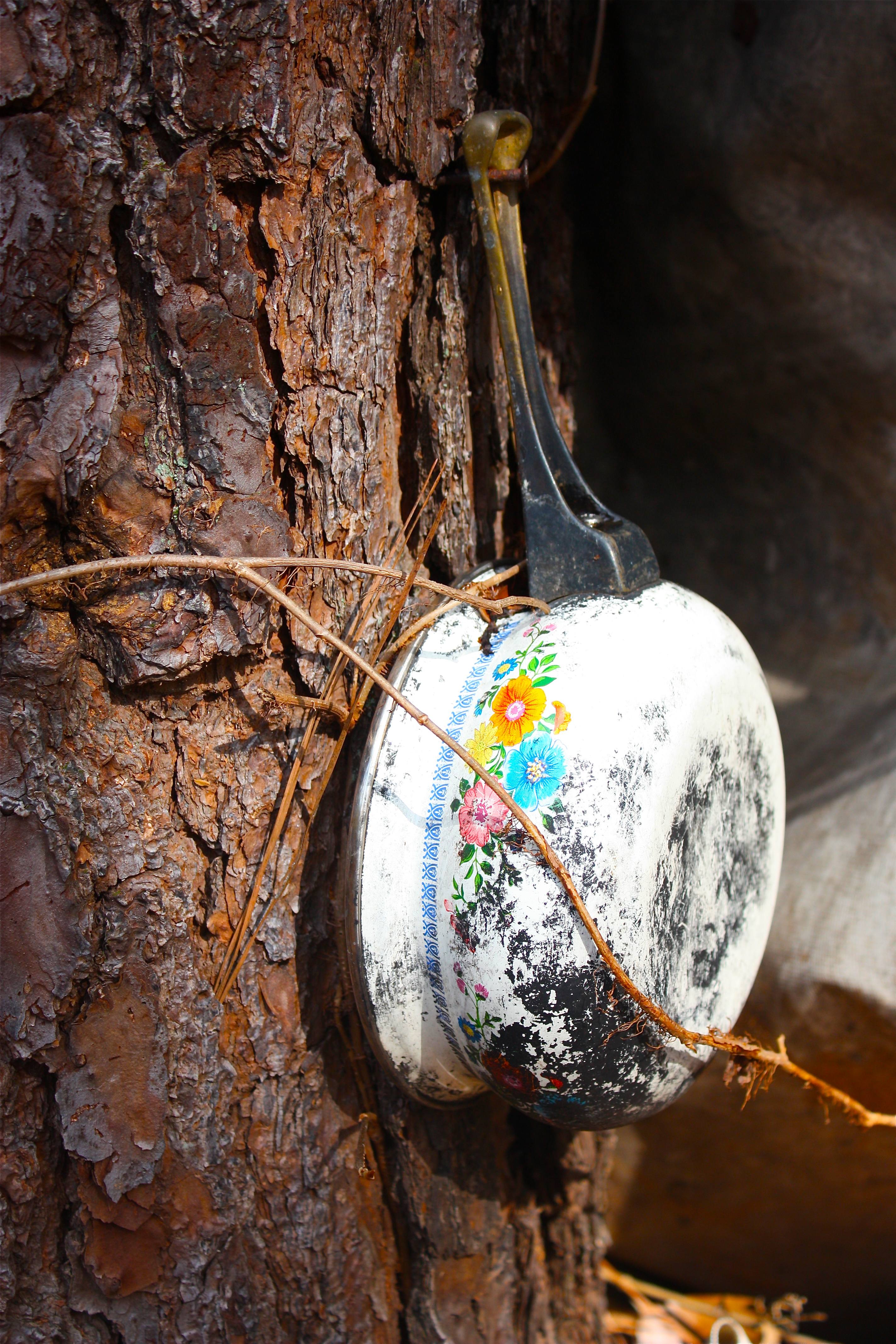
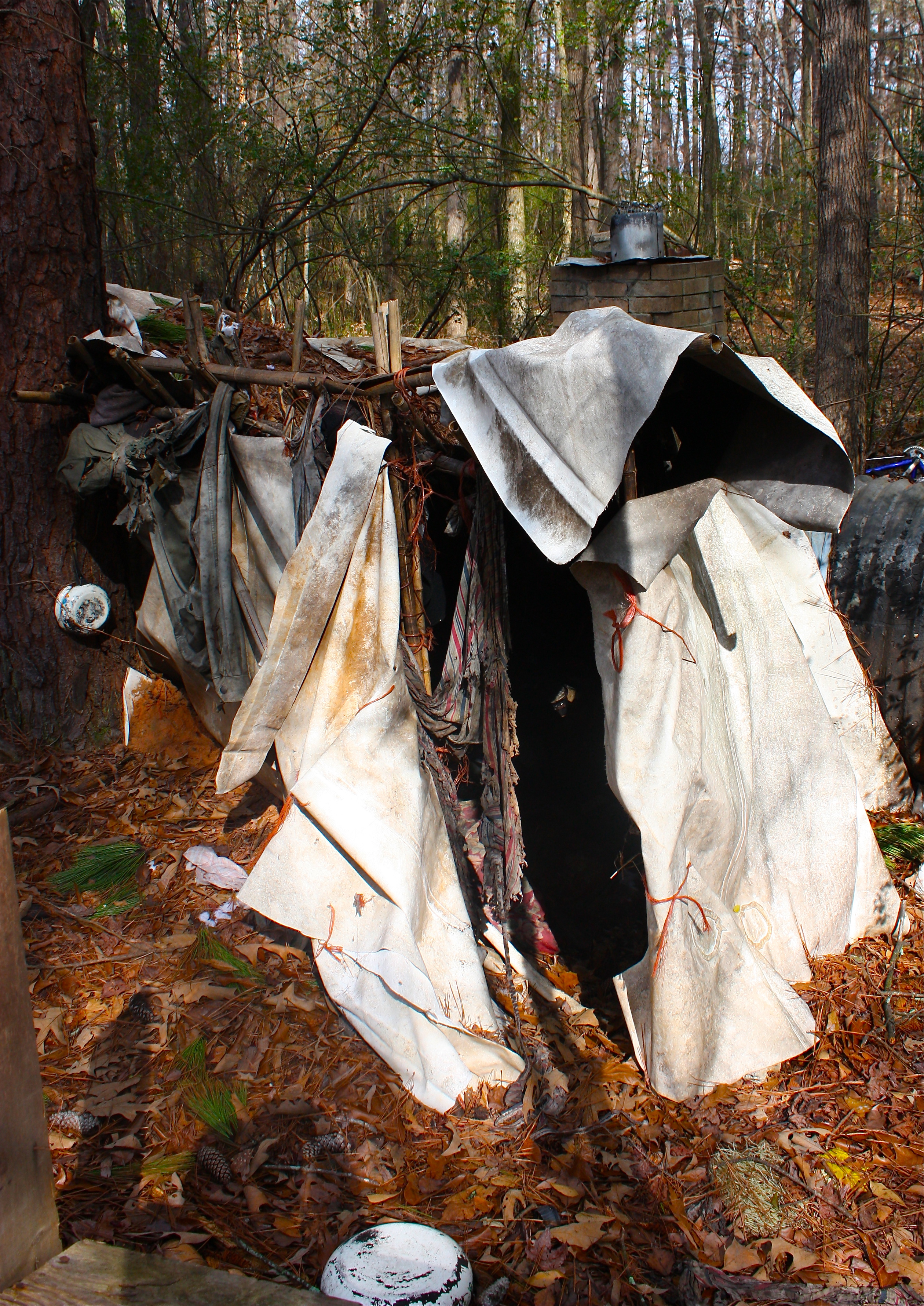
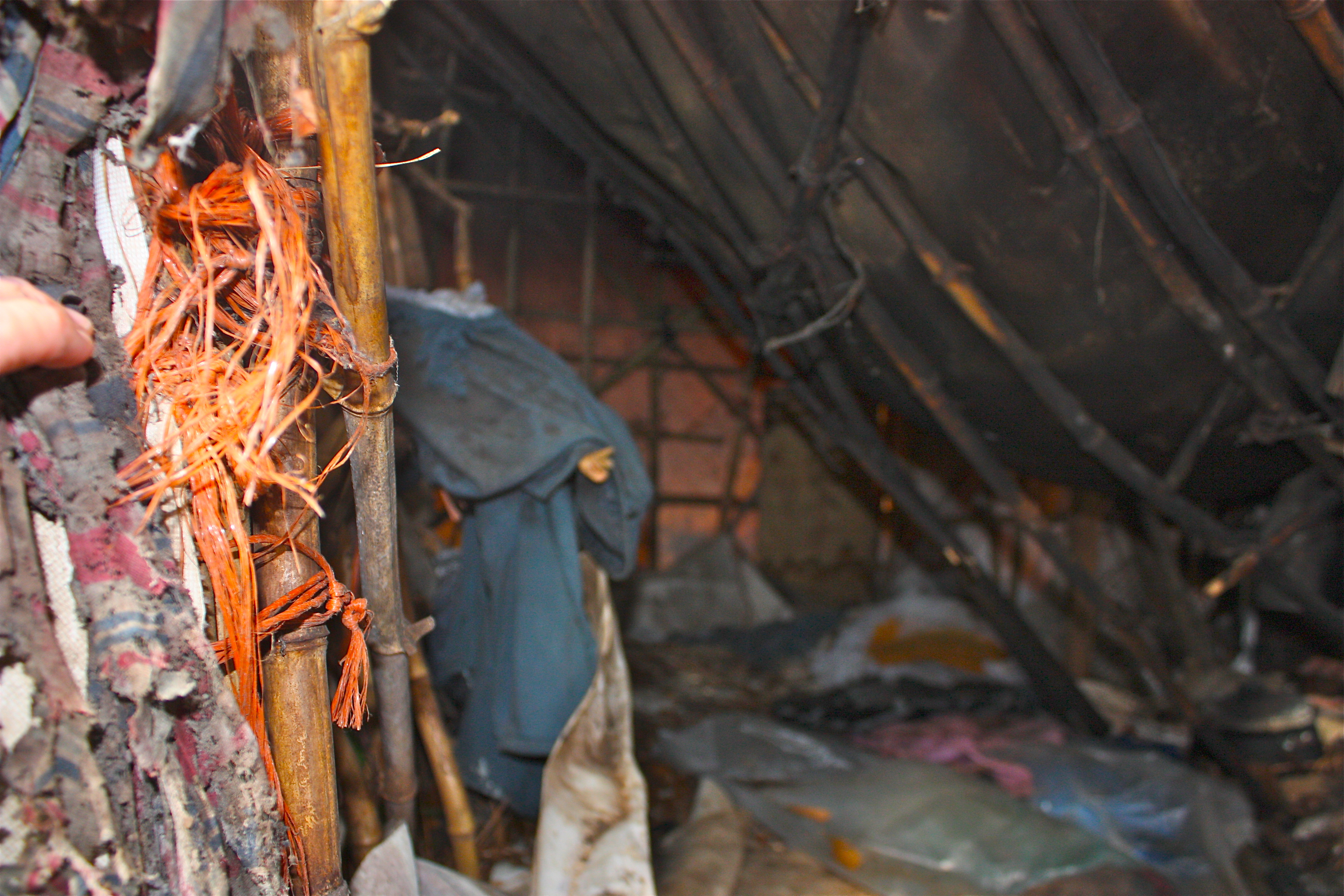
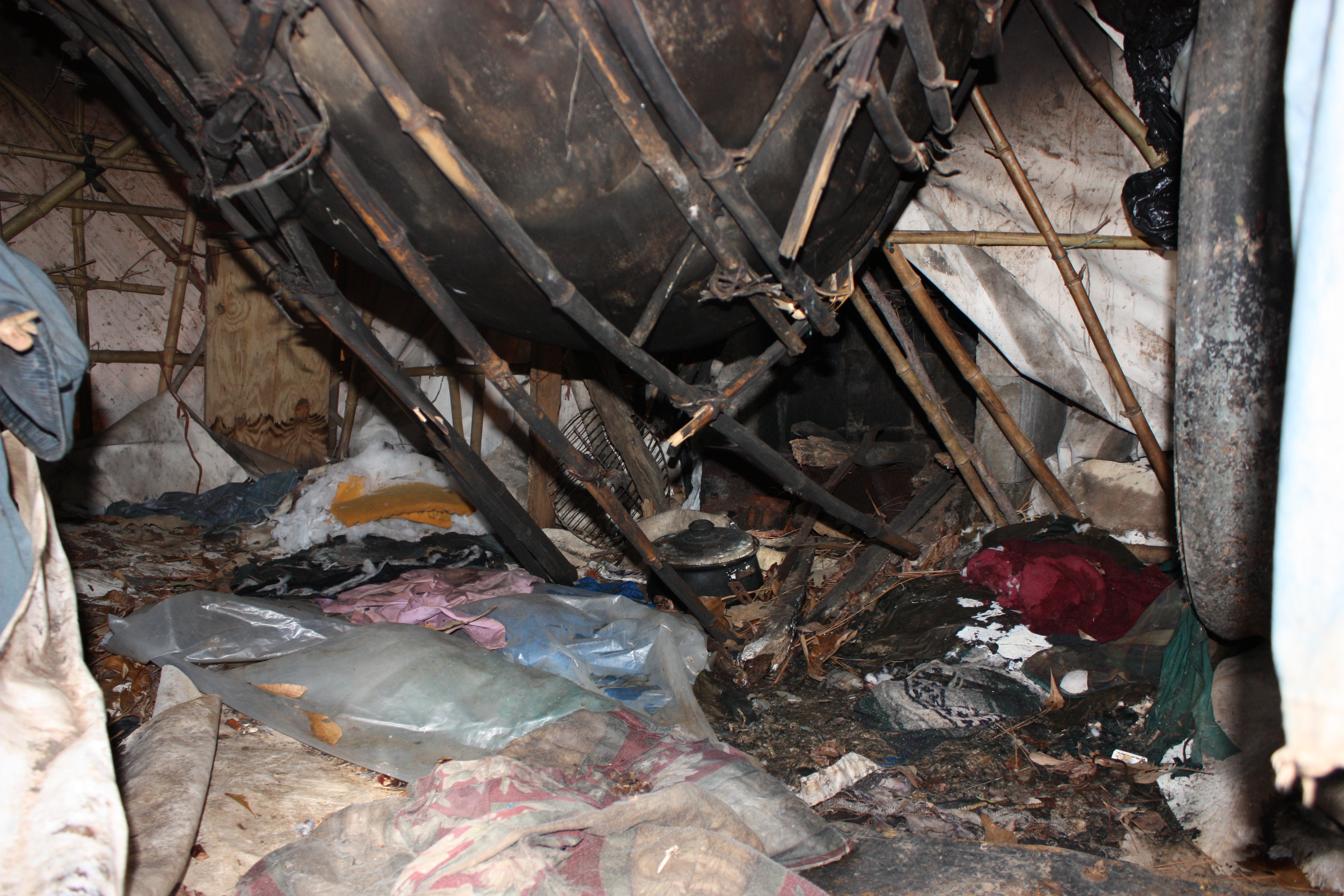
The roof is a sagging bag of rainwater and pine straw.

Out of 159 counties in Georgia, Clarke has the 8th highest poverty rate.

Ten yards away, country club members tee off.
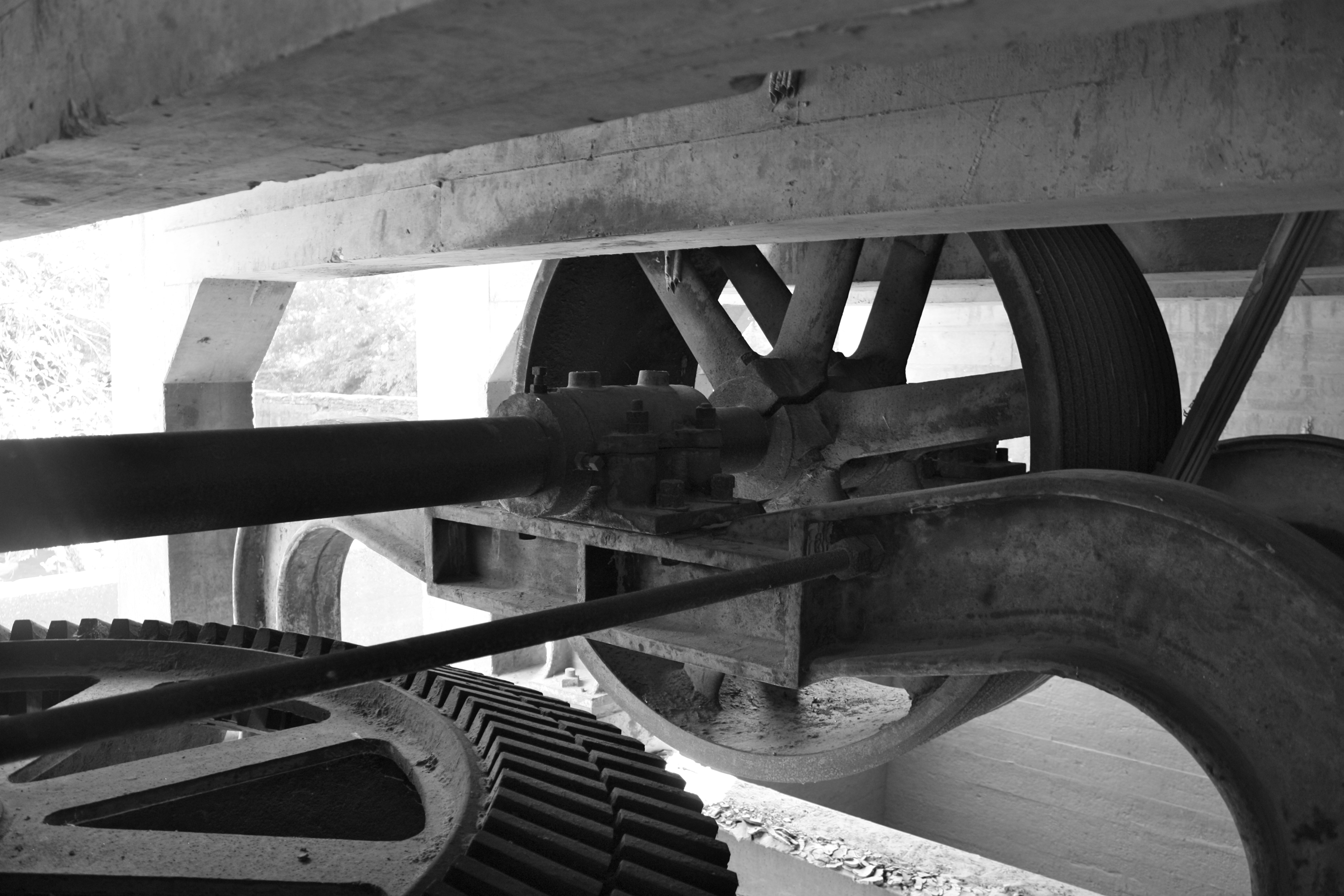
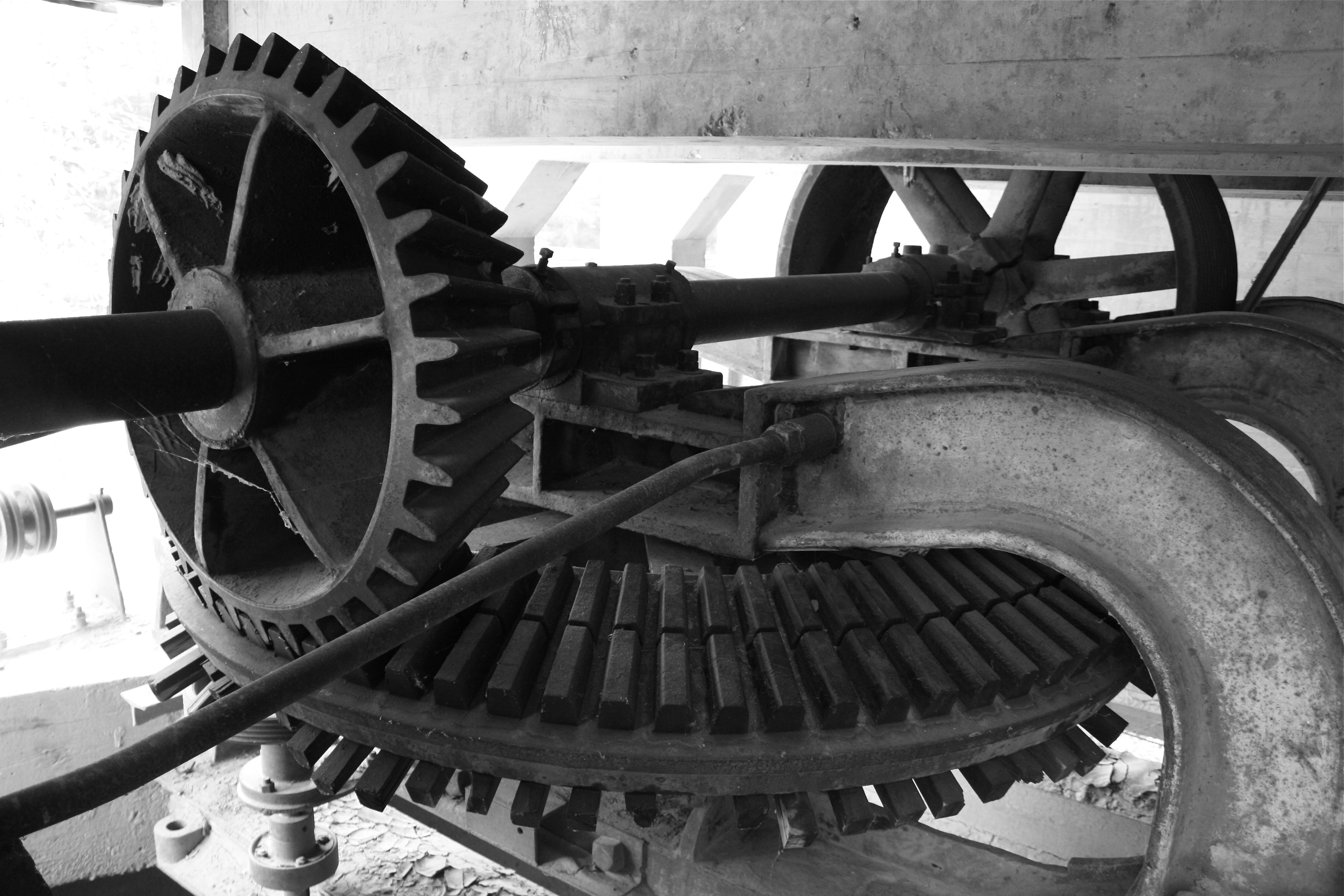
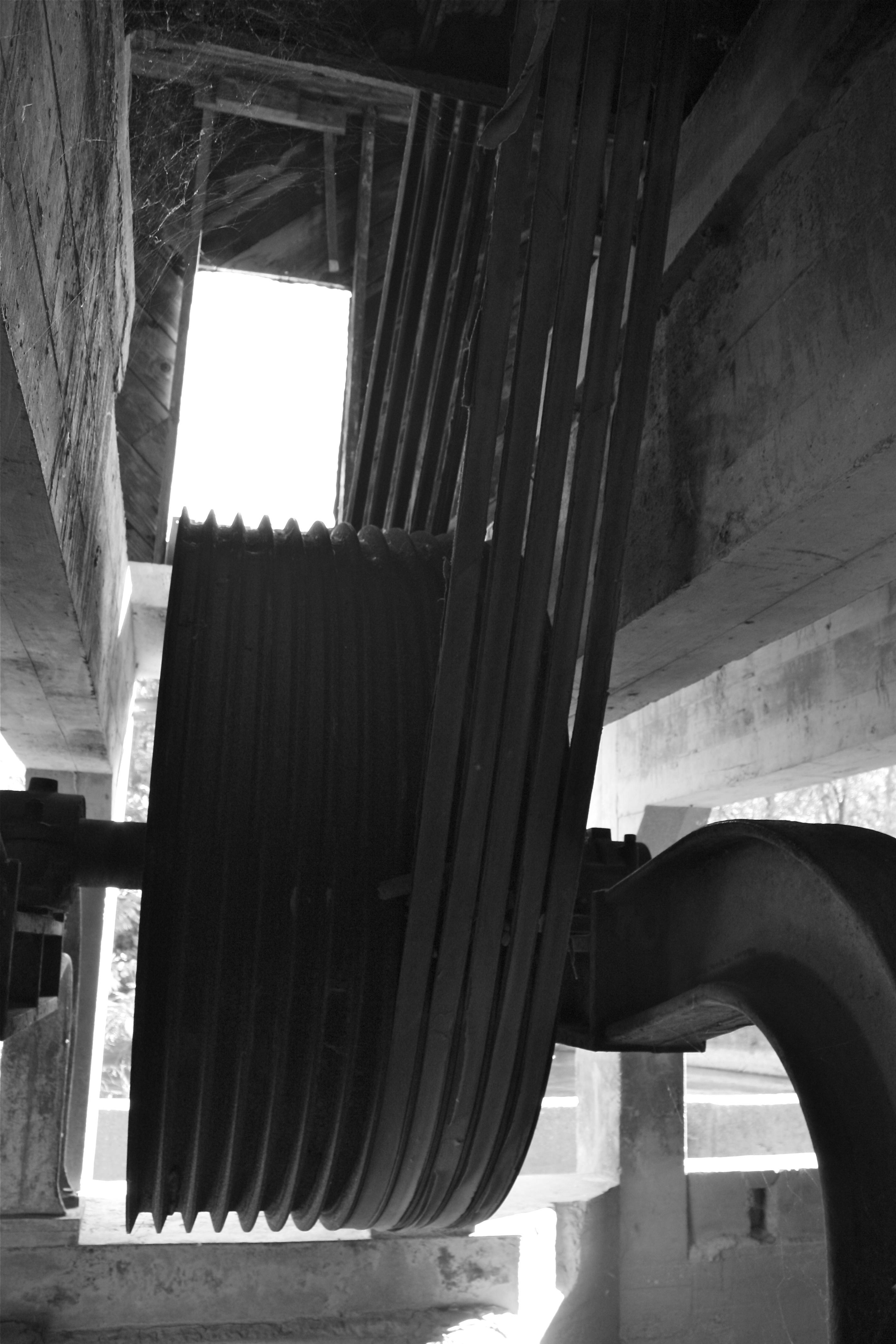
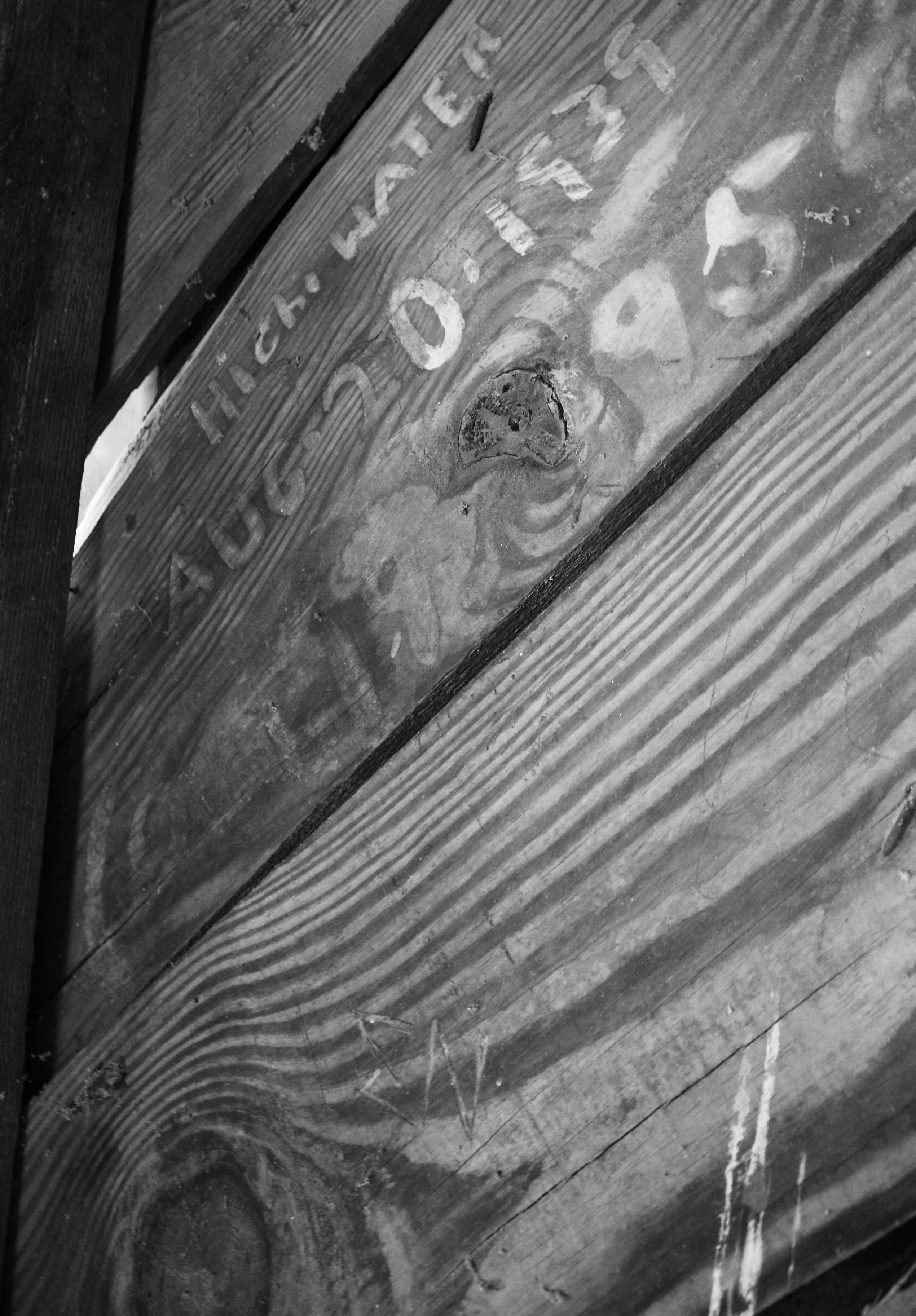
White Dam and Eastern Bloc Blues

Remnants of incapacitated industry bring to mind contemporary interpretations of Eastern Bloc sounds. This first sample, produced by the Polish nu jazz duo Skalpel, offers hip hop beats occupied by Polish jazz samples scrubbed from the archives.
“Sculpture”

Igor Boxx, 1/2 of Skalpel, recently went solo with the debut album Breslau. Compared to the lush, polished sound of Skalpel, his tracks have a colder resonance.
“Russian Percussian”
“Fear of a Red Planet”
Aaron Funk is a Canadian electronic artist known as Venetian Snares. During a 2005 trip to Hungary, he produced the album Rossz Csillag Alatt Született.
The concept of the album came when Aaron Funk imagined himself as a pigeon on Budapest’s Királyi Palota (Royal Palace). Its third track, “Öngyilkos vasárnap” is a cover of the song “Szomorú vasárnap” (“Gloomy Sunday”) by Hungarian composer Rezső Seress, which has been referred to as the Hungarian suicide song. According to urban legend, Seress’s song has inspired the suicide of multiple persons, including his fiancée. The song was reportedly banned in Hungary. It has also been covered by many artists. Billie Holiday’s vocals are sampled in this track.
-Wikepedia
“Öngyilkos Vasárnap”

Moss Terrariums
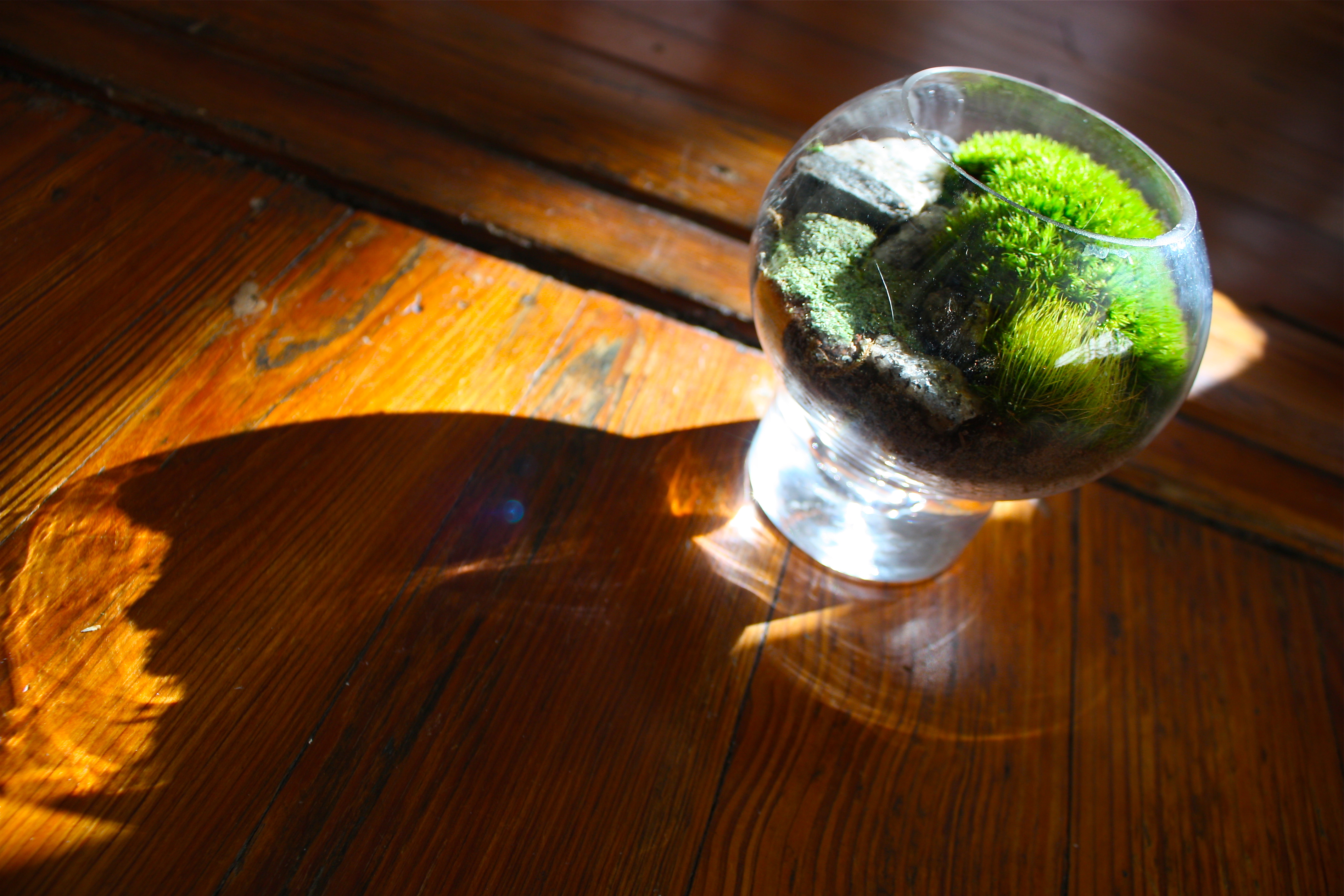
This first go at moss terrariums follows a tutorial by a Brooklyn based terrarium store. Inspired, I hiked along a stretch of railroad that runs through Whitehall Forest, harvesting verdant rugs, small chunks of pink and greyscale granite, and parched epiphytic aliens.
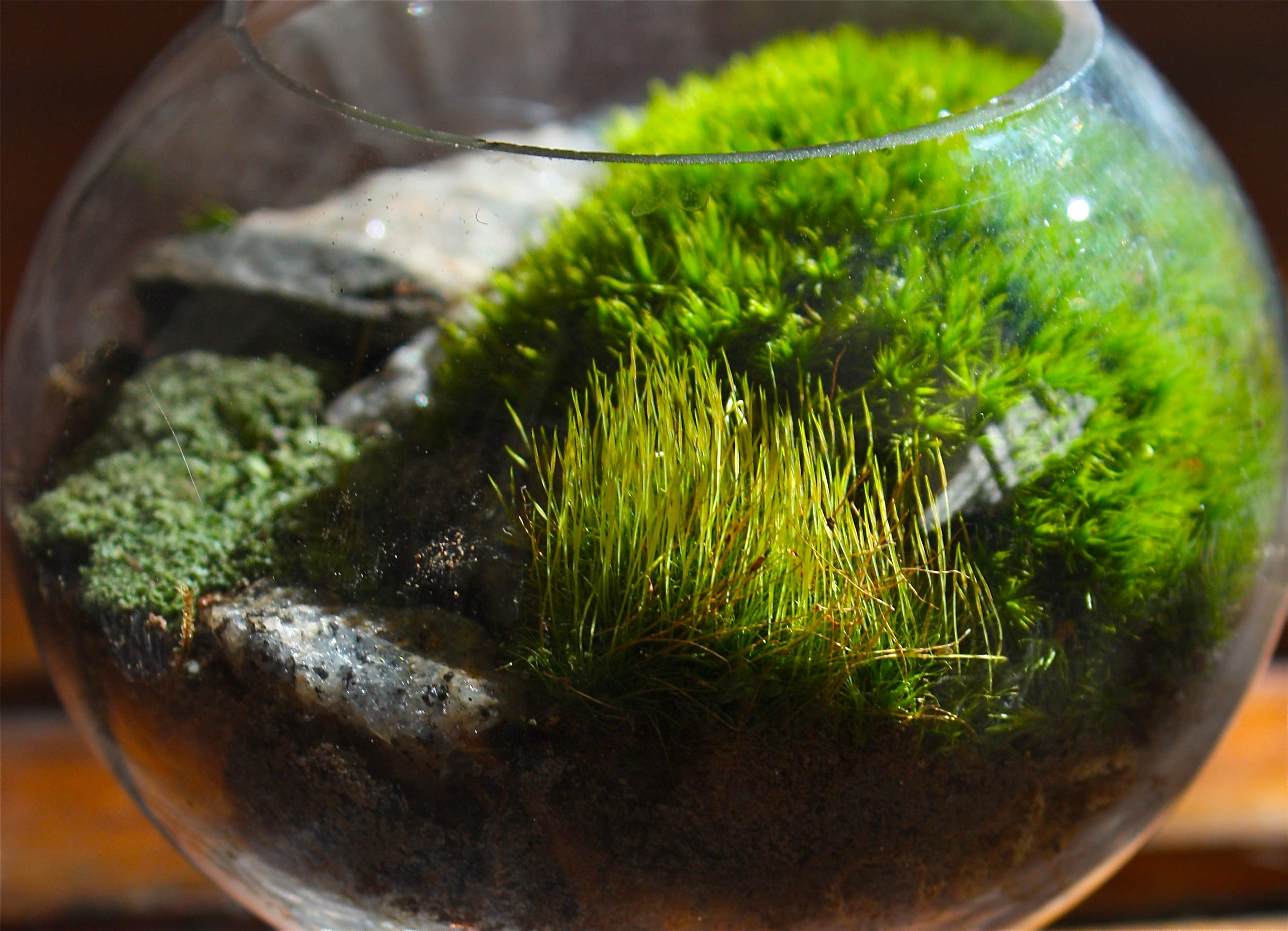
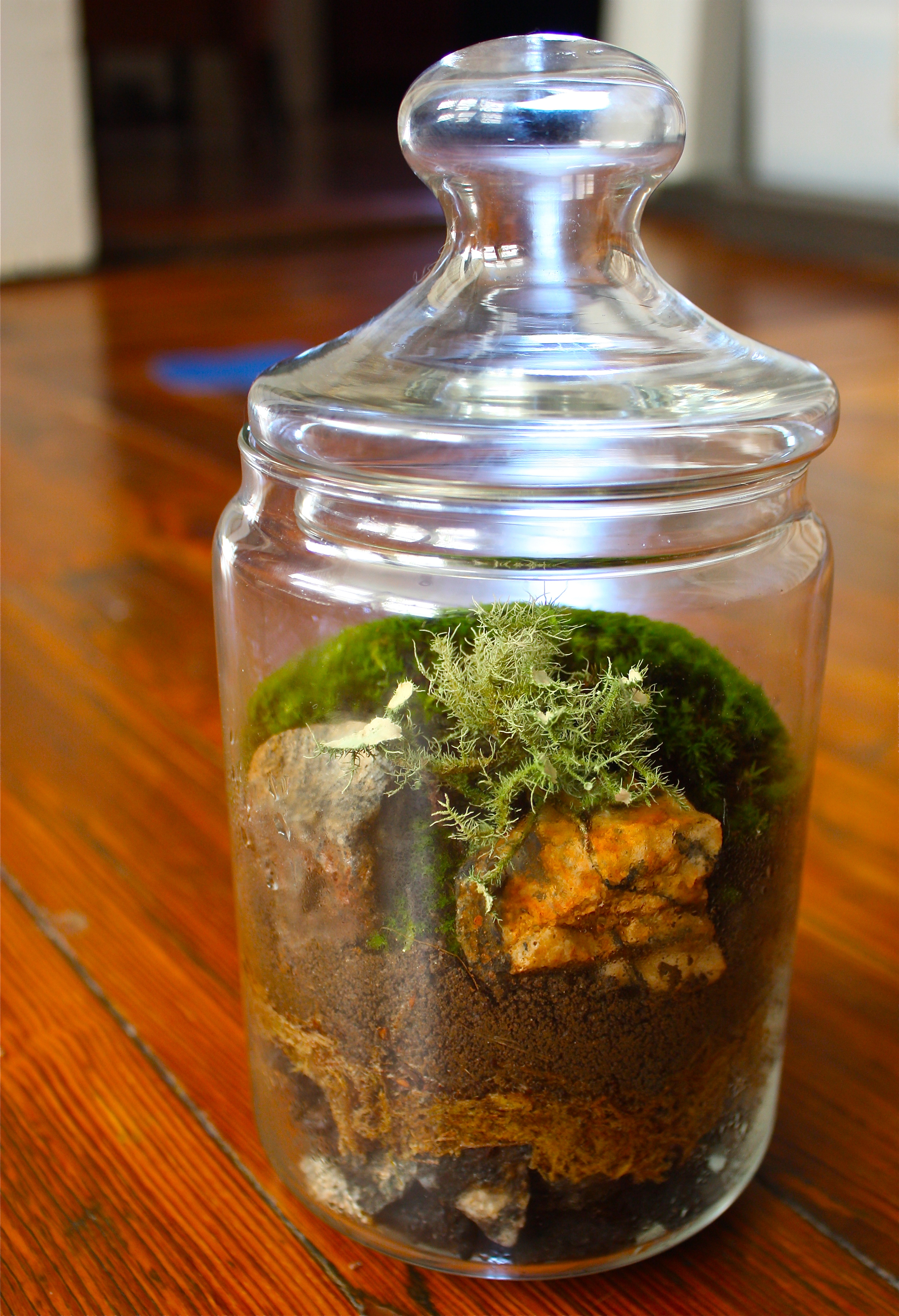
The simple tutorial fails to include instructions and tips for anyone interested in creating lasting enclosed microenvironments. After a week, the apothecary terrarium above is growing a white, moldy beard from the sphagnum layer. While troubleshooting, I discovered some comprehensive websites dedicated to the natural art beyond home decor trends. These are the best so far:

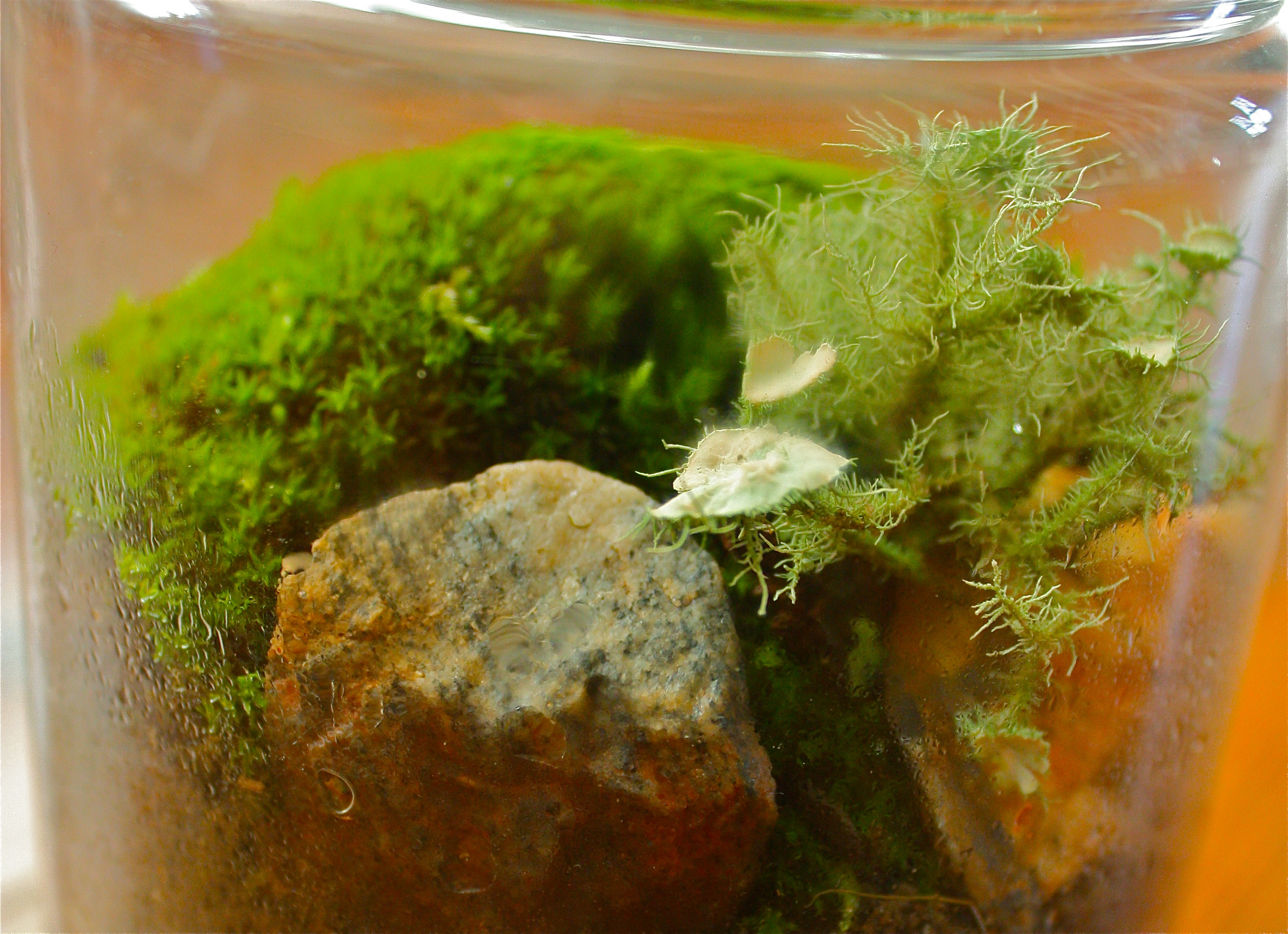
The next batch will include a layer of activated charcoal to absorb any toxins, cleanse the water as it travels up and down, and (hopefully) stem mold growth.
Moss and Remains

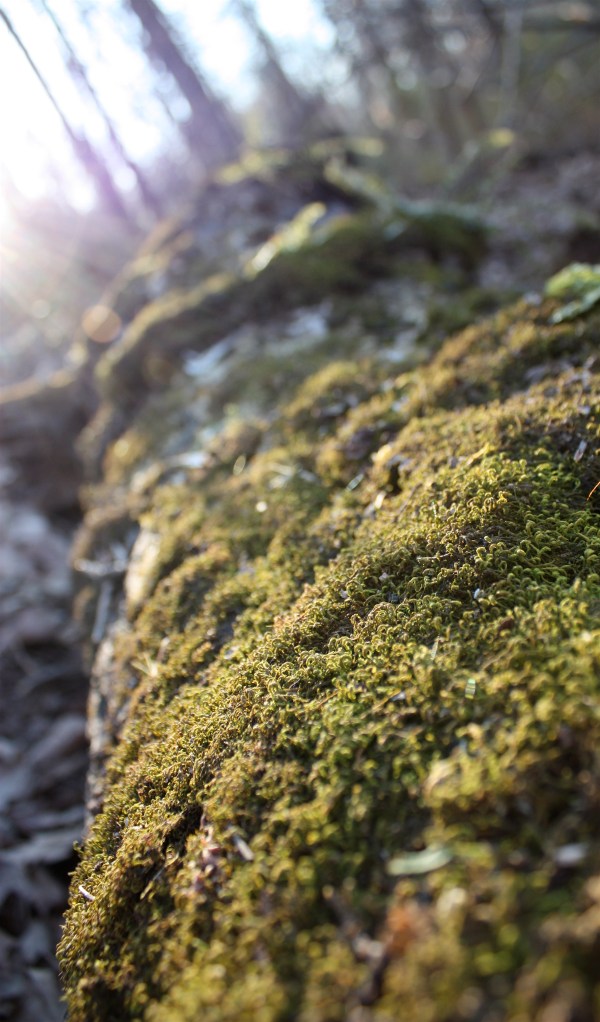

Abandoned Experiment Station

In 2008, a friend heard a rumor that students in the UGA ag school were dumping carcasses near the banks of the Middle Oconee River, somewhere within a 740 acre forest managed by the Warnell School of Forestry. We spent a day hiking through the woods searching for skeletons, but found nothing suspicious, except for a deer stand.
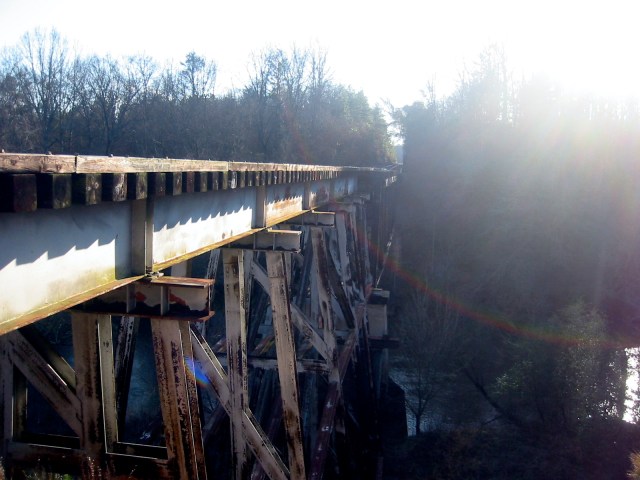
About a year later, on a mid-winter railroad hike through the same forest, I found a twenty yard stretch of bones strewn along the tracks, including over forty skulls. The larger ones were recognizable, with (female) antler stubs still attached to spinal columns and hanging mats of tan fur. A colleague at school identified the smaller skulls as raccoon. Each had a pencil width puncture just behind the eye, splitting the braincase.
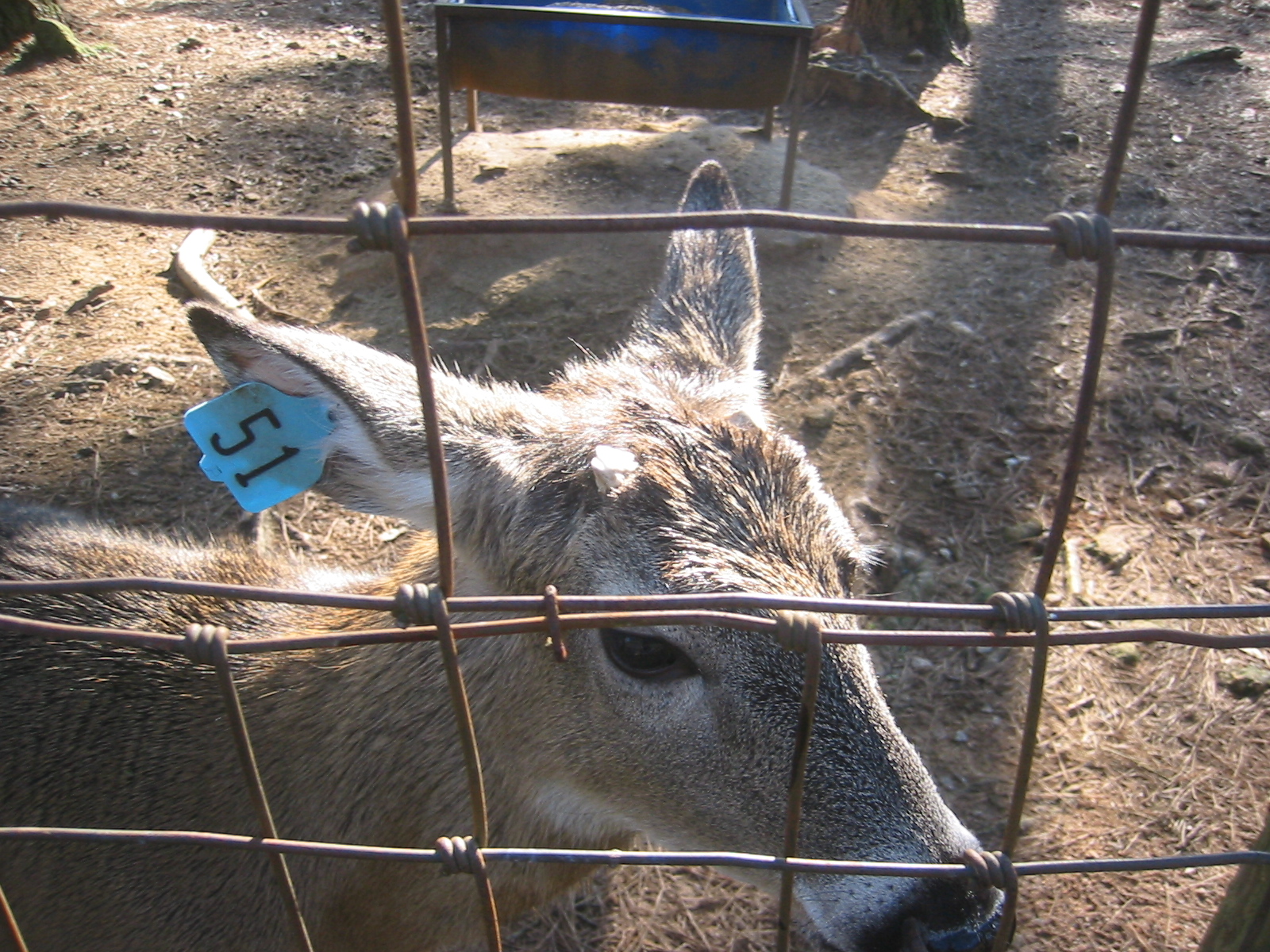
A half mile from the slaughter, around a dozen deer are tagged and caged within a tall fence.
Lollipop, lollipop…
Inspired By Space Invader

Inspired by the French street artist Space Invader, these are what’s left of a series featuring a character from a children’s book I wrote in college. It’s a Taoist story of “Murky,” a raindrop afraid of the ultimate splash. The tale consists of 16 haiku poems, with simple illustrations.

Mr. Carrot (confined to a kitchen wall) never meets murky.
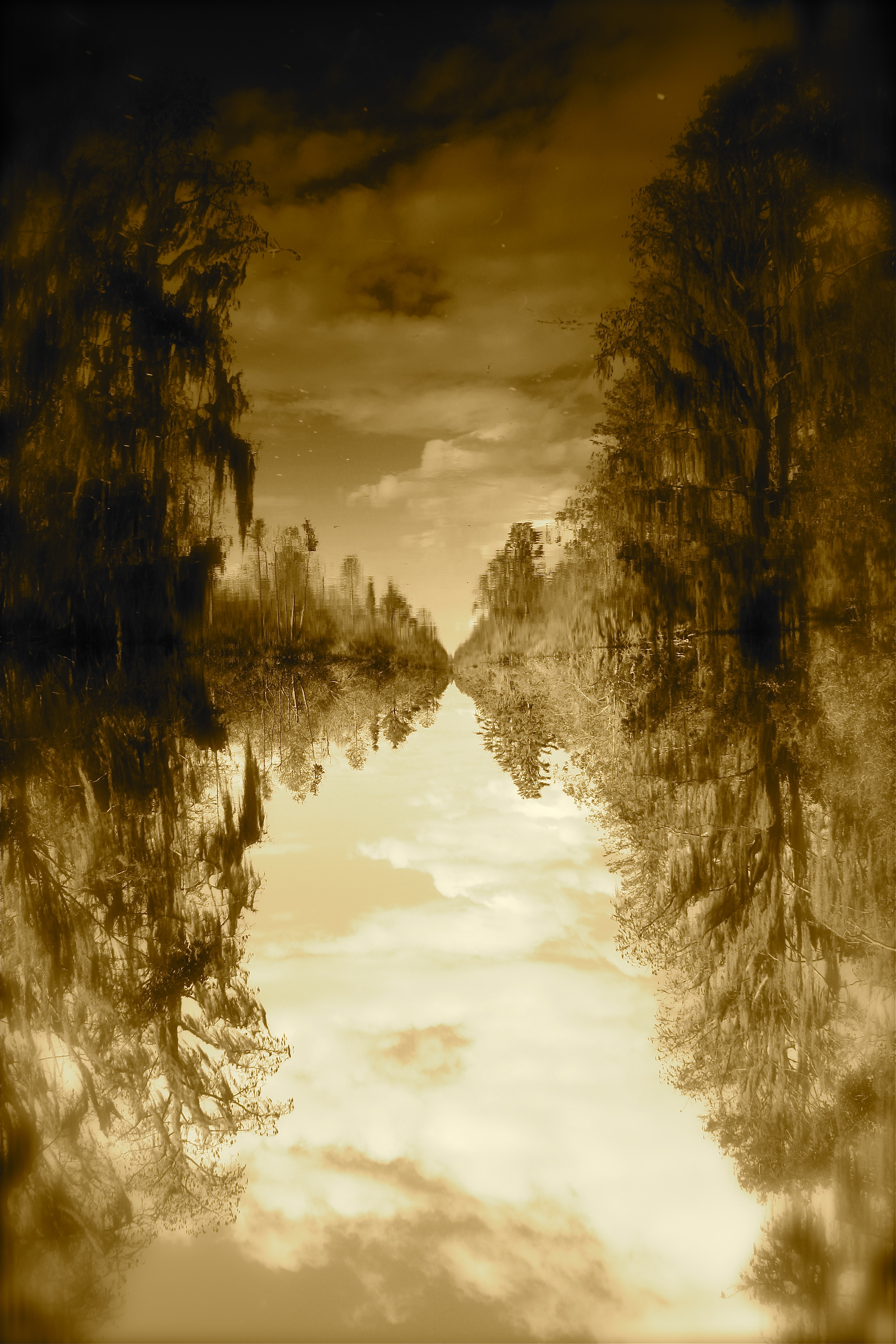
Okefenokee Haints (1934-1942)

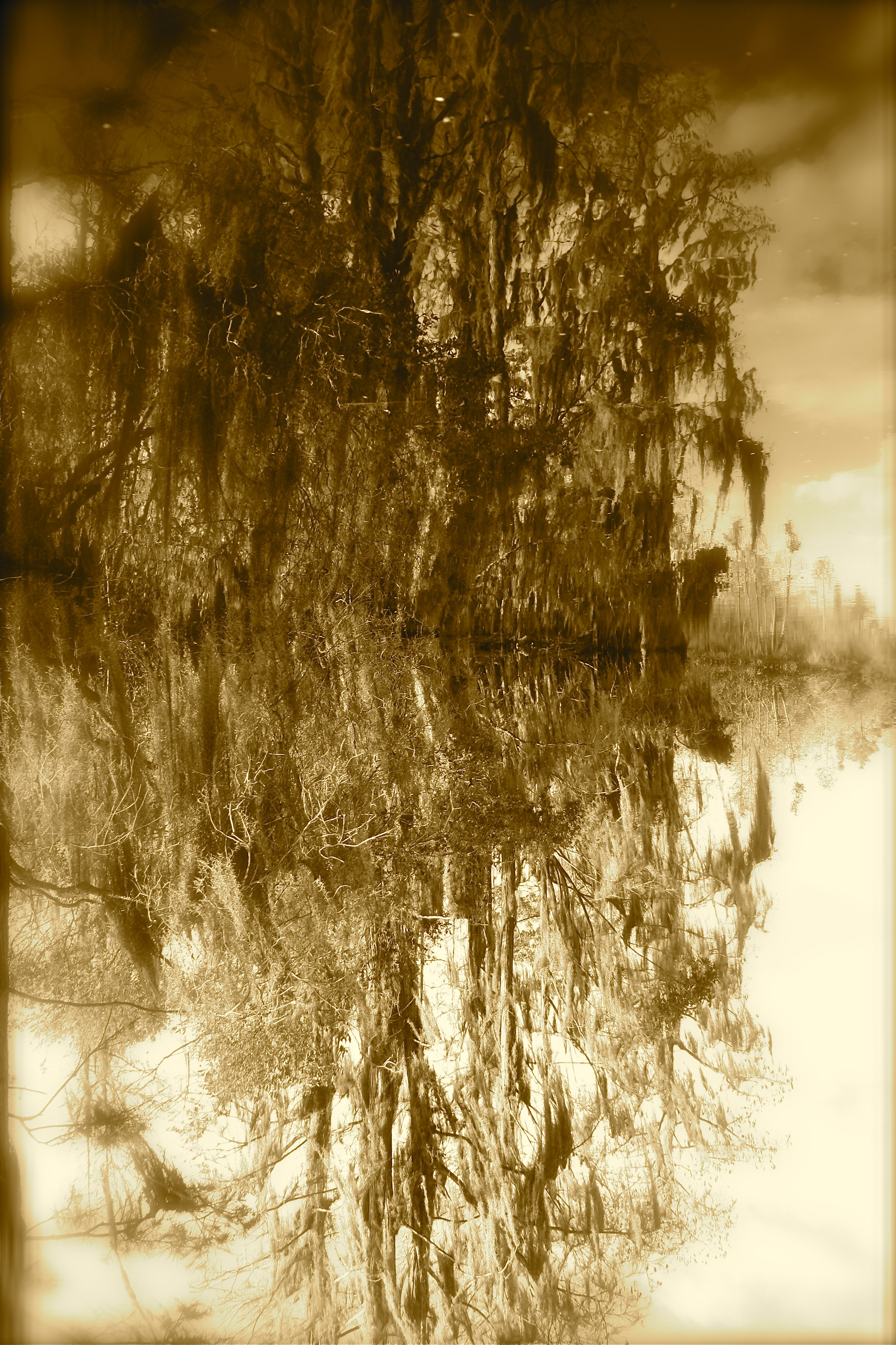
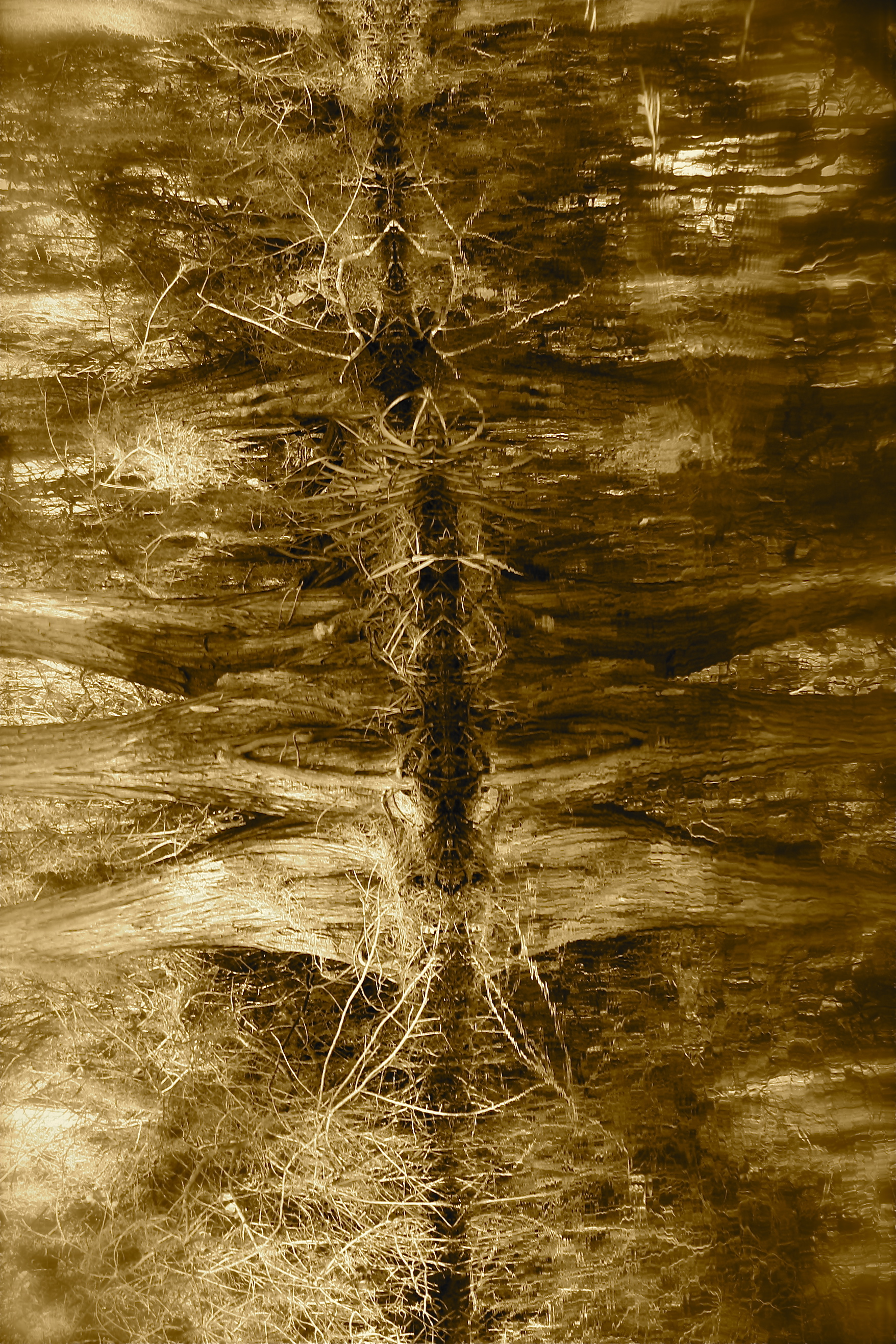
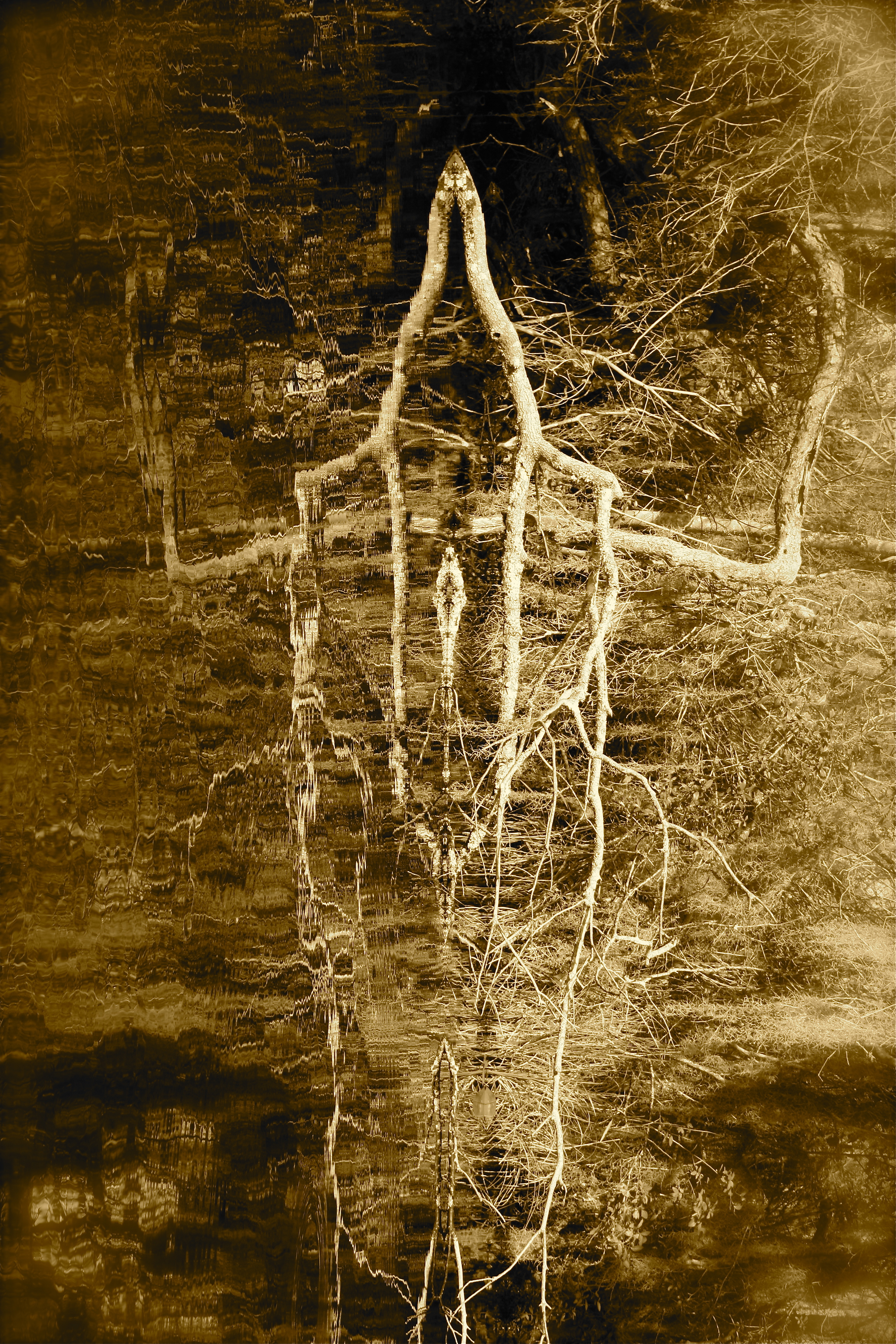
Field recordings paired with these images were recorded in rural Mississippi by John and Alan Lomax between 1934 and 1942. Click here for a comprehensive review of the collection, which is archived at the Library of Congress.
“Satisfy”
“Gwan Roun Rabbit”

“I’m Going to Leland”
“Little Rosie Lee”
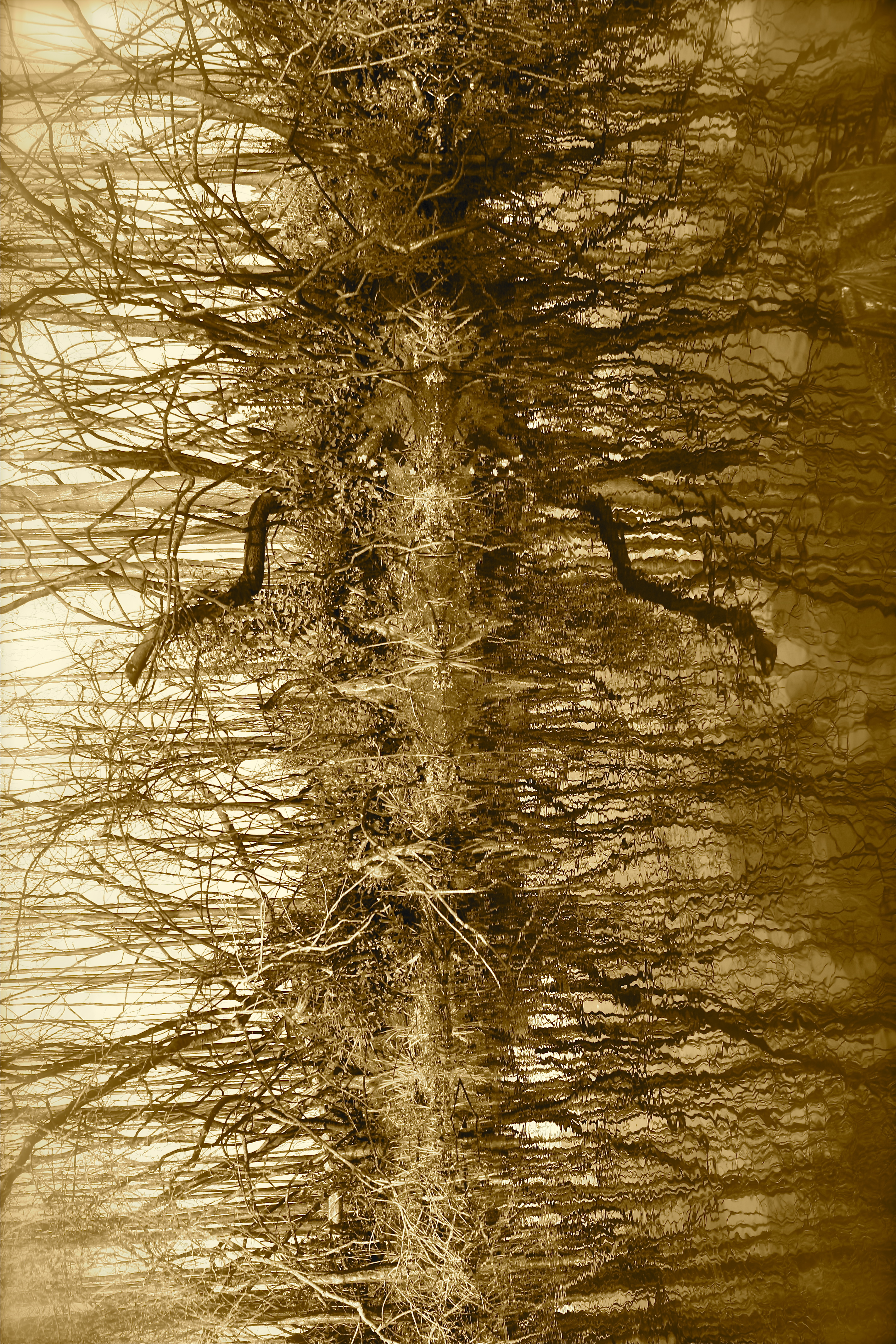
“See Lye Woman (Sea Lion)”
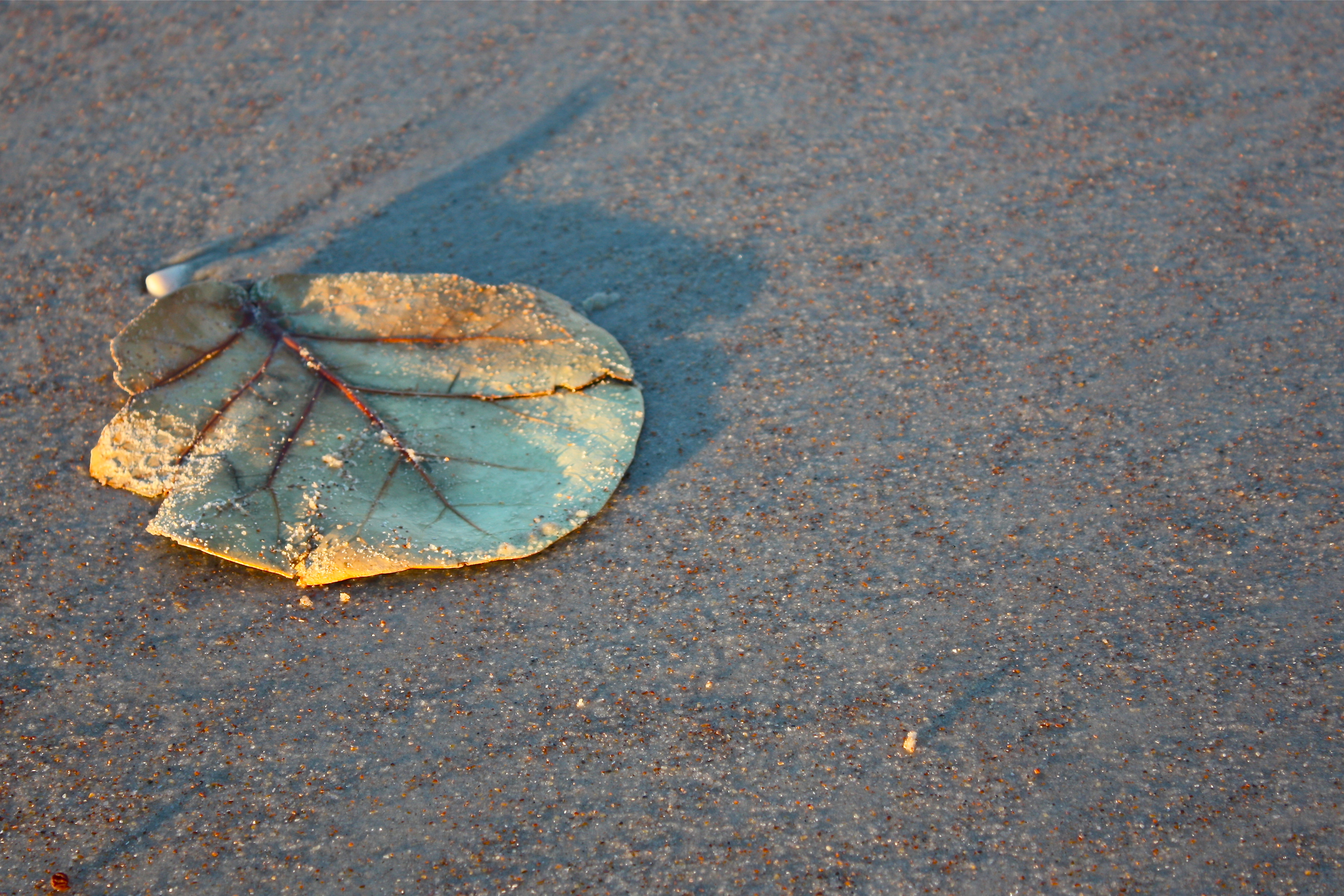
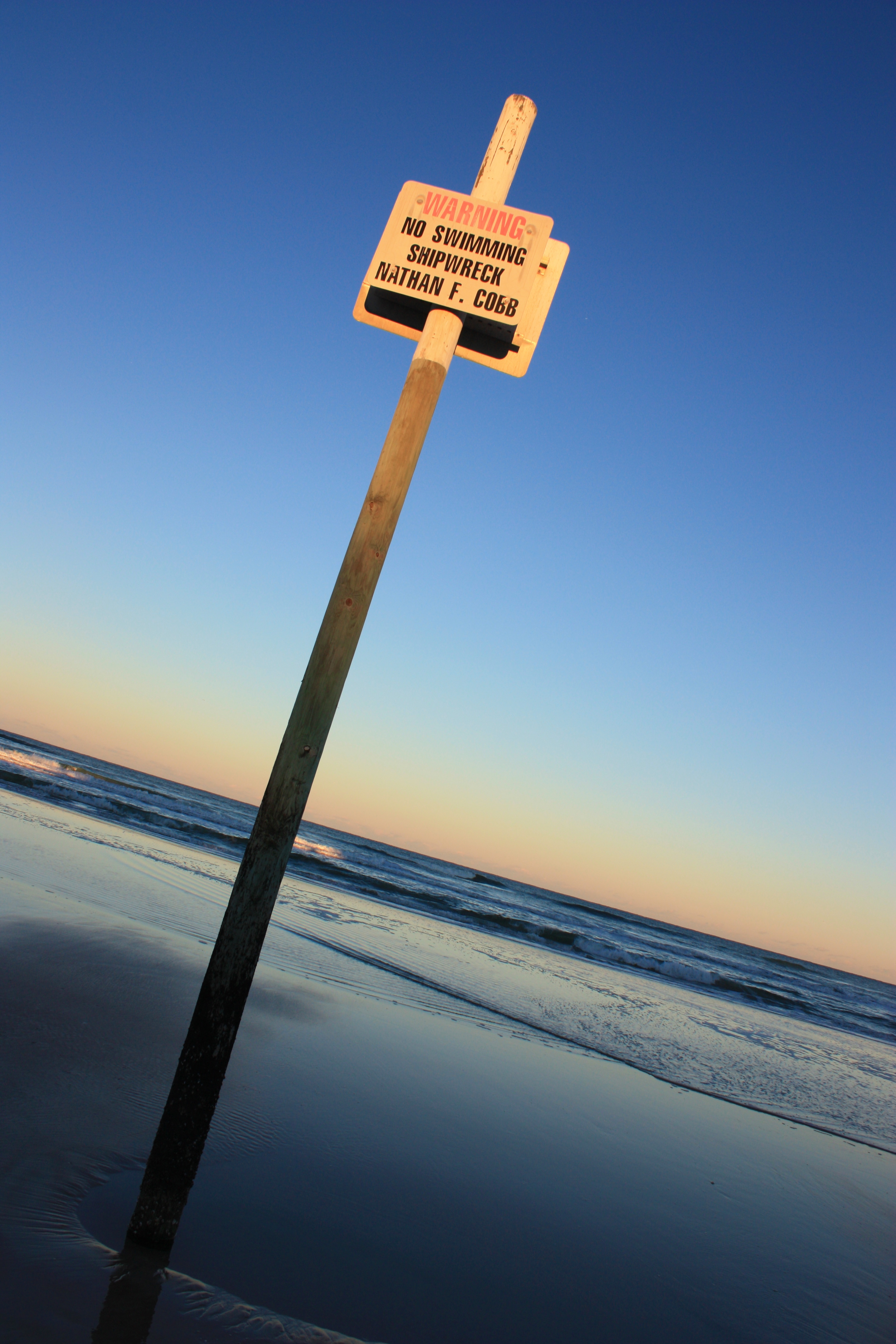
Sea Grape Leaves and Sunken Ships

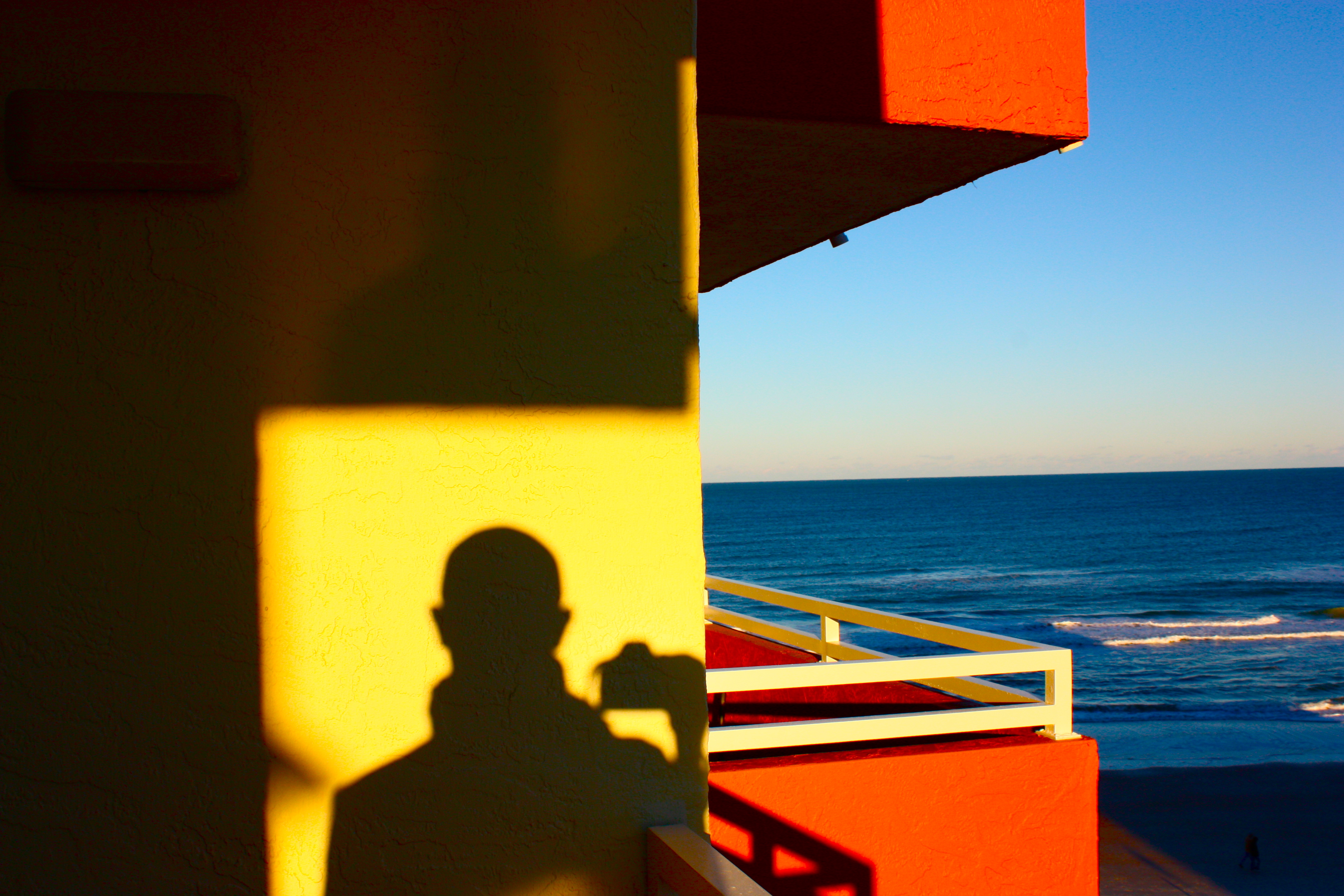
“Be Not A Cancer”
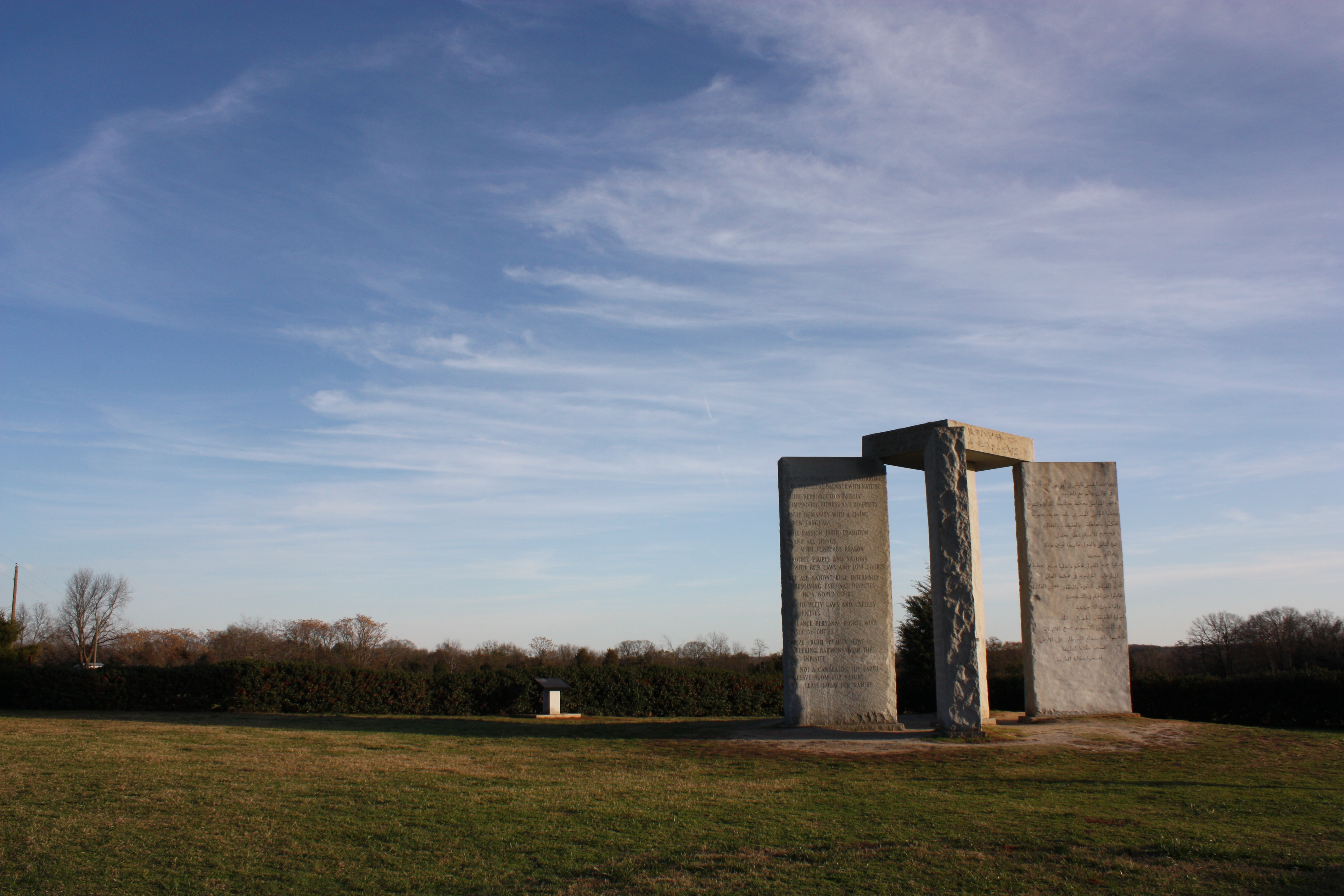
Located on a farm at the highest point of Elbert County, the Georgia Guidestones are granite slabs engraved with ten principles for “an age of reason.”



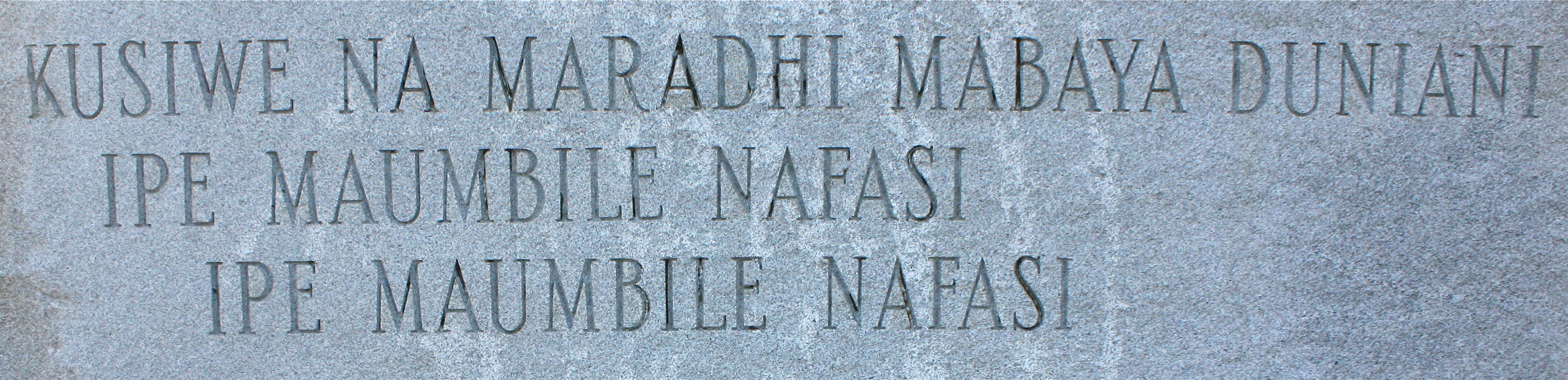


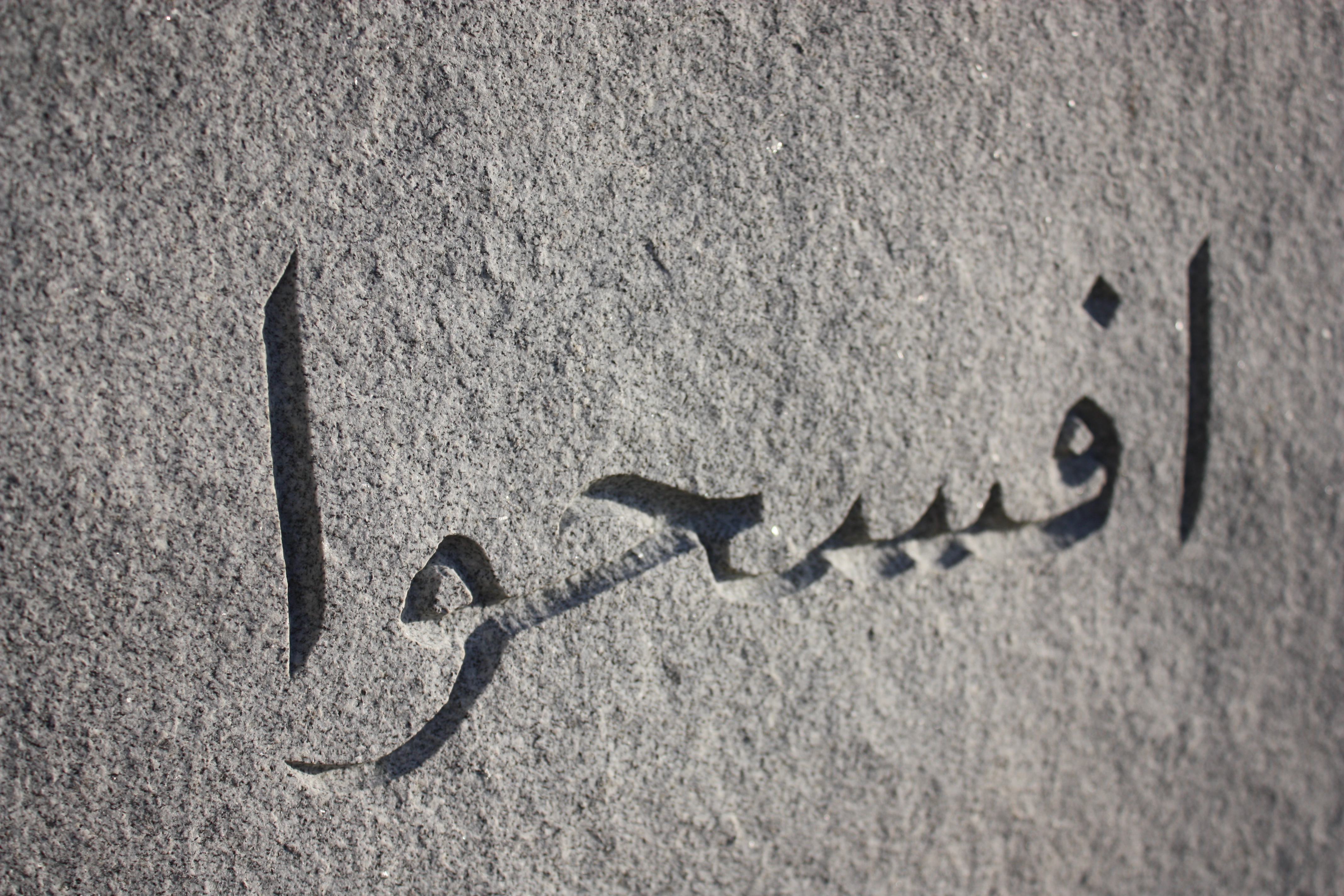
Click here for more information, including the other nine principles, and a handful of entertaining conspiracy theories.
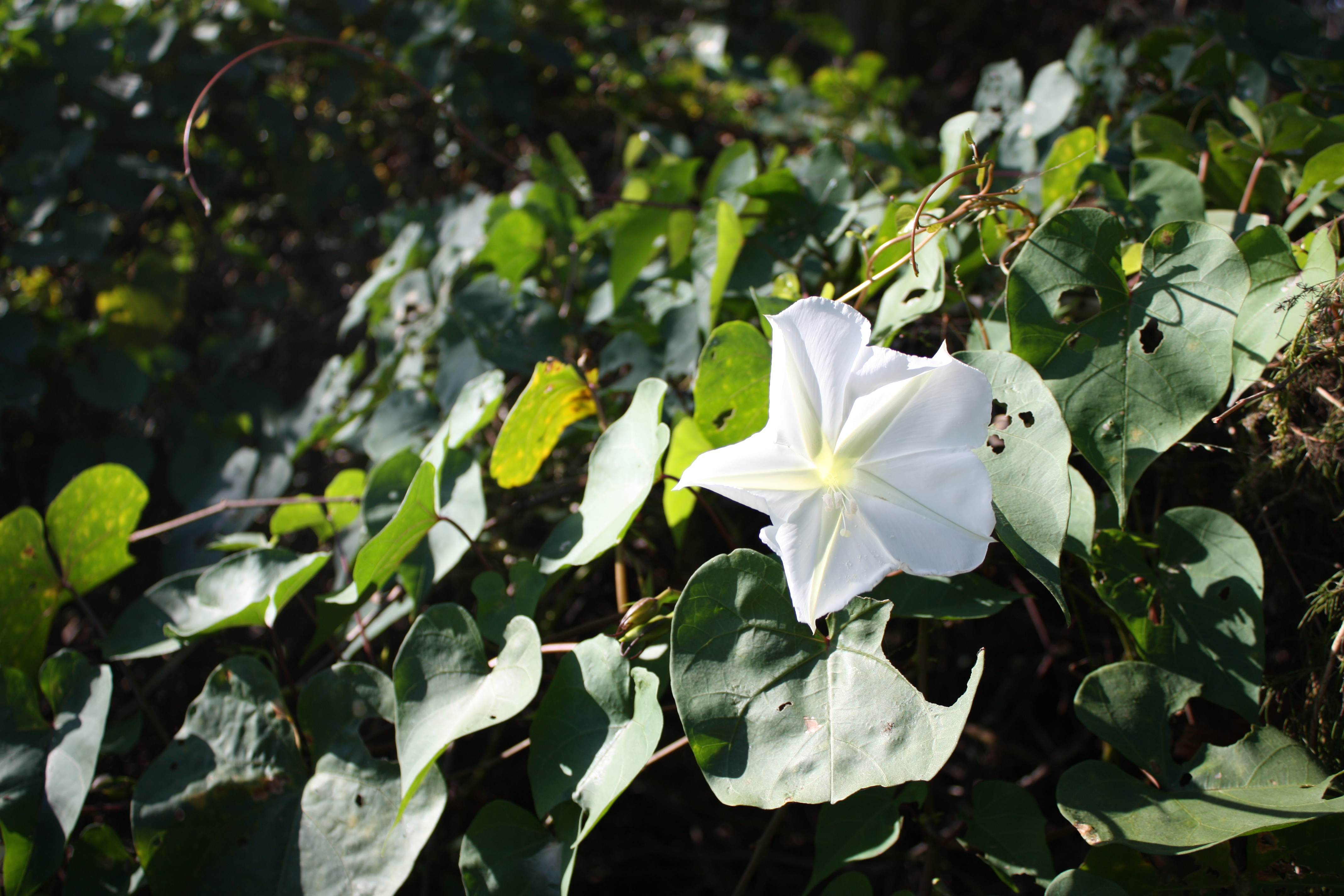
Hedge False Bindweed, Calystegia sepium

These milky petals belong to a tenacious vine some states list as a noxious weed.
 Pedagogy of the Plants