
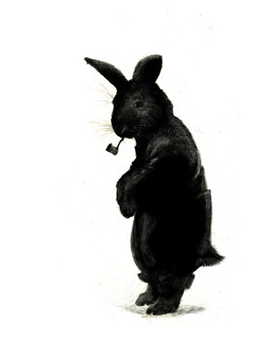
General Orders No. 9 is a title as peculiar as the smoking rabbit staring back from the top shelf of new releases at Vision Video. The lone copy has neither synopsis, nor cast list. One of three young clerks says he’s seen it, and recommends watching under the influence of cough syrup. Below the kid’s ironic Dali ‘stache comes a vague description, “…really, really, really long shots of a river, and some kind of an environmental message.” He doesn’t have to say another word.
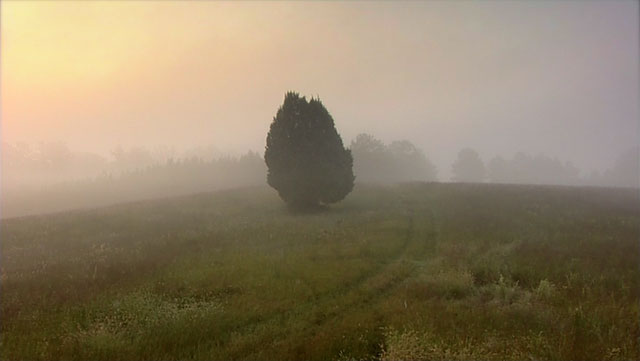
In a 2011 interview with Filmmaker Magazine, Robert Pearsons succinctly describes the award-winning General Orders No. 9 as “a balance of visuals, voice and music.” The Middle Georgia native never went to film school, and his haunting debut was 11 years in the making.

According to the film’s website, it’s “an experimental documentary that contemplates the signs of loss and change in the American South as potent metaphors of personal and collective destiny.”

Metaphysical cartography inspired by mappae mundi mixes with juxtaposed shots of urban blight and bucolic rural landscapes, inciting difficult questions, while roads and highways sweep over land like a cancer.

Pearson’s influences include, among others, the writings of William Bartram, and storied film directors Herzog, Tarkovsky, and David Lynch. William Davidson’s soft-spoken narration in a deep drawl morphs from historical accounts of early colonization over animated county maps, to trance-like ruminations on human dominion over the natural world. View the official trailer here.


























 Pedagogy of the Plants