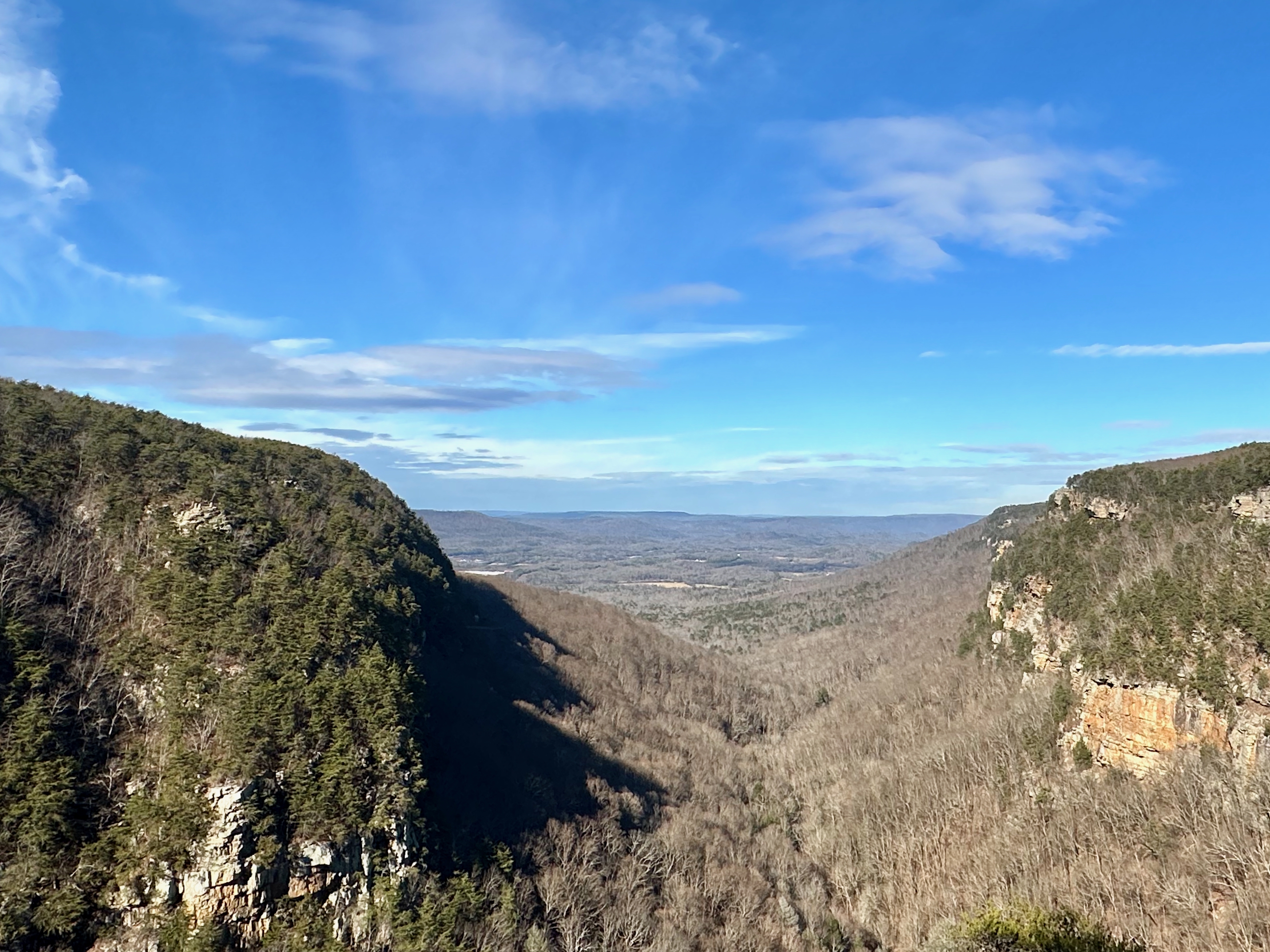
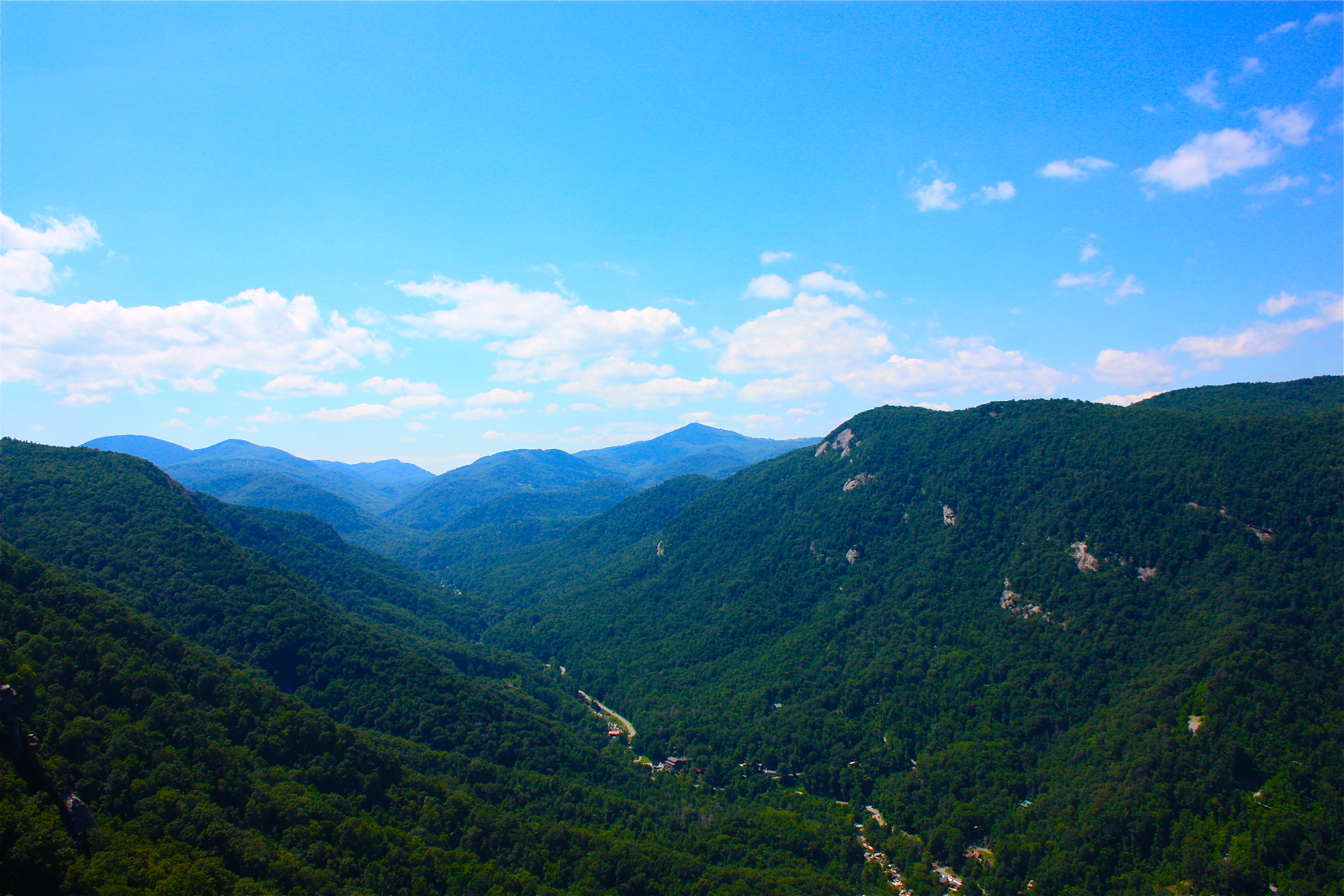
Cloudland Canyon

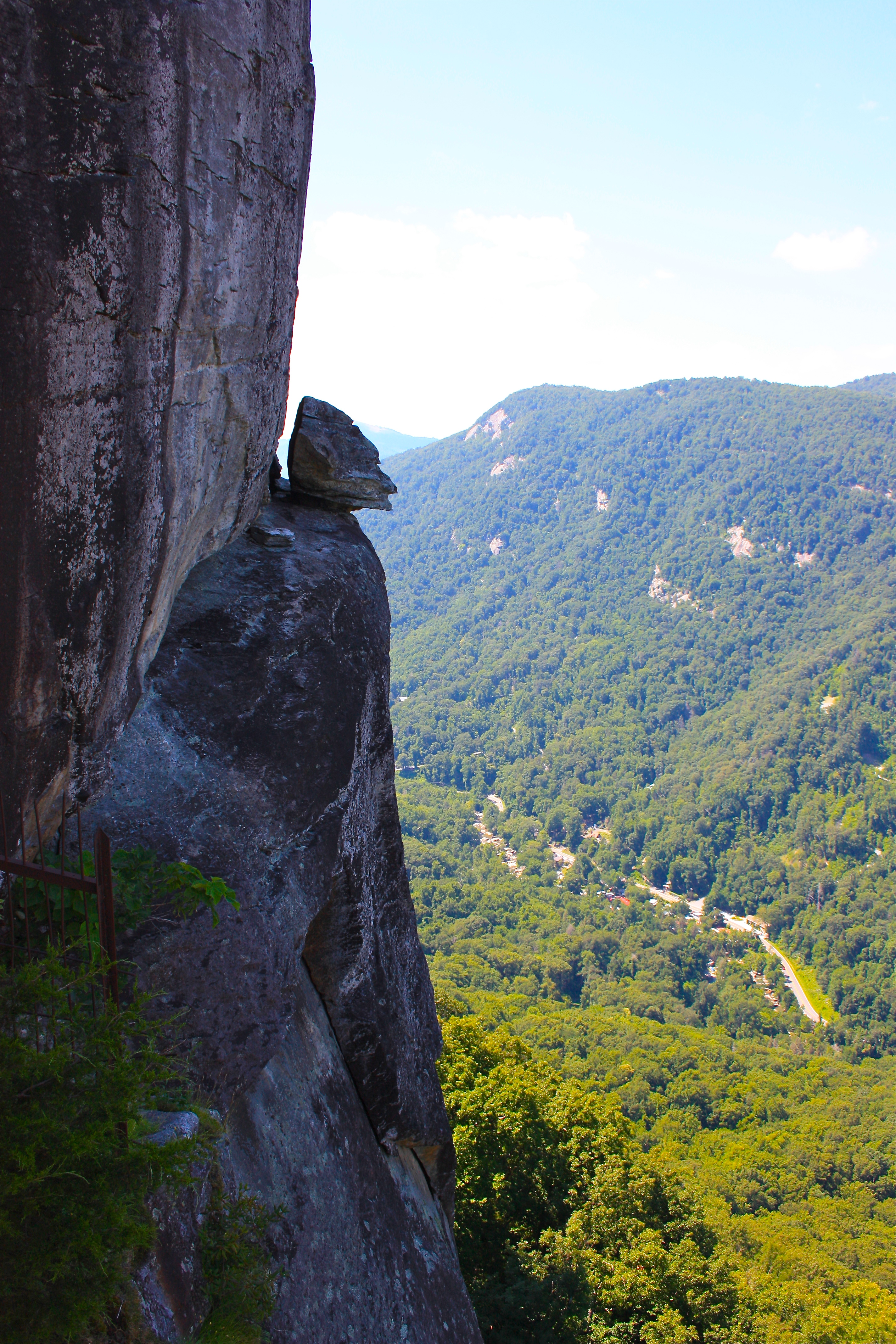
Cloudland Canyon Cliff

West Rim Trail Sandstone

West Rim Trail Ice and Sandstone

Turtle or Whale Rock (Which do you see?)
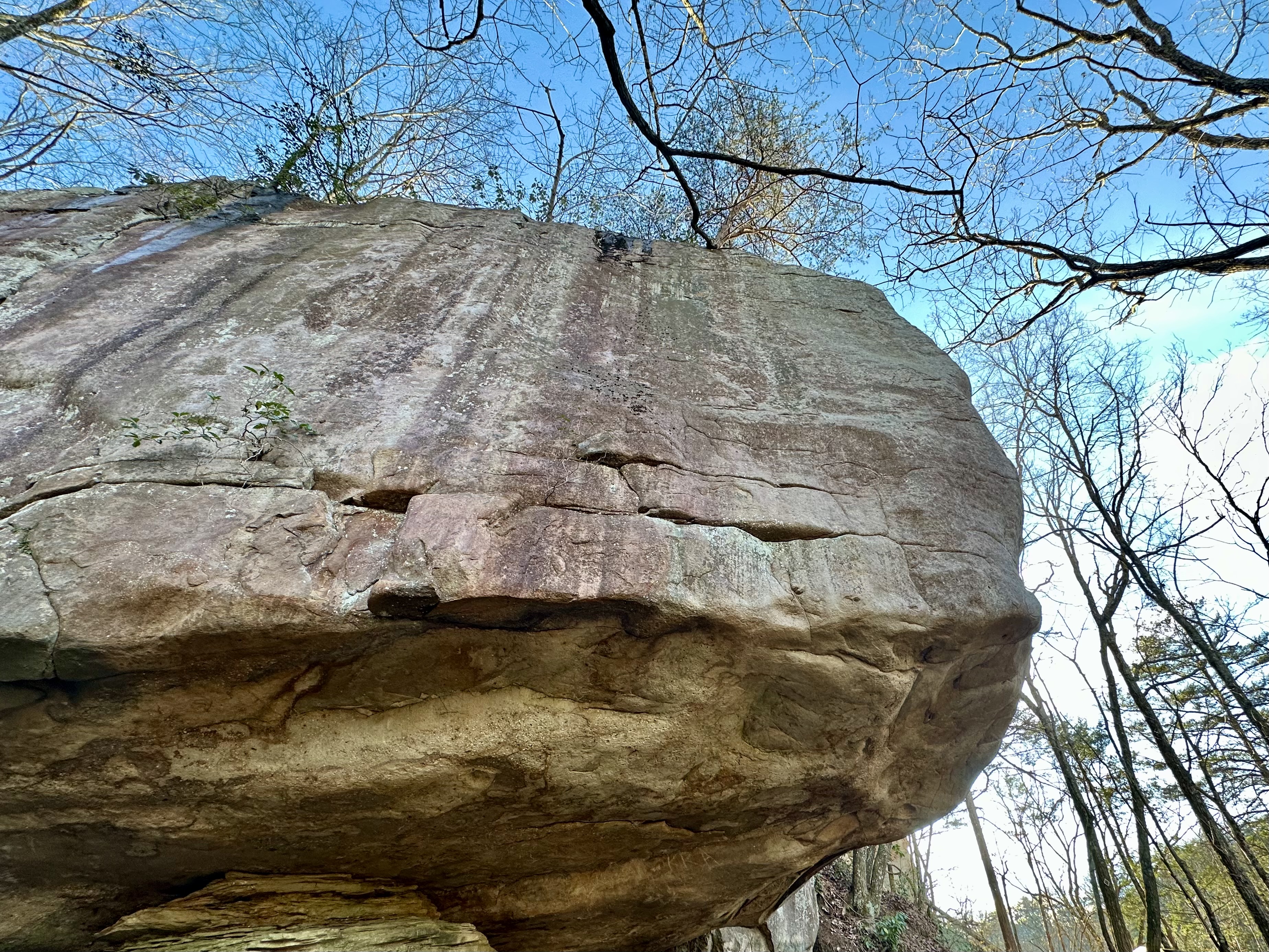
Turtle or Whale Rock (Which do you see?)

West Rim Trail Creek

Cloudland Canyon Waterfall

Cumberland Plateau
Cloudland Canyon
Cloudland Canyon Cliff
West Rim Trail Sandstone
West Rim Trail Ice and Sandstone
Turtle or Whale Rock (Which do you see?)
Turtle or Whale Rock (Which do you see?)
West Rim Trail Creek
Cloudland Canyon Waterfall
Cumberland Plateau

Monotropa uniflora
The illusive rows of ghostly flowers are actually a fungus feeding on fungi that’s feeding on tree roots. They’re epiparasites, or parasites sourcing nutrients from other parasites.
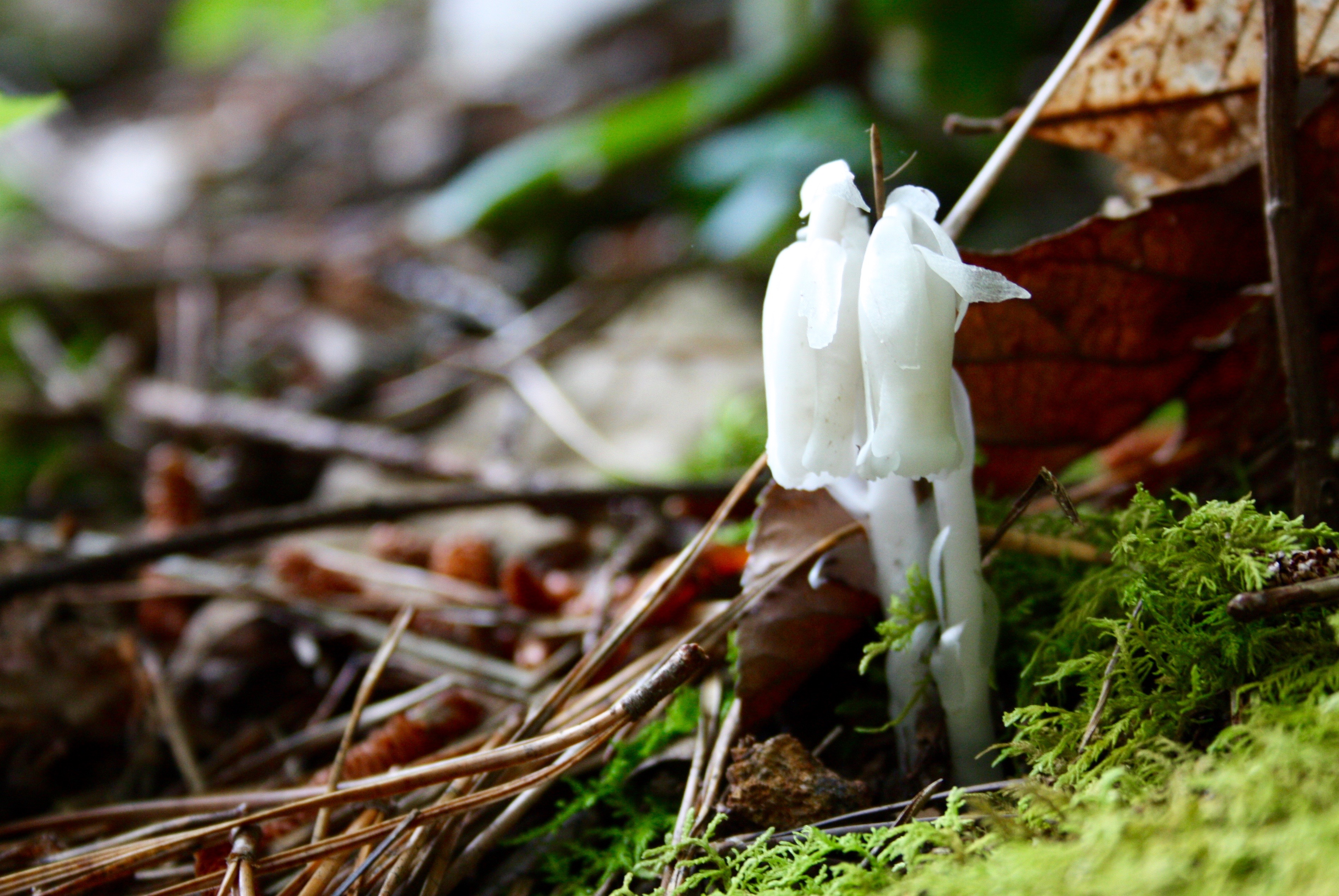
Monotropa unifloraHiawa
Eastern Native American tribes once used ghost pipe as an anticonvulsive and painkiller.

Astraeus hygrometricus
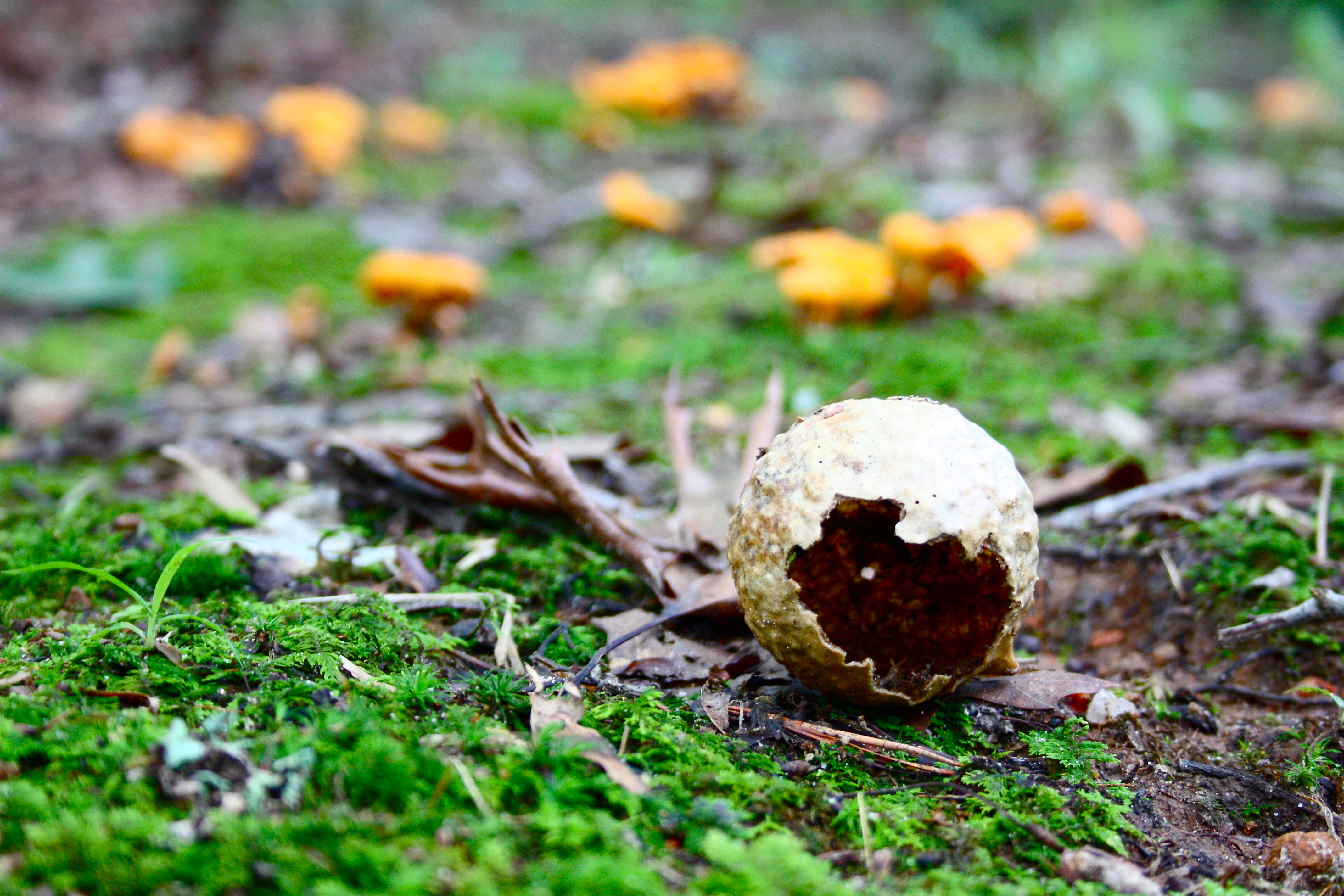
In the Chattahoochee-Oconee National Forest, a chance encounter with this earthstar over a year ago required balance. Literally.

Astraeus hygrometricus
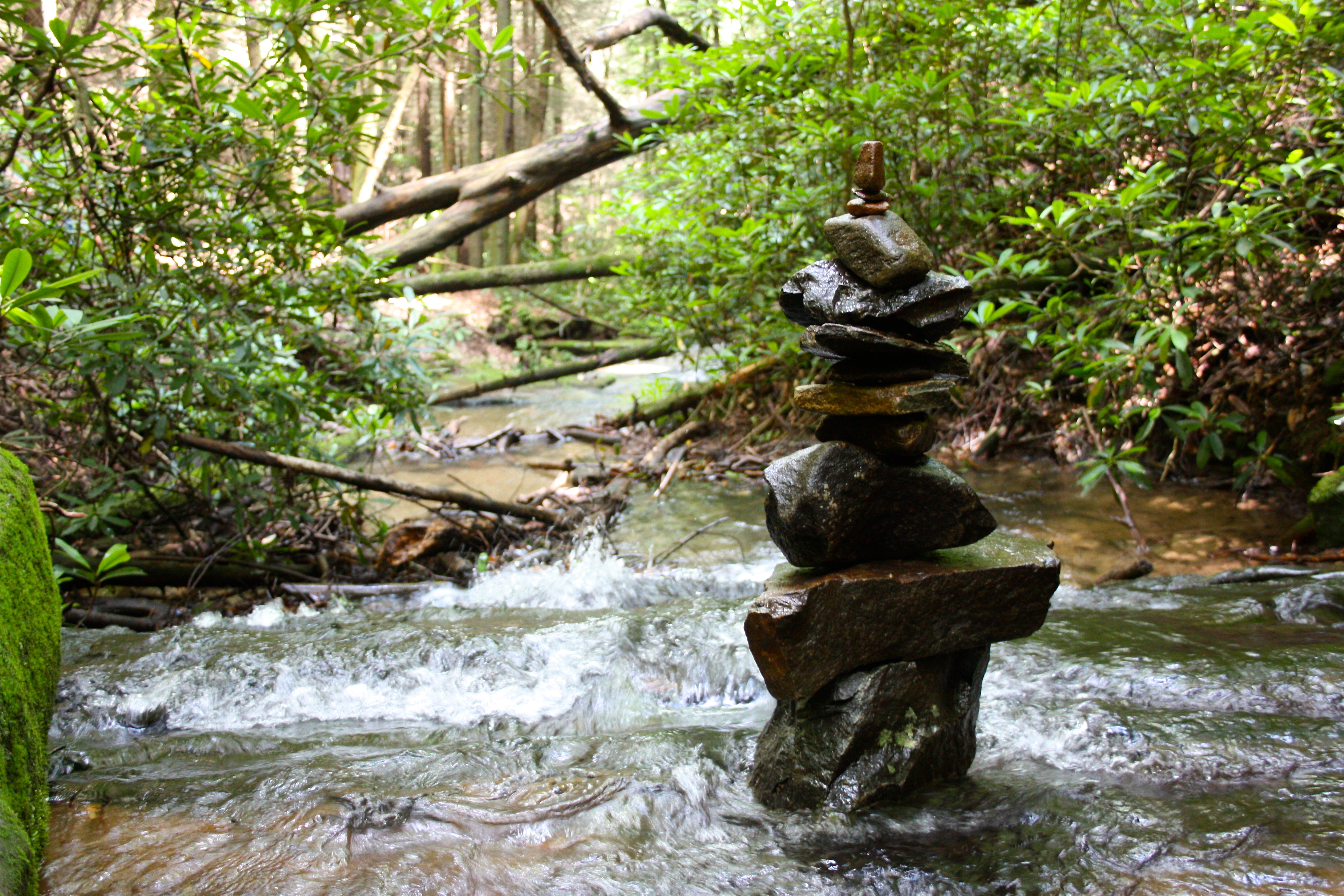
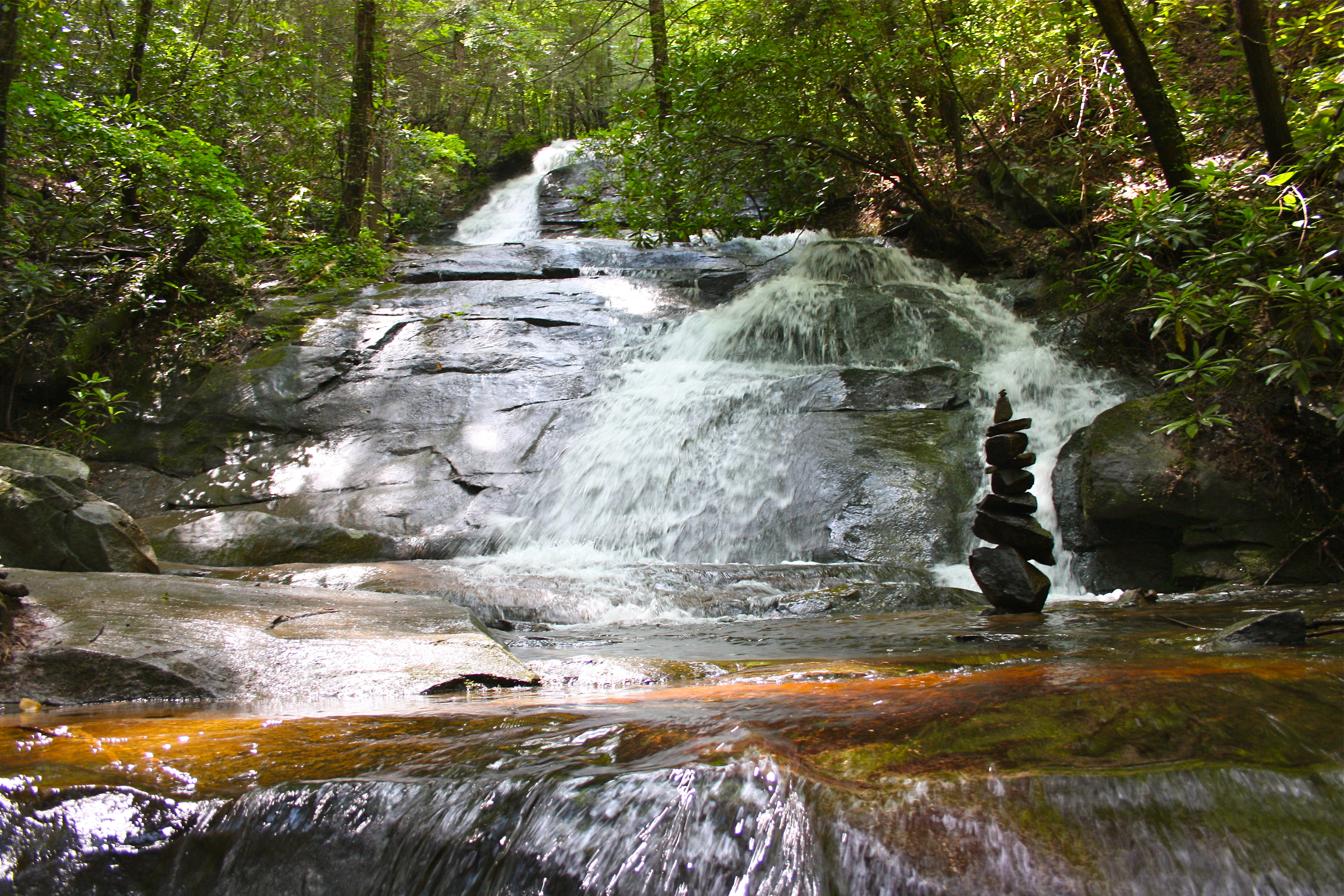
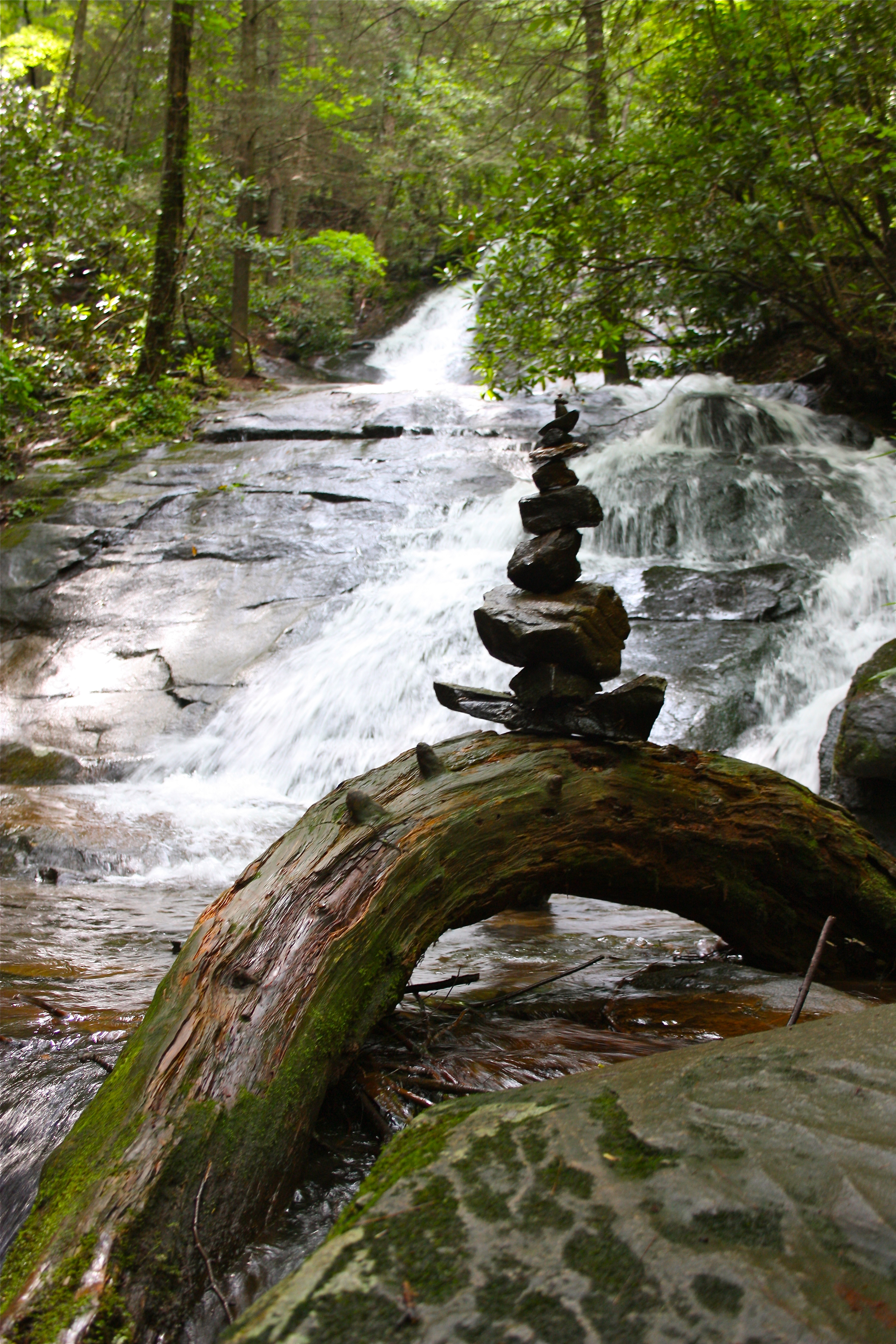
The High Shoals Creek Falls Trail was closed, but a fallen tree offered intrepid hikers views of the waterfall. A mud-caked log was the only route across the creek after a tree chopped the footbridge in half.
The curious alien spore sac rested on a rock next to the platform/overlook.

On days devoted to whitewater boating, 500-700 cubic feet of water flows through the Tallulah Gorge every second. A cool mist rises to meet hikers from around the world swaying in awe 80 feet above on a suspension bridge.

The eastern tiger swallowtail clings to a red maple limb.

Hikers flock to Raven Cliff Falls Trail for the rush of falling water, but a trip in early April offers subtler beauty along the way.
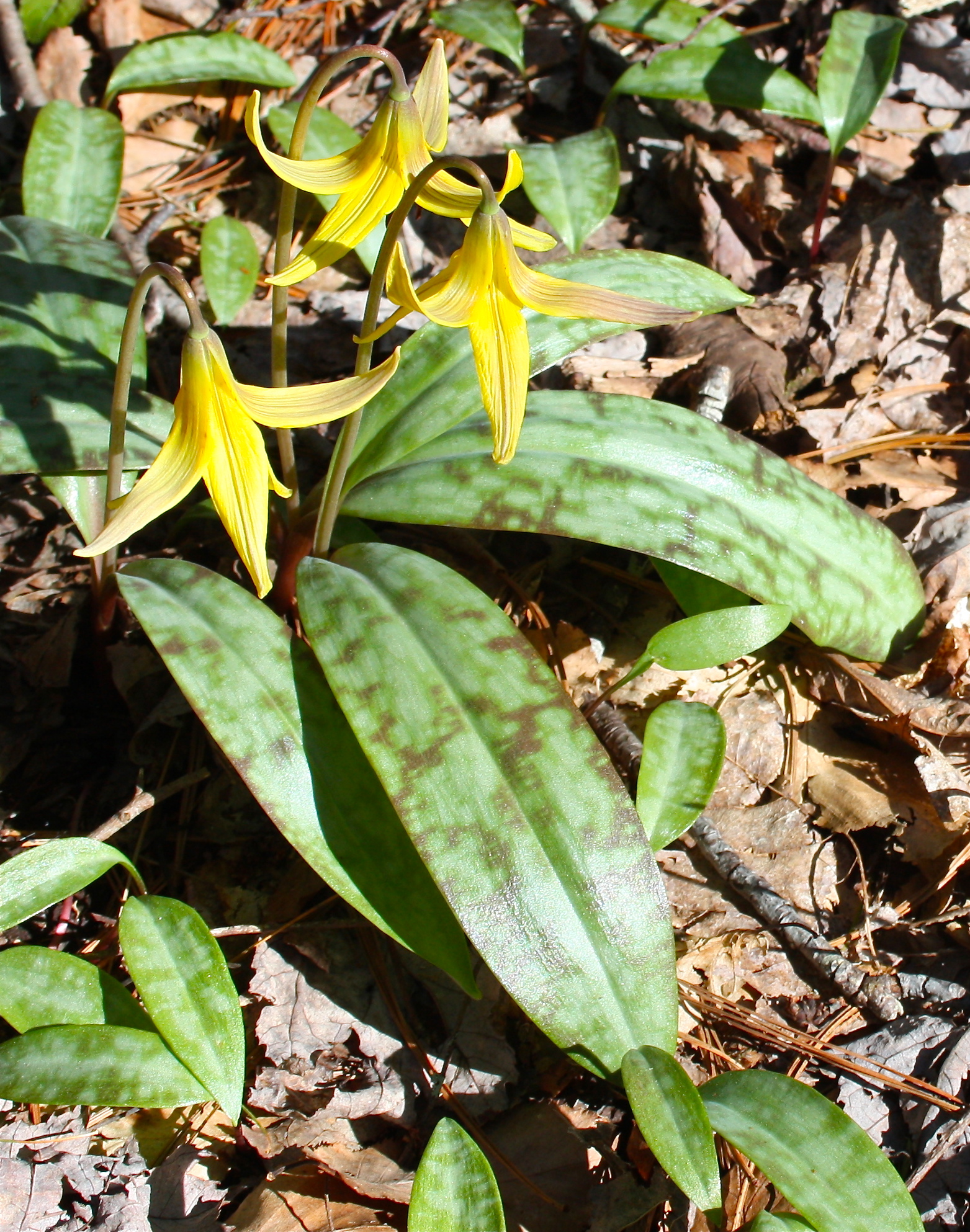
Since ninety-nine percent of trout lily plants are non-flowering, the illusive perennials pictured above are one-percenters thriving in the mountains of White County.






This young conifer lives around 3,640 feet above sea level, atop the oldest mountain range in North America.




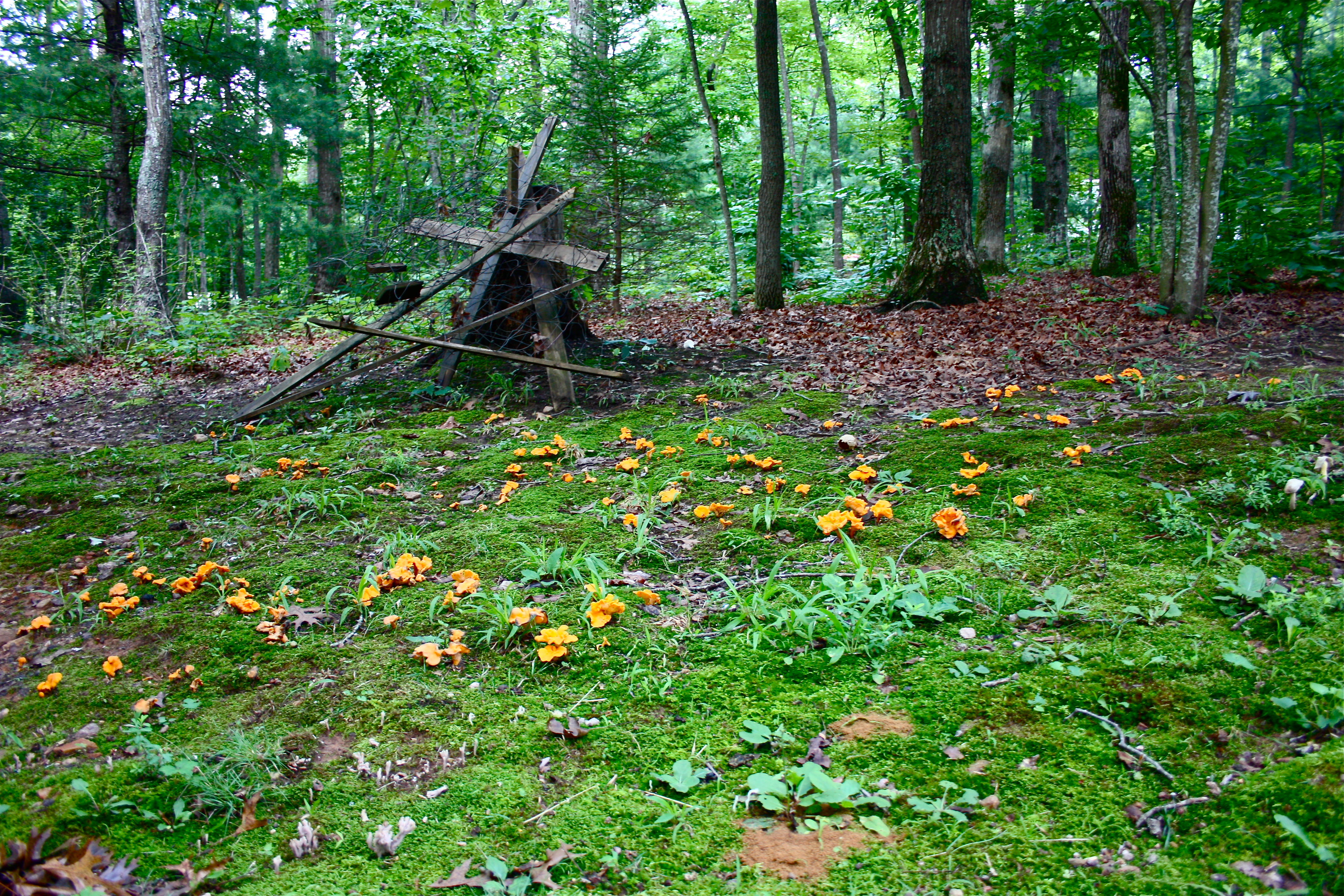
Click here for Isa Chandra Moskowitz’s vegan white wine garlic chanterelle recipe (which I’ll try after verifying they’re actually chanterelles).

General Orders No. 9 is a title as peculiar as the smoking rabbit staring back from the top shelf of new releases at Vision Video. The lone copy has neither synopsis, nor cast list. One of three young clerks says he’s seen it, and recommends watching under the influence of cough syrup. Below the kid’s ironic Dali ‘stache comes a vague description, “…really, really, really long shots of a river, and some kind of an environmental message.” He doesn’t have to say another word.
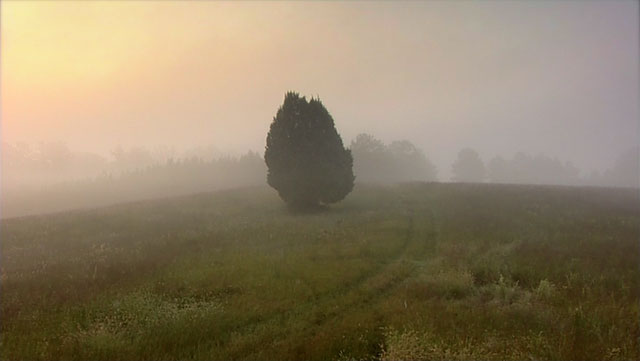
In a 2011 interview with Filmmaker Magazine, Robert Pearsons succinctly describes the award-winning General Orders No. 9 as “a balance of visuals, voice and music.” The Middle Georgia native never went to film school, and his haunting debut was 11 years in the making.

According to the film’s website, it’s “an experimental documentary that contemplates the signs of loss and change in the American South as potent metaphors of personal and collective destiny.”

Metaphysical cartography inspired by mappae mundi mixes with juxtaposed shots of urban blight and bucolic rural landscapes, inciting difficult questions, while roads and highways sweep over land like a cancer.

Pearson’s influences include, among others, the writings of William Bartram, and storied film directors Herzog, Tarkovsky, and David Lynch. William Davidson’s soft-spoken narration in a deep drawl morphs from historical accounts of early colonization over animated county maps, to trance-like ruminations on human dominion over the natural world. View the official trailer here.
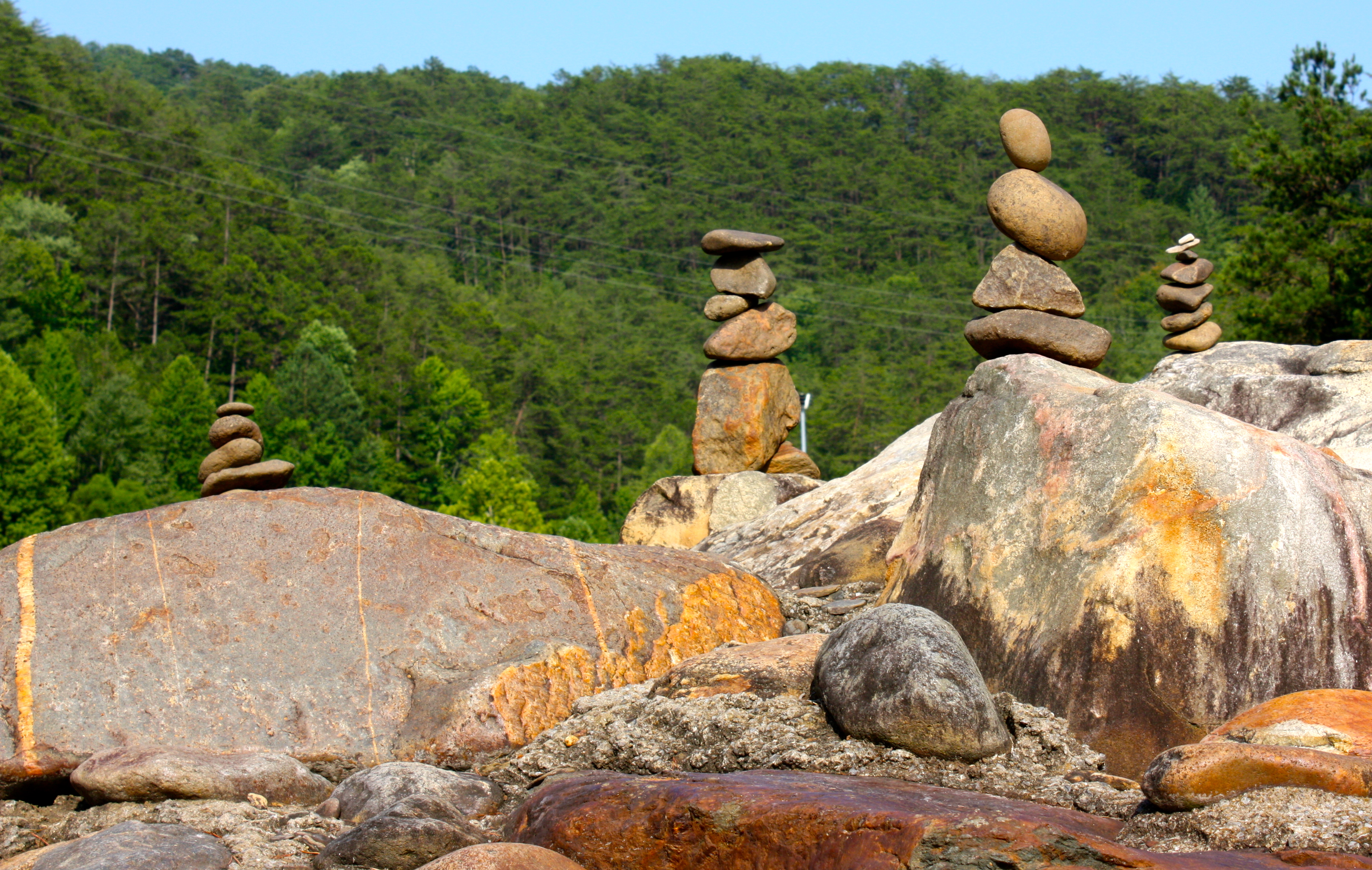
Around 3:30, the Ocoee recedes over the course of a couple hours as the Tennessee Valley Authority’s dam no. 3 diverts millions of gallons of water from a four mile stretch engineered in 1996 for “the world’s first Olympic whitewater event on a natural river” (USDA Forest Service). This isn’t what they had in mind.


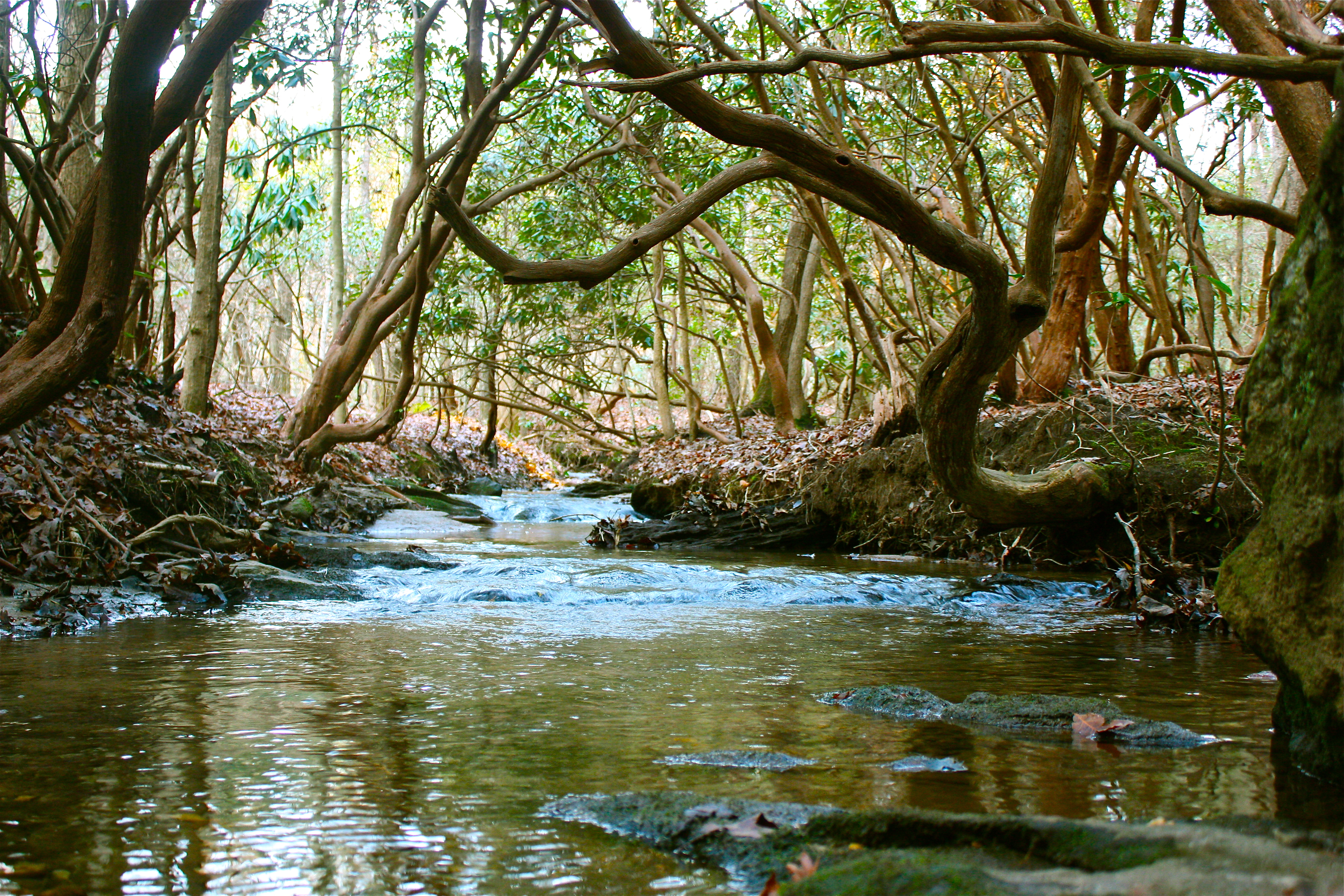


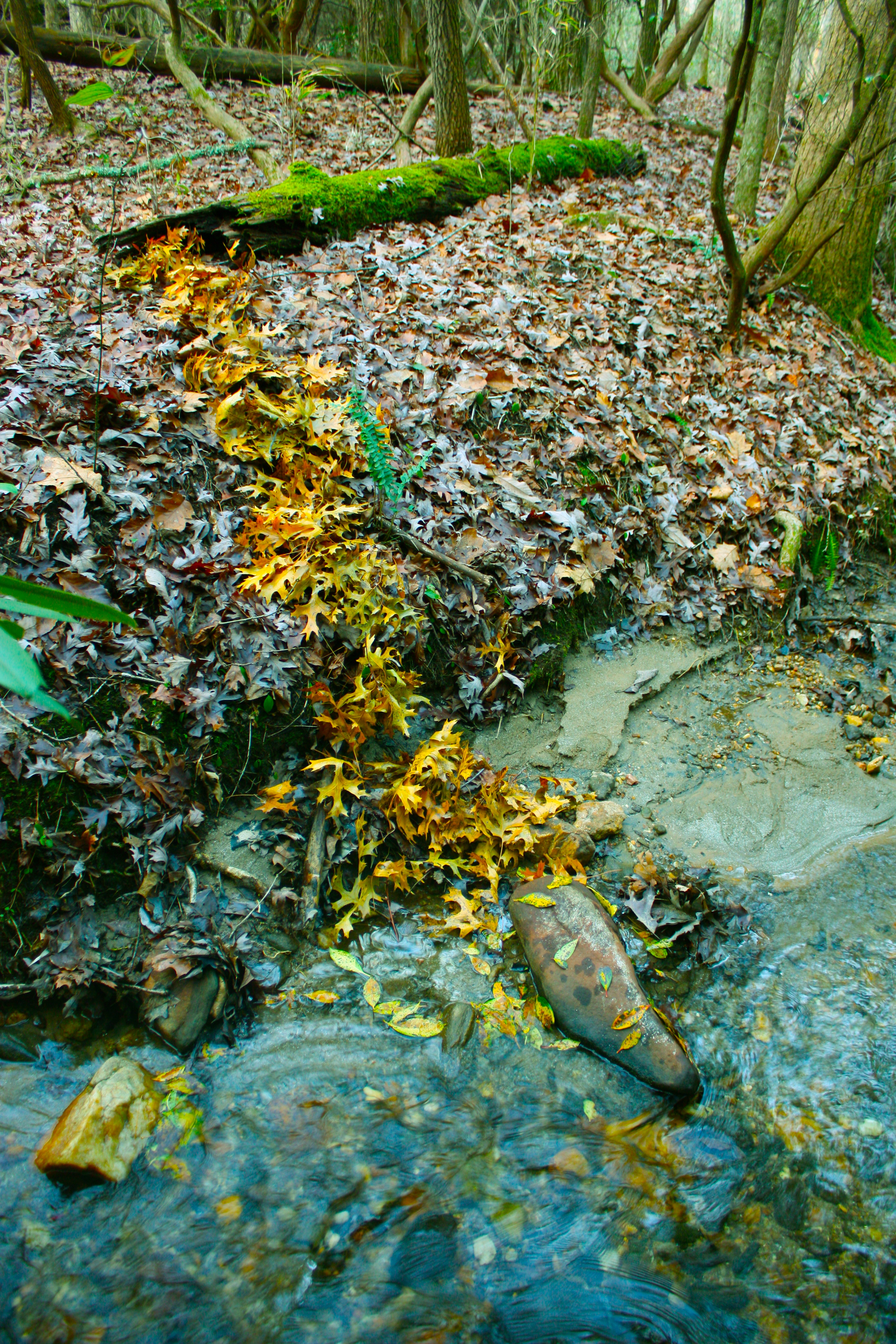
Mustard colored oak leaves offer an Andy Goldsworthy moment.

 Pedagogy of the Plants