

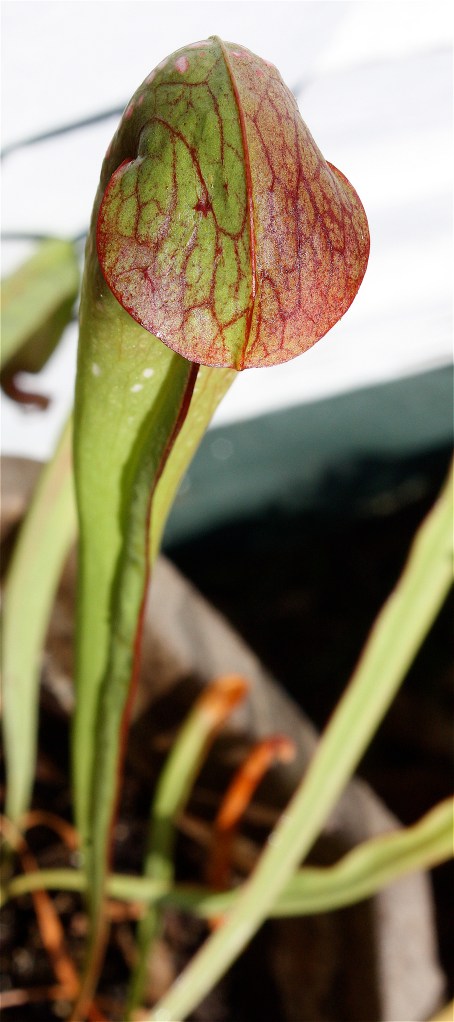
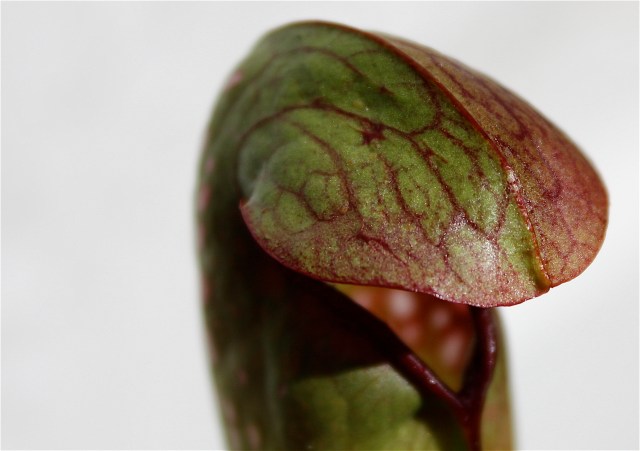
Our classroom’s resident Sarracenia minor spends the summer at home on the porch. Although our classroom windows provide ample sunlight for plants on the sill (and a spectacular view of the butterfly garden), these carnivorous classmates don’t get much protein during the school year.
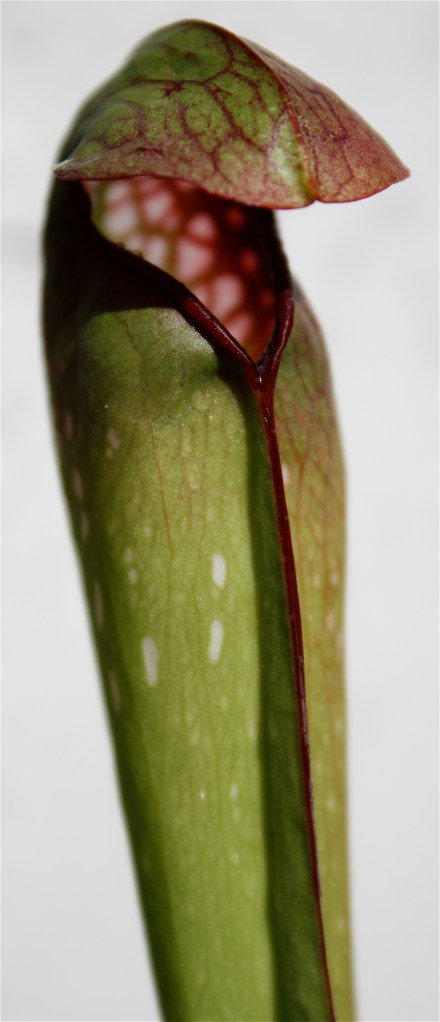
Smile.
Laugh.

Eat.

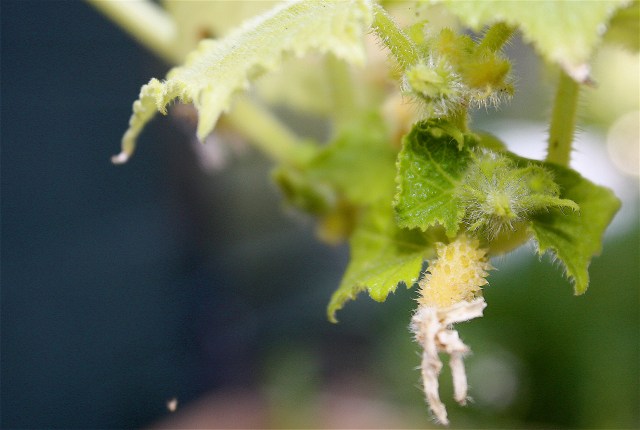

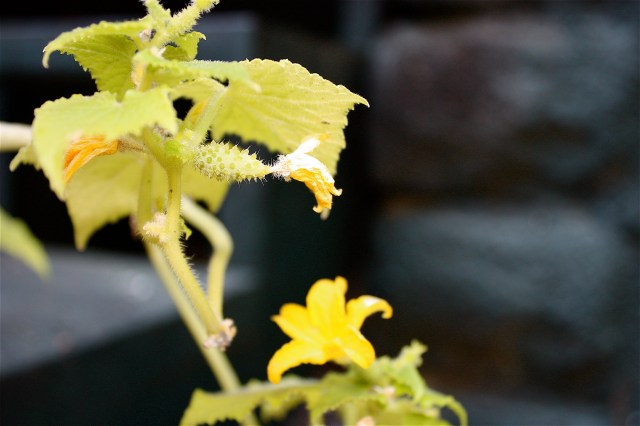
This is my first go at cukes, and they are curious. The vine flowered a sunshine yellow over a month ago, and I’m waiting for green oblongs. Instead, pokemon-esque footballs connect runners to flowers.
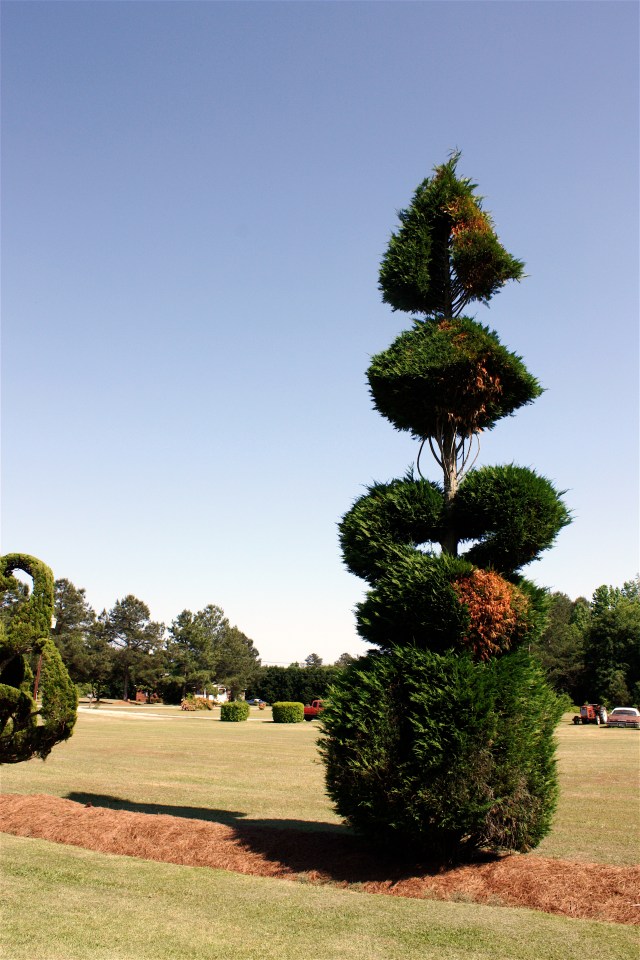
Last month I drove to Bishopville, a small rural town in Central South Carolina. It’s home to a kind soul named Pearl Fryar. Around three thirty, he was speaking to a group of middle-aged tourists. Unbeknownst to Pearl, his website states that the gardens close at four on Saturdays, but after the group left, our conversation lengthened with afternoon shadows.
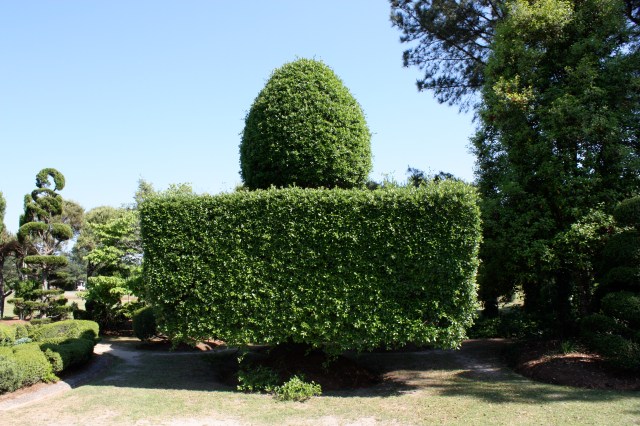
After working more than thirty years in a can factory while sculpting trees and shrubs each night, Fryar has managed to transform pockets of the depressed town into fantastical worlds of living sculpture. Pearl’s self-taught craft began with discarded “junk plants” from a local nursery.

“How did I impress her (Martha Stewart), cutting bushes.”

“You should be nice to everybody.”

“We have a system in this country. The system is set up for failure.”

“If you want to enjoy life, keep it simple.”
“If you got an idea, and can’t afford it, start it.”

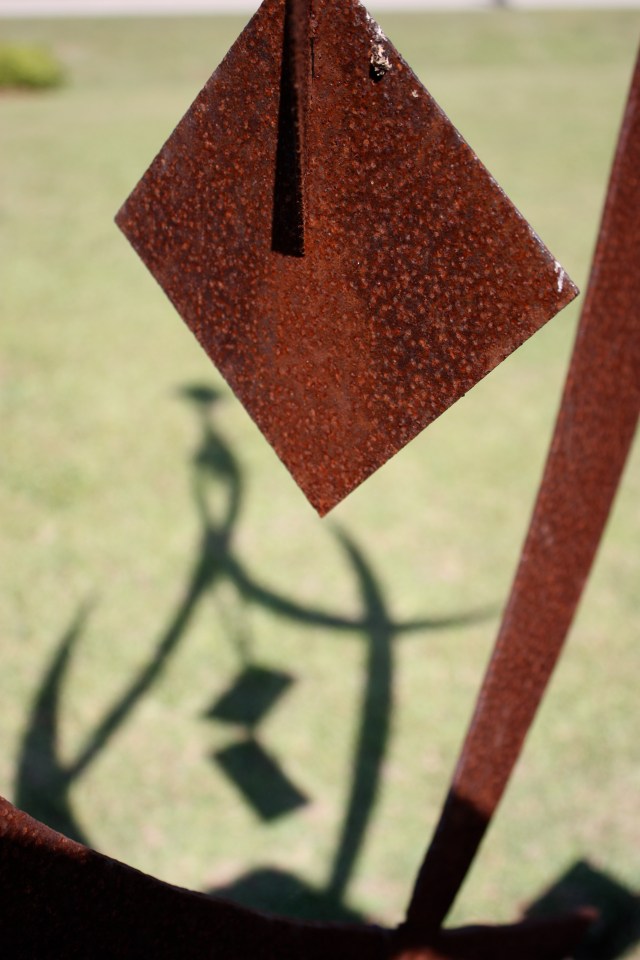
Pearl Fryar’s latest endeavor is metal sculpture, which he calls “junk art.”

Hardly junk.
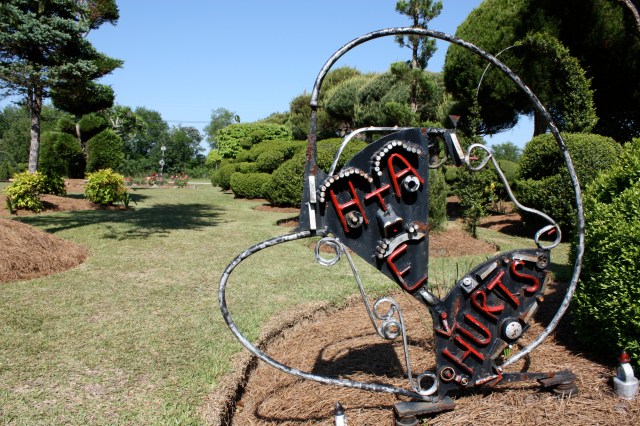

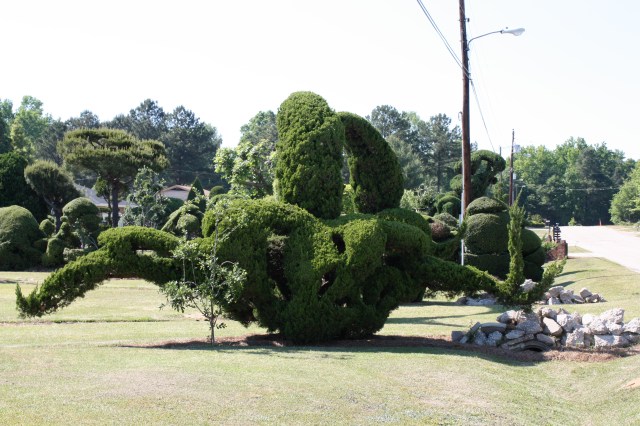
Fryar Topiary Gardens
145 Broad Acres Rd
Bishopville, SC 29010-2819
http://www.fryarstopiaries.com

Click here to read more about the visit.

While writing on the porch last October, I sensed movement behind me. The twisted tip of a large, light yellow carrion flower pod began to unravel. I watched as four slits widened a few centimeters at a time. Over the course of forty-five minutes, it splayed wide open in a ten inch base jump from the shelf.
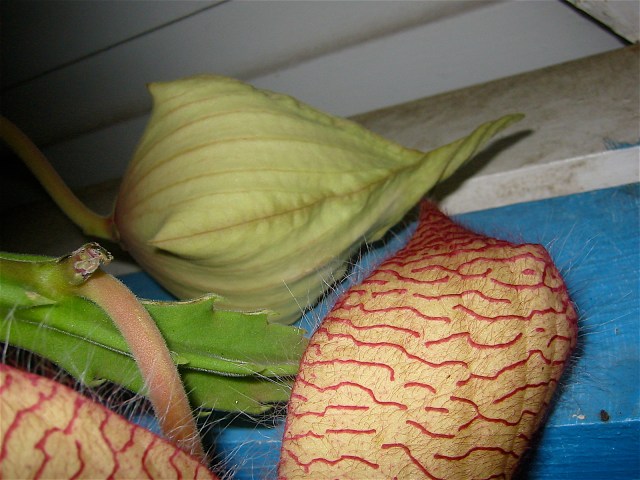

Within minutes, a large black fly arrived to sample the thick white chunks in the center of a flower that smelled like three-day-old roadkill in late July.
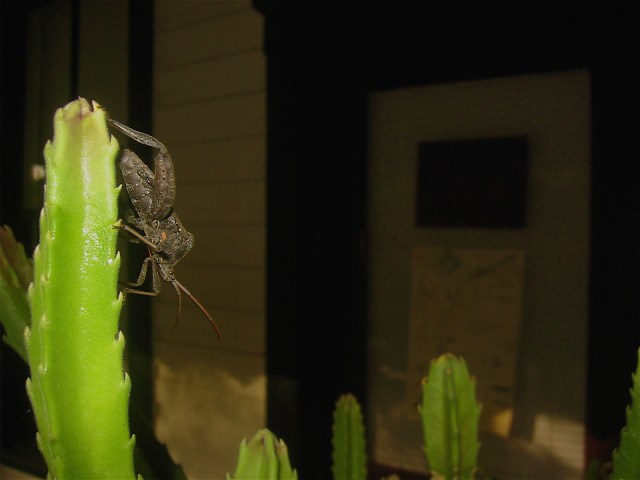
The squatting stink bug delivers the stink eye.
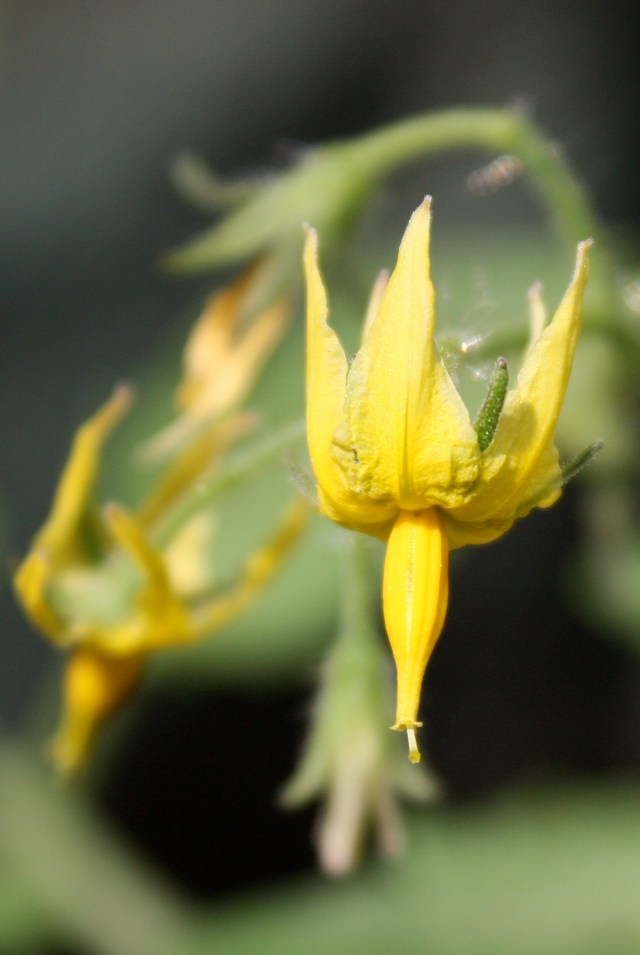
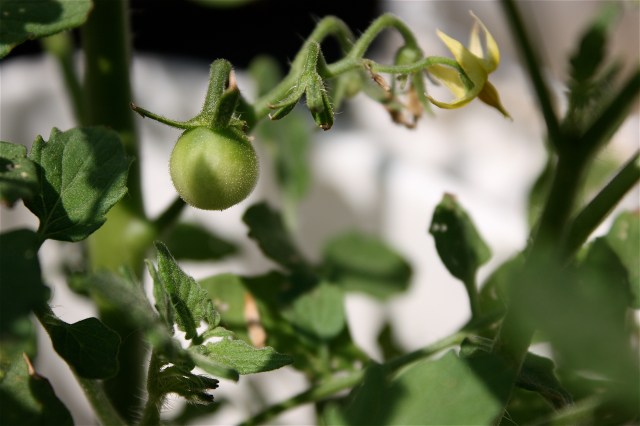
Downy.
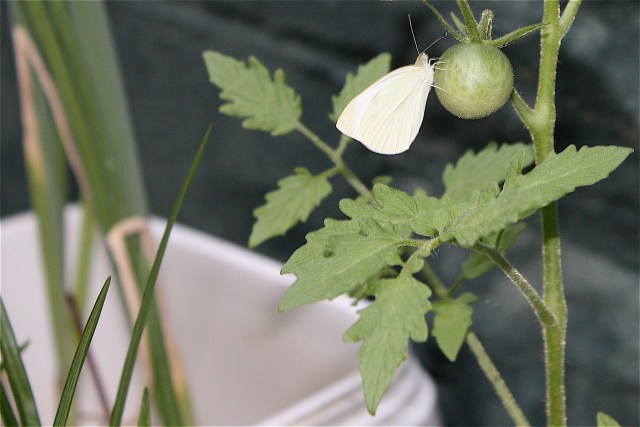
Click the links below for vegan tomato recipes by Isa Chandra Moskowitz:
Ethiopian Spicy Tomato Lentil Stew
 This year’s end of the year party was held in the art teacher’s garden. During a tour I noticed that her arugula was flowering like mine. She said it’s called “bolting” when greens begin forming flowerets. After that, they produce significantly fewer leaves. I’ll eat the flowers before seeding begins.

This afternoon, my neighbor caught me carrying a couple plants I’d sprouted from a pumpkin we carved in class last October. The middle school math teacher-turned chef-turned college professor-turned retired gardener and world traveler, offered greens from his garden, then gave me a tour and advice for growing greens, fruit trees, tomatoes, herbs, and potatoes.


While watering the garden, a young praying mantis headed for higher ground along the edge of the raised bed against the side of the house. A large spider took notice and peered down at a rival killer.
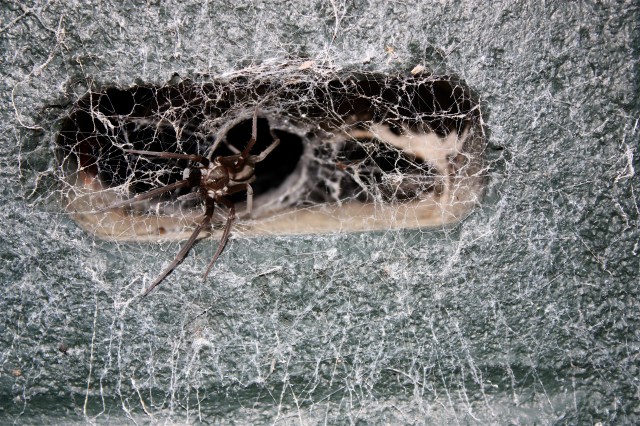
I turned for a moment to water the tomatoes, and when I looked back the mantis and spider were gone.
Click the link below for a vegan arugula recipe by Isa Chandra Moskowitz:

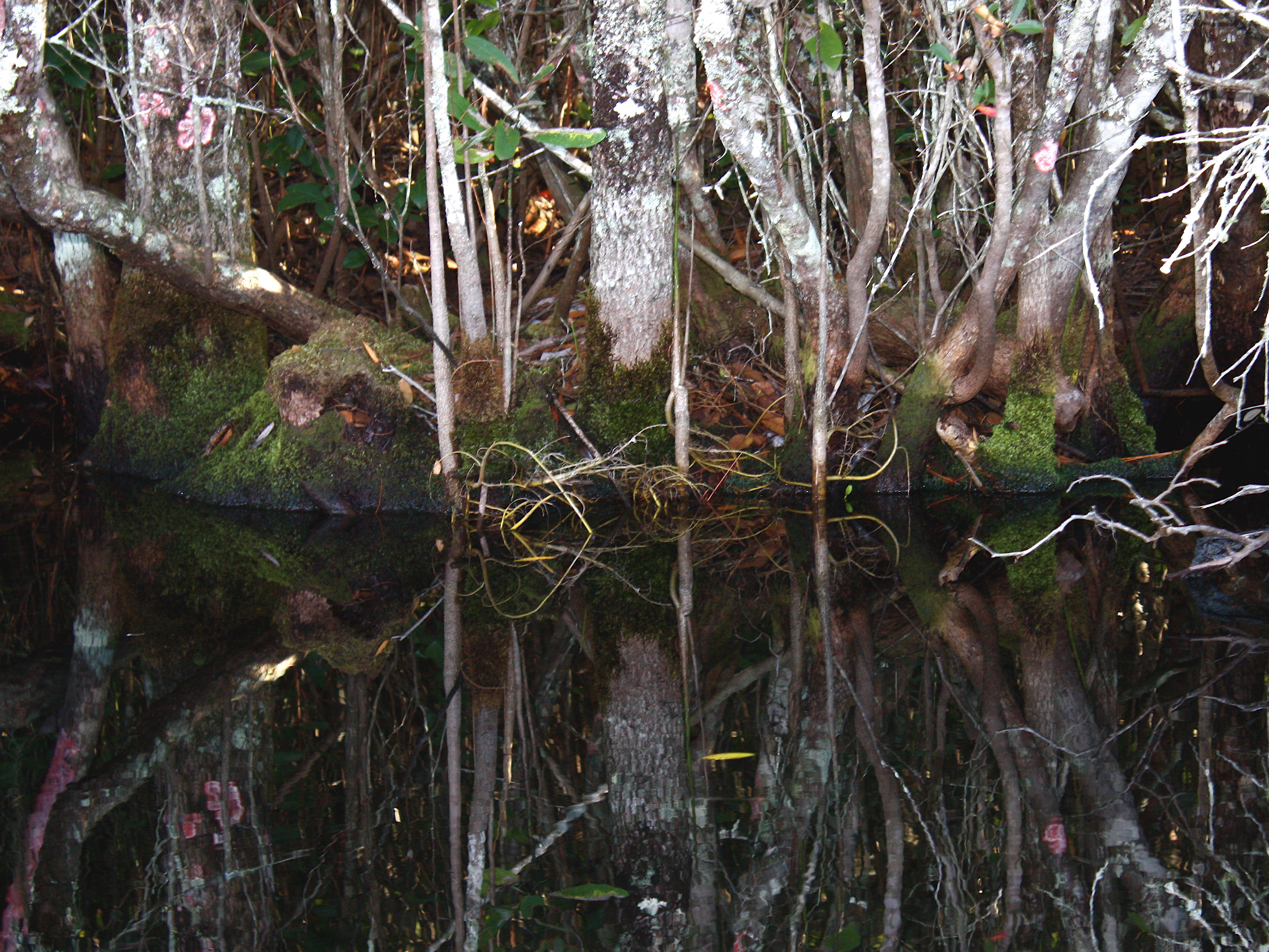

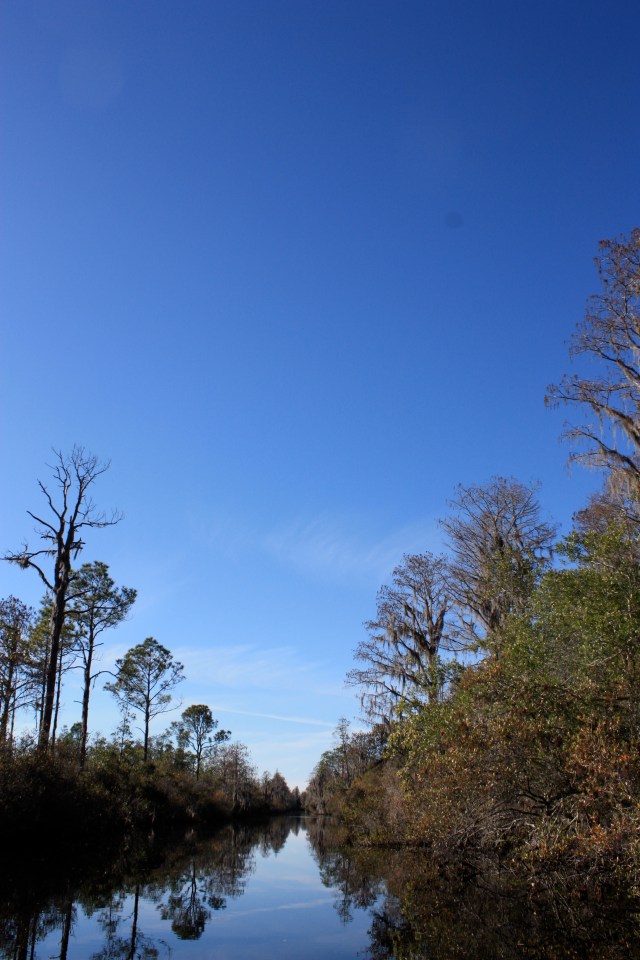





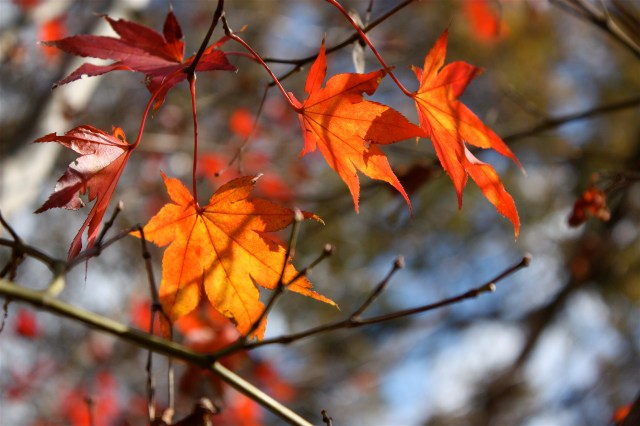

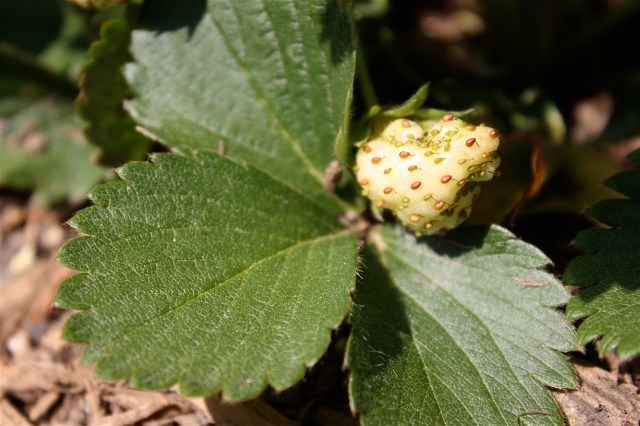

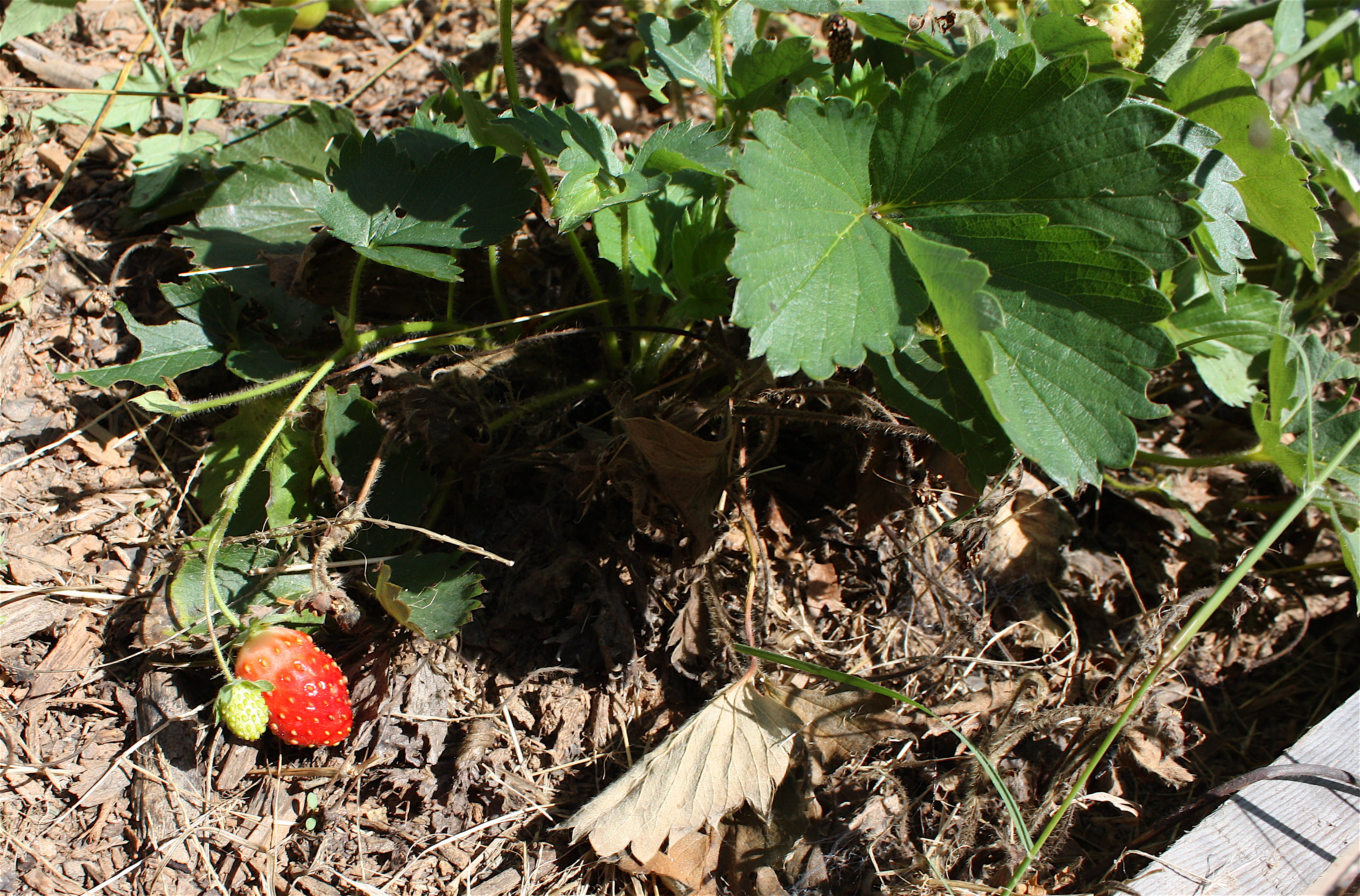
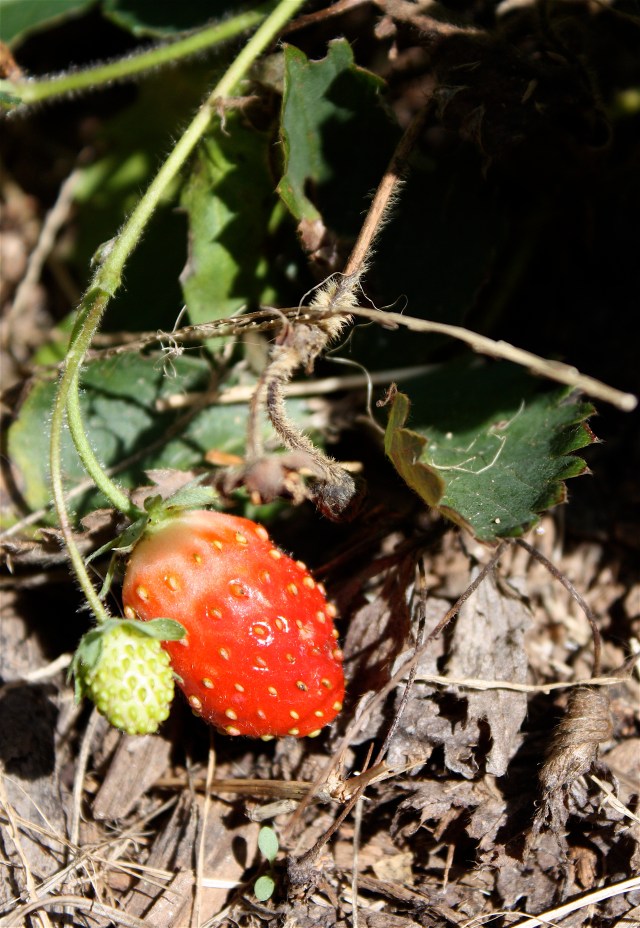
The berry above shared forty degree temperatures with pumpkins on porches.
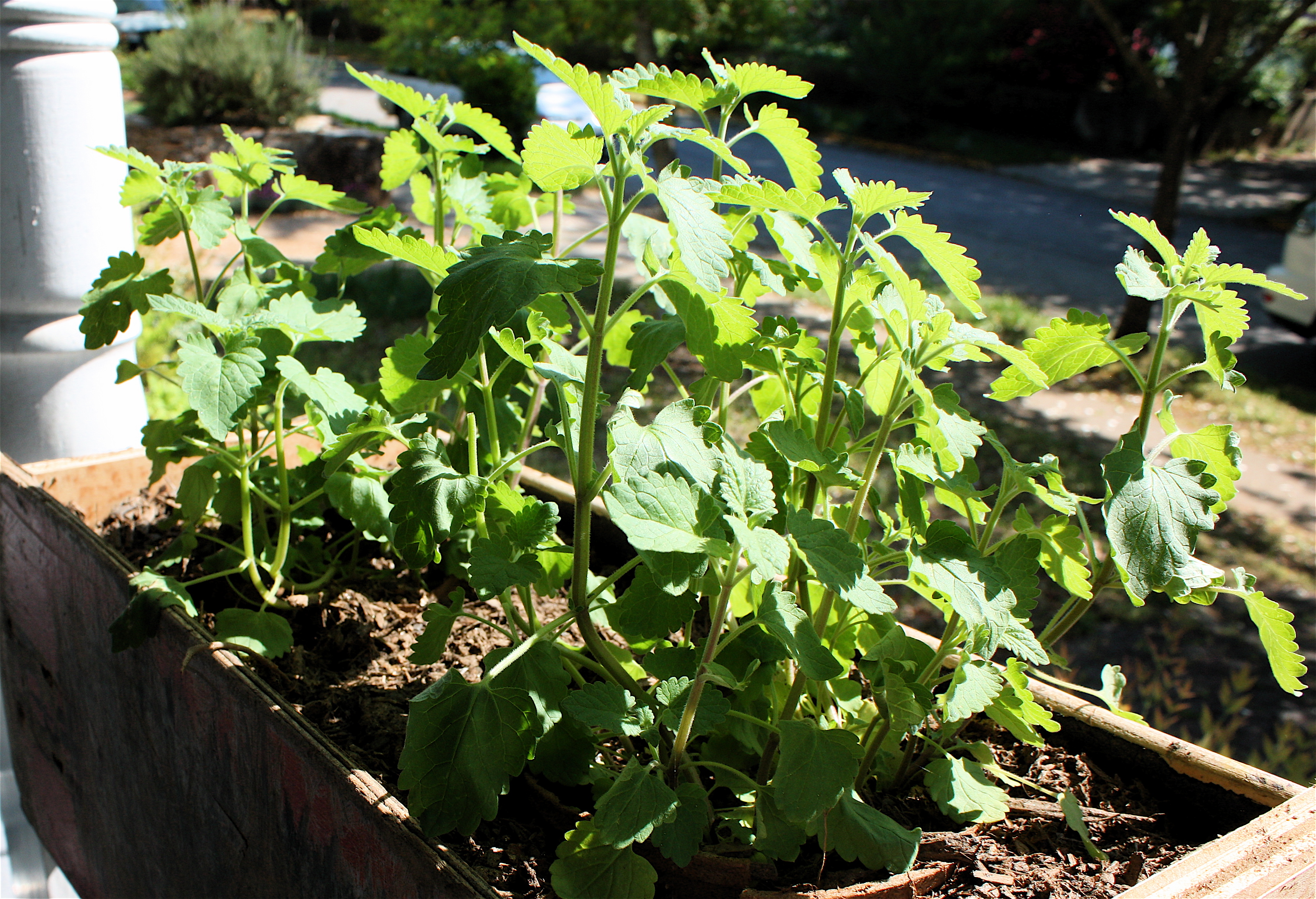 It took a week for Mo and Jo, grayscale neighbors from across the street, to discover this intoxicating find. For the last couple days, on my way to school in the morning, I noticed that the plant on the left looks like they took turns rolling in it all night.

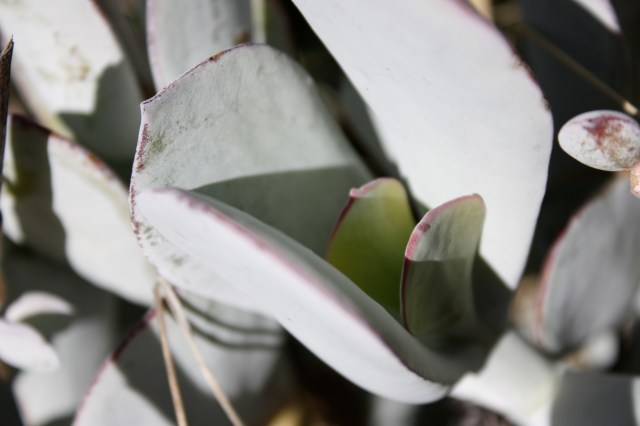
These are the only ghost plant flowers I’ve ever seen. The plant sits next to a sunny window in the lobby/reception room of the Elqui Domos, in Elqui Valley, Chile.


This planter brings to mind a quote I scribbled in a journal years ago:
The belief that violence is a reasonable and often necessary route to achieving our aims goes unquestioned in most societies. Violence is thought to be the nature of things. It’s what works. It seems inevitable-the last and often, the first resort in conflicts. This Myth of Redemptive Violence is the real myth of the modern world. It, and not Judaism or Christianity or Islam, is the dominant religion in our society.
by Walter Wink
The Myth of Redemptive Violence is a Babylonian creation story. The “Enuma Elish” (circa 1250 BCE), is a story about two parent gods who give birth to all other gods. The children kill the father because they discover their parents’ plans to kill them all because they make too much noise. Enraged, the battle ensues between the gods and their mother. The youngest of the gods winds-up killing her.
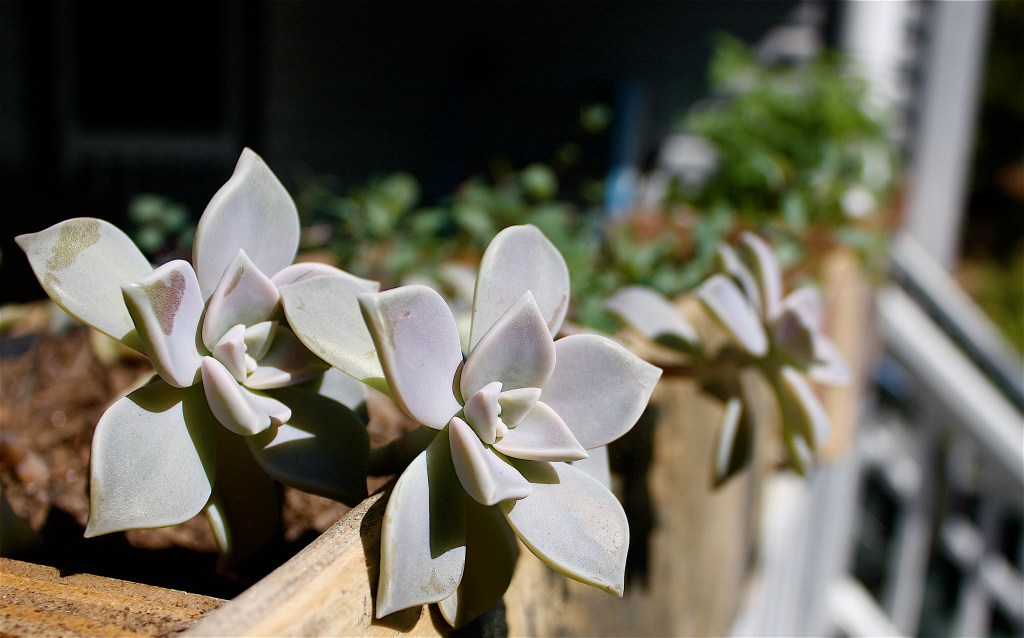
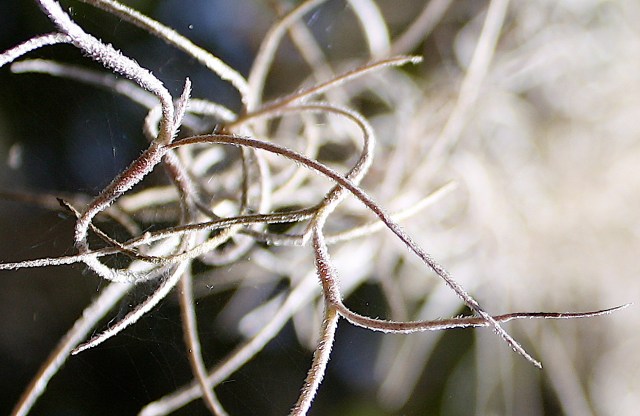
One July, I bought this plant from a woman at a flea market outside of town my students call “La Pulga.” The specter floated above the stoop in a hanging basket for about a year. Once I swung the door too wide, and knocked it seven feet to the ground. After a considerable soil hemorrhage left a small hollow under the plant, I noticed an illusive wren flitting back and forth with twigs and other oddments. The plant thrived while baby birds hatched beneath.
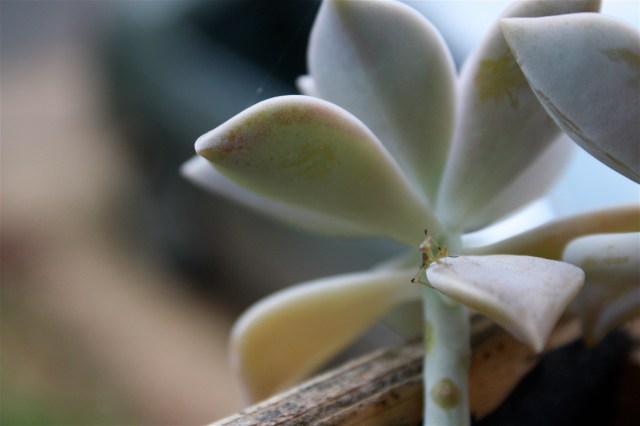
I met a curious mantis climbing the funbox at a local skate spot after a nose manual, then found this little guy on the porch when I got home.


Buenos dias.

In a springtime tag team bout, wisteria’s arboreal choke hold announces the arrival of summer’s kudzu dinosaurs.

If I was a pro wrestler, my name would be Wisteria.
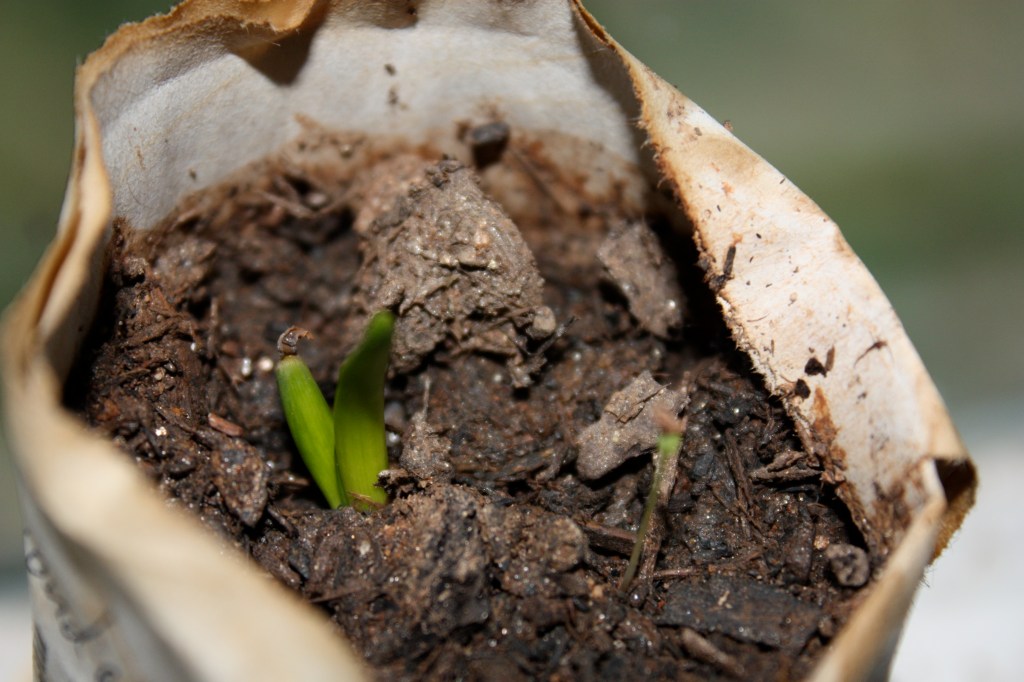
About a year ago, I snatched curious bulblets from what looked like a large alien onion plant during a walk through a nearby garden. One forgotten, dry little bulb sat on the kitchen windowsill collecting dust for a year. Until last week. I rolled a paper pot, tucked her in, then soaked. Six days later, twin jade sprouts poked through the soil.
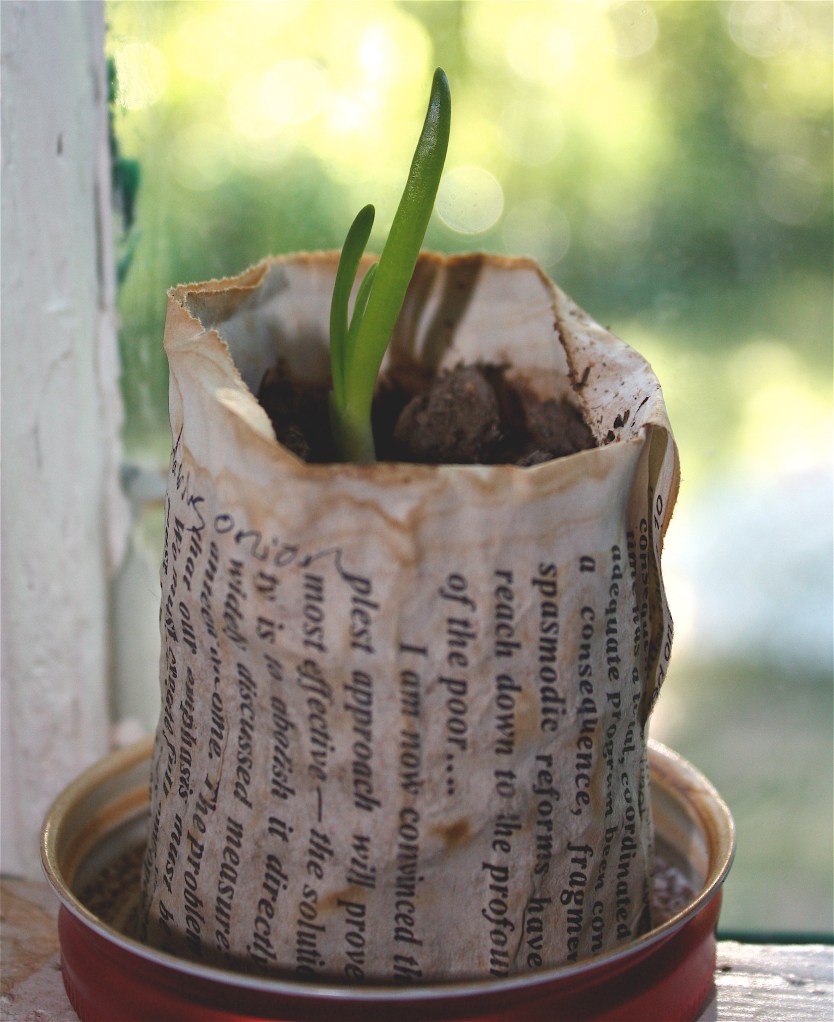
Itching to wander, she’s more than doubled in height in two days.

A week later, she’s ready to move out of the kitchen window.
Today Alex planted the onion in our vegetable bed at school. Turger pressure’s low, so it’s pretty droopy, but an optimistic touch is just what it needs.
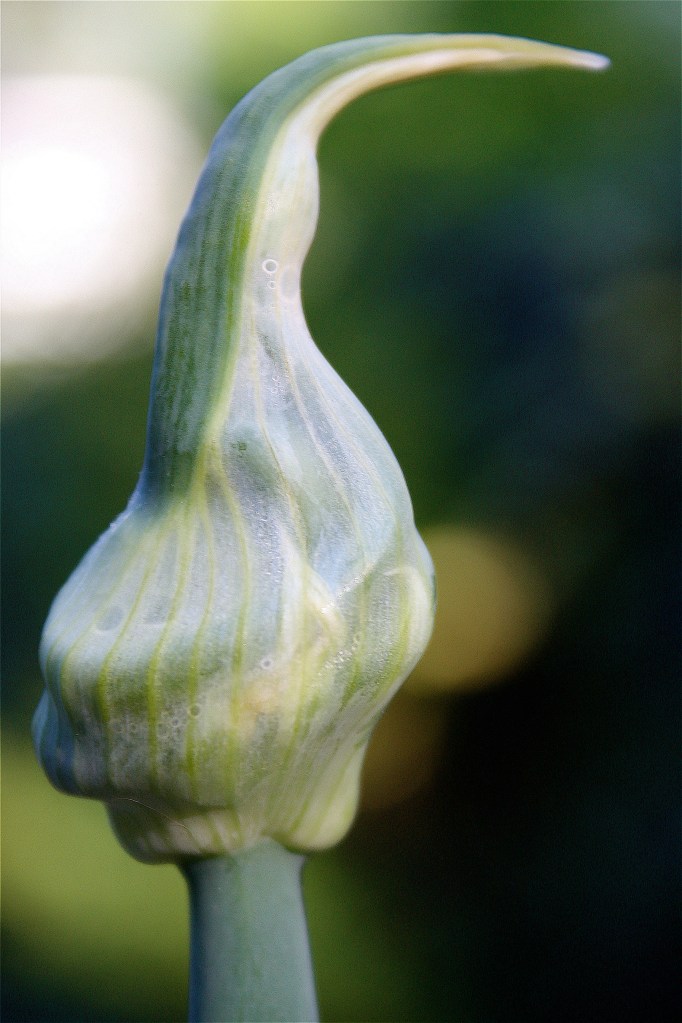
Stretching, the tallest of four plants towers above an old tofu bucket. The bulge rises like a burp before February.
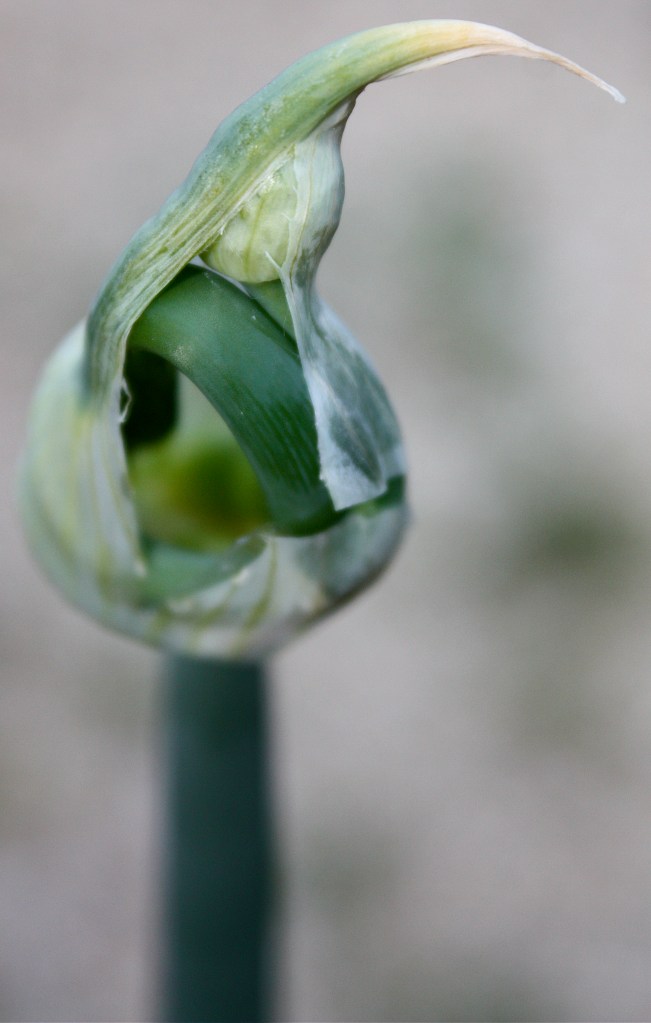

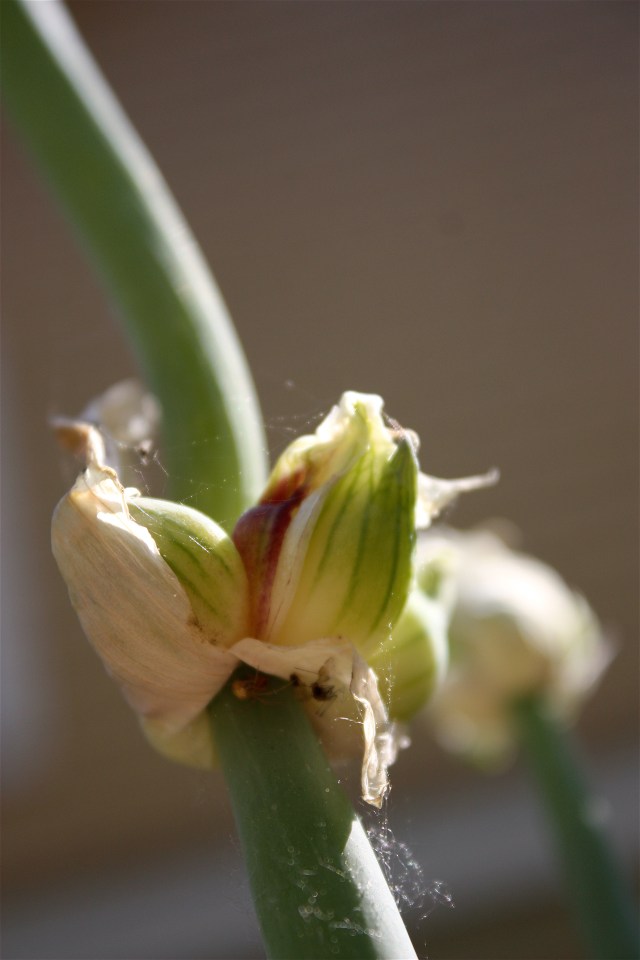
In the knot’s place, three bulblets (one with thinned, crimson skin) remain, and
a family of spiders finds pungent refuge beneath.
 To jump ahead a year into the future of this plant’s life, click here.

This fridge magnet was fashioned from my cat Juicy’s dreadlock. She’s a Rastafarian.
For The Jim Crow Mexican Restaurant in Cambridge, Massachusetts, Where My Cousin Esteban Was Forbidden To Wait Tables Because He Wears Dreadlocks
by Martin Espada
I have noticed that the hostess in peasant dress,
the wait staff and the boss
share the complexion of a flour tortilla.
I have spooked the servers at my table
by trilling the word burrito.
I am aware of your T-shirt solidarity
with the refugees of the Americas,
since they steam in your kitchen.
I know my cousin Esteban the sculptor
rolled tortillas in your kitchen with the fingertips
of ancestral Puerto Rican cigarmakers.
I understand he wanted to be a waiter,
but you proclaimed his black dreadlocks unclean,
so he hissed in Spanish
and his apron collapsed on the floor.
May La Migra handcuff the wait staff
as suspected illegal aliens from Canada;
may a hundred mice dive from the oven l
ike diminutive leaping dolphins
during your Board of Health inspection;
may the kitchen workers strike, sitting
with folded hands as enchiladas blacken
and twisters of smoke panic the customers;
may a Zapatista squadron commandeer the refrigerator,
liberating a pillar of tortillas at gunpoint;
may you hallucinate dreadlocks
braided in thick vines around your ankles;
and may the Aztec gods pinned like butterflies
to the menu wait for you in the parking lot
at midnight, demanding that you spell their names.
– Martin Espada